“State Parks are in the memory business. They are places where special things happen. Sometimes all it takes is showing up and waiting and watching to see what happens. Phil Gaines SC State Park Director”
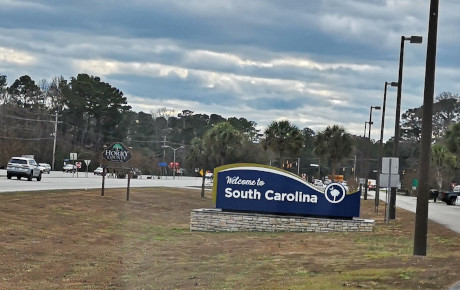
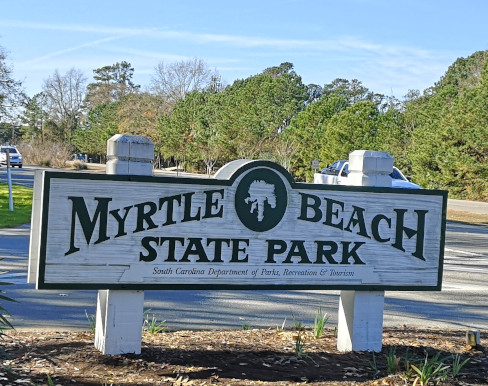
We’re now in South Carolina and repeating some of the same parks we stayed in in 2019 but we’re trying to do different things in each park. Our first stop was Myrtle Beach SP where we stayed for 6 nights. We were completely shocked by how much the prices had gone up! In 2019 we stayed in this park for $19 per night and now it was $60, more than a 3-fold increase. All of the states up to this point have been reasonable at $20-35 so not sure how South Carolina can justify these higher prices. Myrtle Beach SP is right on the beach but so were many of the other state and national parks we stayed in up to this point on this trip. However, we do need to stay along the coast because inland the nighttime temperatures are still much lower.
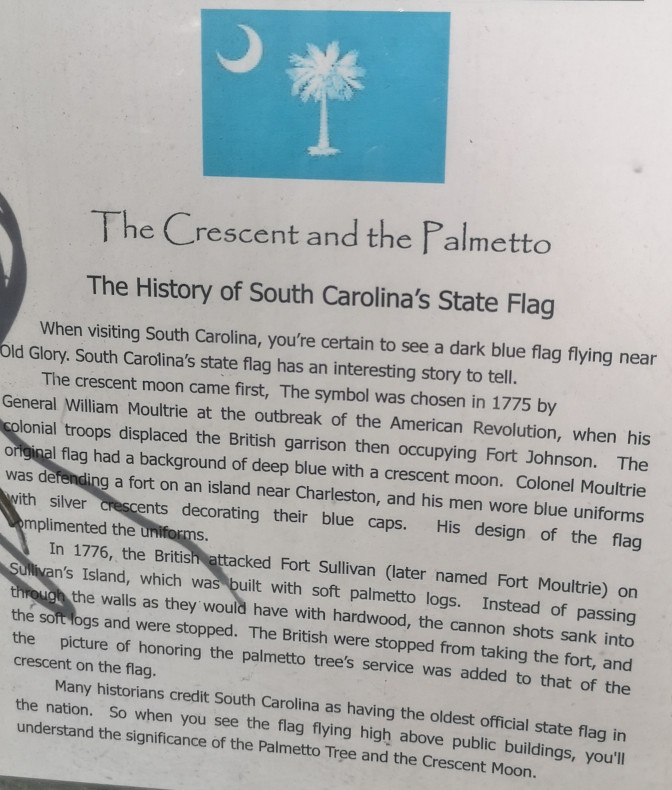
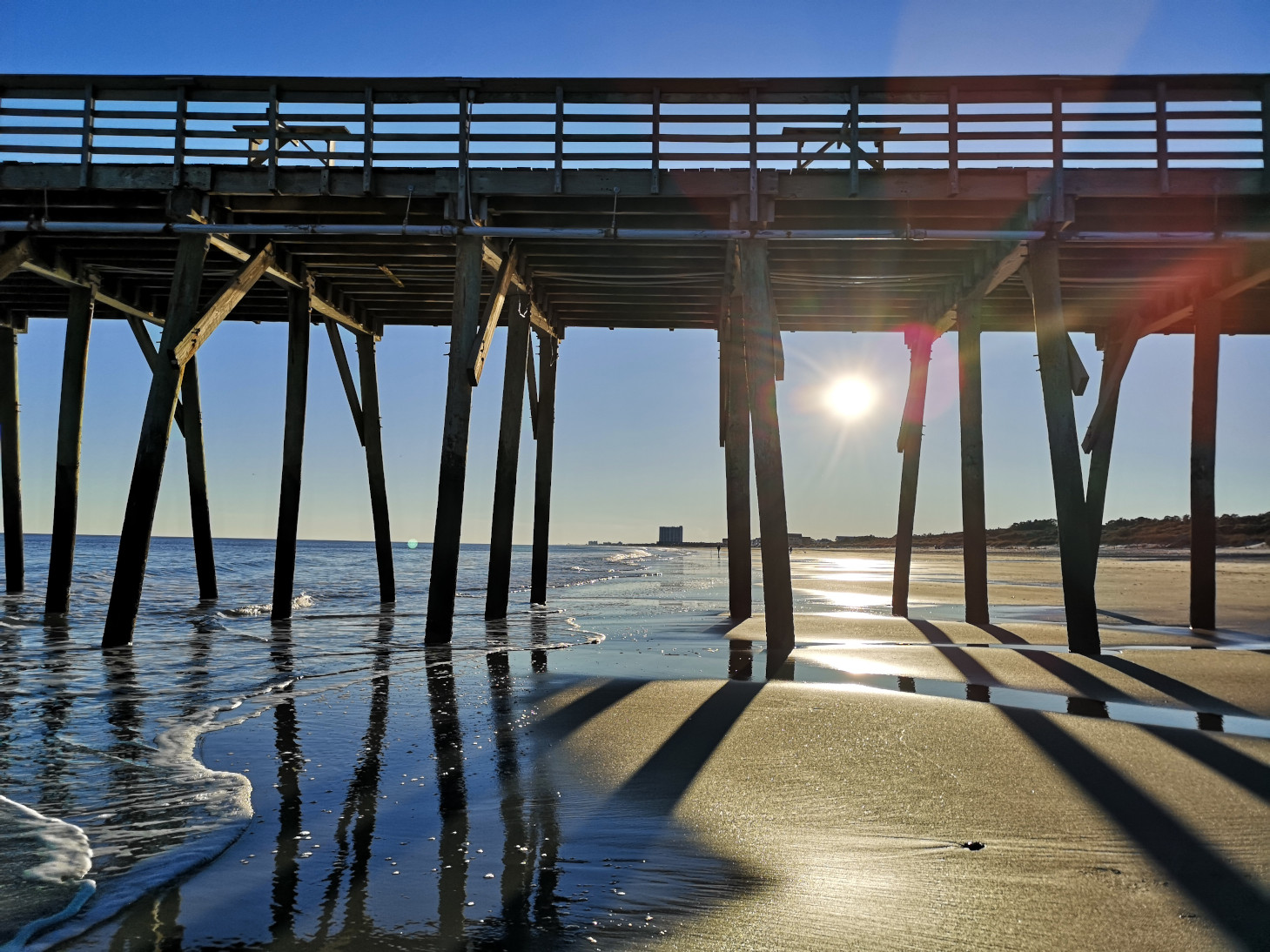
On our first full day in the park (and the last day of 2023) we did a 6 km hike along the beach looking for shells and then in the afternoon we did another 6 km hike to go to the Nature Centre and cover all the hiking trails in the park. On the hiking trails they had lots of quote sign boards that we liked. I’ll keep using some of those as the opening quotes for the blogs.

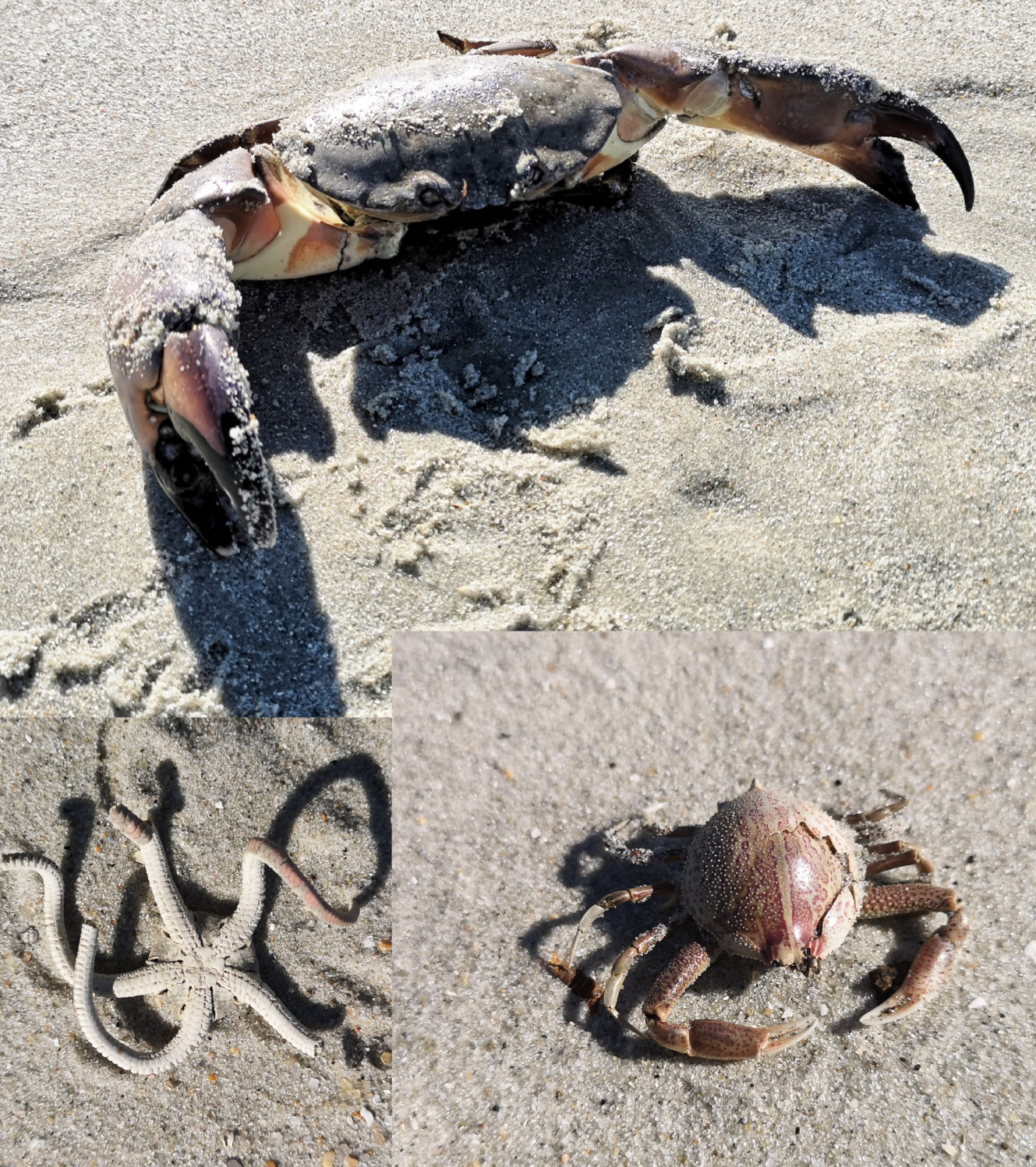
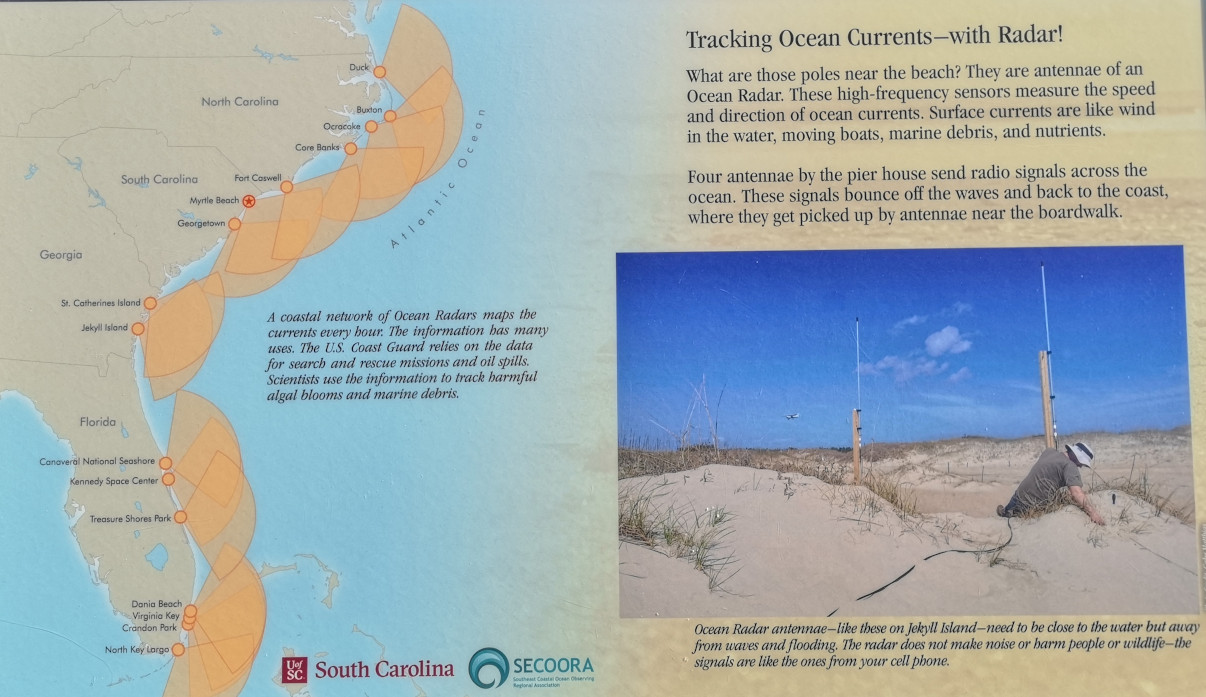

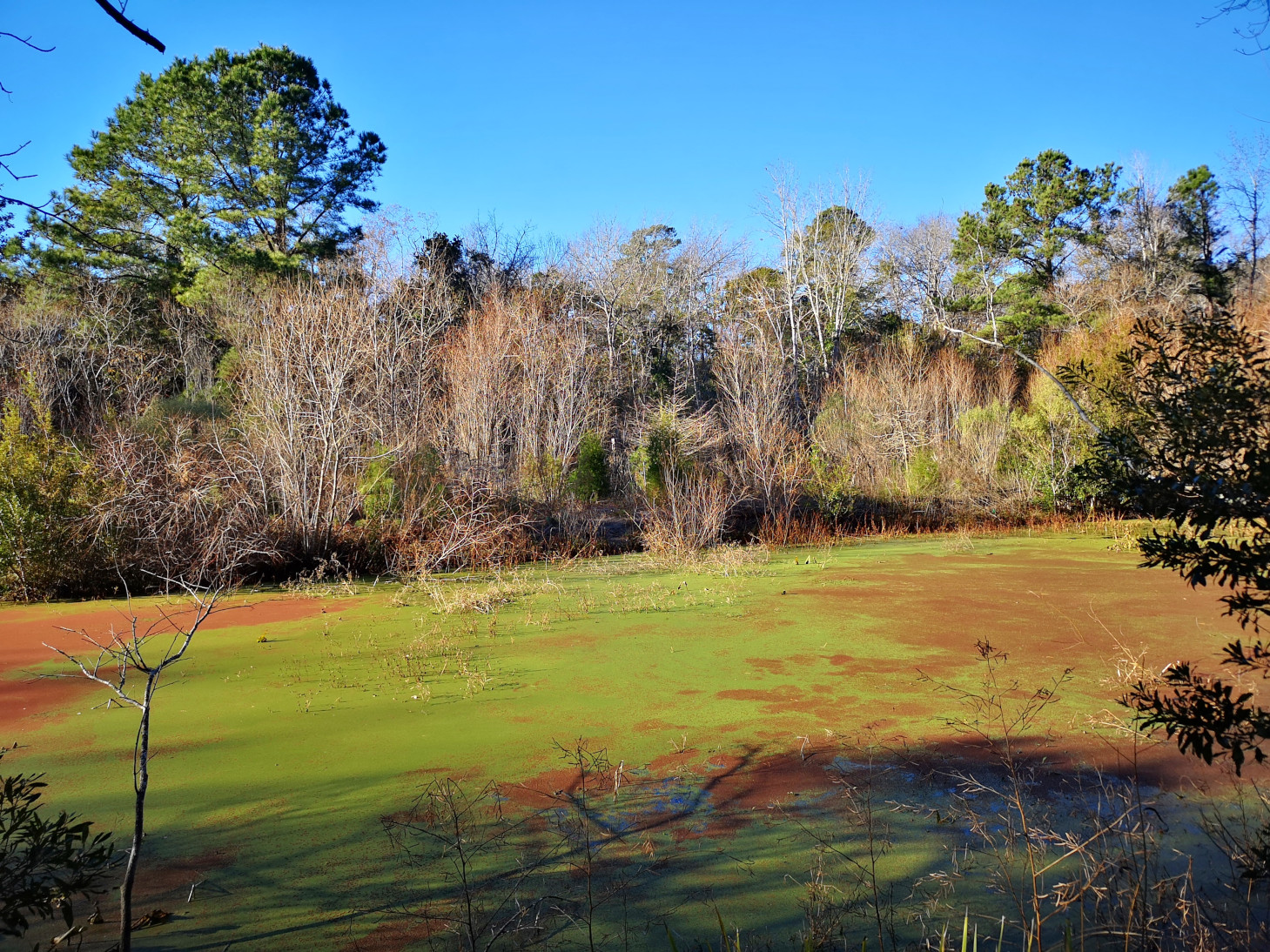
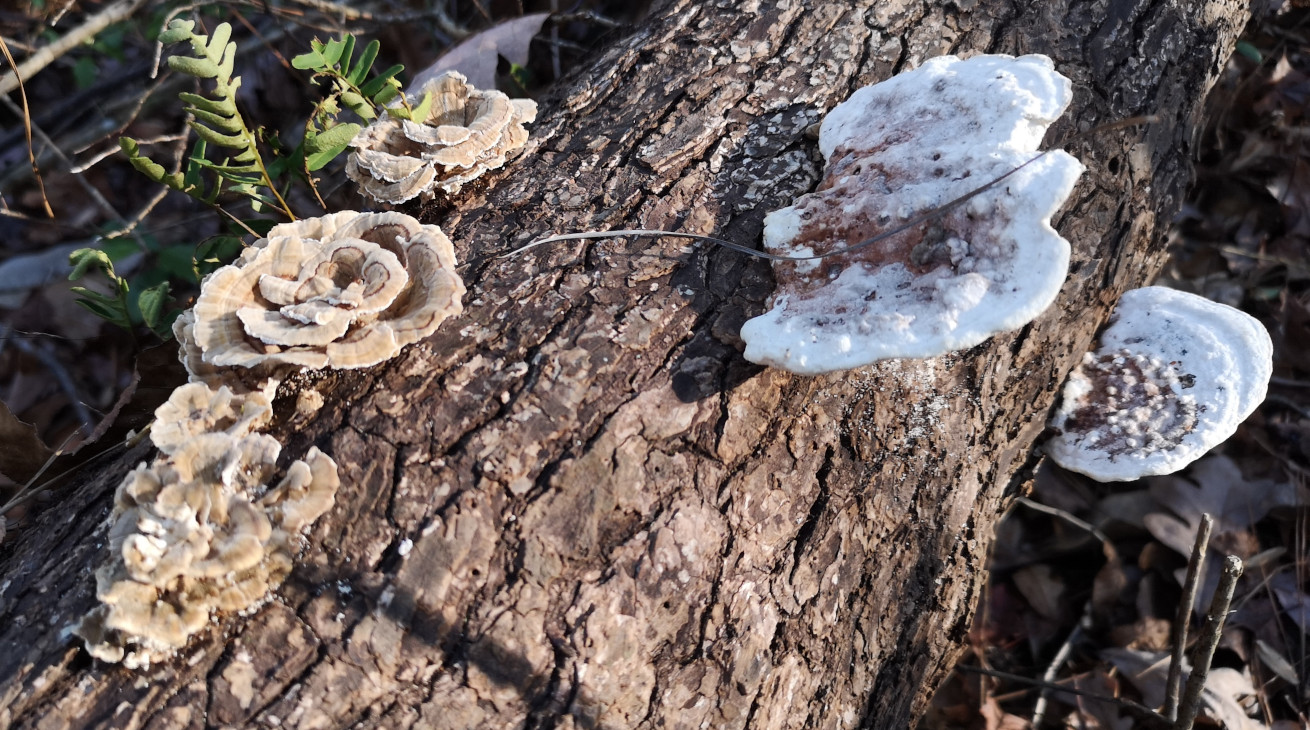
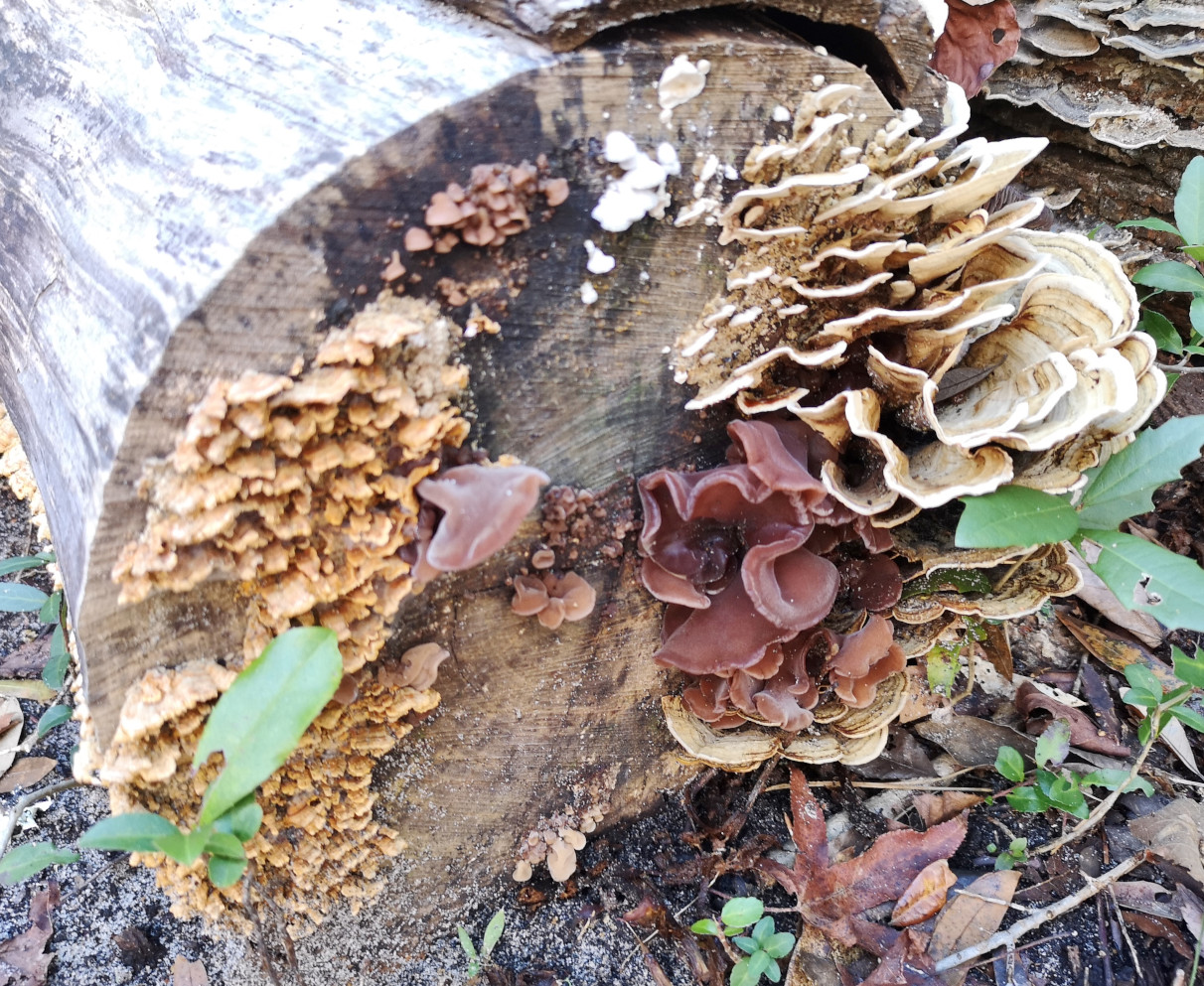
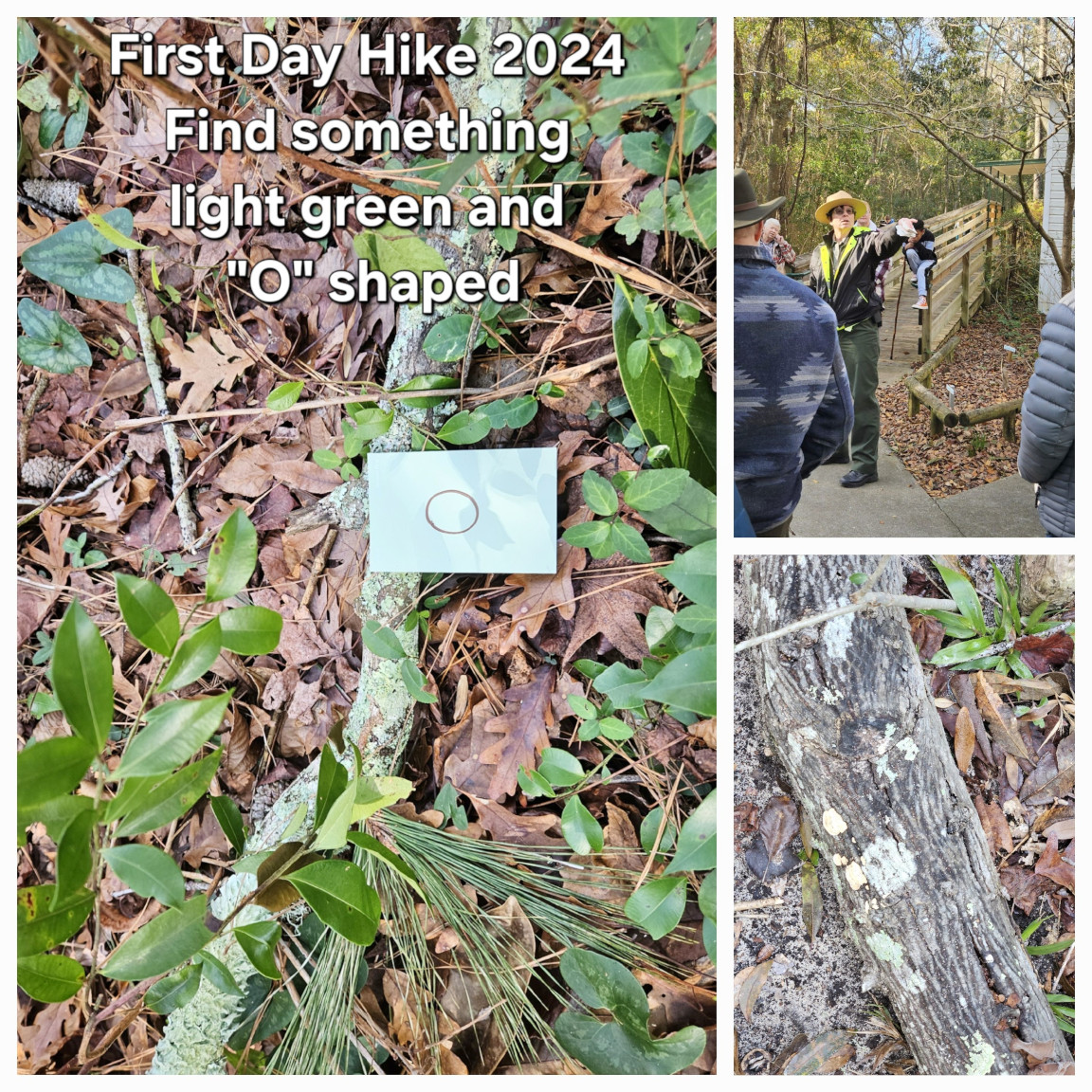
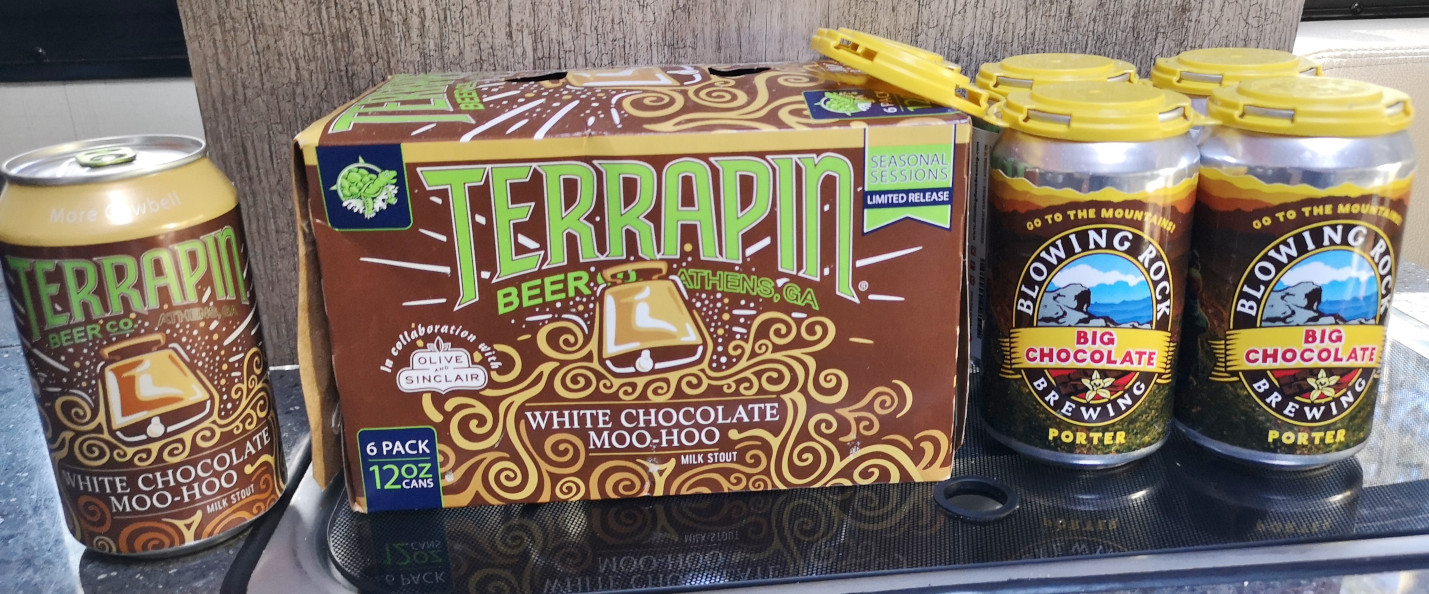
All the State and National Parks had a First Day Hike to kick off 2024. Sharon went on the hike, I opted to rest😊The hike was popular, the ranger gave paint chips with shapes on them. Sharon had a light green card with a circle shape, you were supposed to find something on the hike to match your card. I think Sharon’s was easy! We did several beach walks hunting for shells during our stay (20 kms total), managed to get lots of laundry done, worked on the blog and planned our next stops. Sharon wanted to go to the Outlet Mall to shop, but Joel ended up buying the most stuff!! For the next beer selection, I had a stout and a porter, the White Chocolate Moo-Hoo milk stout was my favourite of these.

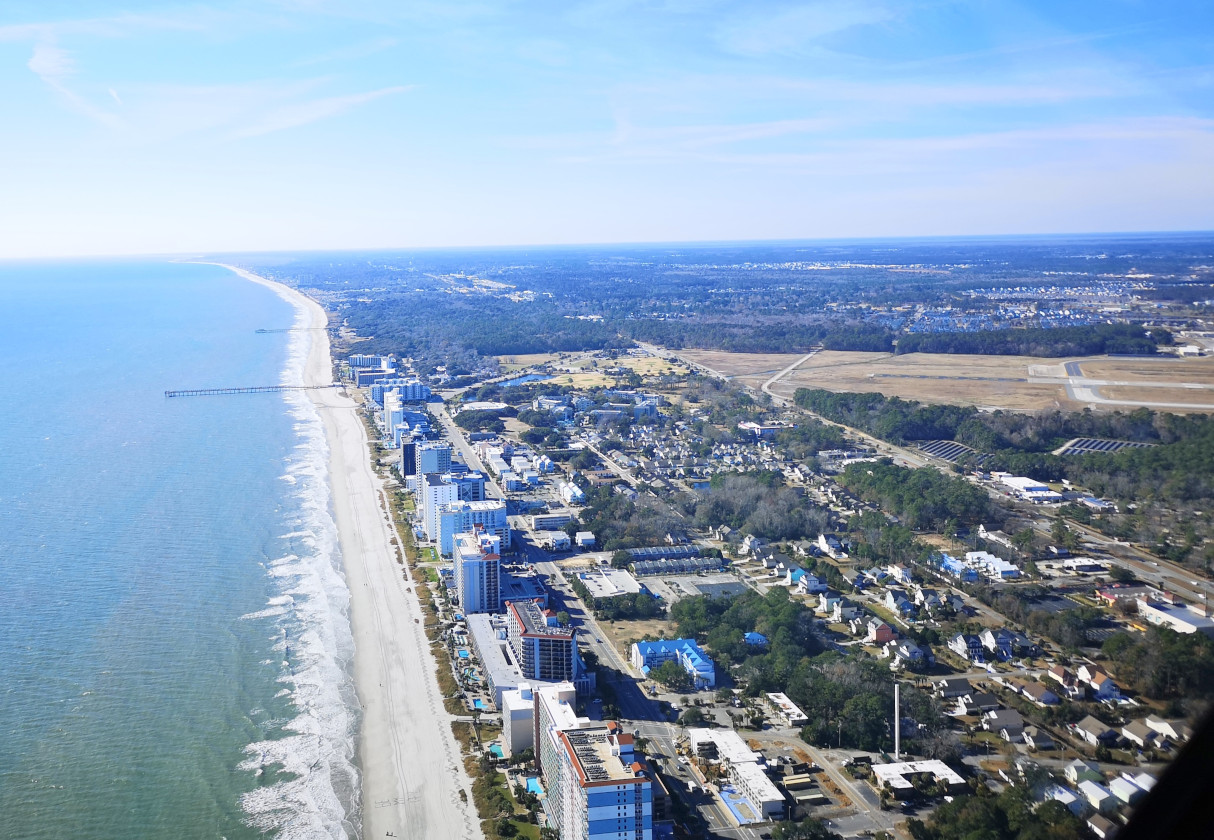
Our last adventure in Myrtle Beach was a short helicopter ride along the beach. It was Sharon’s first helicopter ride, and she really enjoyed it, wished she’d picked a longer flight. Turns out our pilot was from Pembroke, Ontario! There were large military planes at the airport, and we were told it was the Secret Service checking things out as the Vice President was arriving the next day.
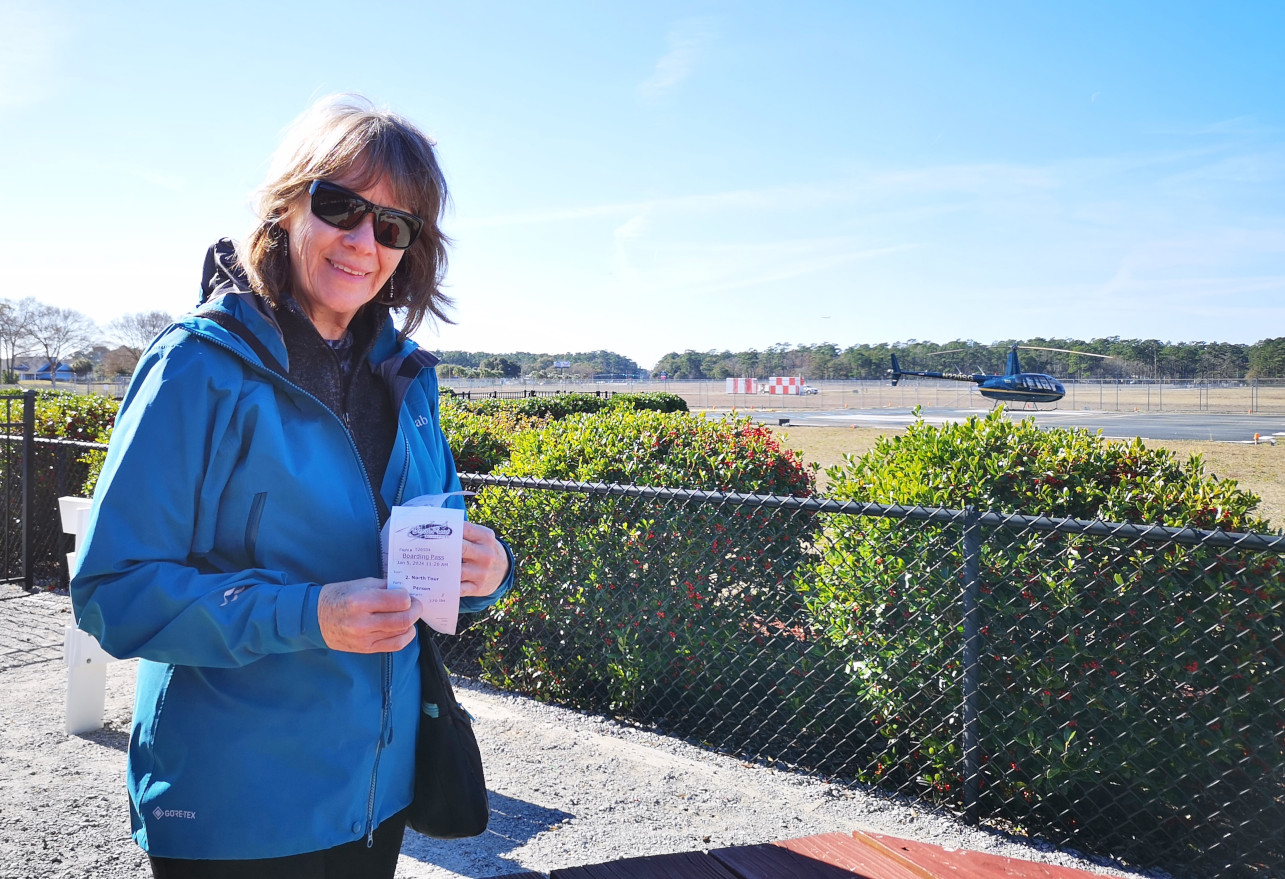
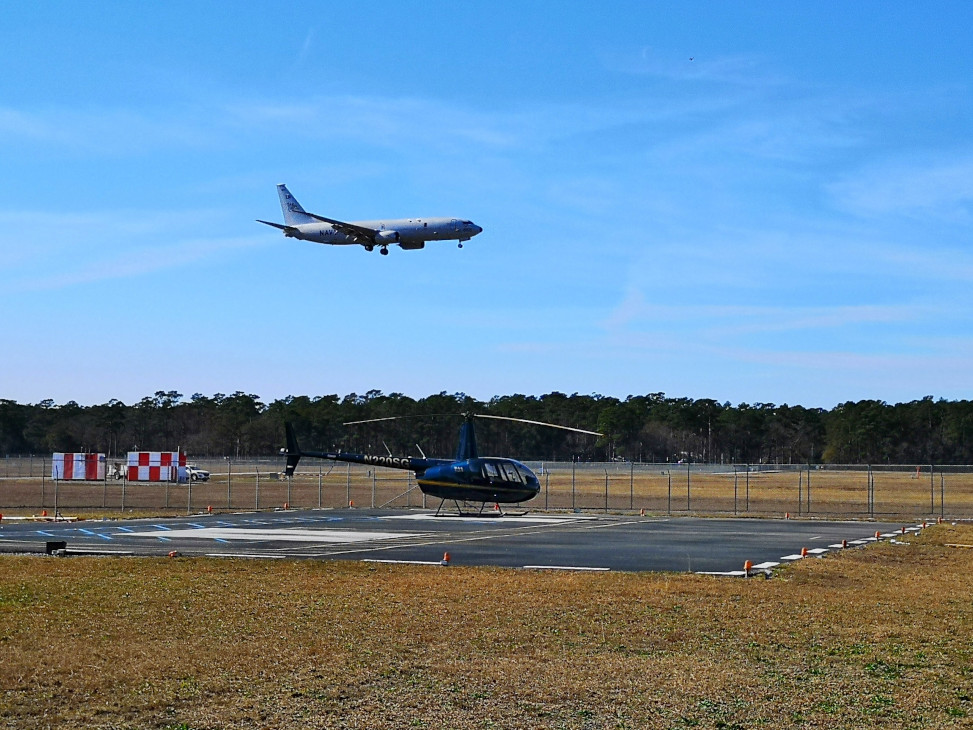
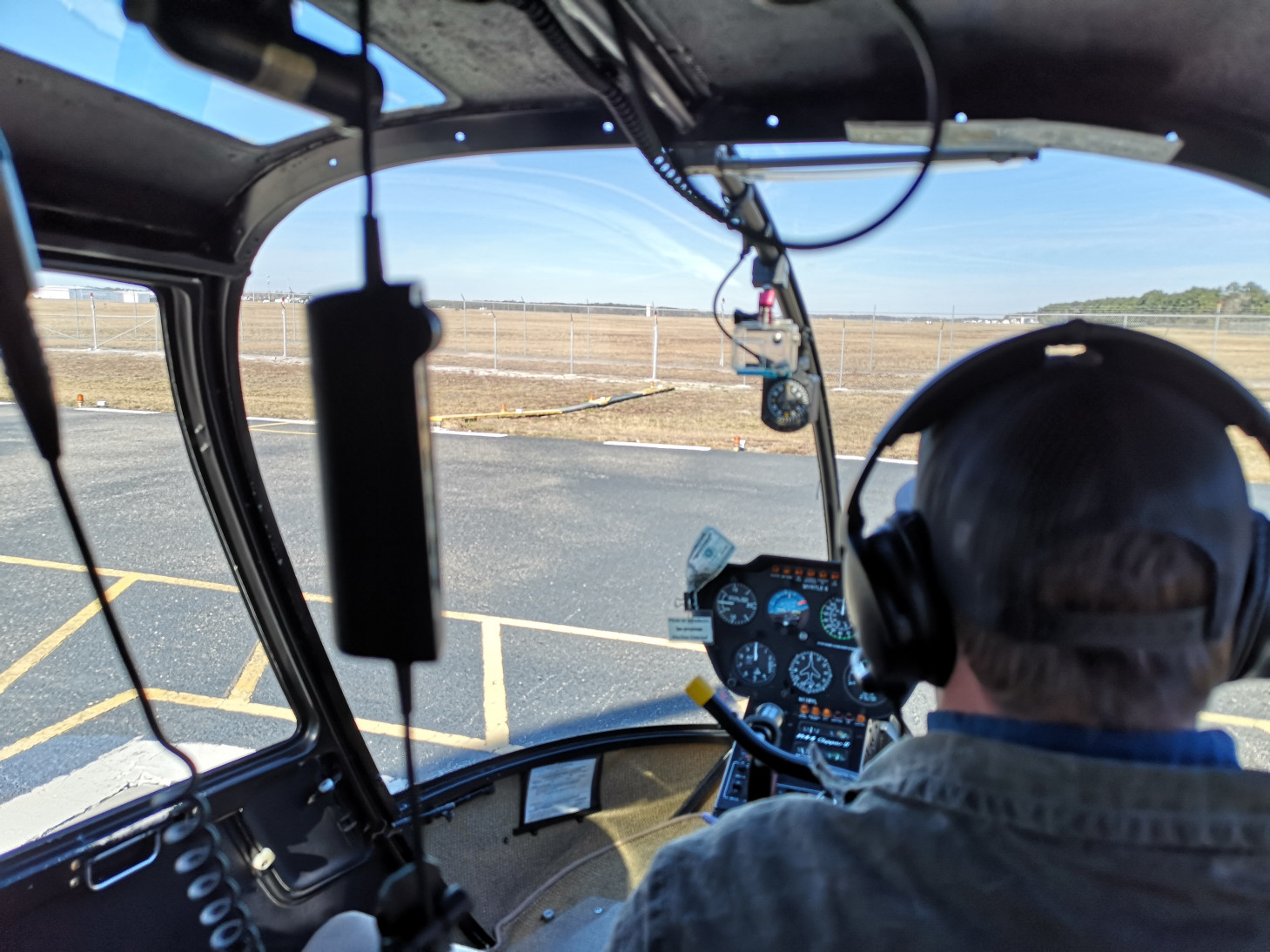
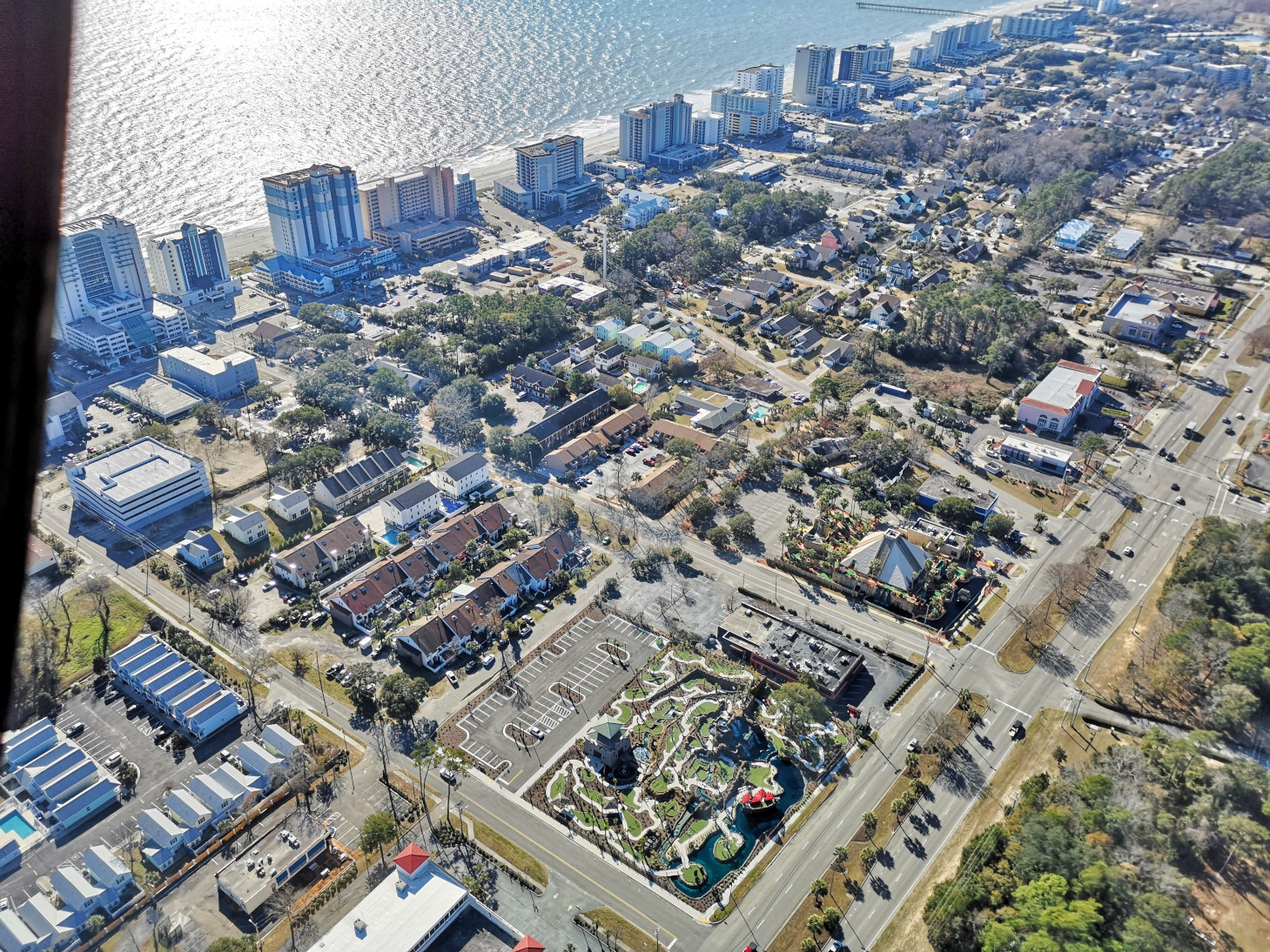



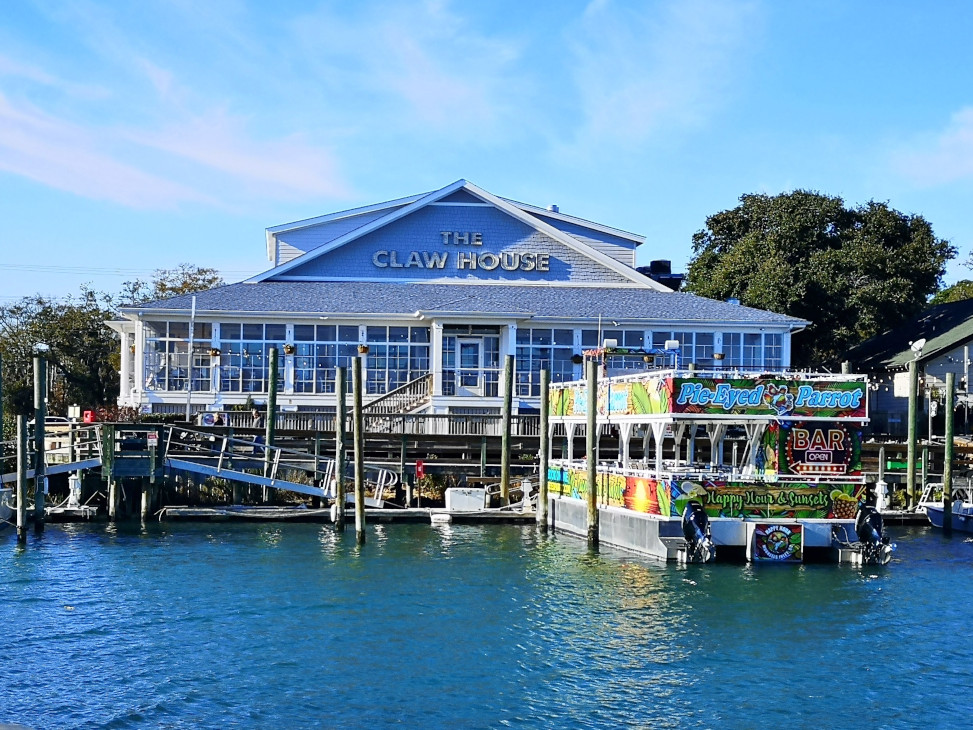
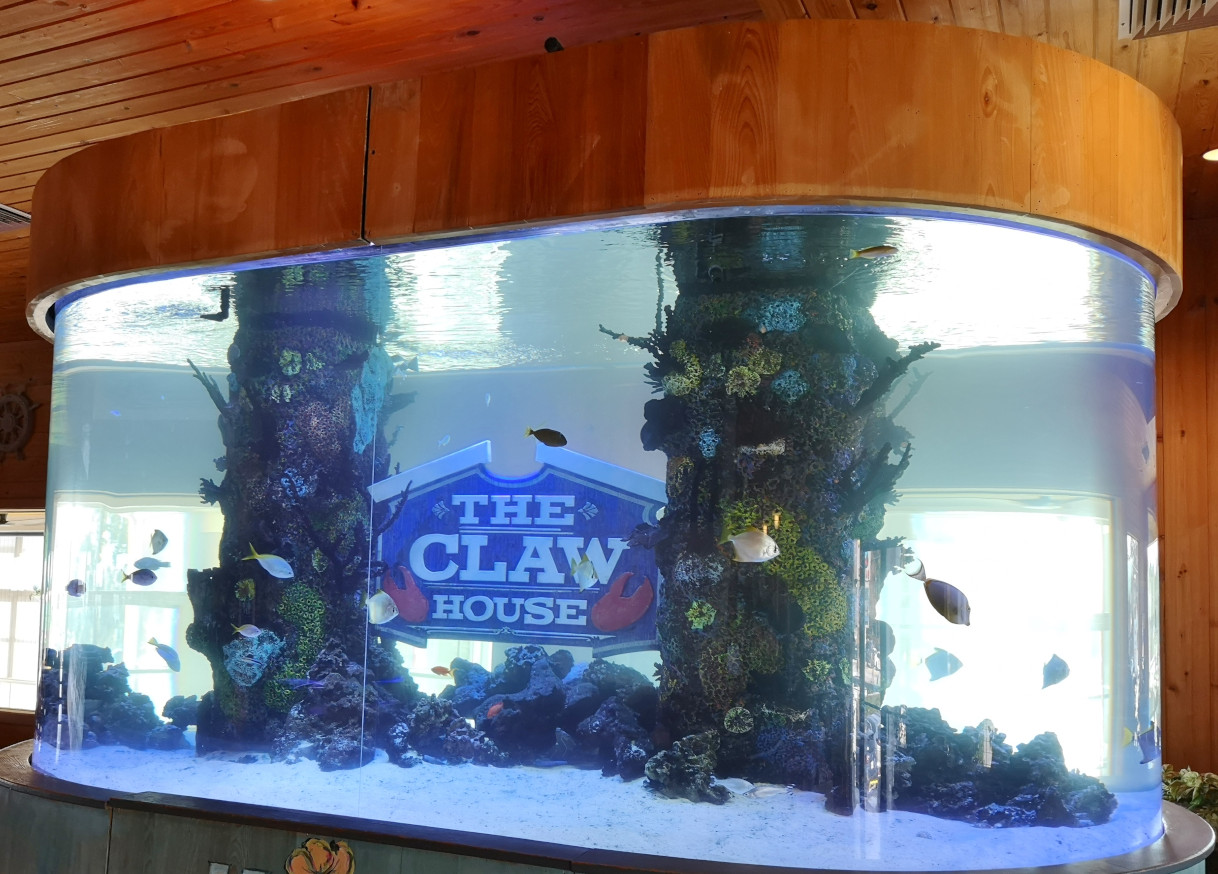
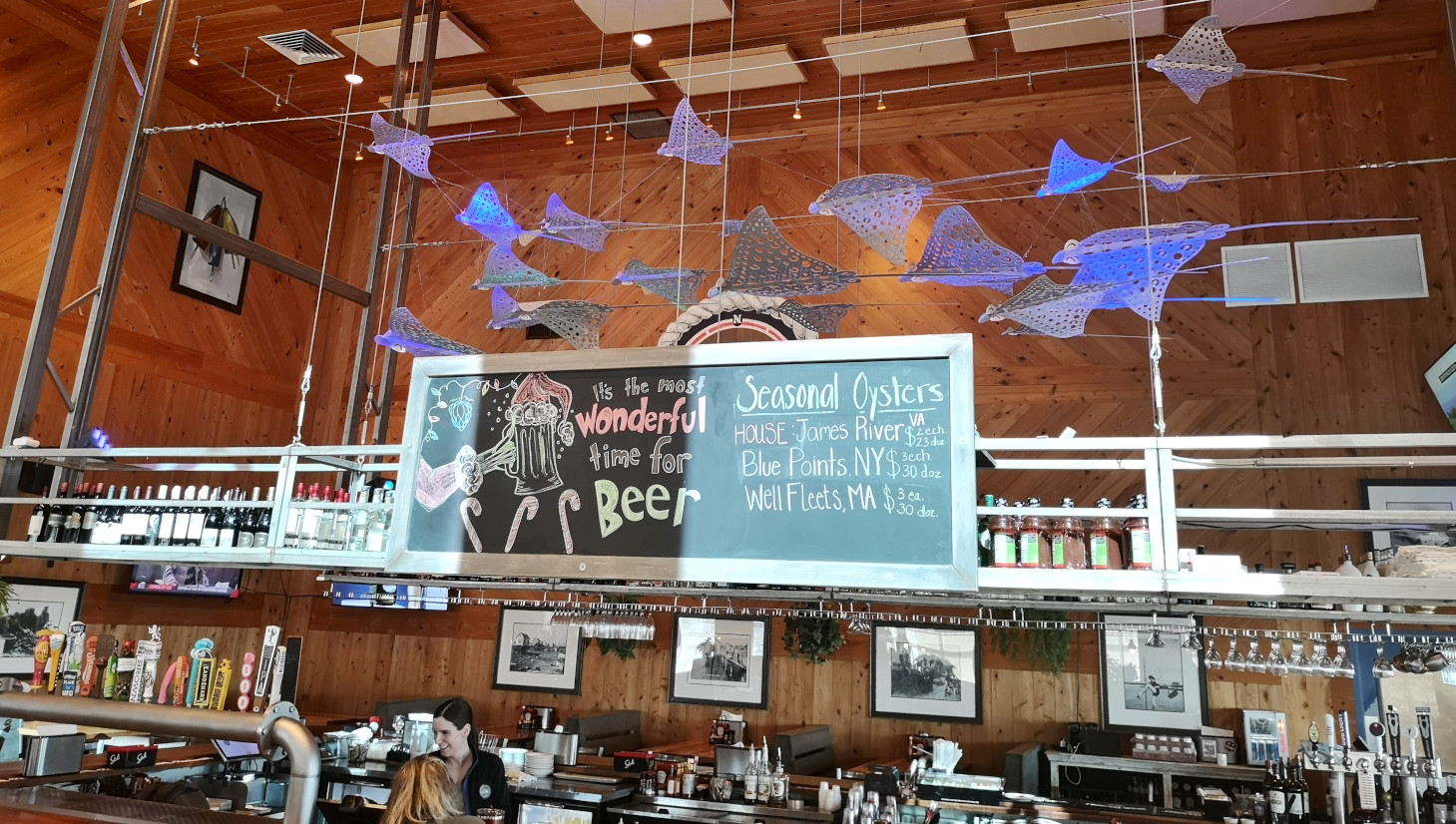
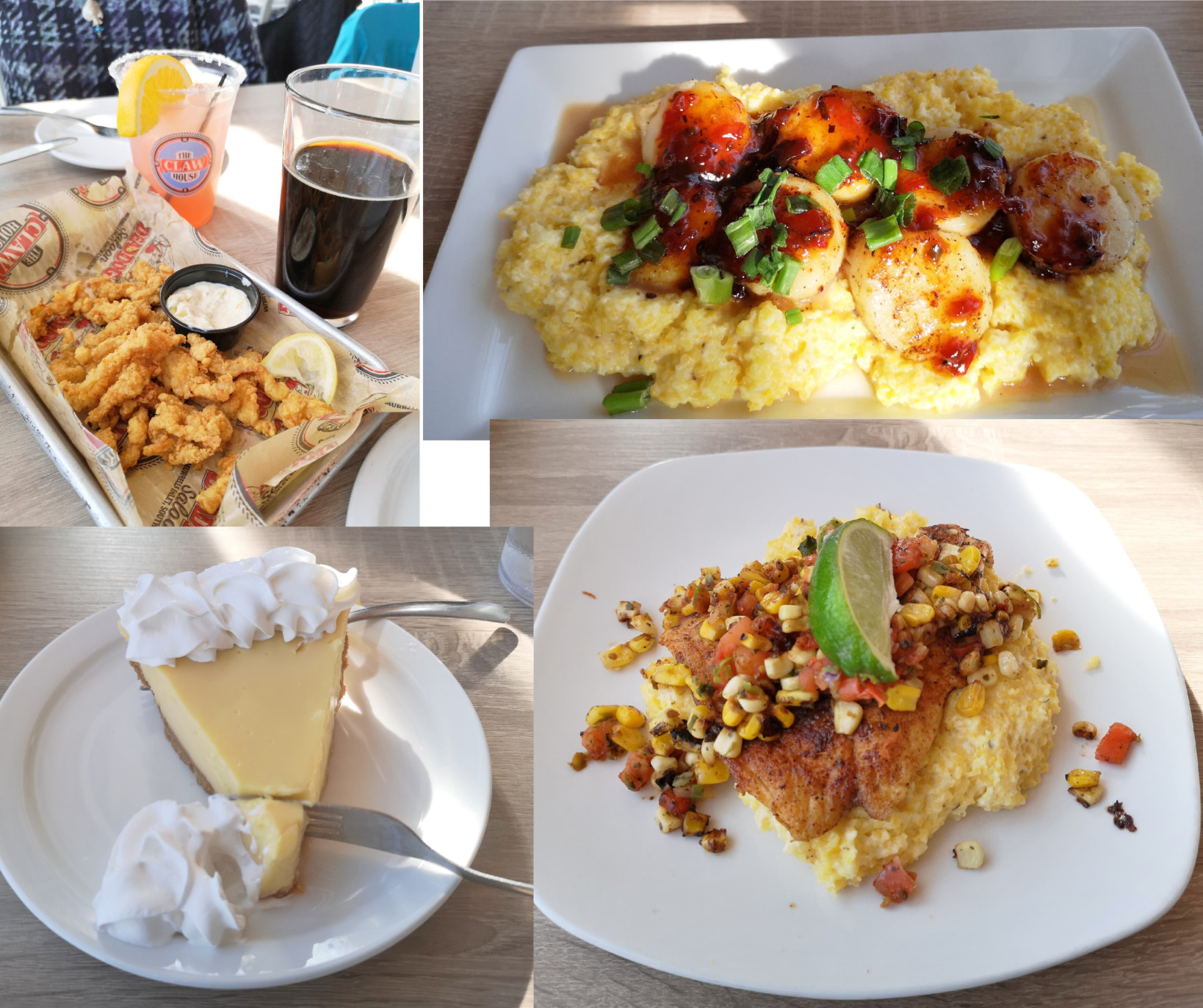
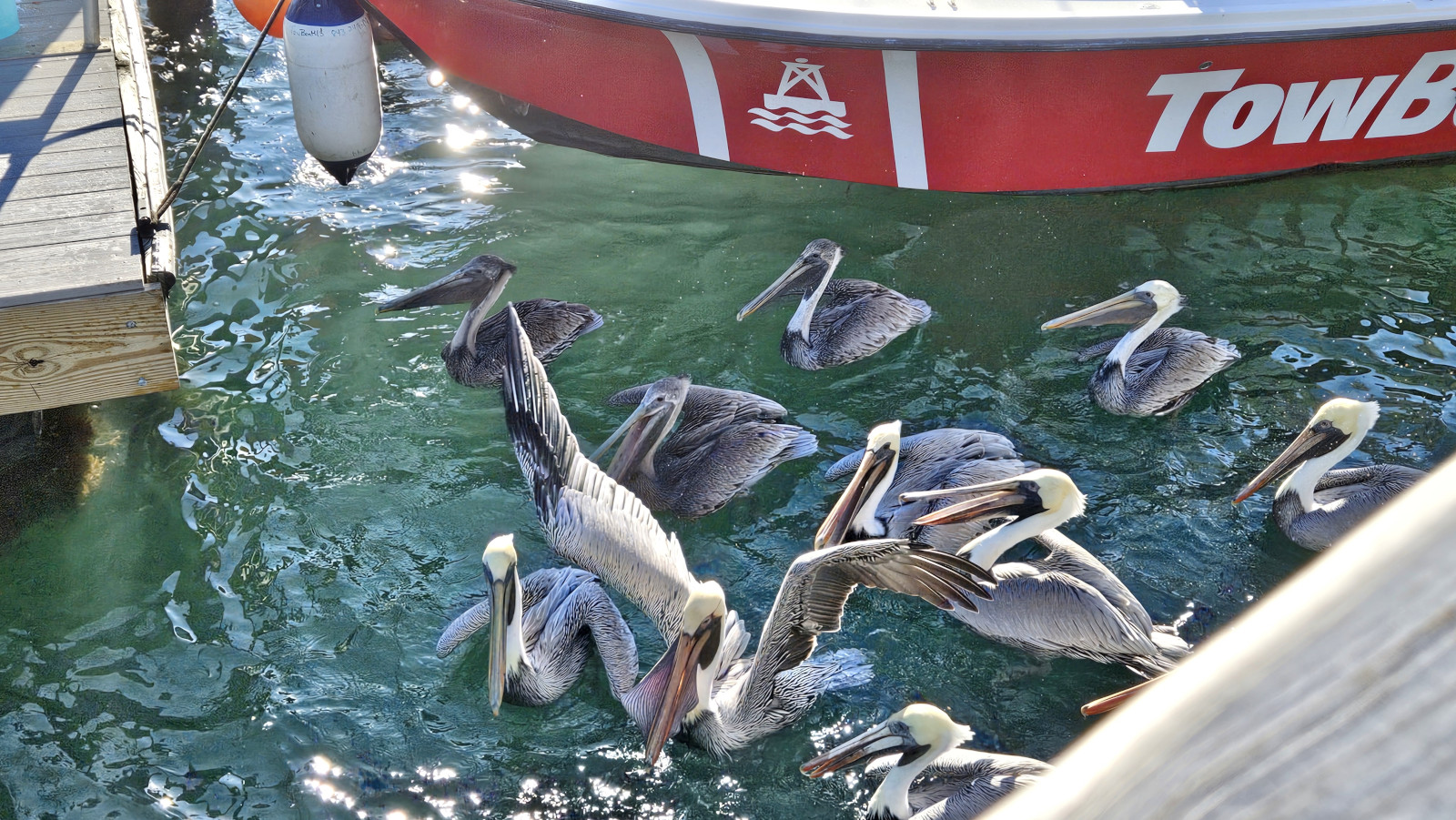
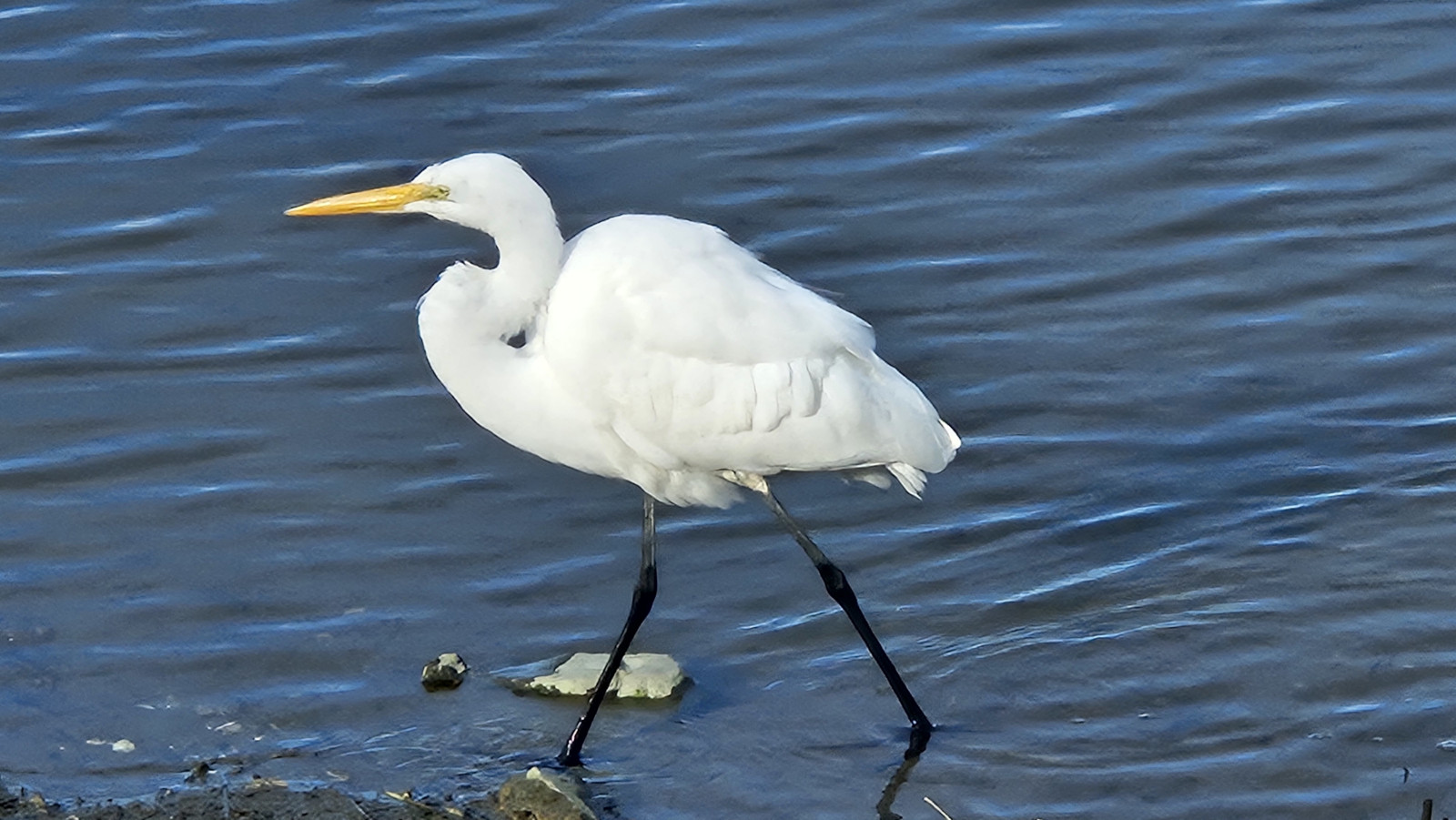
The pilot mentioned Murrells Inlet had some good seafood restaurants, so we headed there for lunch. We picked The Claw House which was right on the water. We had fried clams for an appetizer, Sharon had Bacon Jam Scallops and grits, I had Pan Seared Grouper, and we shared a Key Lime Pie for dessert. After lunch we walked around the harbour boardwalk and watched the pelicans getting lunch after a fishermen filleted his trout.


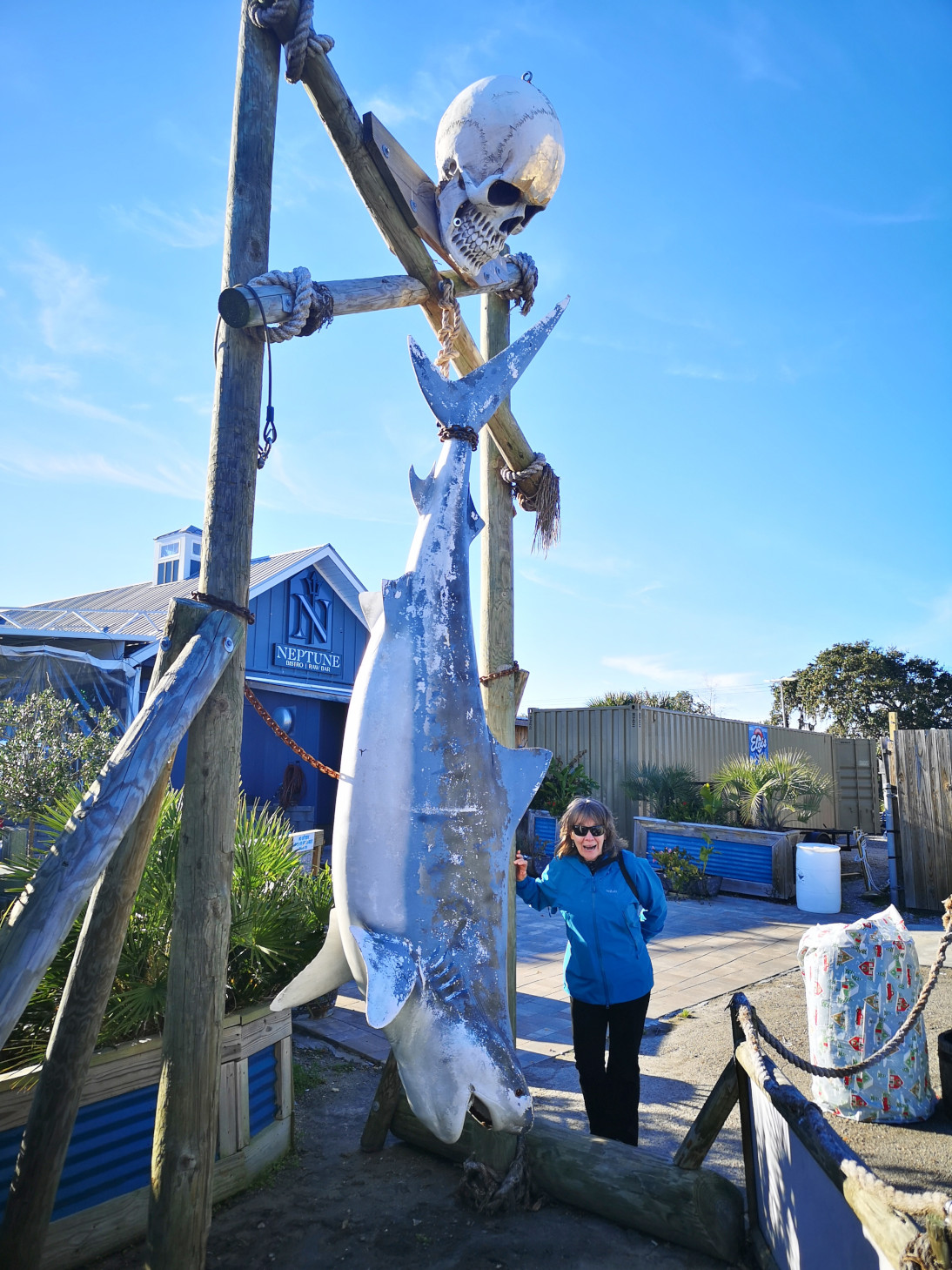
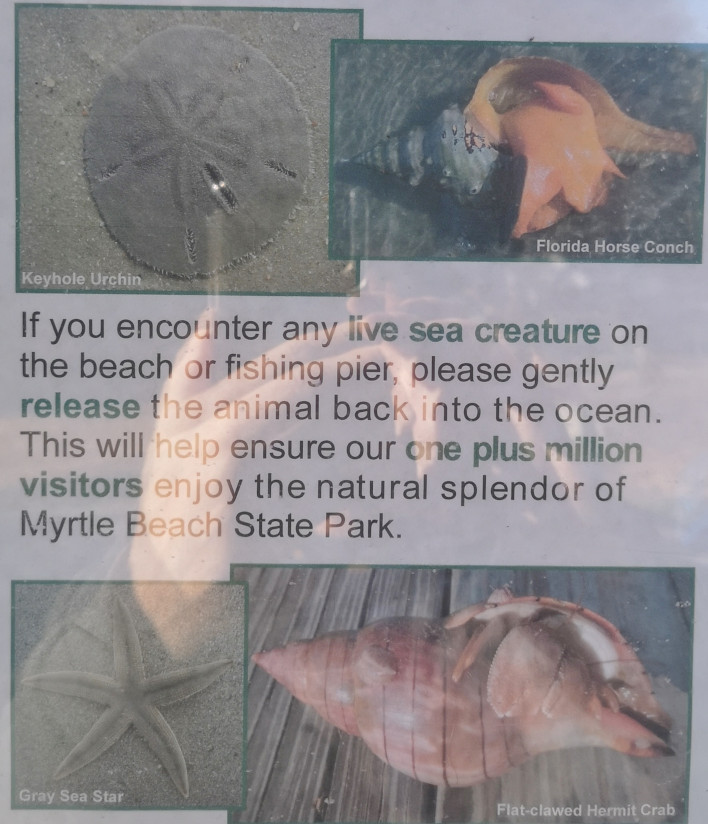
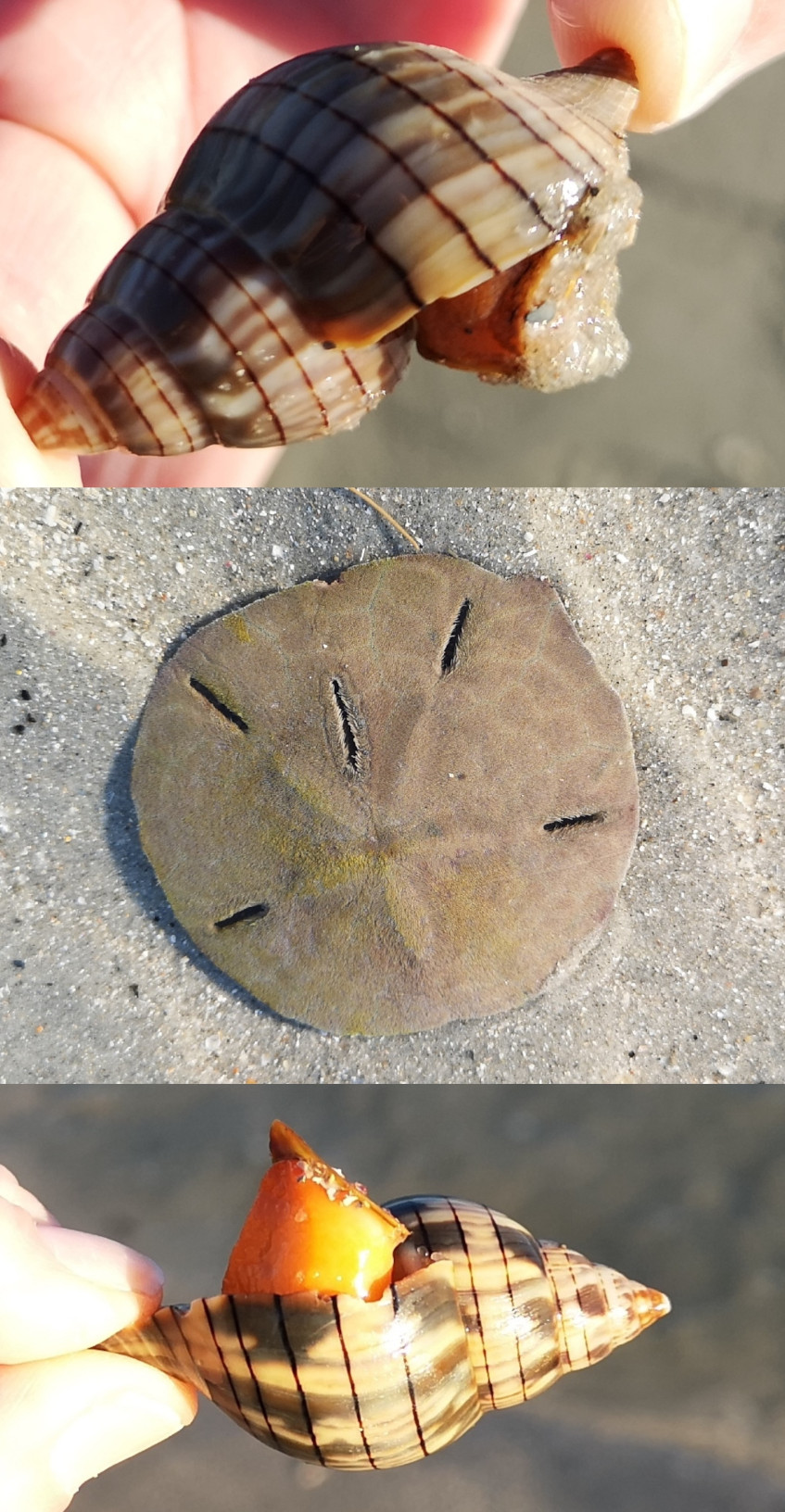
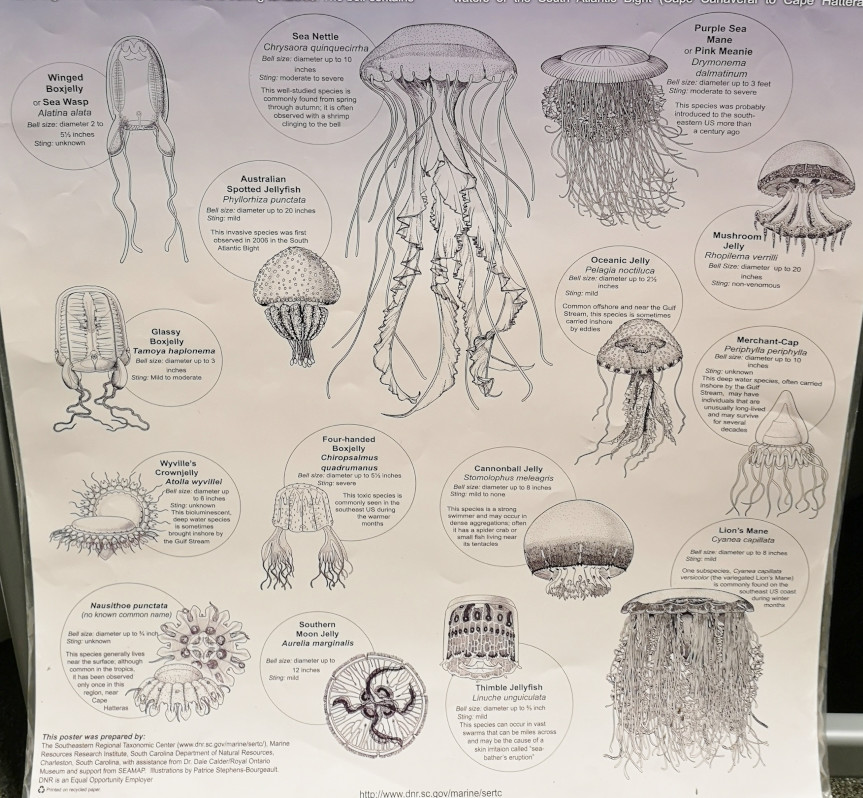
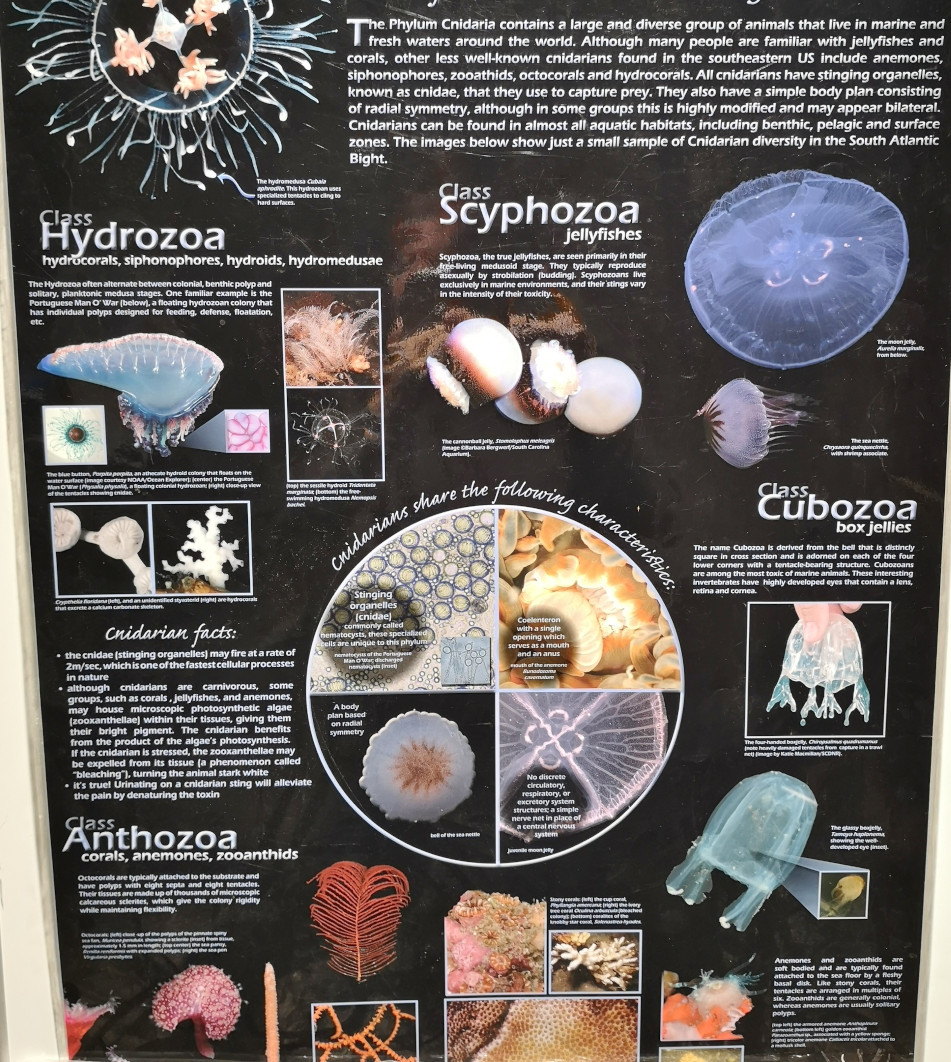
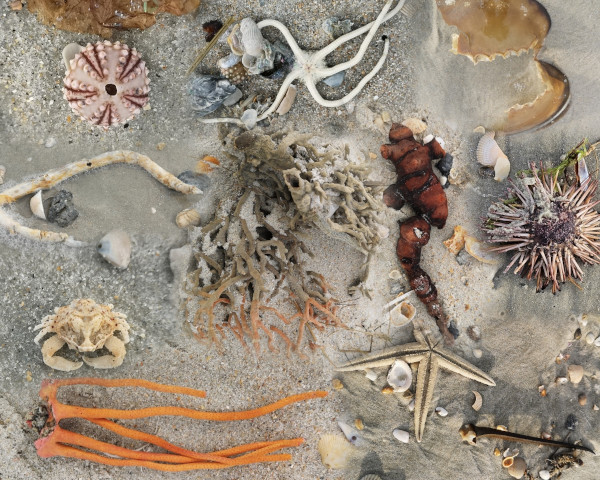
Our next stop was Huntington Beach SP which was another one we had stayed at before and although it’s a lot nicer than Myrtle Beach SP it cost $70 USD per night! At Myrtle Beach SP you have the constant flow of airplanes landing and taking off right overhead and the camp sites are fairly close together. At the north campground in Huntington Beach the camp sites are very far apart and the grounds are massive so I guess that’s why they charge so much. Four years ago, the campground was full every day and now it was maybe 25% full, probably the higher prices. When we first checked in, we found out that there was a ranger talk at the nature centre about Spineless Sea Creatures, so we went there before going to our campsite. The ranger wasn’t a very good speaker, and he was just learning the topic, but we did learn about Jellyfish, Cnidarians (Portuguese Man O’ War and Fire Coral), and Echinoderms (Star fish and sand dollars).
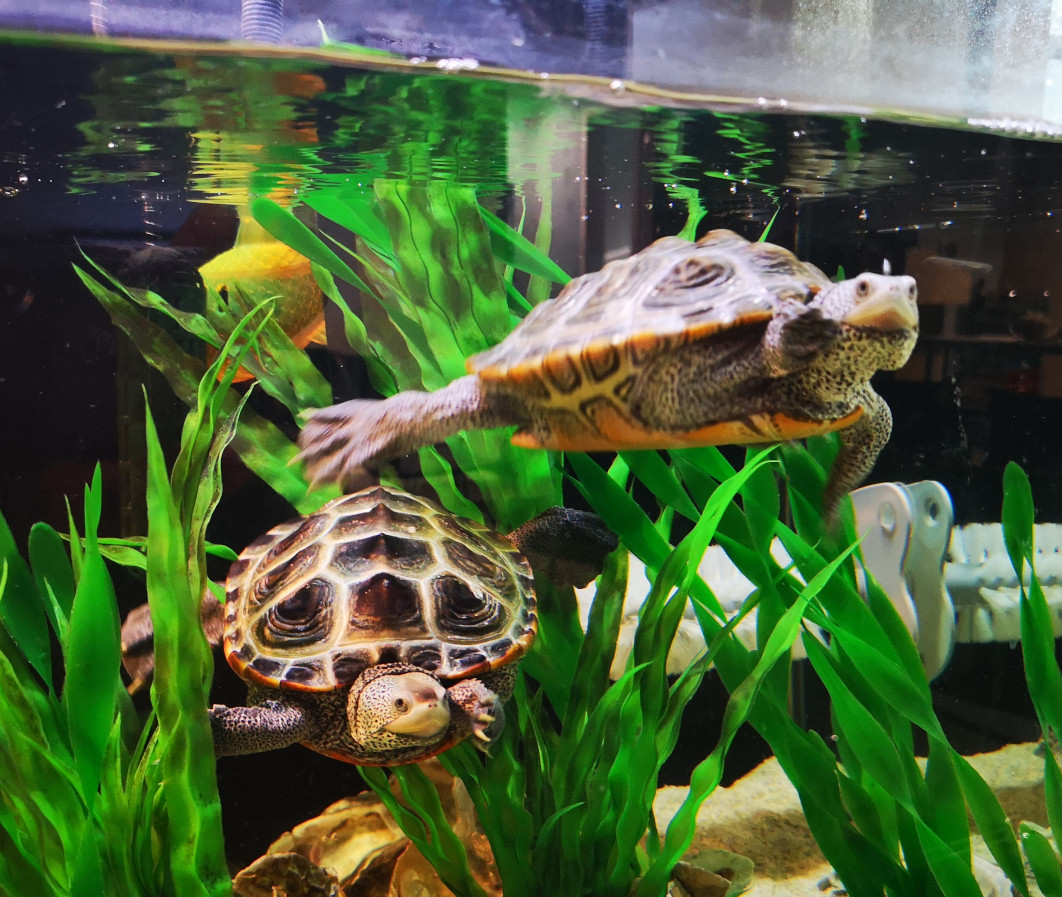
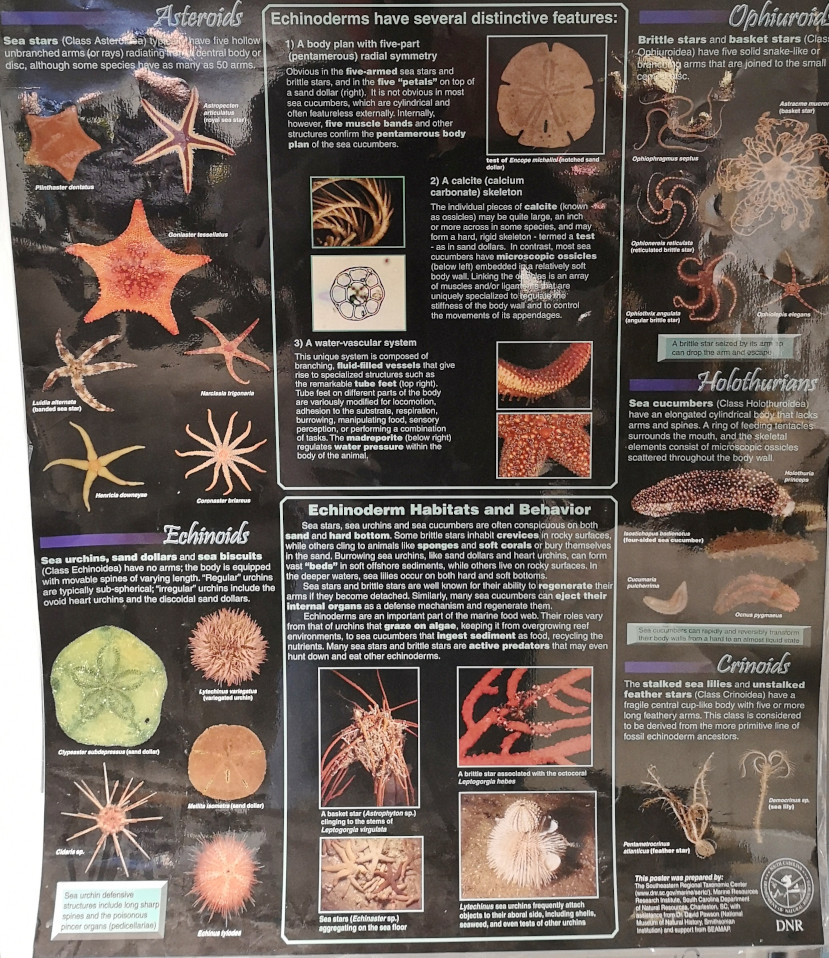
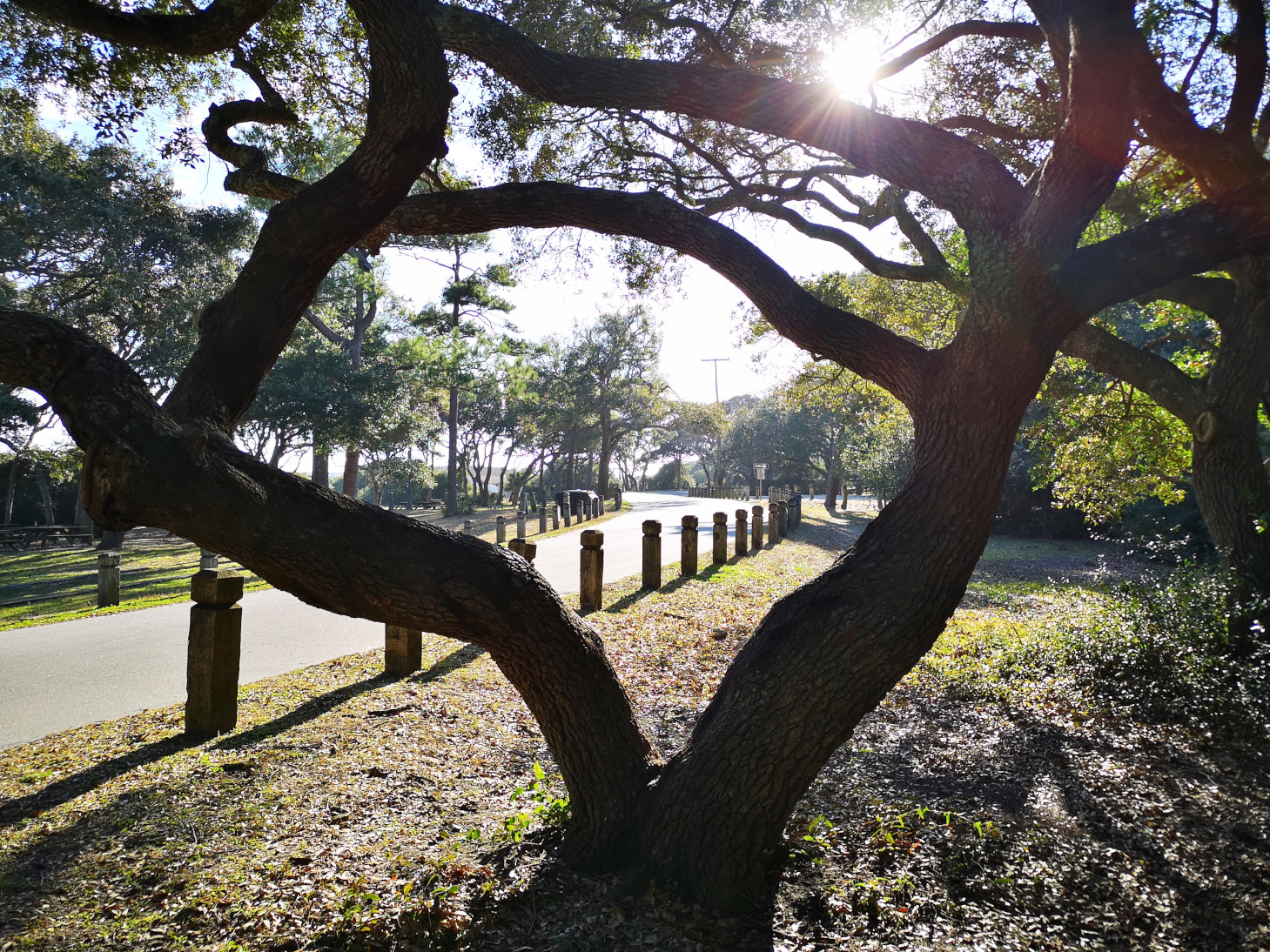
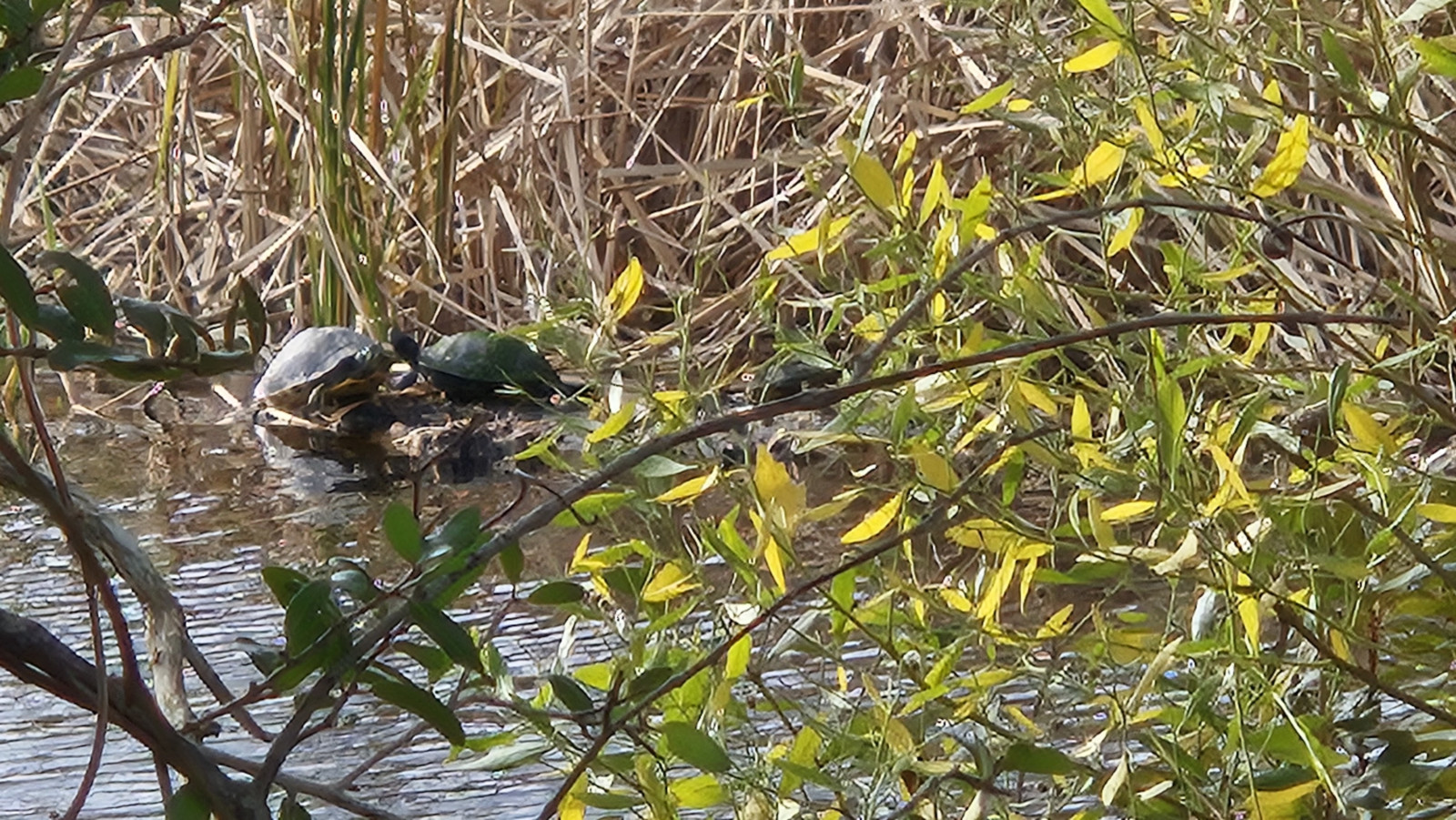
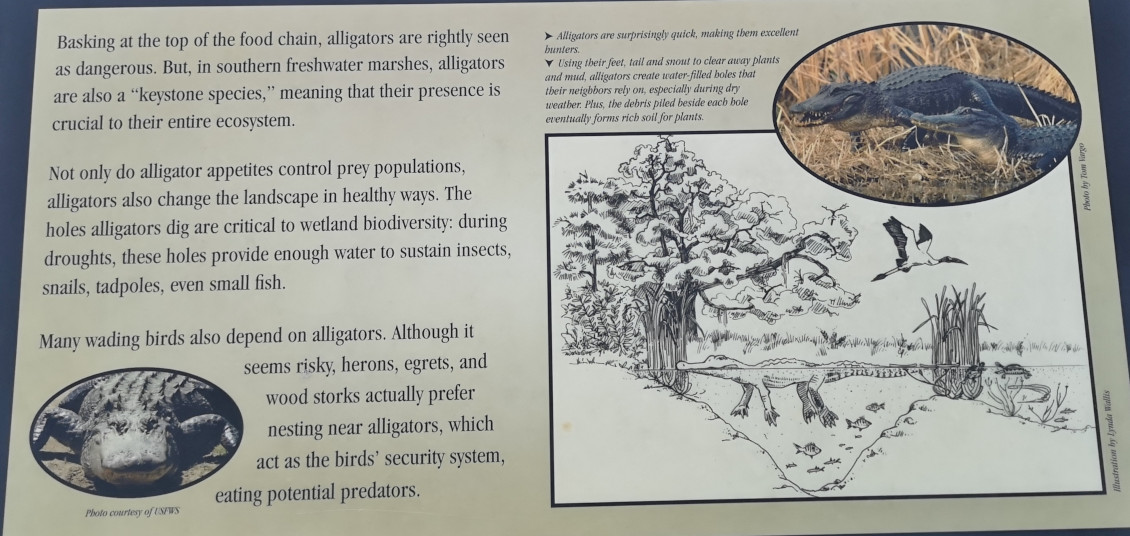
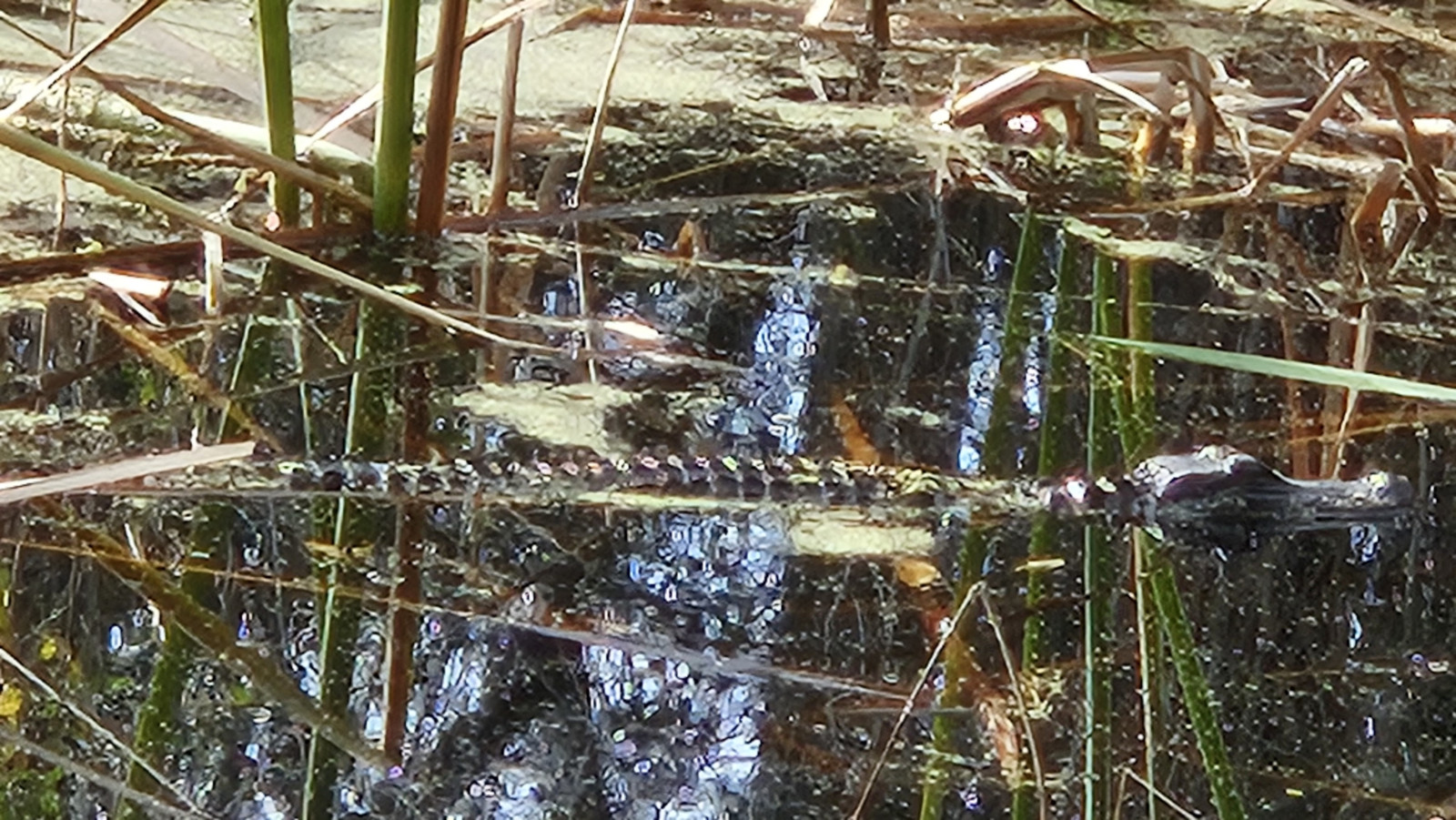
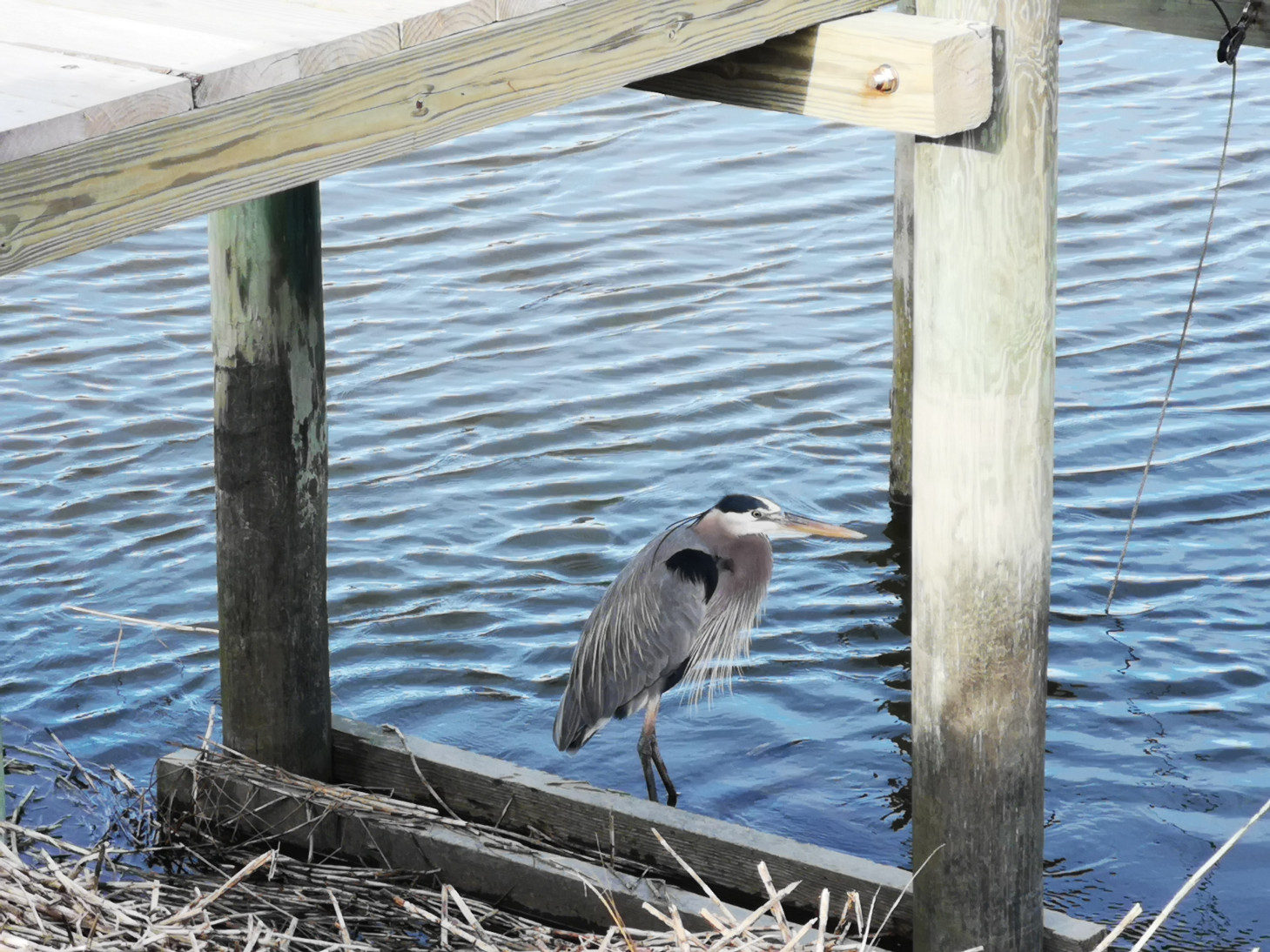
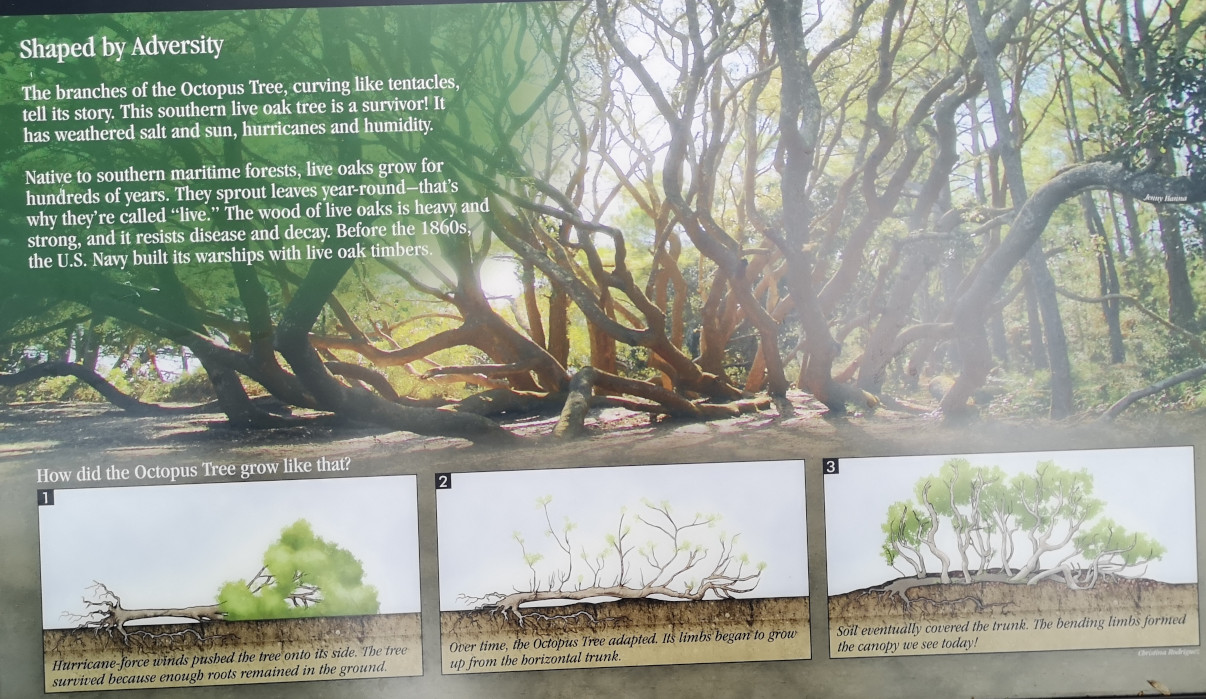
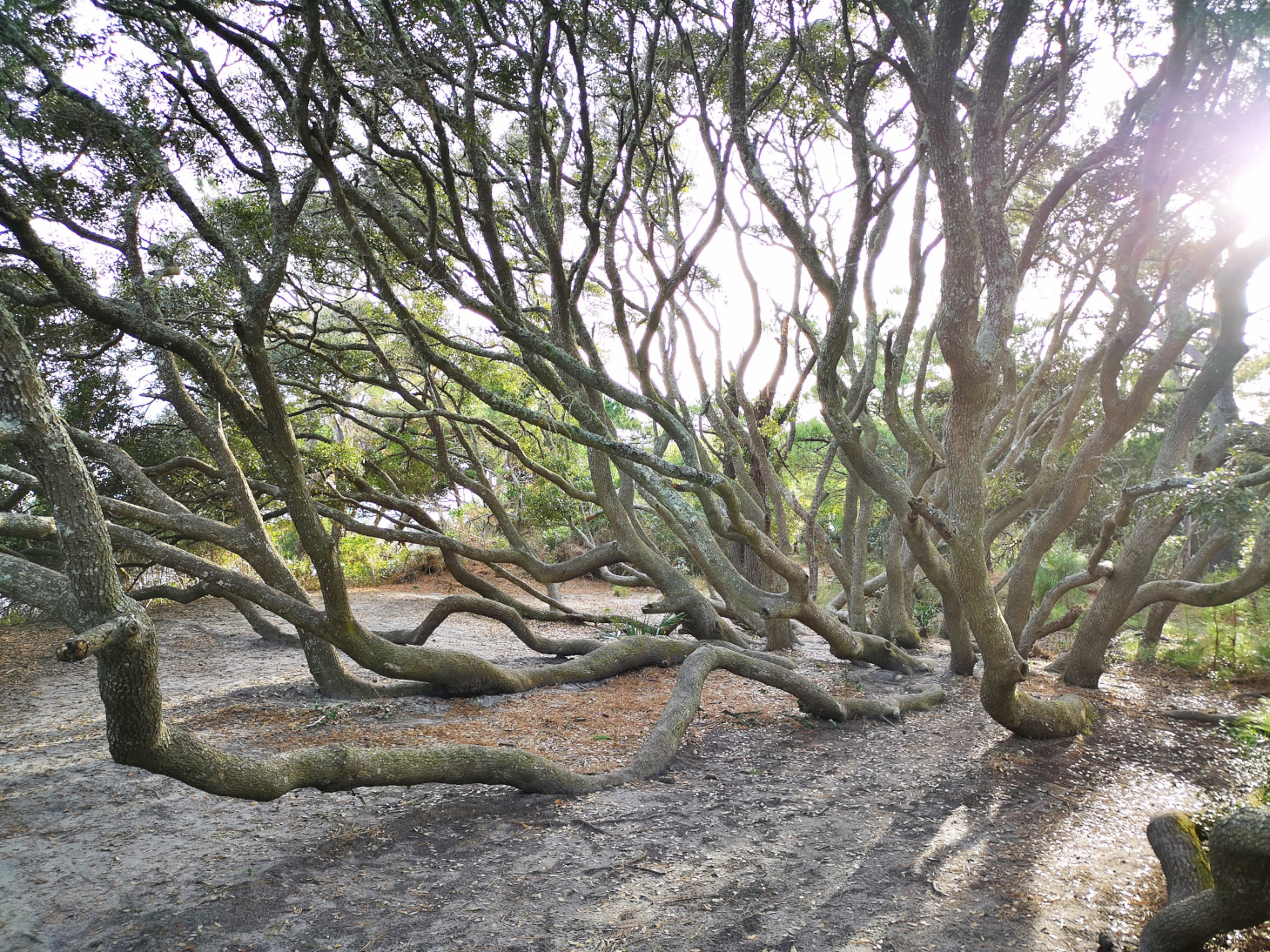
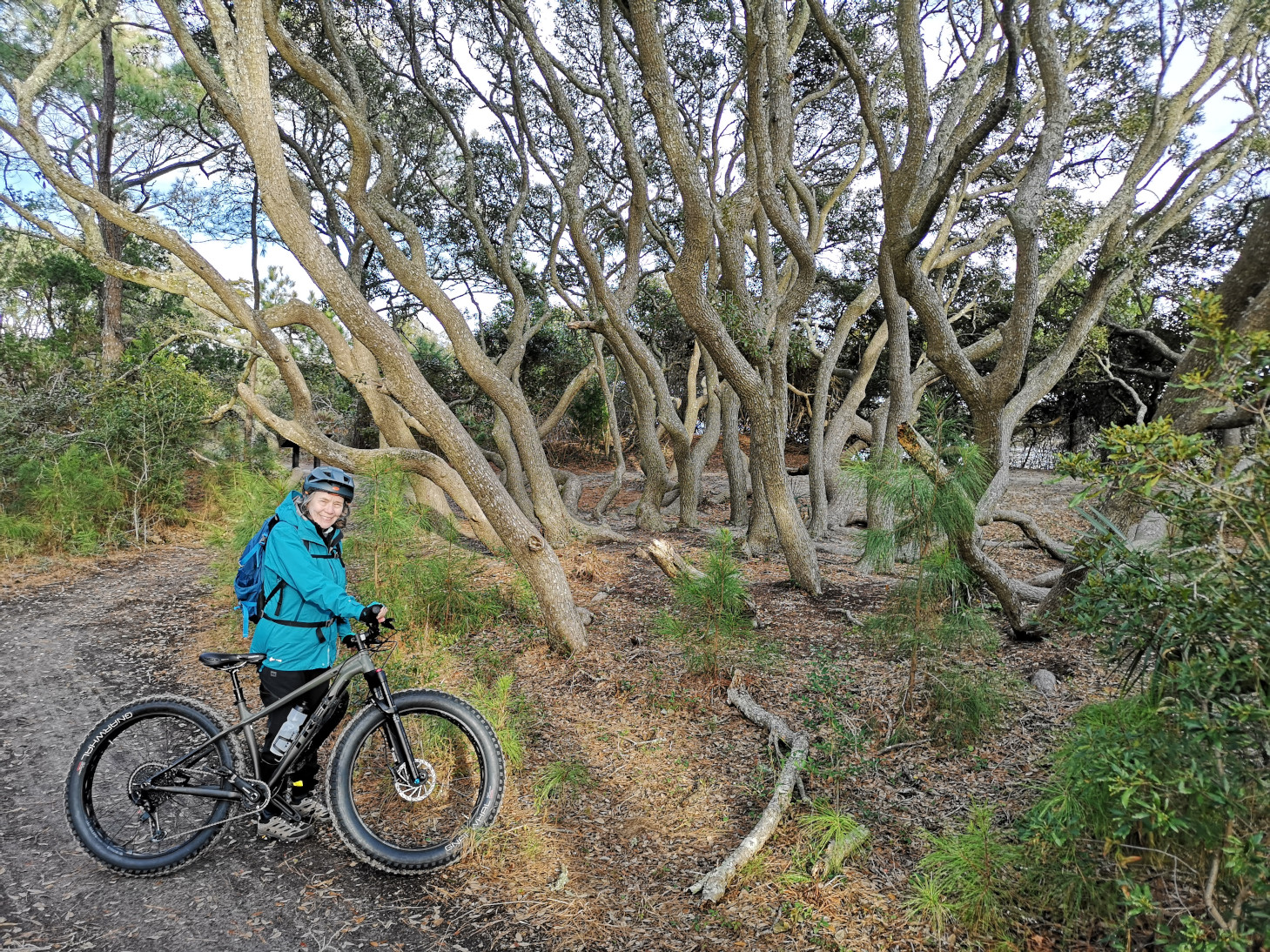
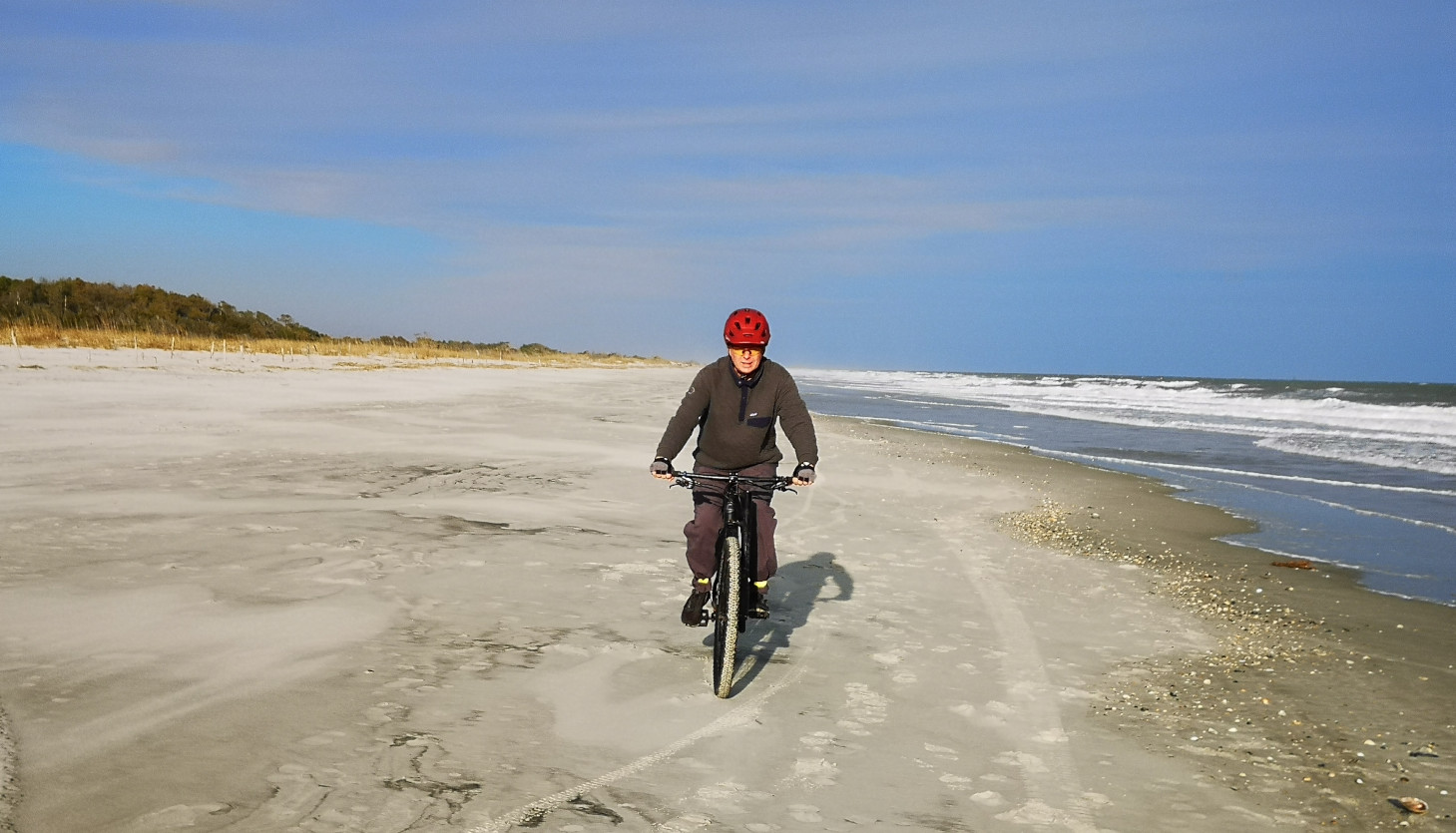
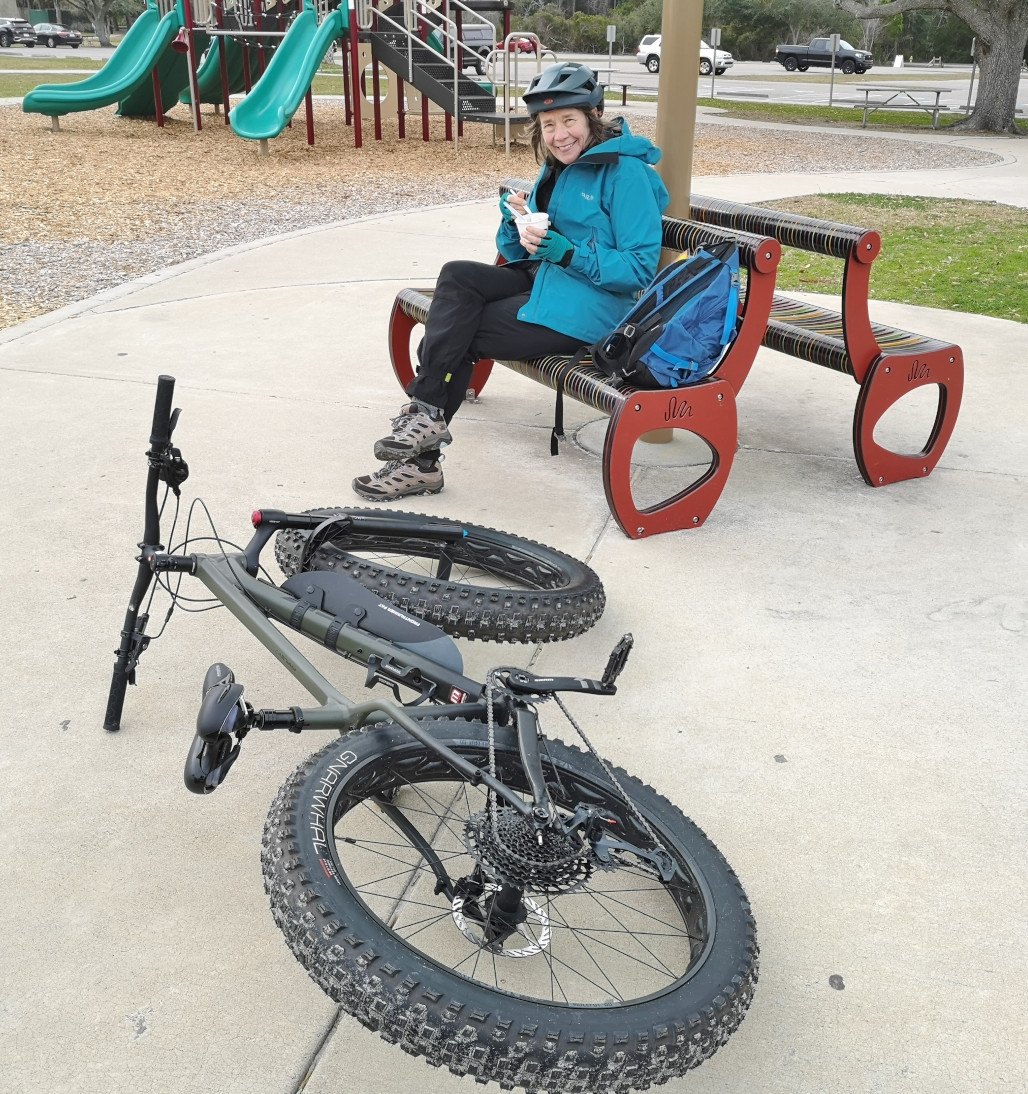
Over the next several days we did 9 kms of hiking around the park and 26 kms of MTB rides. The MTB rides were a combination of beach, paved roadway, gravel trail, and bush trail. The one day we tried the MTB ride going northeast on the beach but the 45 kph winds had us turning around and going with the wind and then heading into the park to do the roadways to go back. However, we enjoyed using the MTBs on the Sandpiper Pond Nature trail. It was a combination of mud, sand, and roots and had the really cool Octopus tree on it. This Live Oak tree had fallen but then the branches started growing up from the ground making it look like an Octopus with tentacles! This was the first beach where we saw lots of sponges, fire coral, and even some sea urchins.

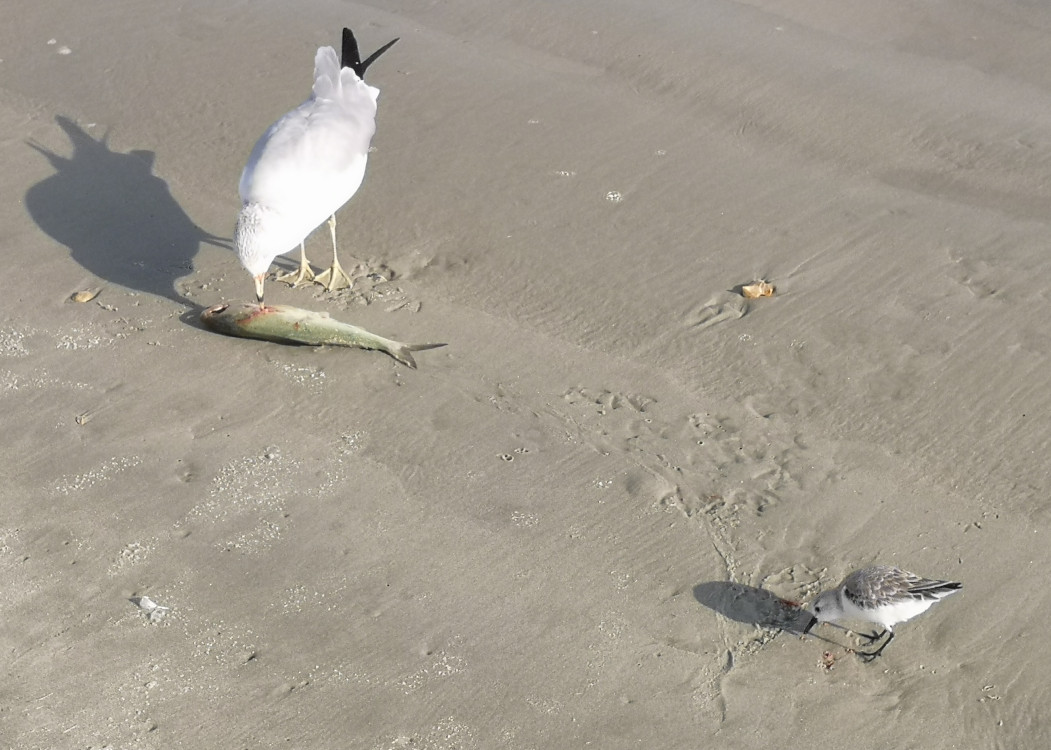
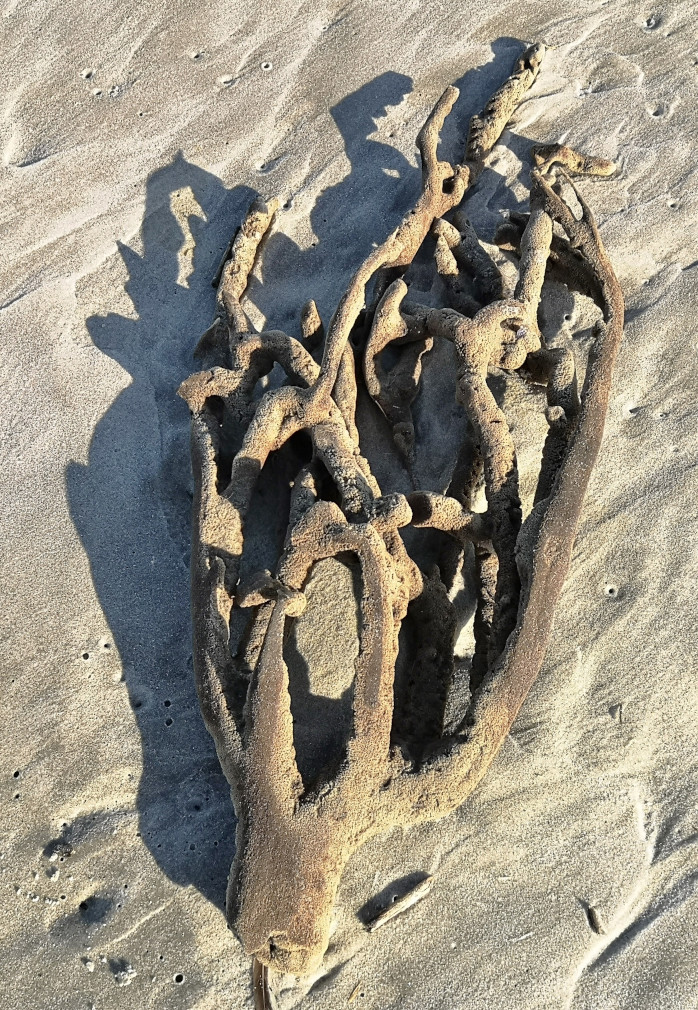
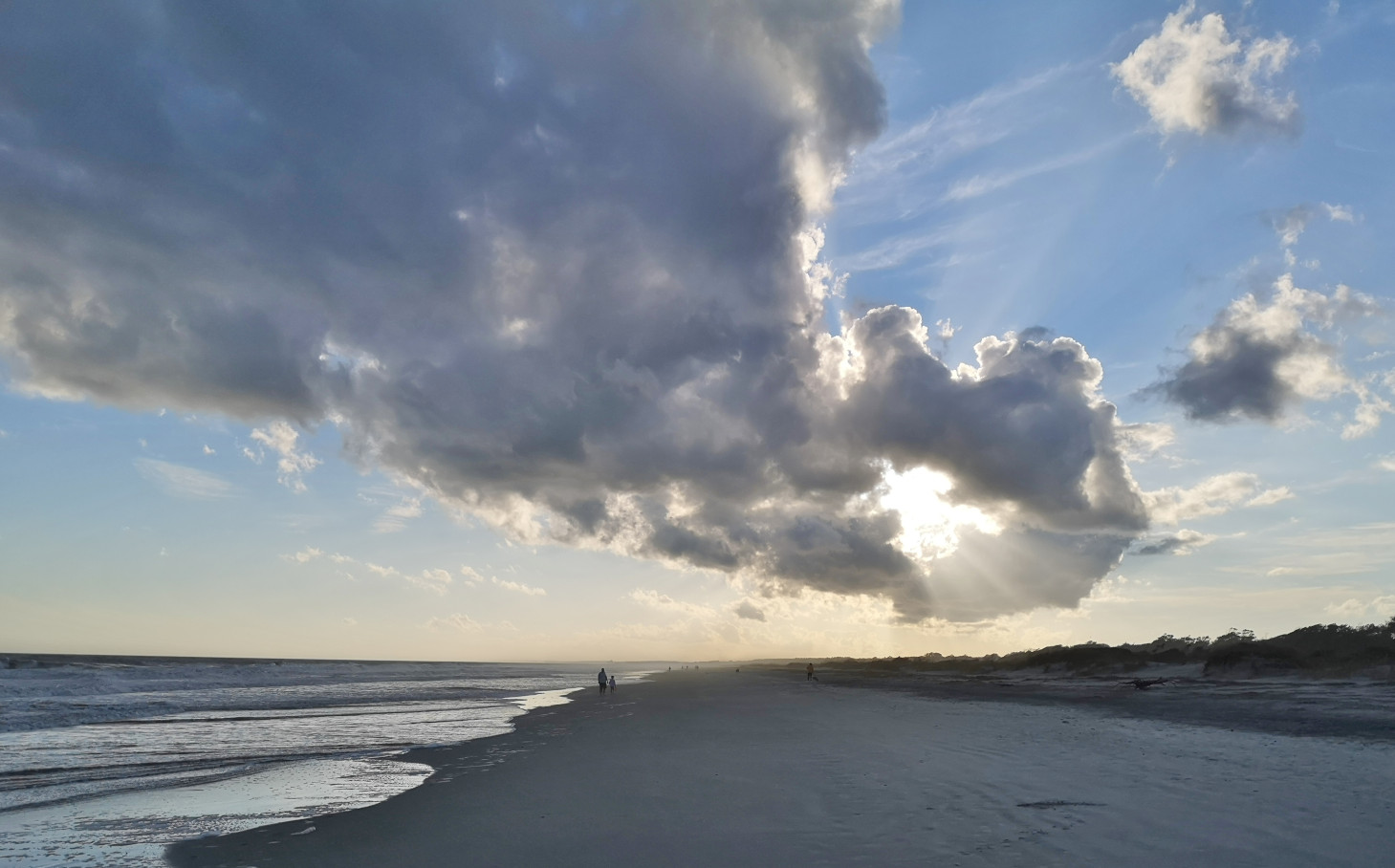

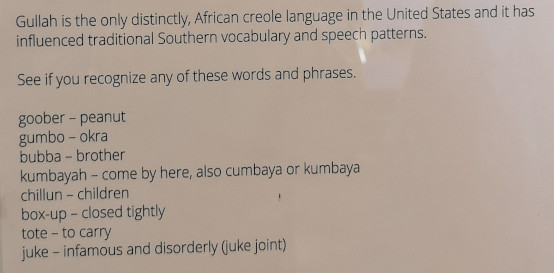
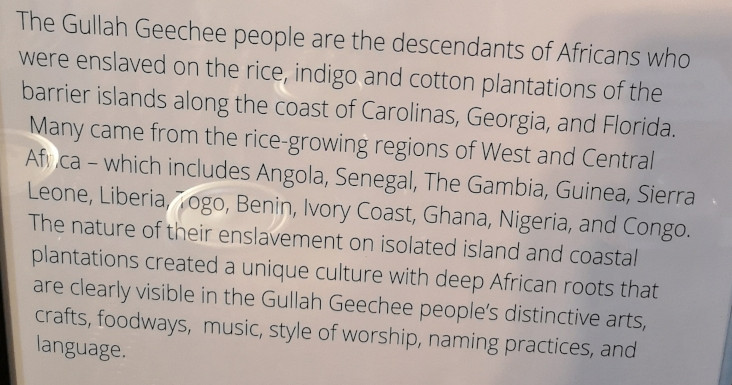
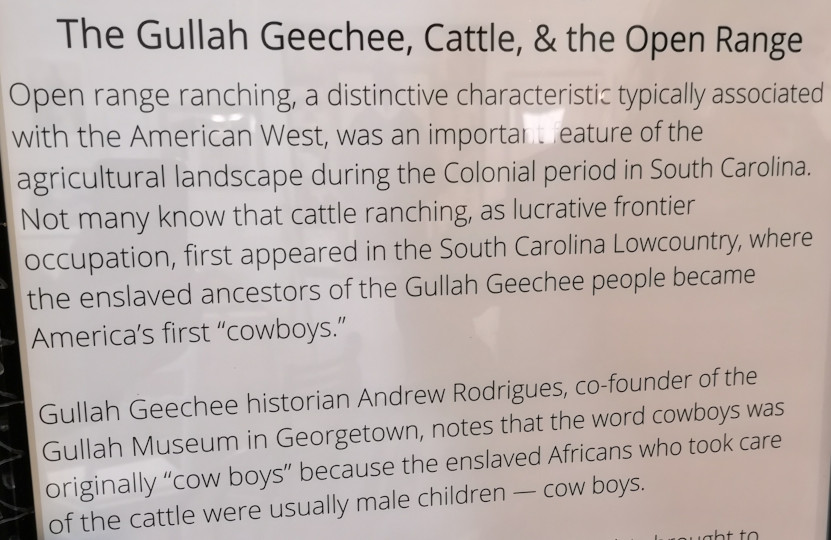
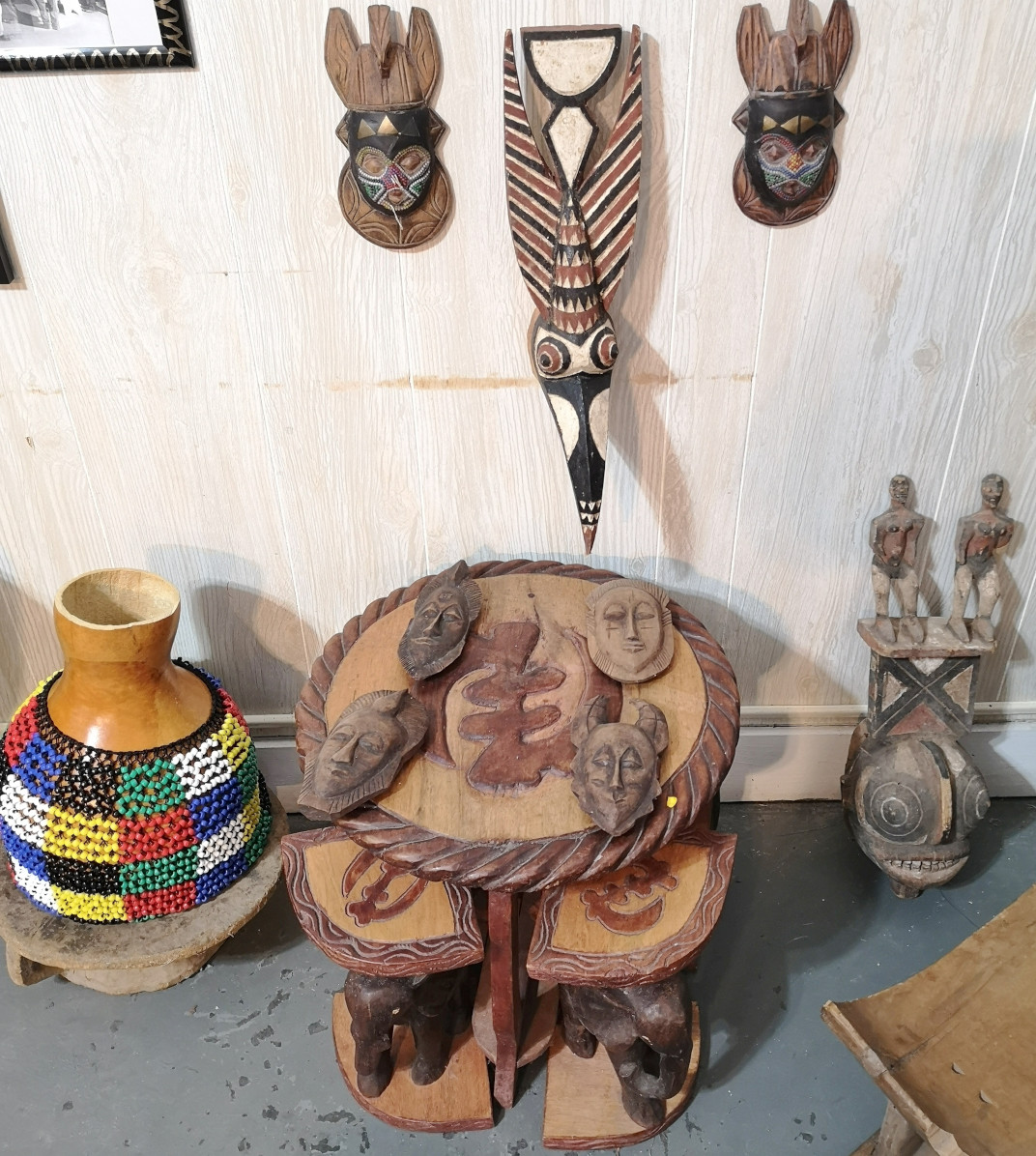
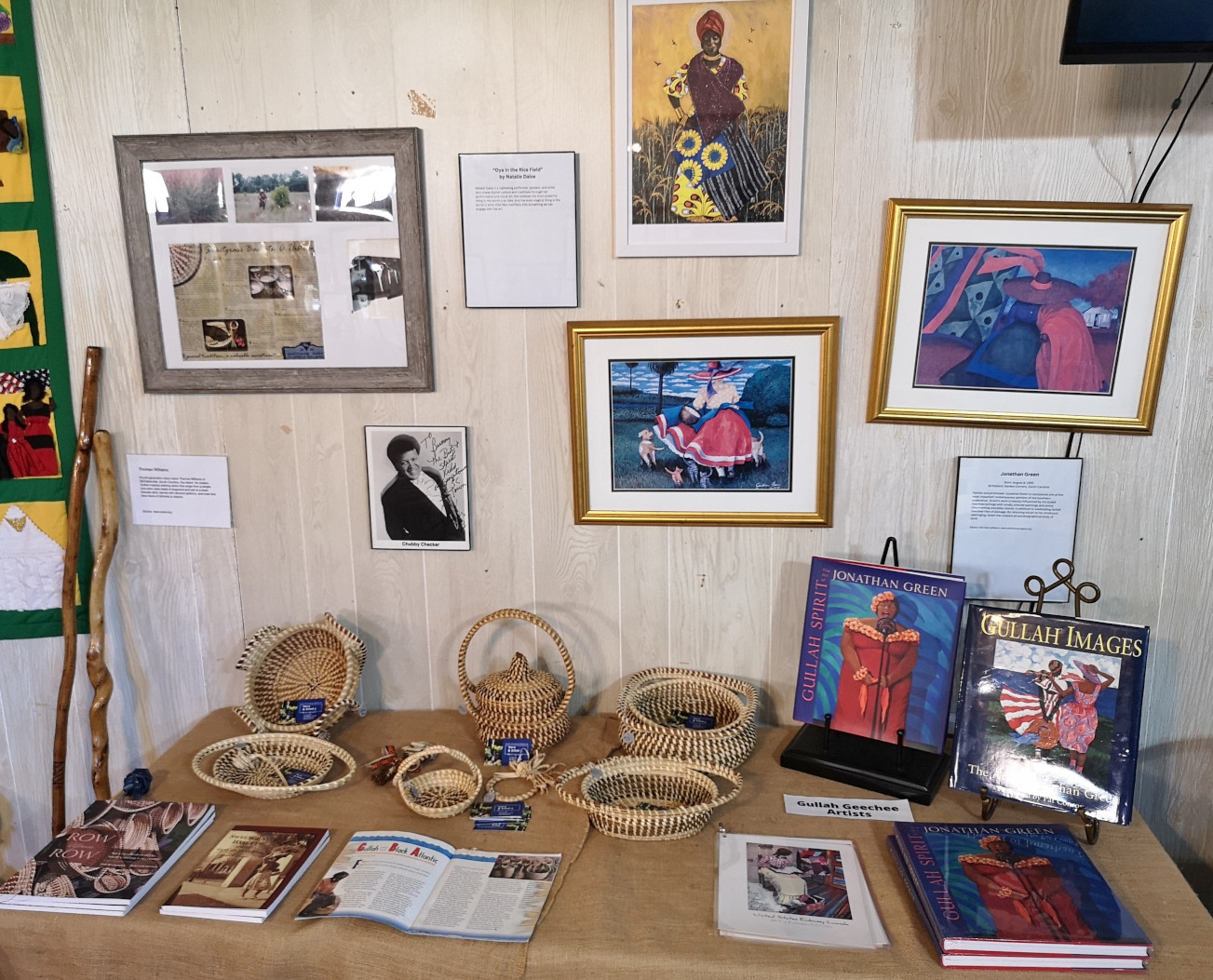
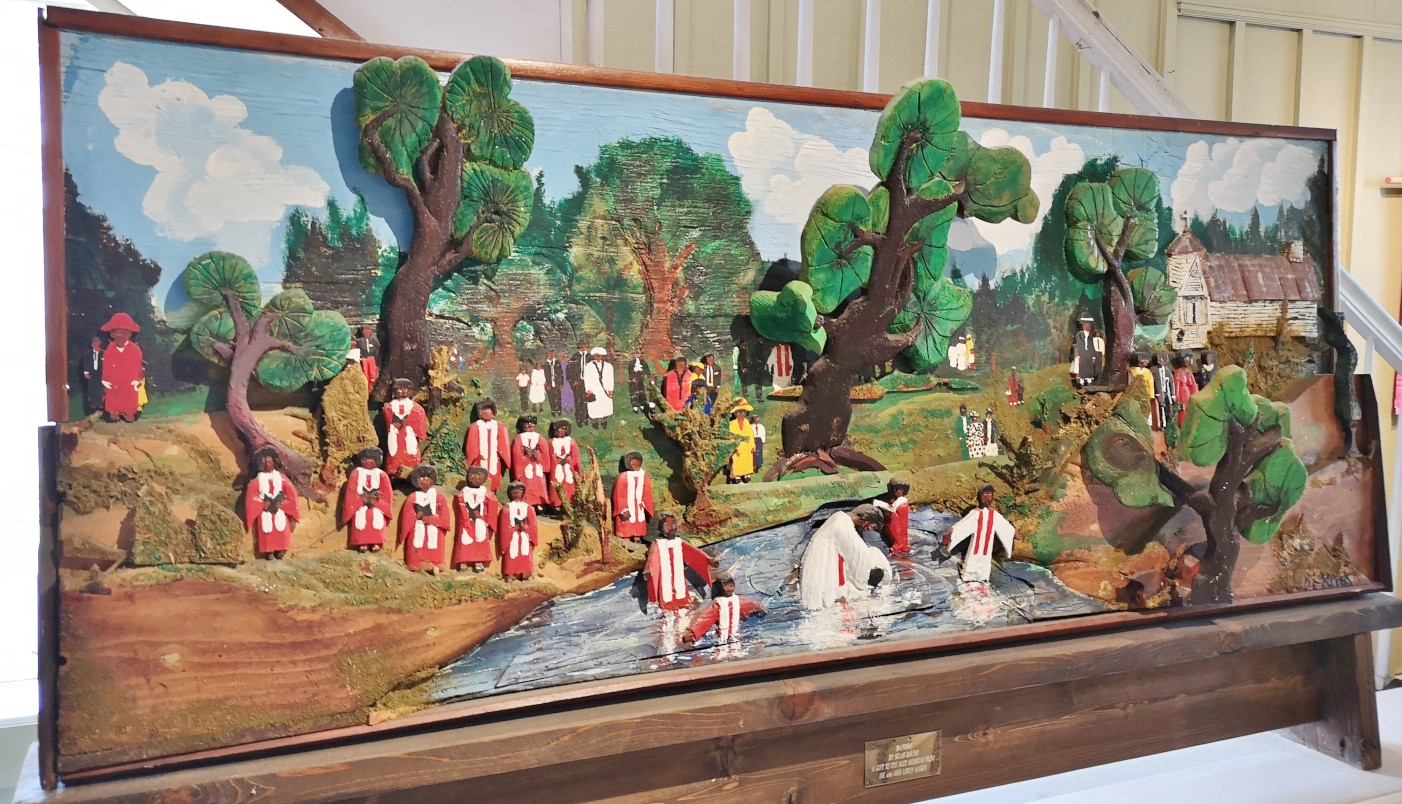
The tourist information lady had told us about historic Georgetown south of Huntington Beach, but we couldn’t find anywhere to stay so we decided to extend our stay at Huntington Beach for 1 night and just do the drive down and back in order to see the museums. Long before you get to Georgetown you can smell the pulp and paper mill so likely a good thing we didn’t stay there. We did some shopping and then headed to the Gullah Museum. It was a very small museum that operated off of donations. We learned lots about the Geechee people and the Gullah language and here are some interesting facts:
- The Gullah language was the first African Creole language spoken in the United States. The 645,000 enslaved Africans spoke many different languages and they had to communicate with the English-speaking people so they created a mixed language that used African and English words. We learned later that they also speak at an incredible speed so it’s hard to pick out what they are saying.
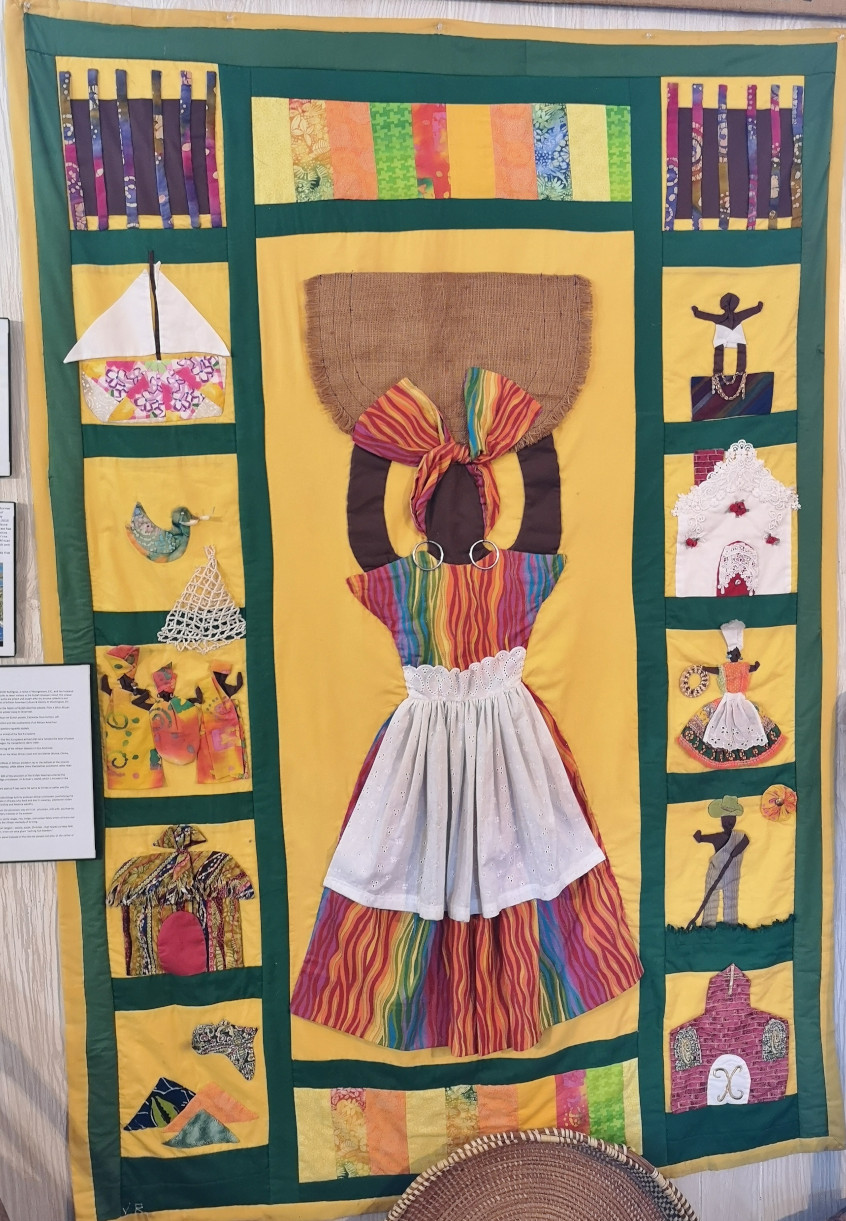
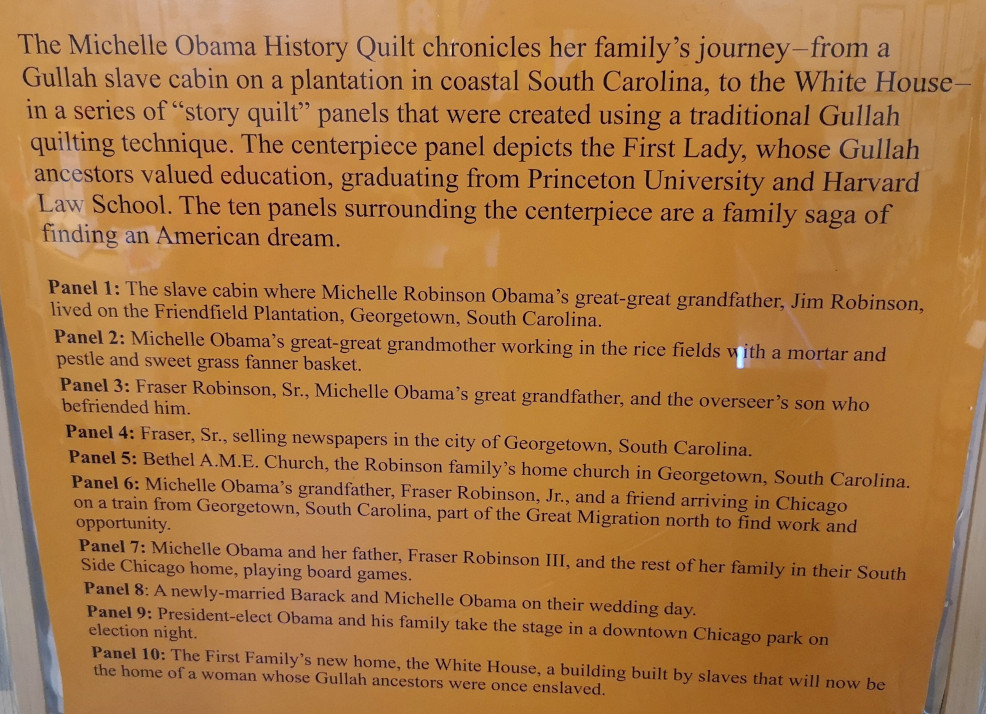
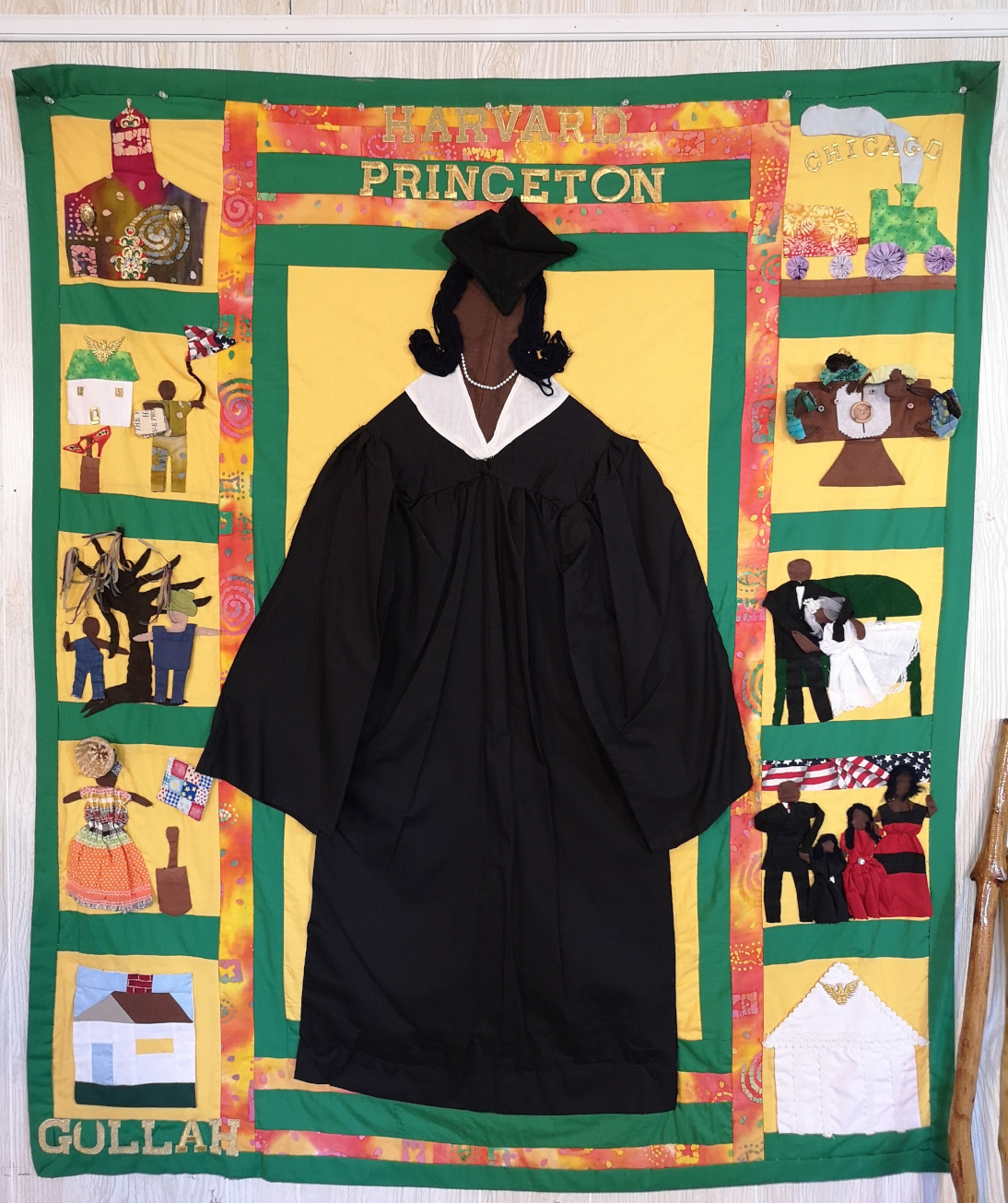
- This museum was famous for its Gullah Story quilts made by late Gullah artist Vermelle “Bunny” Smith Rodrigues and her daughter runs the museum today. You read the story quilts from the bottom left-hand corner up the side, across the top, and down the other side, to learn the story.
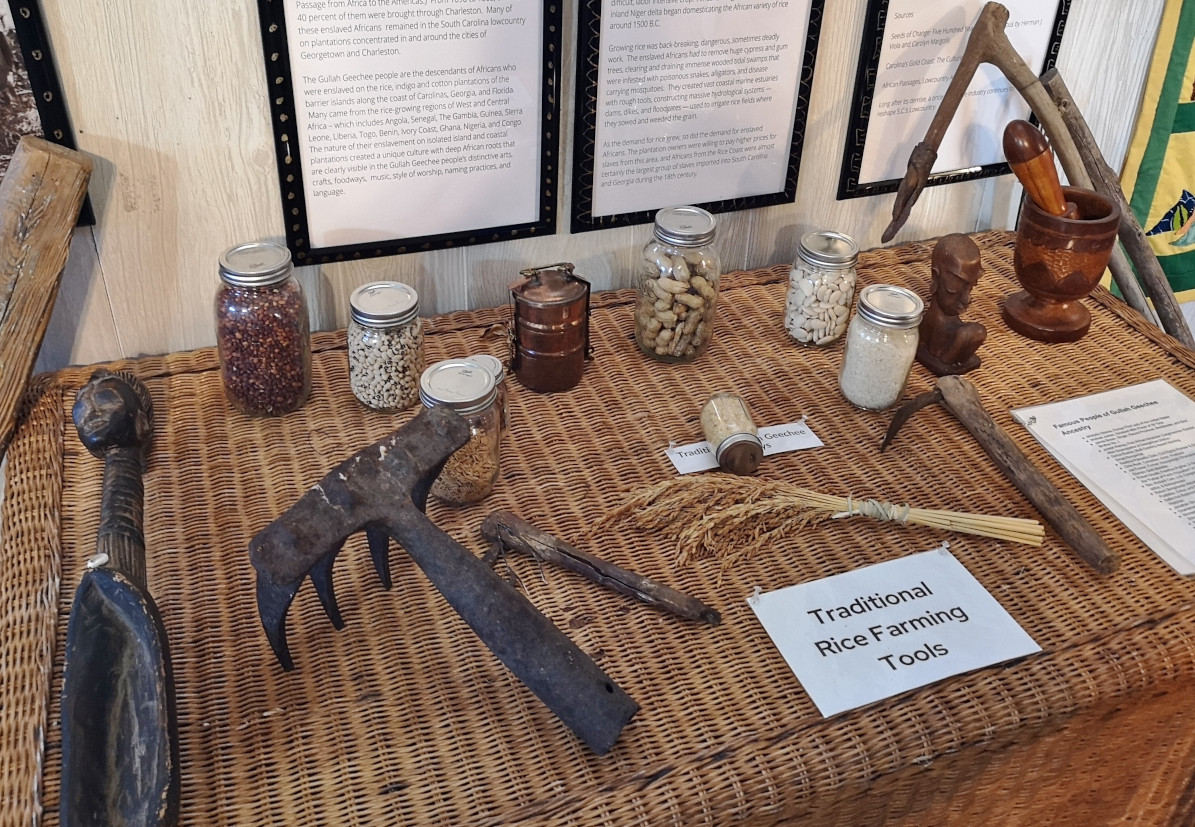
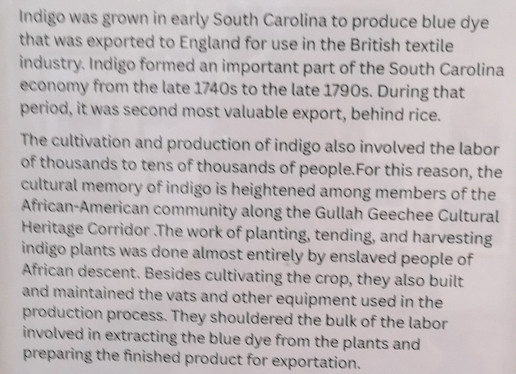
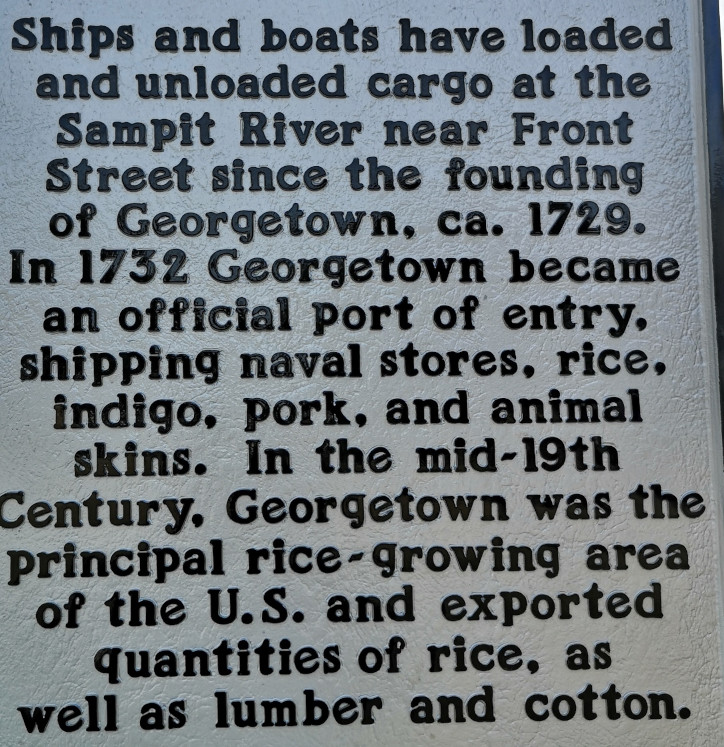
- The Africans brought with them knowledge of how to grow rice, so this was the main crop in the Georgetown area as well as Indigo and later cotton.
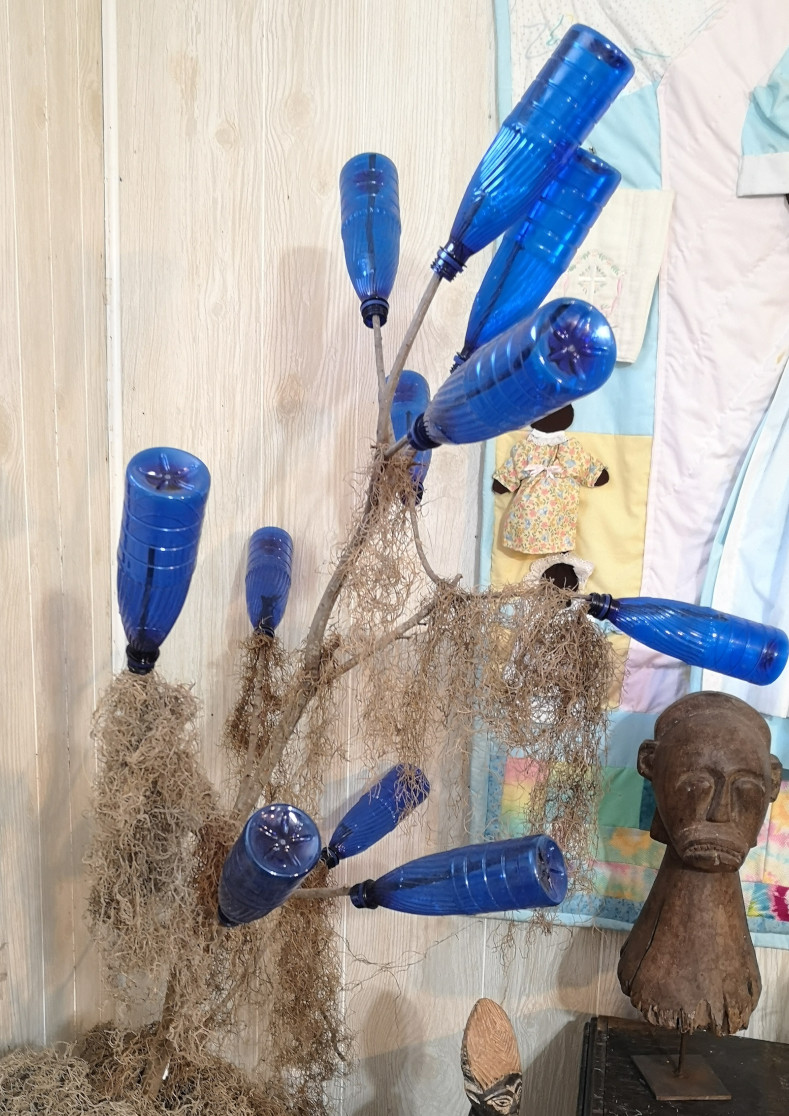
- We learned about Blue Bottle trees from the Hoodoo tradition where the idea was that evil spirits are afraid of water so you should use blue bottles to ward them off. If the evil spirit enters the bottle their fear will keep them inside and then the next morning the sun comes up and the sunlight destroys them. We’ll have to create a blue bottle tree when we get home.
- One of the famous quilts done was the story of Michelle Obama. It said the original is displayed in the Smithsonian, so we believe the one in the museum was a copy of that original.
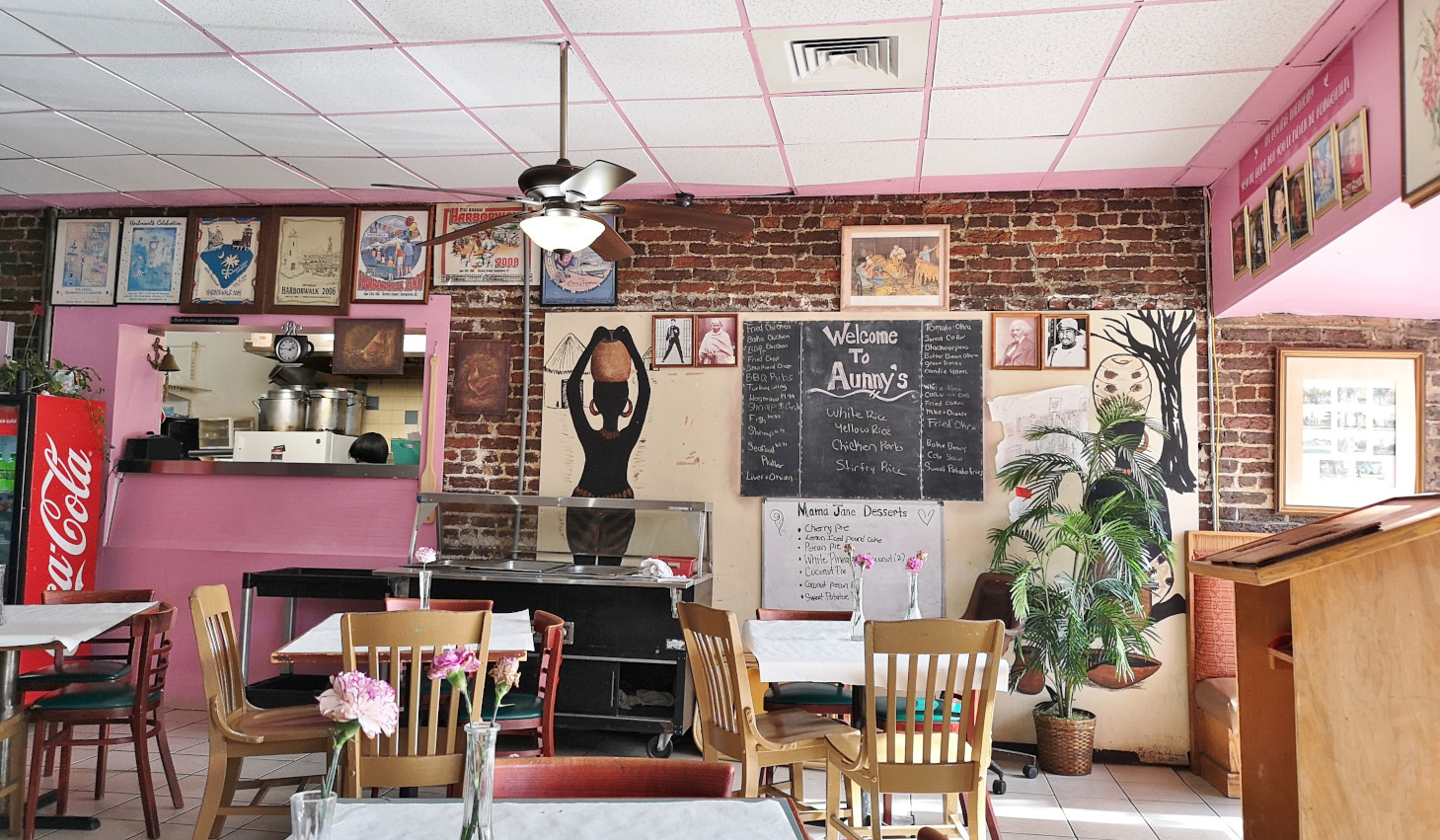
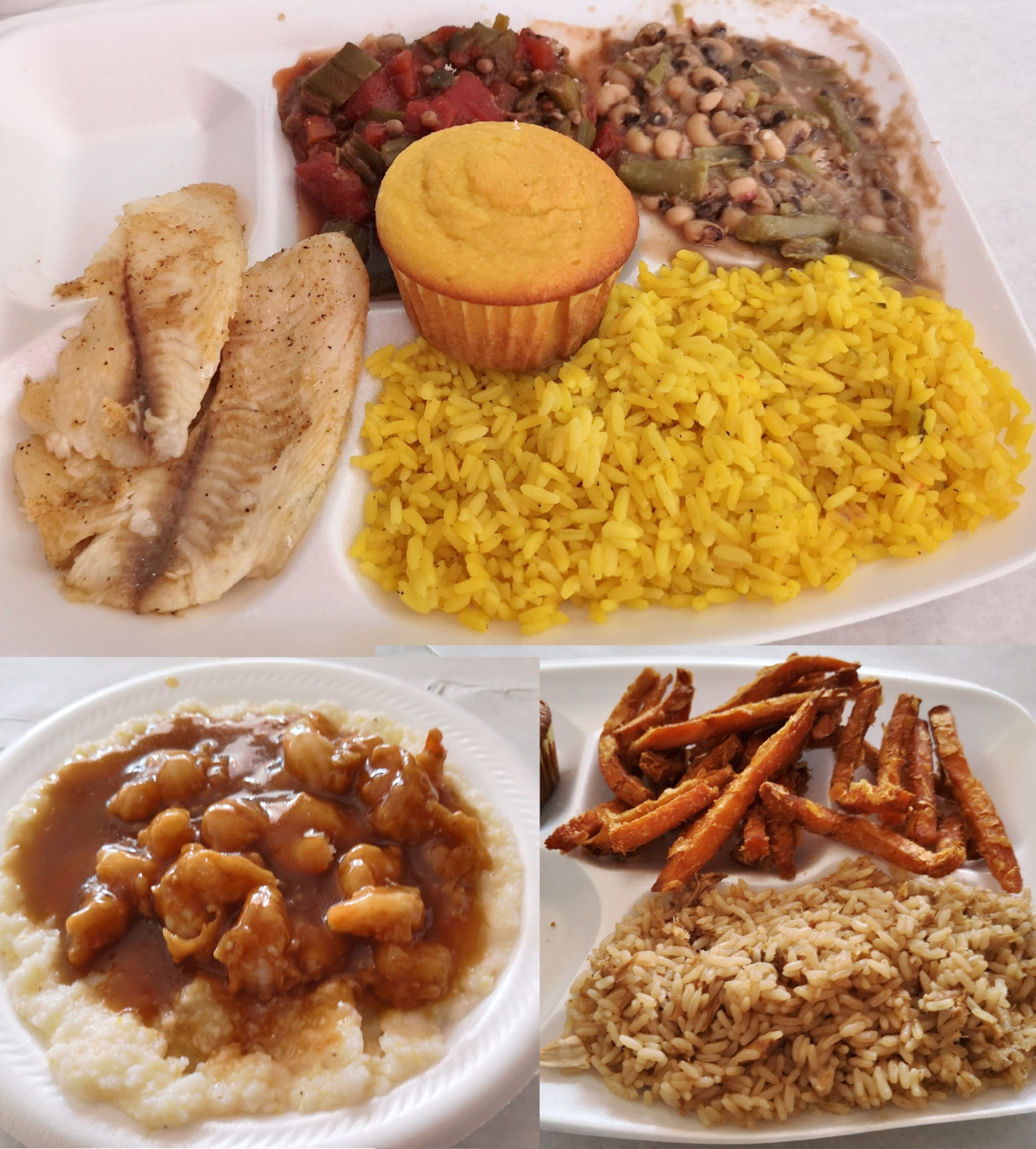
After touring we asked if there was anywhere to try Gullah foods and she directed us to Aunny’s on the main street, so we went there to check it out. We had grouper, yellow rice, tomato-okra, black-eyed peas, shrimp and grits, chicken perlo rice, and sweet potato fries, very good and very filling for lunch.

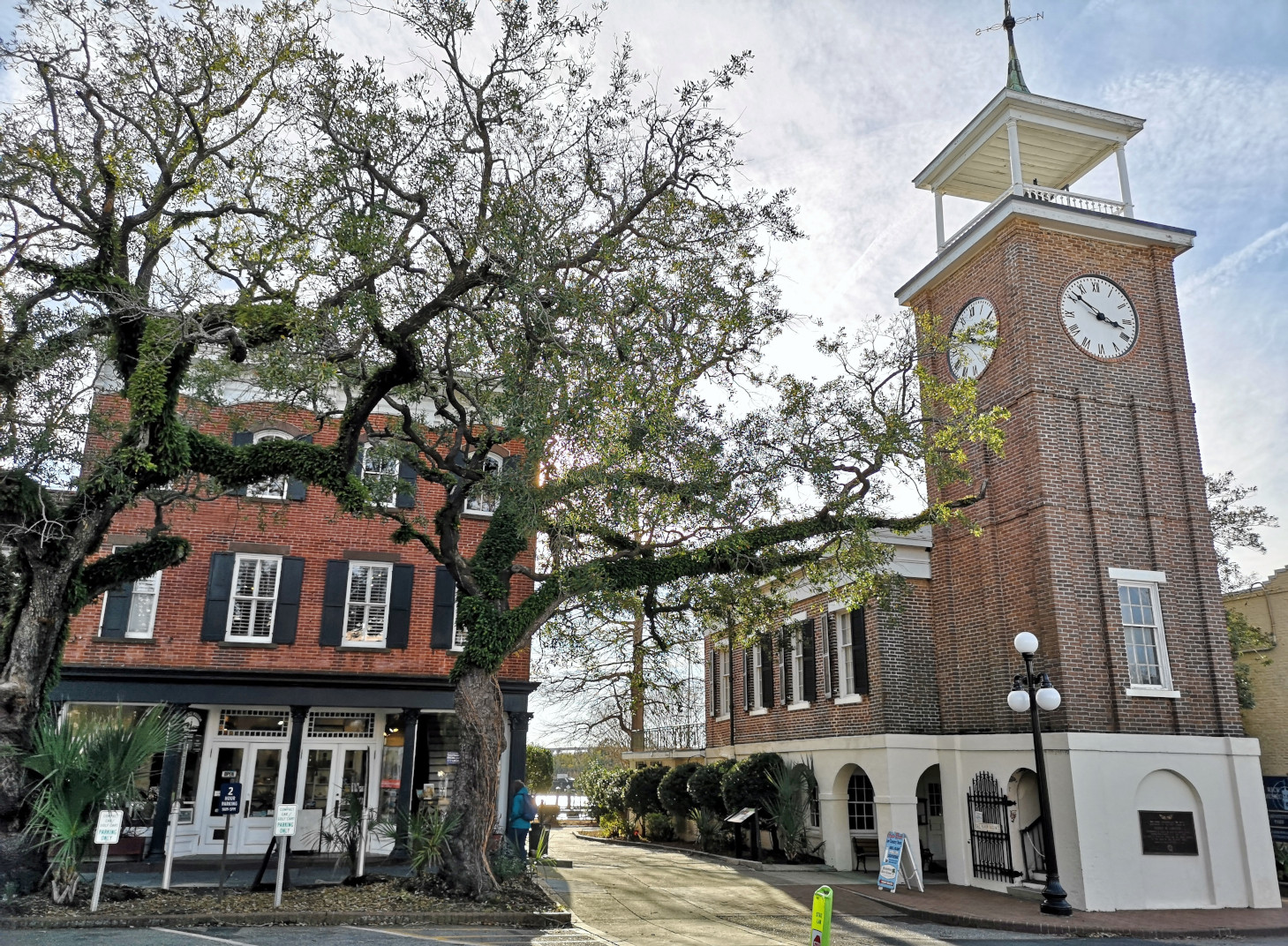
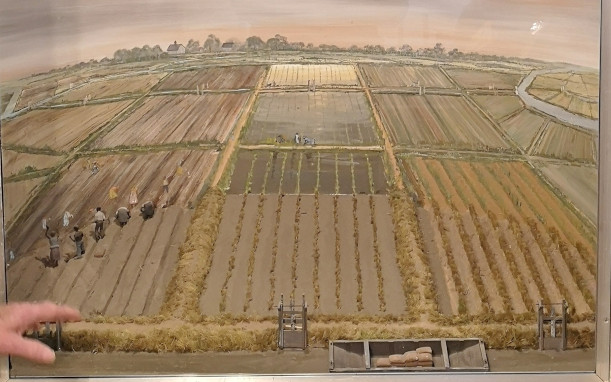
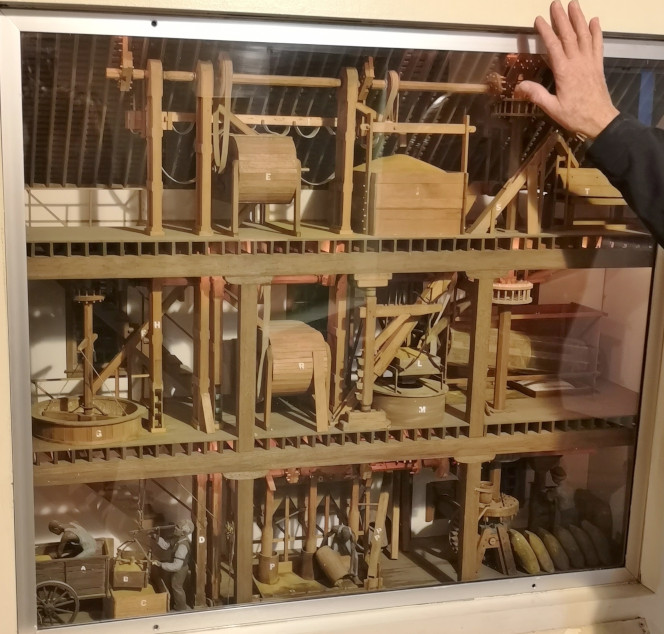
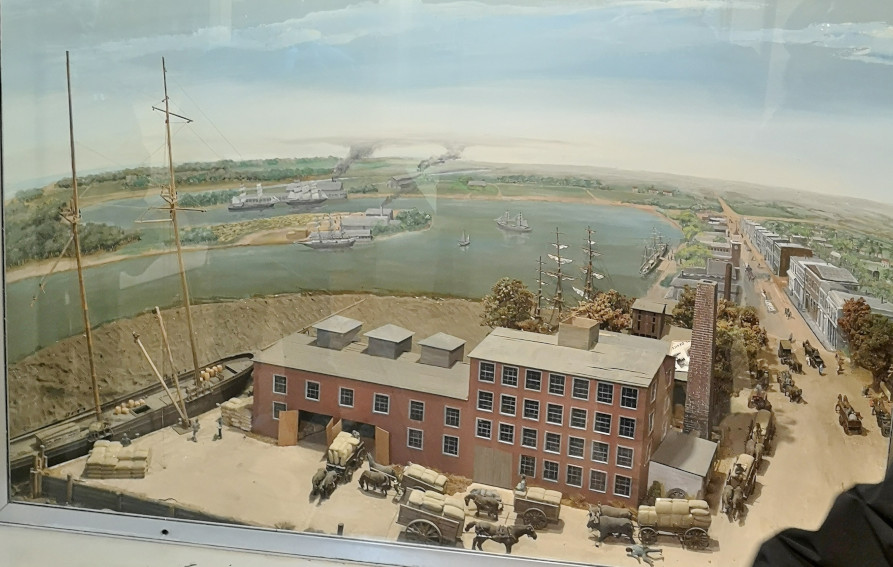
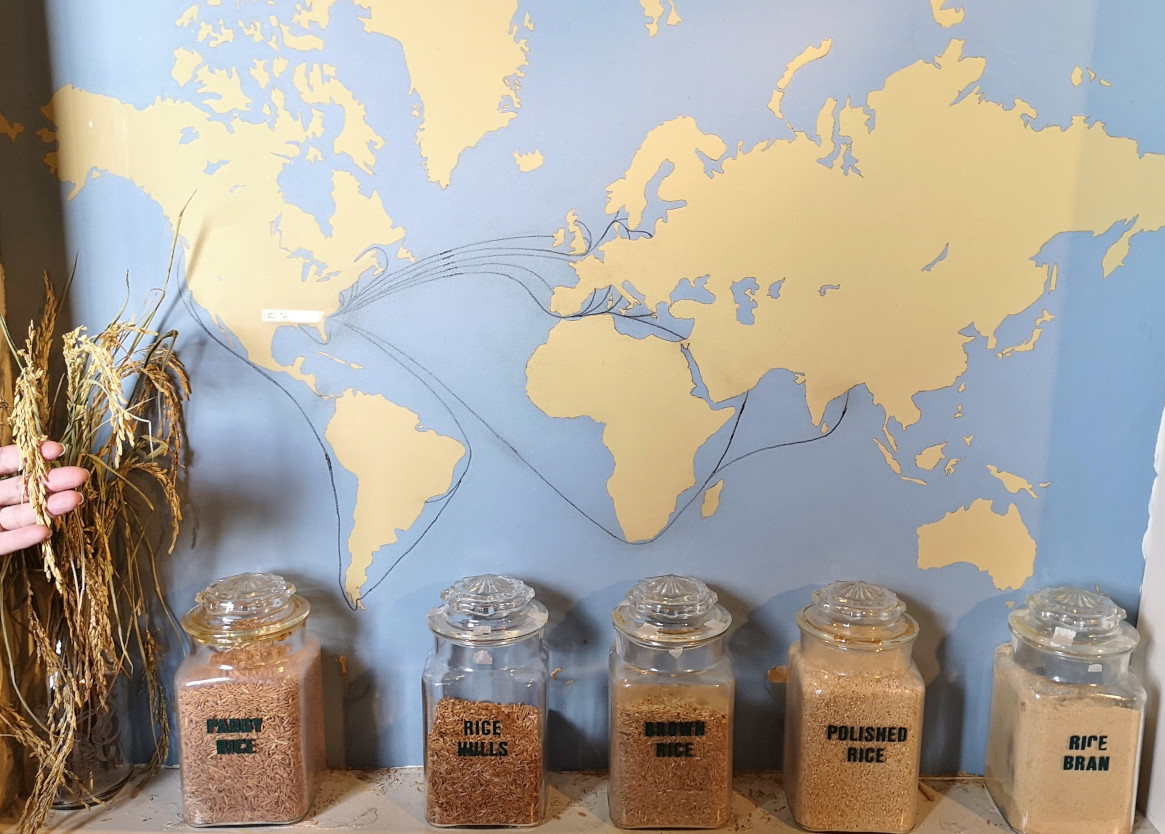
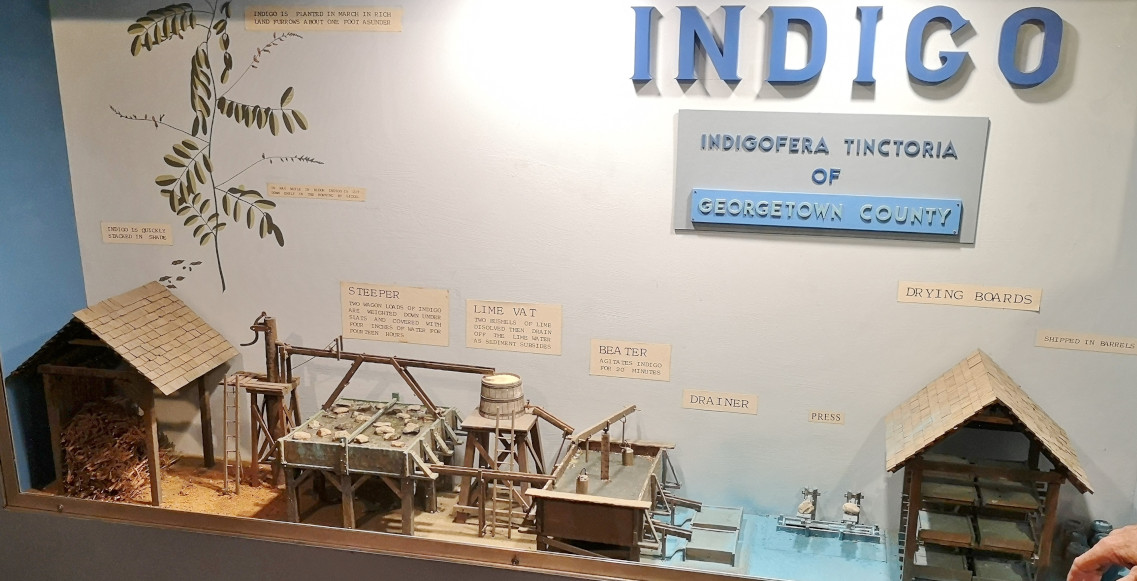
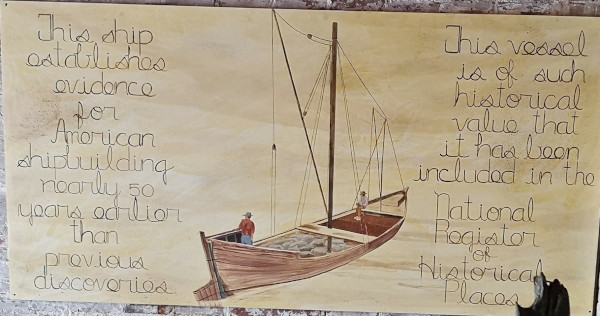
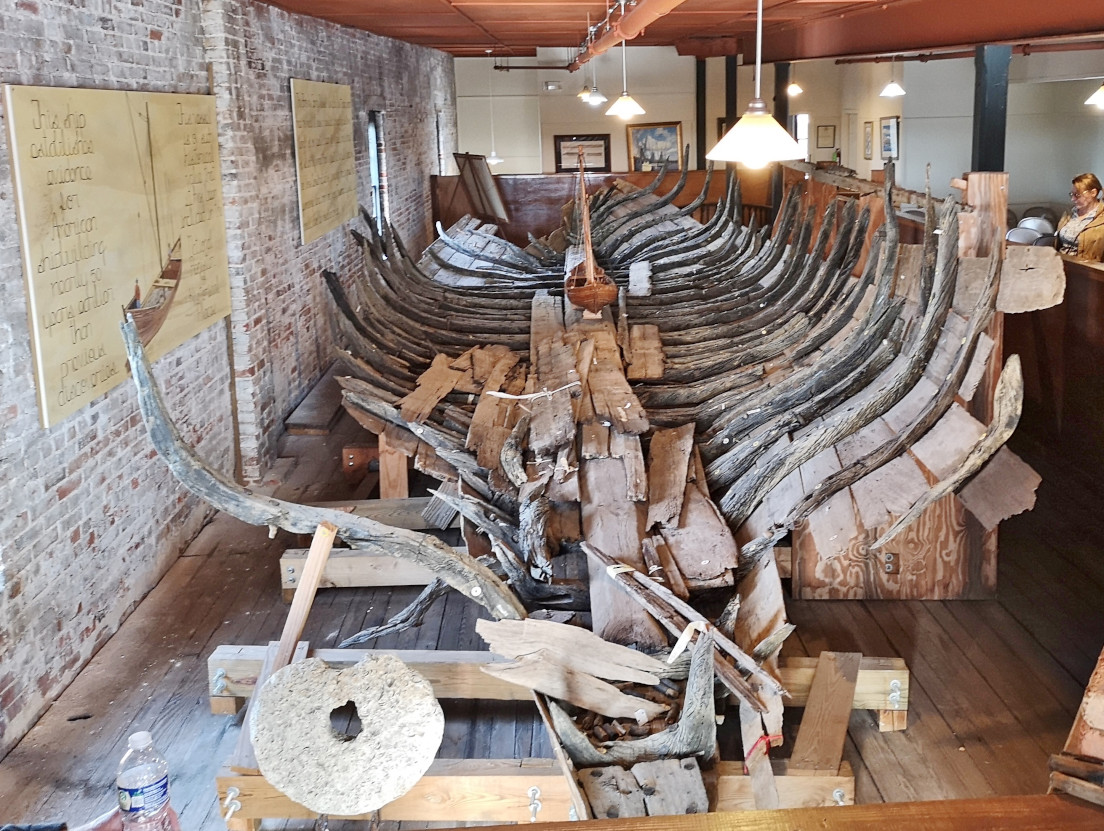
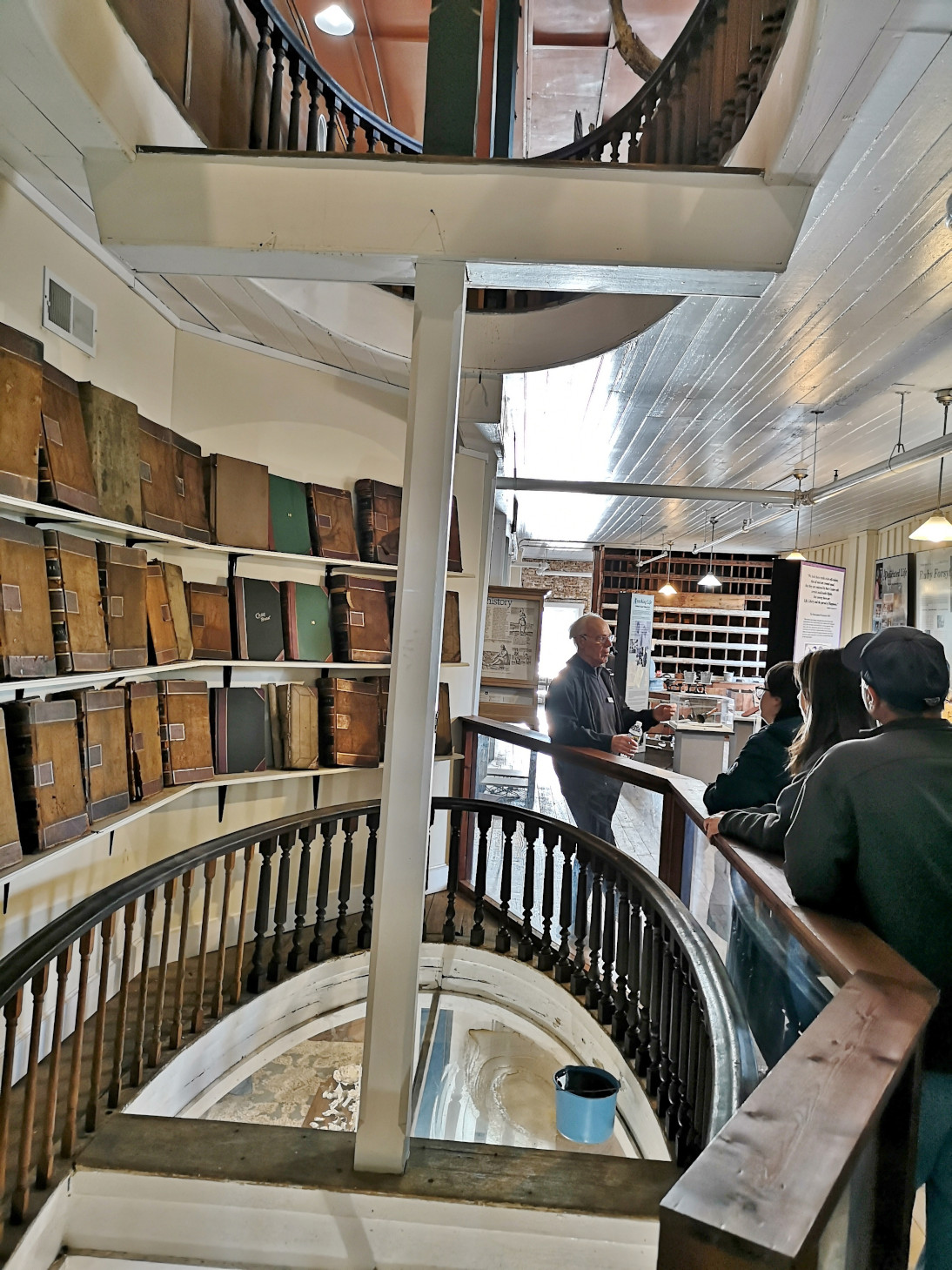
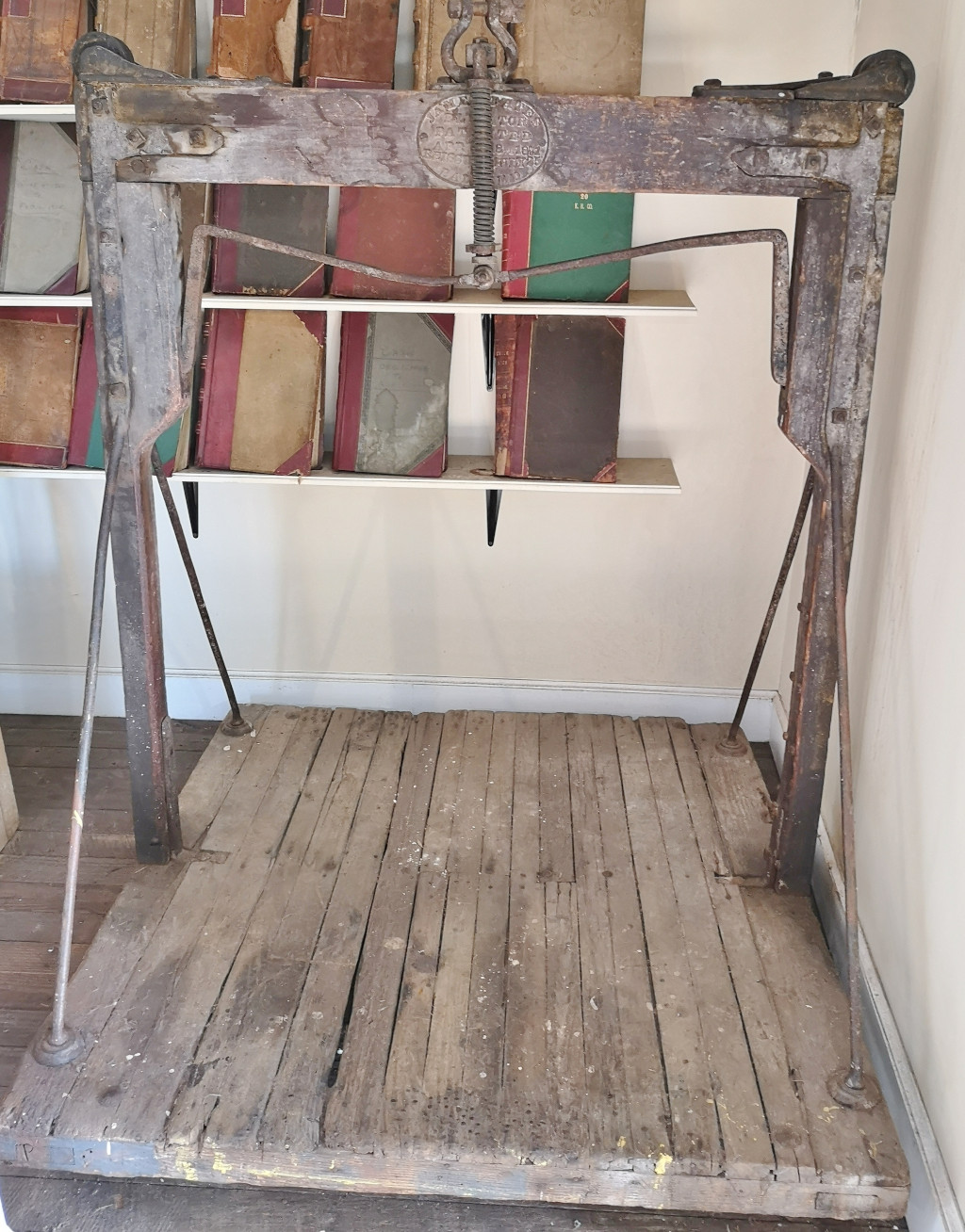
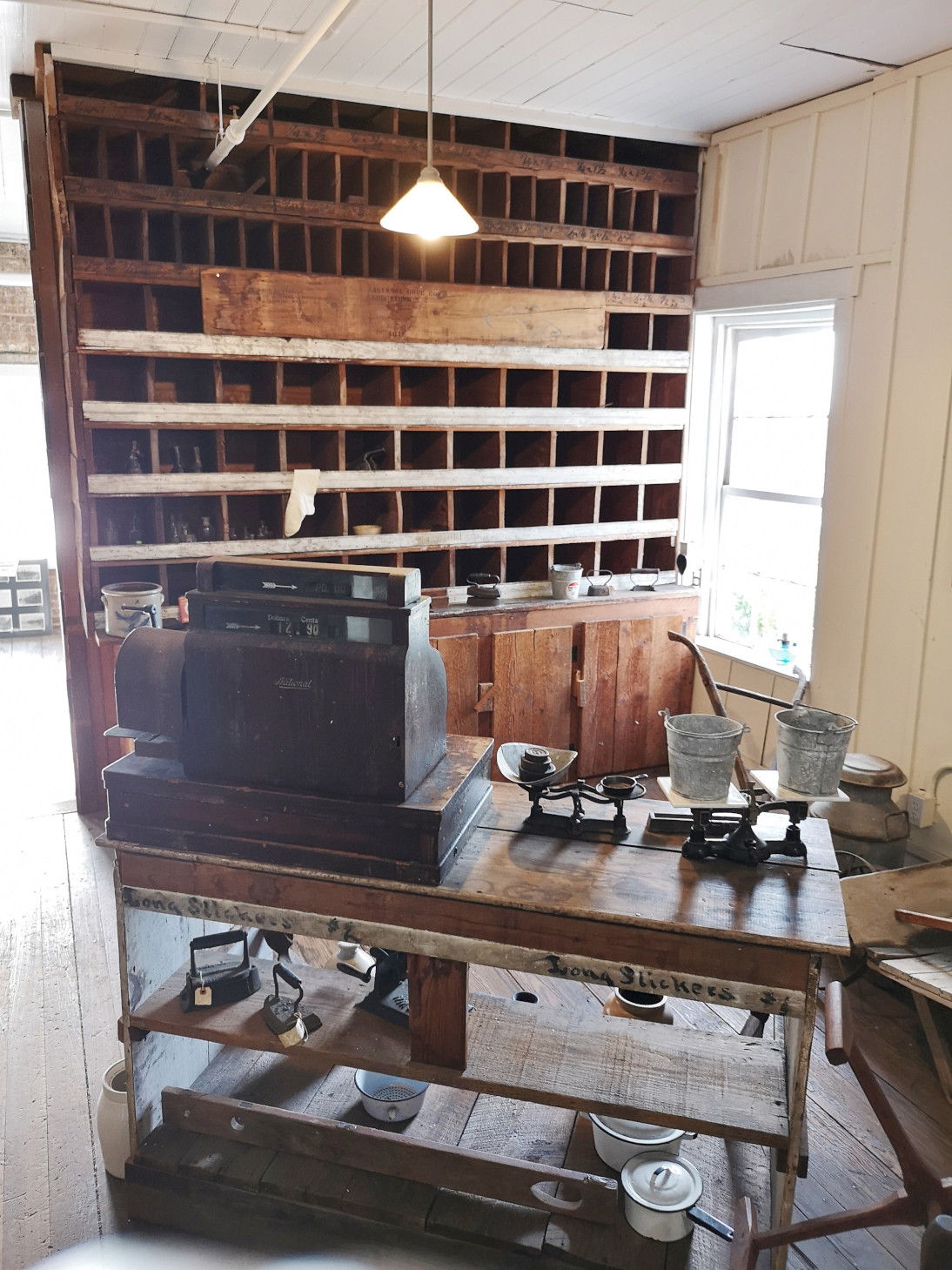
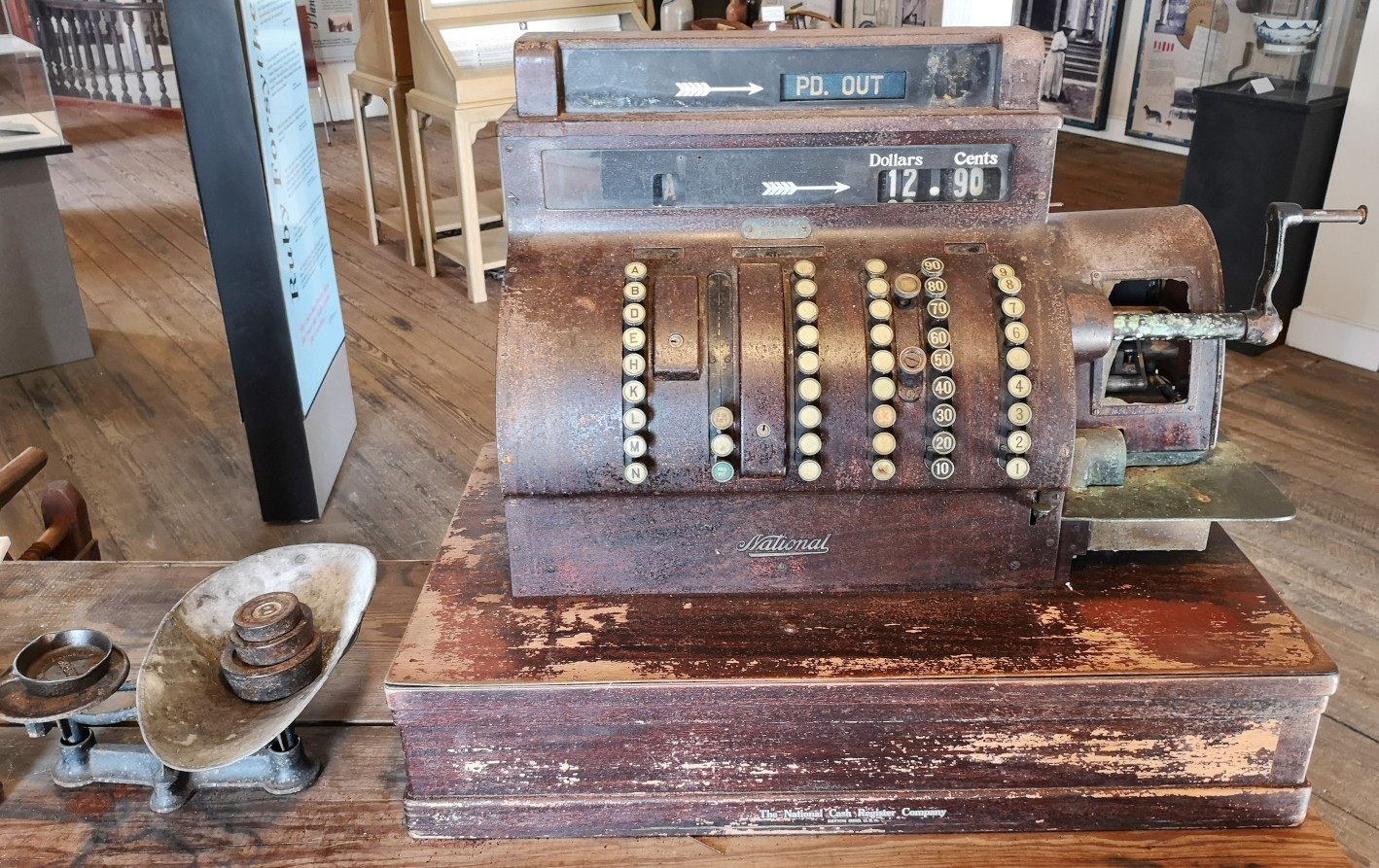
After lunch we raced down the street to the Rice Museum so we could get the guided tour at 2 pm and we just made it in time. The guide takes you to the 2nd floor of the clock tower and explains, using diorama’s, how rice was grown and harvested and about Indigo production. After we finished that section, he took us back to the restored hardware store where we watched a 17-minute video on Georgetown. Next, we saw Brown’s Ferry vessel which sank in the 1730’s and was discovered by a hobby diver in 1976 and then brought up and preserved. Lastly, we went to the restored Kaminski hardware store area (that was the original use of the building) and saw the display boards. Here are some interesting facts we learned in this museum:
- Rice fields had to be flooded and drained 3 different times to get the best crop. It took almost 100 years of experimentation in Carolina (at this time there was no specific North or South Carolina) to determine this best sequence.
- In the beginning, separating the rice from the stalk and chaff was done by hand but then they developed machine methods to do this step.
- About 85% of the Carolina Gold rice was shipped to England.
- The rice industry died off in Carolina due to automated machines that could be used in Louisiana and Texas but wouldn’t work in the marshy fields in Southern Carolina.
- Indigo was a very dangerous crop to process due to the chemicals in the dye. Eventually a synthetic method was found to make the dye.
- The Brown’s Ferry vessel was the most important single nautical discovery in the US because it established that ship building had begun 50 years prior to earlier discoveries.
- The ferry was discovered in the Black River and the archaeologists had to first remove 25 tons of cargo from the ship.
- They used a crane to lift the entire vessel out of the water and then had to store it in freshwater until the preservation process could be done.
- A tank was built to hold the wreck and it was placed in a solution of polyethylene glycol which is a wax like substance that eventually replaces the water trapped in the wood cells so it will stay preserved. It was in the tank around 10 years.
- To get the wreck into the building after it was preserved, they removed the roof and lowered it into place with a crane. Incredible steps to save this wreck.
- The Kaminski Hardware store opened in 1856 and operated into the 1900’s.
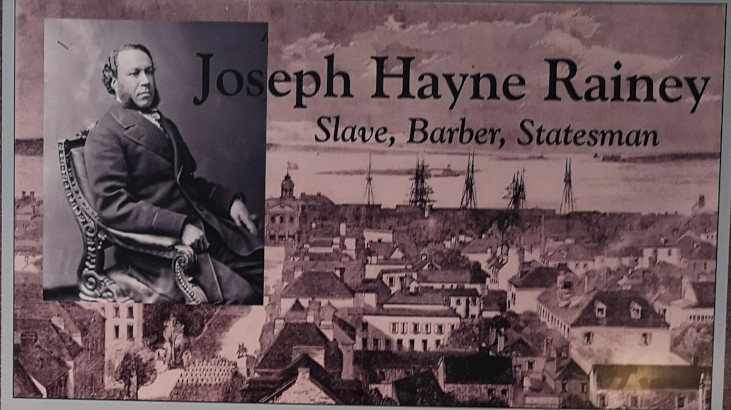
- On the display board area, the most significant person we read about from Georgetown was Joseph Hayne Rainey (1832-1887). He was the first African American to win a seat in the House of Representatives and he was an eloquent orator speaking about the need to distribute land to freed slaves.
- On the first floor of the building was an art gallery which we looked around in but didn’t purchase anything.
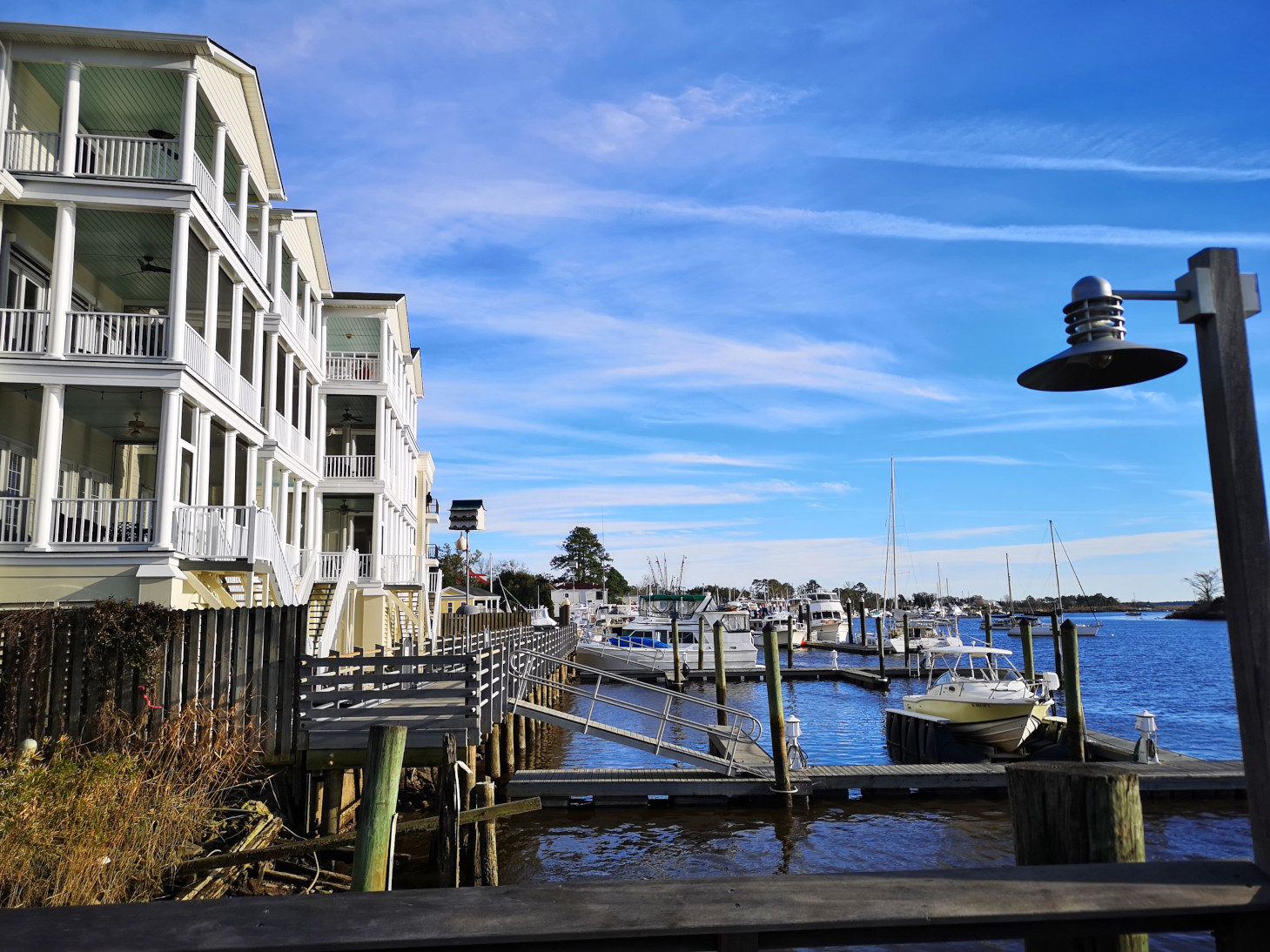
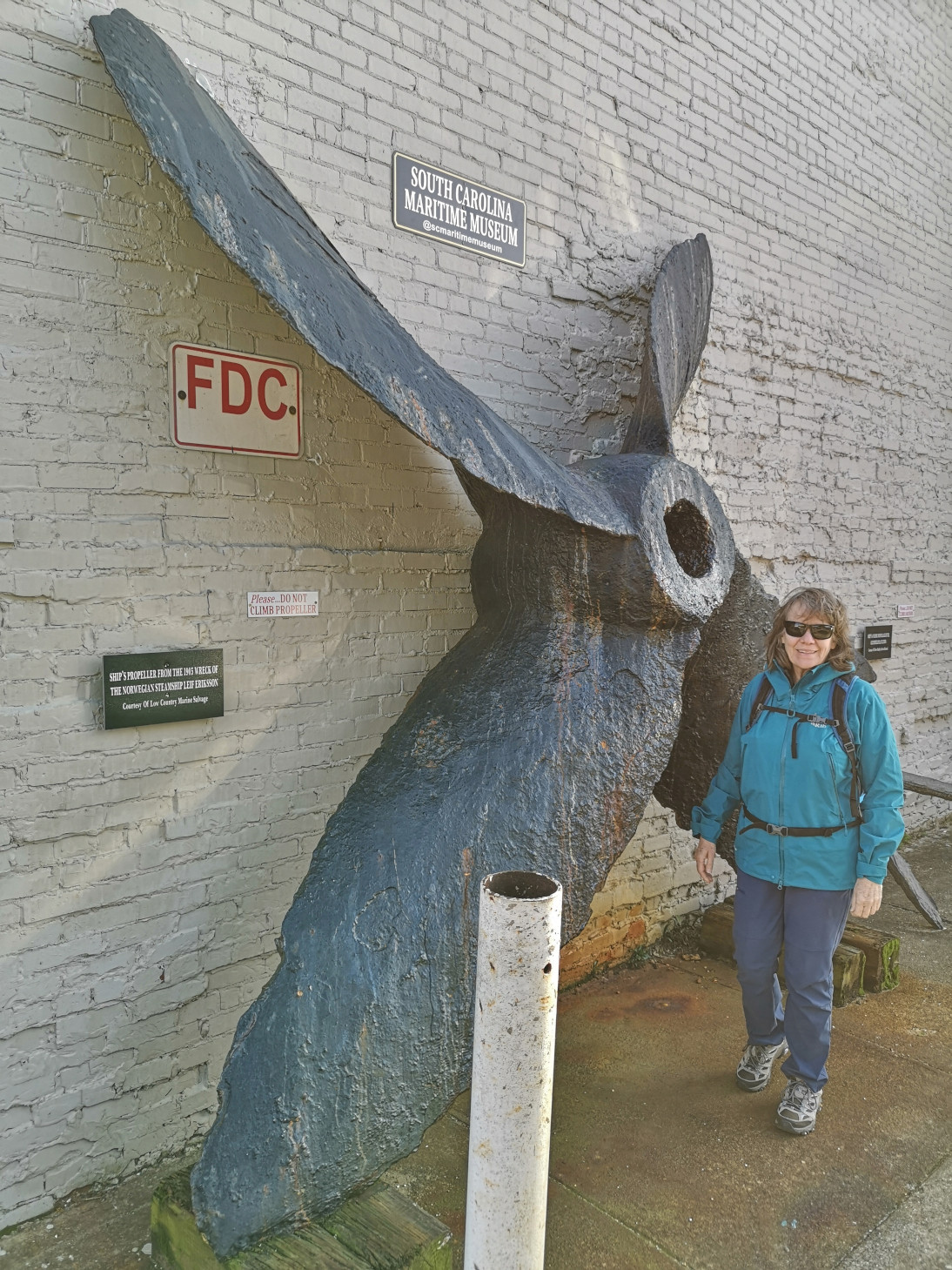
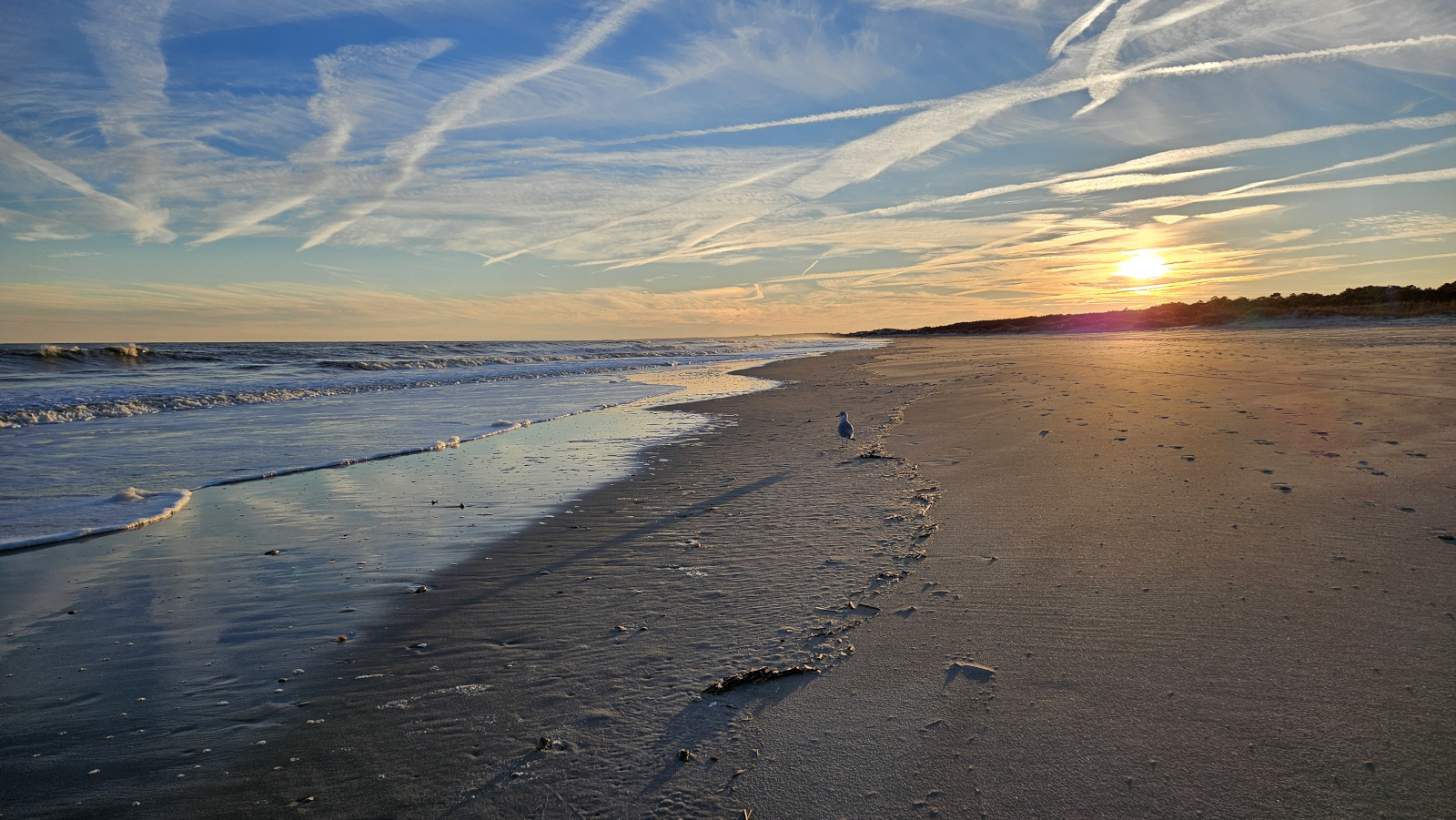
After the museum we wandered along the river boardwalk before heading back to Huntington Beach SP for our last night. There was a Maritime Museum in Georgetown as well but we were out of steam to go through that one. Back at the SP Sharon did a sunset beach walk to see if she could find any more shells.


Our next blog will cover all the historic sites we visited in the Charleston area.
 Joel & Sharon
The state park camping prices are getting so high, those crew sleeping berths on that South Carolina battle ship is starting to look good. hahaha!
LikeLiked by 1 person
We’re heading to Georgia Tuesday and the park prices are much better 👍
LikeLike
Wonderful photos!!! I enjoyed reading about the quilts as I had seen a program about them just recently, probably because there’s a lot of great programs on during Black History month. You can start your blue bottle collection after you get home by buying Giovello wine!
LikeLiked by 1 person
We need the blue bottle tree to catch all those evil spirits 🤔😉
LikeLike