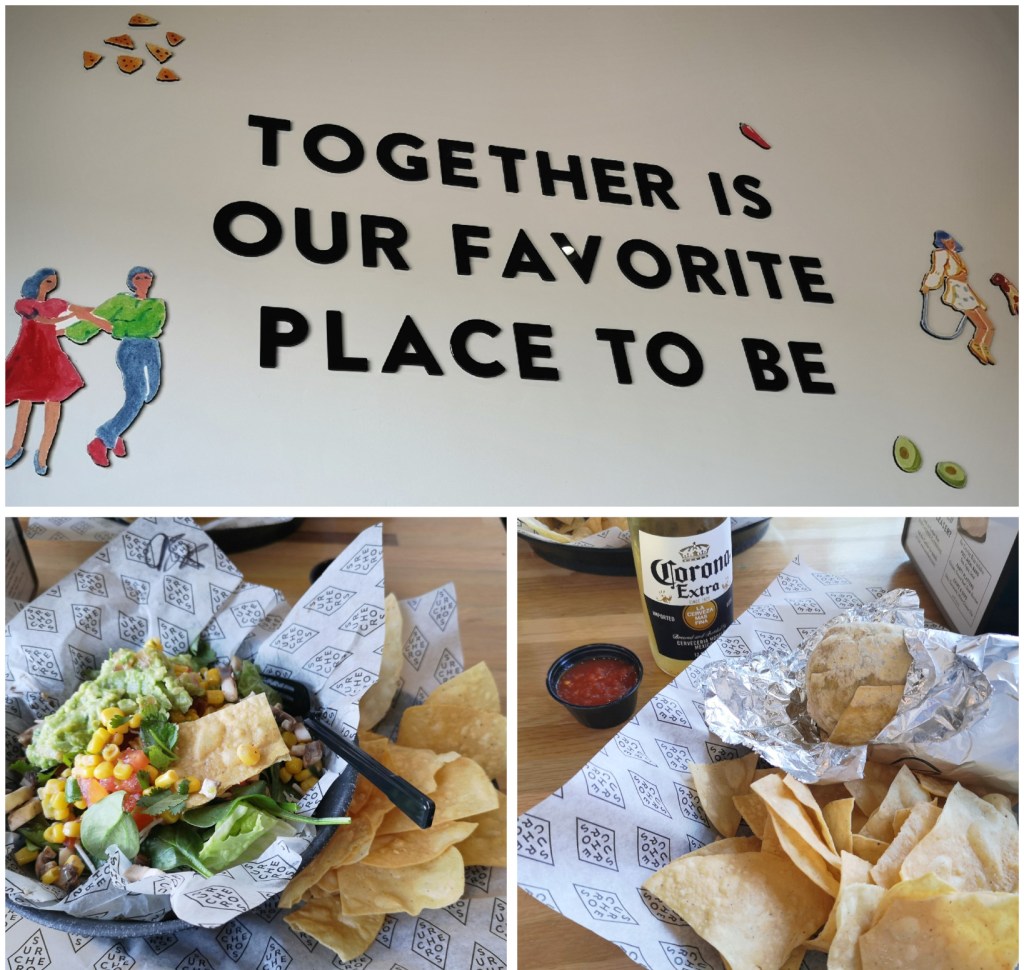
As we left Reed Bingham SP we drove through Moultrie and stopped for lunch at a chain called Surcheros. They are known for their grilled burritos, and they also have an option to have your burrito ingredients in a salad bowl instead, which Sharon tried. The greeter was incredibly friendly and explained the whole process to us and then kept coming to our table to see if we wanted anymore salsa. He was a 73-year-old retired postal worker with a part time job now as a greeter and he had lived his entire life in Moultrie. However, we asked him what we should see in Moultrie, and he said nothing worth seeing😉
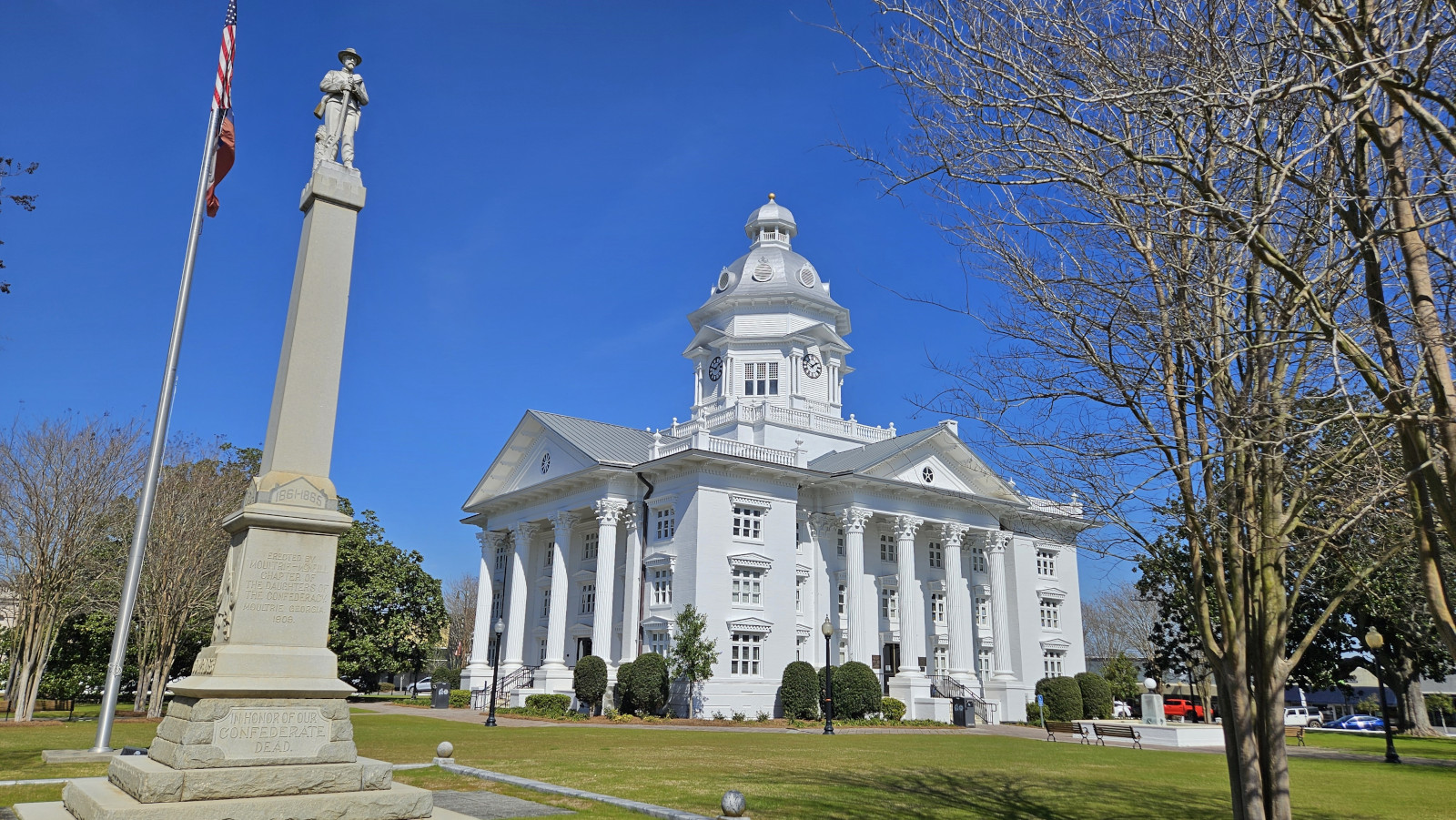
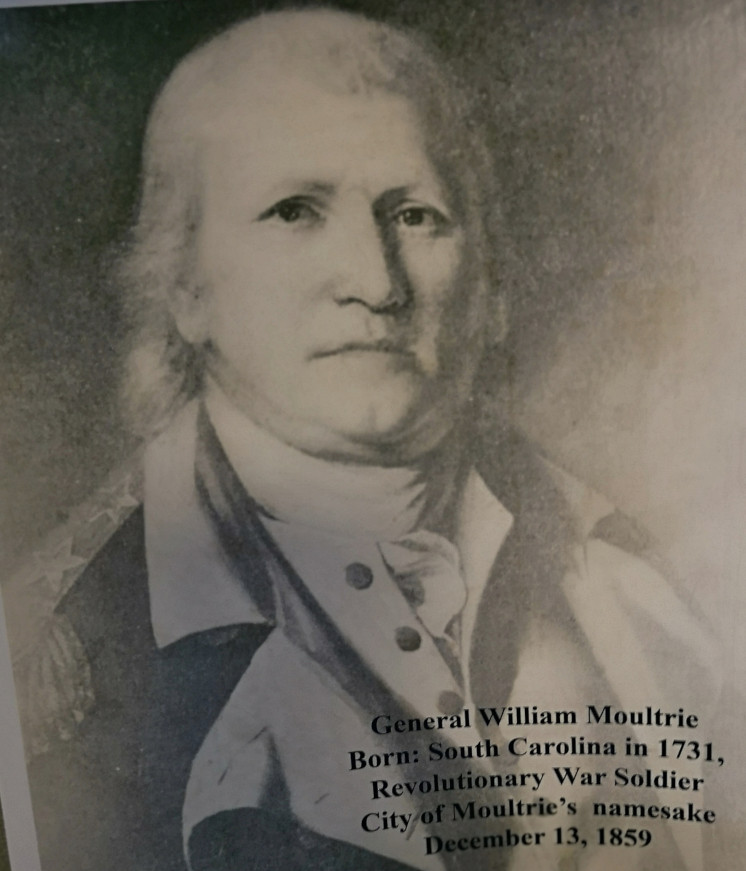
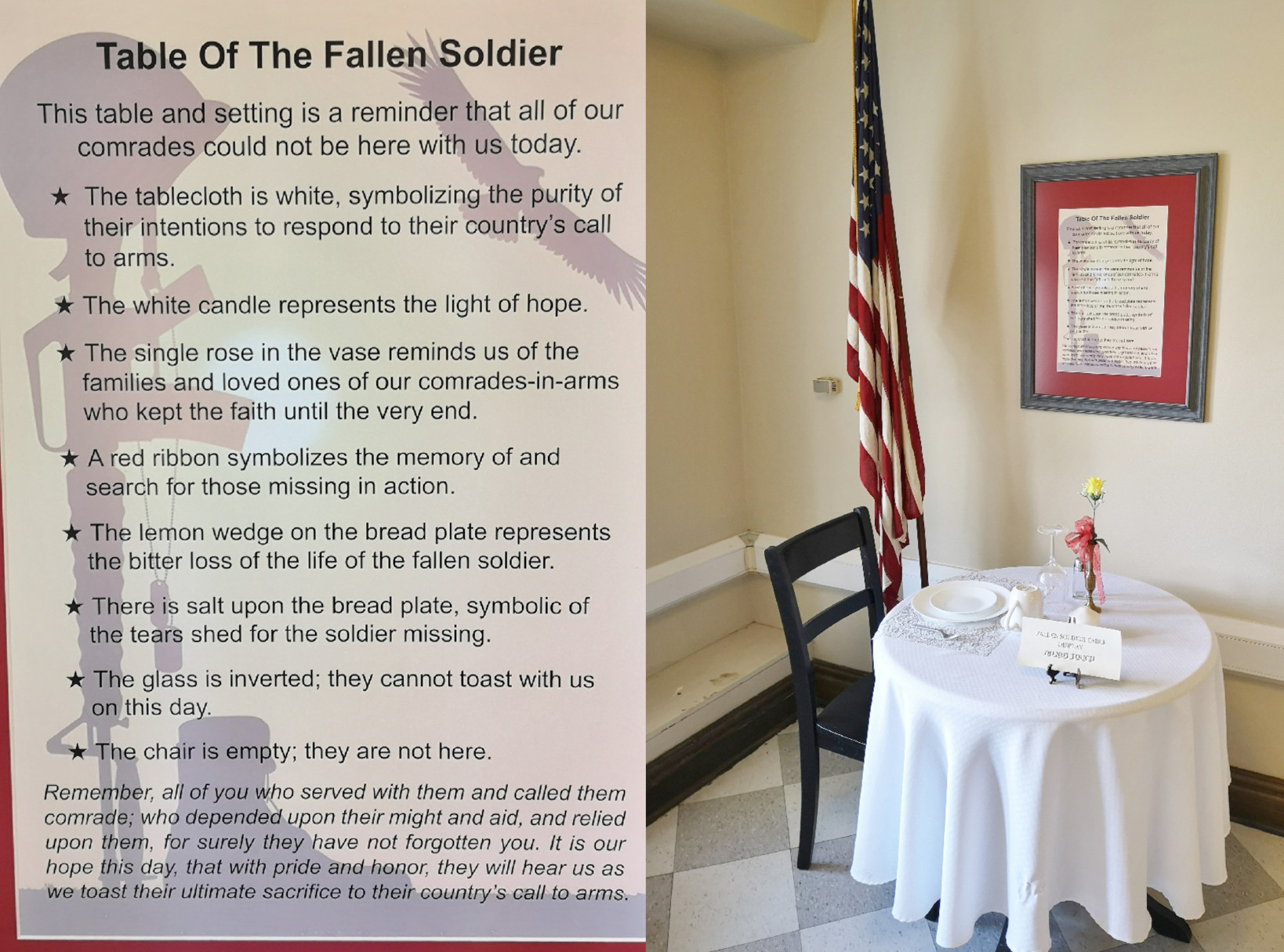
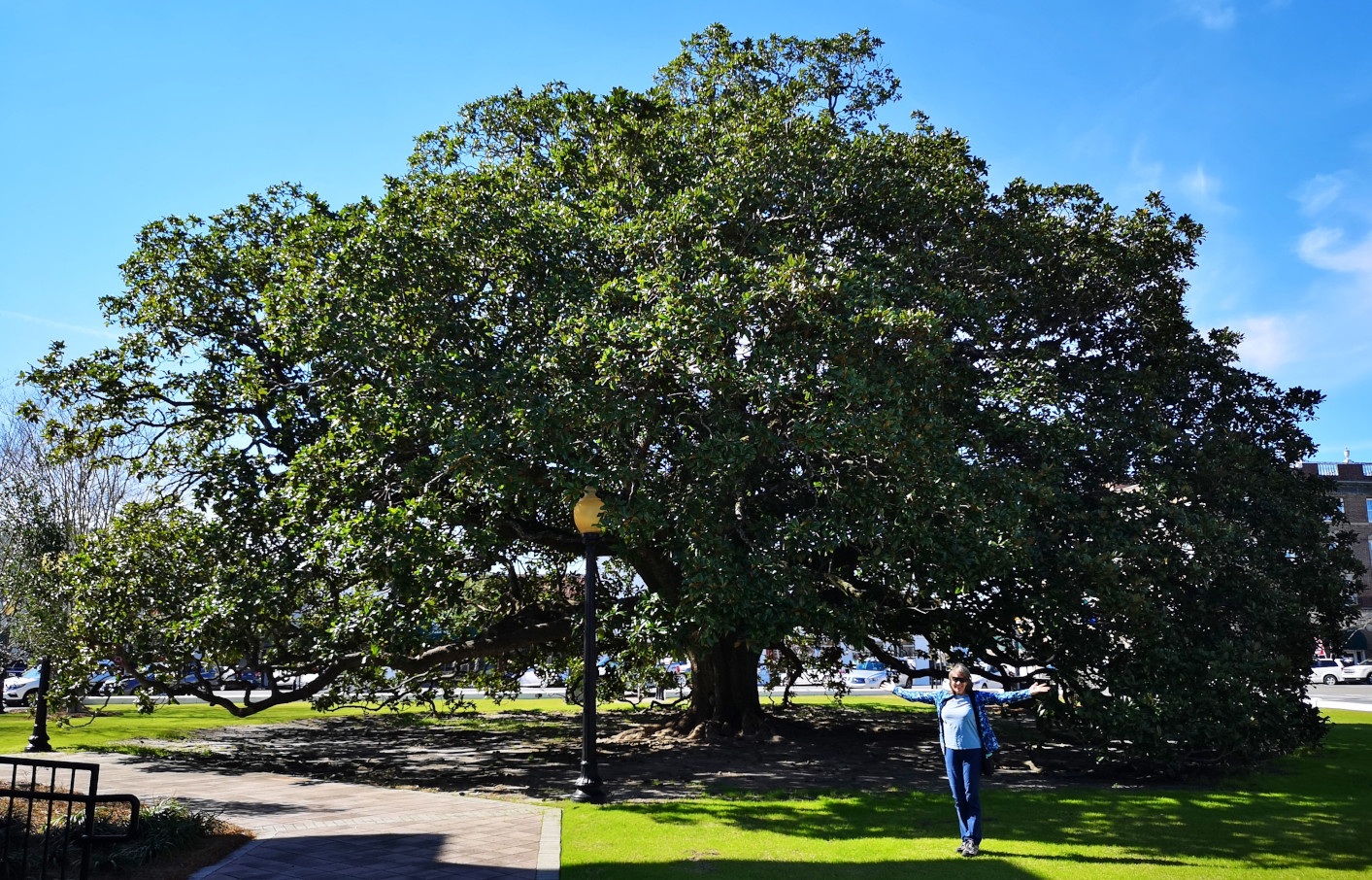
We had some time before we needed to get to our harvest host for the night, so we stopped in downtown Moultrie to see the main square and the county courthouse. The outside of the courthouse was quite ornate but inside you really couldn’t see anything, except for the fallen solider table. We were hoping for a spiral staircase like we saw in Marfa Texas last year. In the square was a huge magnolia tree that had been planted in 1845 and was placed on the historic tree registry in 2021. Sharon did some shopping therapy, walking away with a new top that was on super sale for $10 (reg $87).

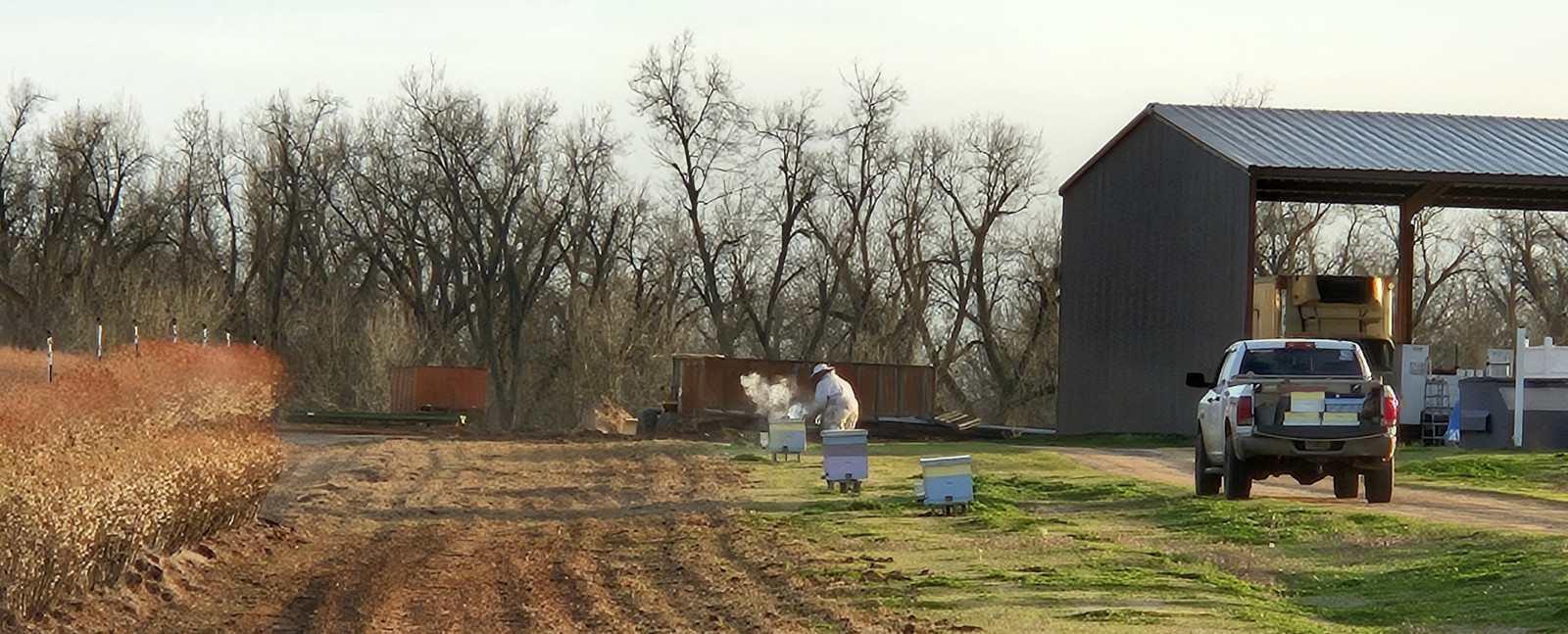
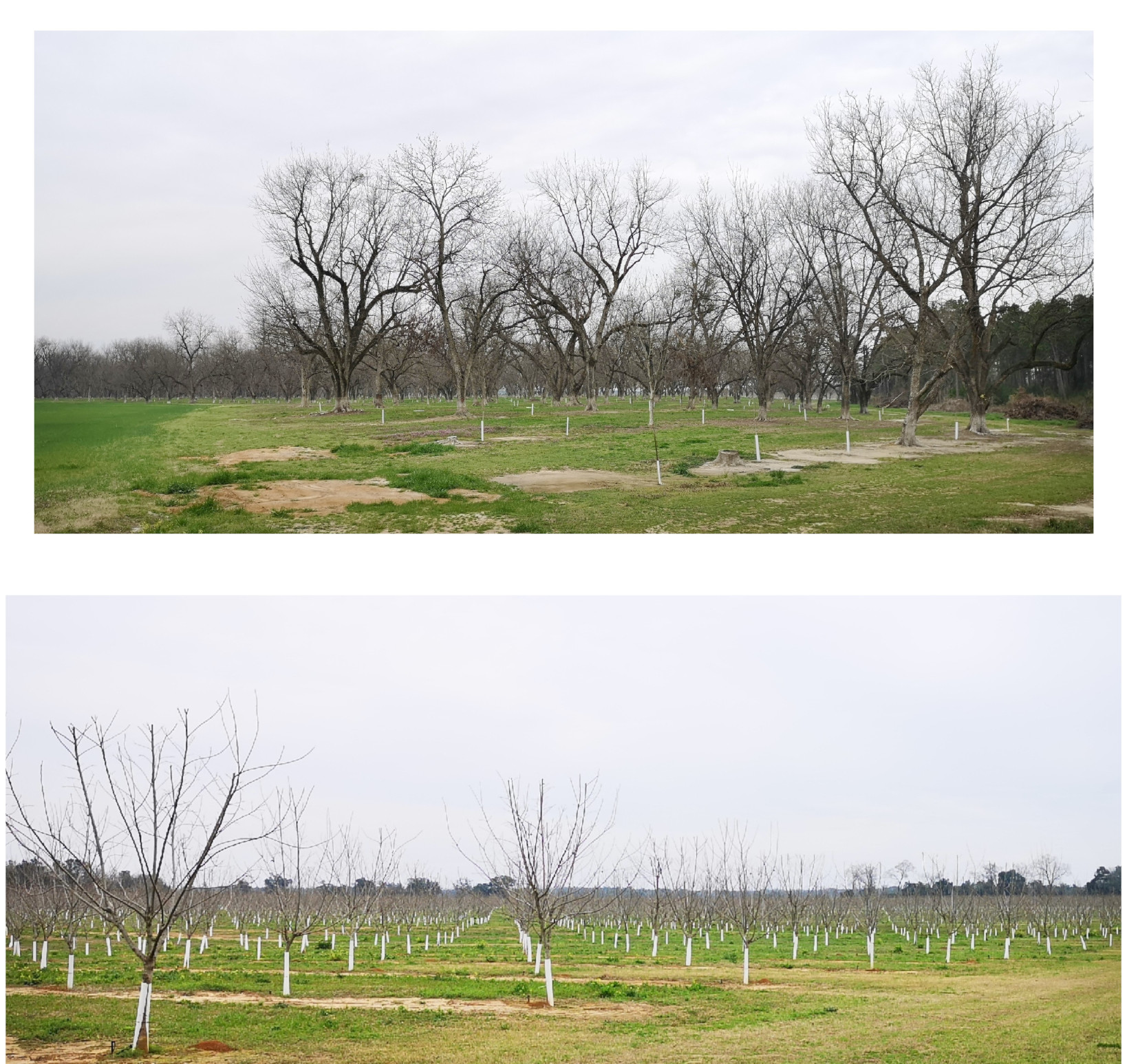
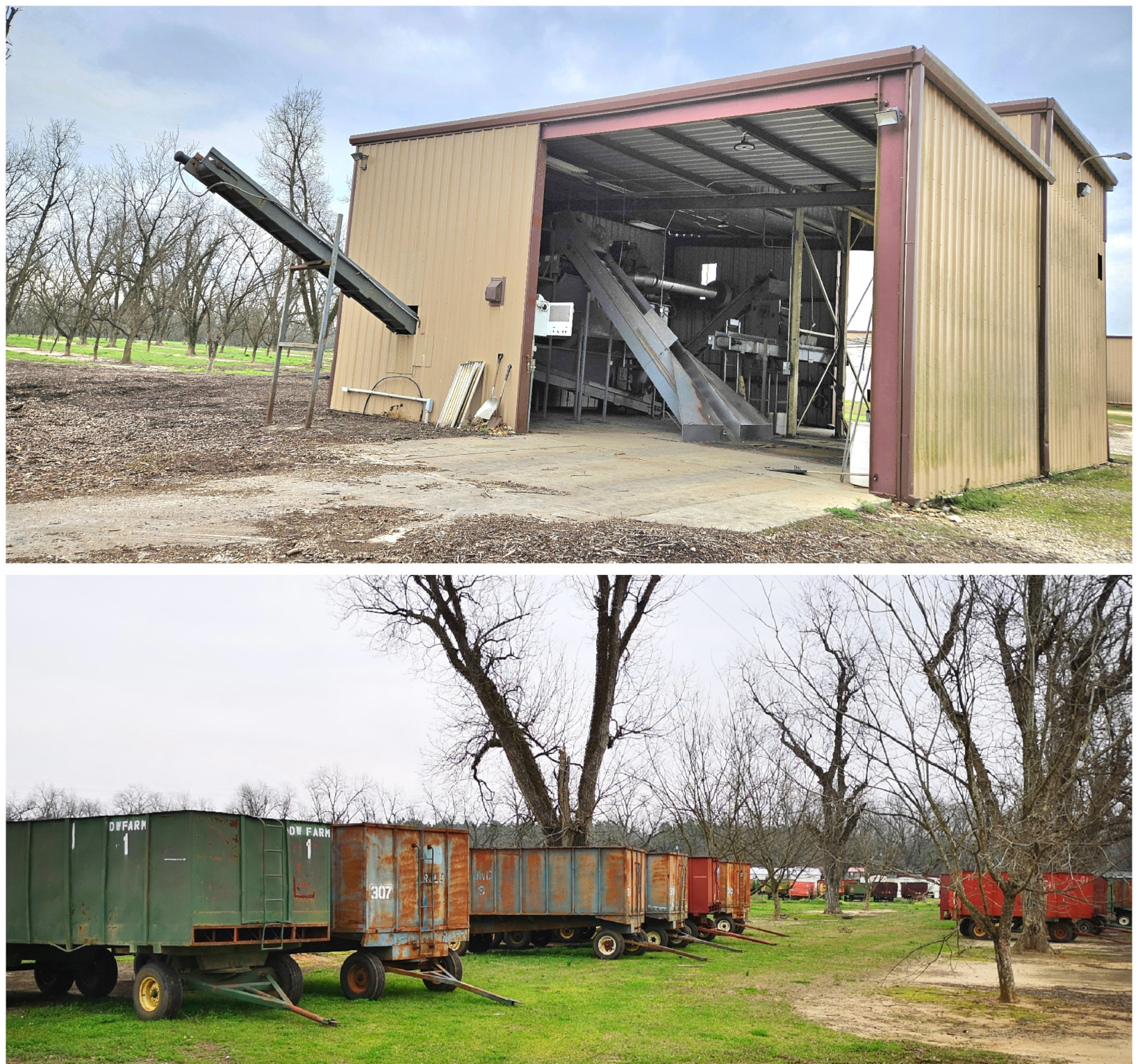
We had chosen a couple of Harvest Host locations for Thursday and Friday because it was difficult getting a booking in a state park for the President’s Day long weekend. The first stop was Von Glahn farms which was on Trail 37 of the Georgia Grown agritourism highways. The farm was established in 2015 and is a family business with the parents and 4 children running the farm. On this farm they grow blueberries, cotton, pecans, blackberries, and they have beehives for honey. When we arrived we met the owner, and he told us where we could park and then showed us his products where we bought pecans, blueberries, and honey. We had a pretty sunset that night and the next morning we took a walk around the pecan orchard with some really old trees and some new ones as well. On the way out we could see the pecan processing barn and all the wagons that they would collect the pecans in.

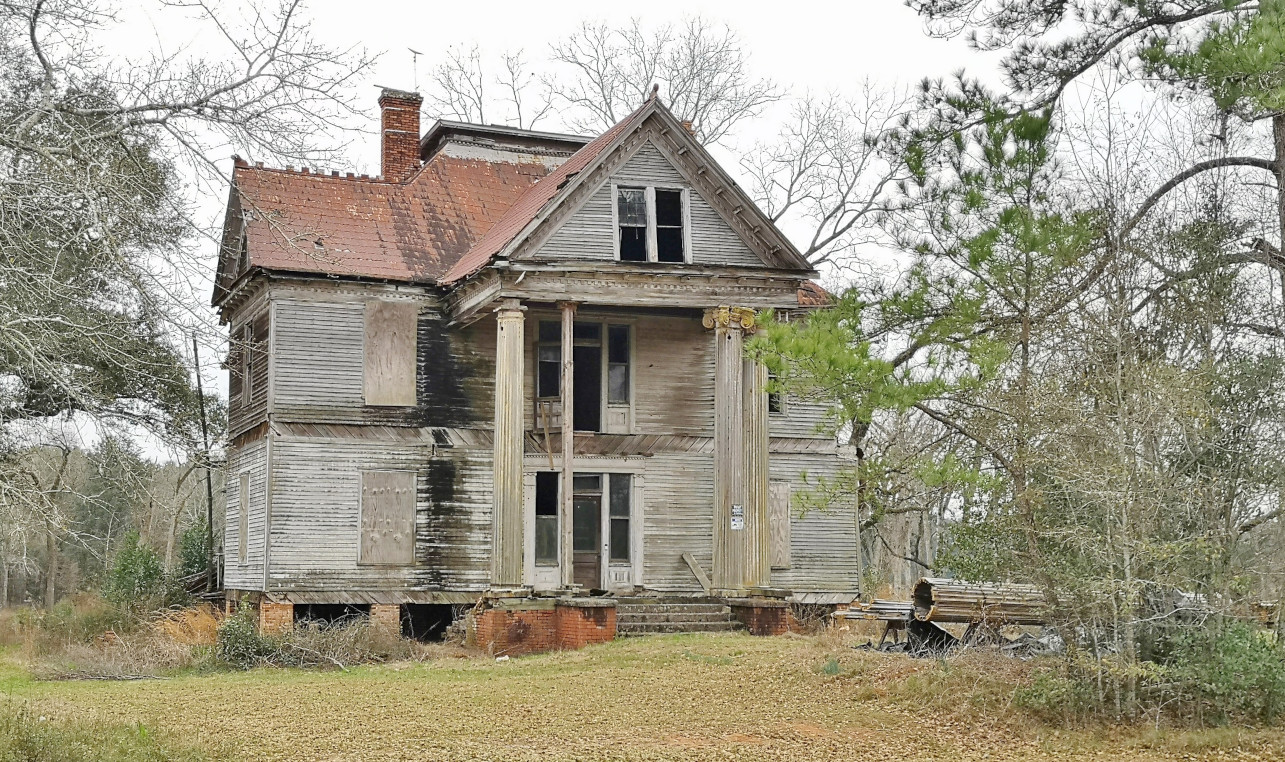
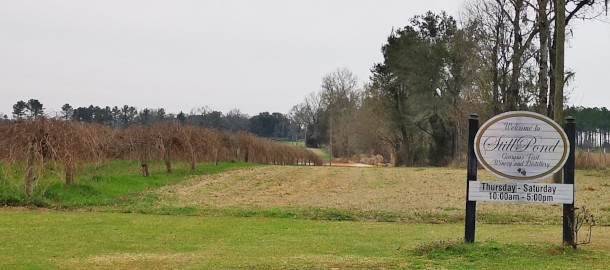
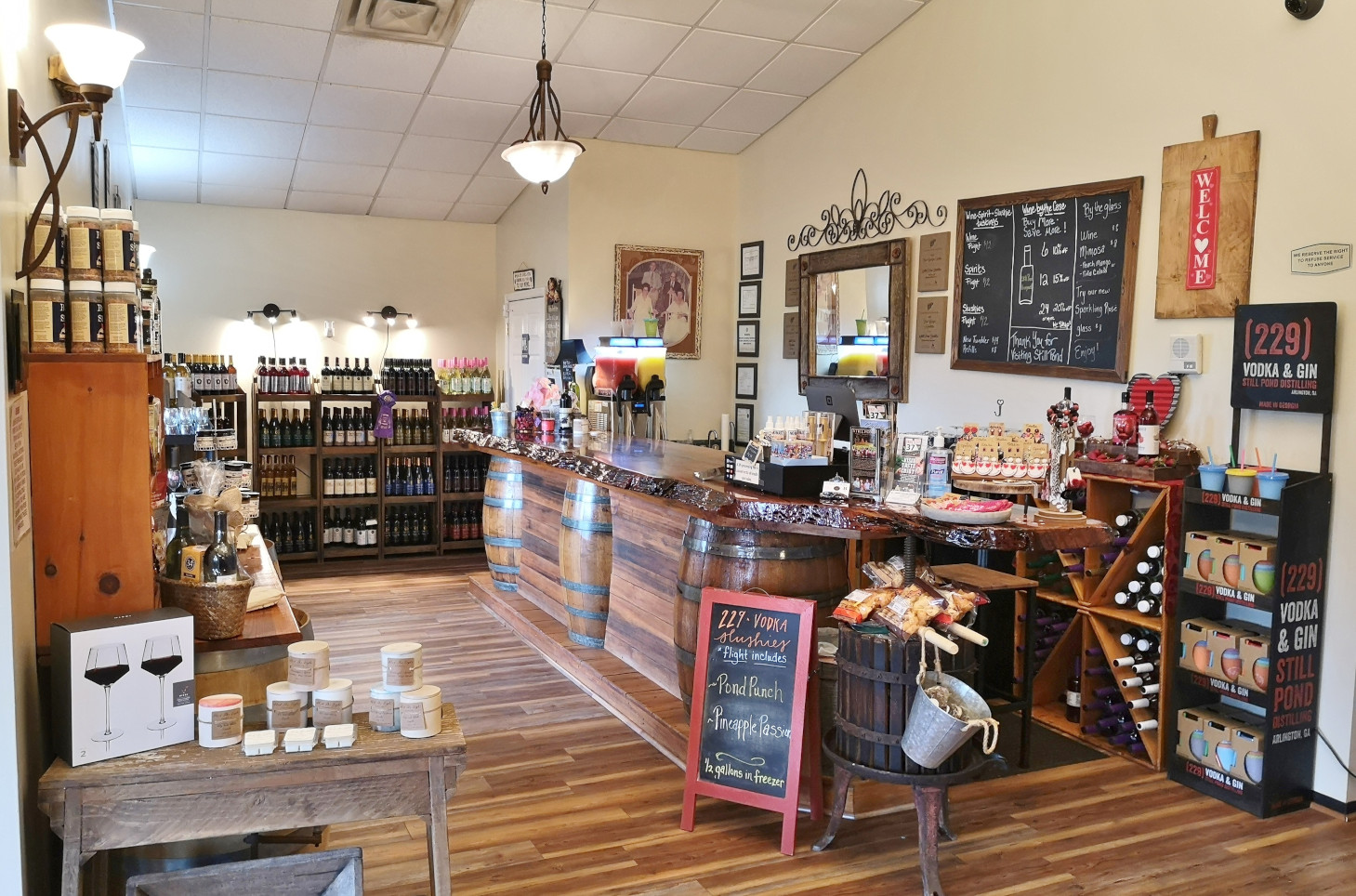
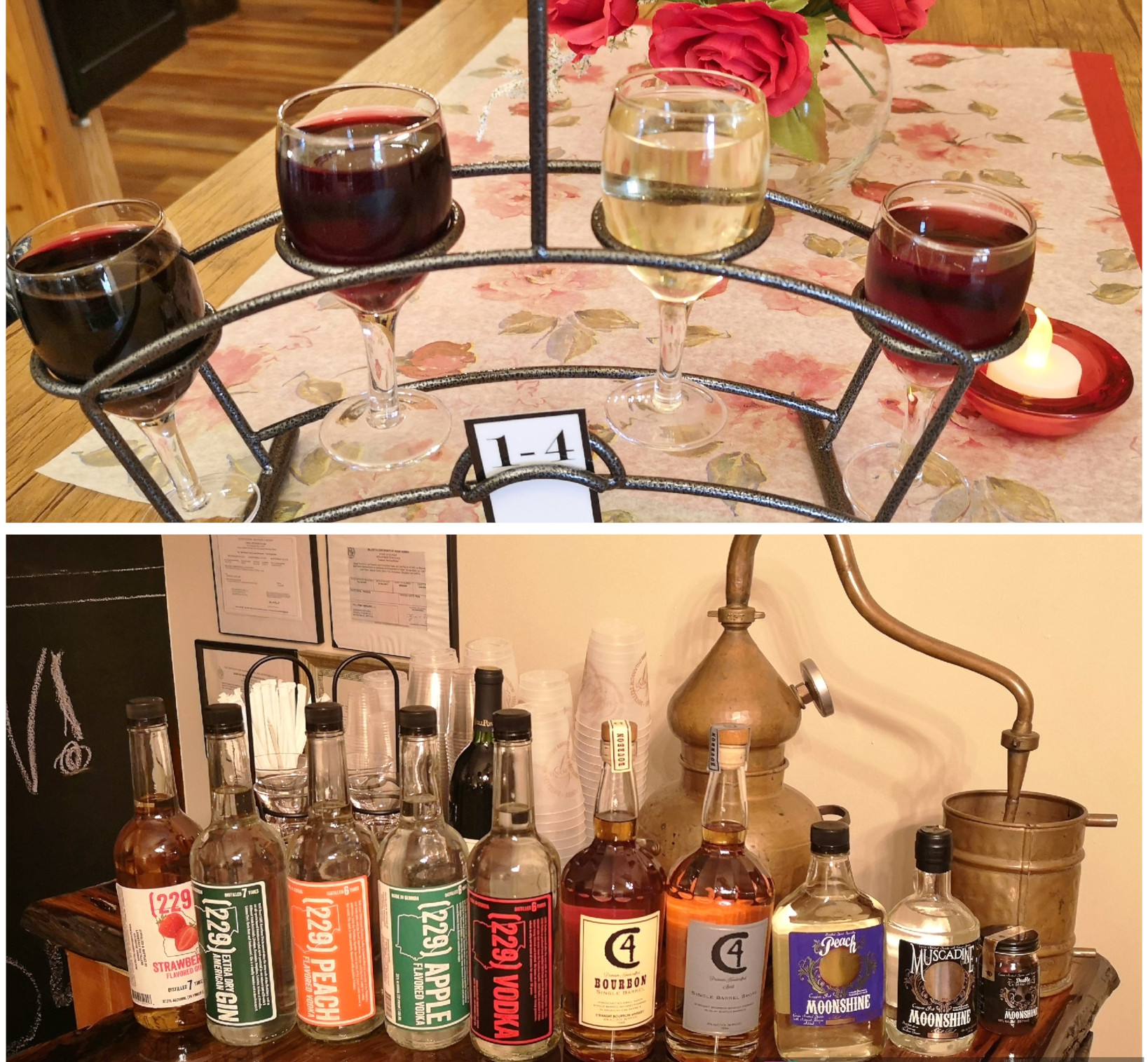
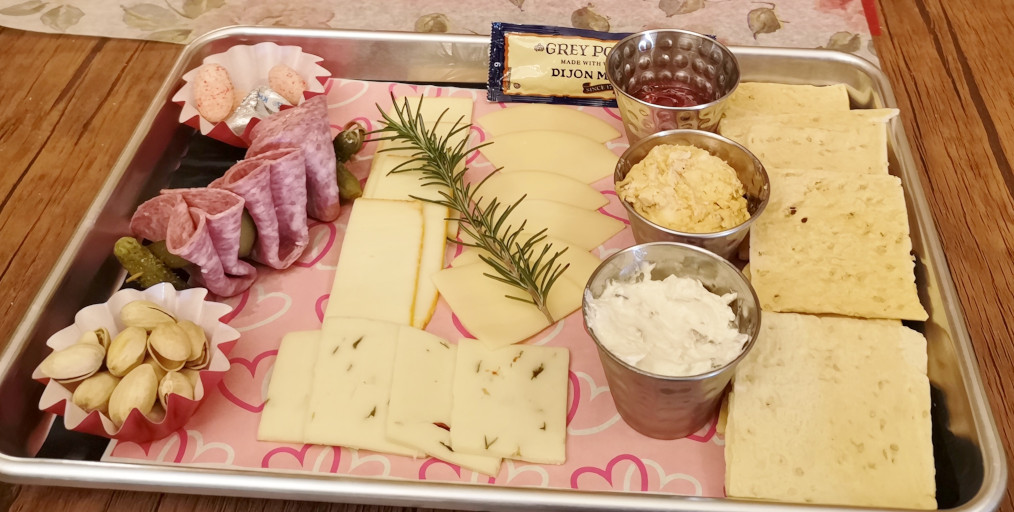
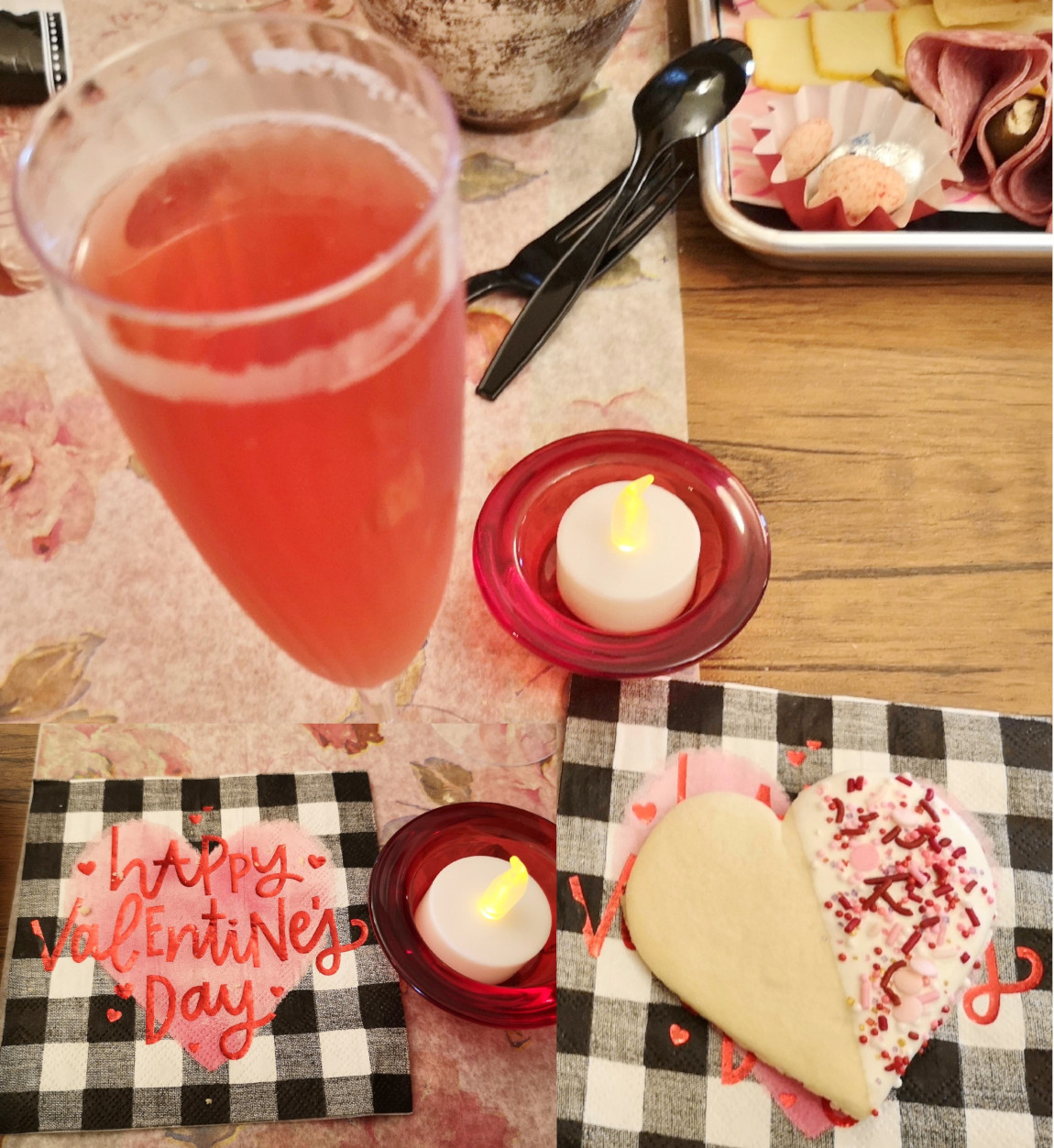
The next day we stopped to see the McRainey house which was built in 1909 for Malcolm Archibald McRainey who made his fortune in the turpentine and timber industry. After his untimely death in 1914 the house was passed down to his children. It was considered one of the most handsome country homes in Southwest Georgia. Our next stop was Still Pond Winery and Distillery. A lot of the wineries in this area grow Muscadine grapes and as such, many of their wines can be on the sweet side so we always check the website first to see if they if they have any dry wines, which we prefer. This winery did have a couple of dry wines se we decided to venture the 1.5 miles down the red dirt road to check it out. We were the only customers, so the server was glad to see us. We shared a wine tasting and she even gave me small samples of the 2 bourbons they make. One was aged in Islay whisky barrels, but they were both very good. We decided to have the charcuterie board for lunch with Sharon trying their rose and I had the dry red wine. The server even gave us a bonus heart shaped cookie since it was just after valentine’s day. As we left, we met the owner and he explained how difficult it had been to get the Islay whisky barrels. A most enjoyable stop.


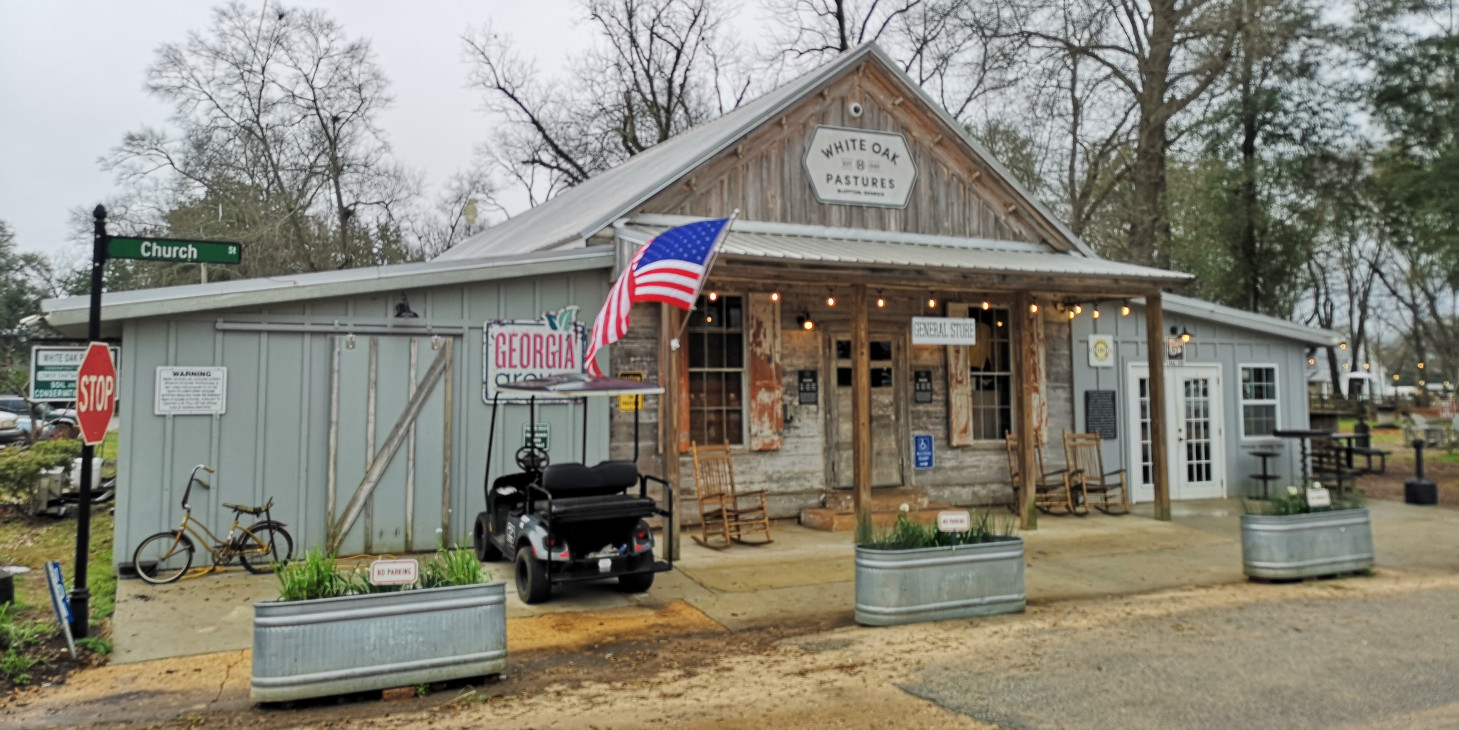
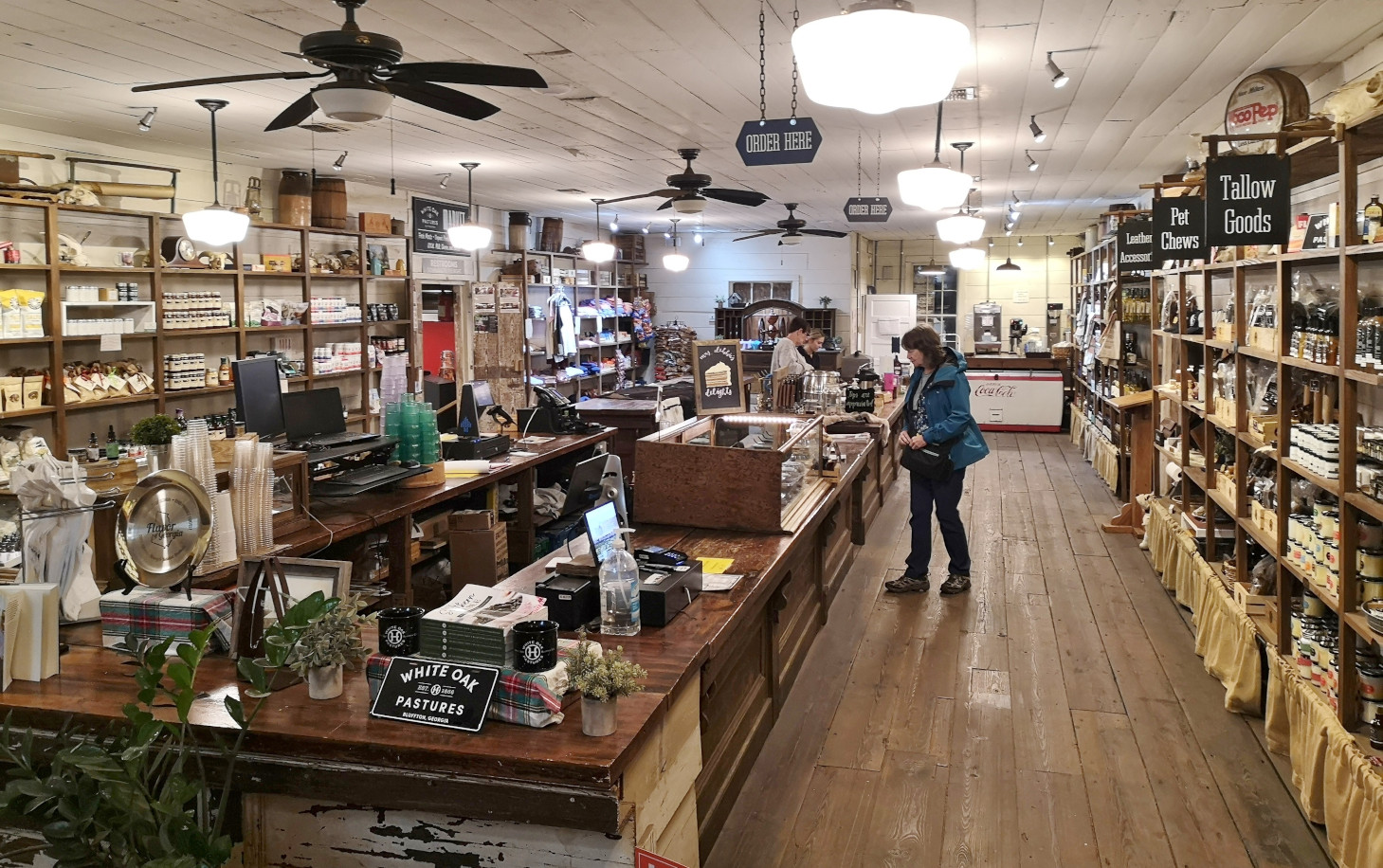
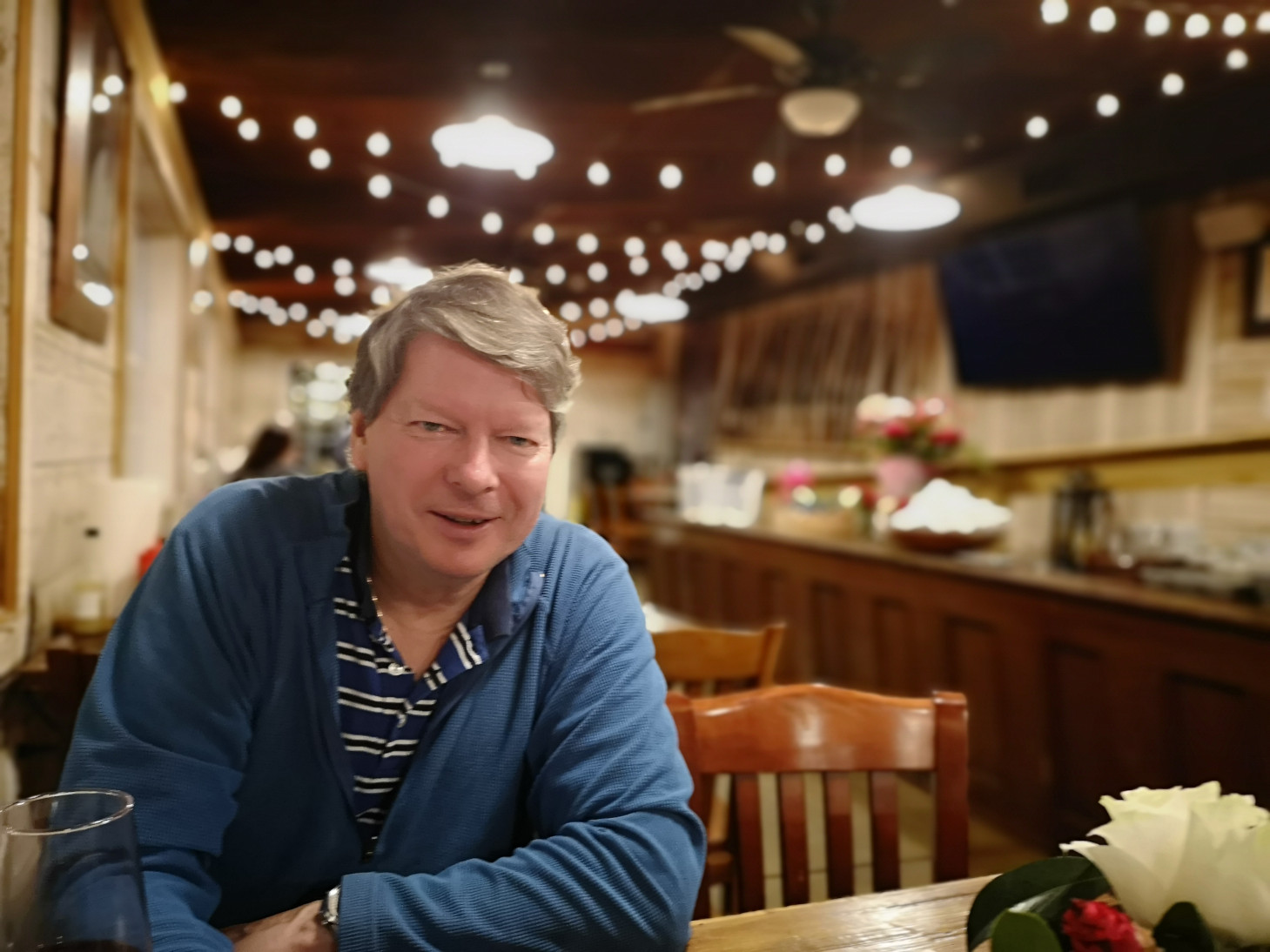
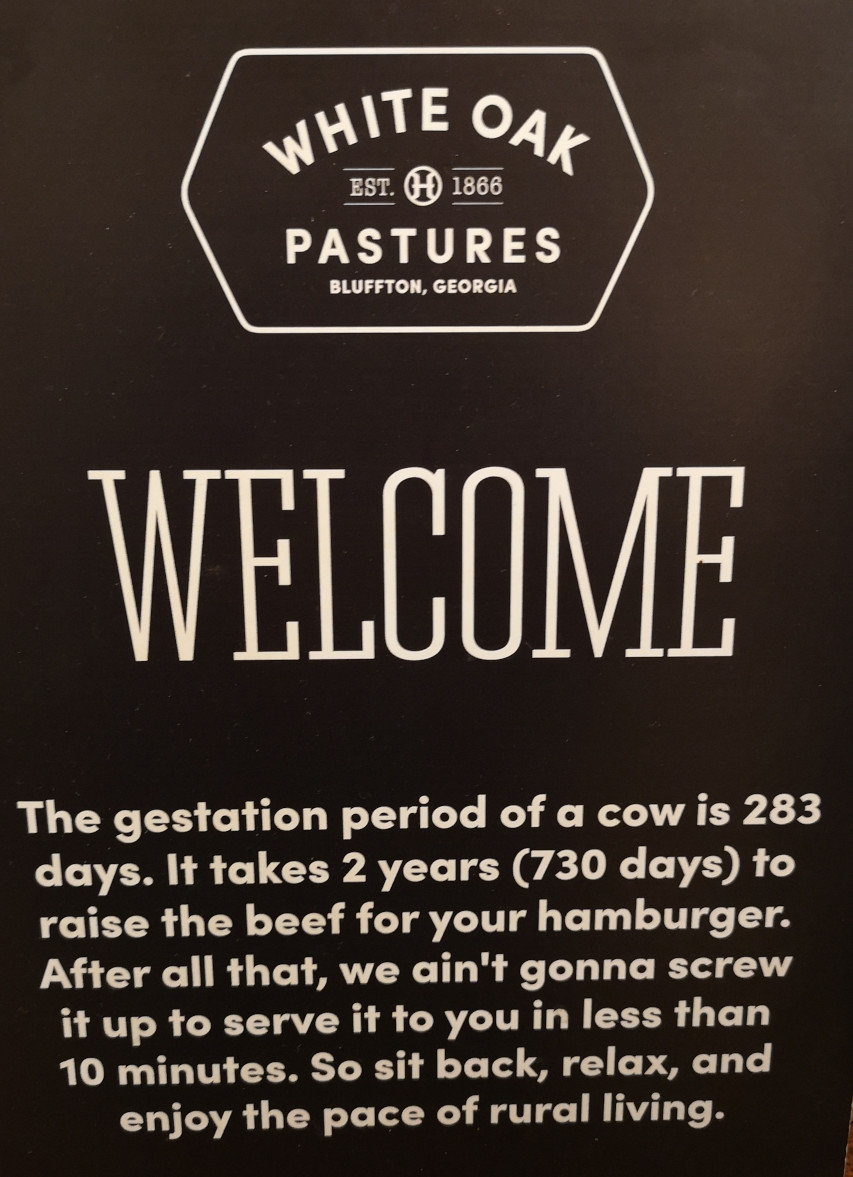
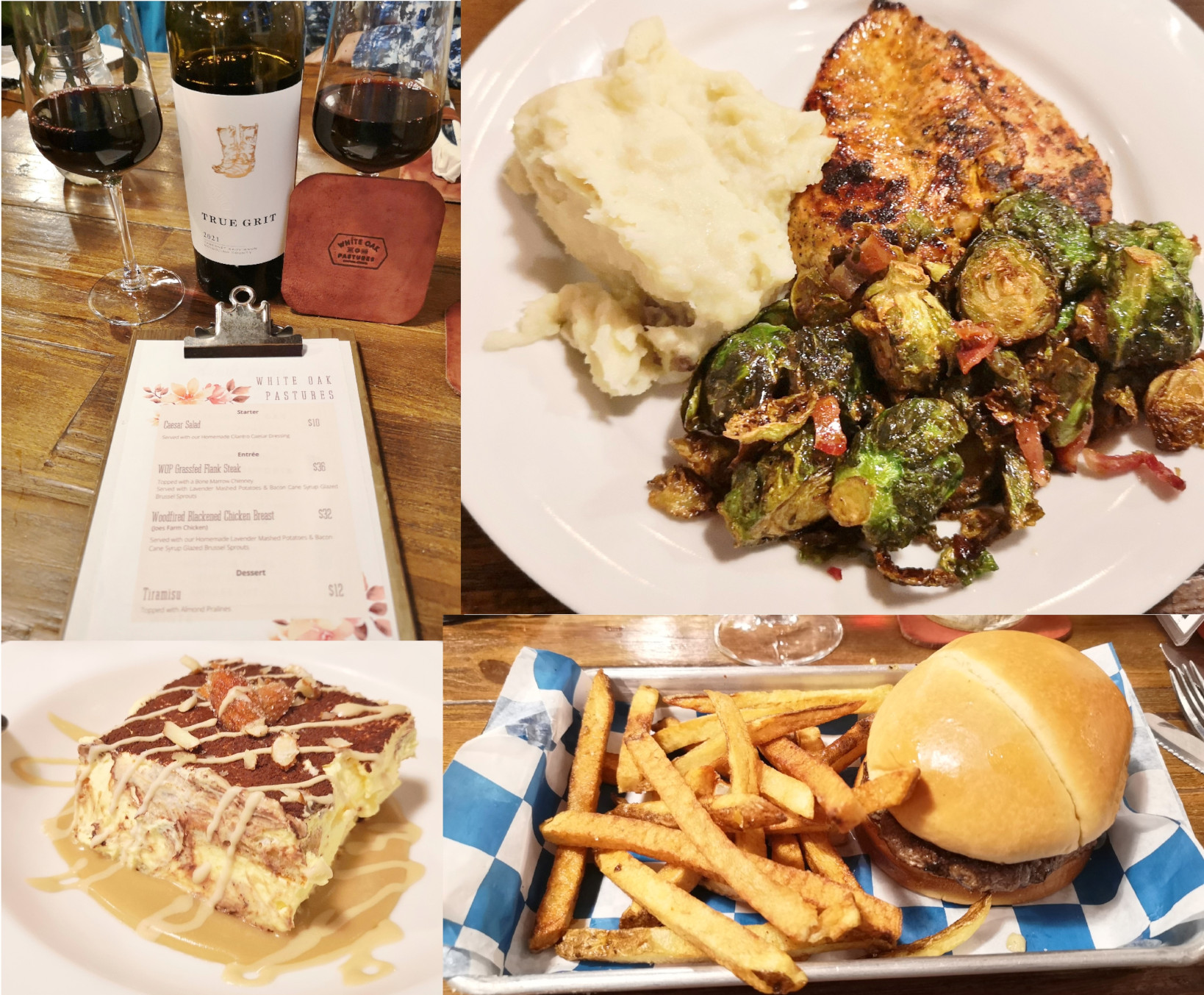
Our harvest host for the next night was White Oak Pastures which is a cattle farm that uses humane and regenerative farming practices. The livestock are grass fed and raised without the use of antibiotics or added growth hormones. The operation was quite large and employs a lot of people. It almost seemed like the owners controlled everything in the small community. We checked in at the general store and then went to the pasture where we would be camped for the night. There was just one other camper staying that night. Attached to the store was a restaurant so we went there for dinner that night, a treat for us as we’re usually going out for lunch enroute to our next park. We had True Grit wine (you could just go pick your bottle from the store), Sharon had the Woodfired Blackened Chicken Breast with Brussel sprouts, I had the Black and Bleu Burger, and we had homemade Tiramisu for dessert, all very good. They had horse back rides and farm tours, but it was raining the next morning, so we opted out.
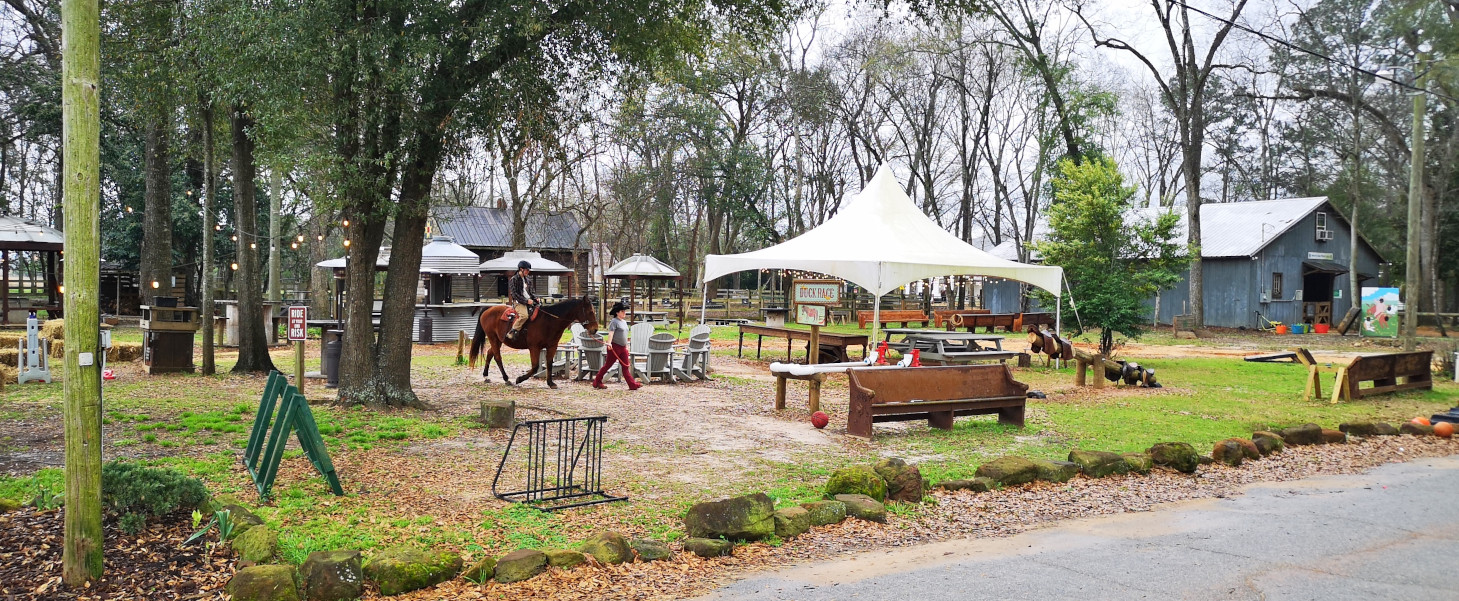
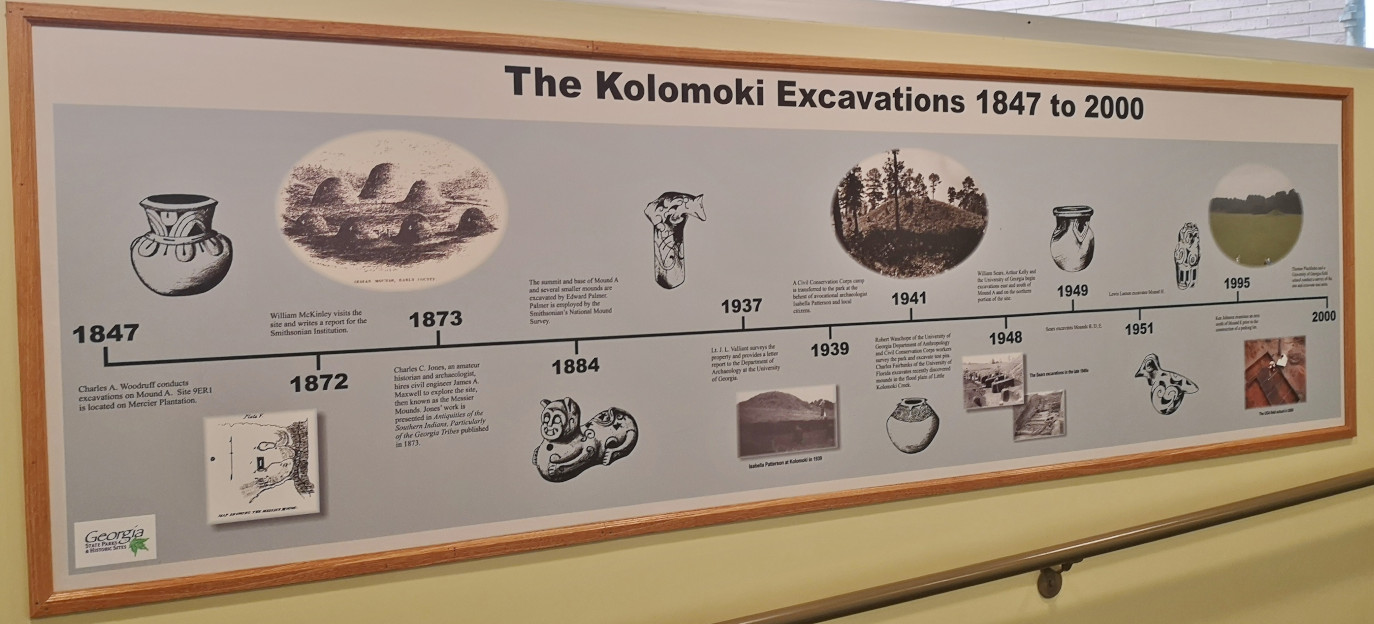
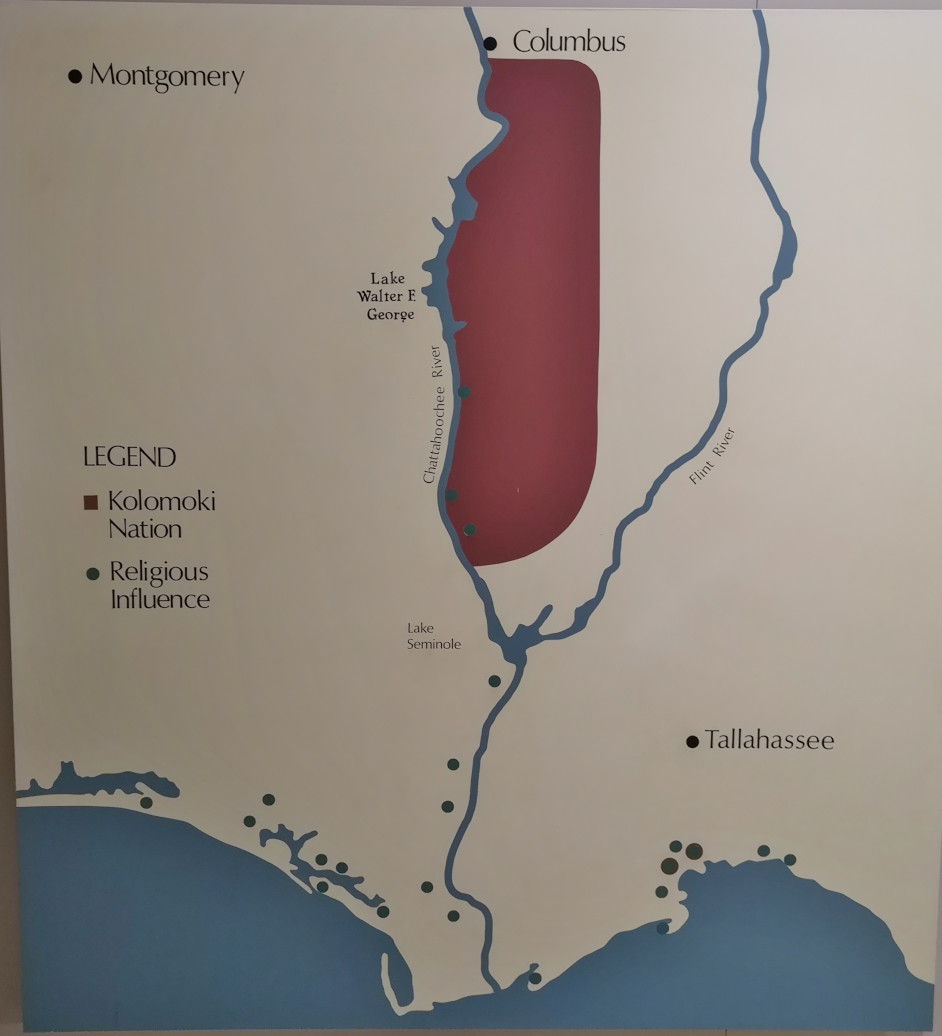
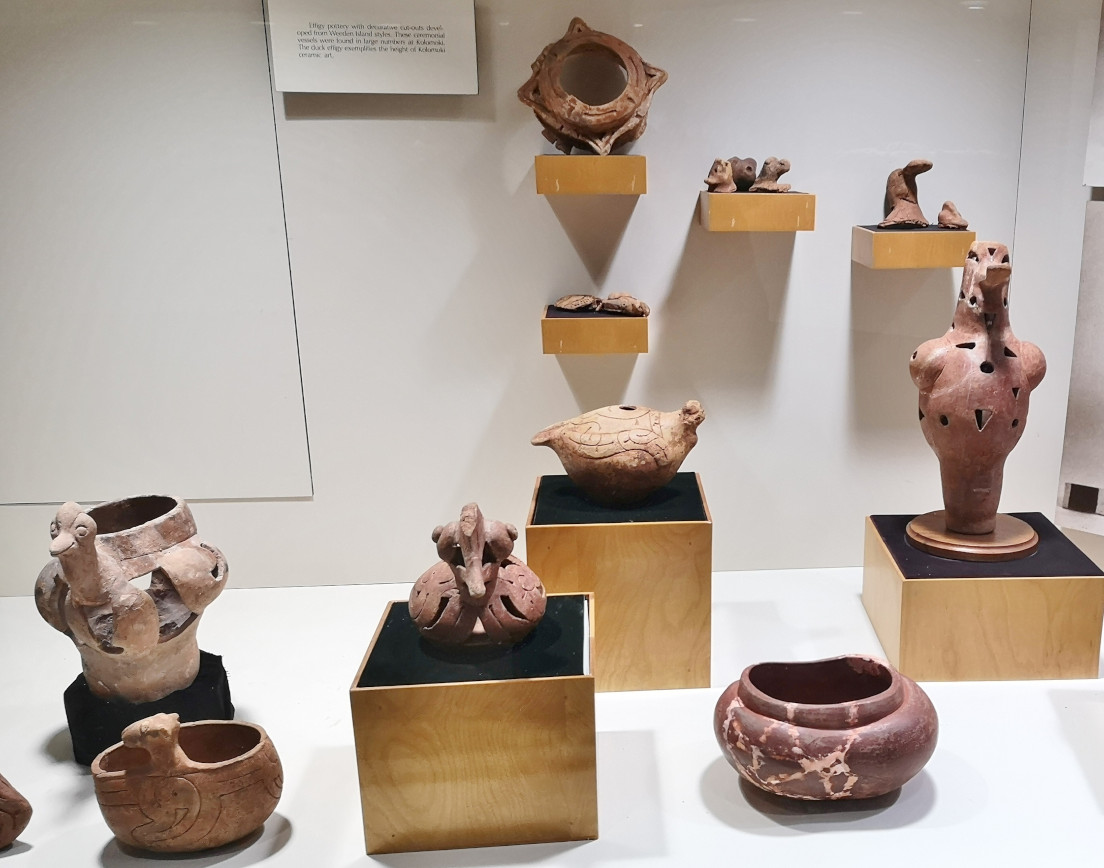
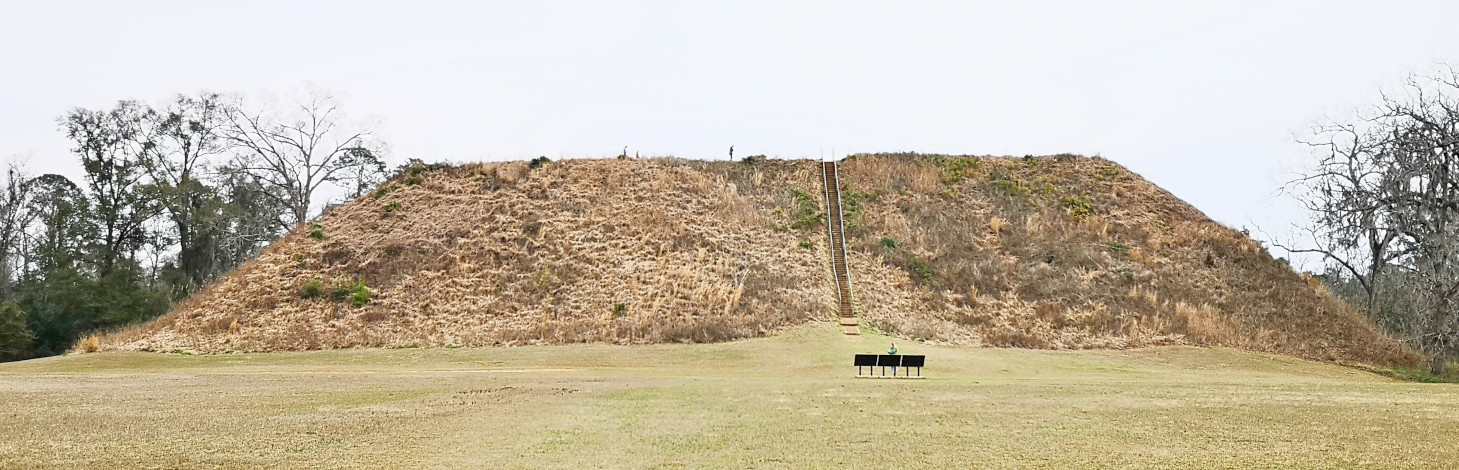
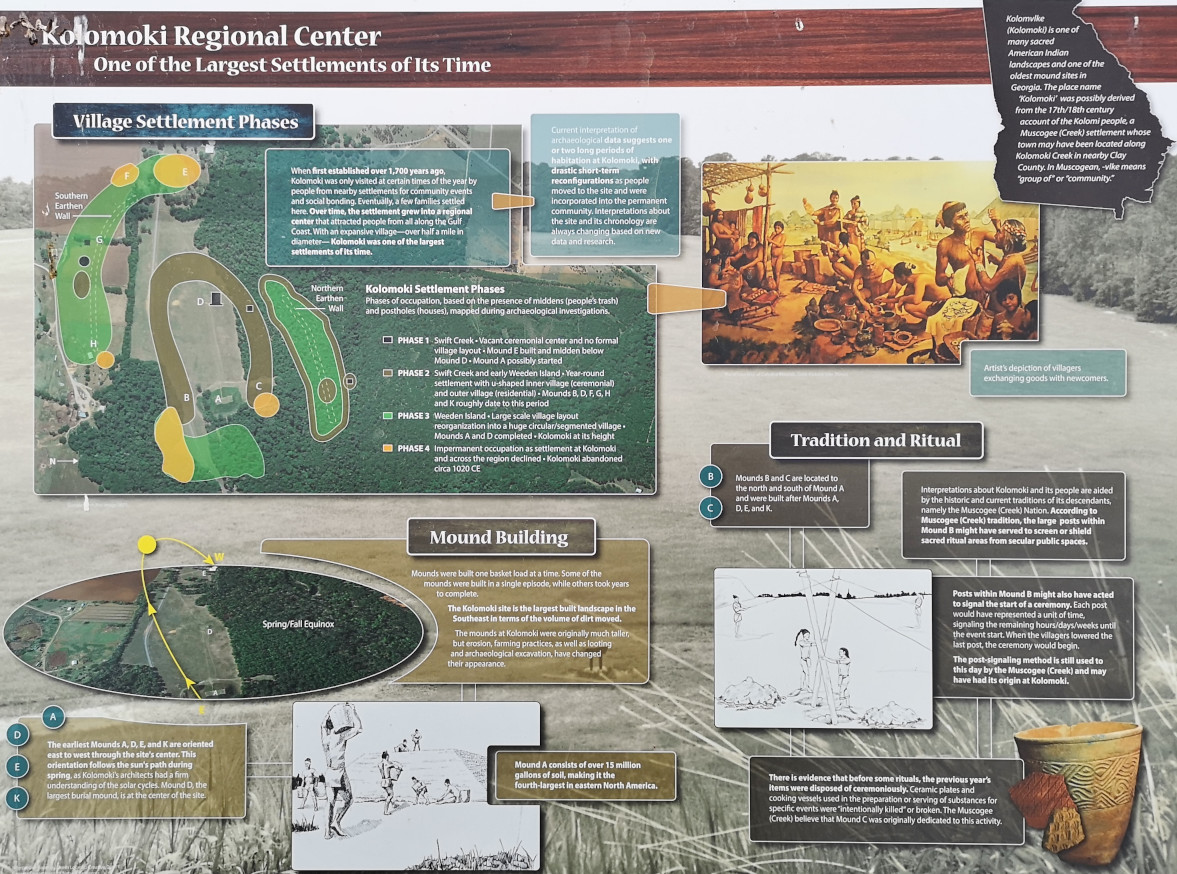
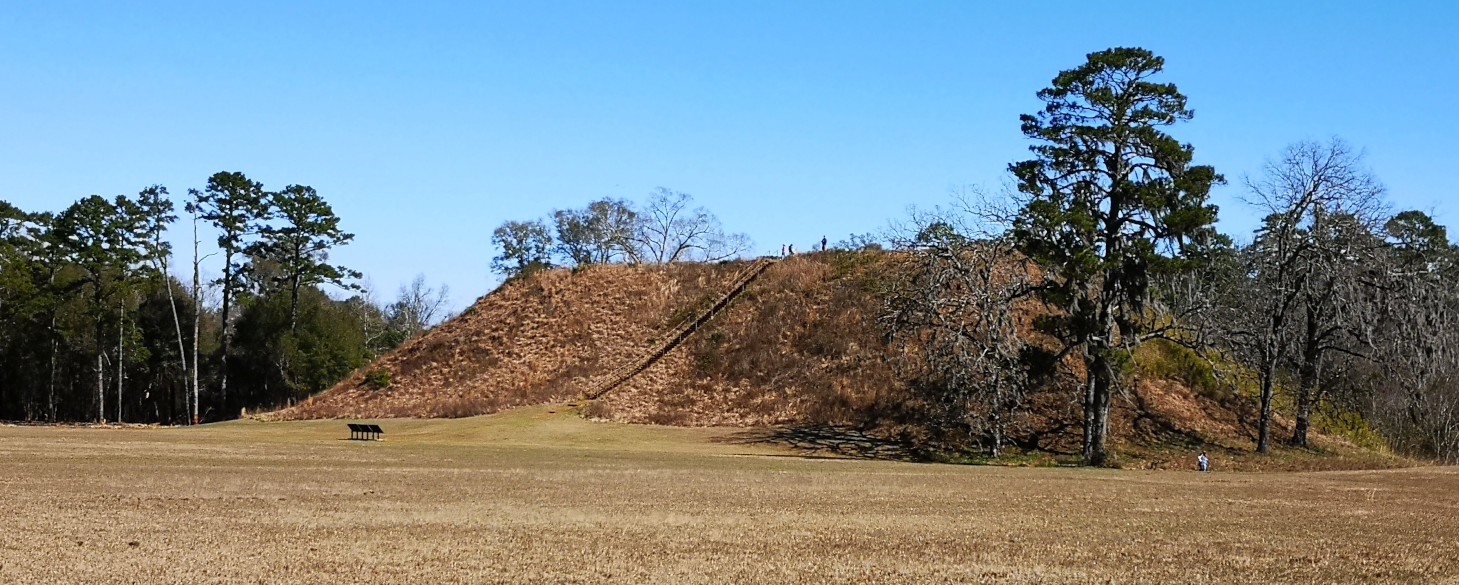
Our next stop was Kolomoki Mounds SP for 2 nights. Although we had to call the Georgia SP call centre to book it because on weekends, they have a 2-night minimum and the online booking wouldn’t let us book 1 site for Saturday night and a different site for Sunday night (which was all that was available). This historically significant park is the oldest and largest Woodland Indian site in the southeastern US, occupied by American Indians from 200 to 900 AD. The site is 197 acres and contains 9 mounds and a village. The park has Georgia’s oldest great temple mound, standing 56’ high, with 2 smaller burial mounds nearby and several ceremonial mounds in the area. The park’s museum is built around an excavated mound, providing an unusual setting for learning who these people were and how they lived. The museum has several pottery artifacts and a film with one of the head archaeologists talking about the history. Since we arrived before the official check in time, we visited the museum first. Here are some of the key facts we learned:
- Archeology work has been active at this site since the 1940’s but other reports date back to 1847.
- Temple Mounds originated in Mexico but likely came to Kolomoki Mississippian Cultures from the north and west. It took over 2 million 1 cubic foot baskets to build the Temple Mound at Kolomoki!
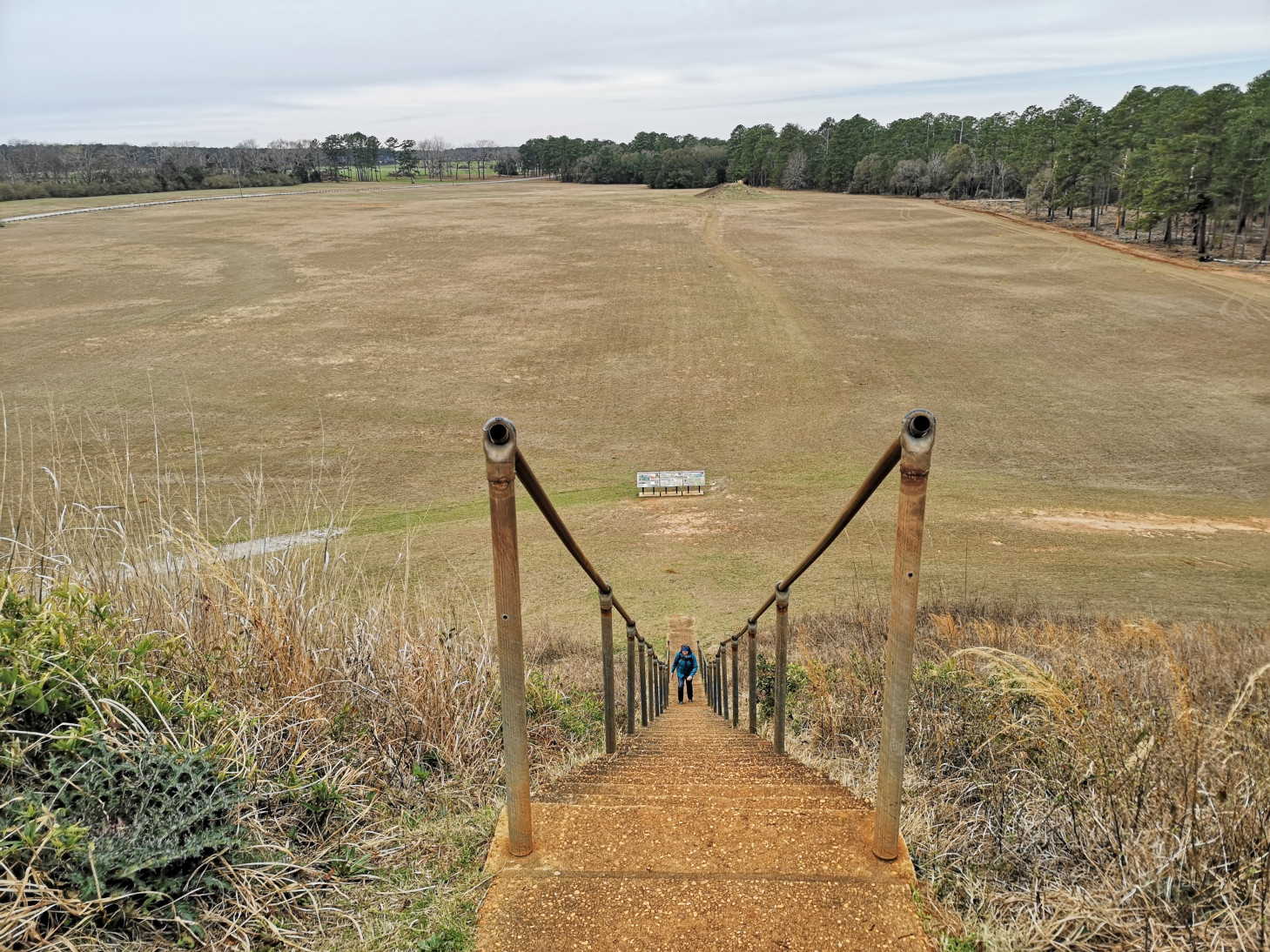
- The Kolomoki village was on elevated land with streams on 3 sides which was great for fresh water supply. The temple mound would have contained 2 buildings, 1 for the chief-priest or spiritual leader and the other would have contained sacred objects. In front of the mound was a large plaza area that the village would have encircled.
- There was a large farming area around the village to grow beans and corn to feed all the people. Bows and arrows tipped with flint points were used to collect deer and turkey for food. Clay was brought from the springs to make pottery both utilitarian and ceremonial vessels.
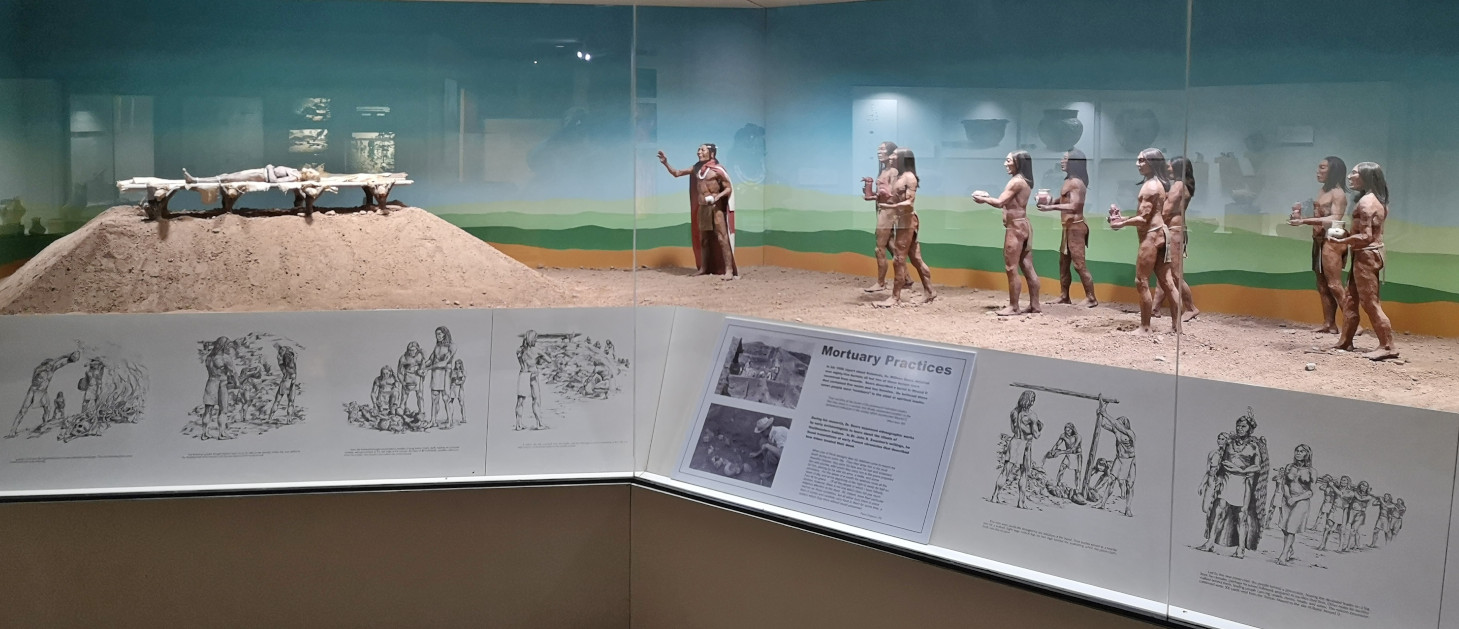
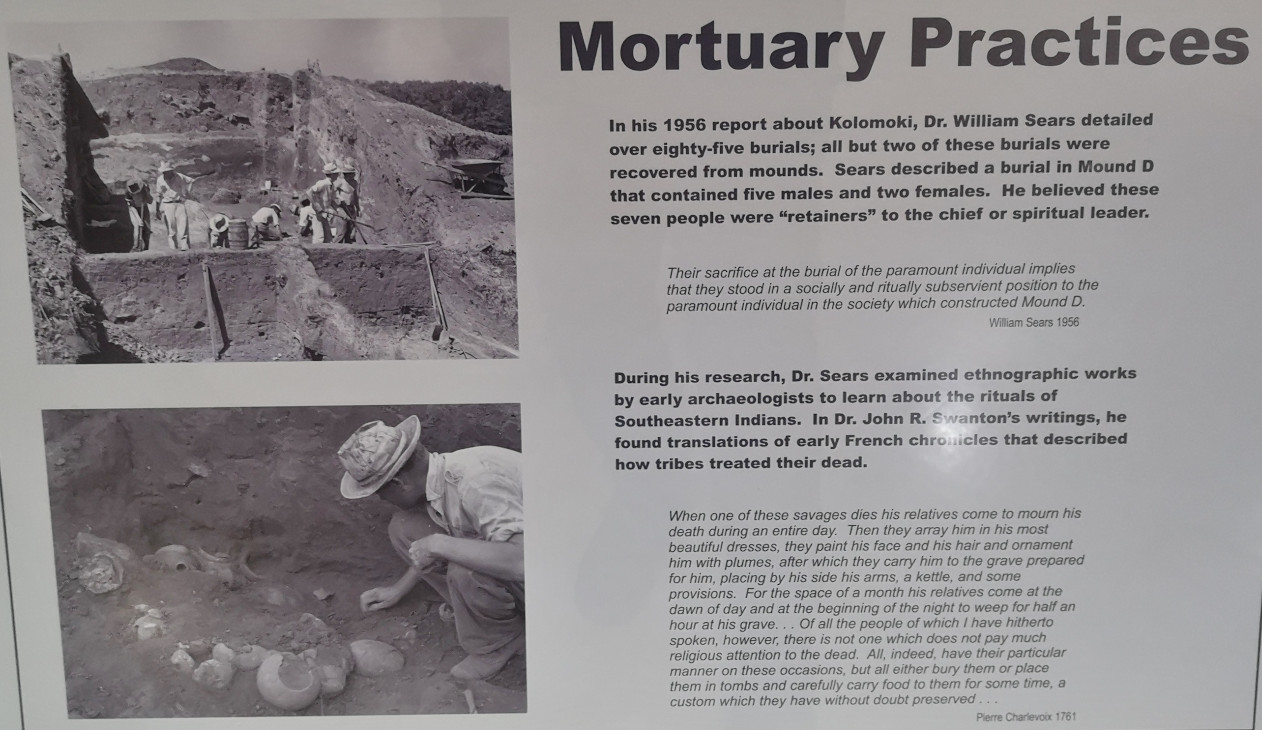
- The burial mounds would have been used for chief-priests who passed away. Several people would be sacrificed, and their bodies would be used as the foundation for a scaffold to hold the chief-priest.
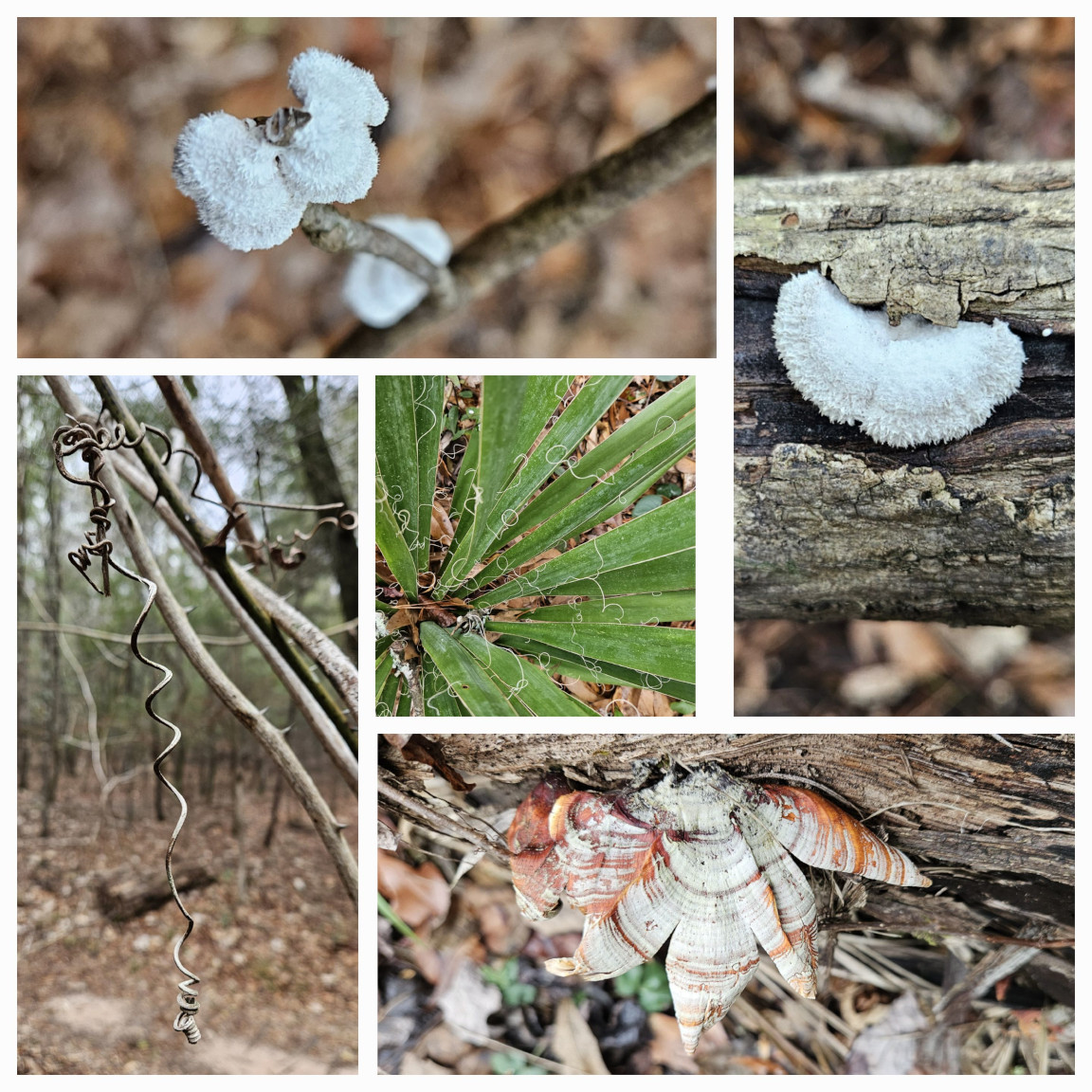
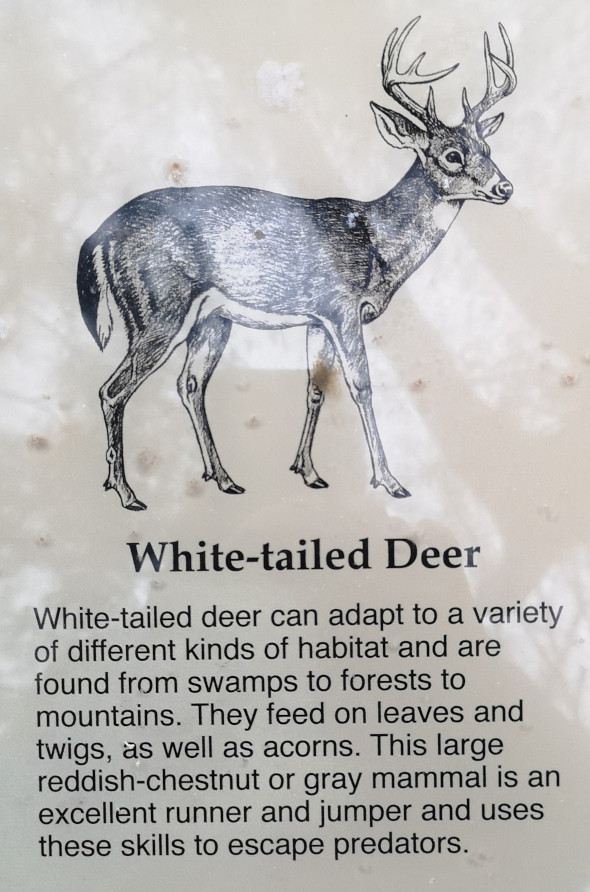
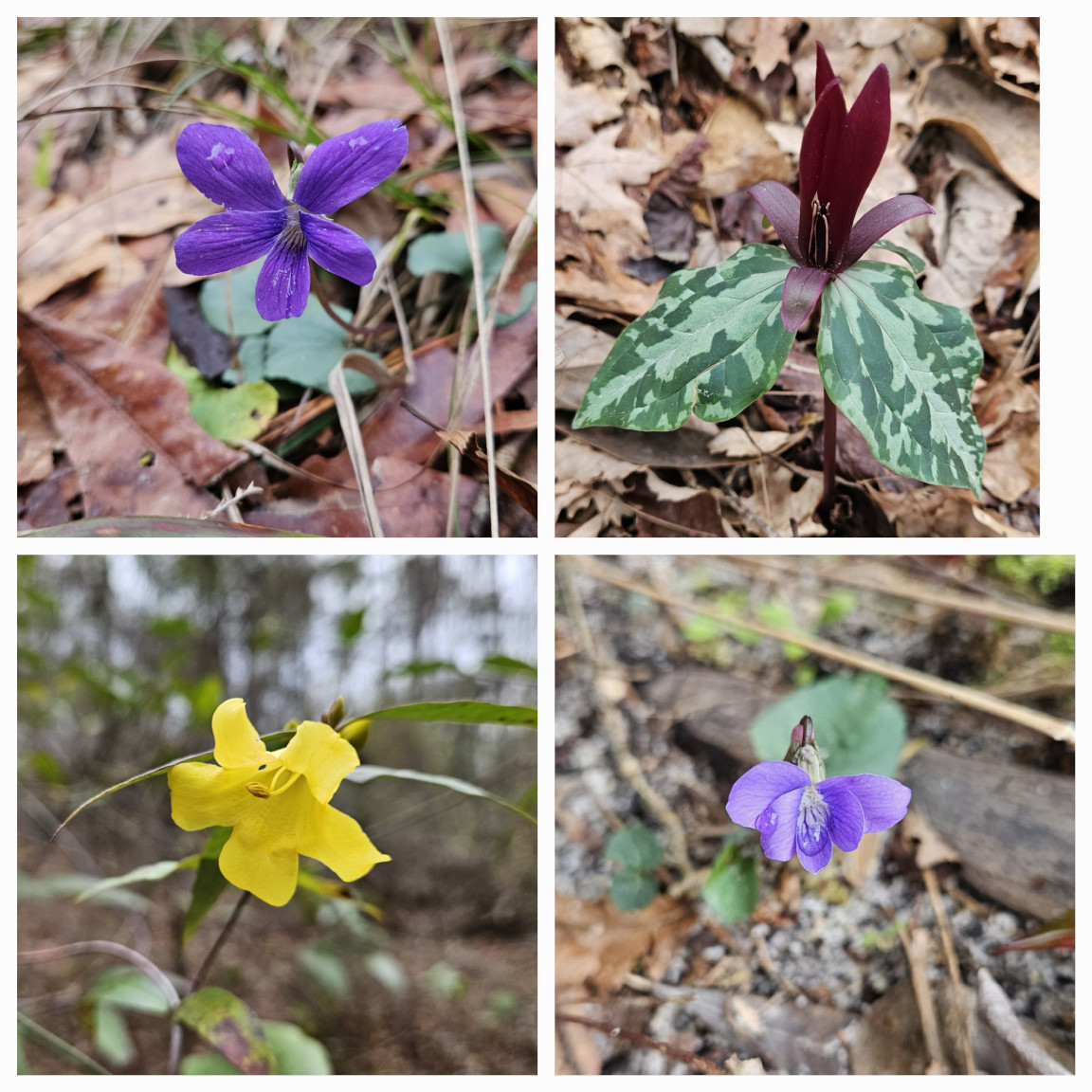
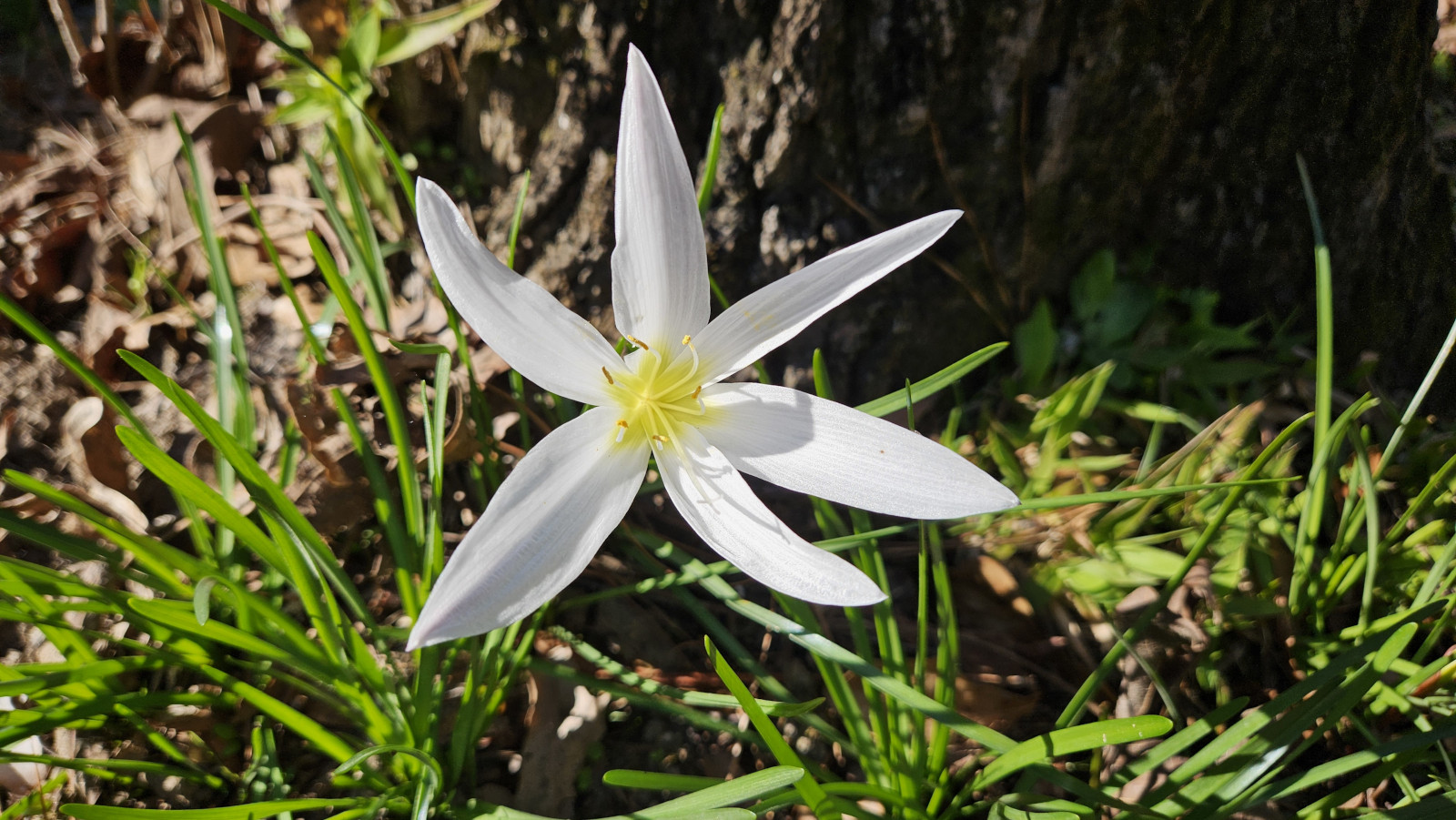
After the museum we watched the video and then proceeded to our campsite. That afternoon we did an 8 km hike on the Trillium and Spruce Pine trails where we saw flowers (including Trilliums), fungus, and some white-tailed deer.
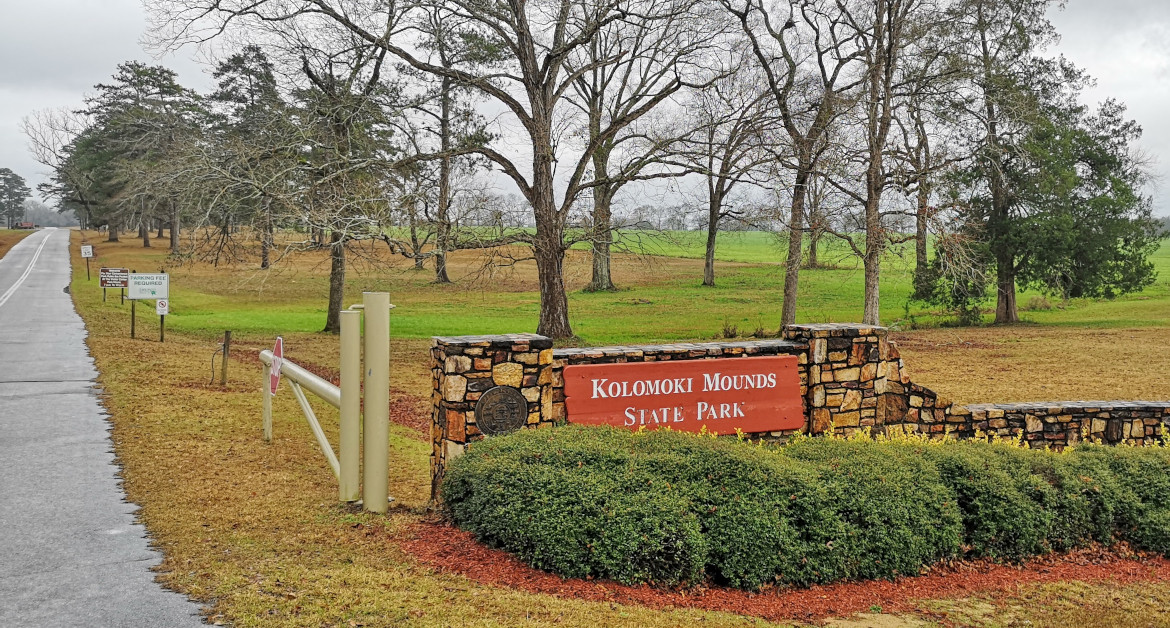
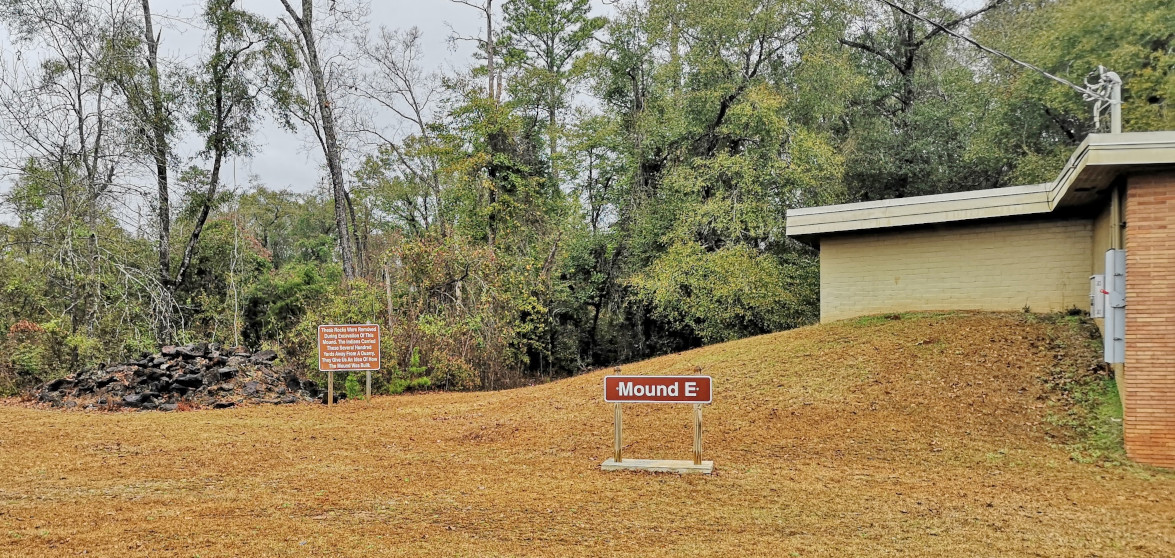
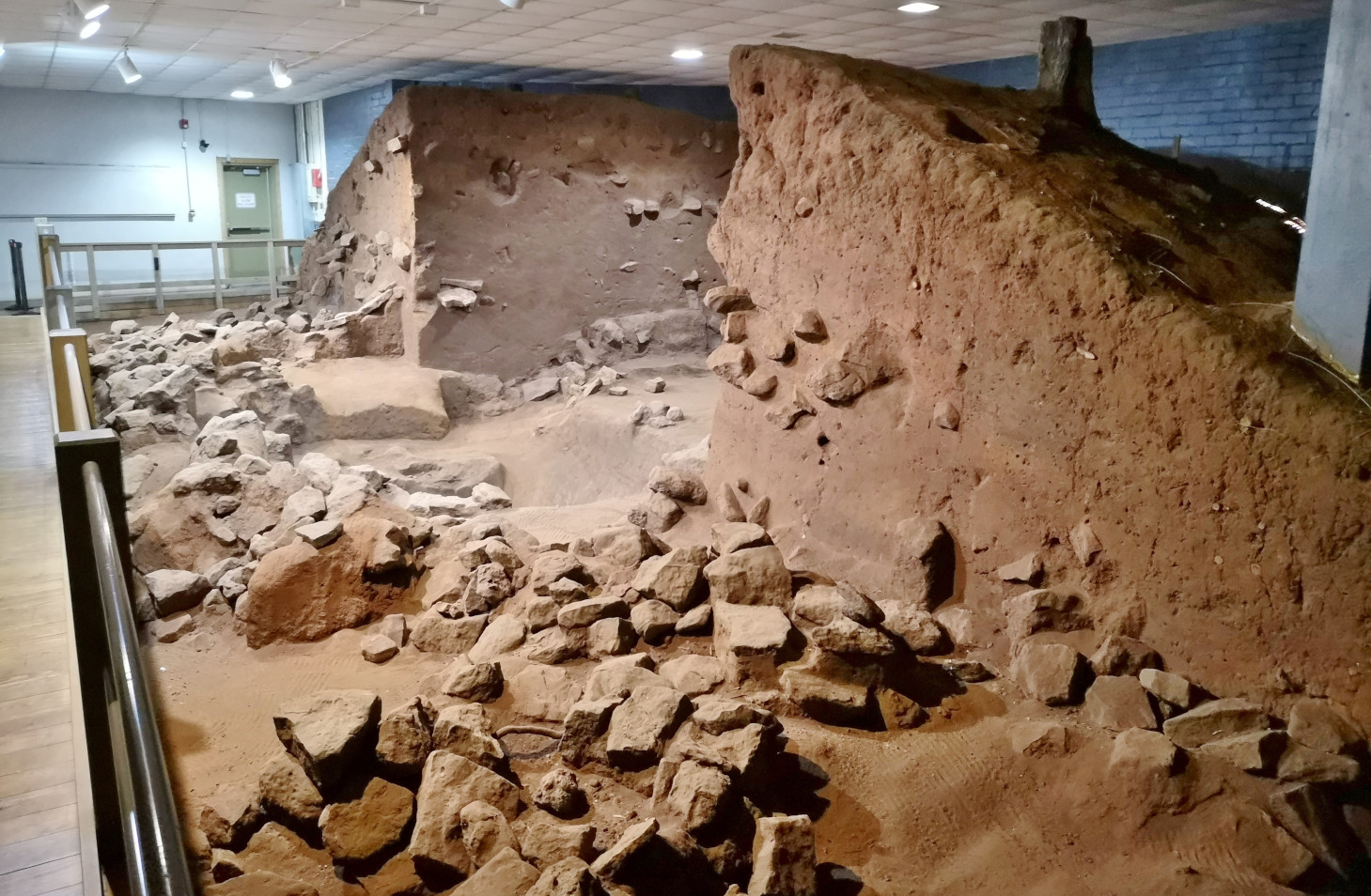

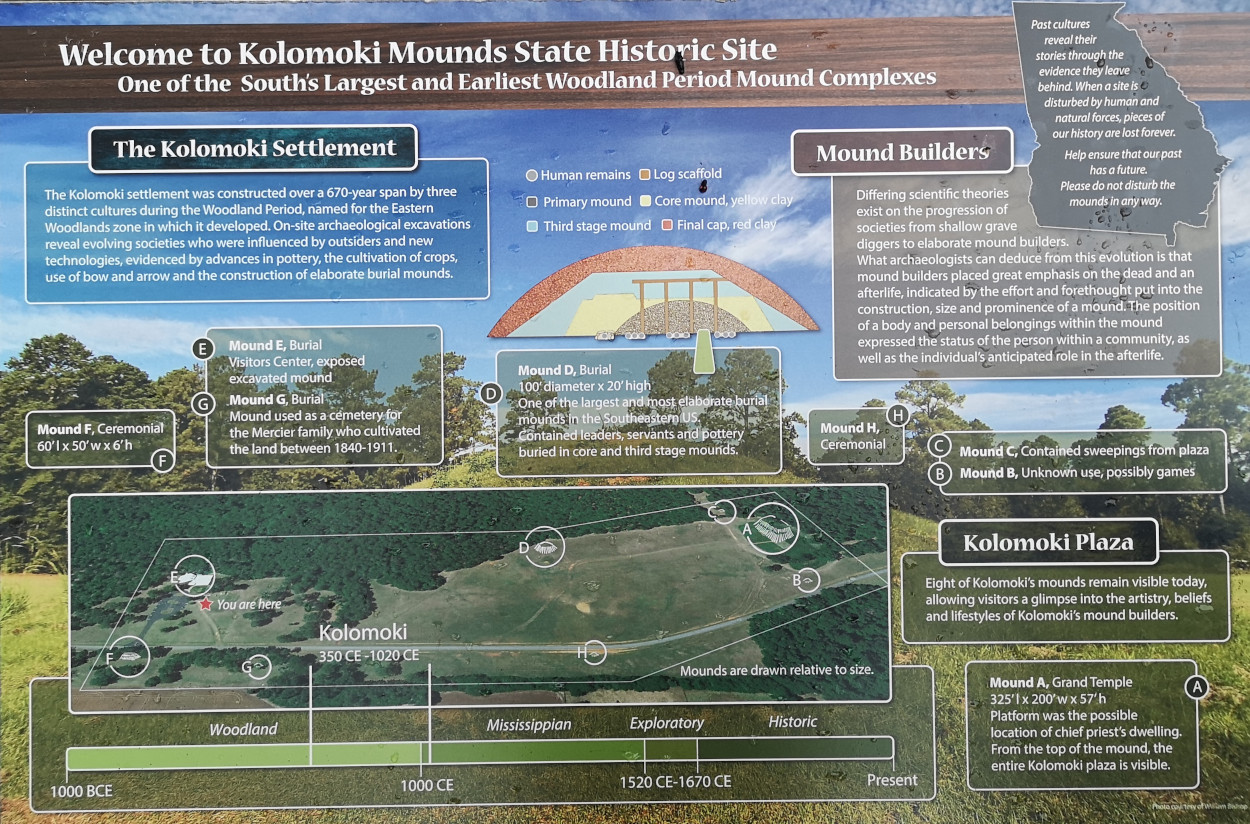
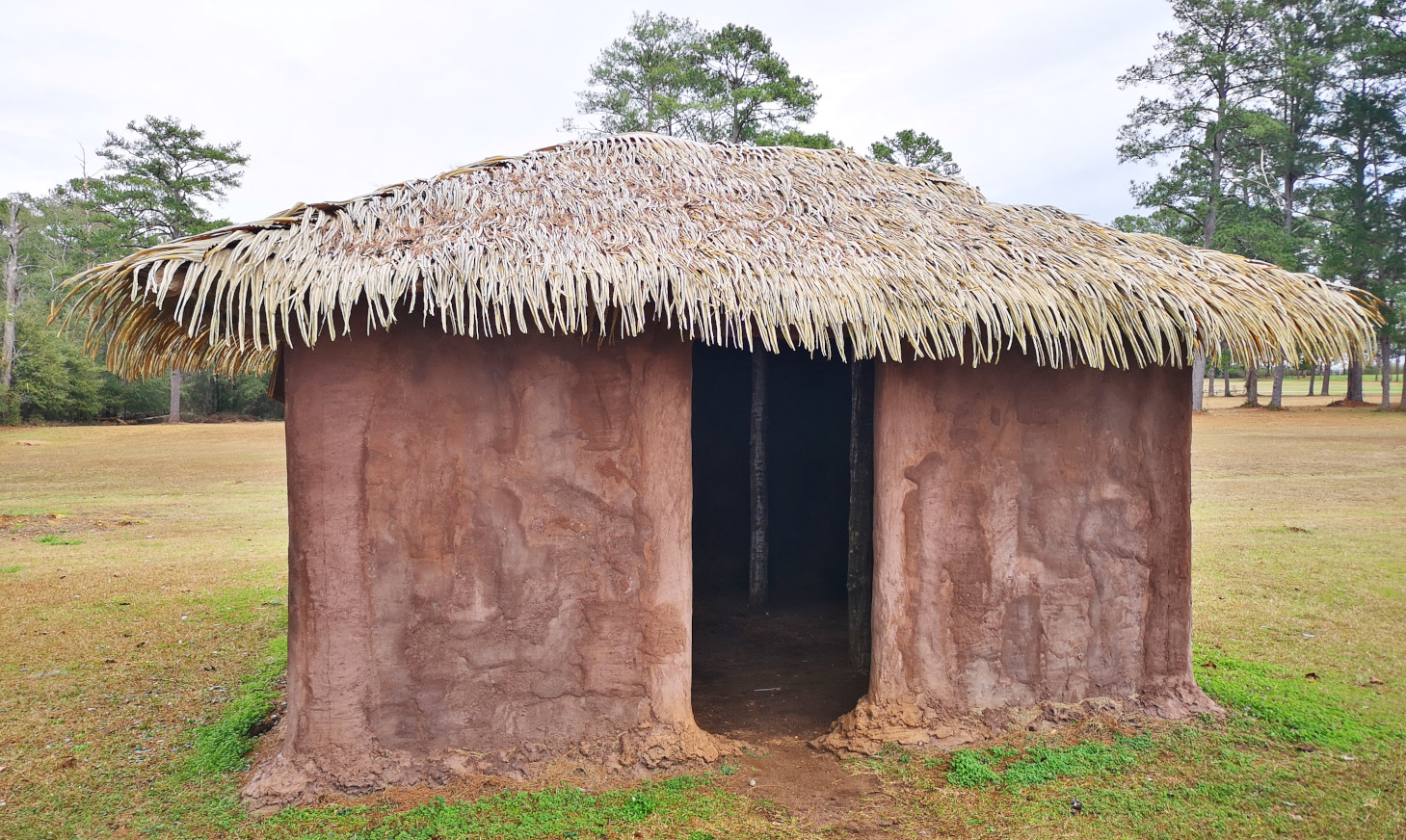
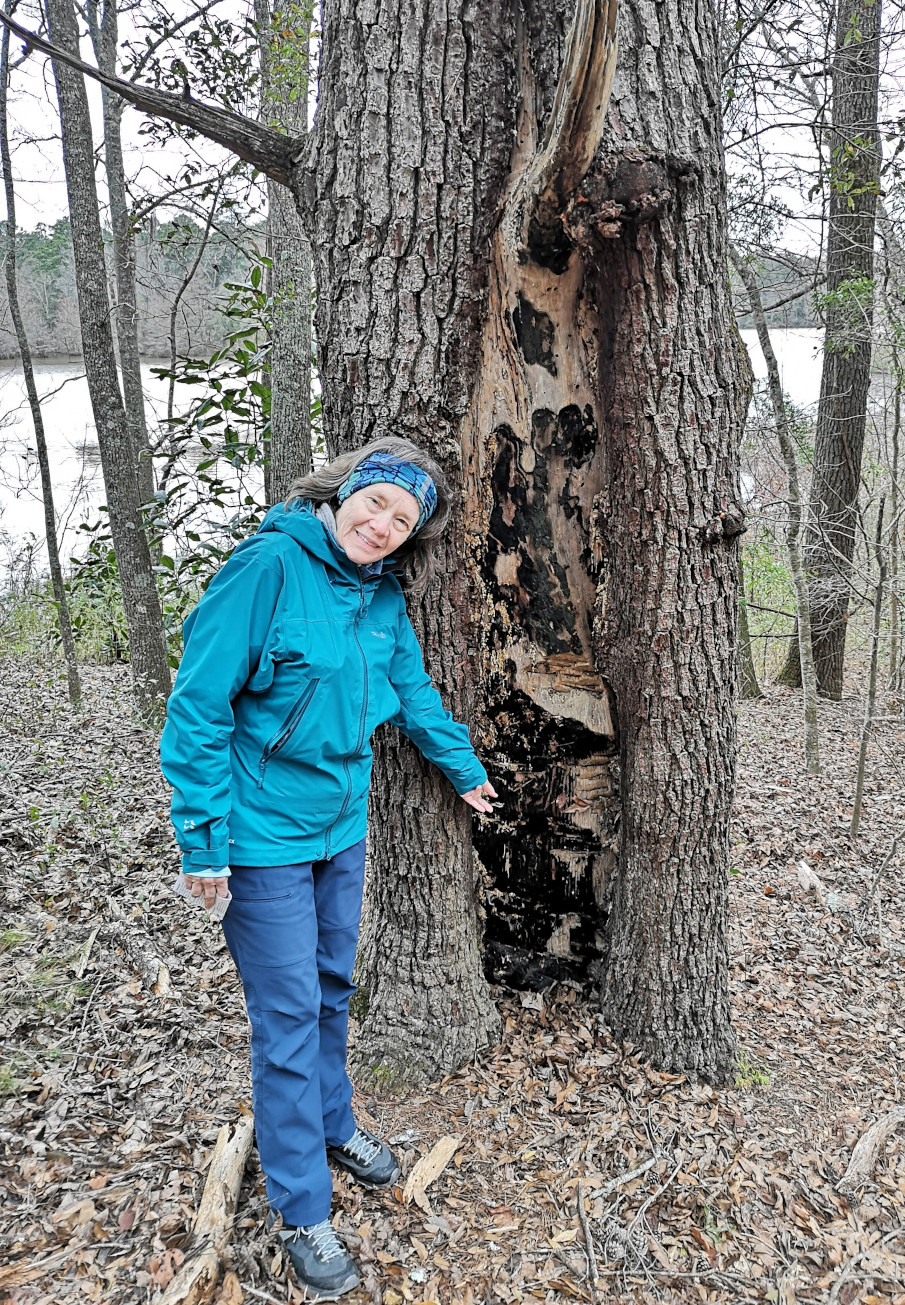
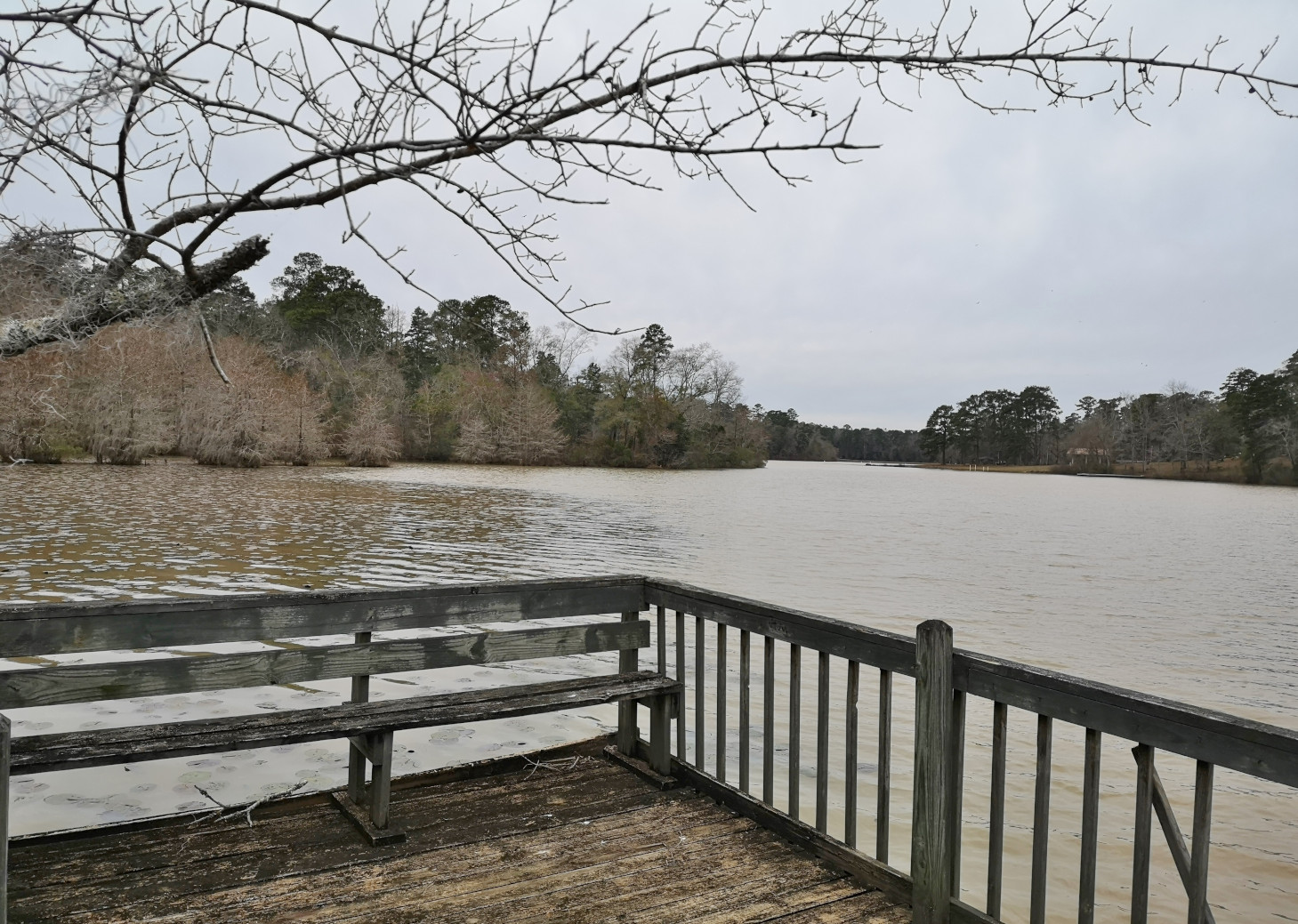
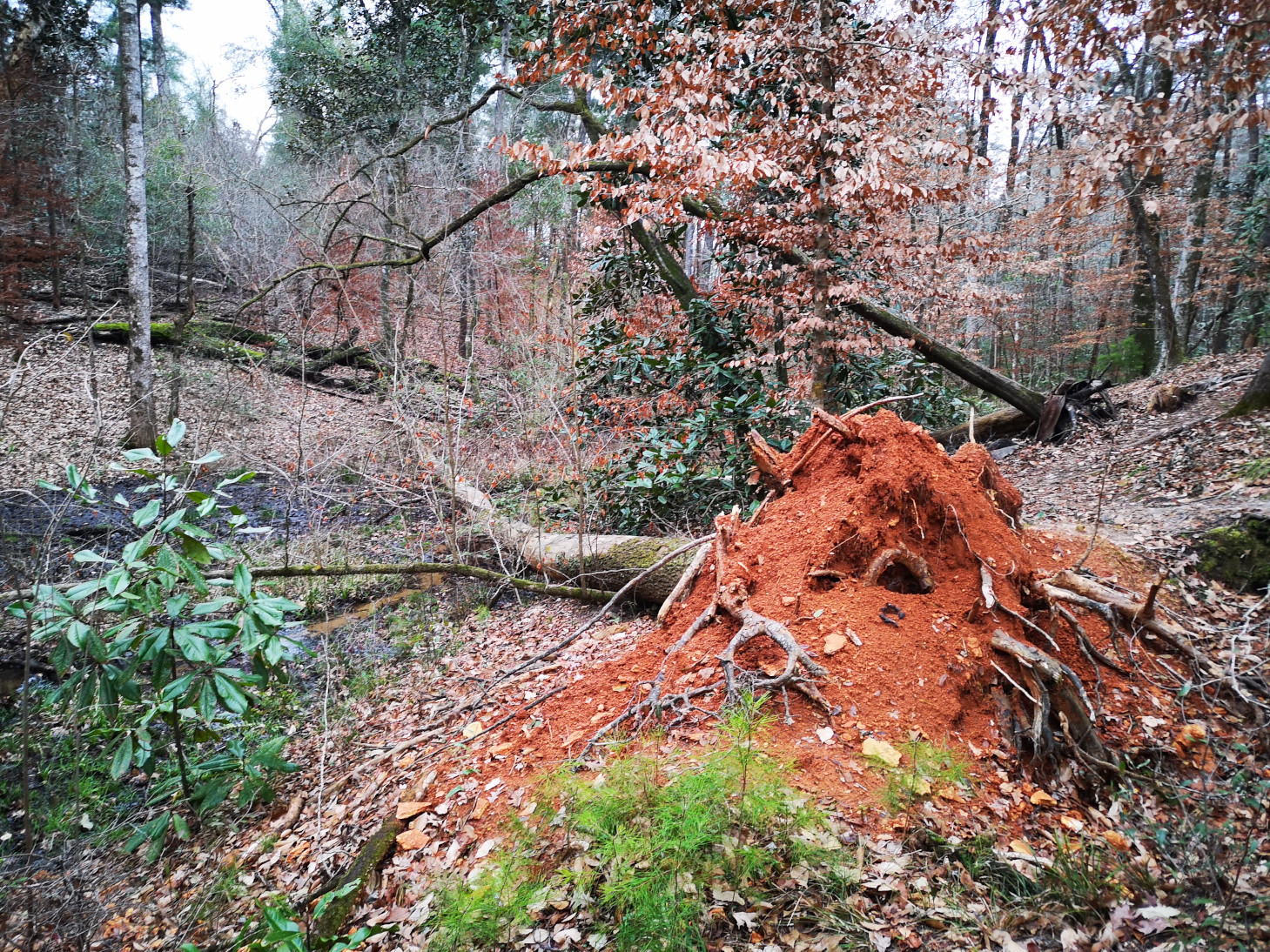
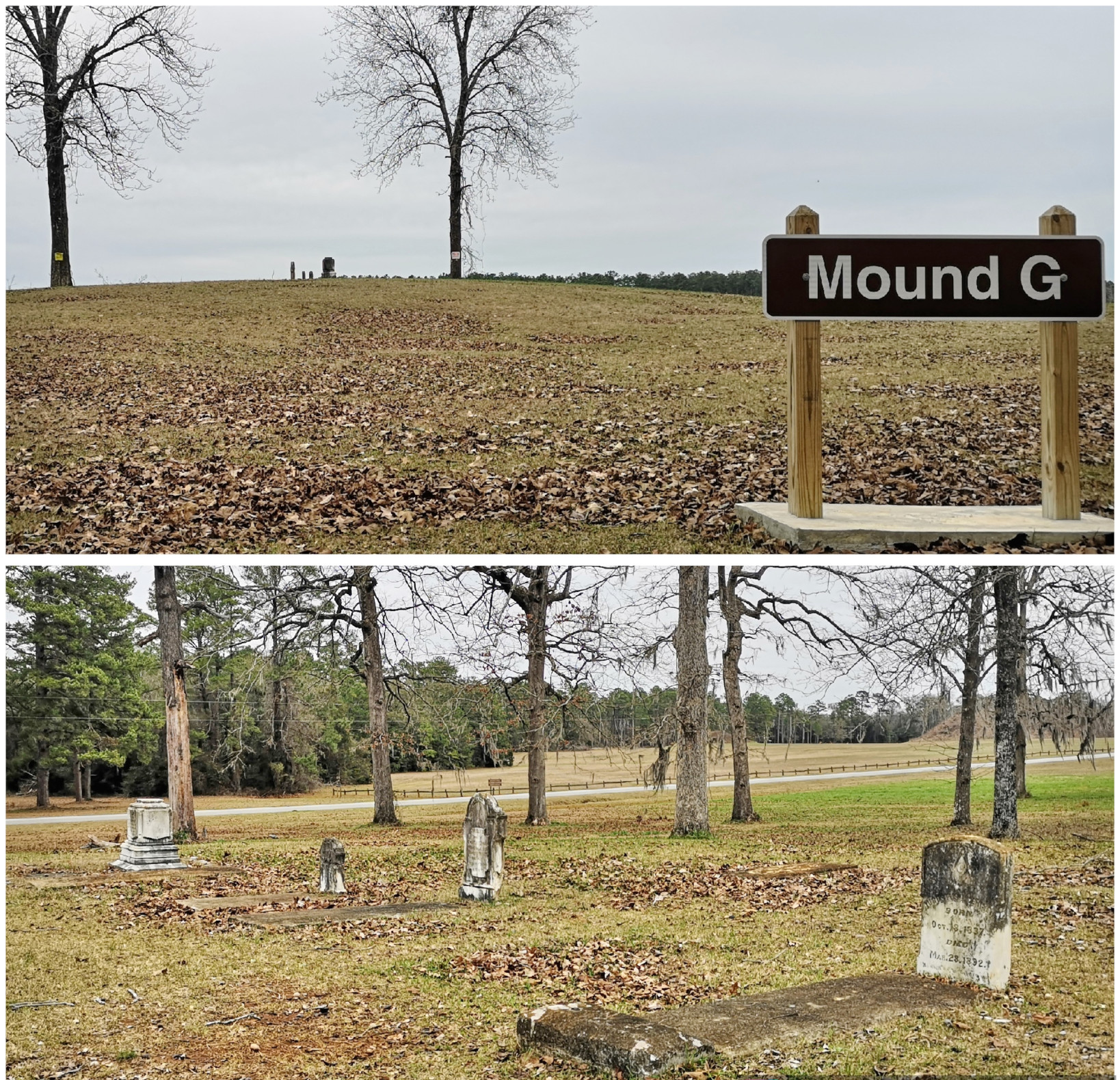
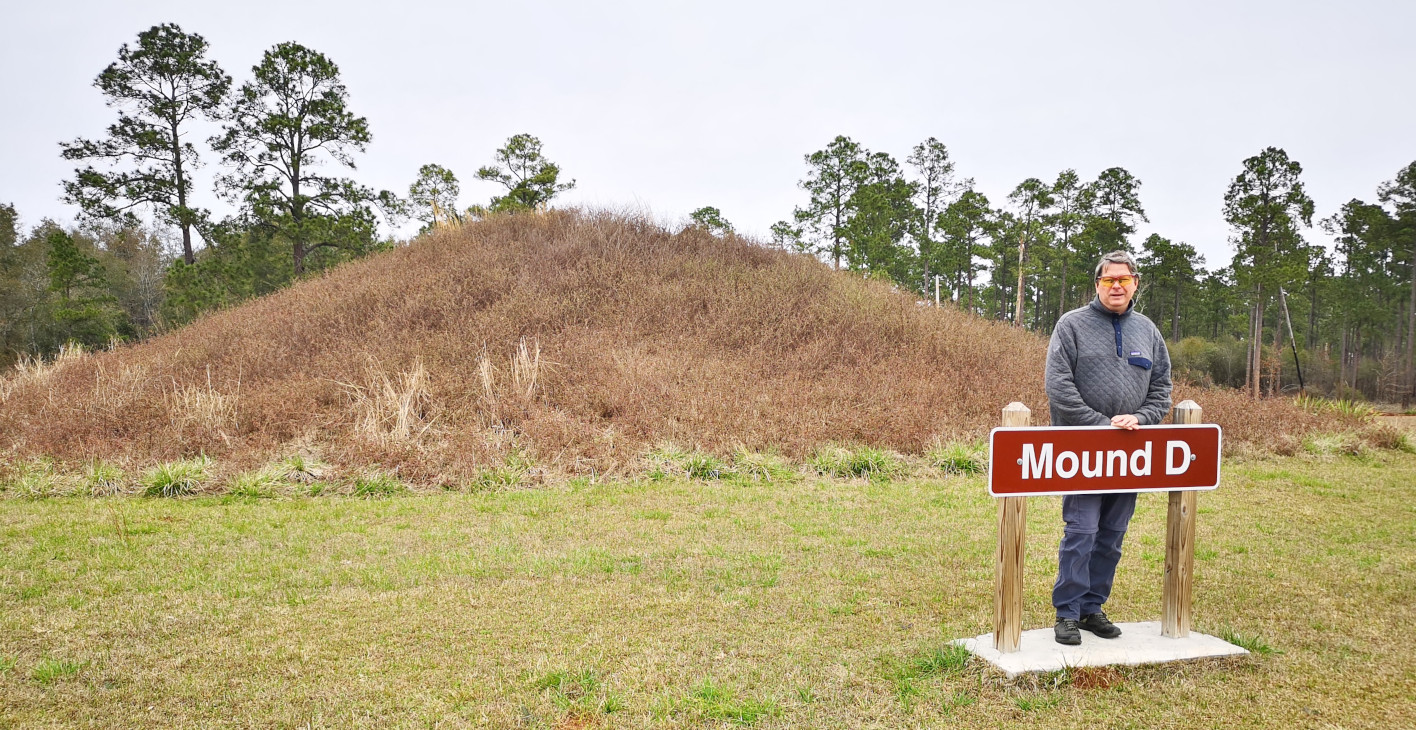
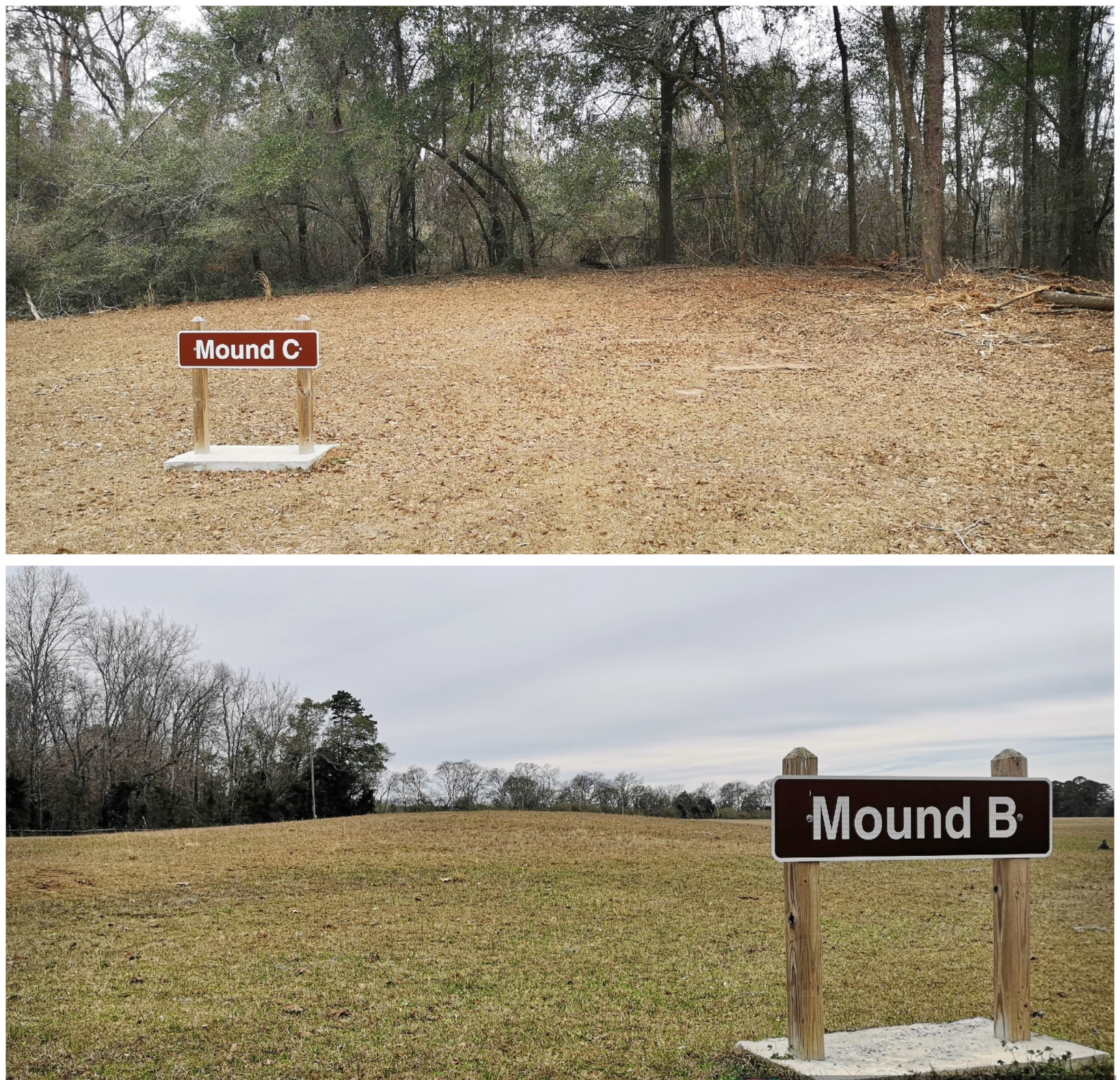
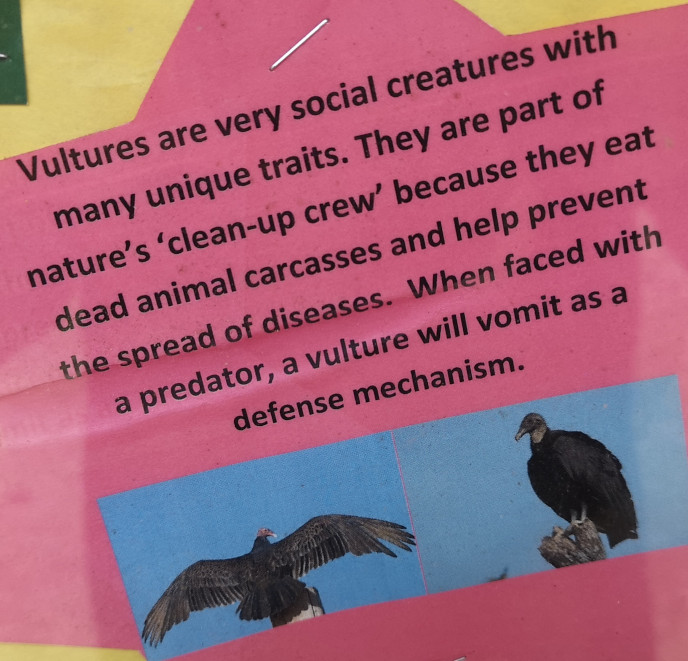
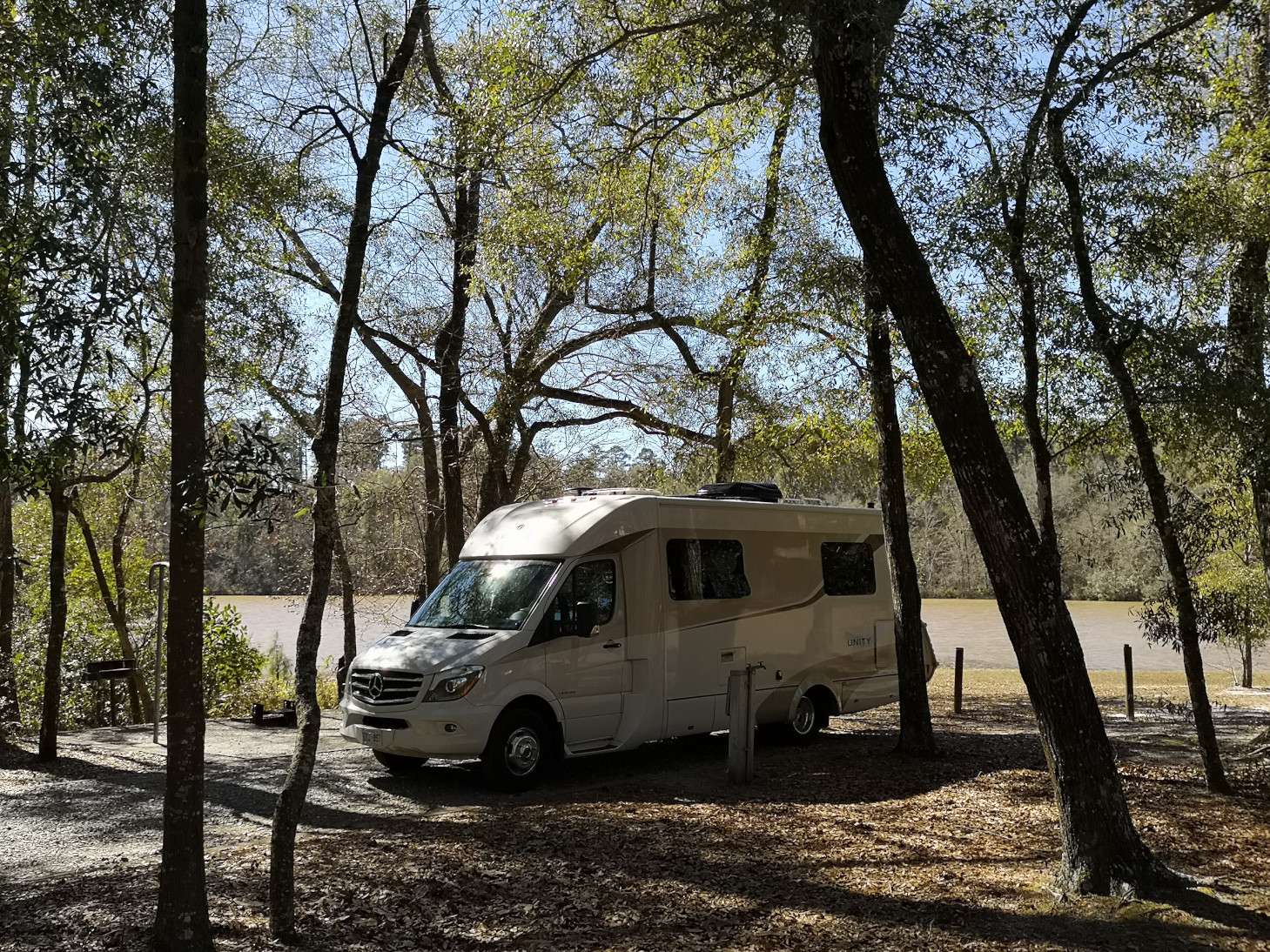
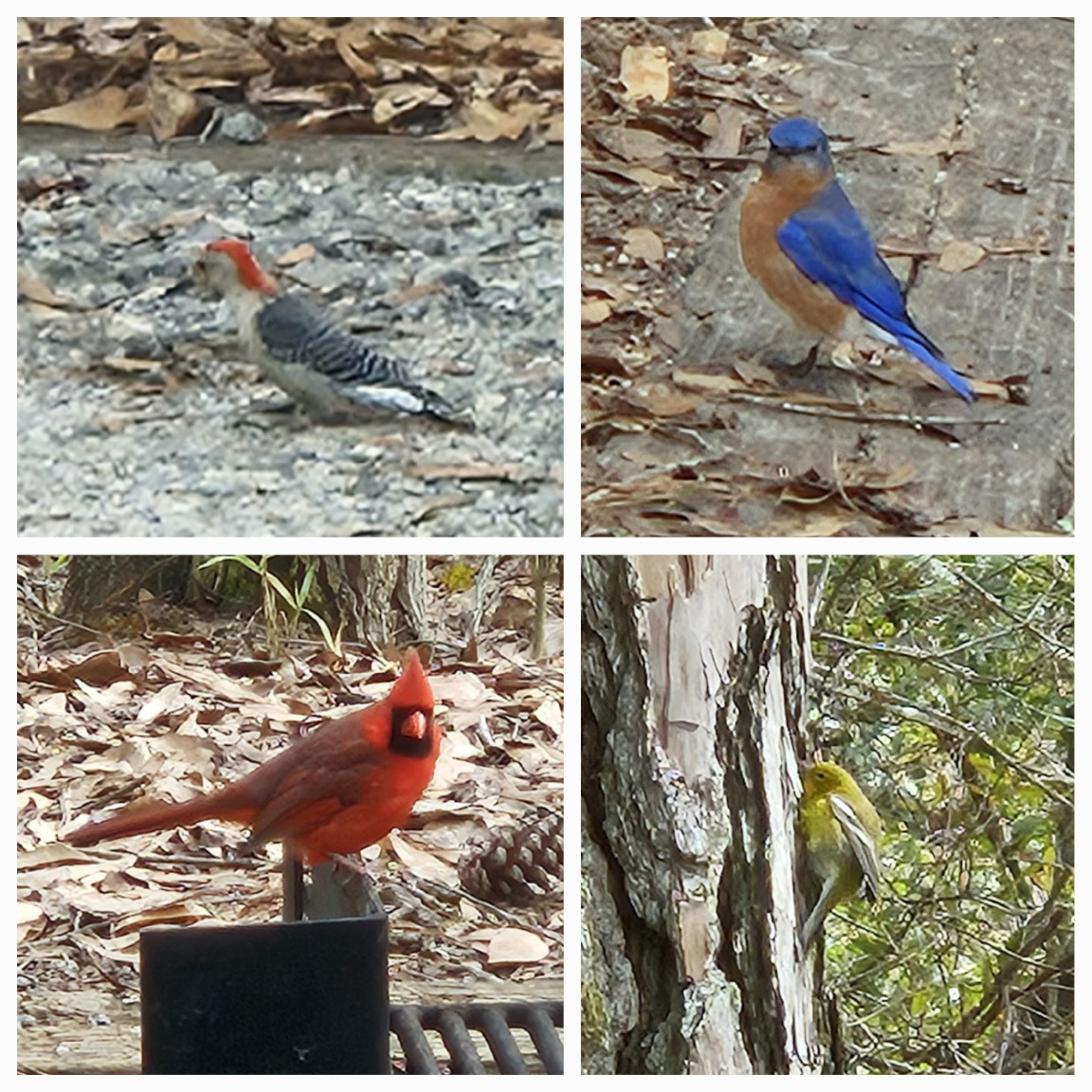
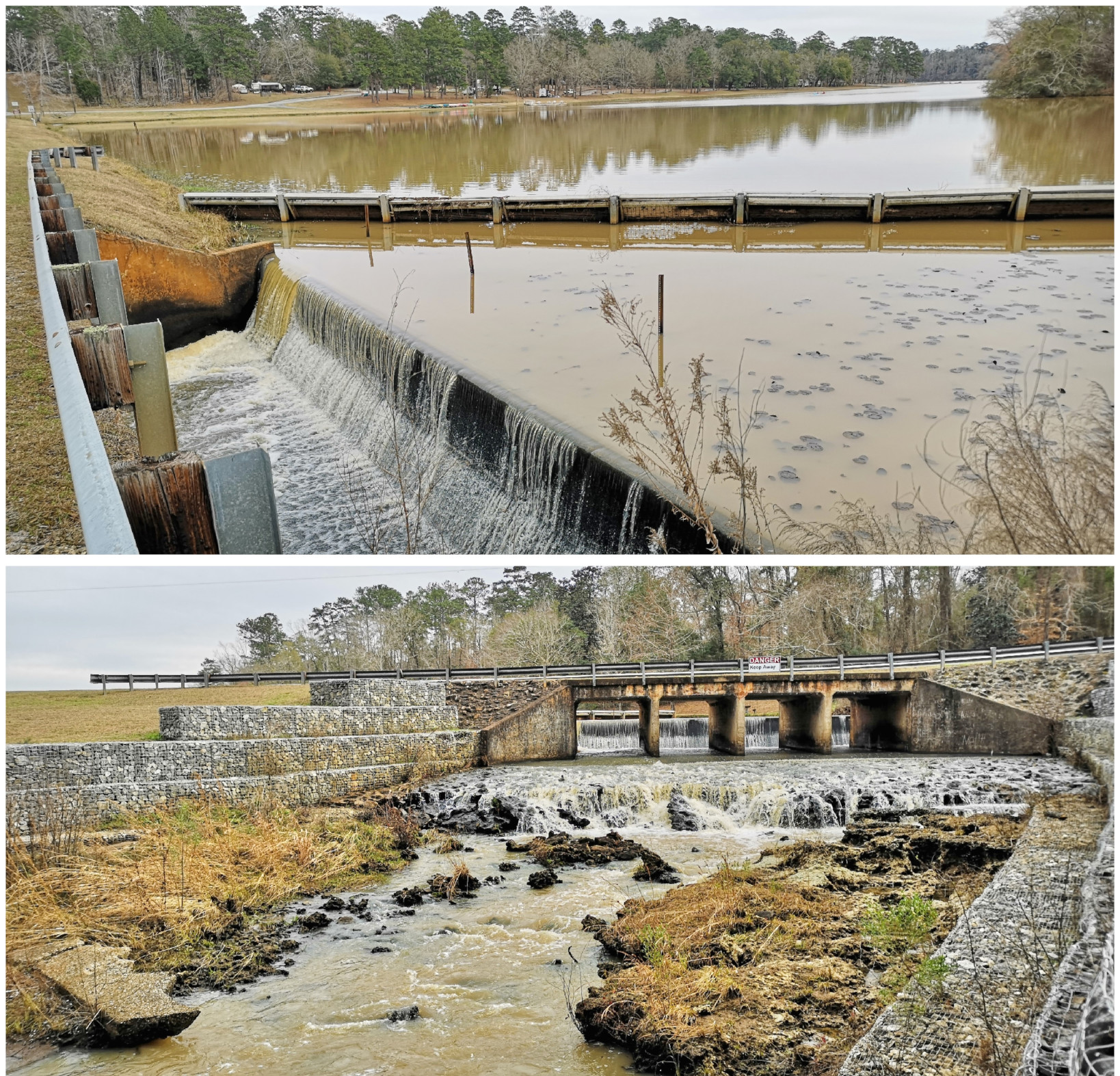
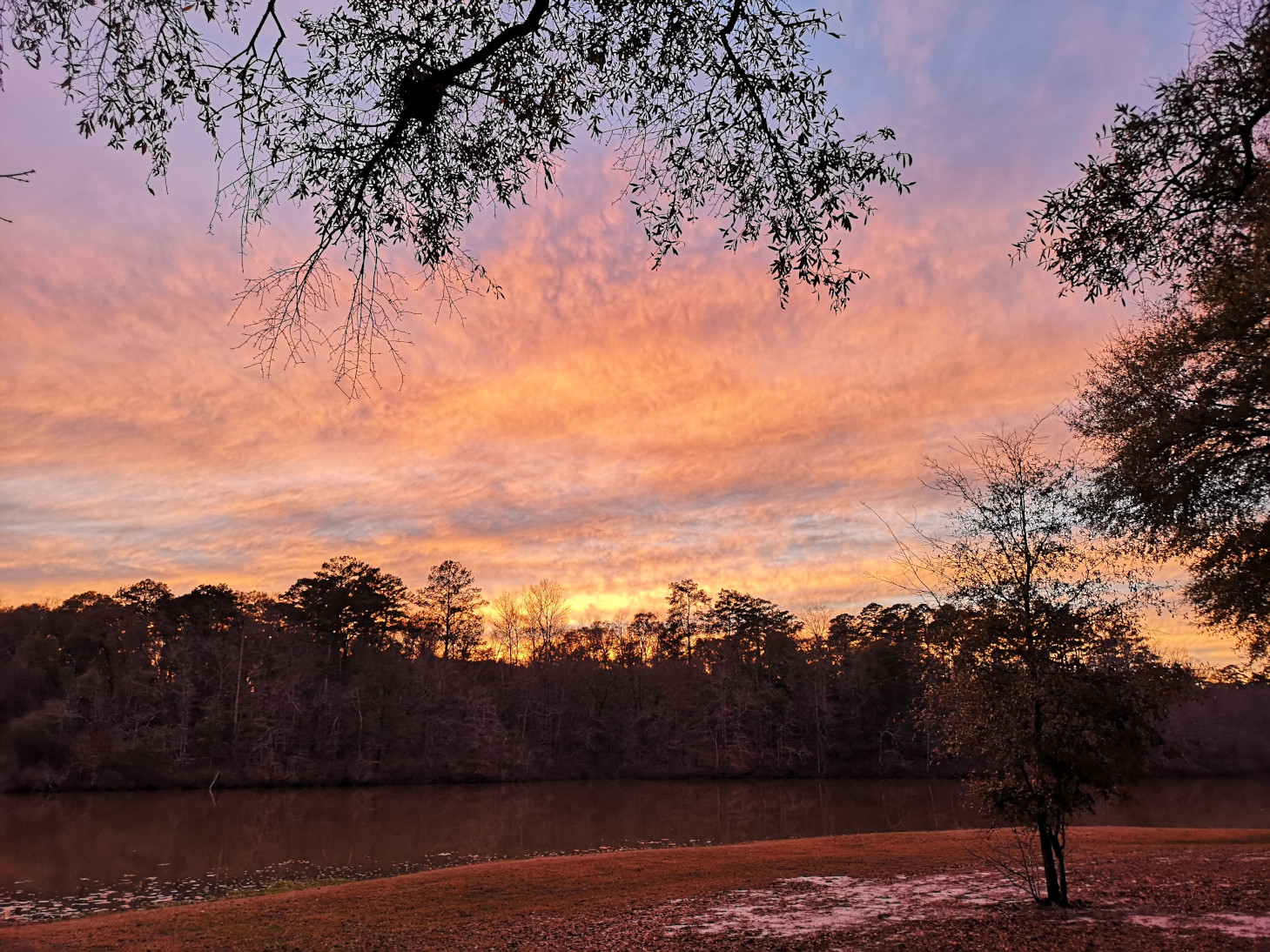
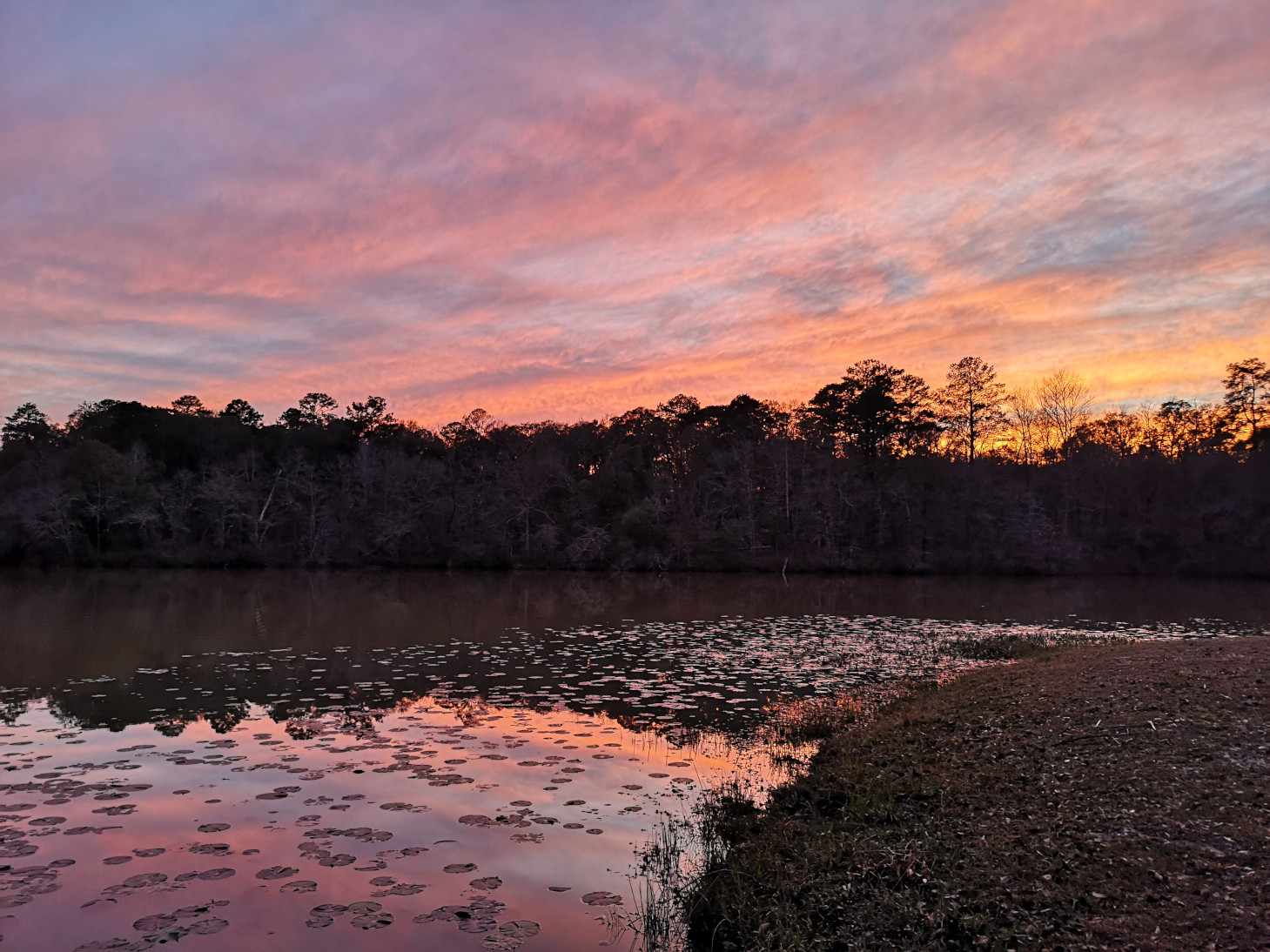
The following day we had to wait for the other camper to leave our new site, which was directly on the lake, so we did a 4 km walk around the grounds from the visitor centre so we could see the actual mounds. As you will see from the photos some of them were quite small, but the temple mound was huge. There was also Mound G which was the family cemetery for the Mercier’s that owned the property before it became a State Park. Once we got setup in our new campsite, we enjoyed all the birds around the RV and then went for another walk to see the CCC built dam that created Lake Kolomoki and circled around the campground road to see the miniature golf course, almost all the Georgia State Parks have them. That evening we had a gorgeous sunset from our campsite. On our way out of the park the next day we stopped for another picture of the temple mound with blue sky.
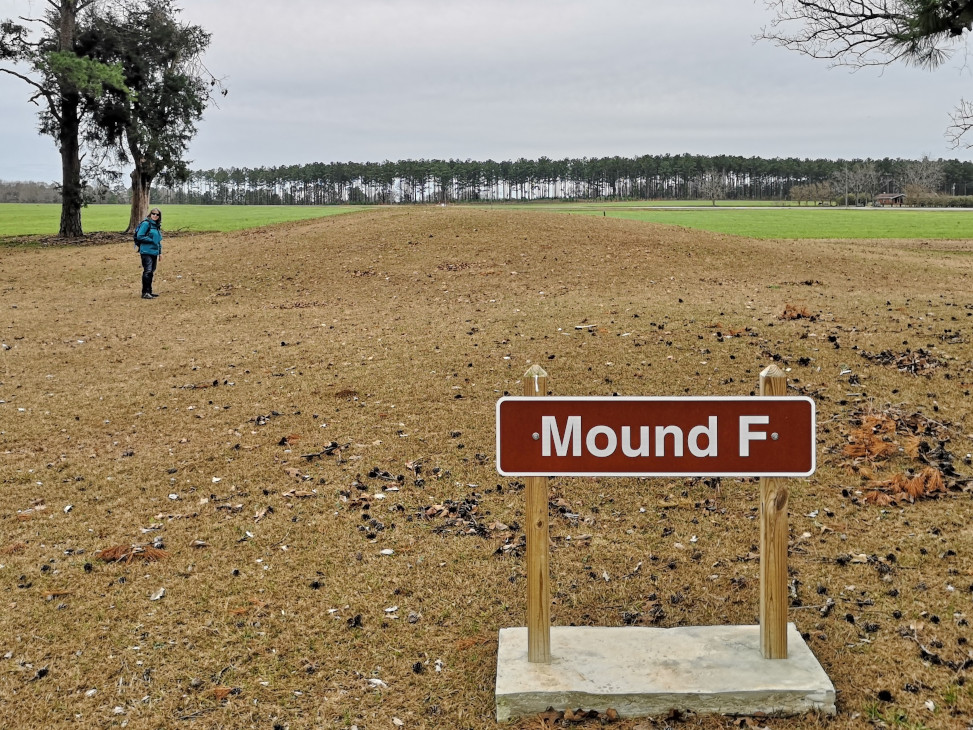

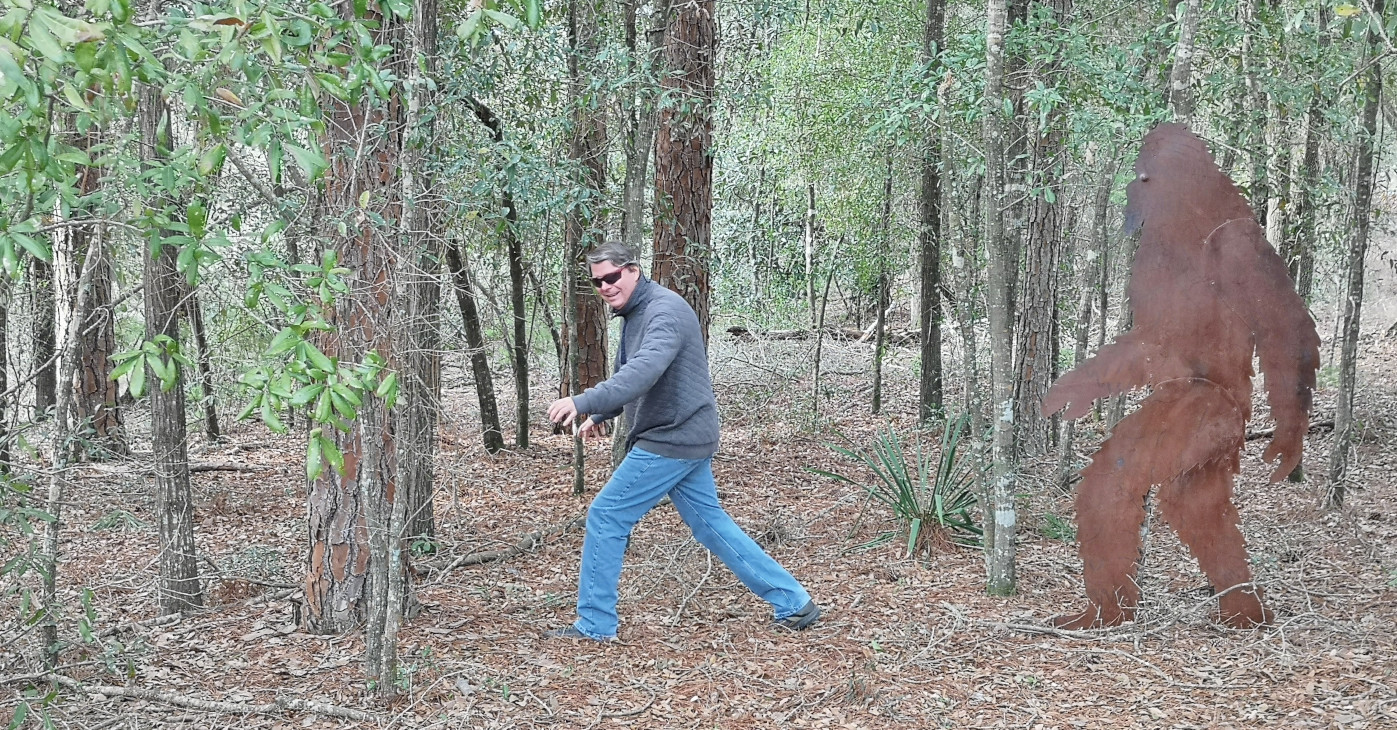
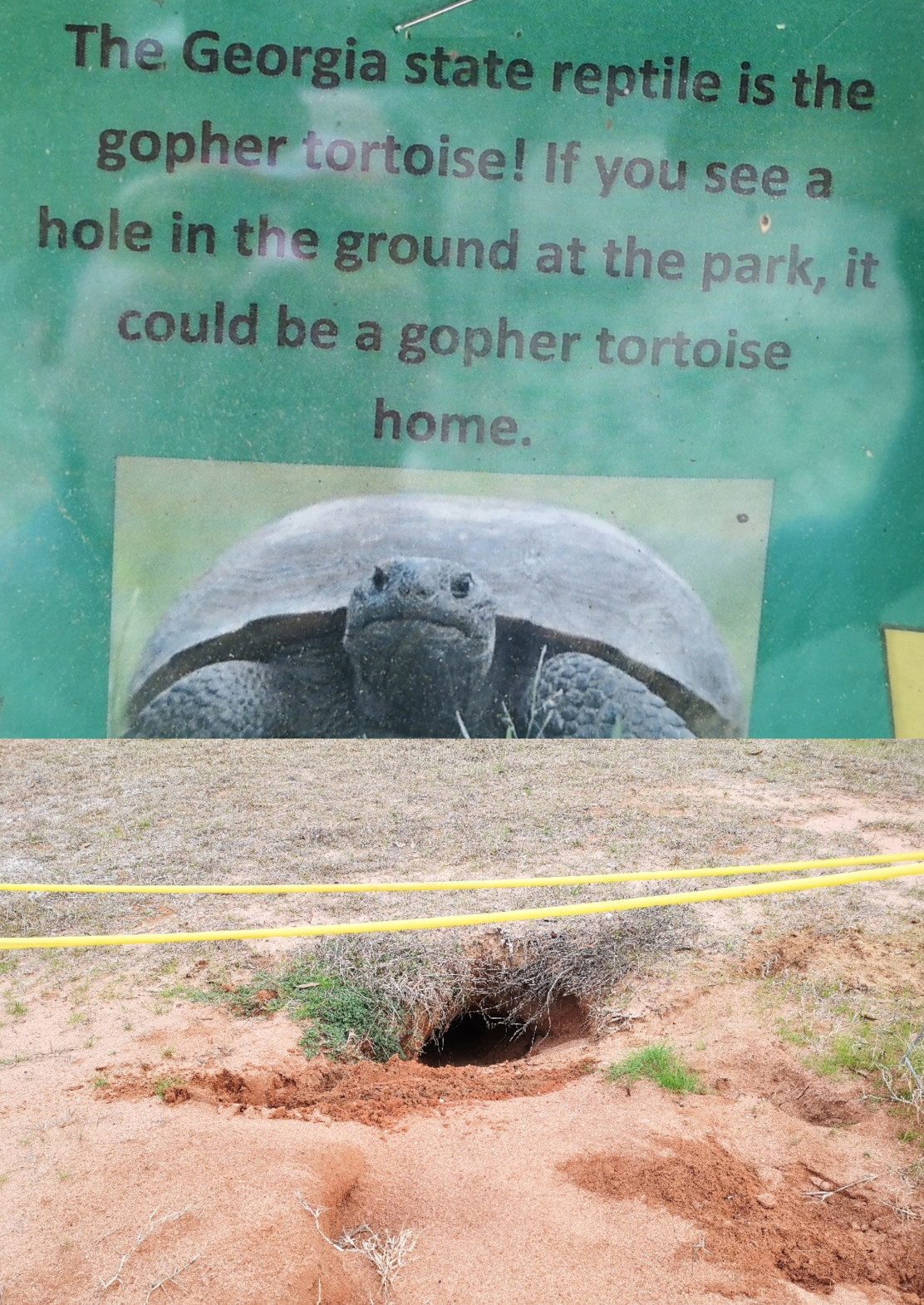
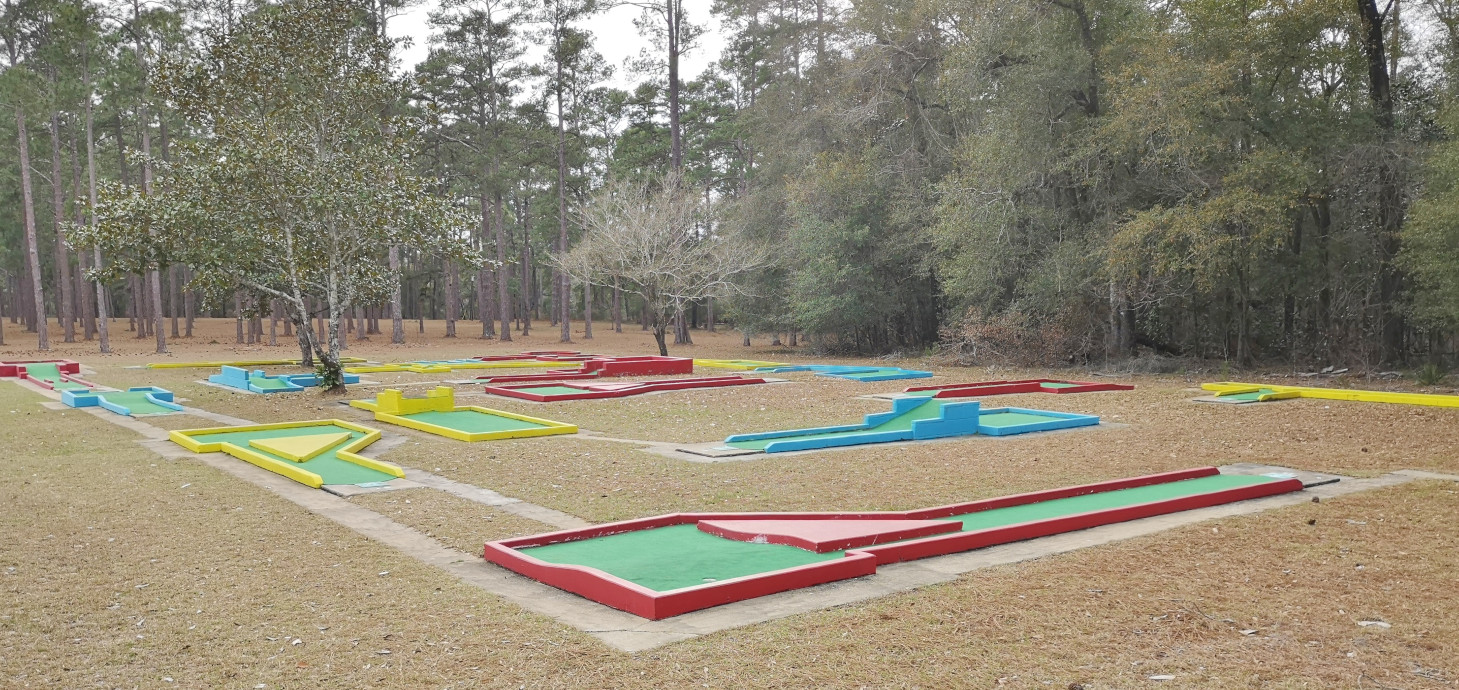
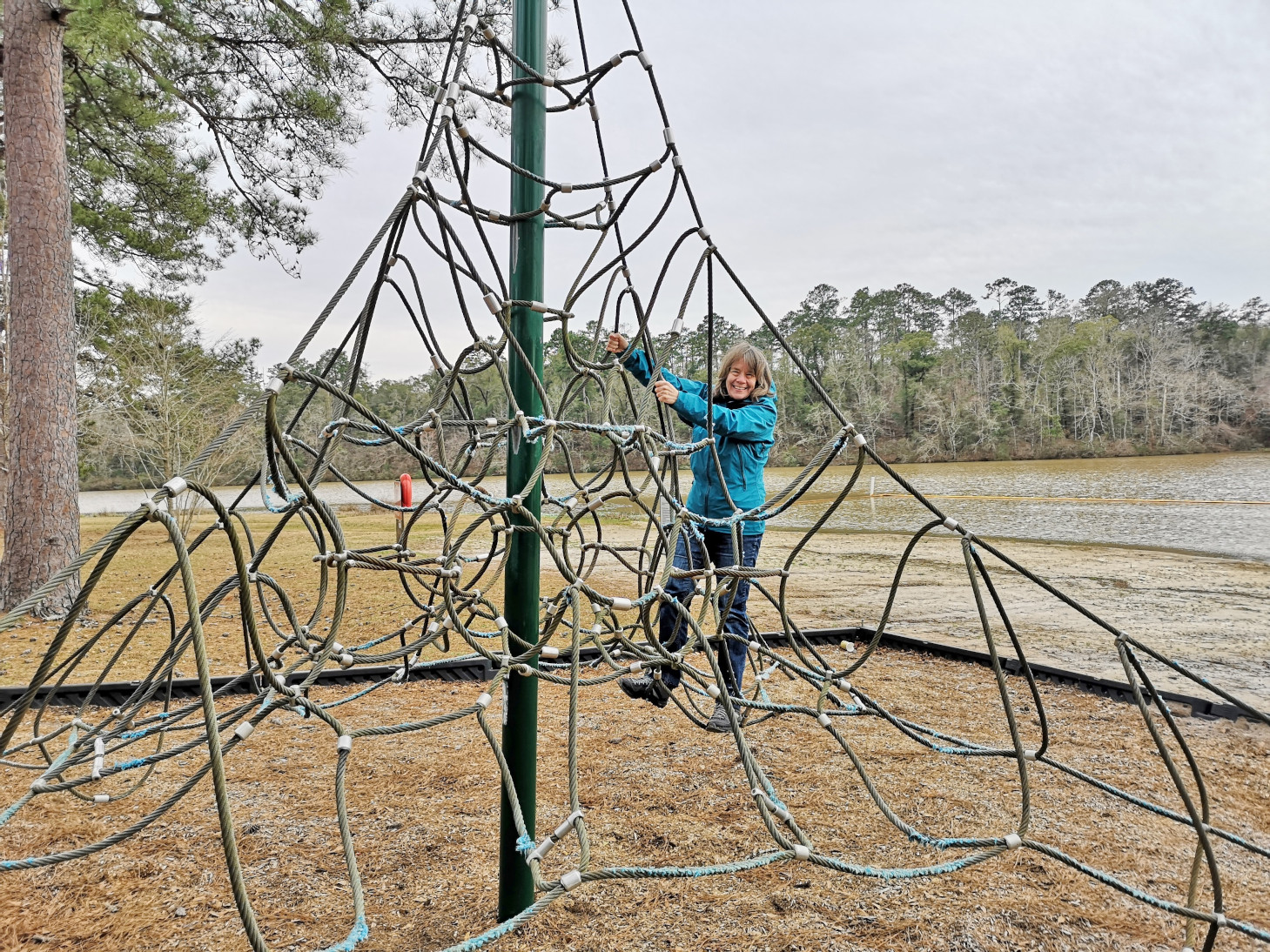
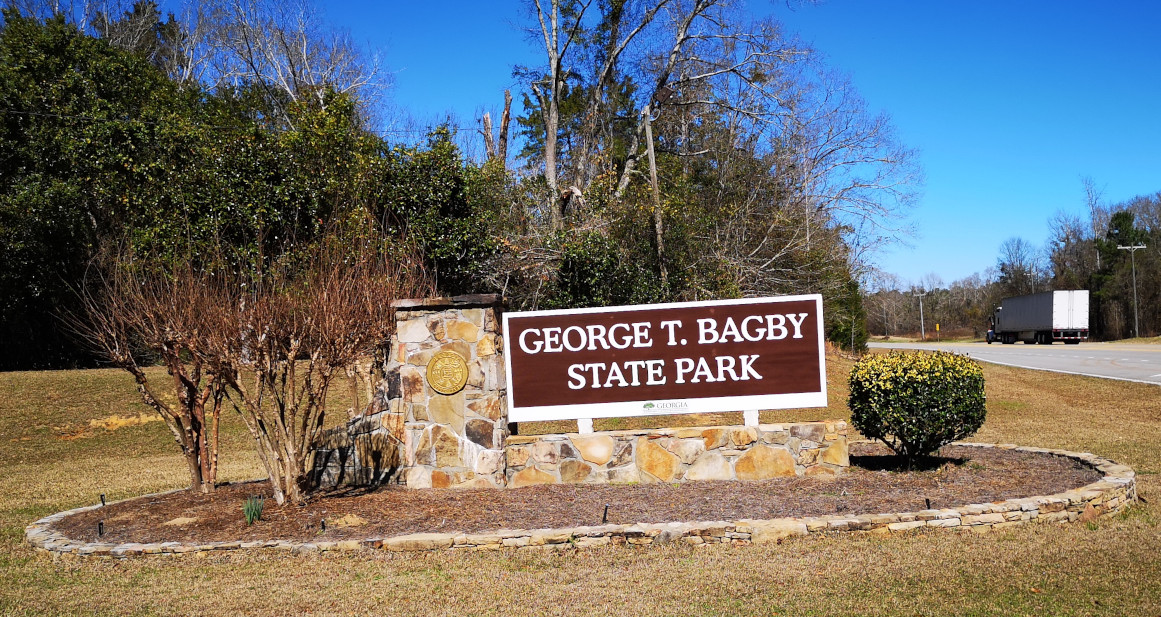
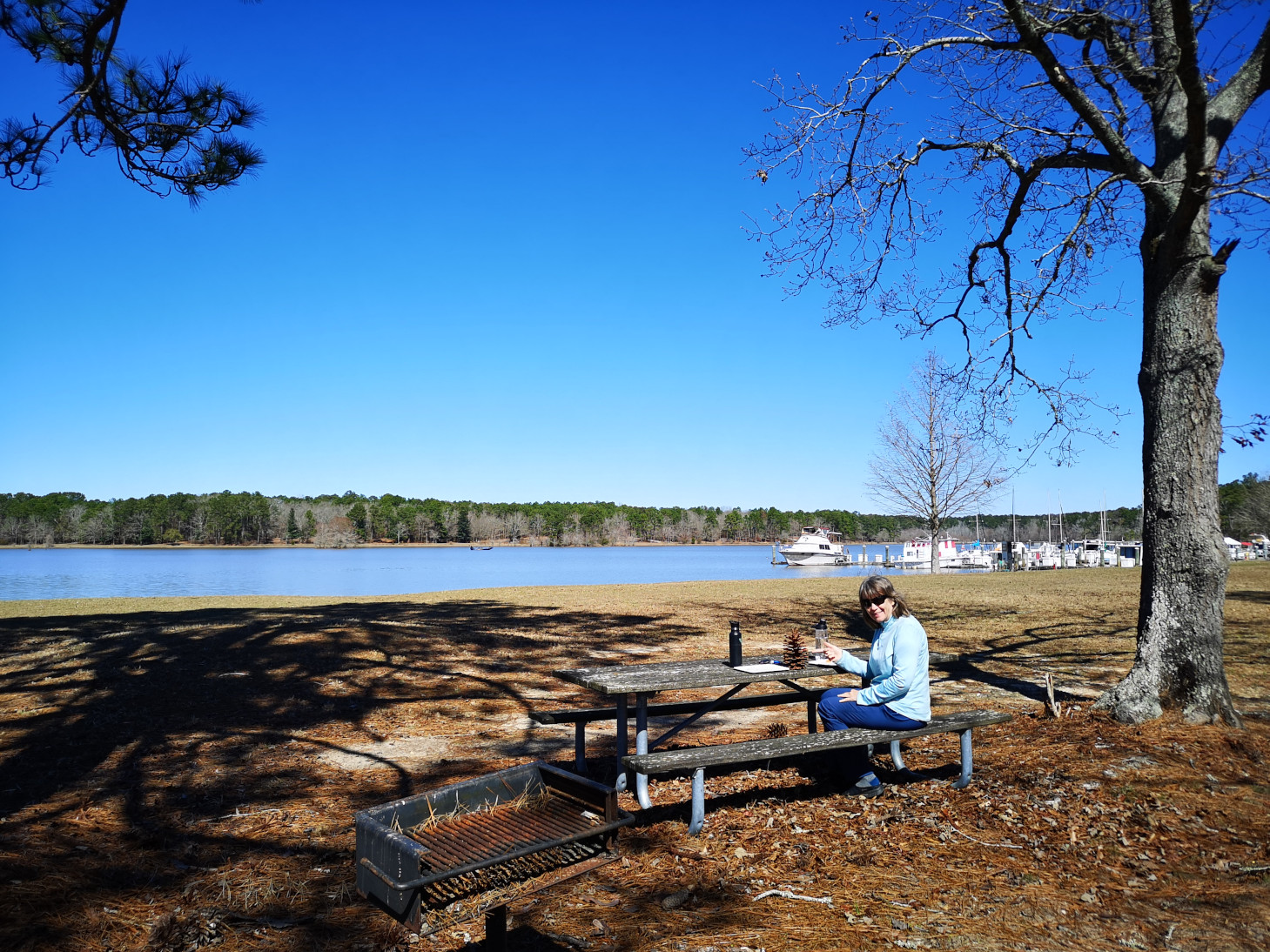
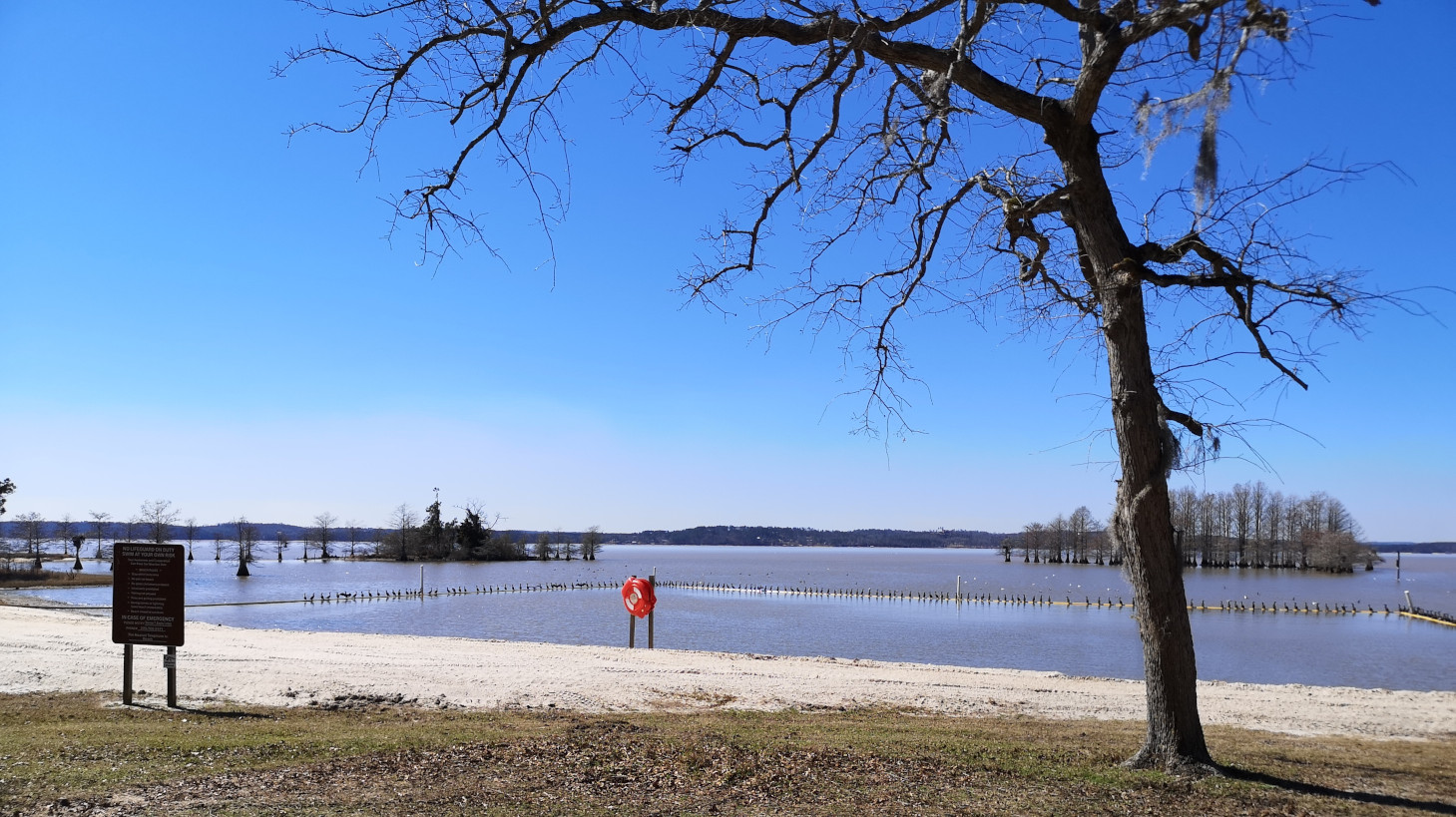
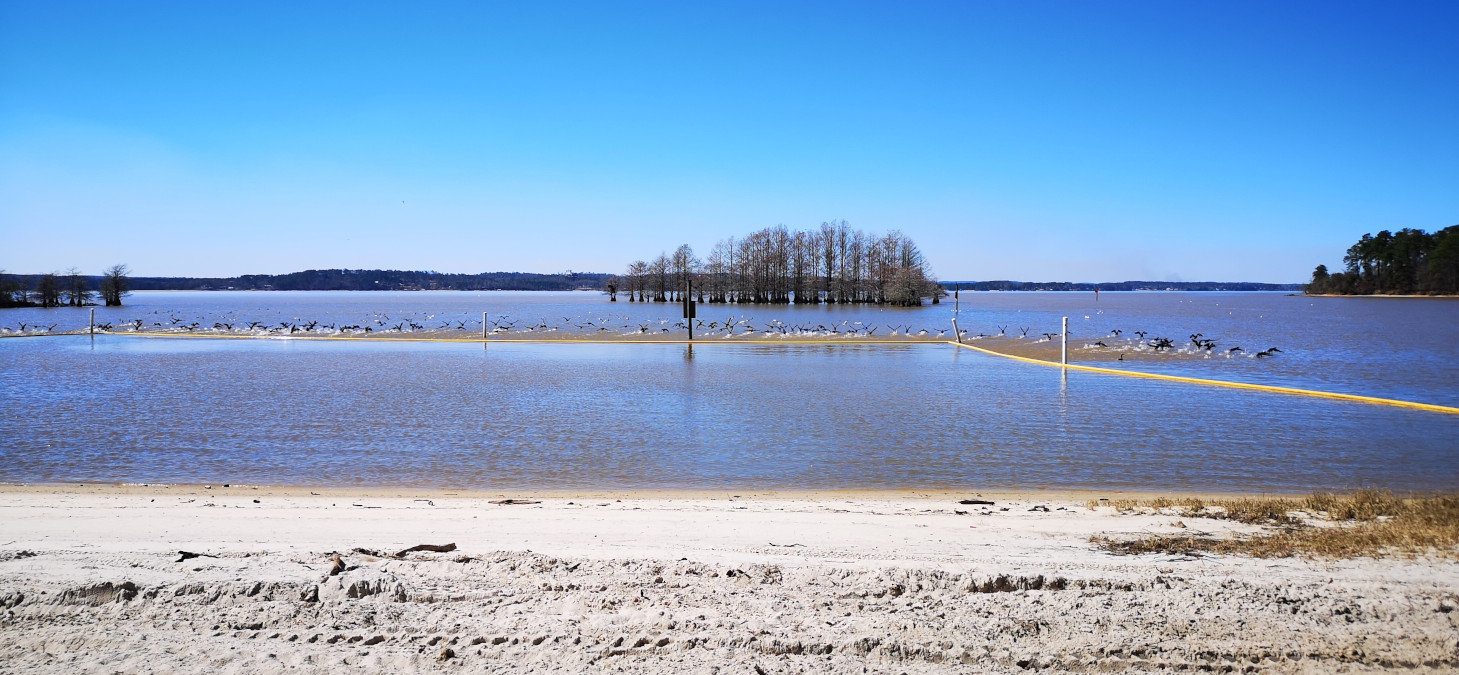
We were successful in getting a 2-day booking in St. George Island SP in Florida for Feb 28-29, so we worked to fill the days to match with that booking. Unfortunately, this is what you have to do because it’s so difficult to get bookings in Florida State Parks. So, we decided to head north to Florence Marina SP along the Georgia/Alabama border for a 4-night stay. On the way we stopped in George T. Bagby SP for lunch, this park doesn’t have any camping. We found a picnic table by the marina where we could eat lunch and watch the bass fisherman out on the lake. As we drove out of the park we saw a huge number of turtles in a swampy area, a huge number of cormorants resting on the swimming area markers, and we also saw 4 white tailed deer, but we couldn’t get a photo.


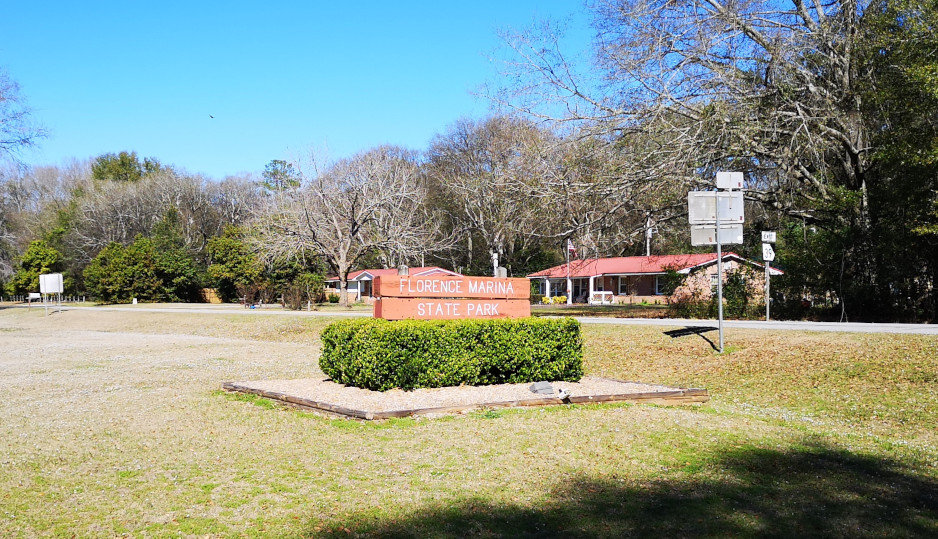
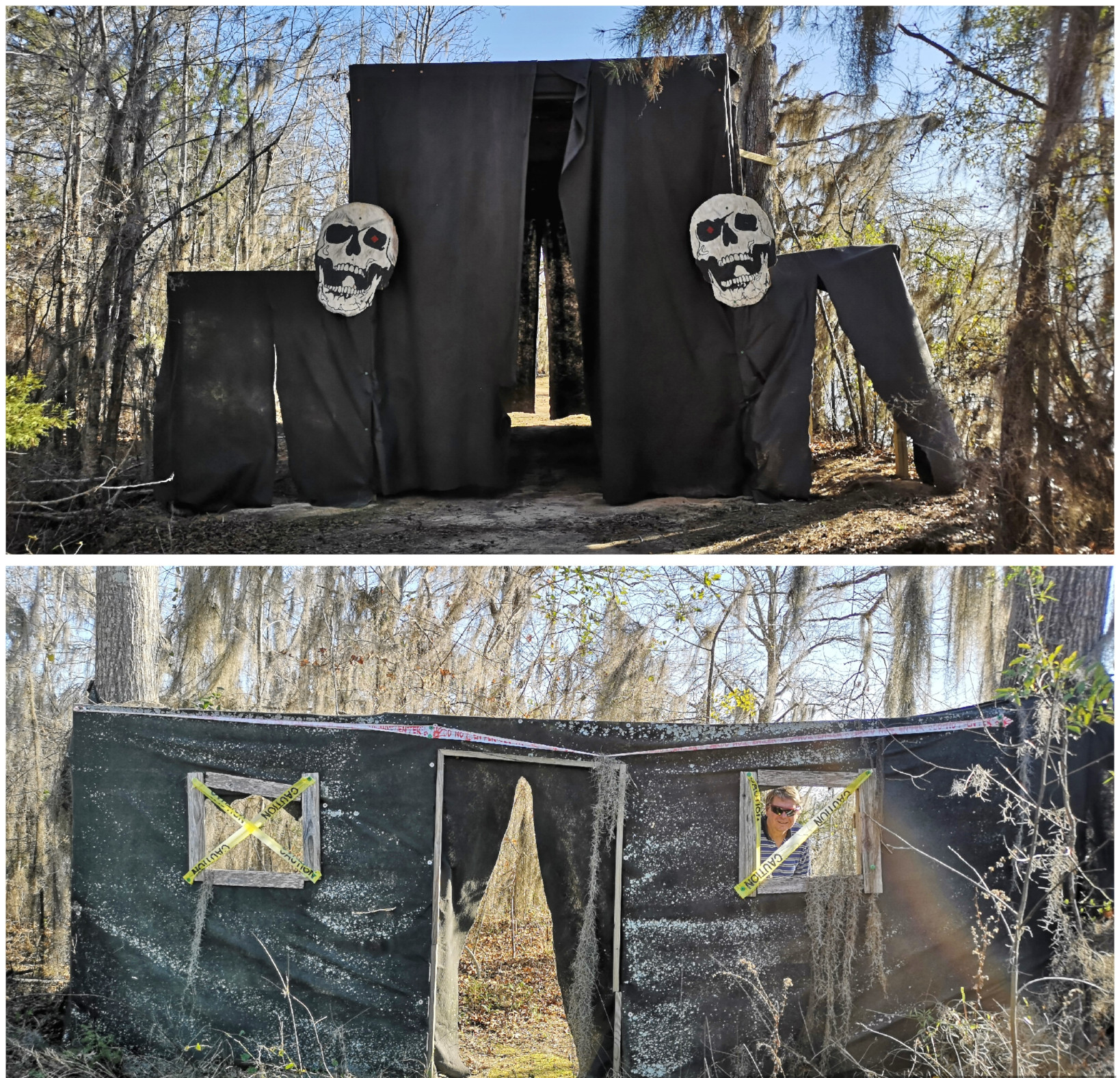
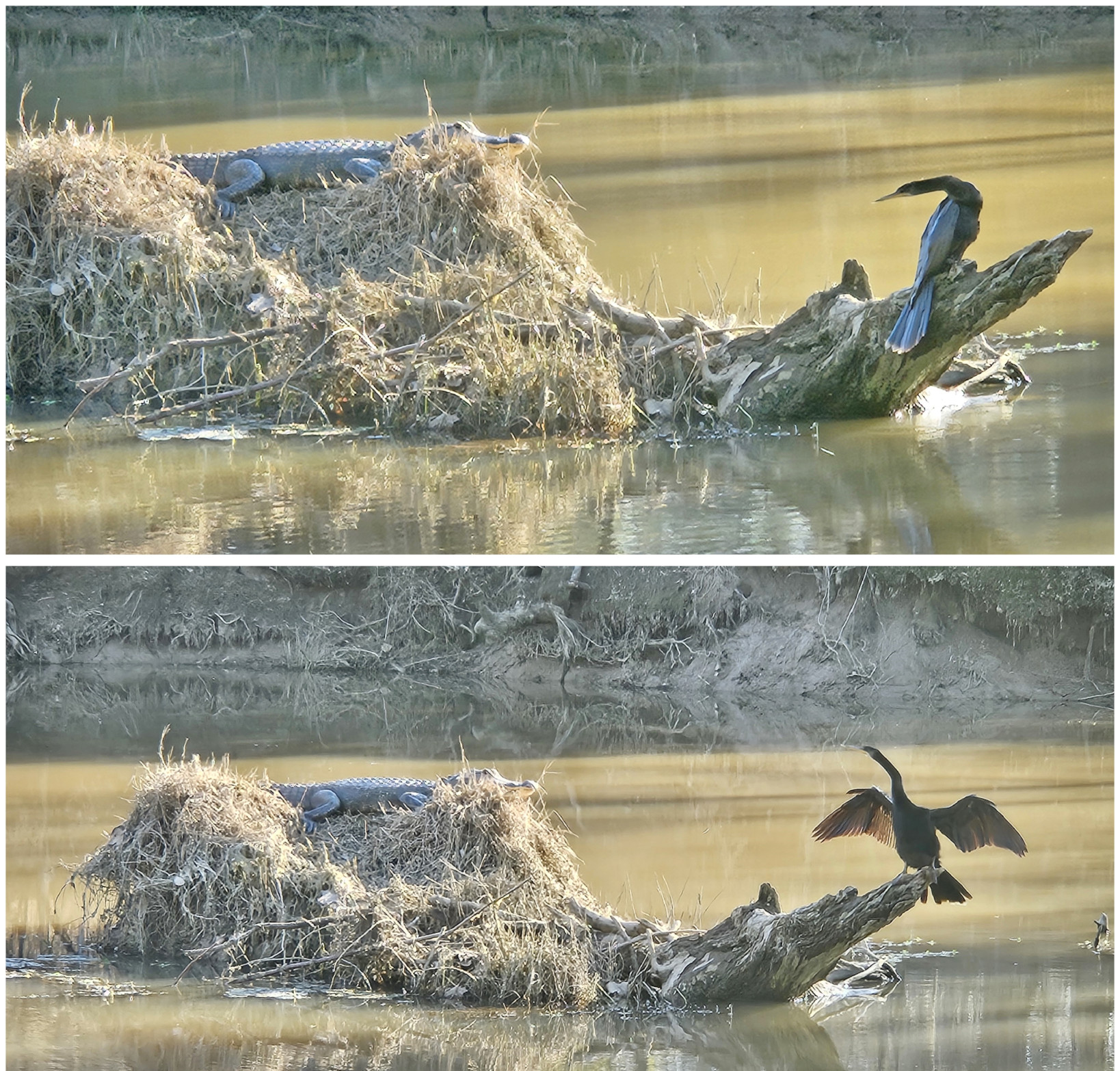
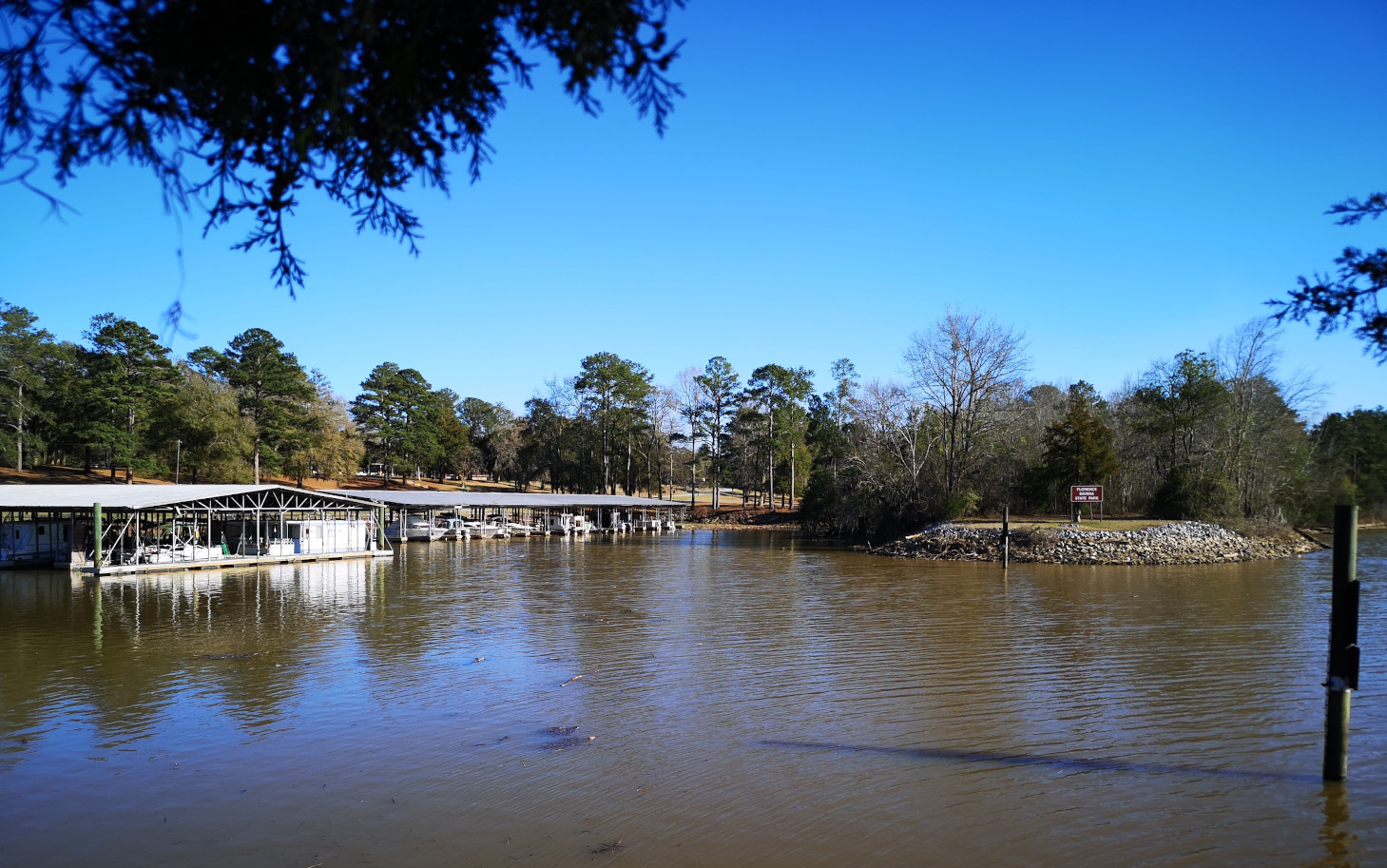
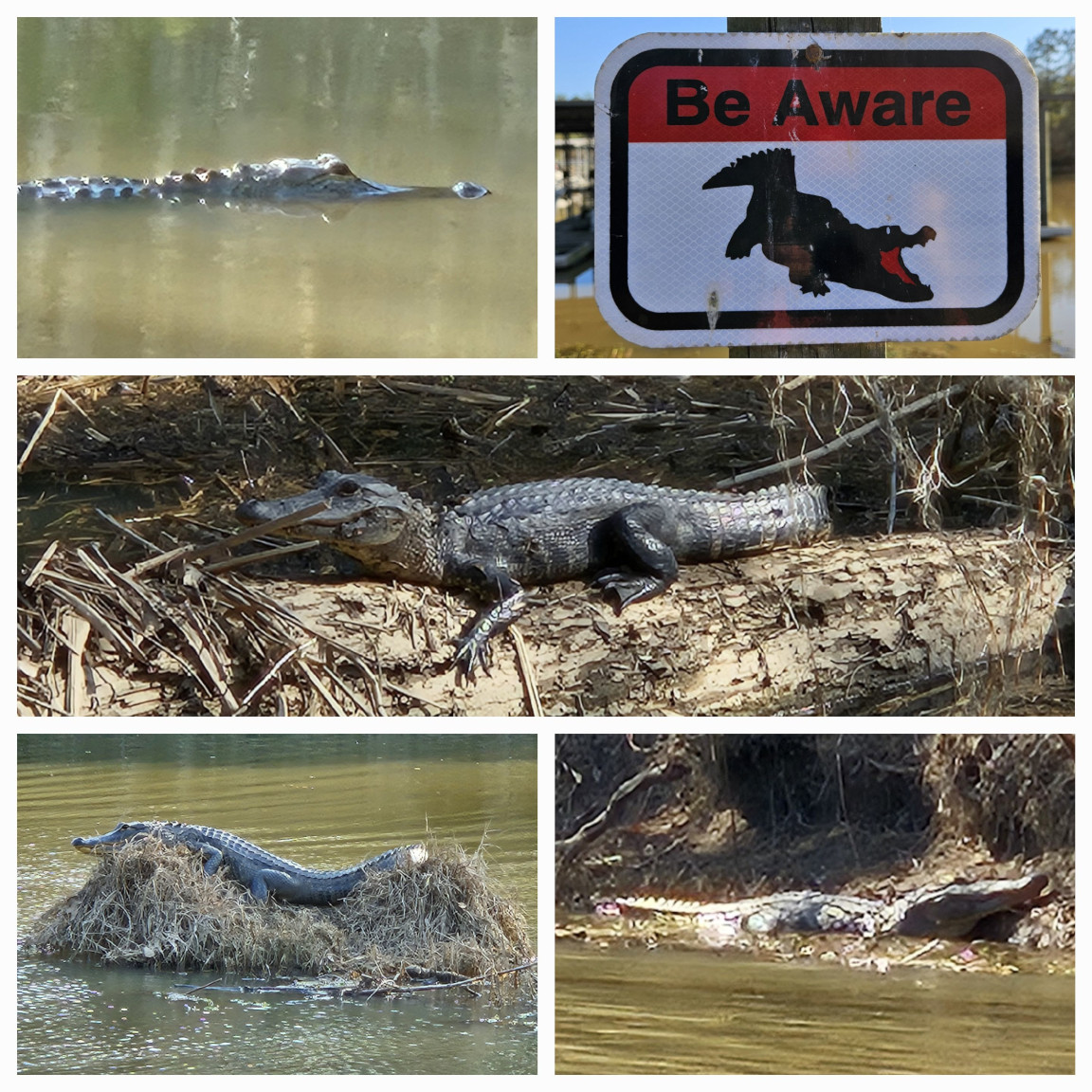
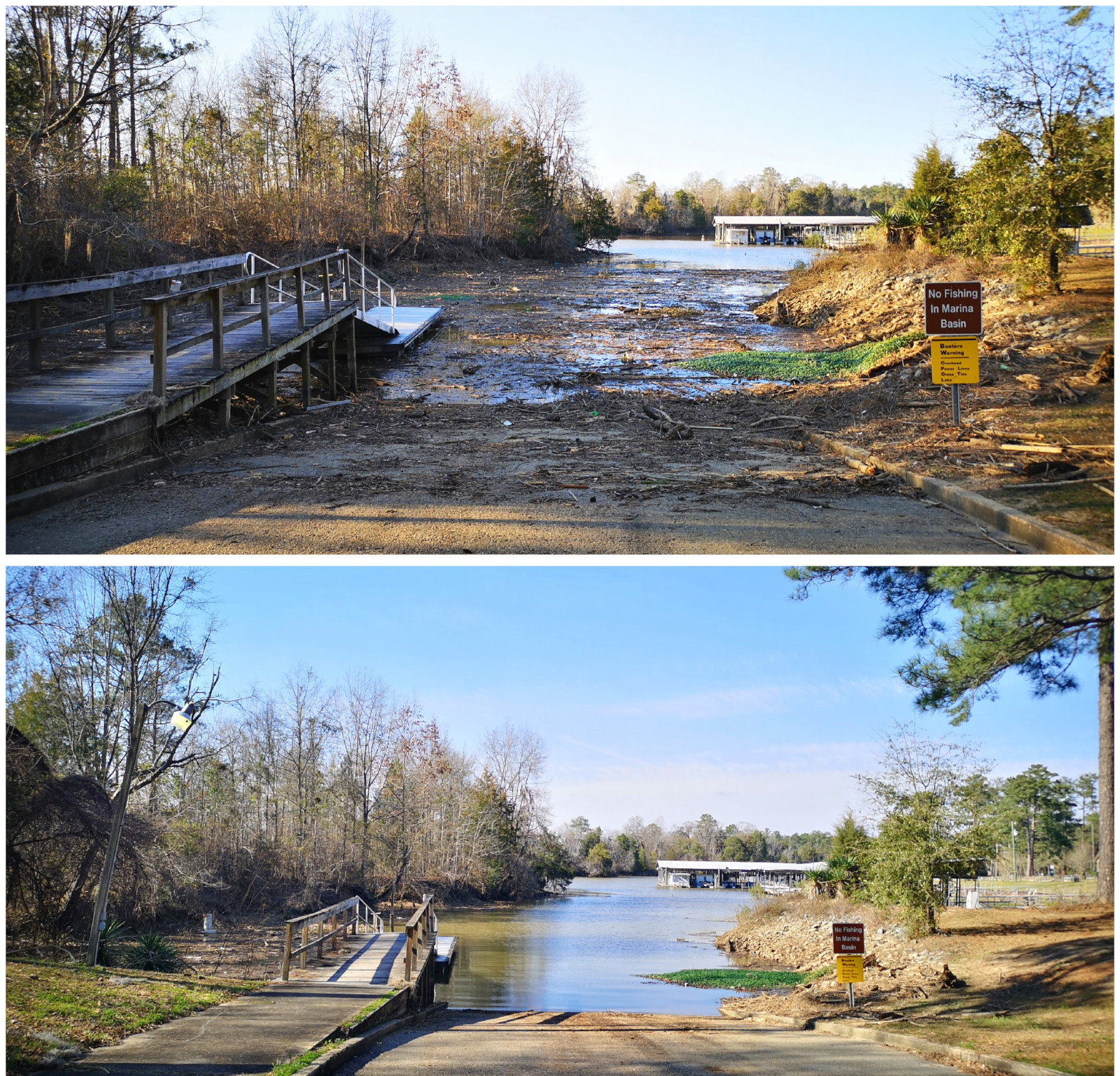
Florence Marina SP is unique in that it has a deep-water marina with boat slips right in the park. However there had been a a really bad rainstorm before we arrived, and all kinds of debris had floated down the Chattahoochee River and filled up the marina area. The park volunteers were under way with a big cleanup to pull the debris out into the river to clear the marina. After we got setup in our site, we went for a 7 km hike on the few trails in the park and also one in the Eufaula Wildlife Refuge. On the trails in the park there was a weird setup with skulls, and we found out later it was for Halloween festivities. We also got to see the largest Alligators we’ve seen on this trip with a 6’ and what looked like an 8’ one. We also saw an Anhinga bird (we learned later) and it was really bizarre to watch him swim as he looked like a snake sticking his head out of the water. He swam over to the island the 6’ alligator was on and was squawking at the alligator.
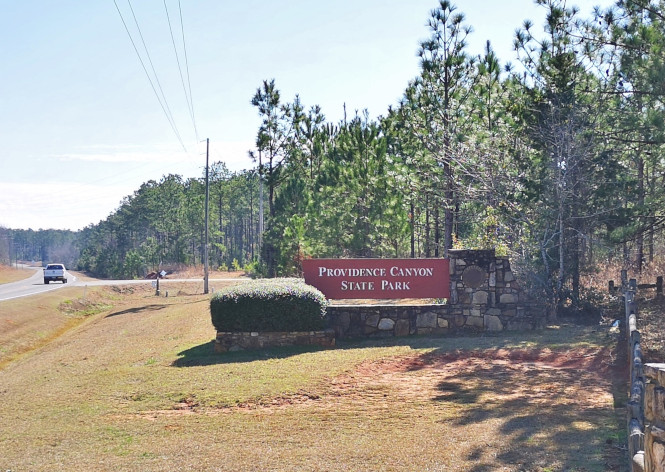
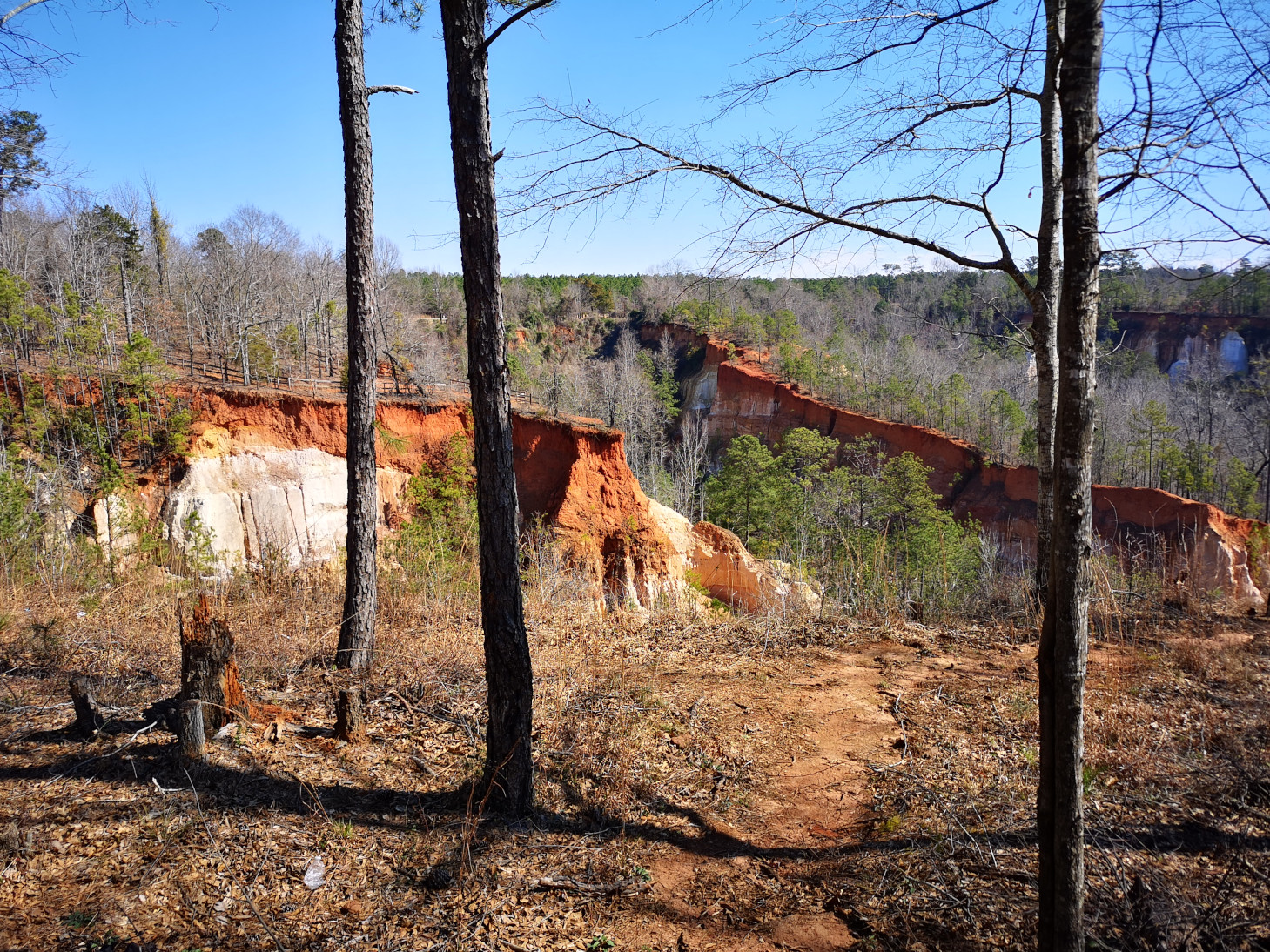
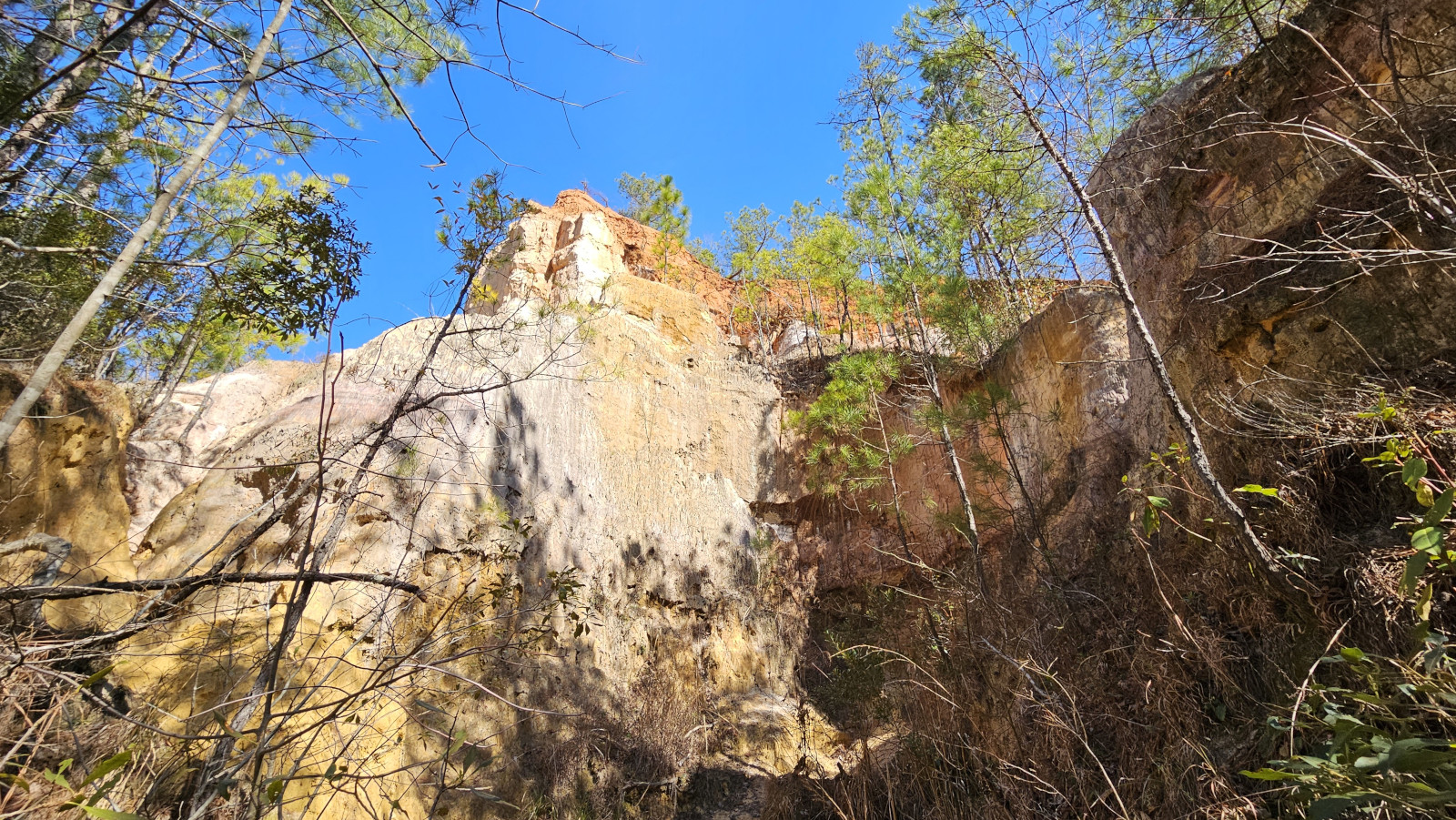
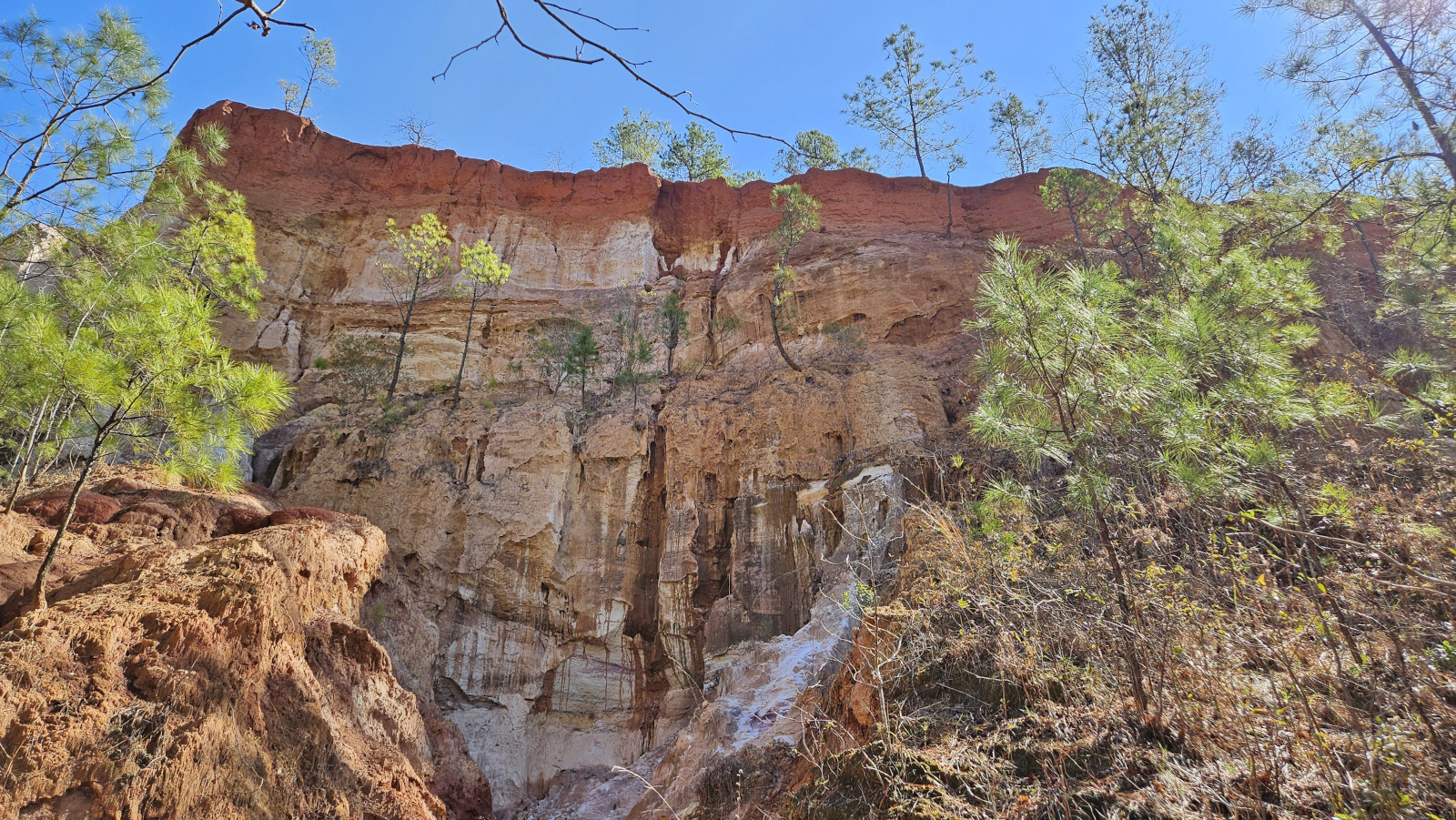
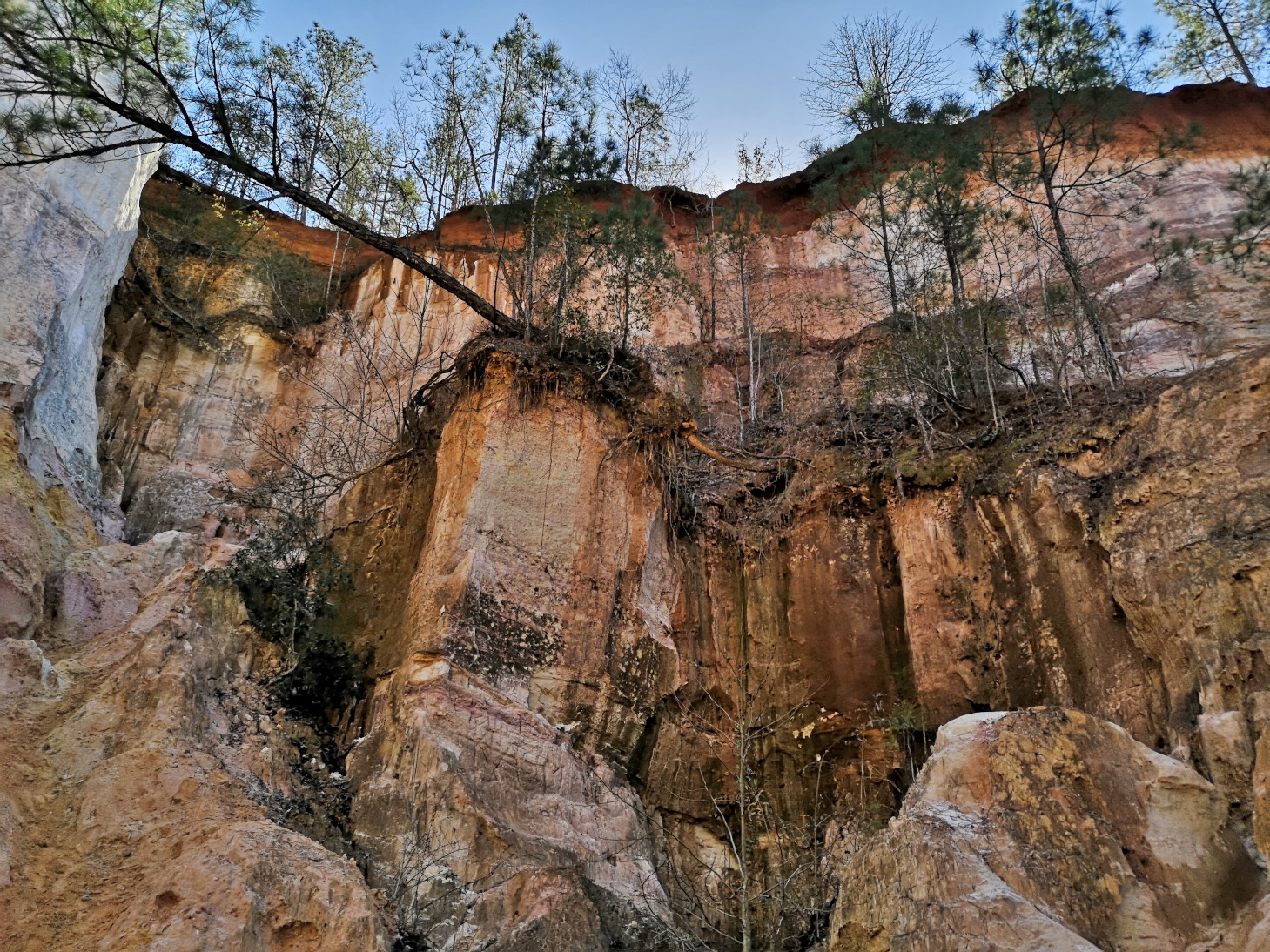
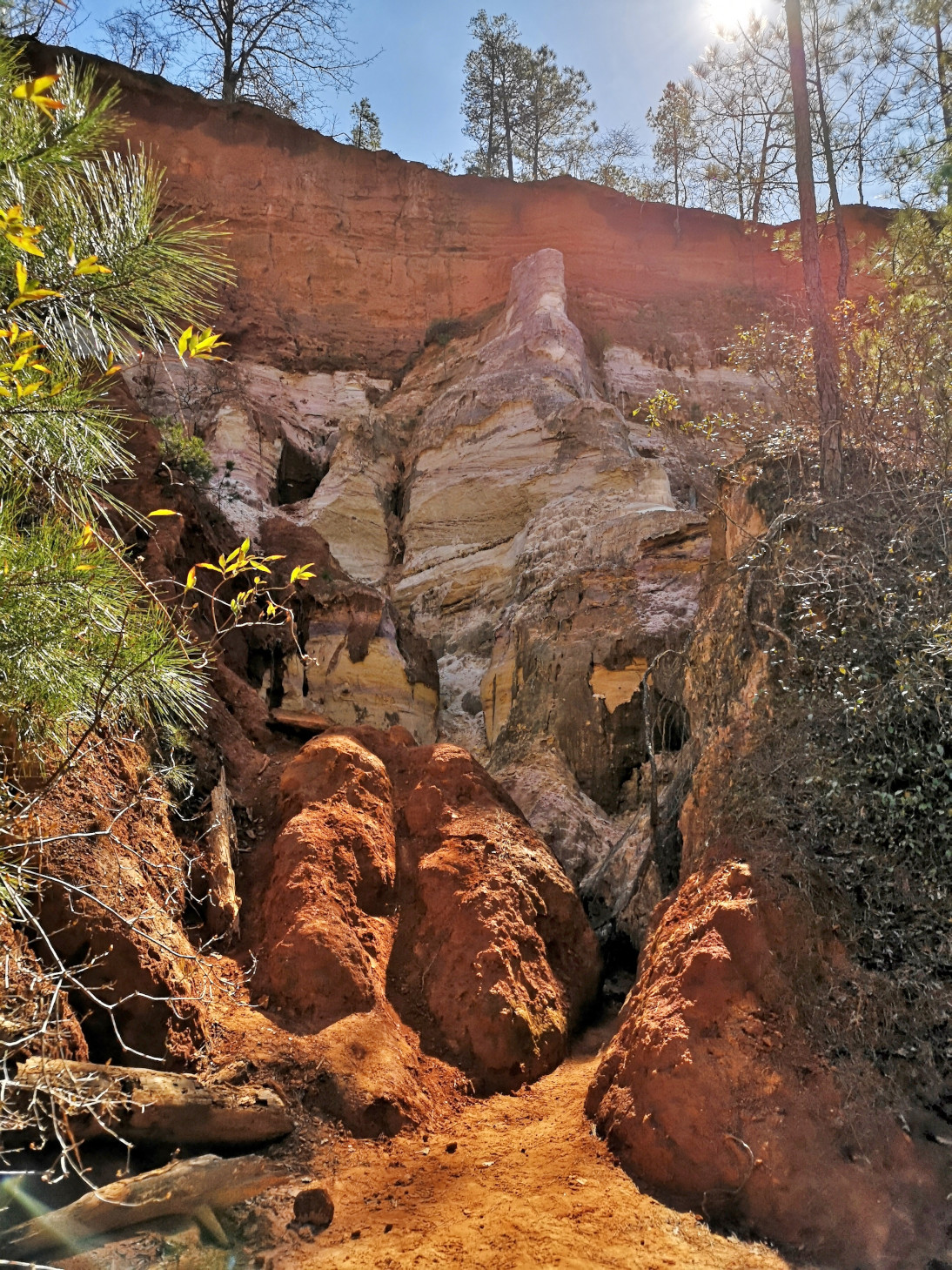
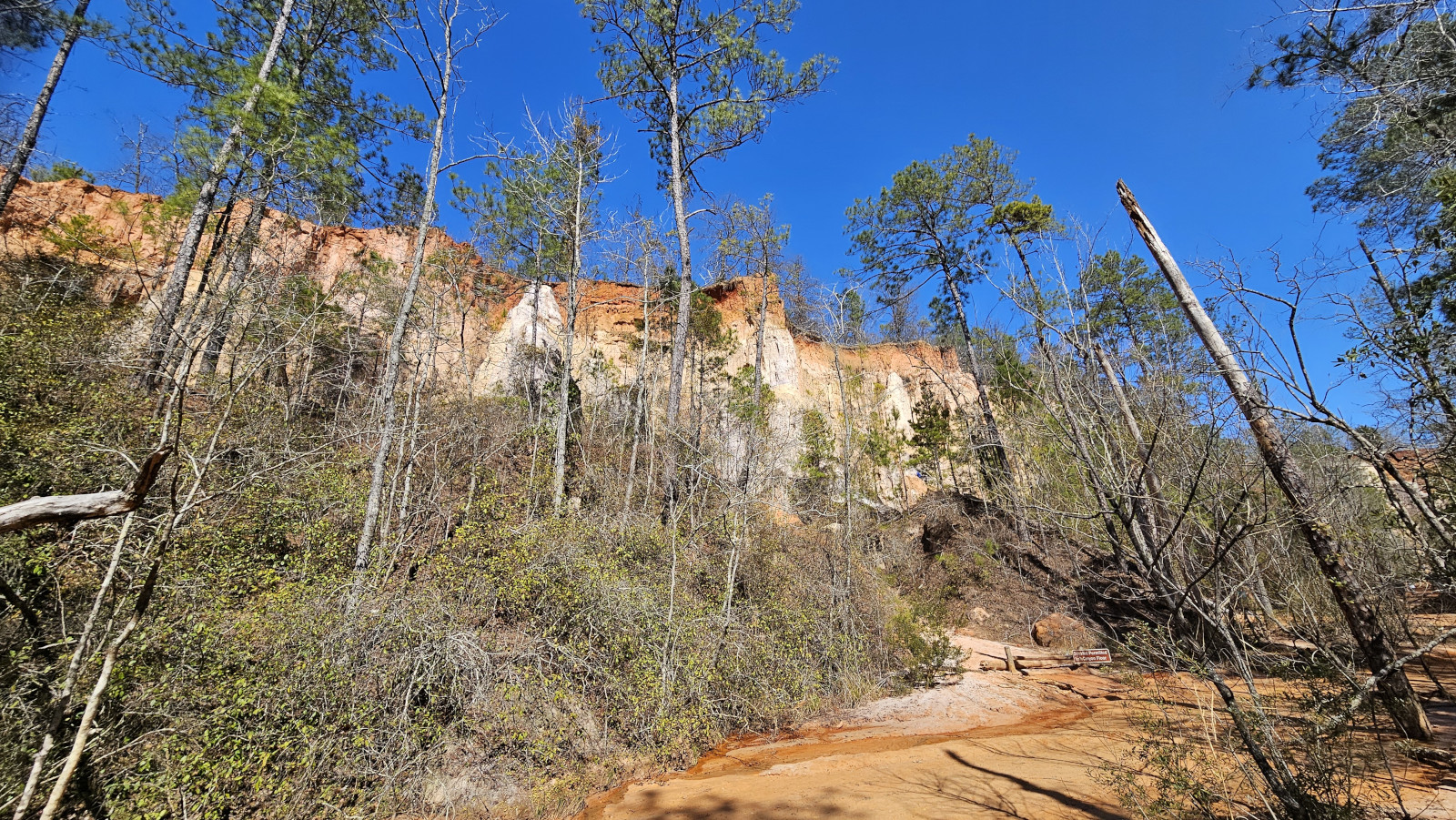
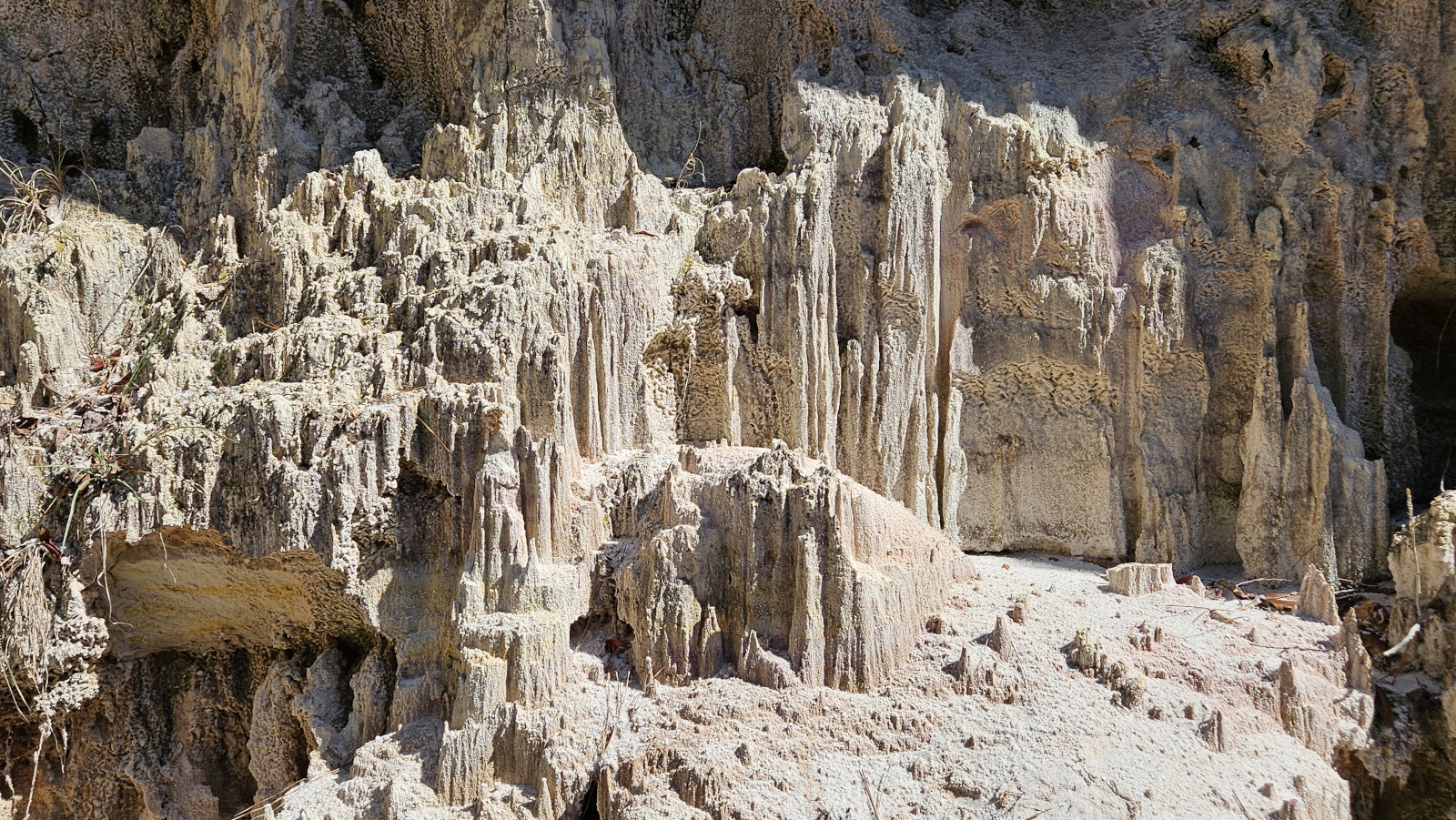
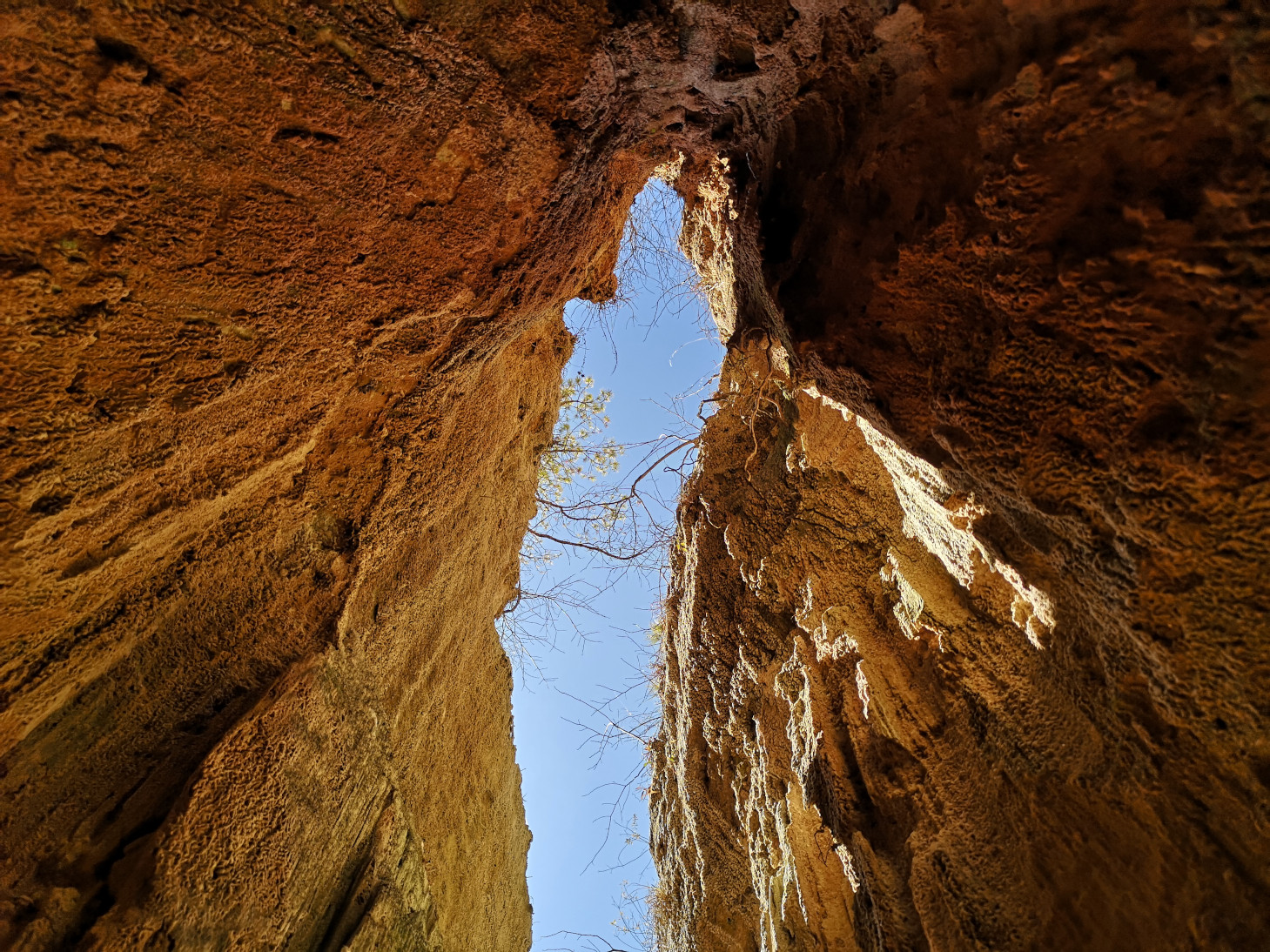
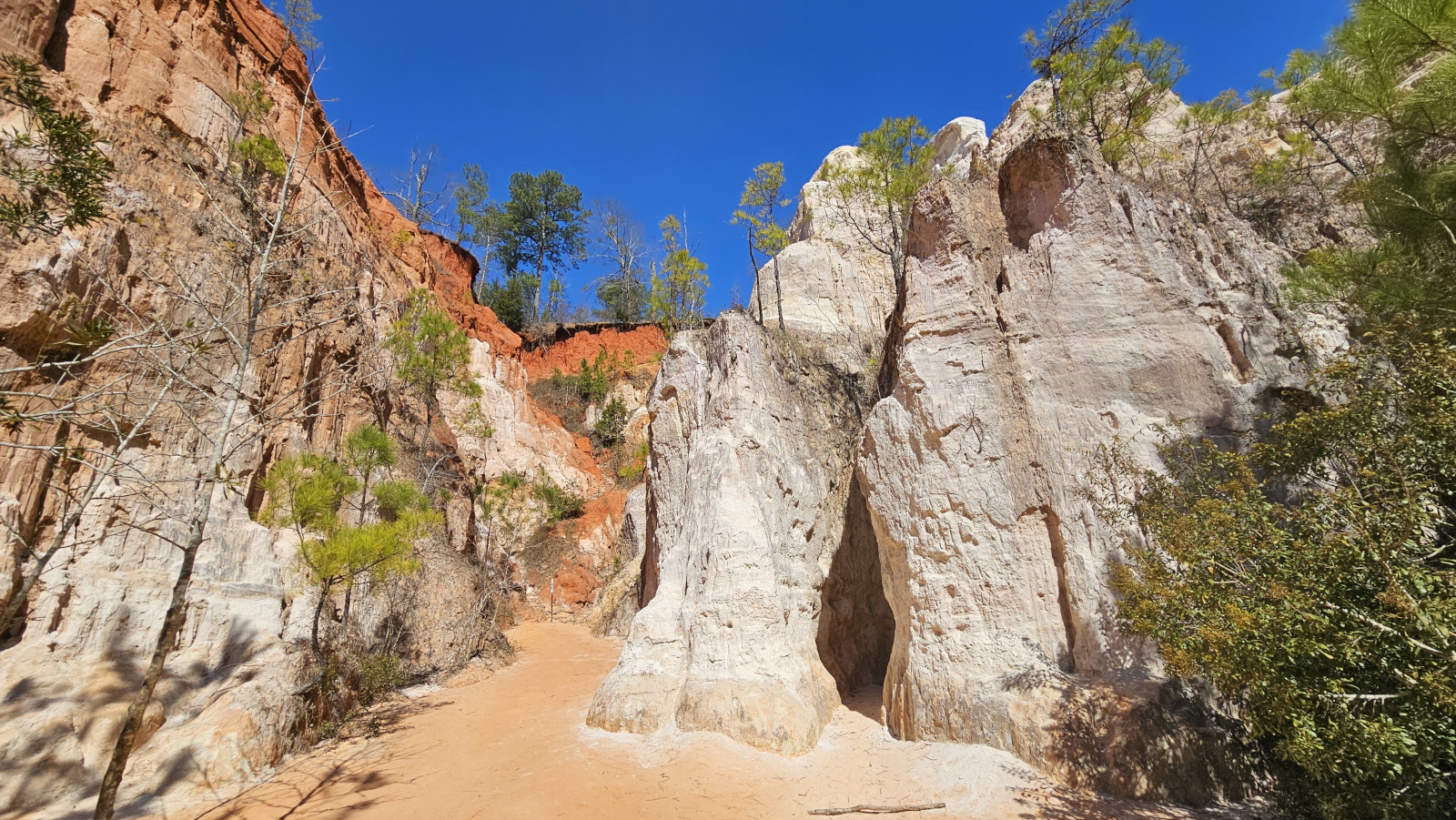
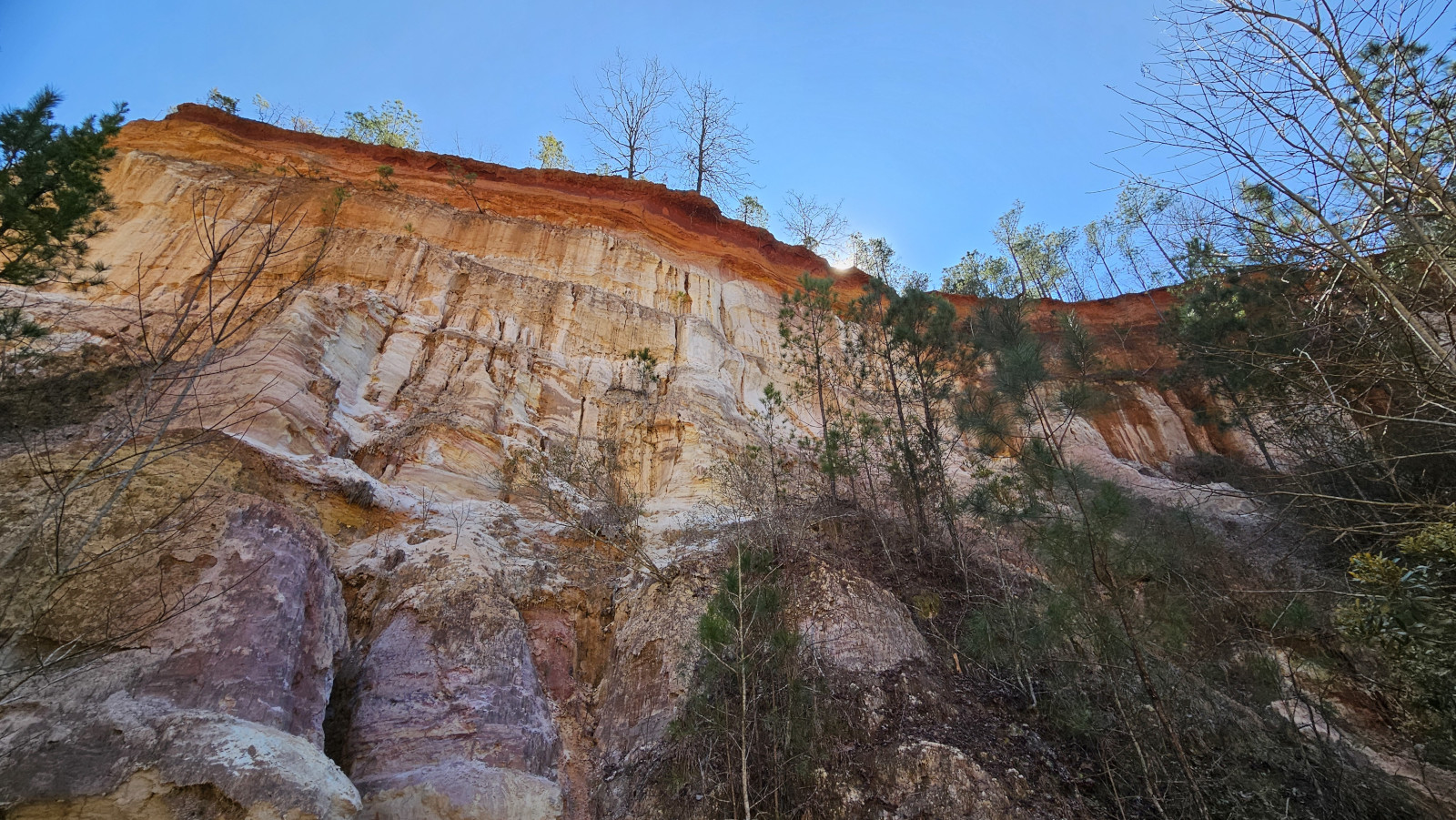
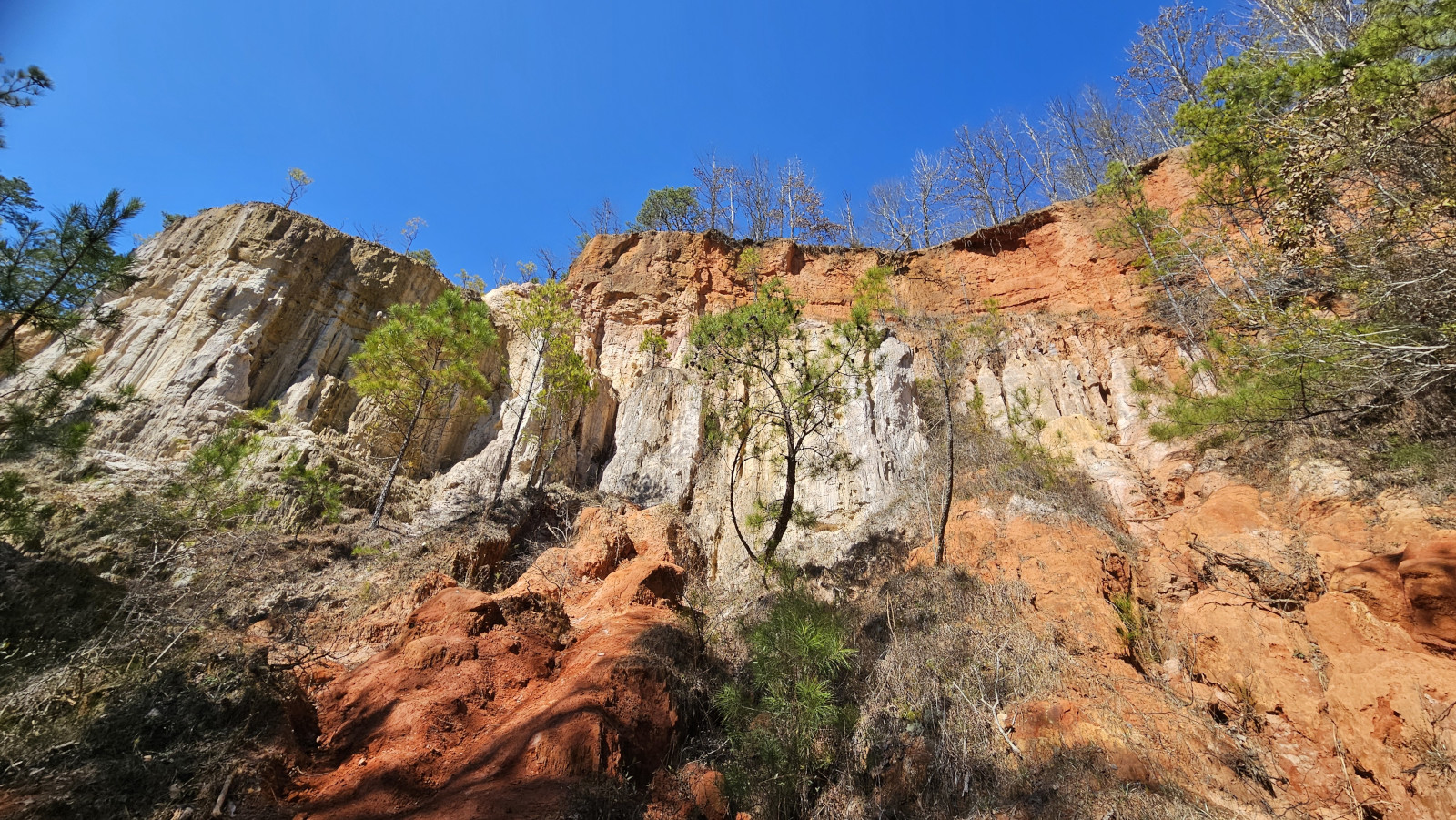
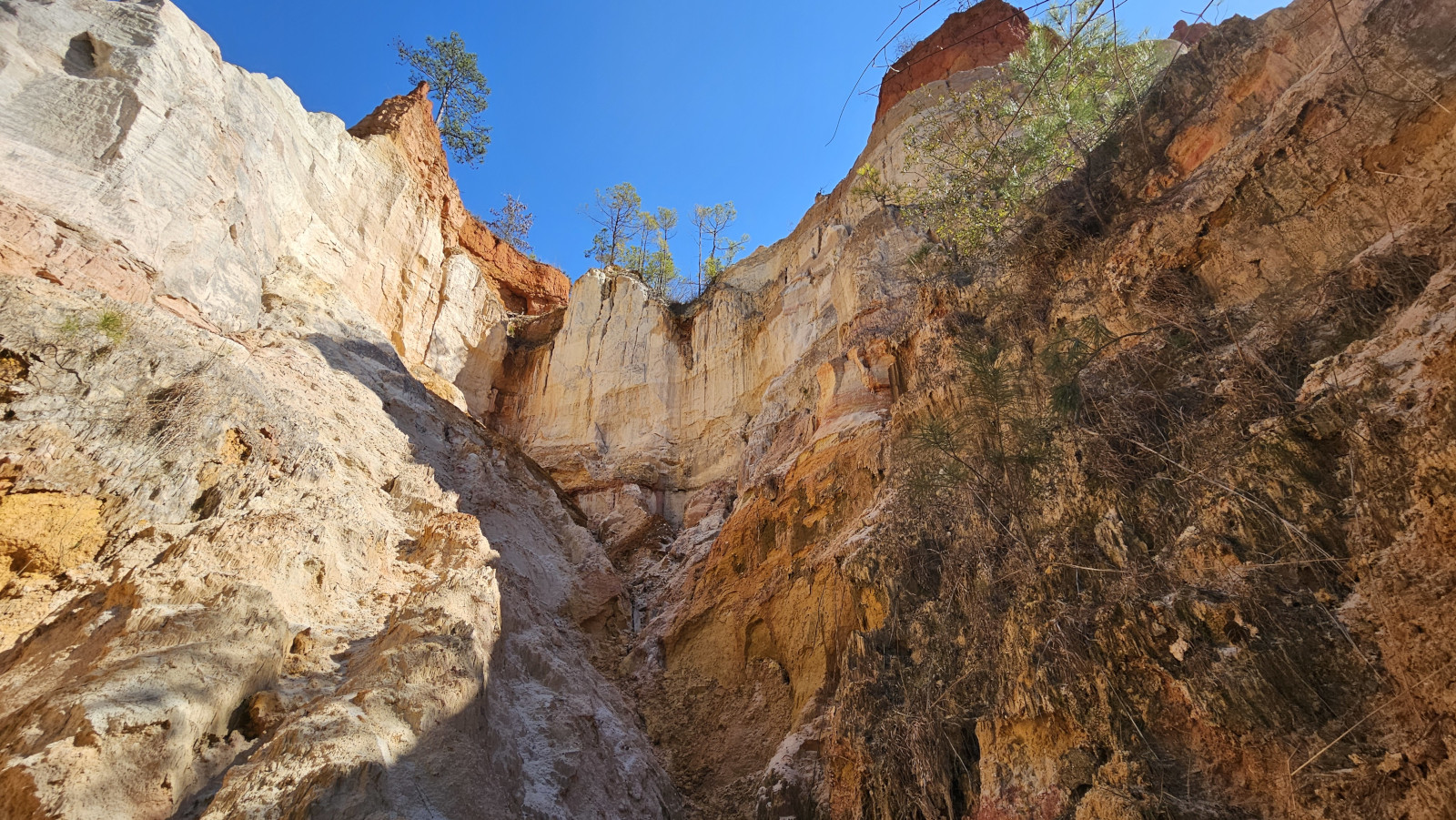
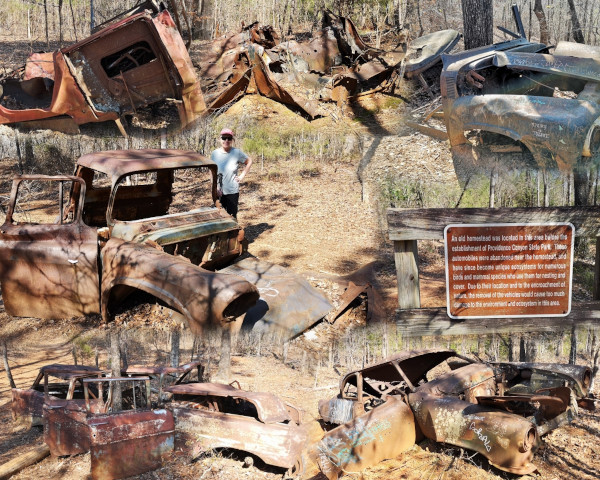
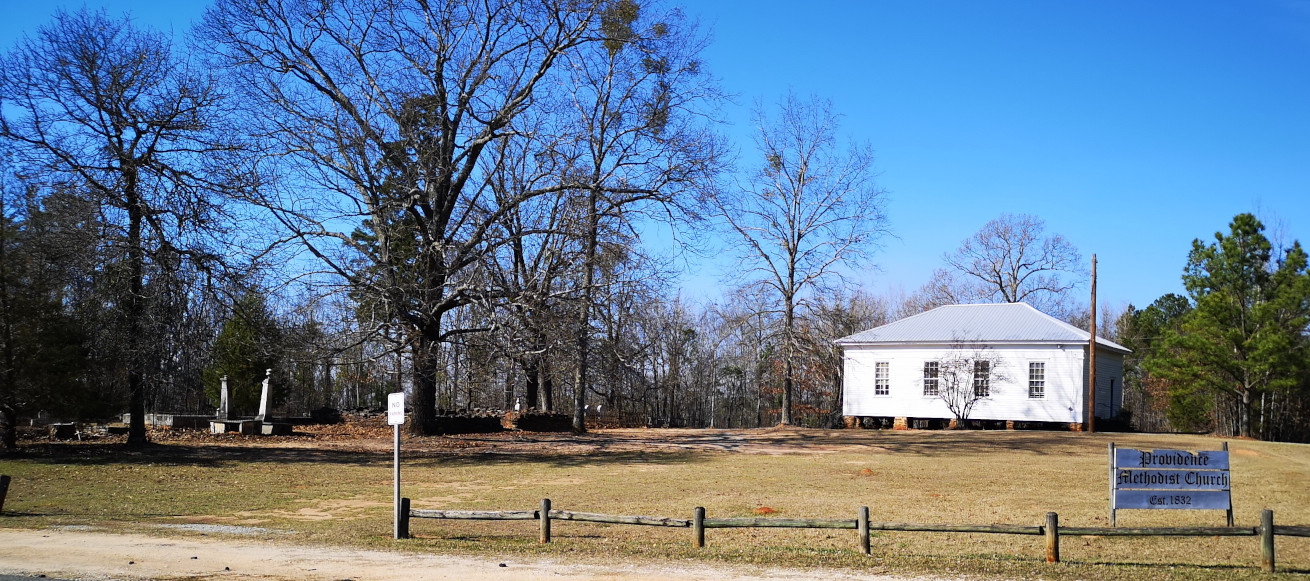
The next day we drove to Providence Canyon SP, also known as Georgia’s Little Grand Canyon. The park is 1,003 acres in size and is a geological marvel. The canyons were formed due to poor farming practices by the early settlers. In the early 1800’s all the trees were cleared to plant crops, but the soft soil all started to wash away as the tree roots had been holding the soil in place. In the 1850s the ditches were three to five feet deep, today they are as deep as 150 feet! There are 43 different shades of soil so there were lots of photo ops this day!! The colours range from white to various shades of pink, purple, red, brown, yellow, and black. The name of the canyon came from the Providence Methodist Church that was built in 1832. The park only has a few primitive campsites so it’s a popular day trip from the surrounding area.
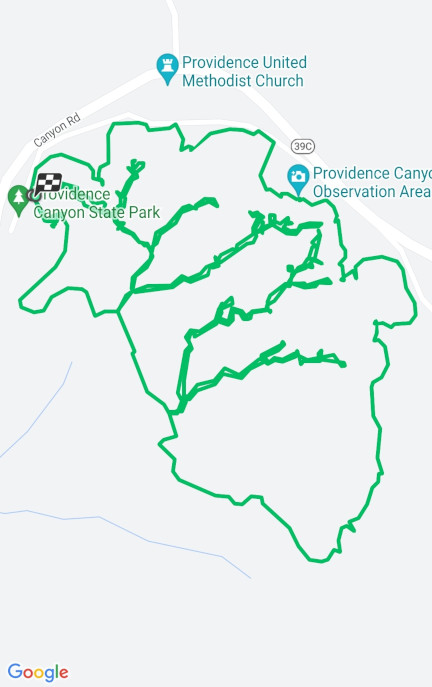
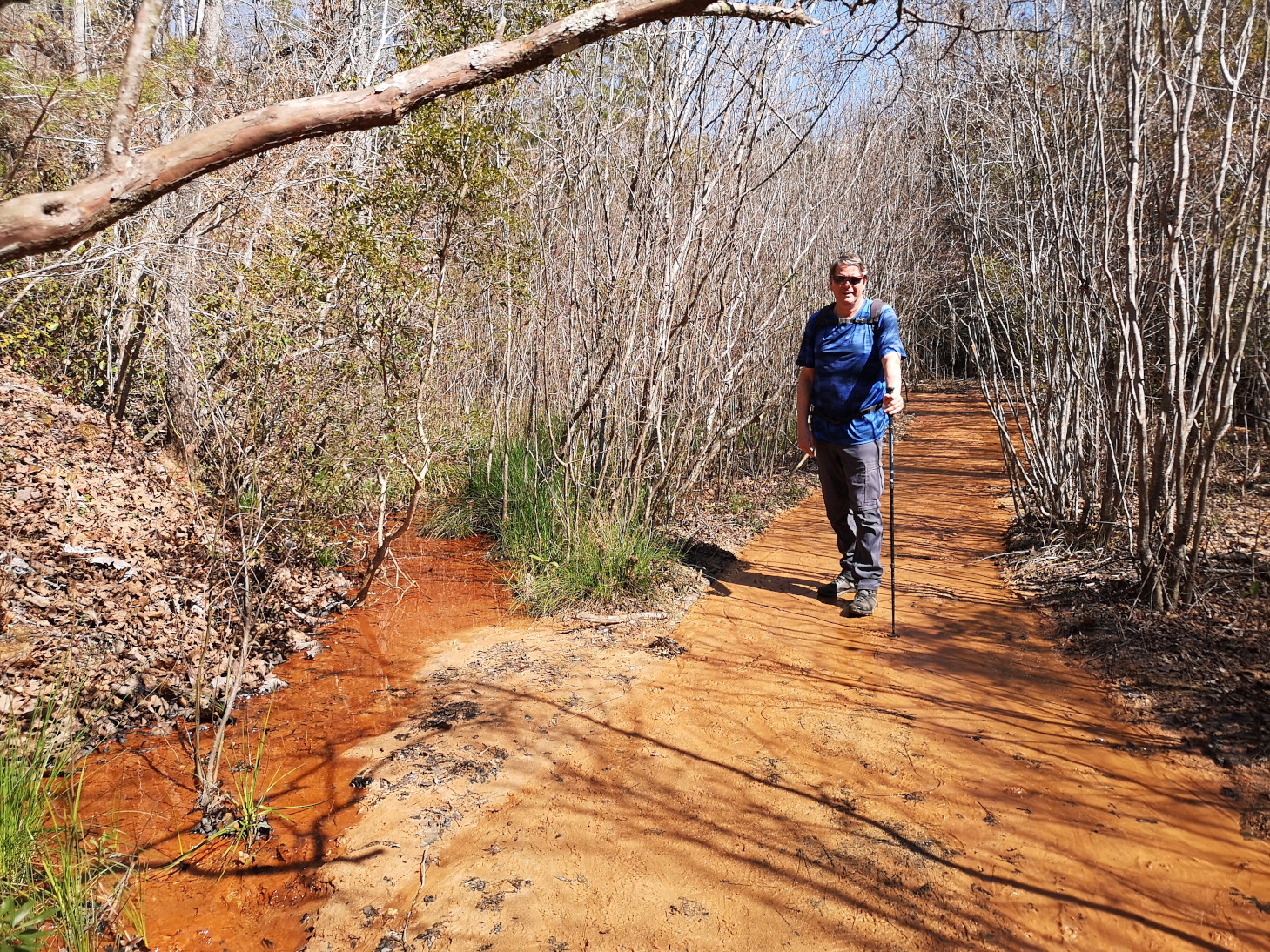
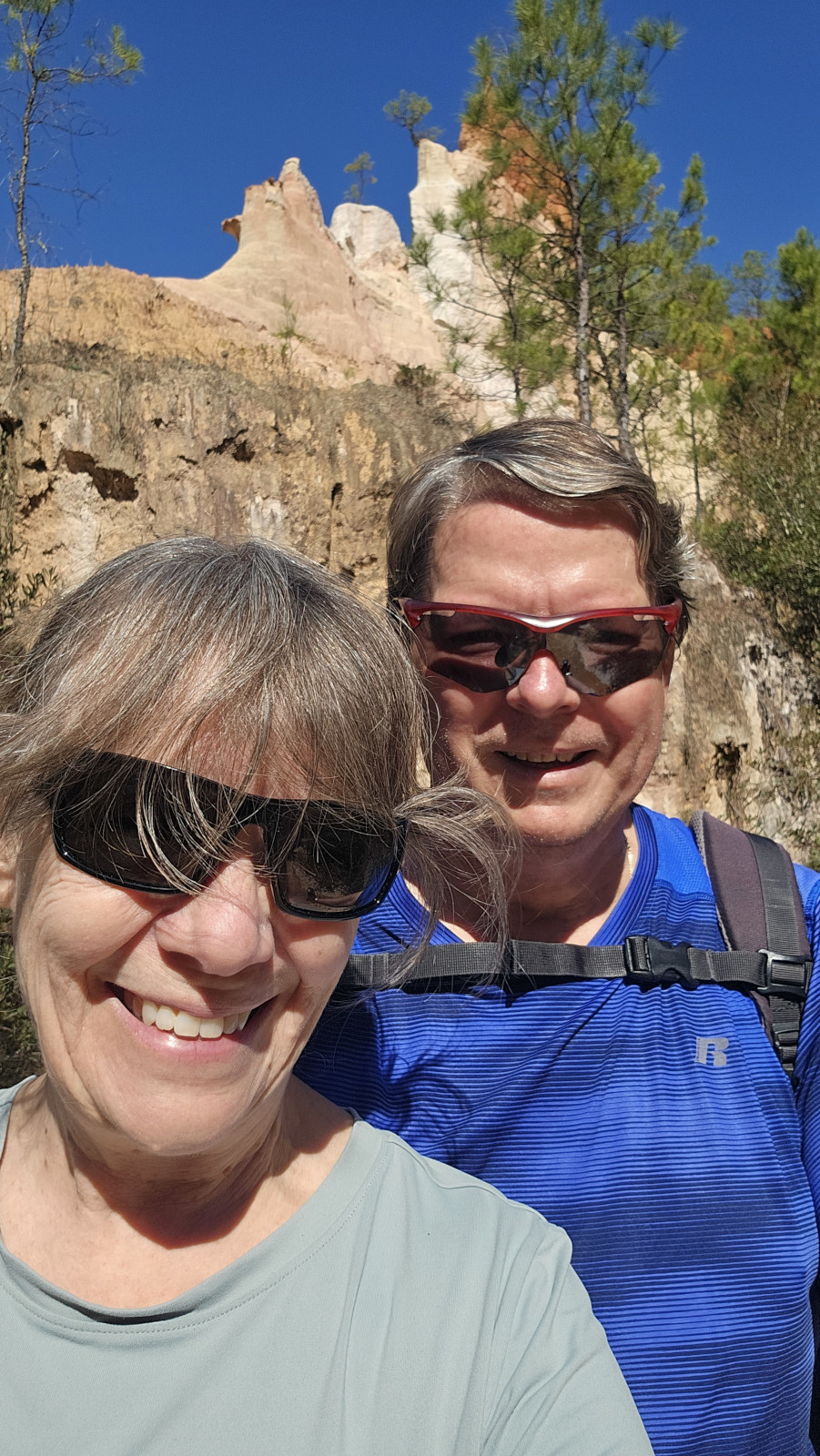
We started off at the visitor centre and then proceeded down into the canyon to hike. There are a series of nine canyons to hike down, and some of the time you were walking in the creek bed (good thing we have waterproof hiking boots). We did 10.5 km in total, spending about 4 ½ hours exploring all the colours and amazing shapes from the ground level and later from the Canyon Rim Trail. After a rainstorm the canyons can take on a very different appearance as the canyon walls continue to wash away. As you will see from a small subset of our photos this is an absolutely spectacular place to visit😉


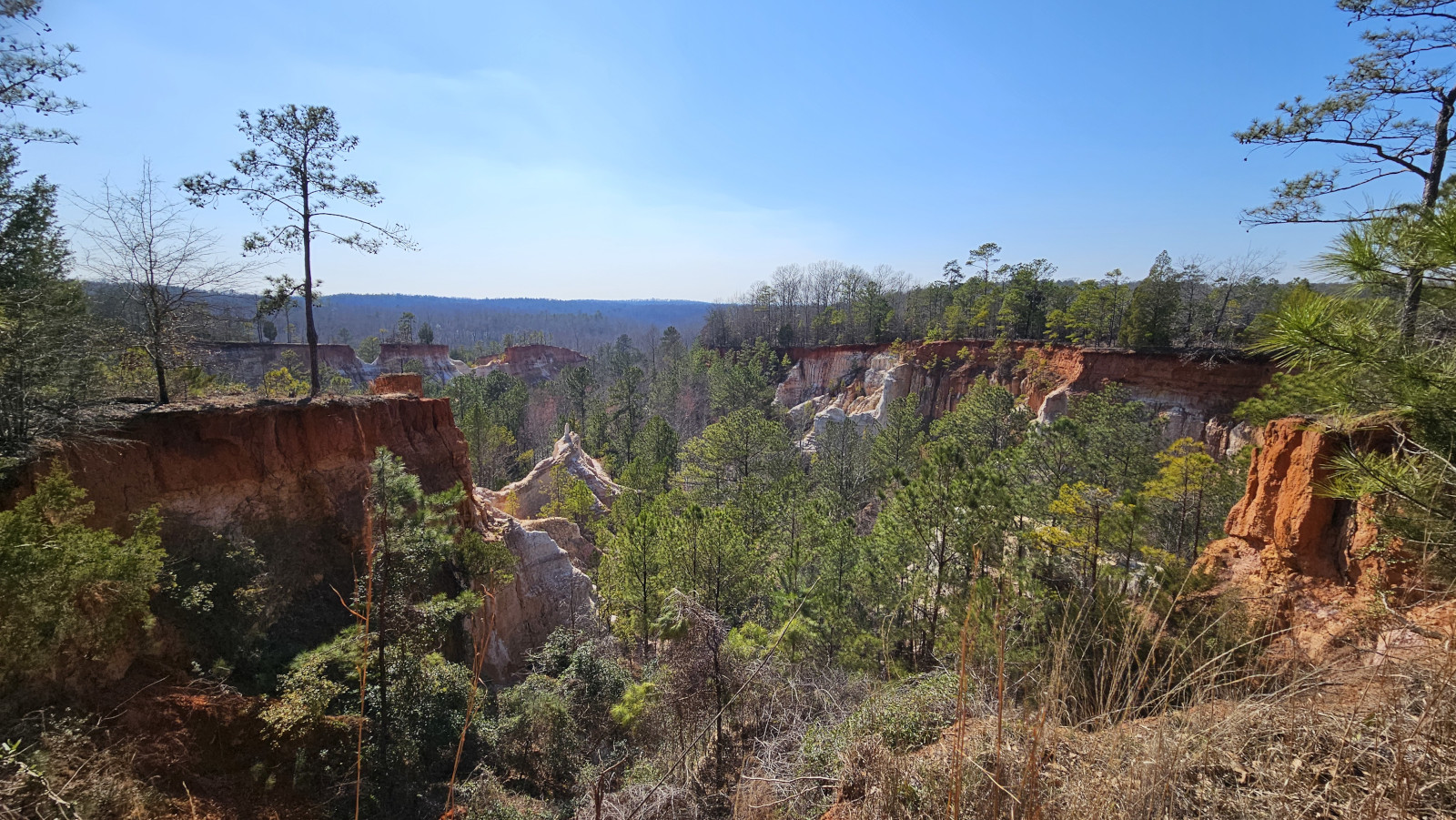
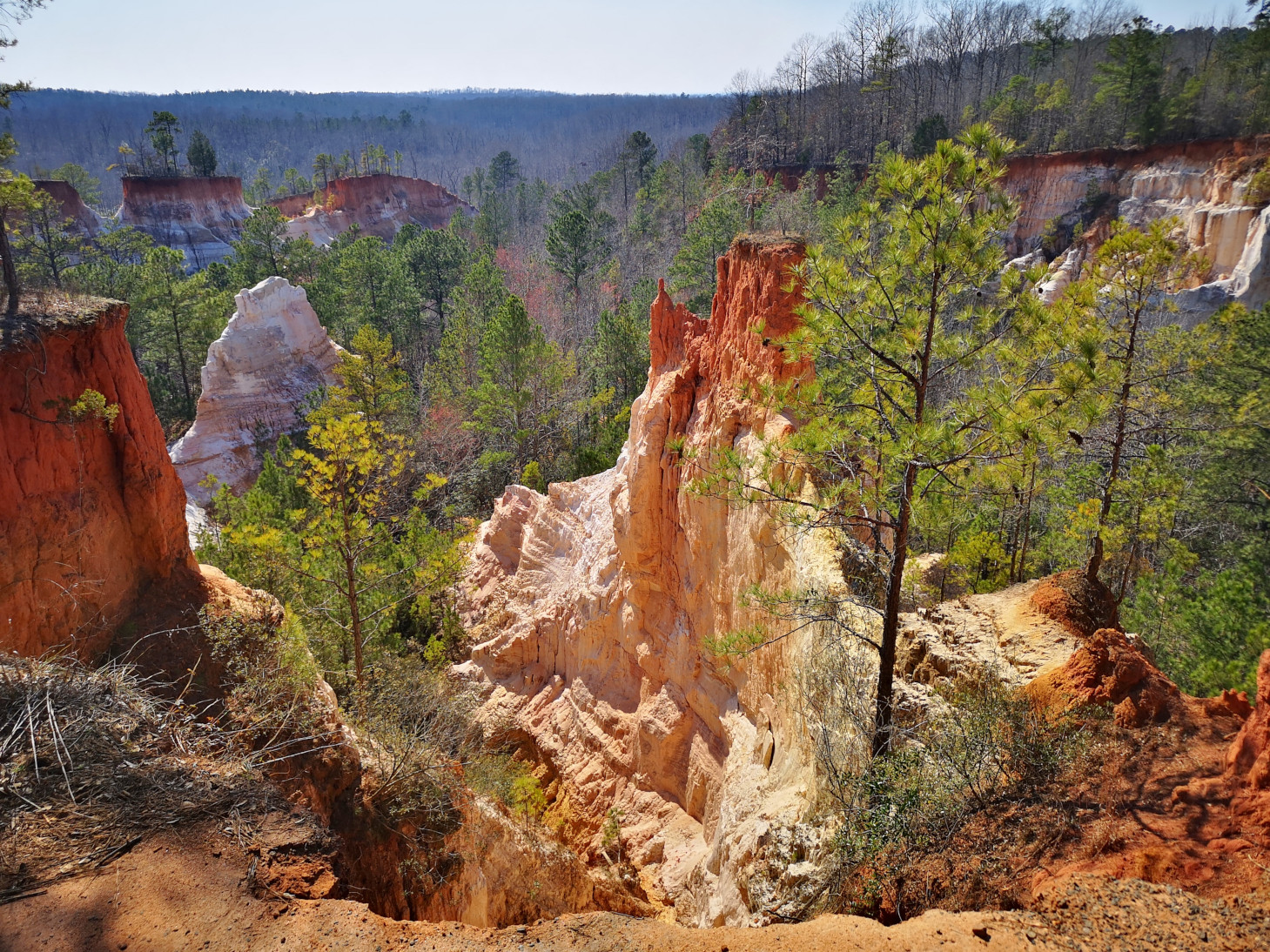
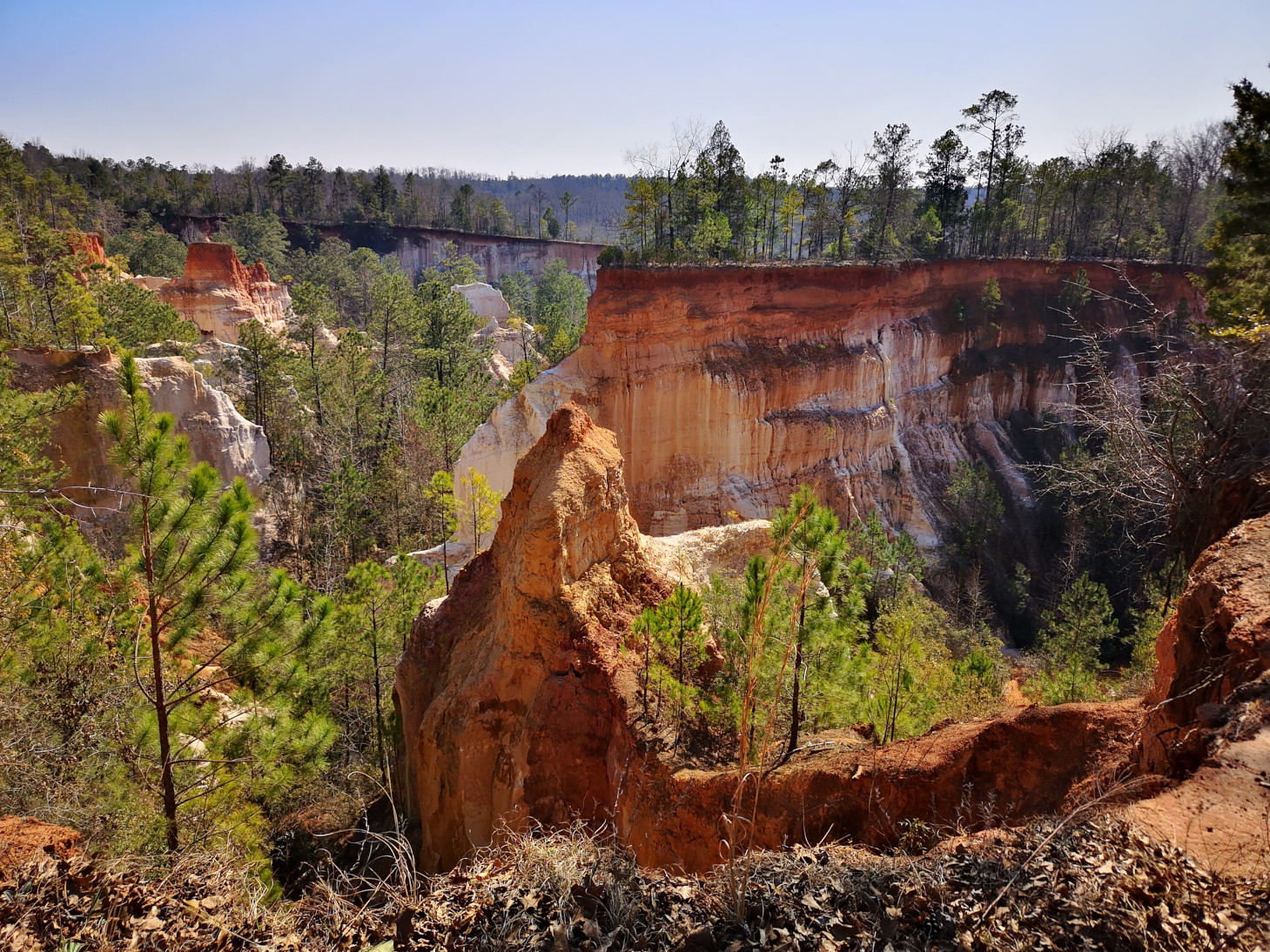
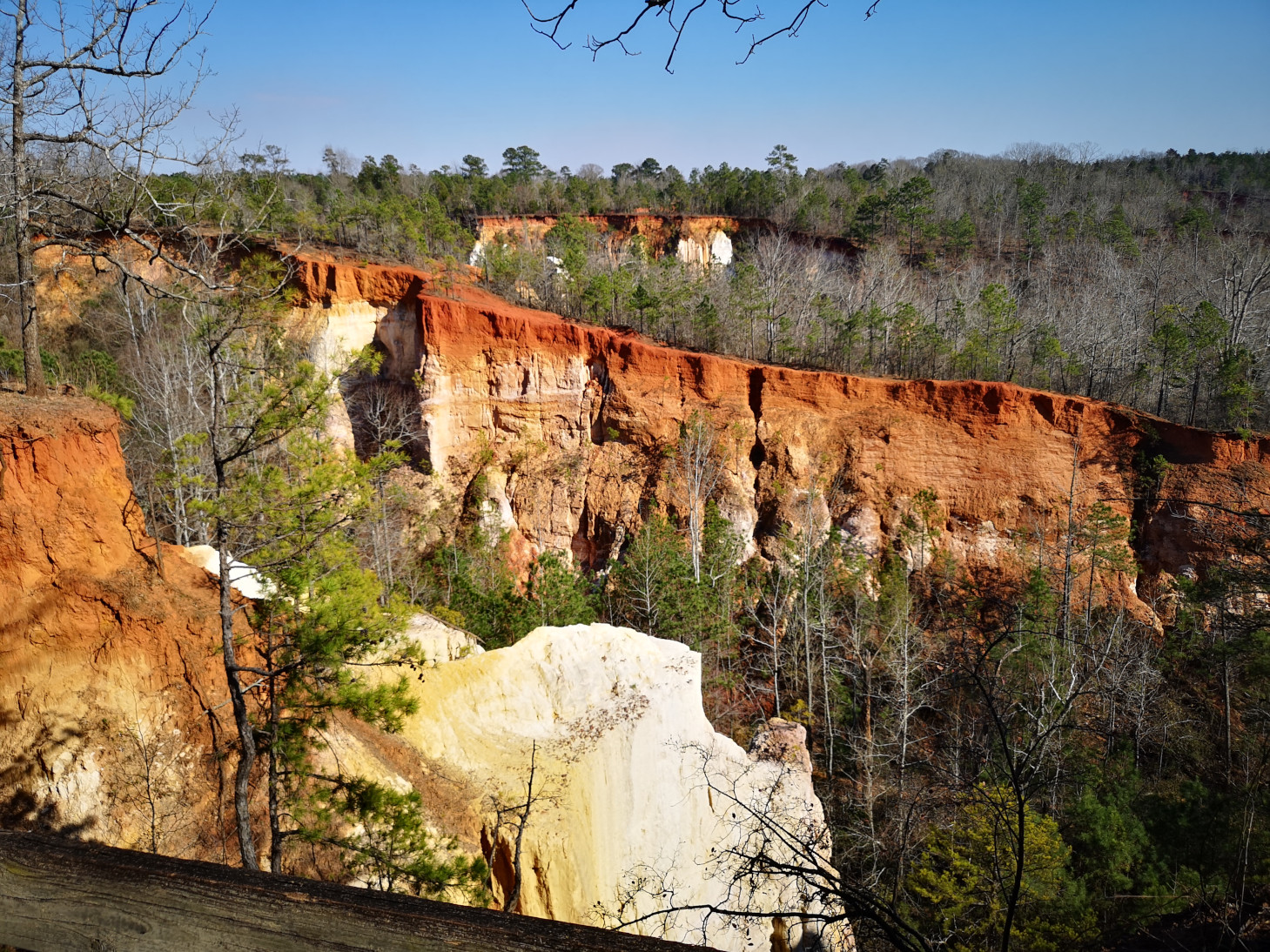
We will close this blog here as we have a several things to still cover to end this round of our Georgia stay, and it seems fitting with such an awesome place as Providence Canyon😉
 Joel & Sharon
Great photos and really interesting landscapes, flora and …..alligators again! Don’t you think the anhinga is similar to the cormorant??? The kolomoki mounds are definitely reminiscent of Mexican indigenous mounds, as well as the artifacts. This was really interesting – never thought that those peoples were migrating. Of course they were! 😀
I very much enjoyed this post!!
LikeLiked by 1 person
Absolutely Ella, we thought it was a Cormorant that was swimming strangely and then learned that Anhingas swim like a snake head swimming out of the water which is what differentiates them from Cormorants. Learn something new every day😉
LikeLike
Interesting geology of the park. I guess in a couple hundred years, the canyons will all erode and join into a big depression.
LikeLiked by 1 person
Could be Danny. It would be interesting to know how much of the canyon walls washes away after every big rain storm.
LikeLike