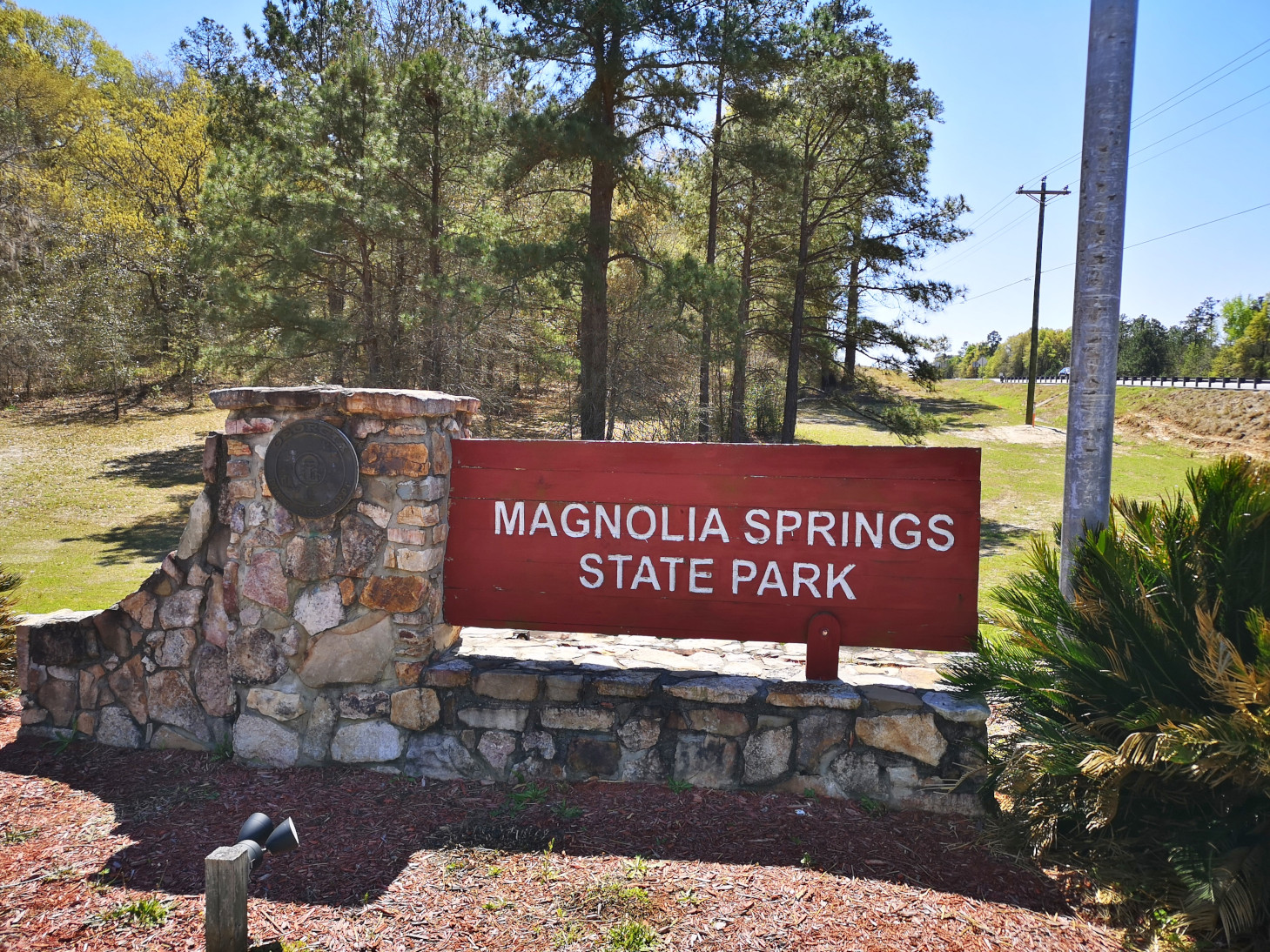
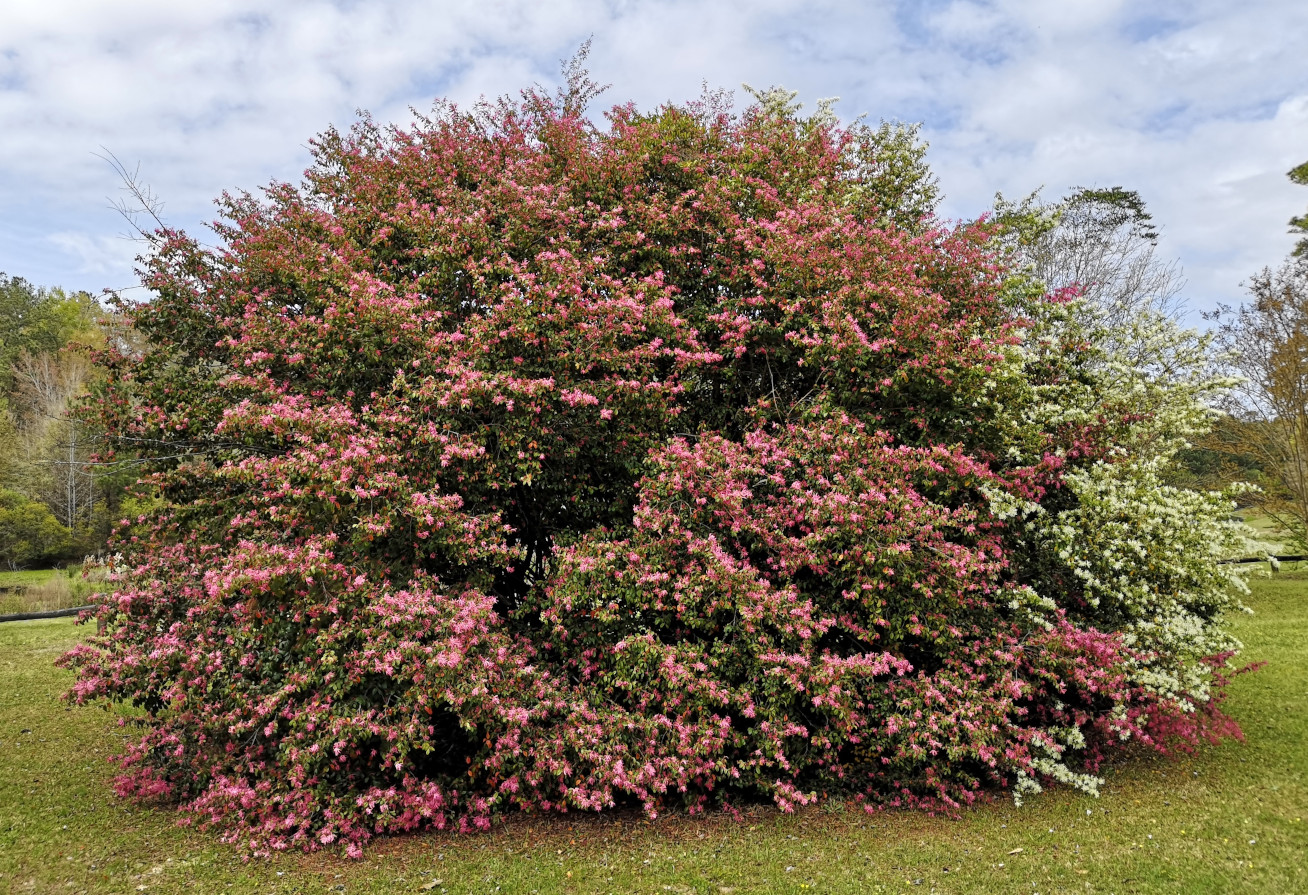
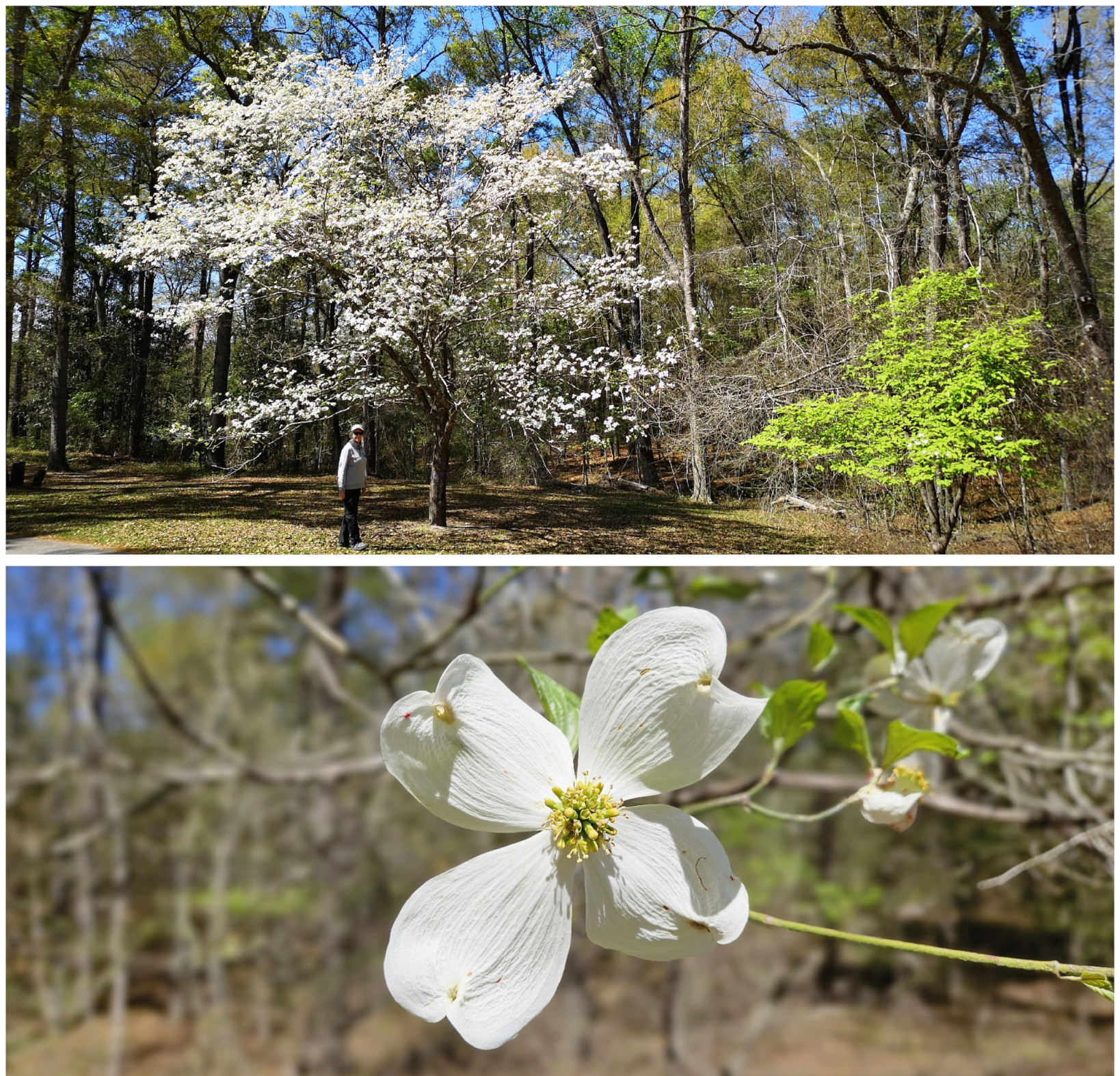
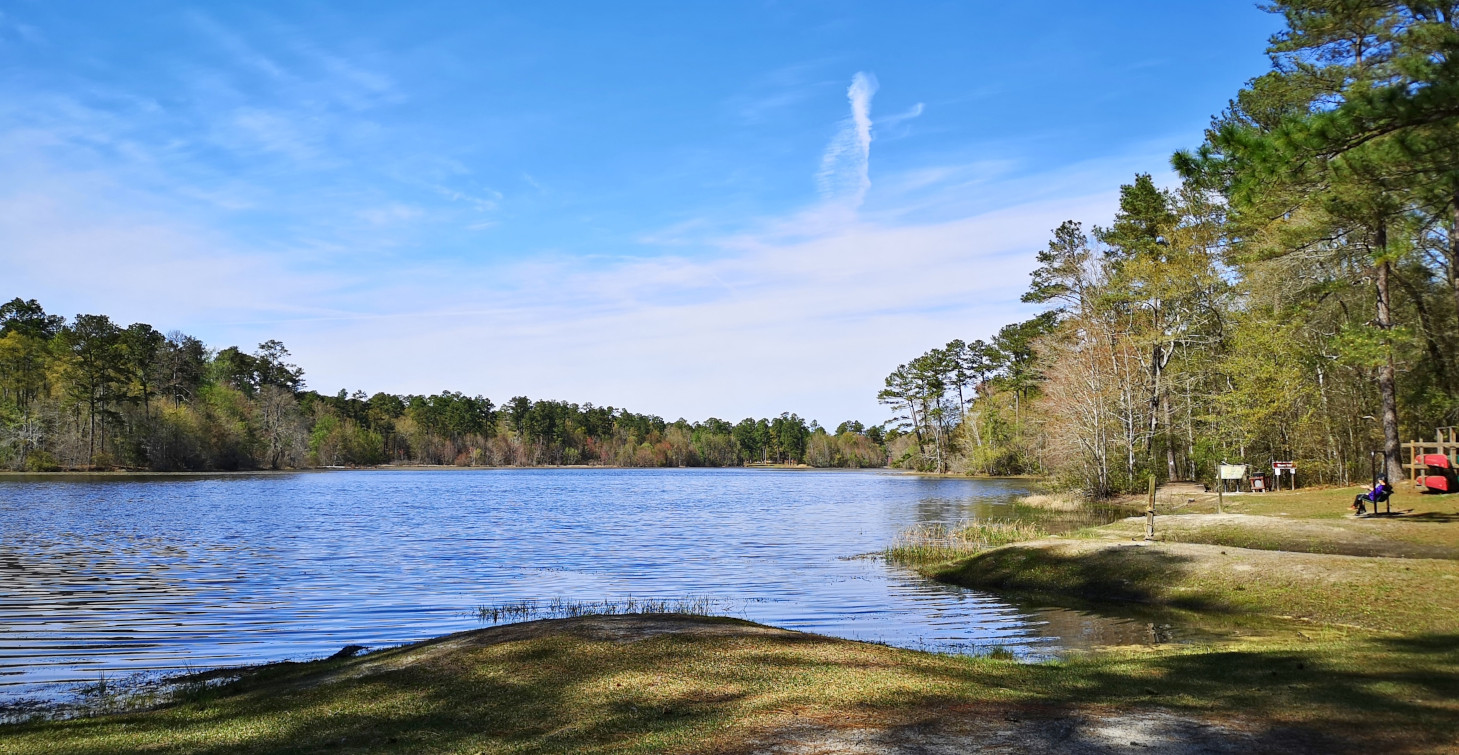
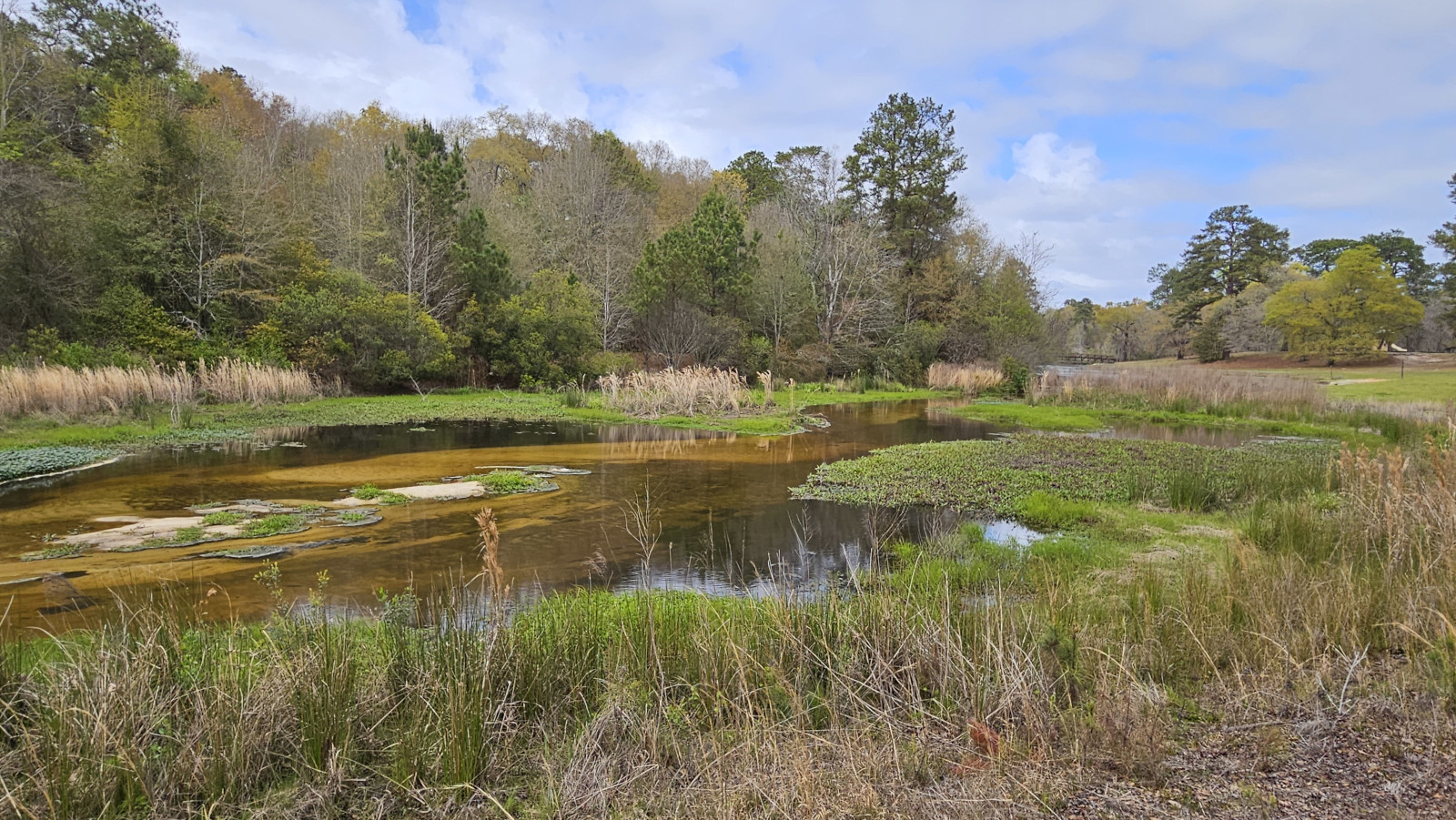
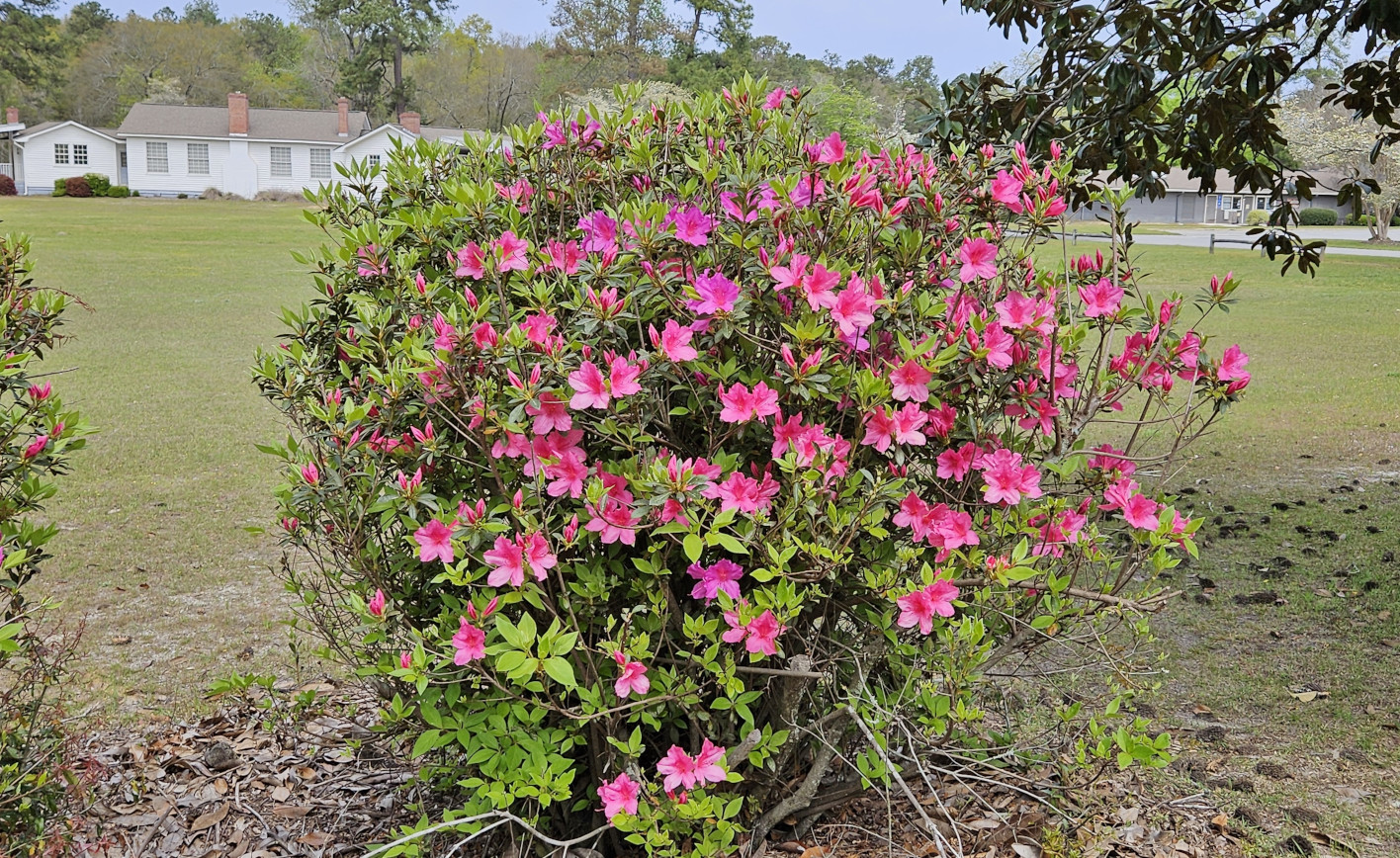
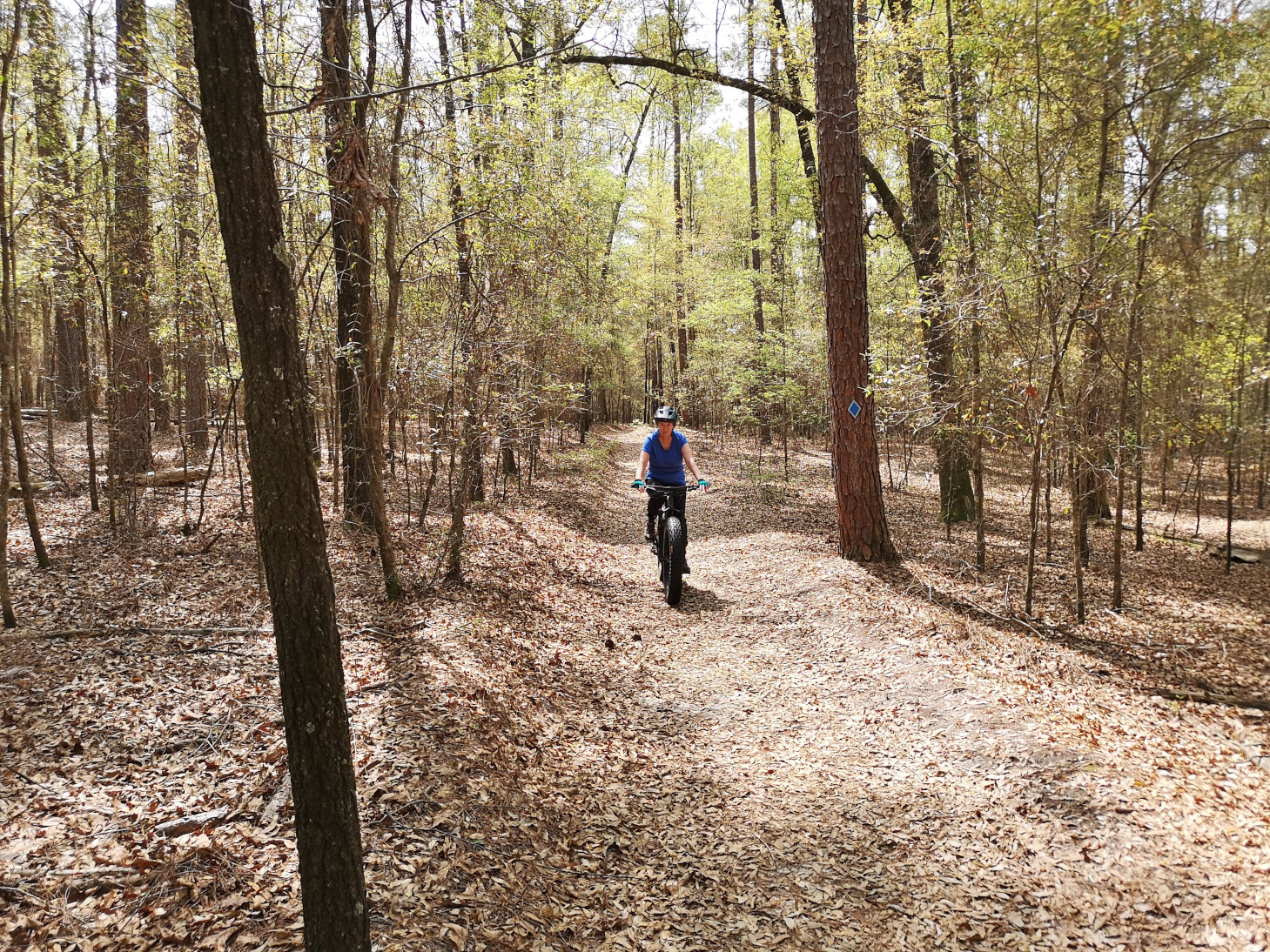
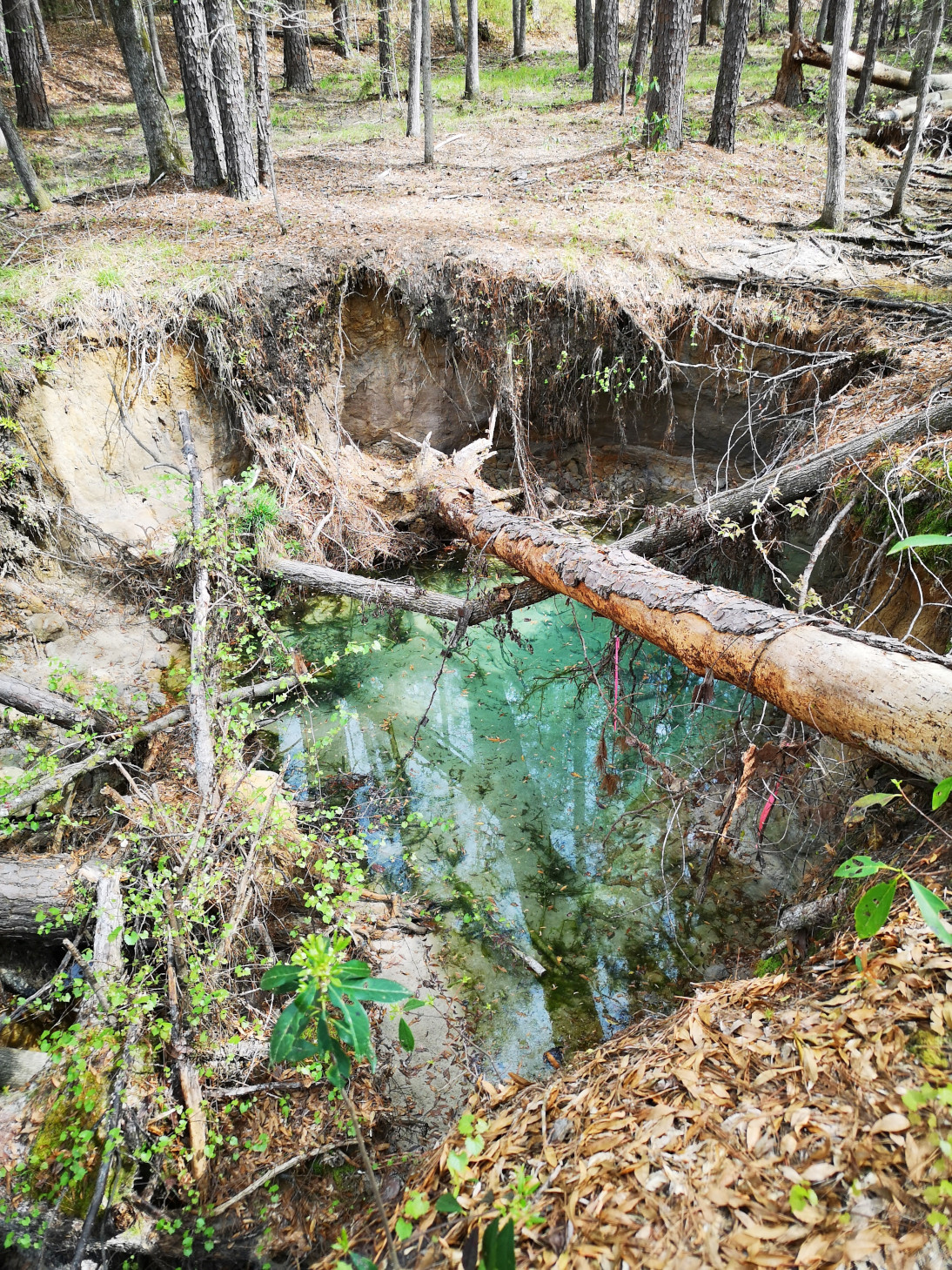
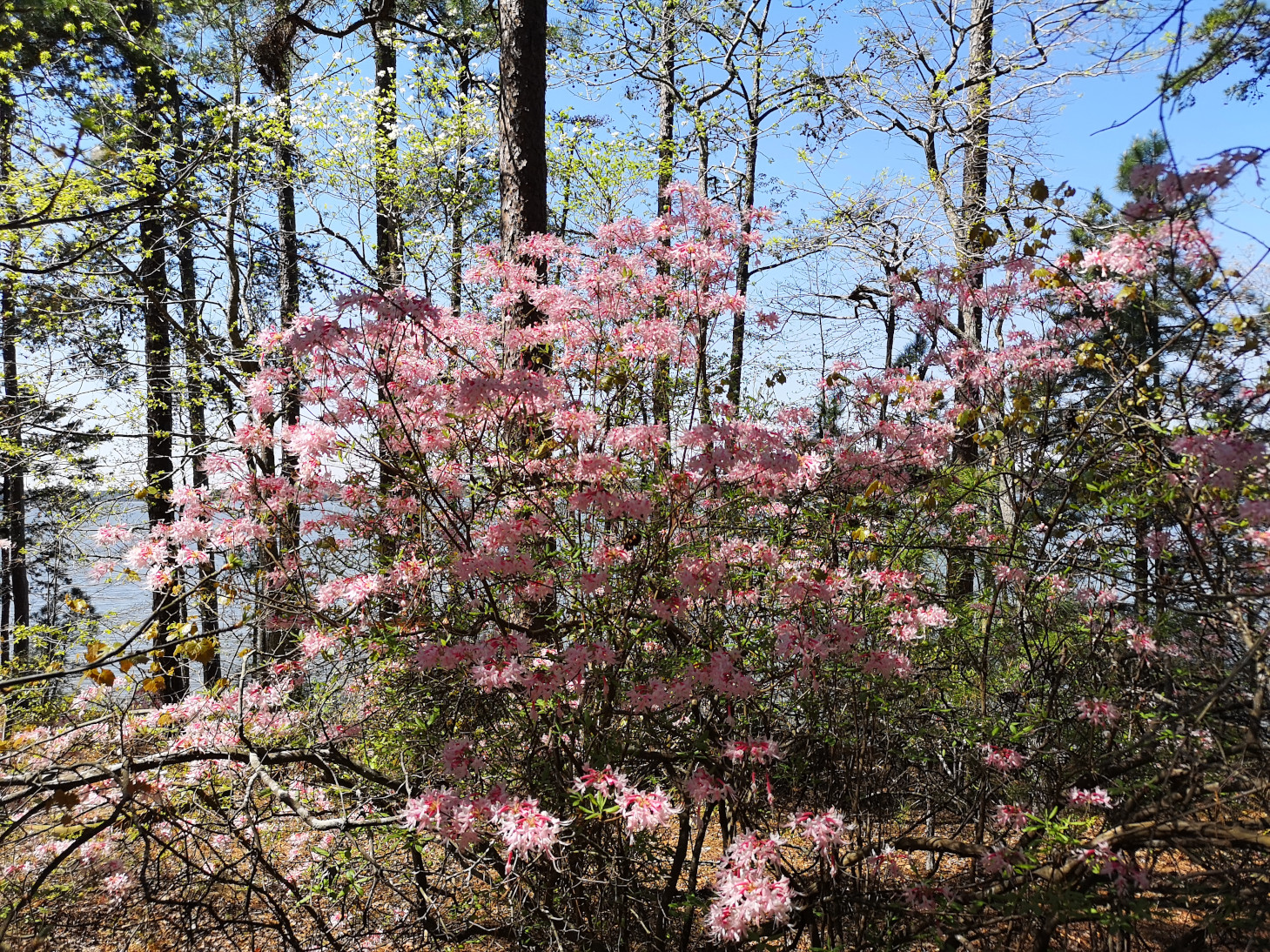
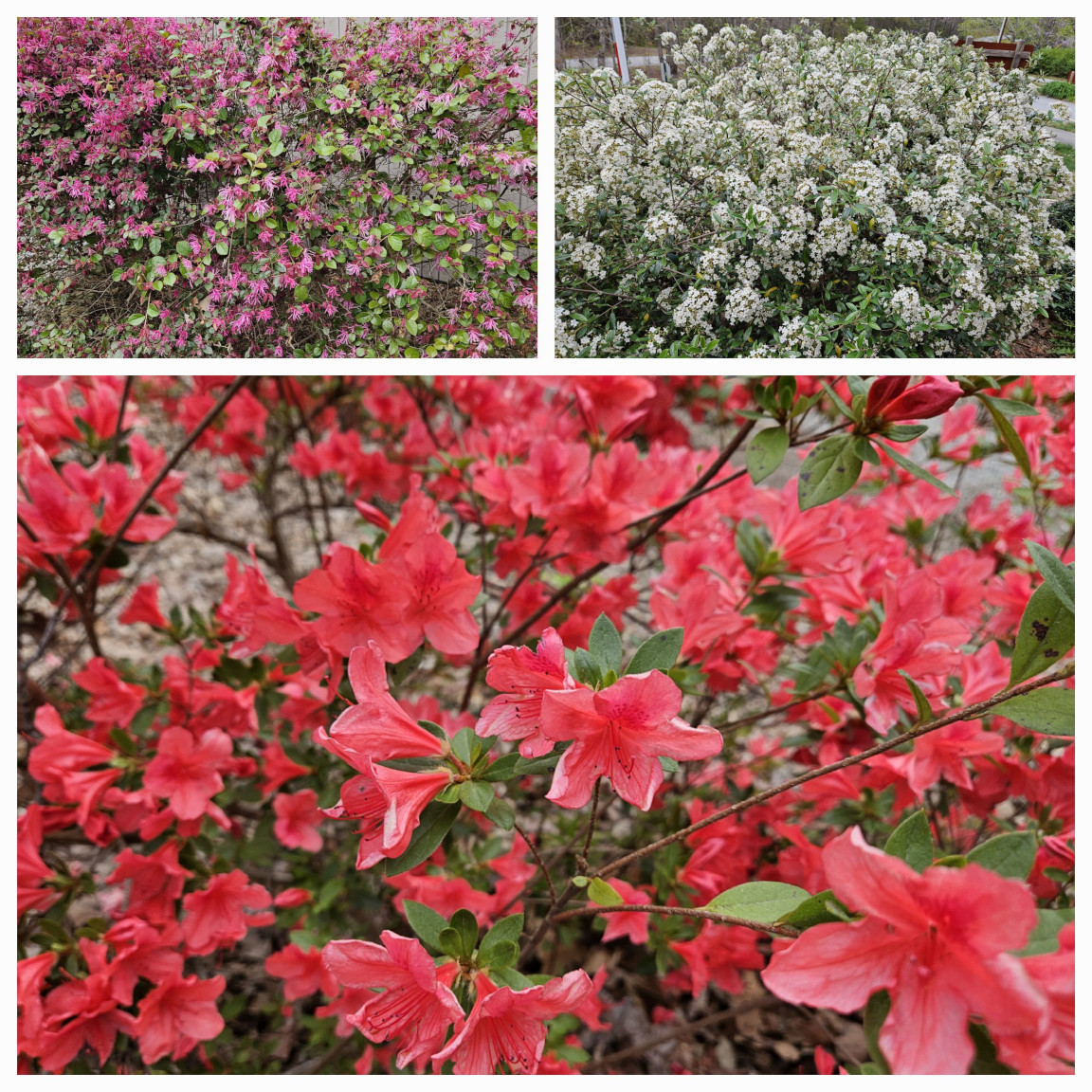
We did a little backtrack to get to Magnolia Springs SP where we were greeted with an entrance way of magnolia trees that weren’t in bloom yet, but the azaleas and dogwood trees were. This SP was absolutely perfect for our interests as it had hiking trails which you could also Mountain Bike on, tons of wildlife to see, and history with the Camp Lawton Museum and a self-guided tour. The park is 1,070 acres and was built by the CCC and opened in 1939. It is known for its crystal-clear springs and for its Civil War history with the Camp Lawton prisoner of war camp. The park only has 26 RV sites, so we were lucky to get a 4 night stay here. After setting up we went for a 6 km hike on the Beaver Pond and Lakeview Trails where we saw Magnolia Lake.
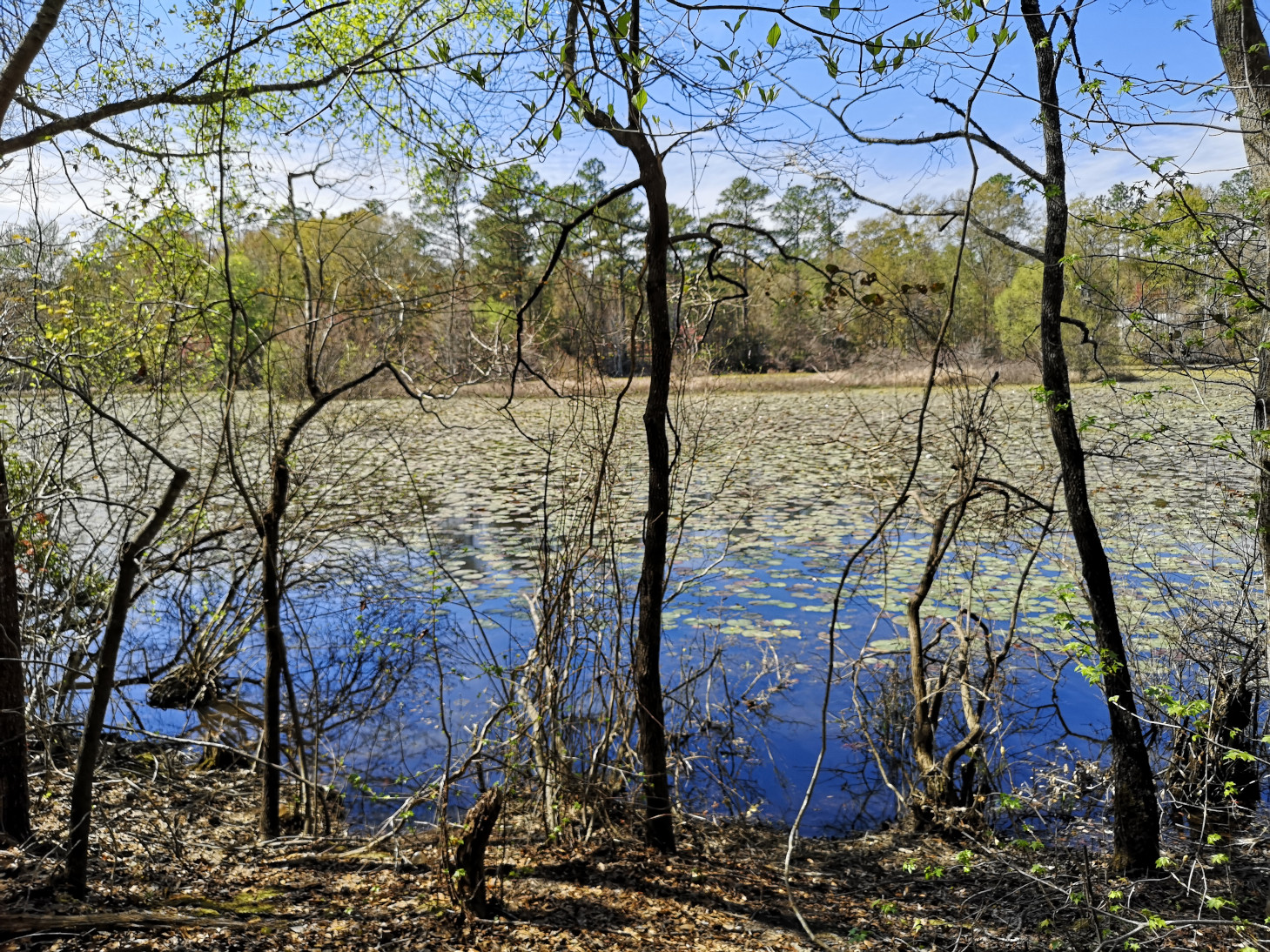
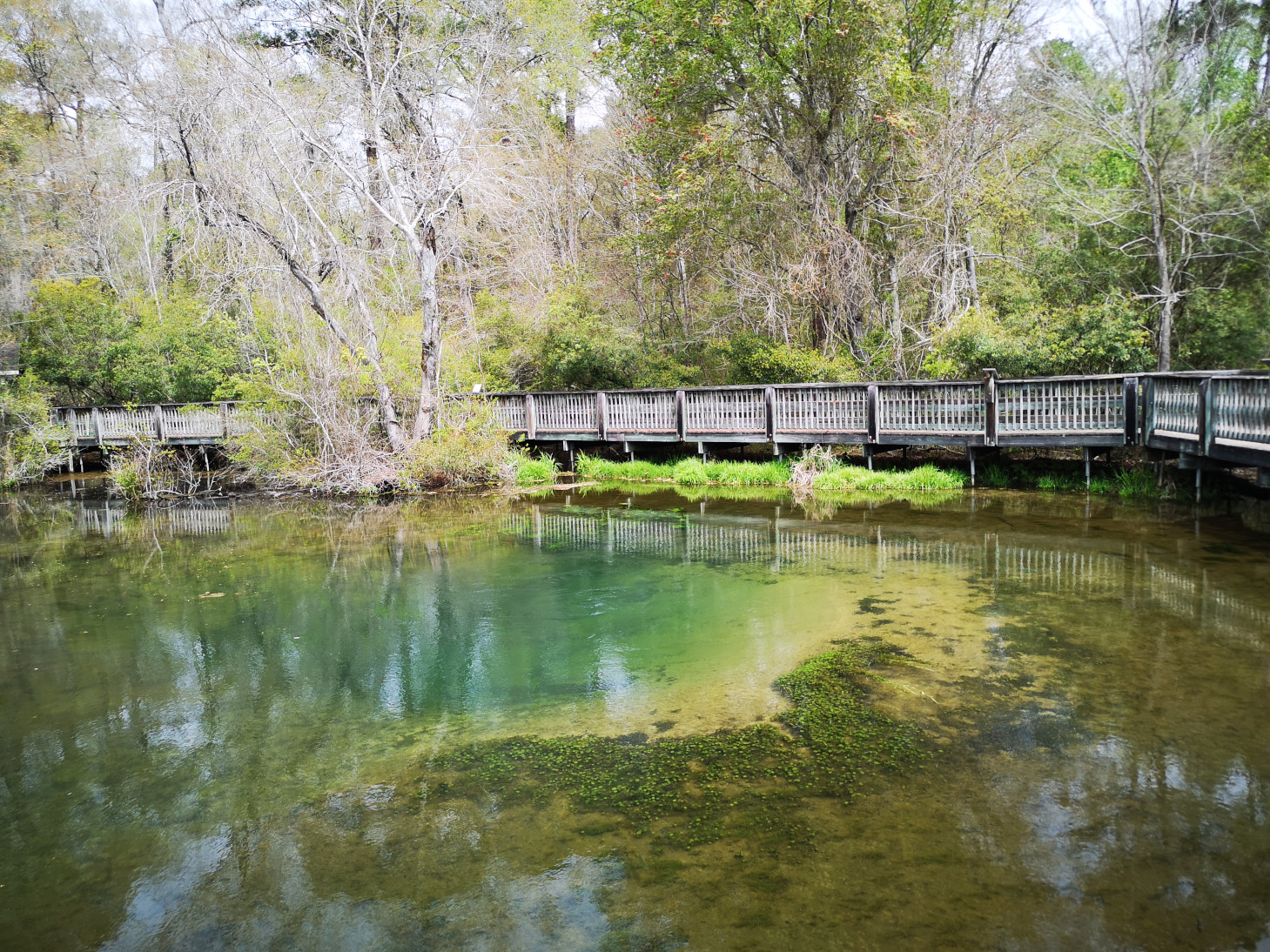
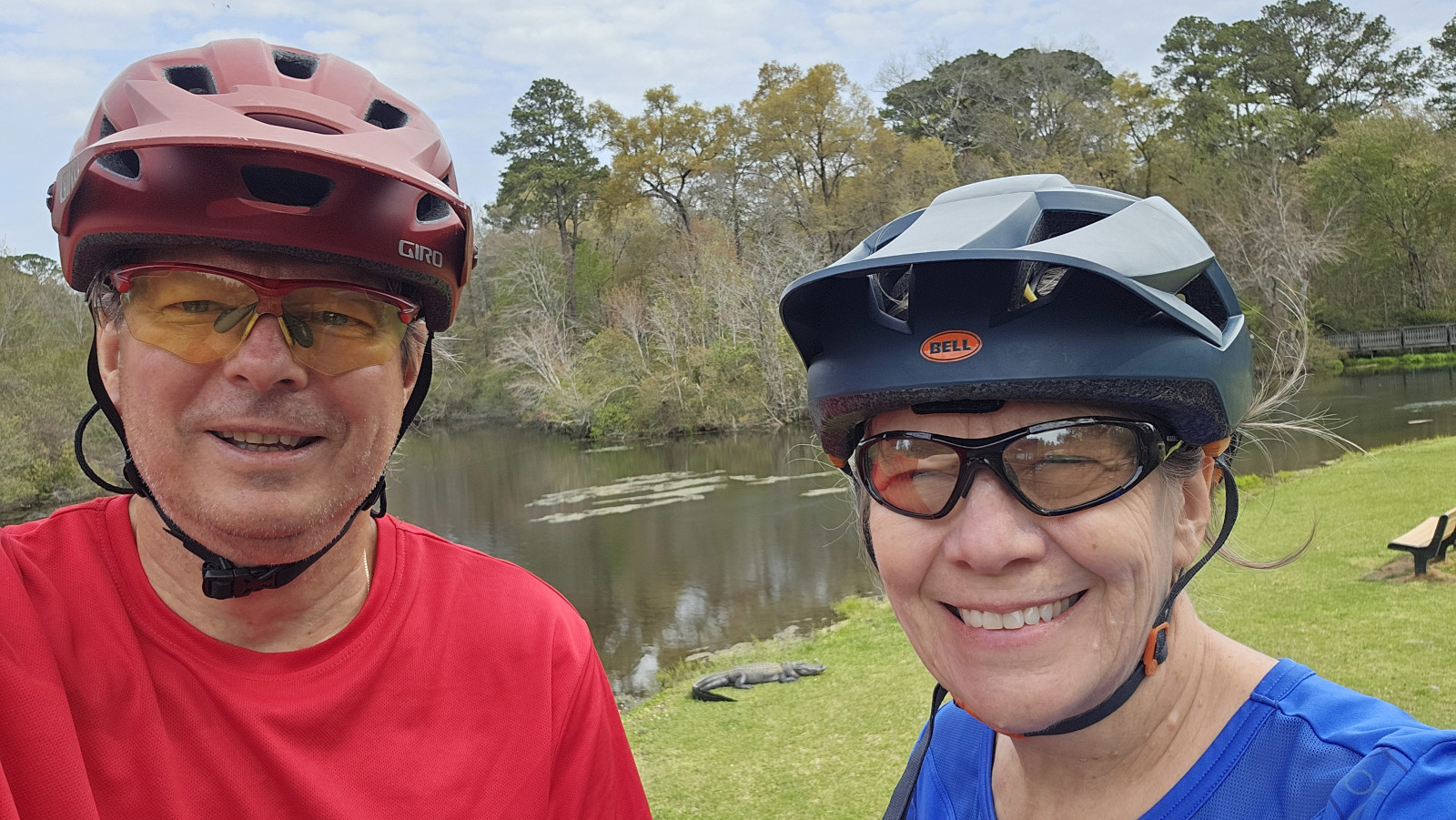
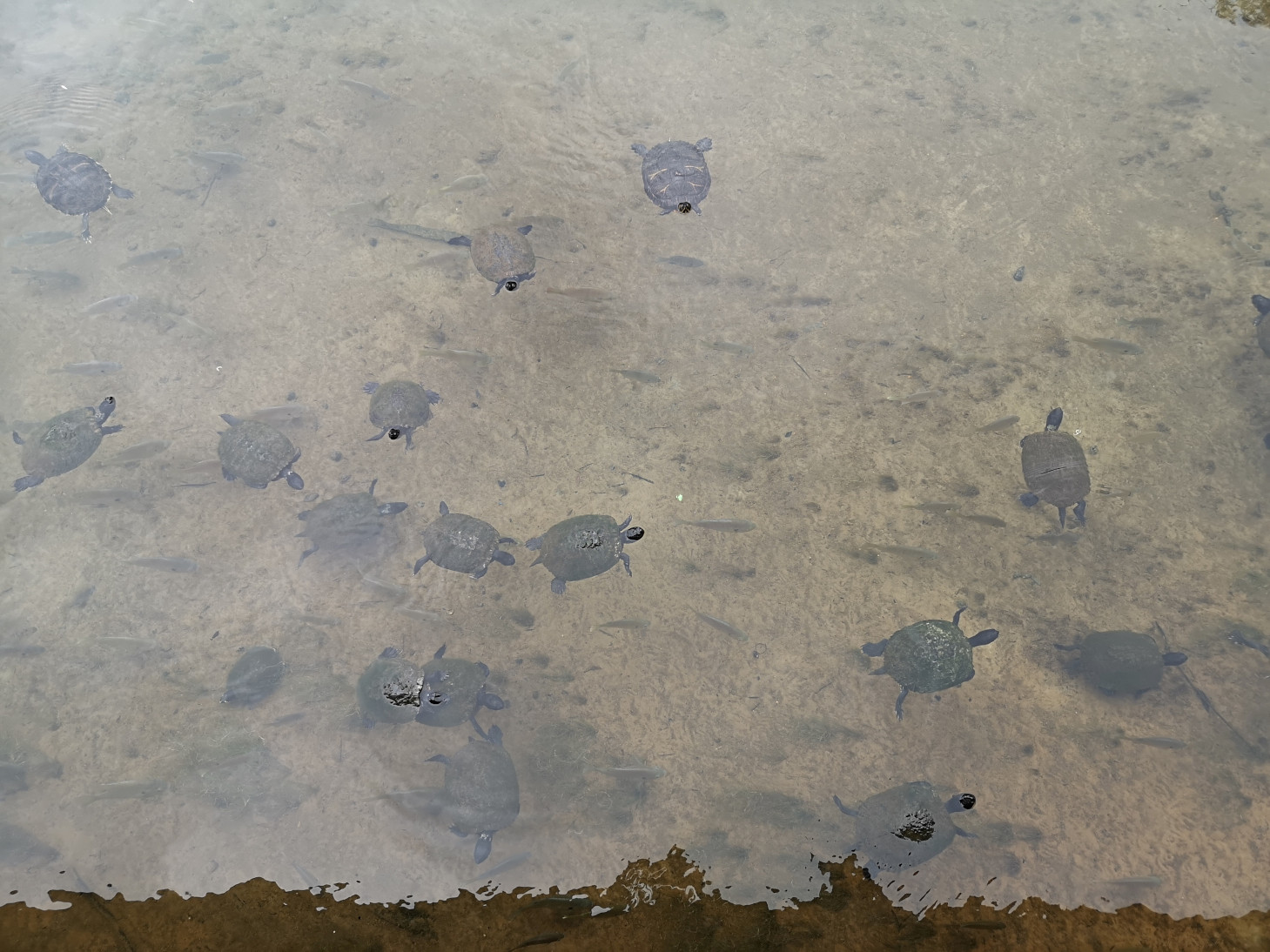
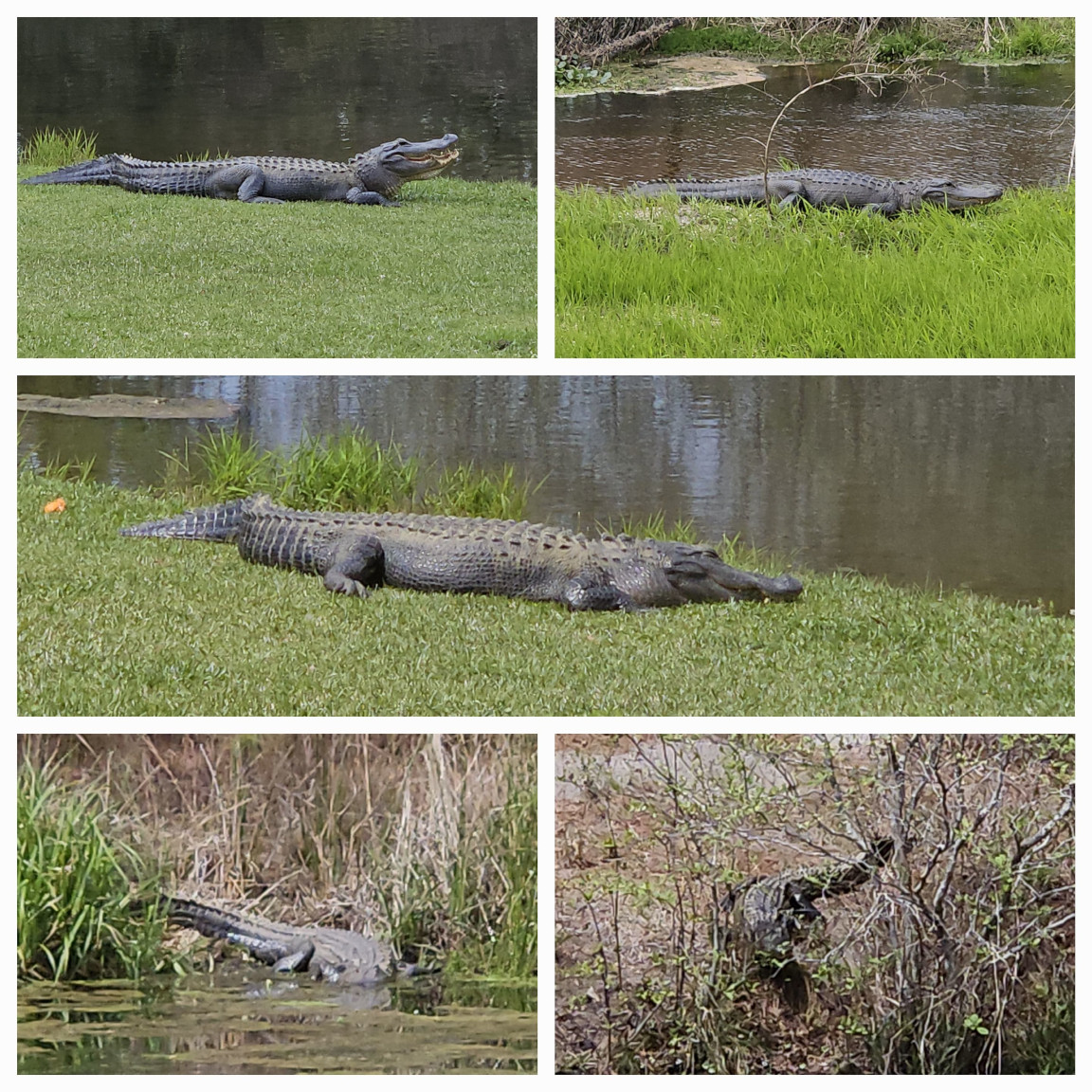
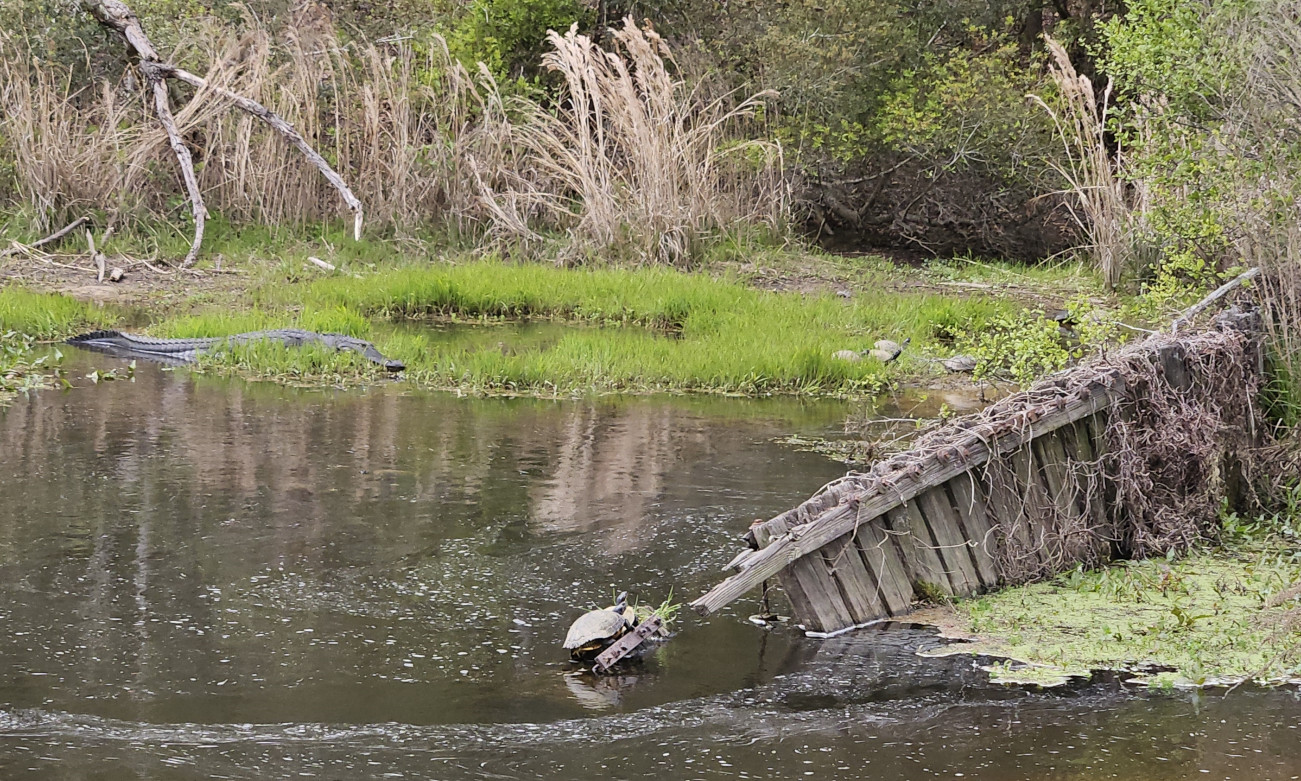
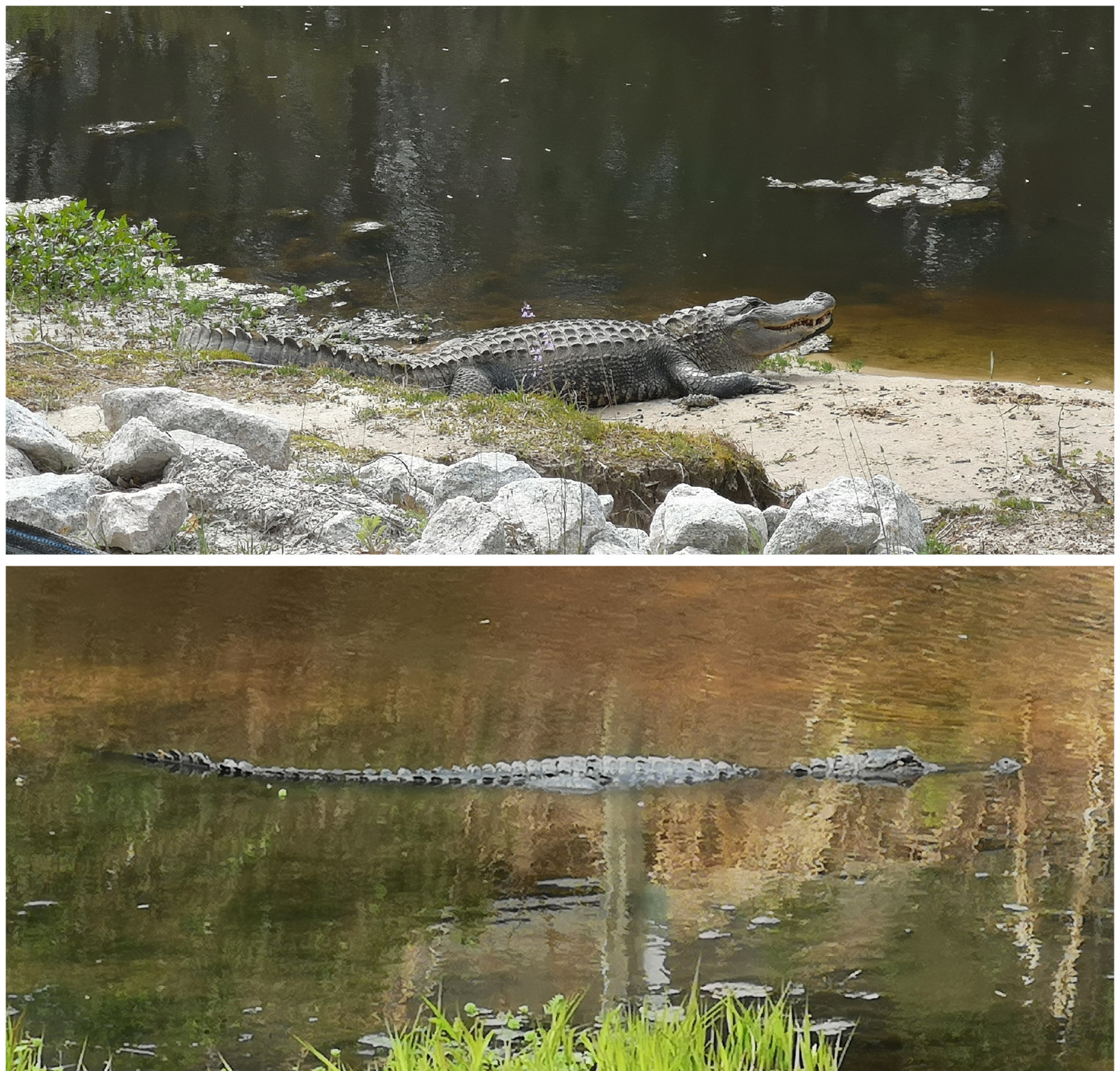
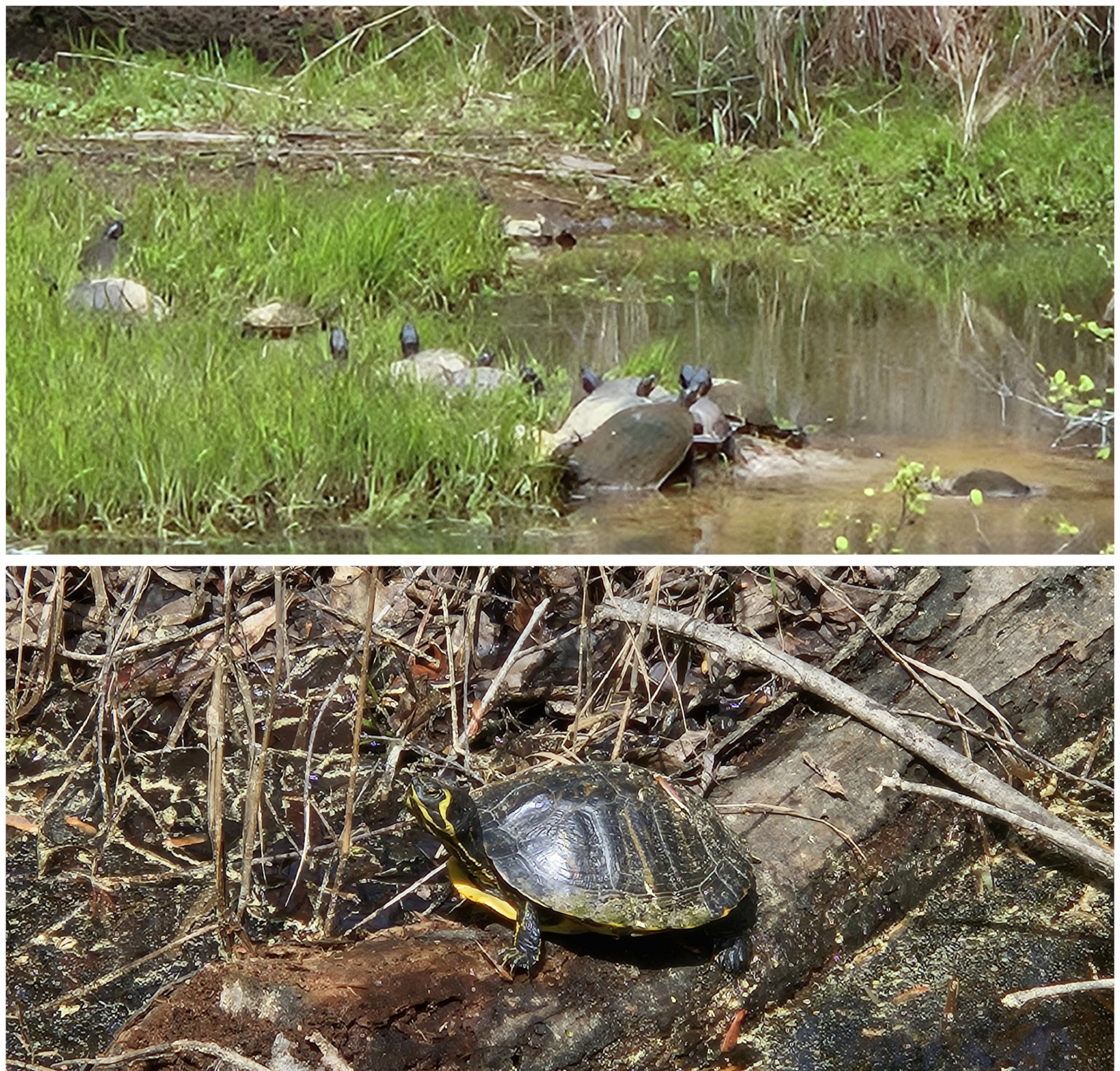
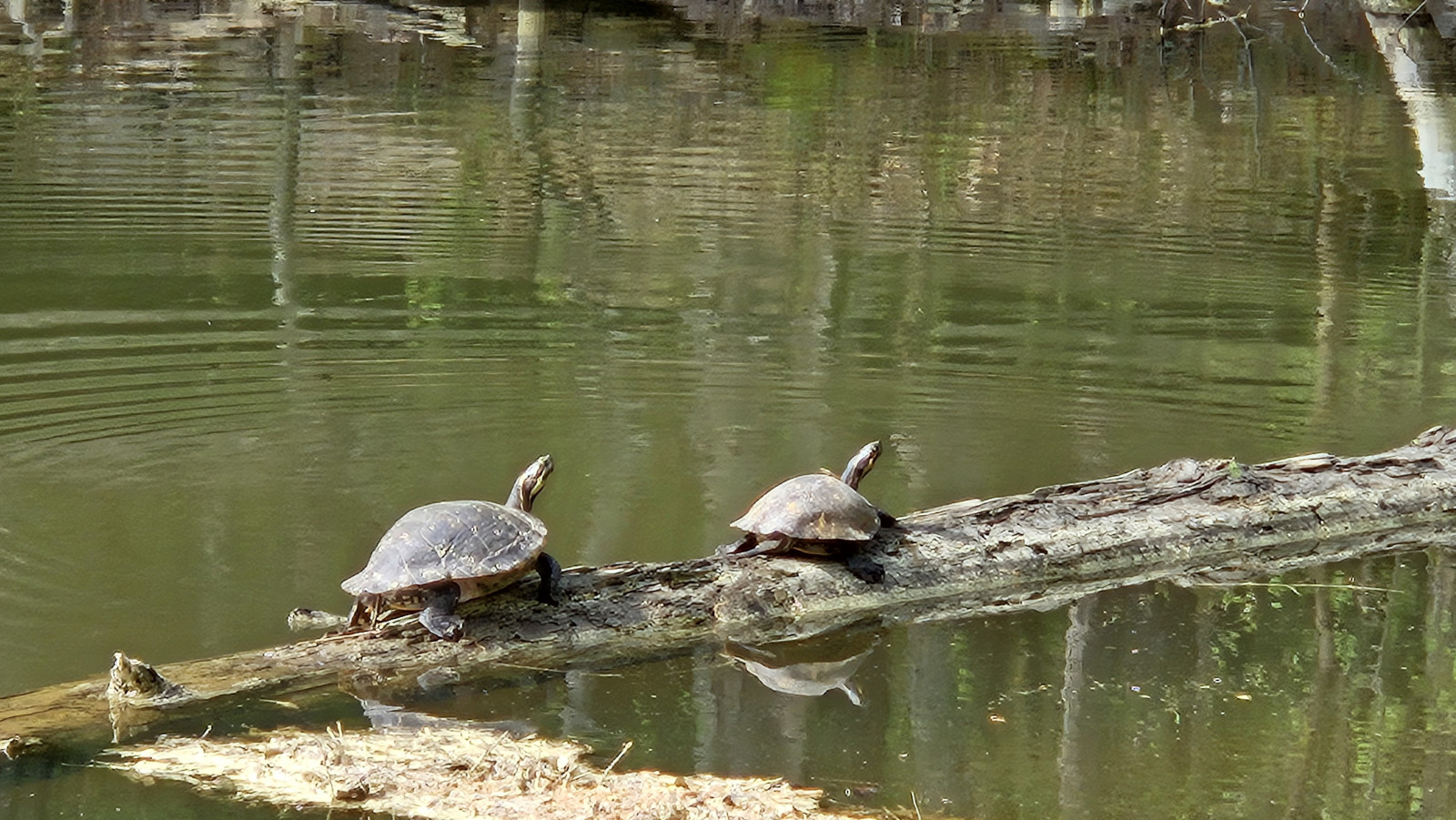
The next two days we biked around the park (11 kms and 12 kms) seeing lots of turtles, fish and alligators around the park’s namesake, a crystal-clear spring with a flow rate of 7-9 million gallons of 67 F water/day! People must feed the turtles because they came swimming towards us the minute we arrived at the boardwalk. At first, we only saw a few turtles but with each trip to check out the spring, more appeared. The same large alligator was camped out at the spring edge sunning itself. As we ventured down Buckhead Creek, we saw several gators on the shoreline and lots of other turtles catching some sun. The most interesting gator sighting was one in the water that looked like it snapped up a turtle, then went ashore to relax after lunch. Luckily, we caught it all on video. Here are a few fun facts about alligators:
- The name “alligator”” means “the lizard” and comes from the Spanish word “el lagarto”.
- Of the 20-60 eggs laid, only 1 in 5 will reach adulthood. The lifespan in the wild is about 50 years.
- Alligators are apex predators. When they reach adulthood there isn’t anything that can hurt them except other alligators and humans.
- Alligators constantly replace their teeth. They have 70-80 teeth at any given time and go through 2,000+ in a lifetime.
- The average male reaches 11 feet and weighs 790 lbs., the female 8 feet/575 lbs.
- You can estimate an alligator’s overall length by estimating from the tip of its nose to the eyes. If that distance is 8” then the alligator is 8’ long.
We definitely saw the most alligators of this trip in this park!
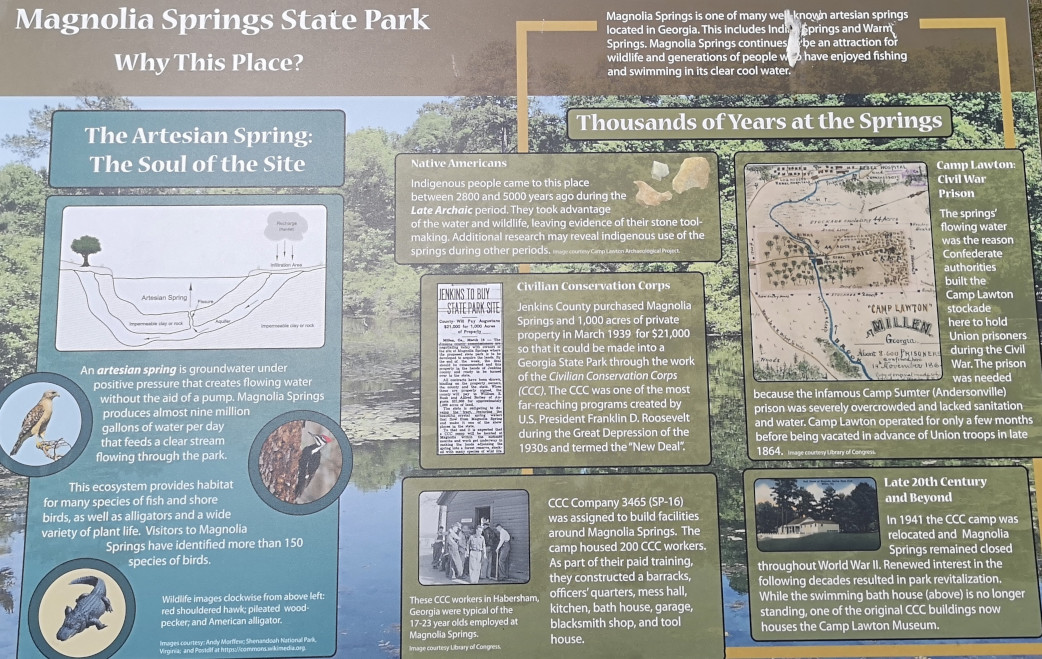
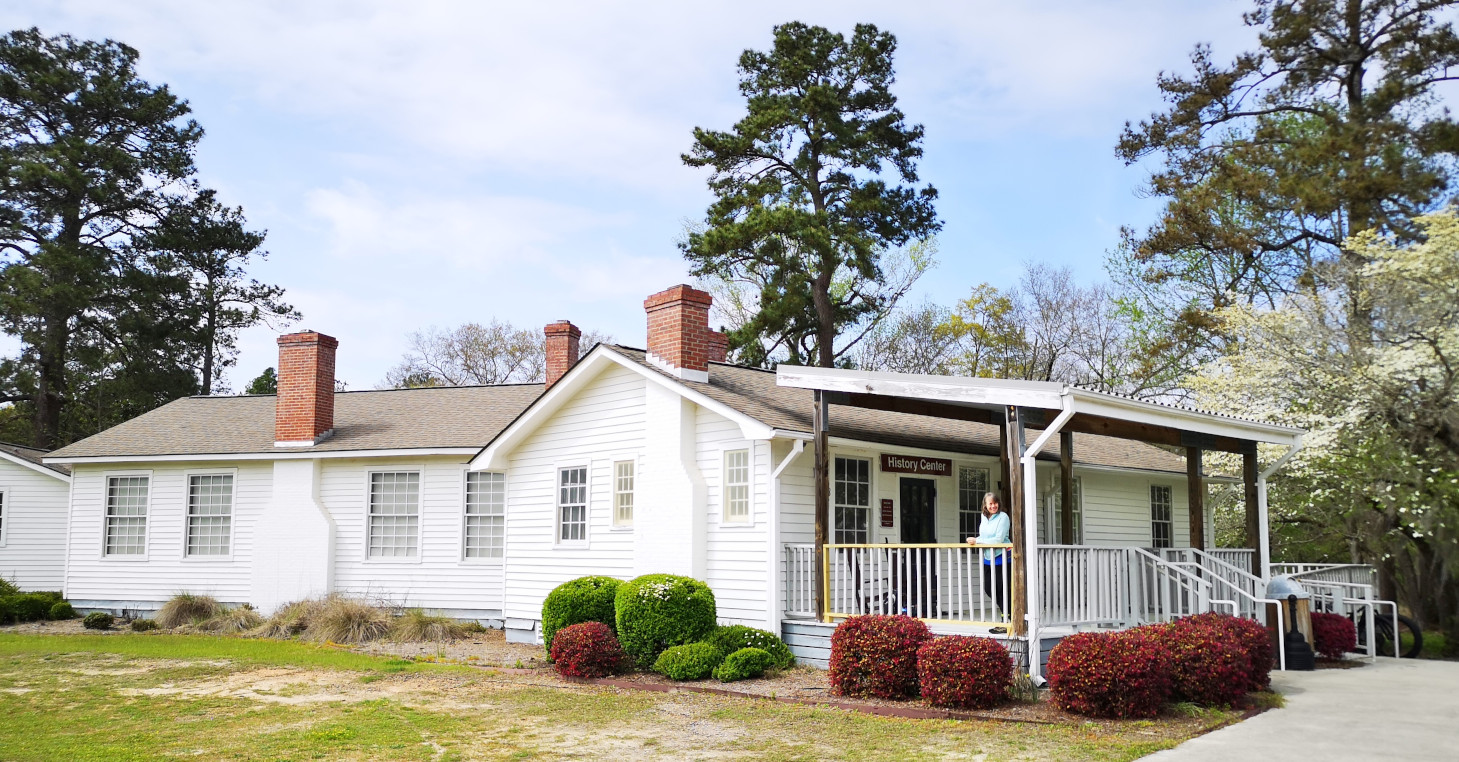
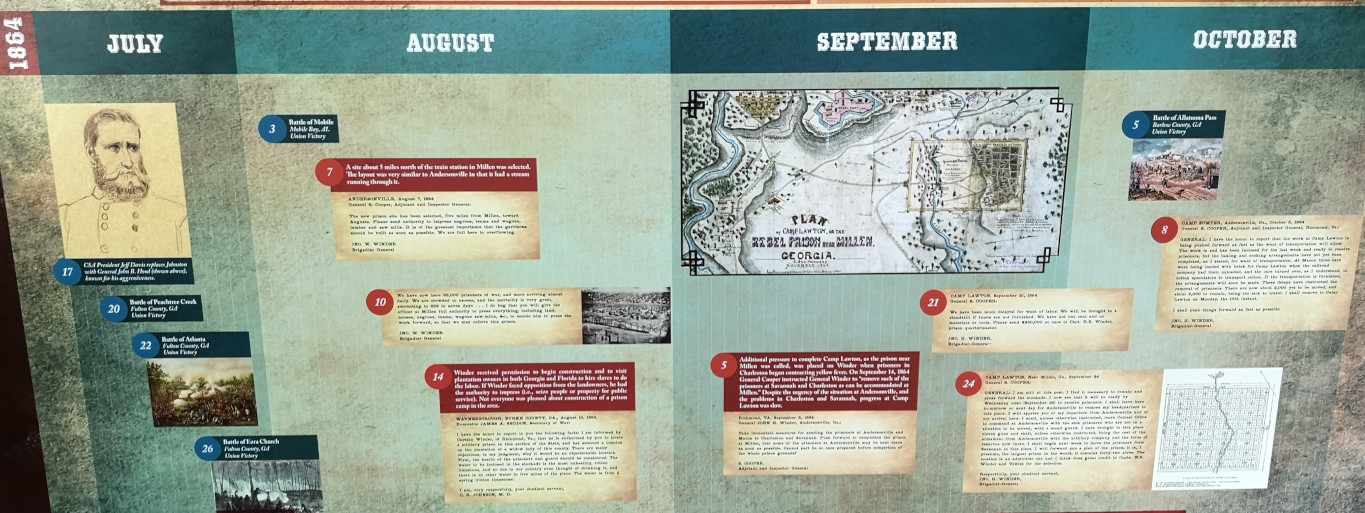
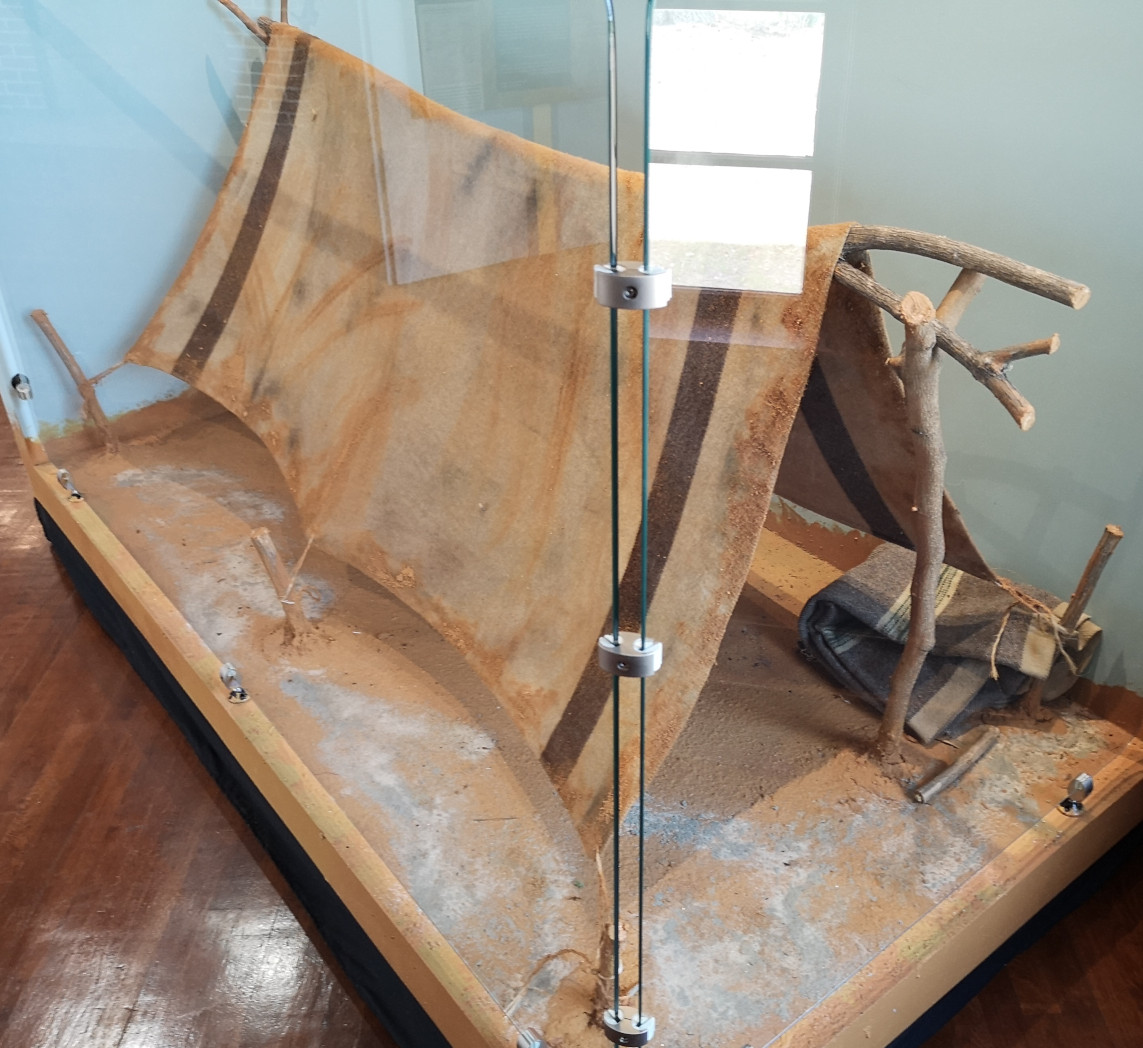
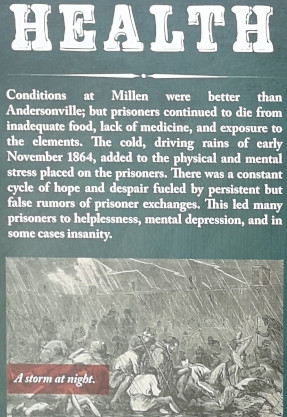
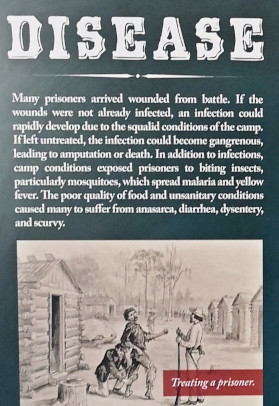
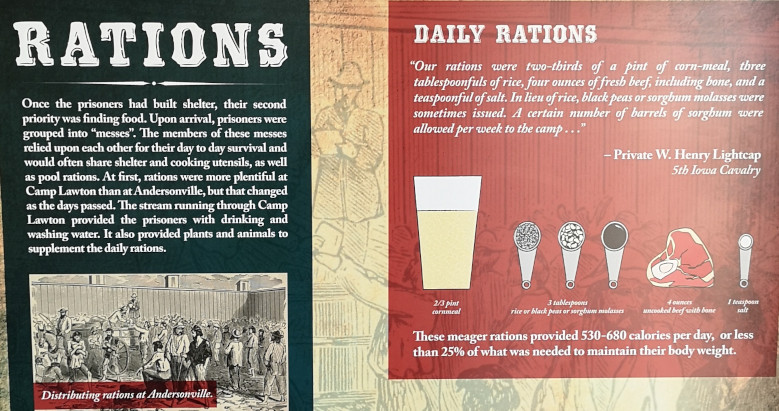
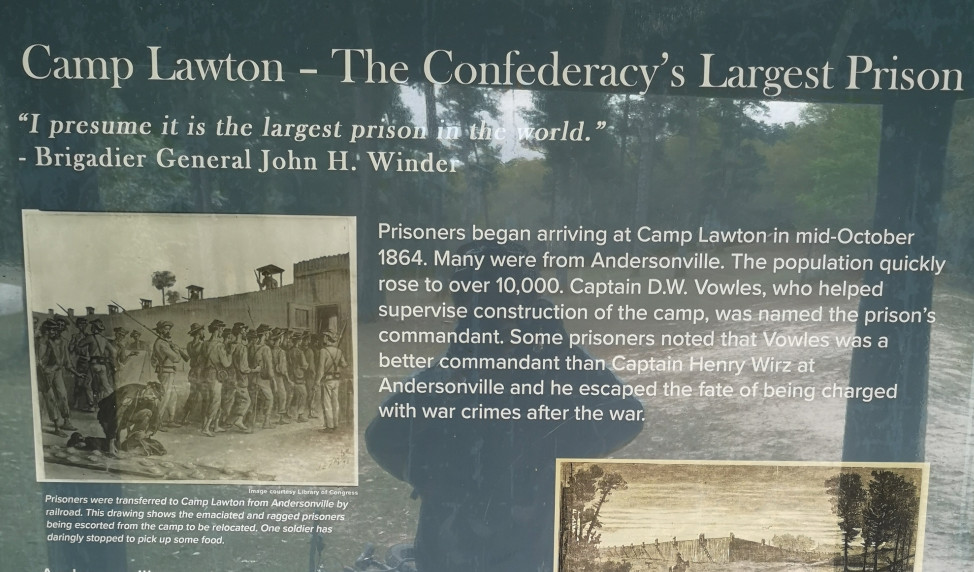
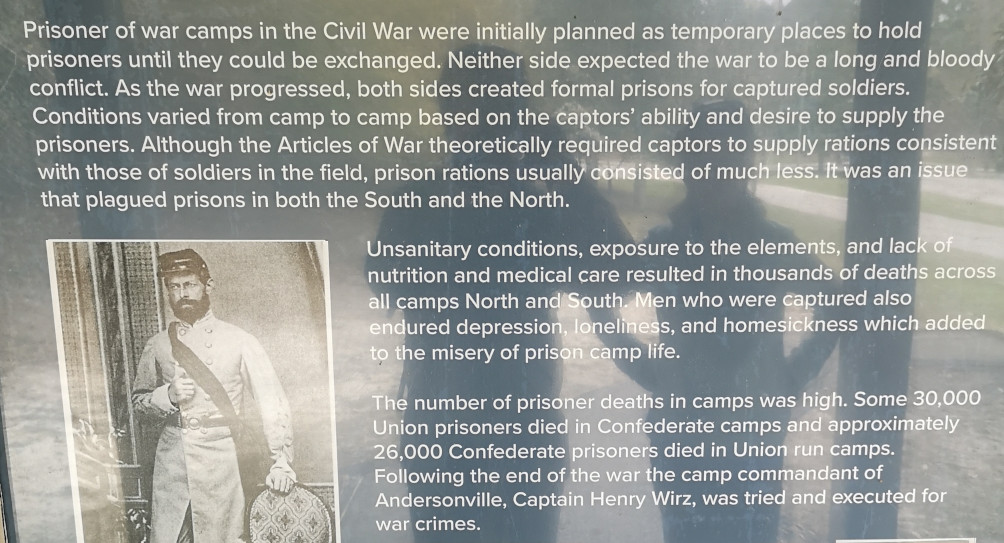
In addition to the wildlife, this park has some interesting history. You could get a key to go into the museum where we learned the history of Fort Lawton. For 113 days in 1864 the Confederate Army planned, constructed, armed, used and abandoned the largest prison in the world at that time (42 acres)! It housed 10,229 Union prisoners. It was built to help with overcrowding at Camp Sumter (26 acres) but when General Sherman began his “March to the Sea”, the prisoners were evacuated back to Camp Sumter for fear that Sherman would free them. The prison was never used again. They liked this location because of the spring water. They said, “this gave the prisoners a sanitary location to collect drinking water, bathe, and use the latrine.” I sure hope the latrine usage was far away from the drinking water! In the museum there was one sign board (slide included) that described the US election in November of 1864, and I was struck by how the Republican and Democratic platforms seemed almost the opposite of today.
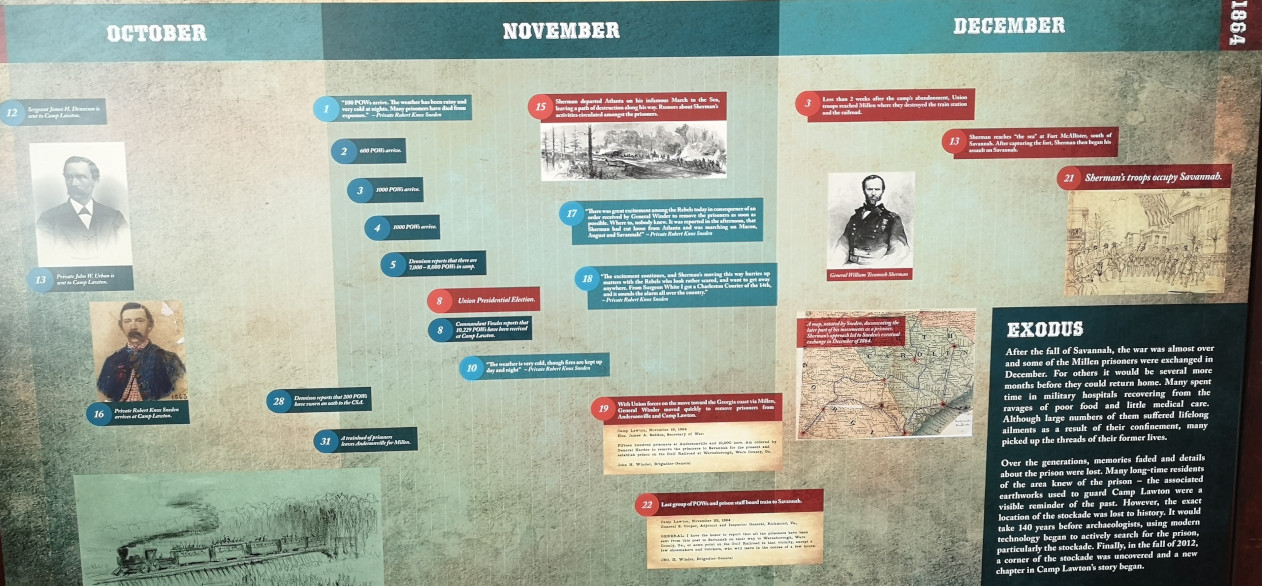
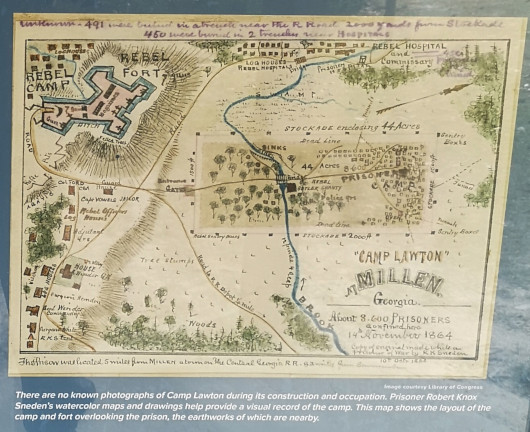


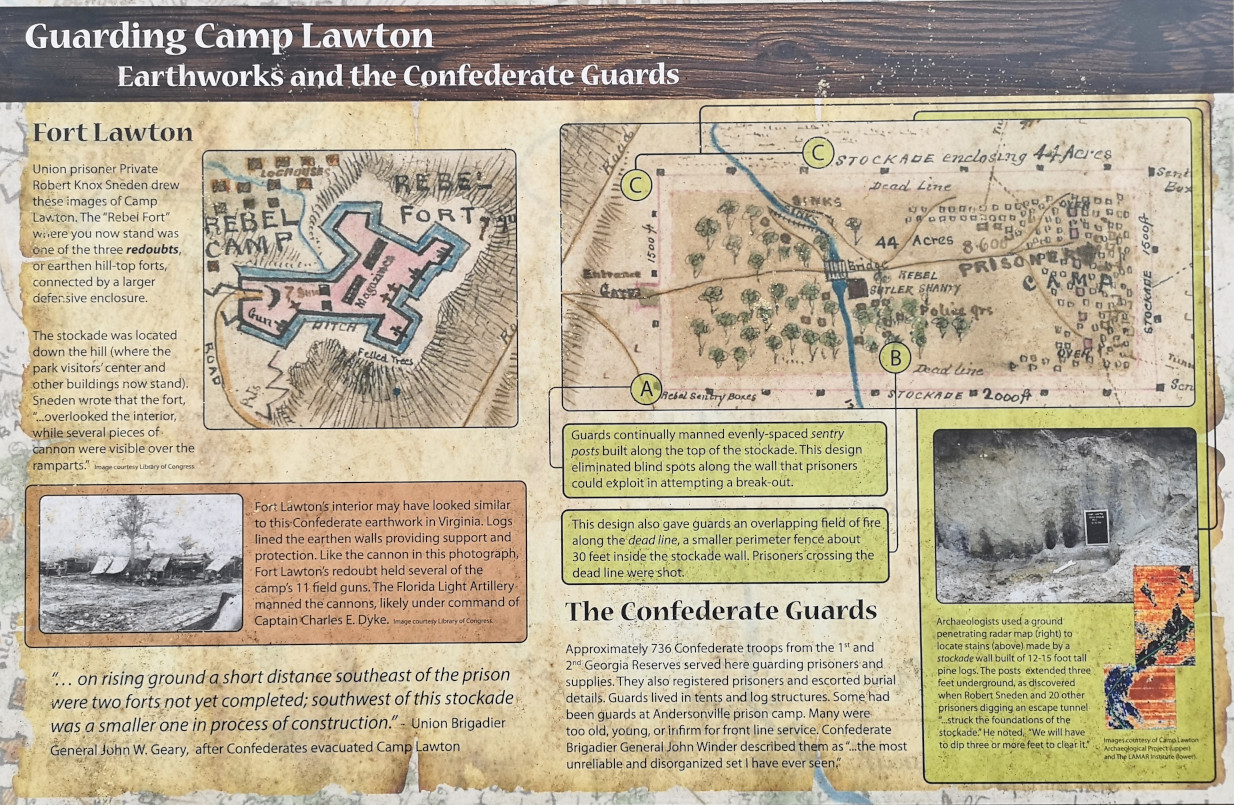
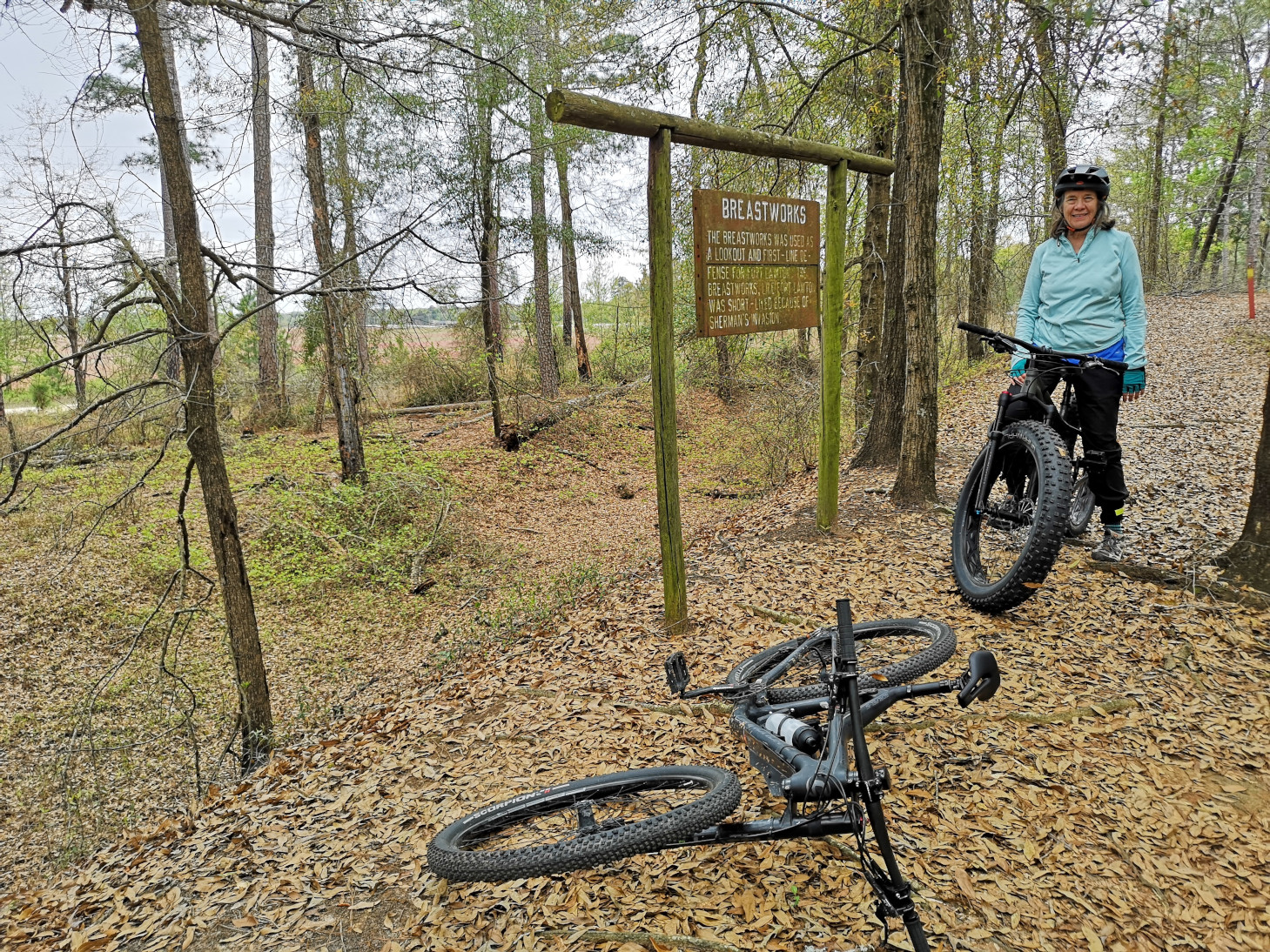
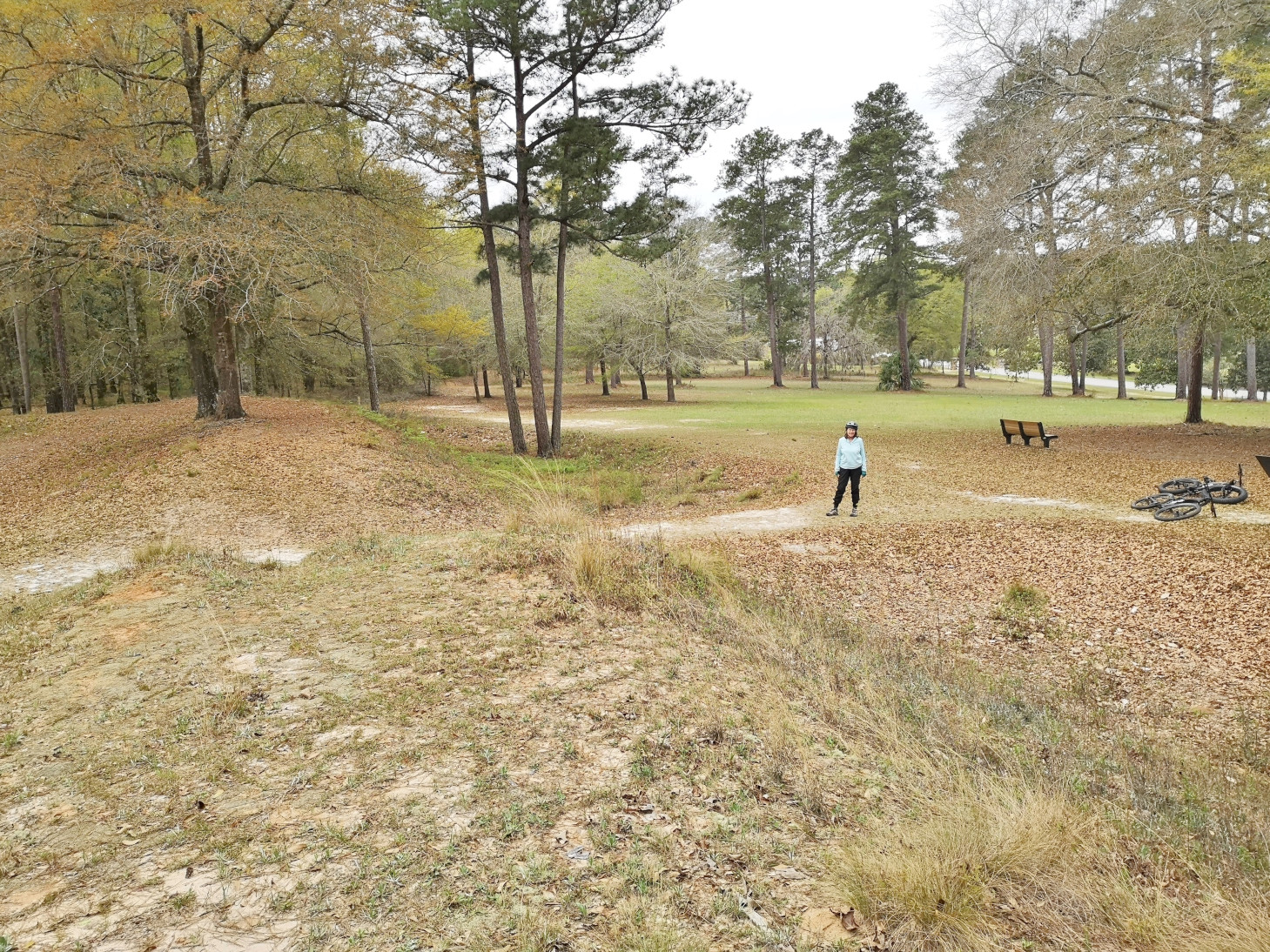
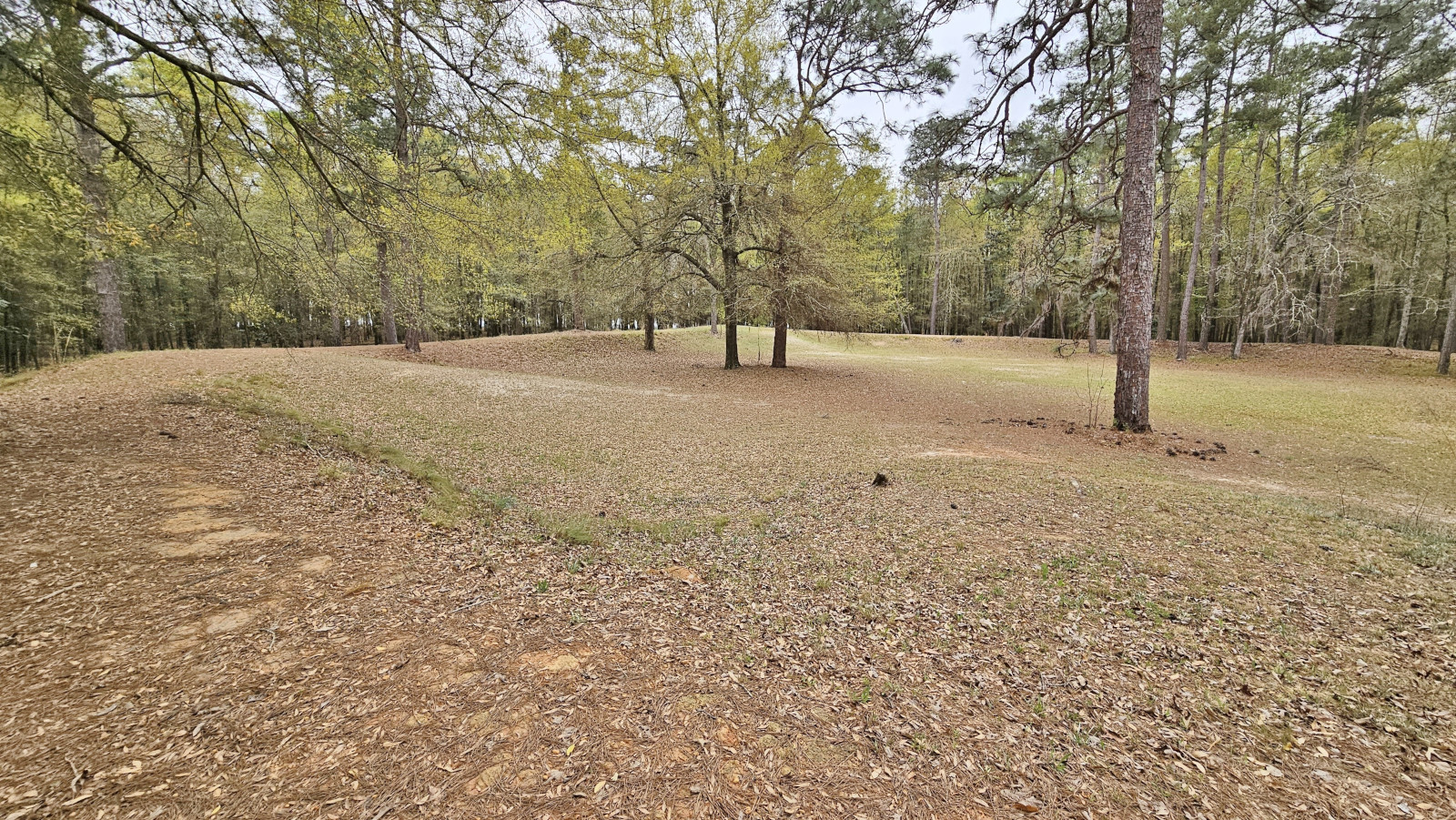
We rode the Camp Lawton Historic Self-Guided Trail, where you can see part of the Breastworks guard area and the original Earthworks fort. The elevated positions allowed the guards to watch for oncoming attacks or for prisoners’ attempted escapes. The archaeologists used ground penetrating radar to survey the area and actually found a tunnel the prisoners had attempted to dig but they didn’t dig it deep enough and it hit the posts from the fort’s stockade walls. In the Confederate guard barracks area, they have unearthed nails, ceramics, bottle glass, belt buckles, and a hammer for a musket. Due to a lack of soldiers, the Confederates used inexperienced teenagers and older men as the guards for Camp Lawton as they both weren’t fit for regular duty. The Earthworks fort had 7 cannons strategically placed around the walls. The CCC actually cut an entrance in the earthworks walls so visitors could enter and walk around the fort area.
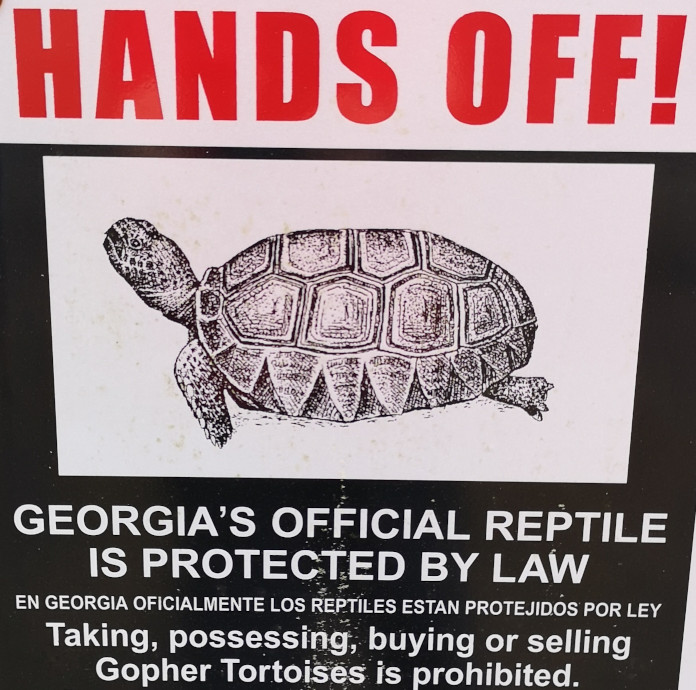
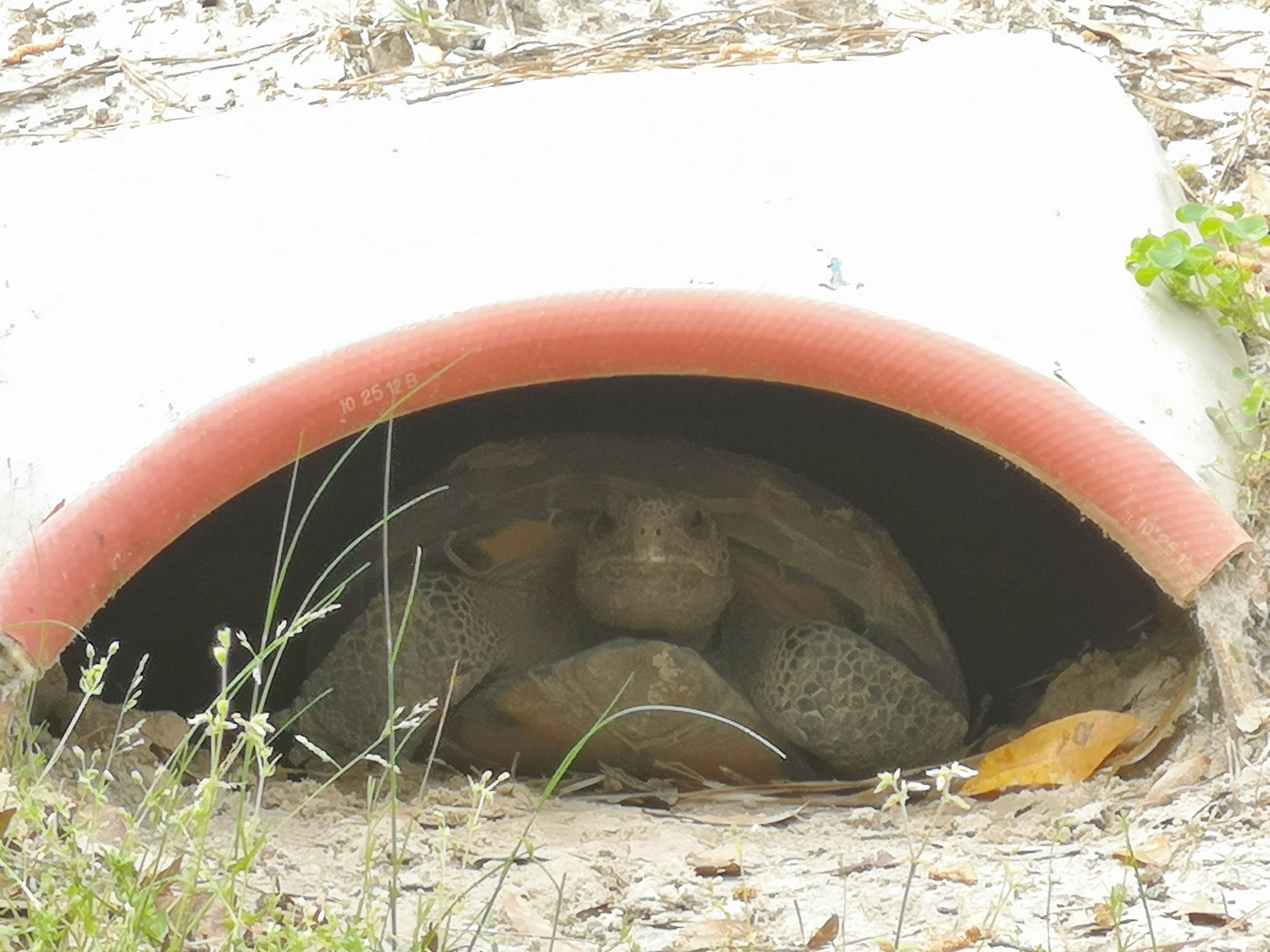
A Ranger told us about their resident Gopher Tortoise as well as where we might see one in the wild. We found the home of the wild gopher tortoise, but it wasn’t out. Some fun facts about Gopher Tortoises:
- Their burrows are 20 to 30 feet long and 6 to 8 feet deep. The burrows provide homes for more than 350 species of wildlife so they are a key stone species in their native habitat.
- They are land animals and cannot swim.
- They live from 40-80 years.
- They are protected in Georgia (although listed as federally threatened) and are considered endangered in South Carolina and Mississippi.
- They eat so much greenery that they get most of their water from those plants.
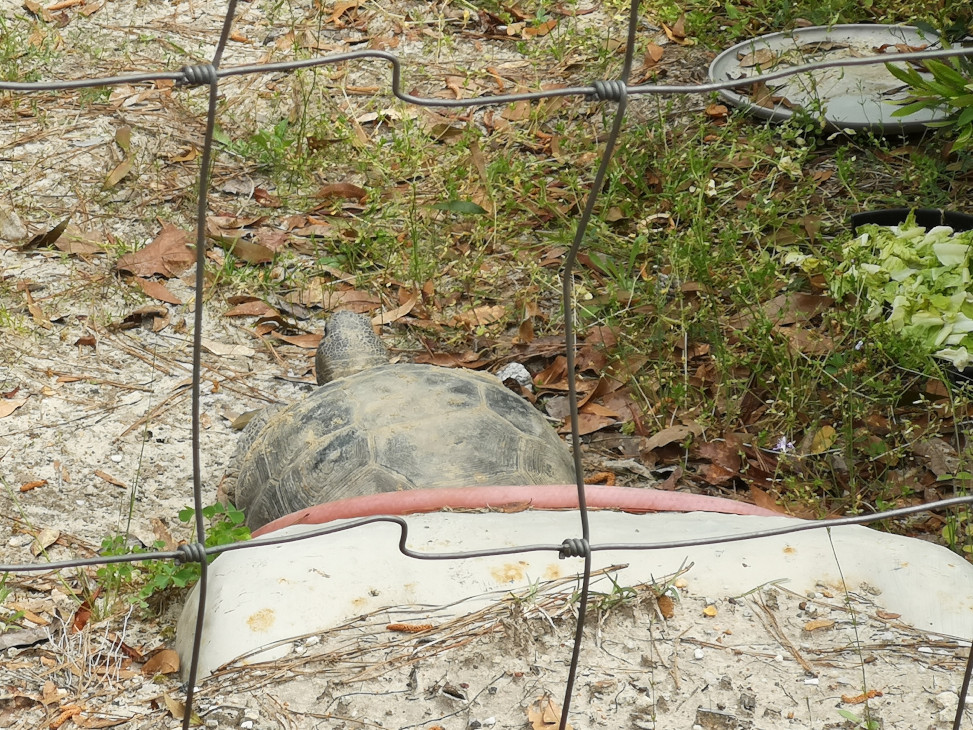
We have seen a few captive Gopher Tortoises on this trip. If the parks have one on display, it’s injured in some way and wouldn’t survive in the wild. The one in this park was quite shy so we could only partially see him.
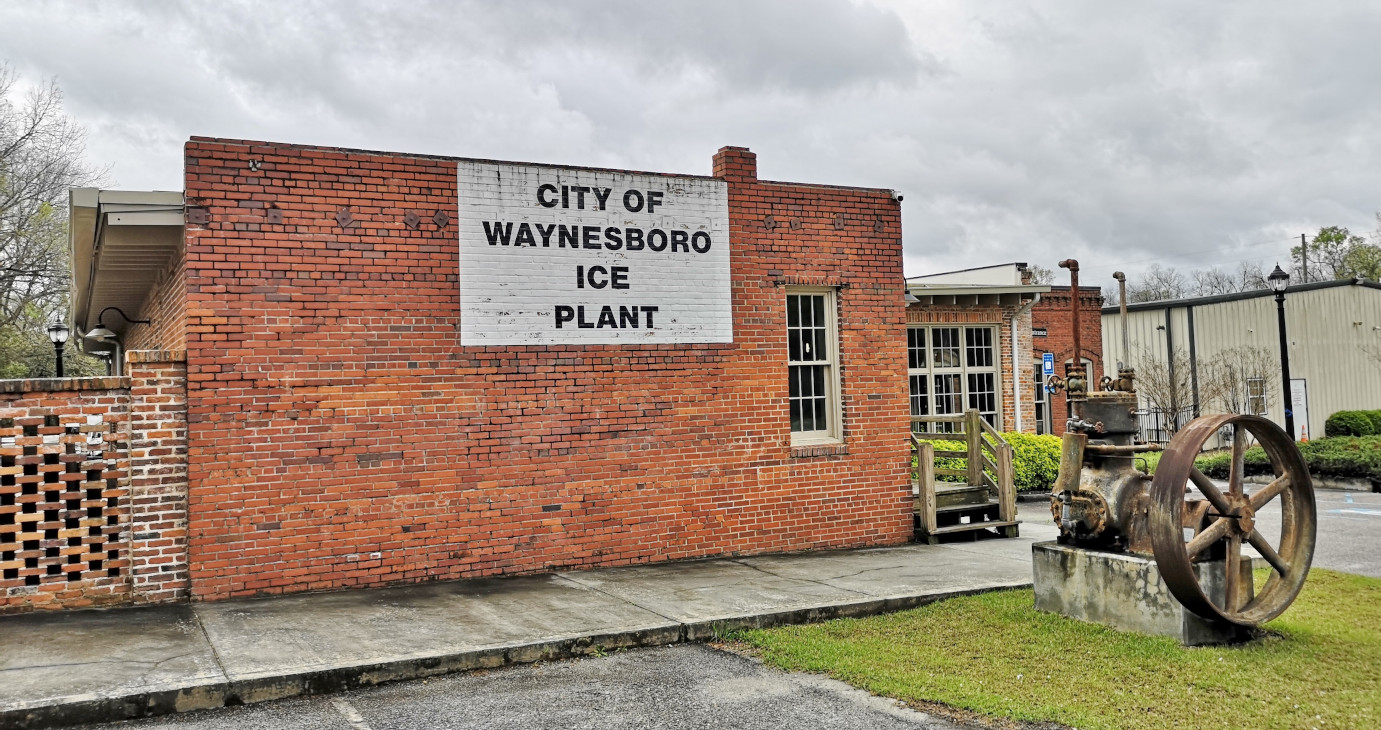
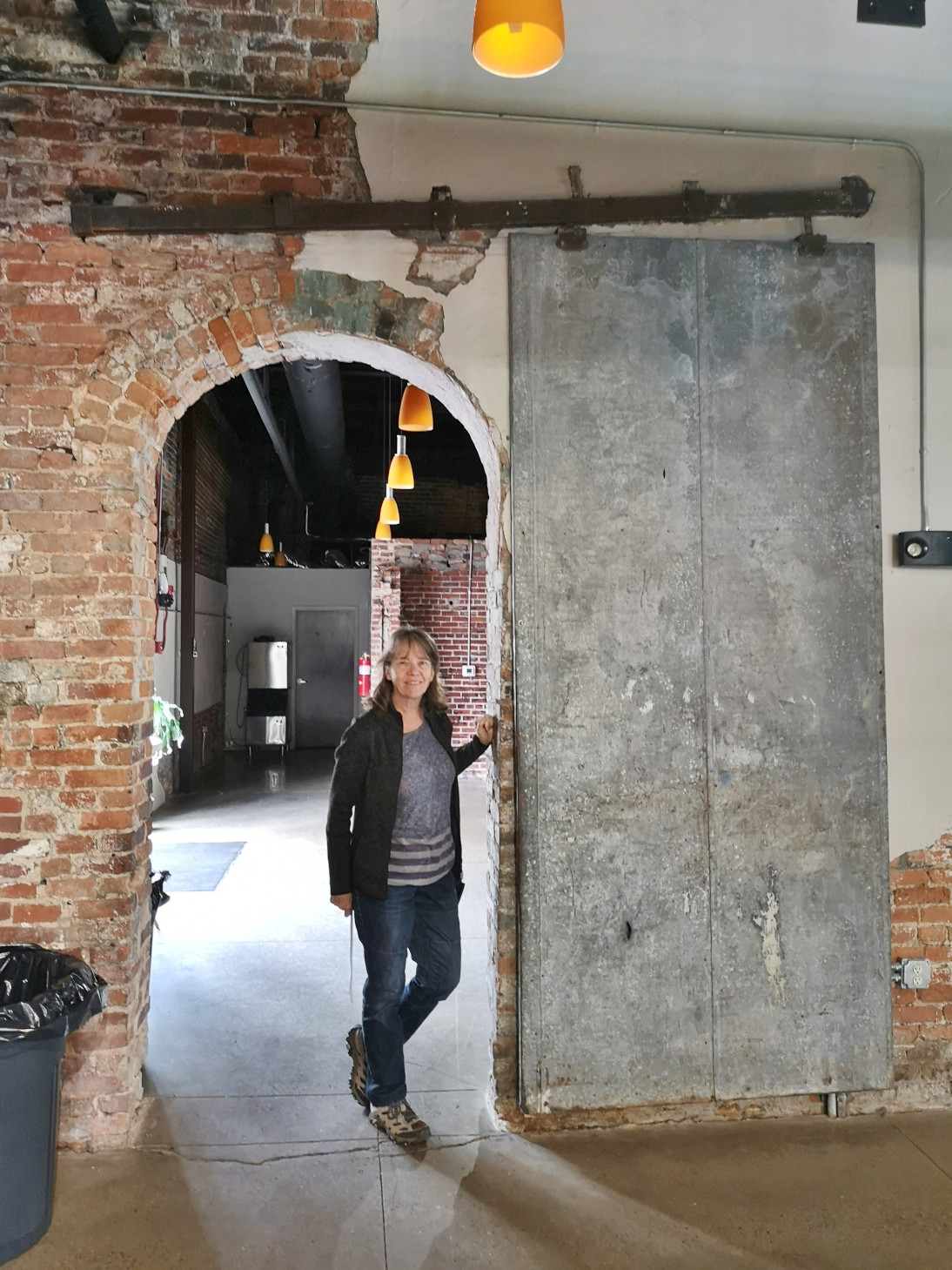
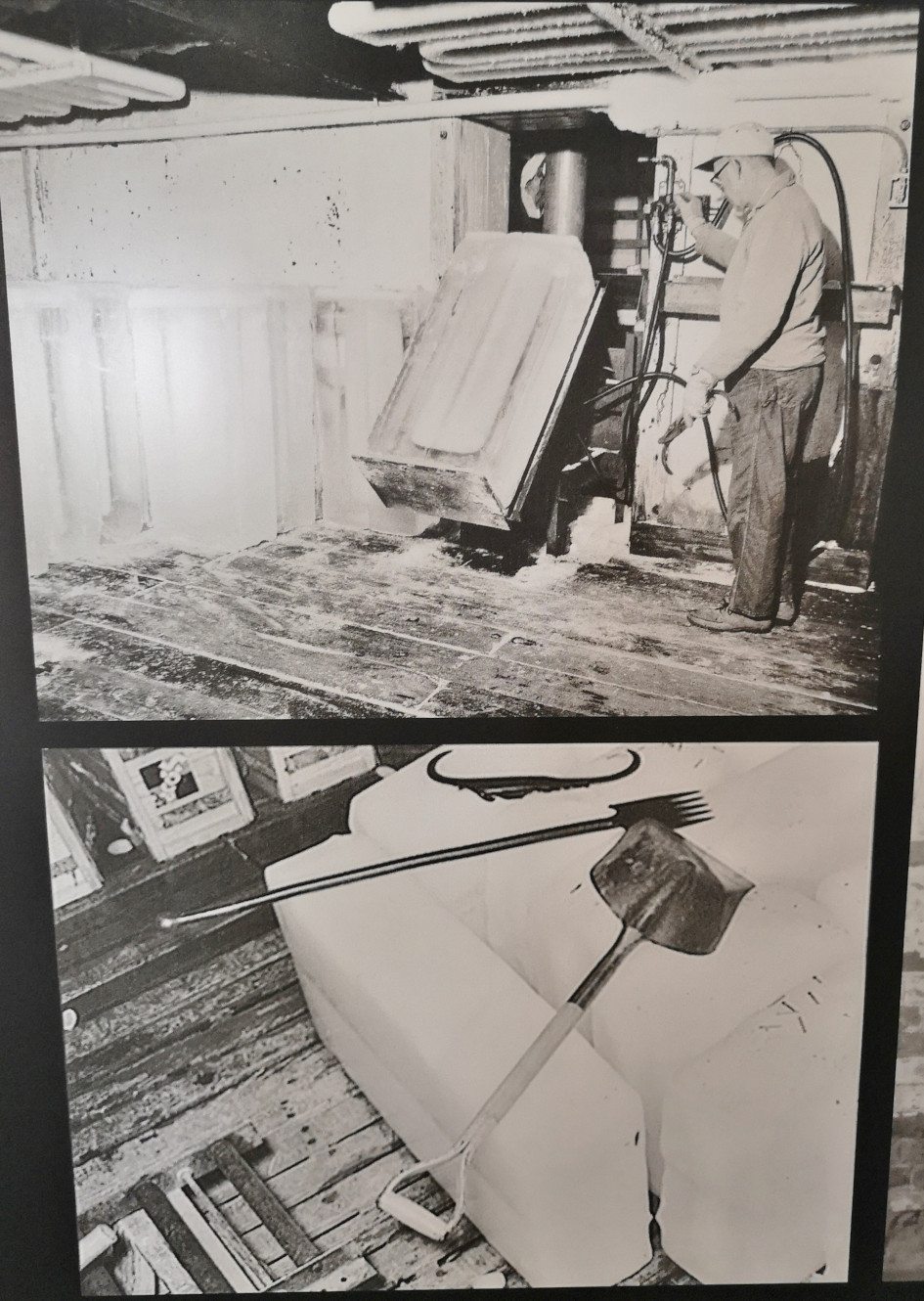
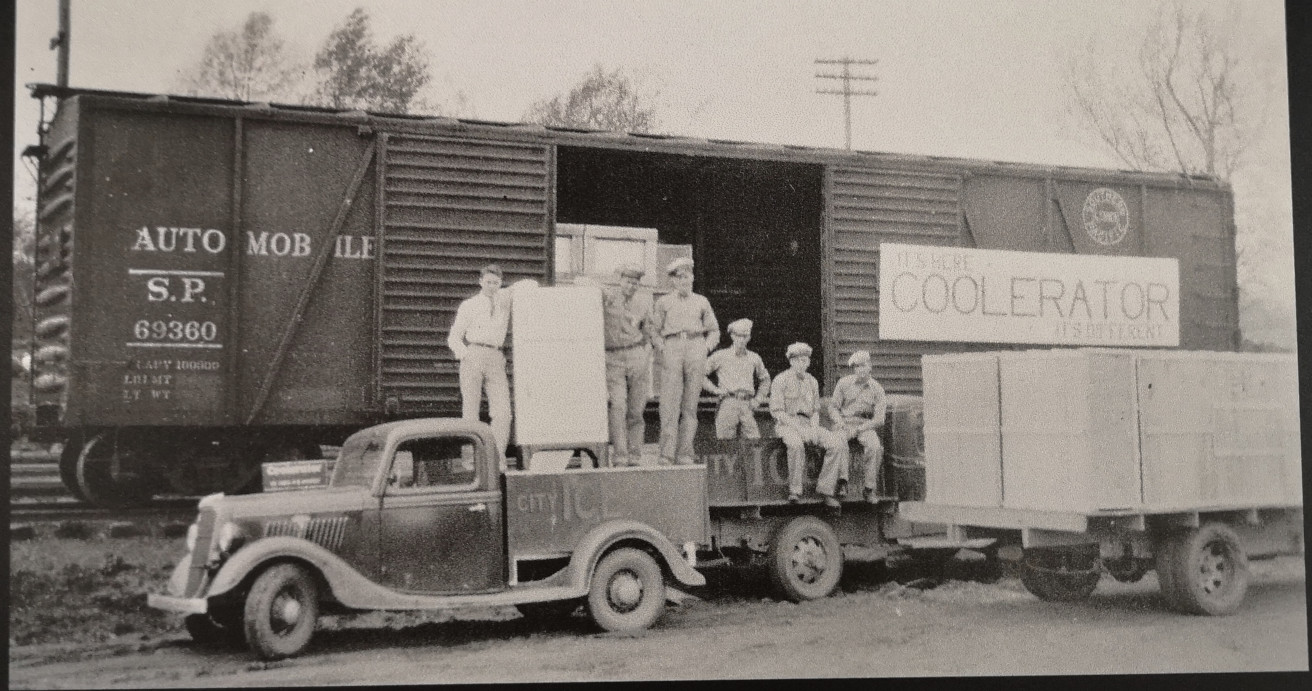
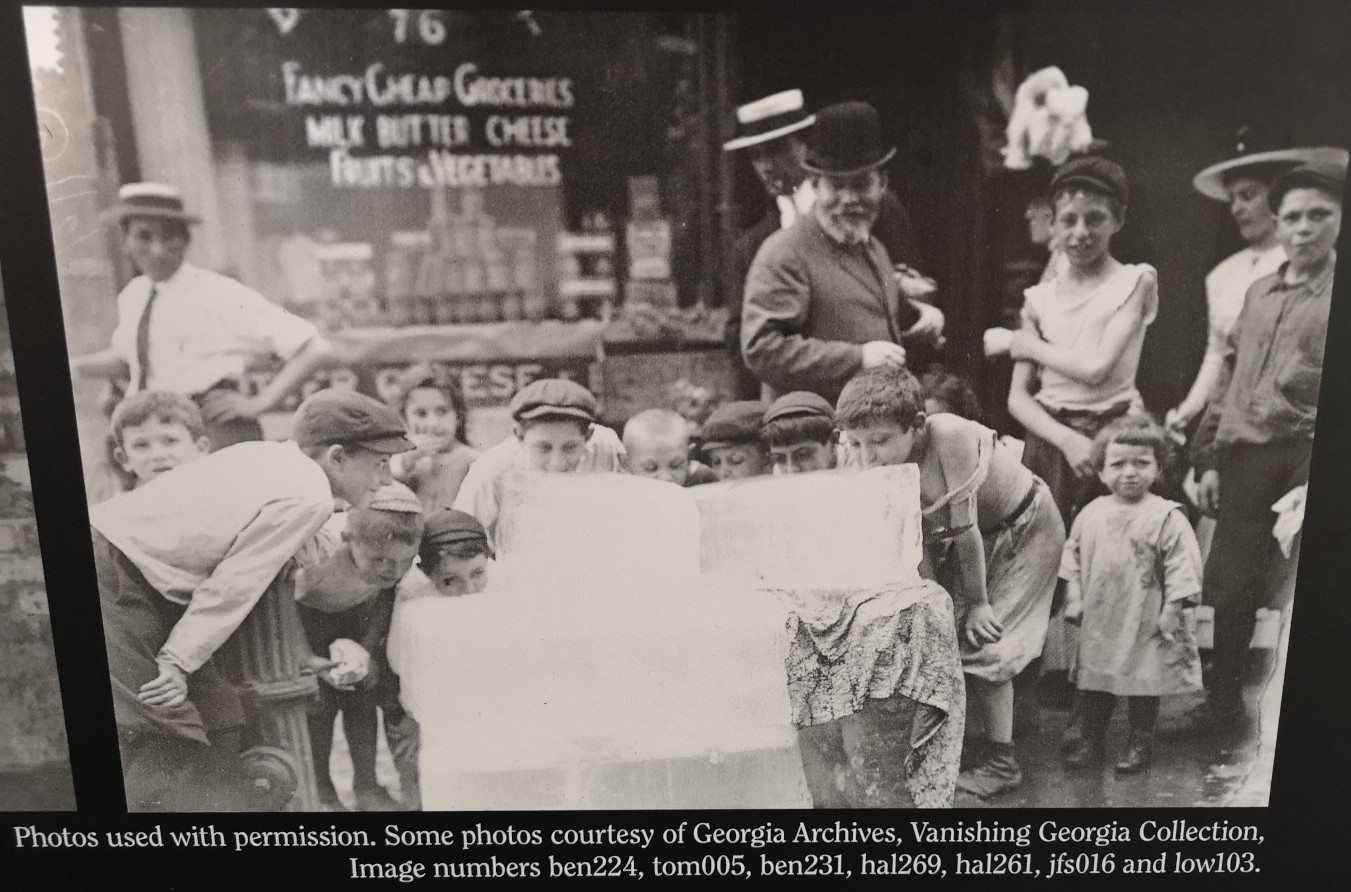
When we left Magnolia Springs SP, we had to go back through Waynesboro for a 3rd time, so we decided to make a few different stops this time. First was the Waynesboro Ice Plant since it was a weekday and now open. The building is also used as an event centre, and they let you do a self-guided tour of the ice plant mechanicals. Here are some key facts about the ice plant:
- Block ice was in large demand in the mid 1800’s. Ice blocks were shipped by train from the north to the Waynesboro area at the beginning and then sold door to door via horse drawn wagons.
- After the civil war ice boxes were invented which further increased the demand. The companies in the north were controlling and manipulating the prices so it then became cost effective to build plants in the south.
- Waynesboro was an ideal location for an ice plant due to the rail lines in the area. The ice plant was built in 1905 and the city operated it from 1905 until 1970 when it was closed. Three generations of the Braswell family operated the ice plant and ran the water department.
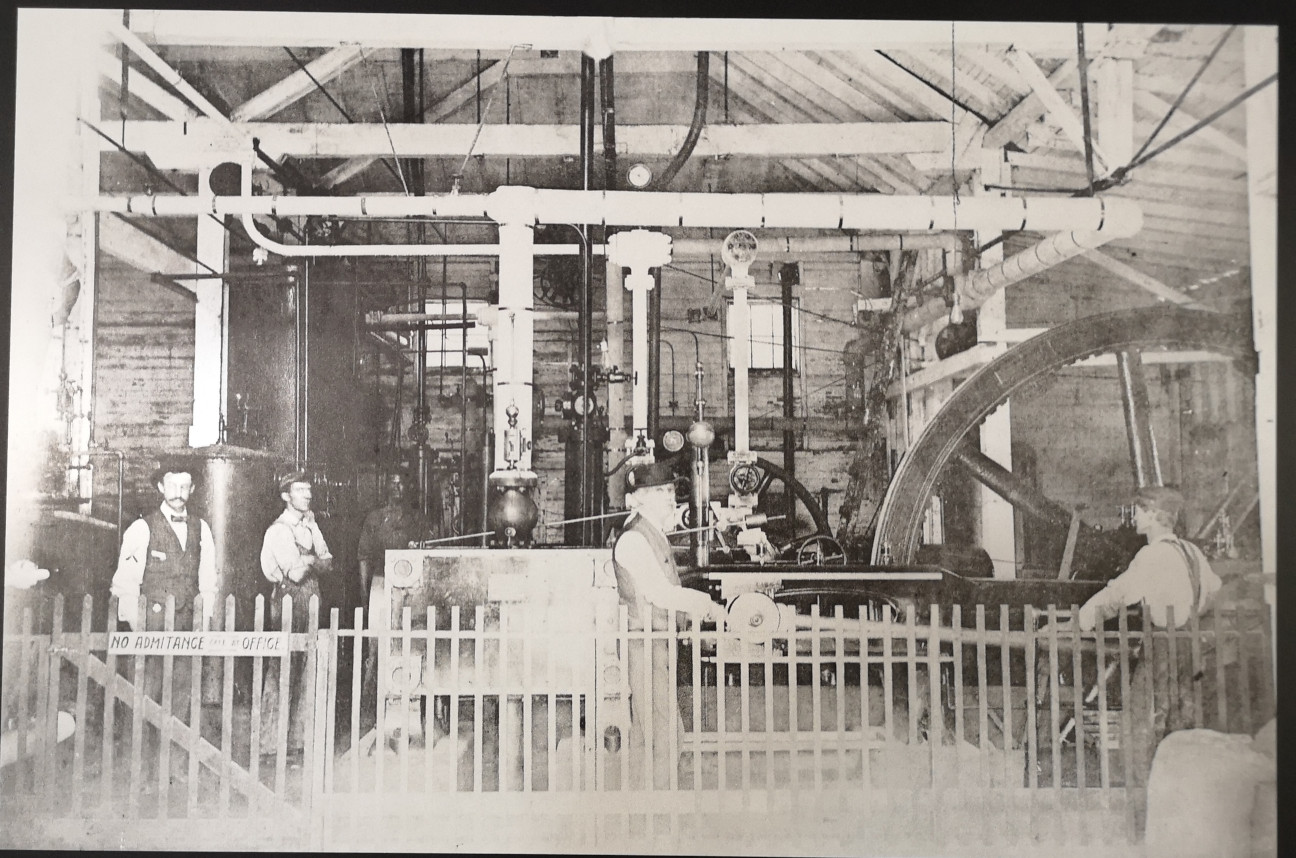
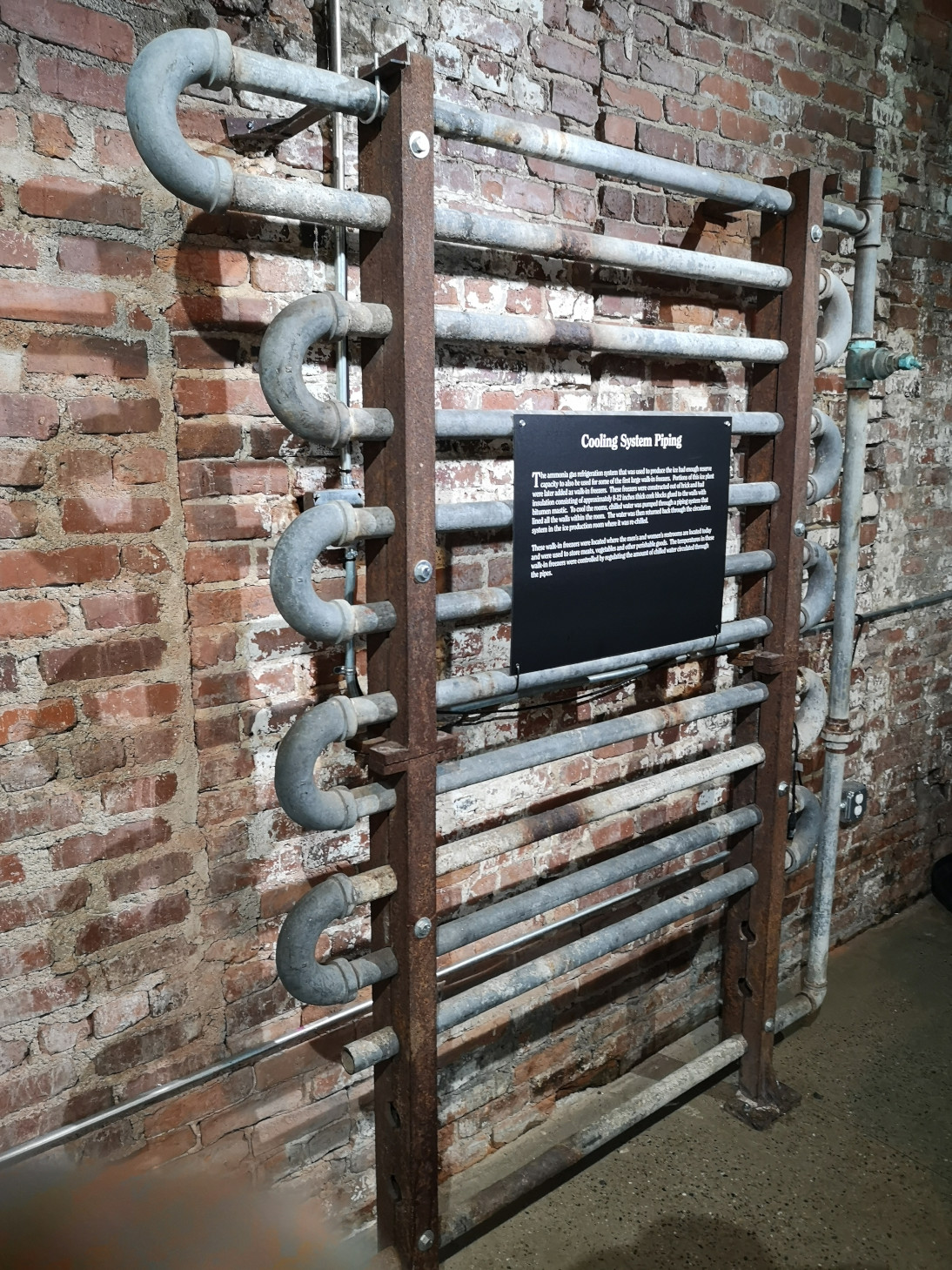
- The first engines that ran the ice plant were coal powered steam boilers that powered compressors using a belt and pulley system (an example is the compressor in front of the Ice Plant in the first photo). The compressors pressurized ammonia gas used in the cooling pipes in the plant.
- In 1933 they upgraded to diesel generators instead of coal powered and they also used them to supply electricity to the town.
It was quite interesting to learn about the ice plant process and see the machinery and the old photos.

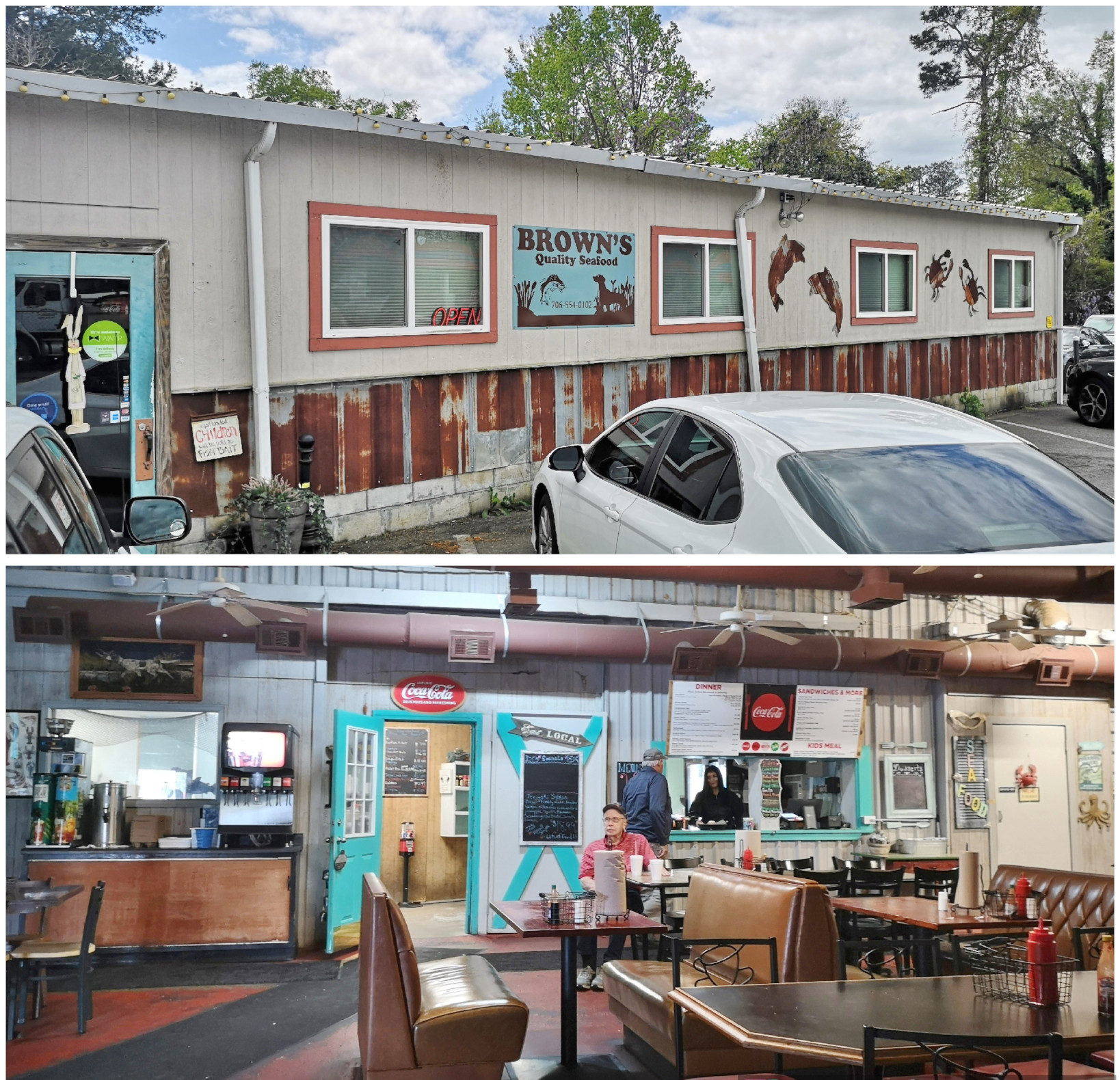
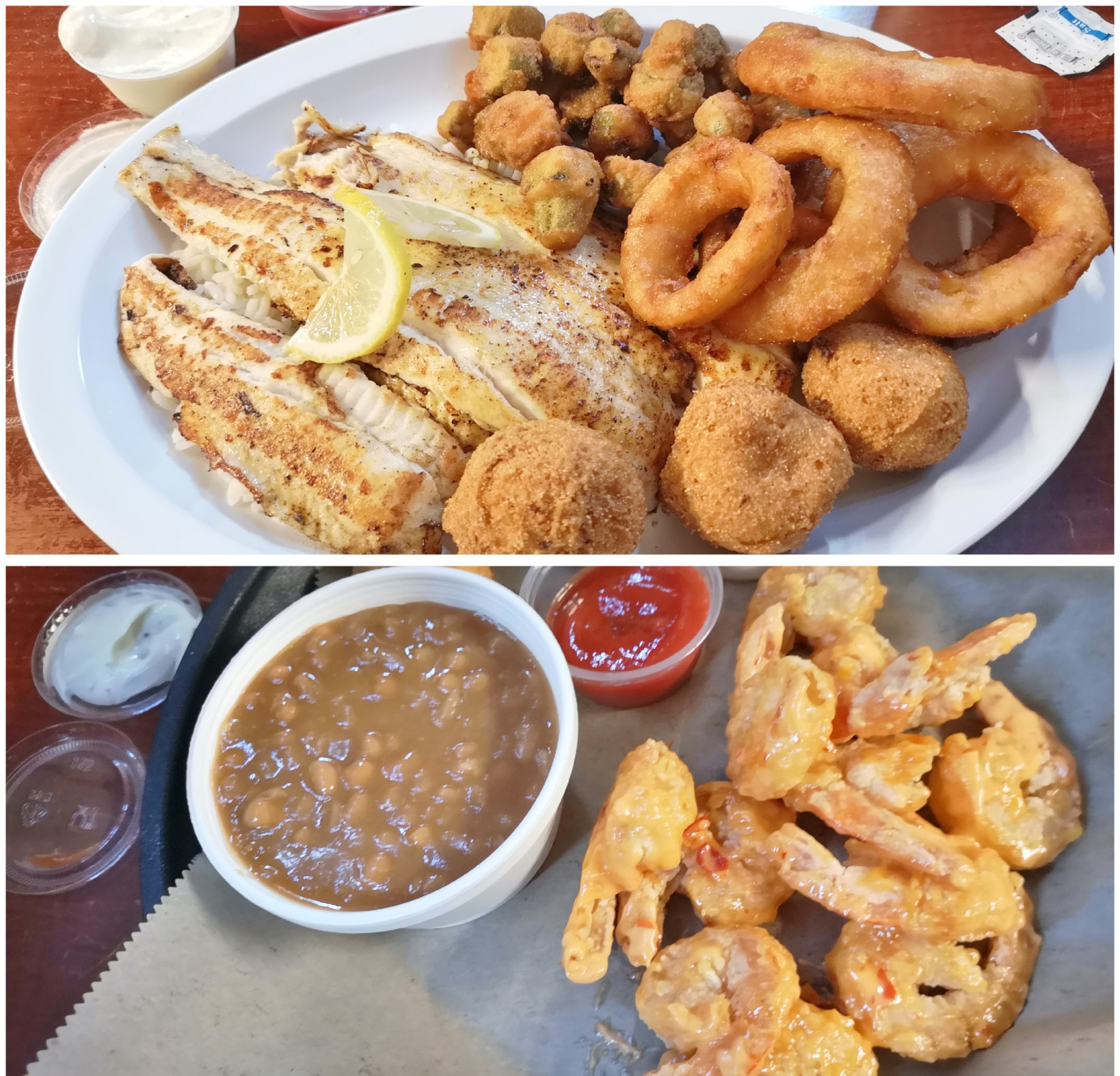
The Harvest Host had told us about Brown’s Quality Seafood in Waynesboro and said it didn’t look like much from the outside, but they had good food. For lunch I had the Flounder dinner with hush puppies, onion rings and okra, and Sharon had the Shrimp dinner with hush puppies and baked beans, both very good and some leftovers to takeaway.
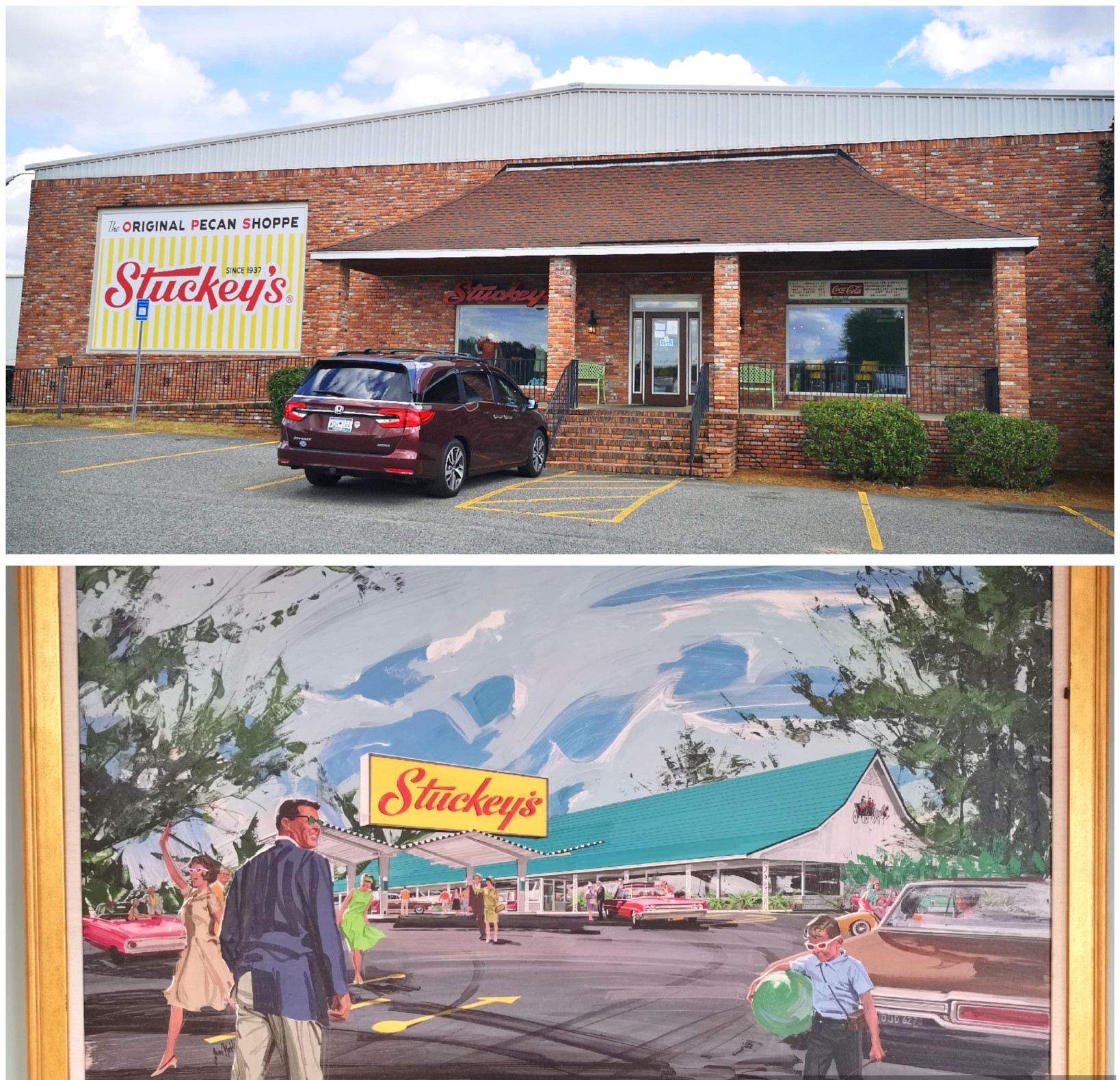
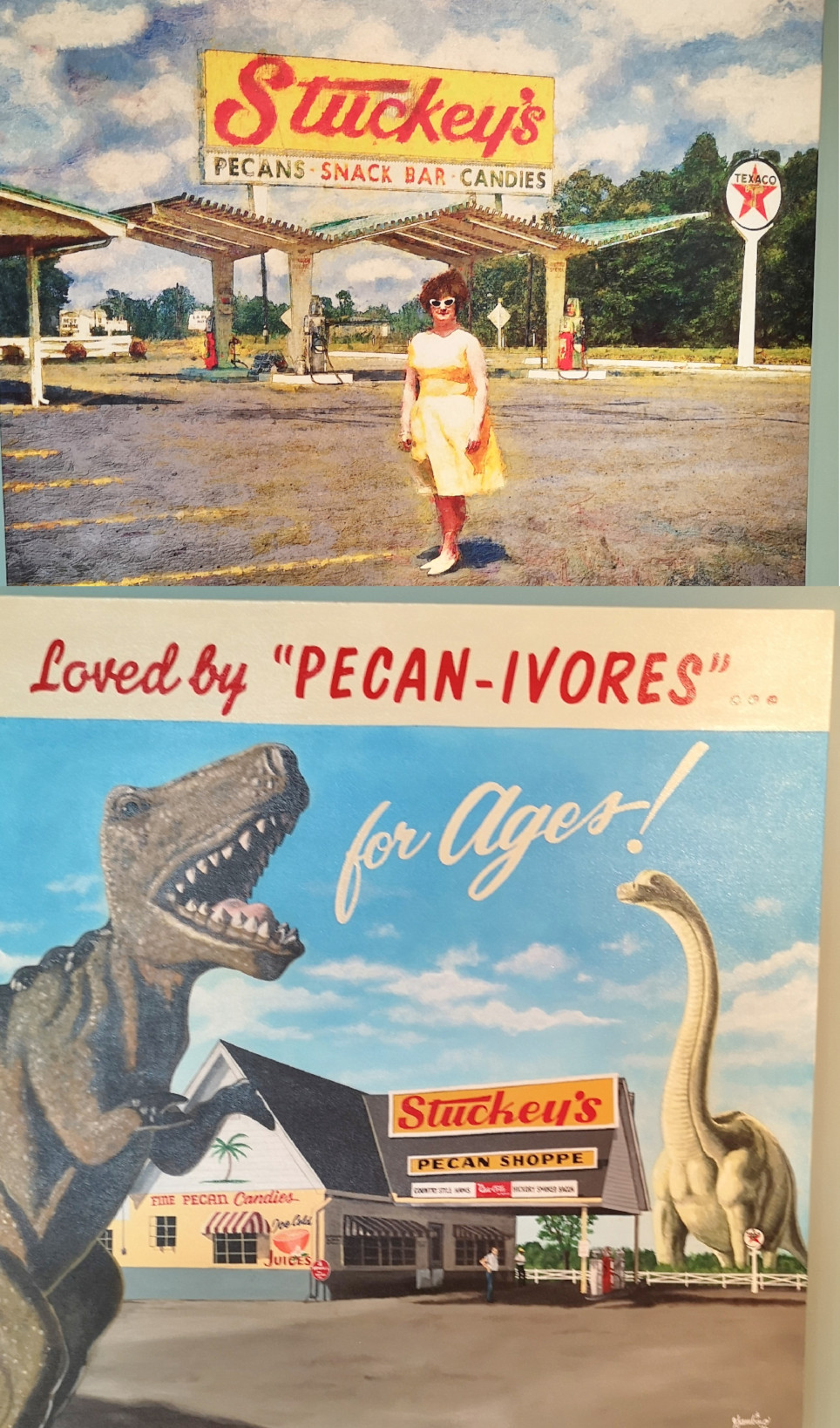
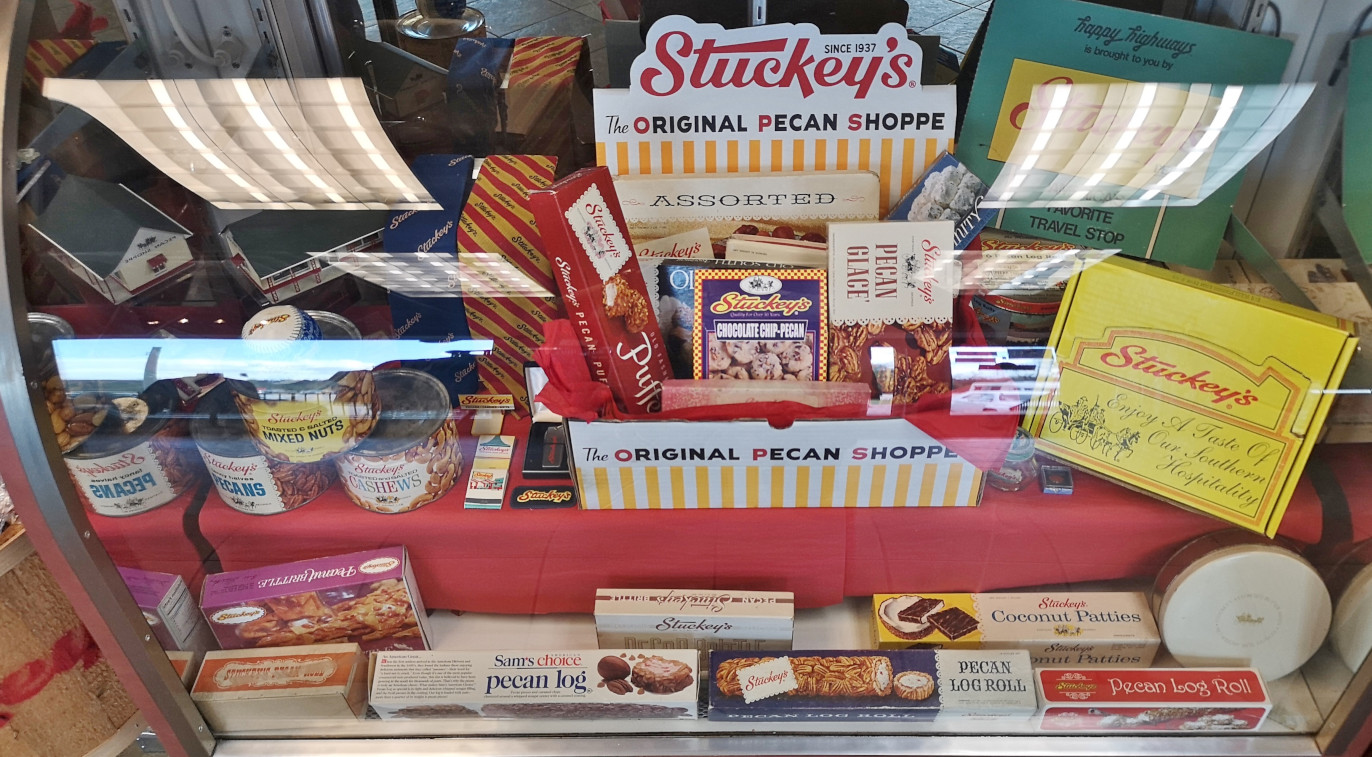
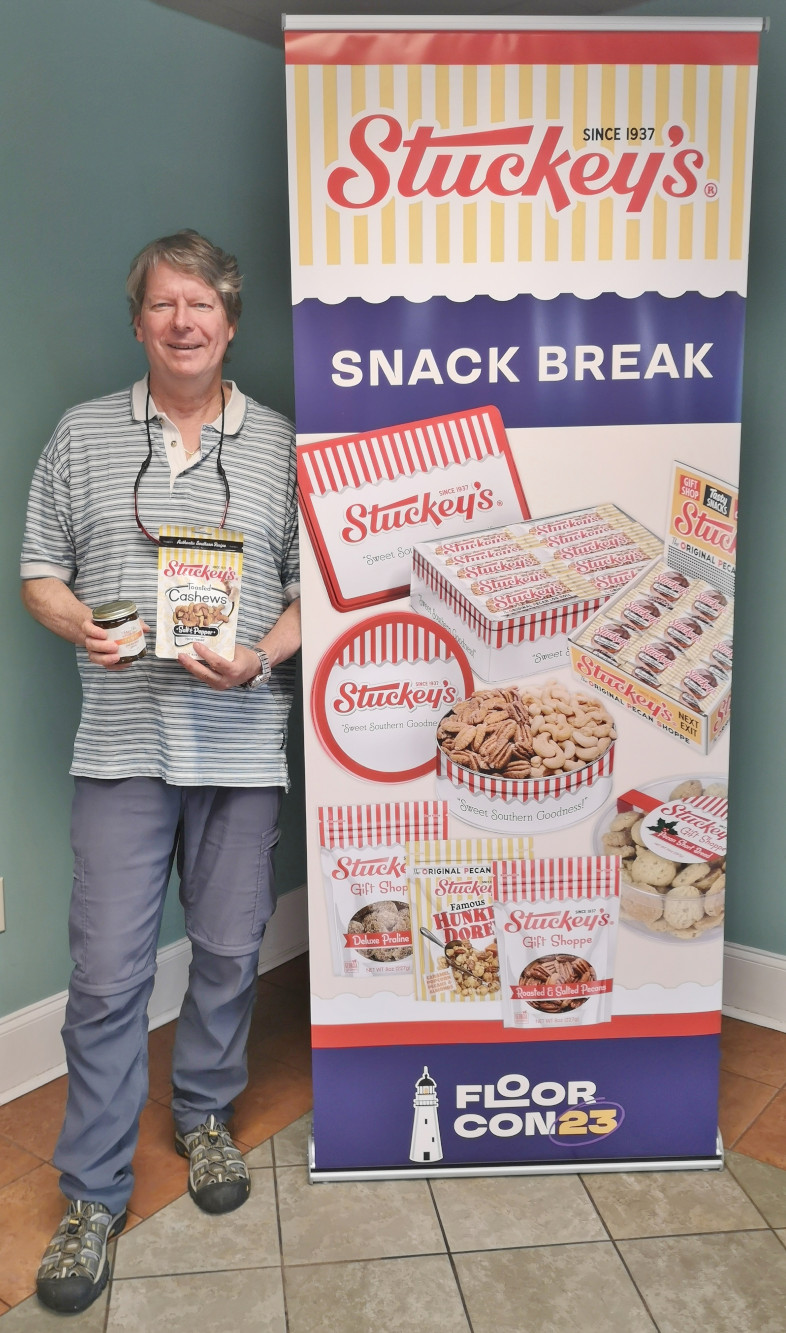
On our way to our next SP, we went through a town named Wrens and it had a Stuckey’s factory outlet where they sell Pecan and Candy items so we decided to check it out. We shouldn’t have been hungry after our big lunch, but we certainly left with a lot of sweet products😉
Our next SP in Georgia was Mistletoe, which was fairly close to Augusta Georgia, home of the Masters Golf Tournament. We thought of going in to check out where the golf course was, but we read you see nothing as it’s a very private exclusive club so you can’t enter the grounds. Instead, we settled for some stories we heard and info from the local news broadcast:
- There are only about 300 members of the Augusta National Golf course, a very exclusive club. You have to be invited to be a member. The costs aren’t really known but initiation fees are estimated to be over $40,000 with a yearly fee of “a few thousand” dollars. A few members include Bill Gates, Warren Buffett, and lots of CEOs.
- Tickets for the Masters can run you $5,000.
- We met someone who had purchased a lifetime membership in the 50’s. To this day, they still get 8 tickets to the masters! At $5k/ticket that’s a good yearly return on that investment.
- Several people in and around Augusta rent their homes out during the week of the Masters. Some get $9,000 or more for the week. However, you have to offer up something, from what we heard and saw on the news, preparing meals or offering a chef were a few of the addons.
- If you win the Masters, you get the coveted green jacket. If you win a second time, you don’t get a new jacket unless the other one doesn’t fit you anymore.
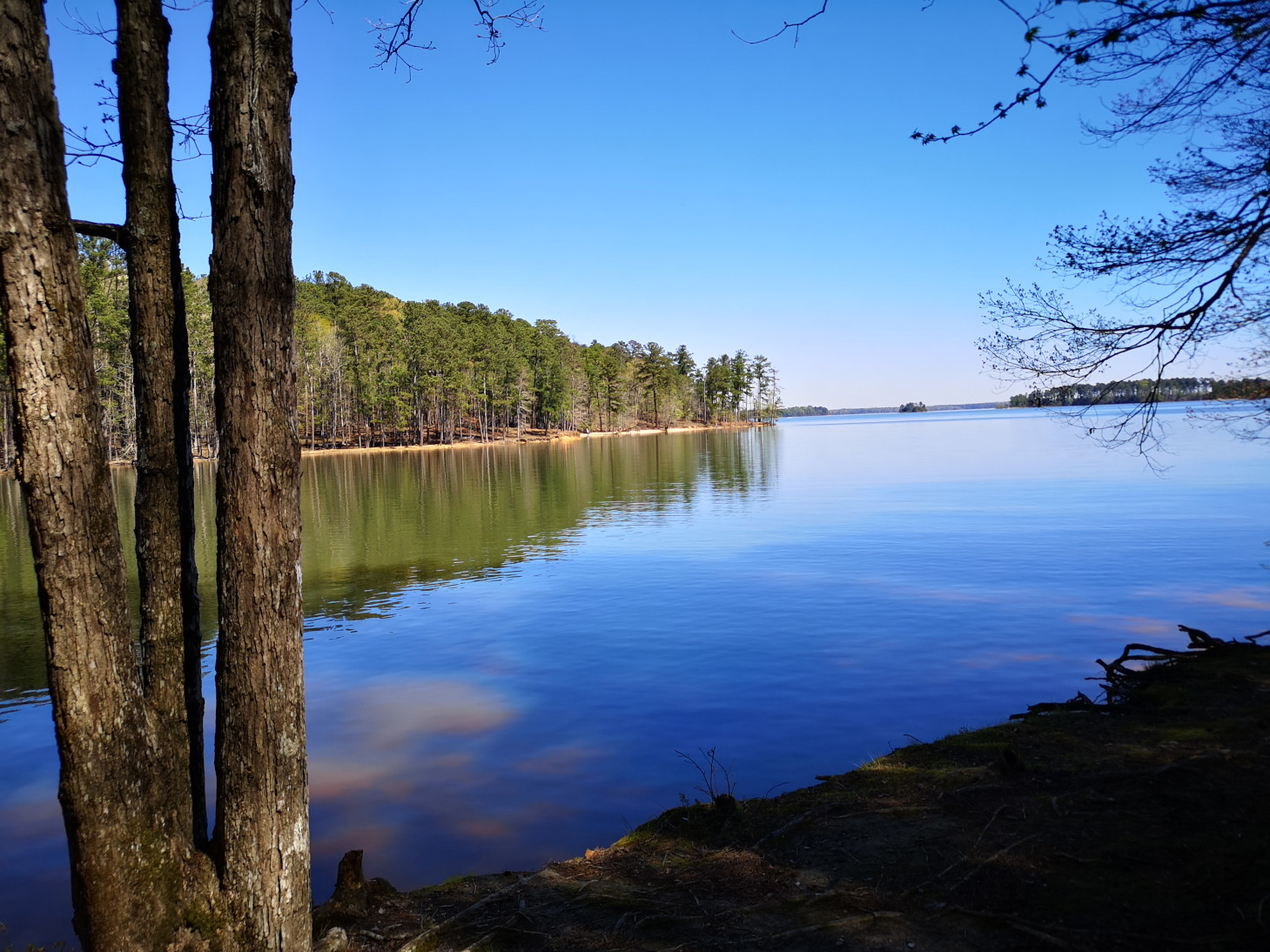
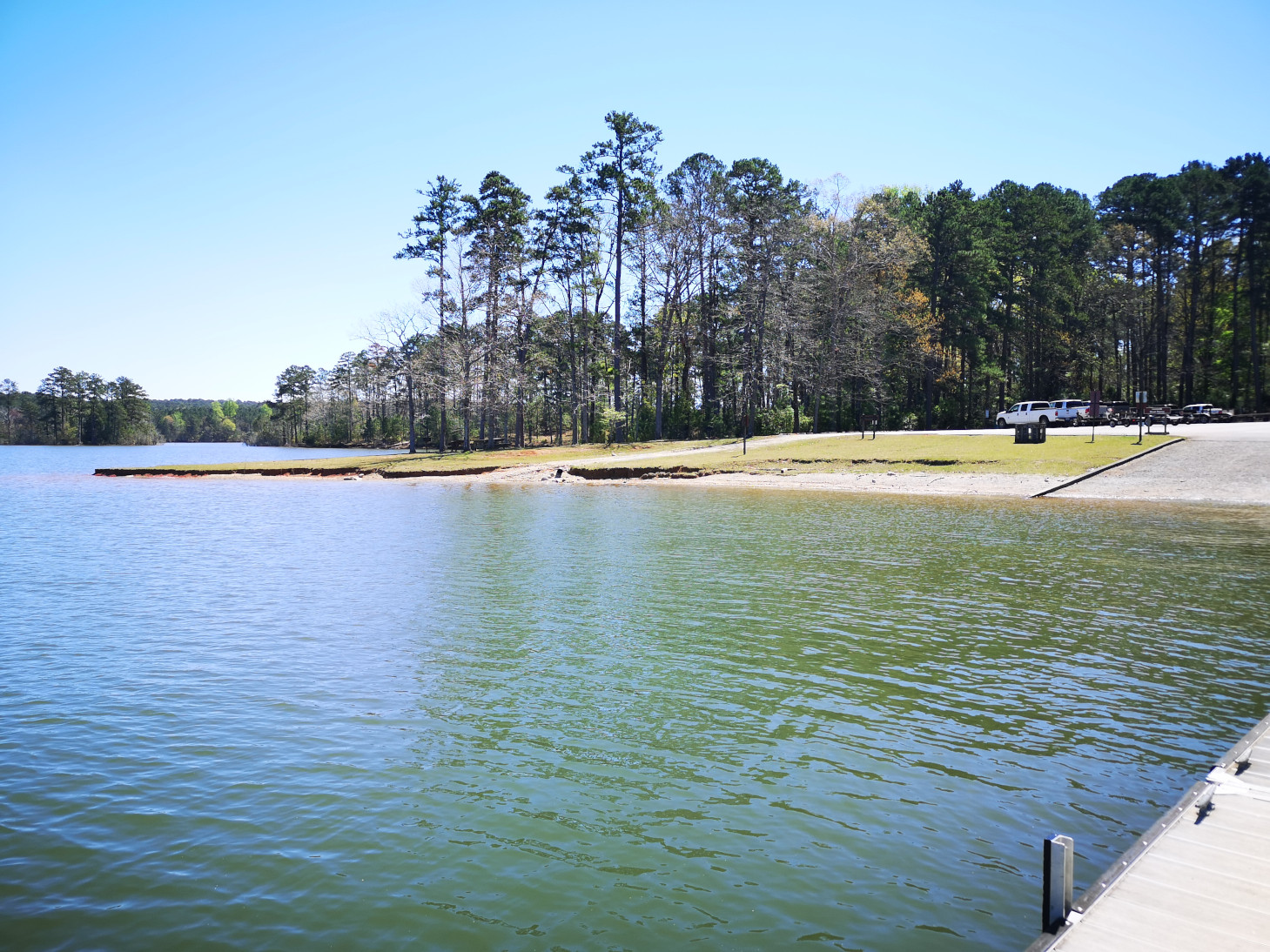
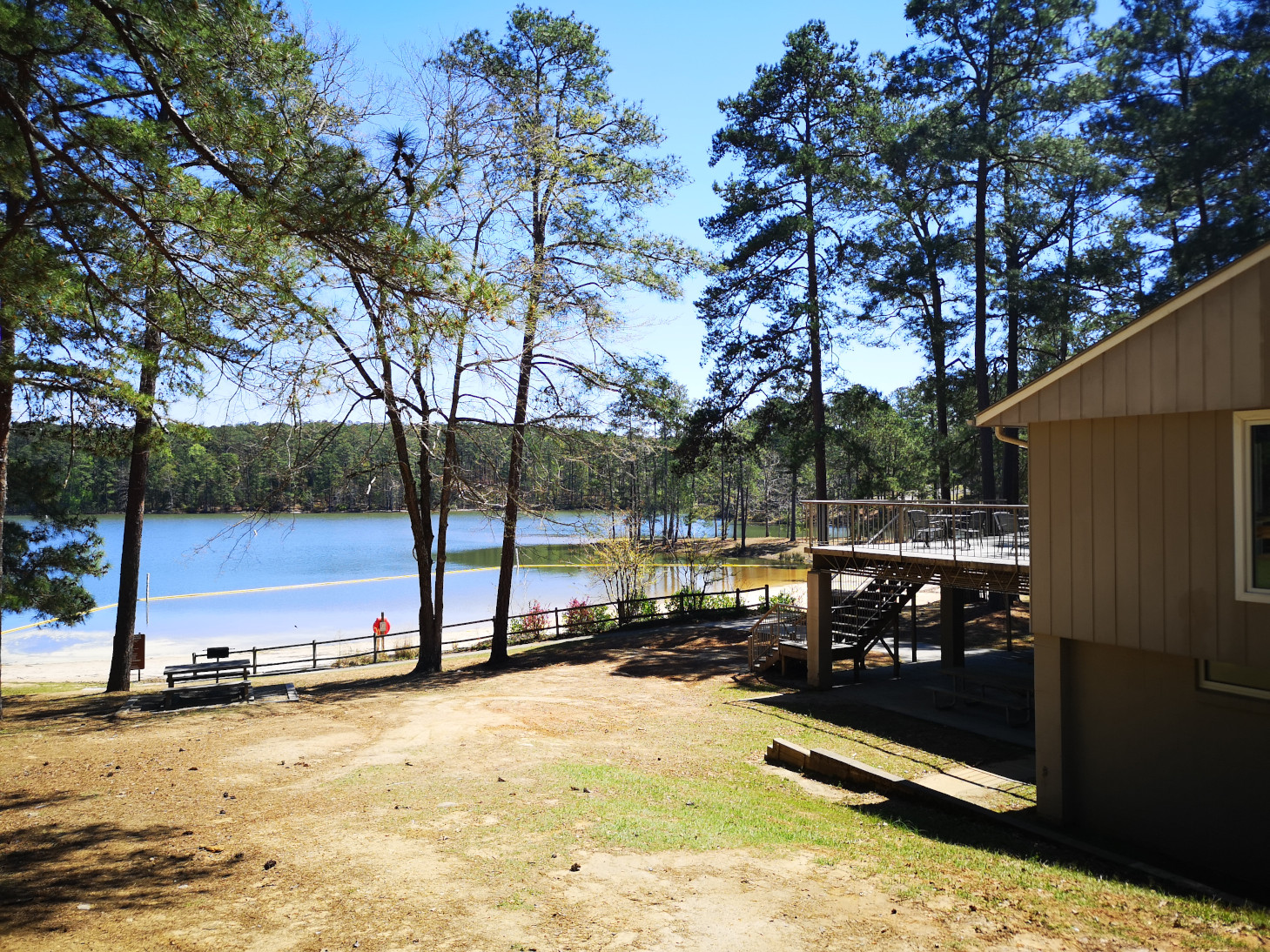
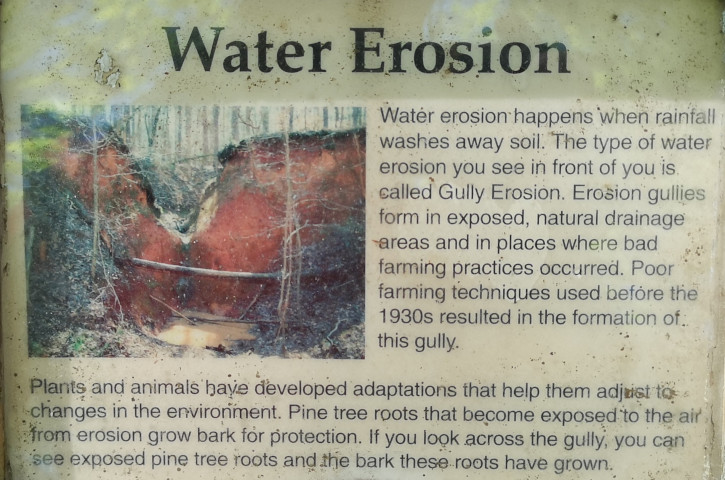
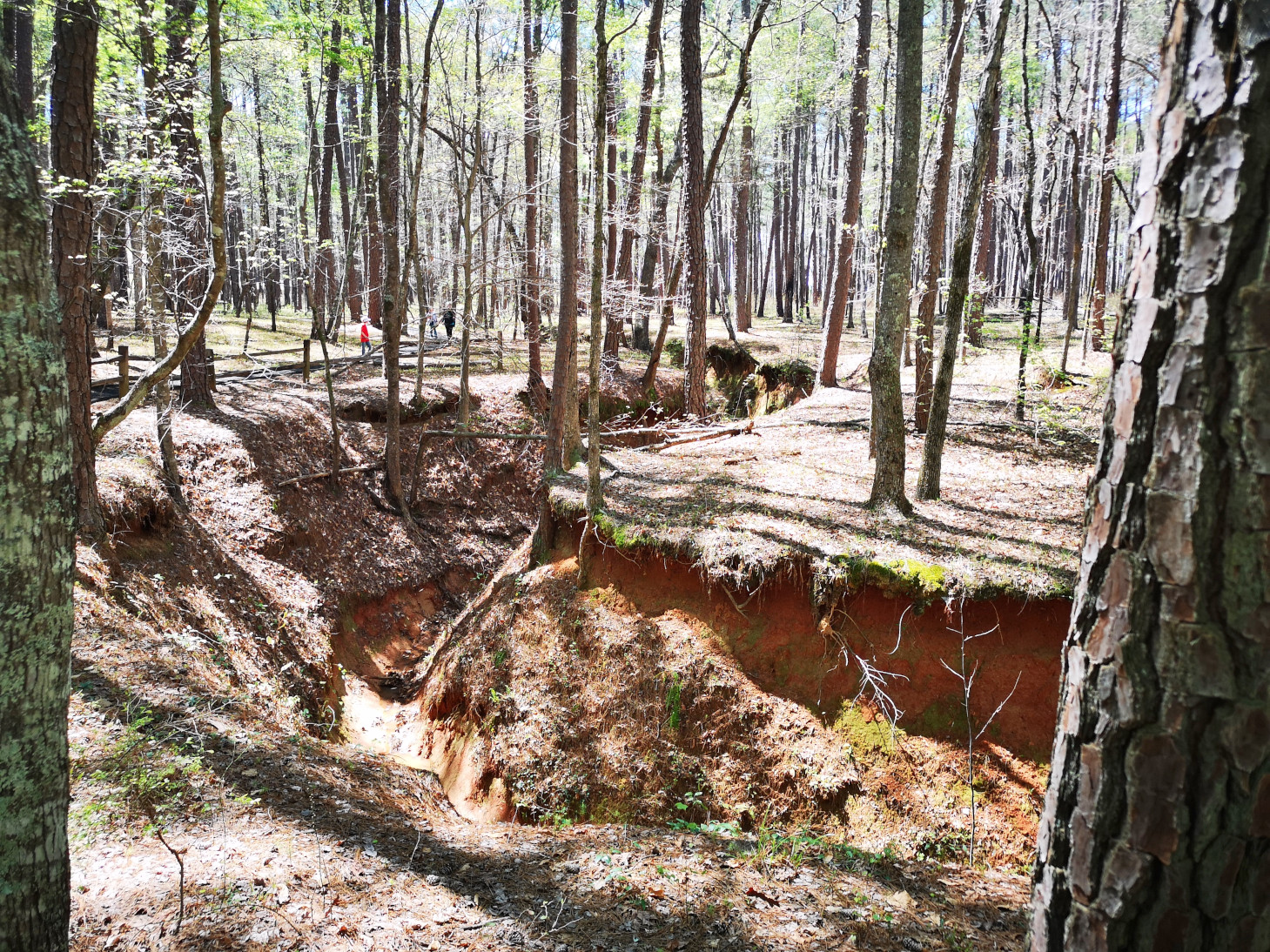
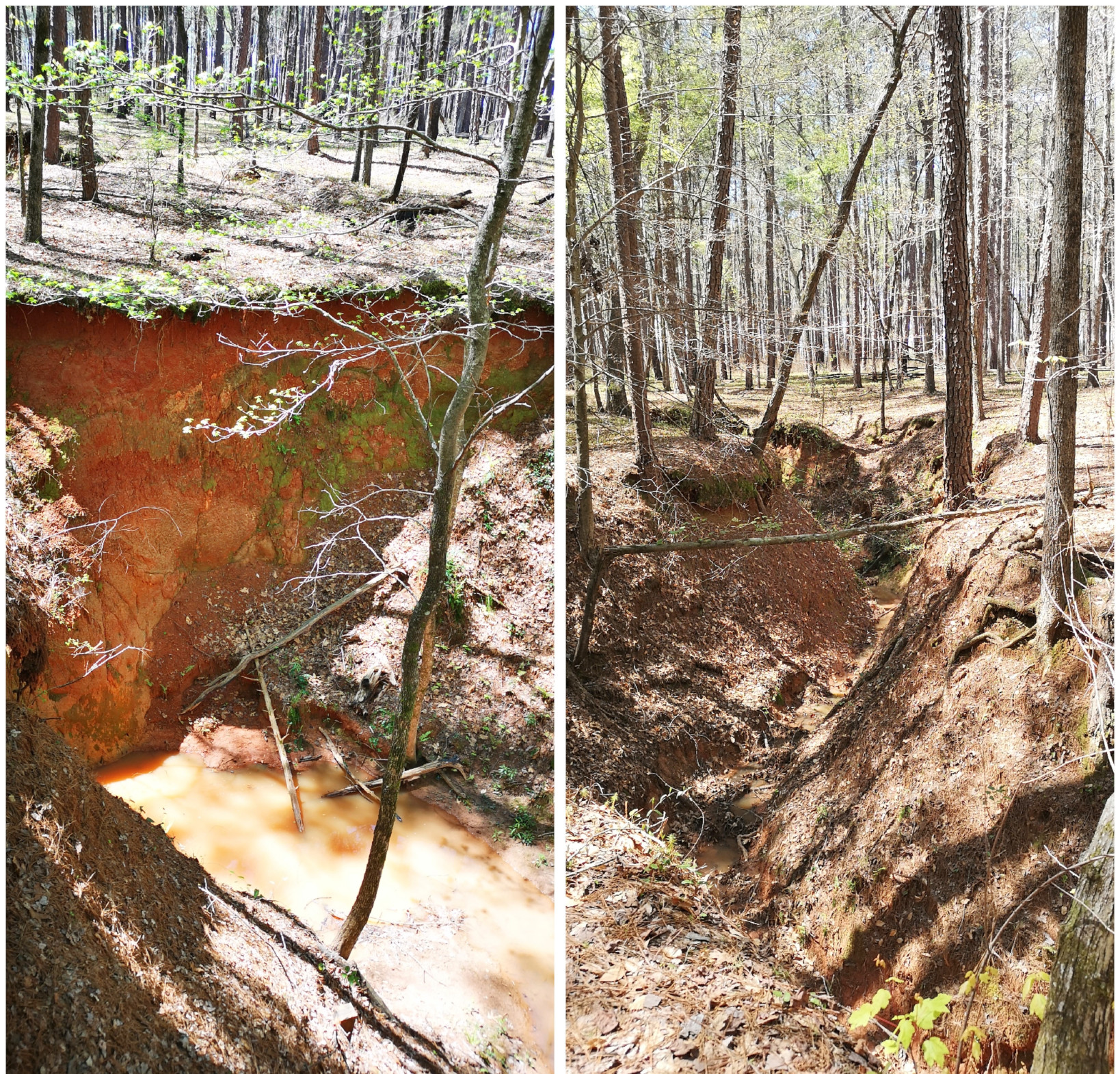
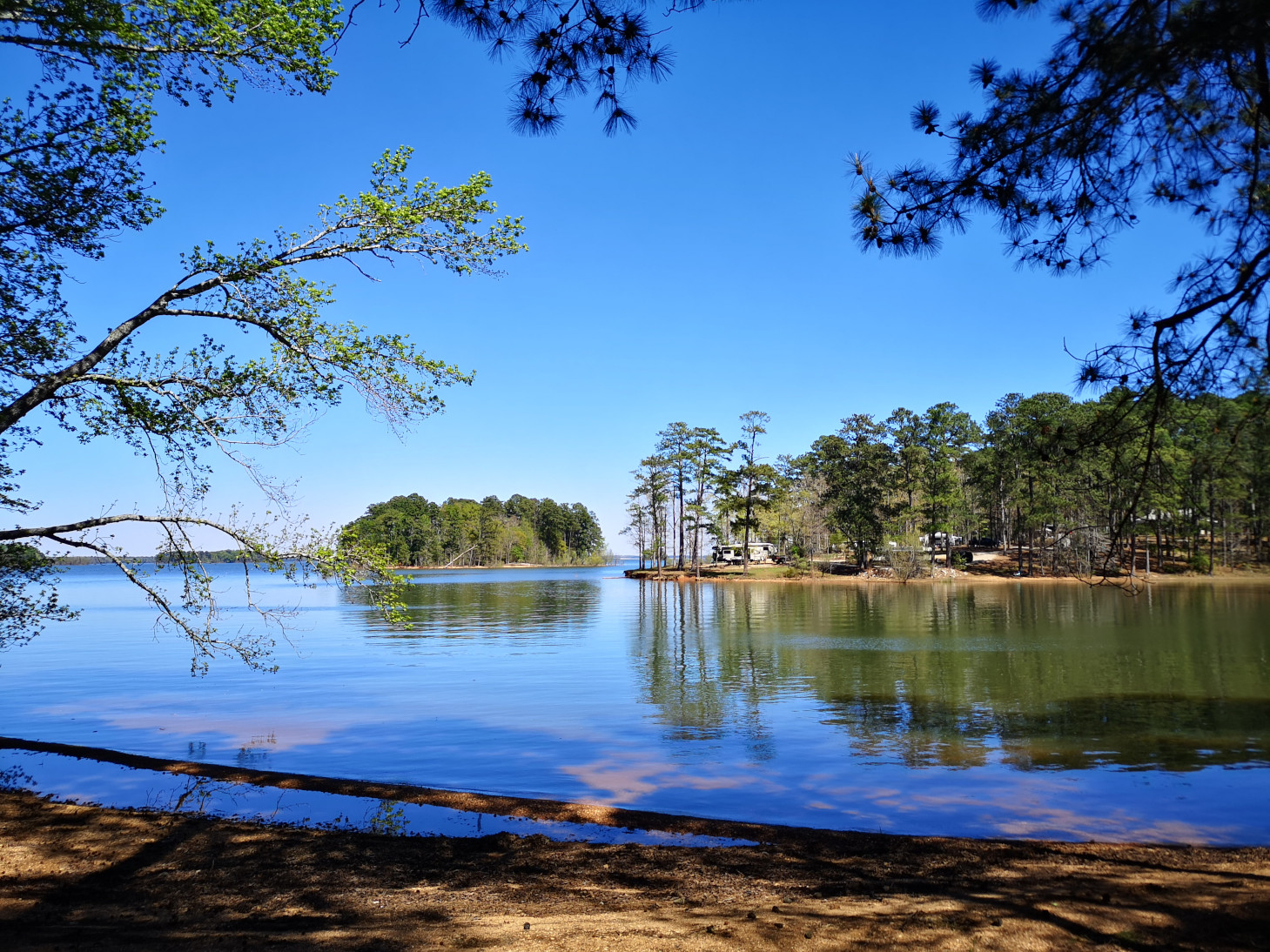
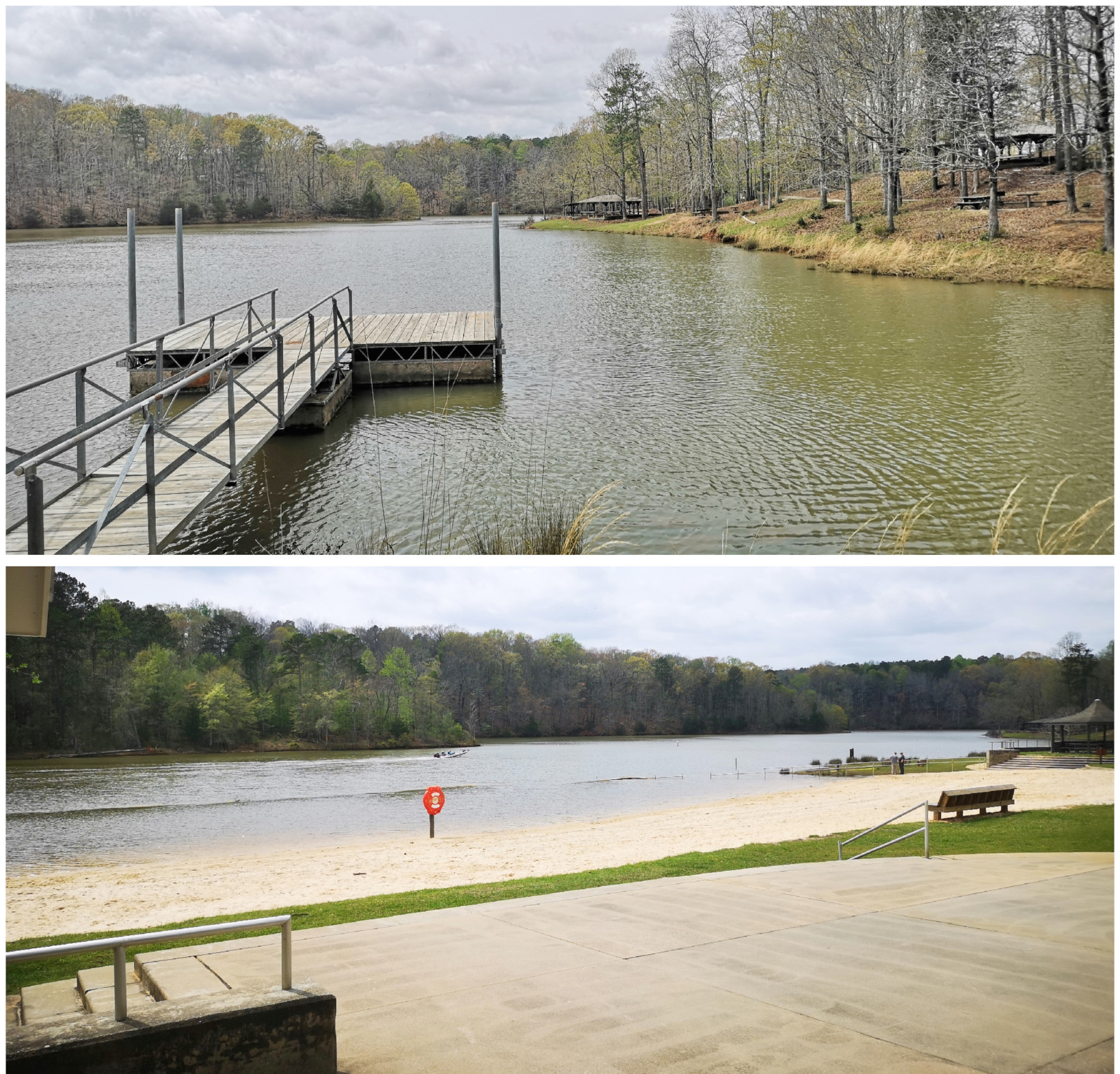
Mistletoe SP is 1972 acres and sits on Clarks Hill Lake, with most of the campsites on the water. We were there over Easter, so it was very busy as it was also the beginning of the kids’ Spring Break from school. We’ve mainly been camping with the snowbird crowd so it’s different having lots of kids around. You could mountain bike most of the trails so our first day we did a 17 km MTB ride on the trails and around the park. We took the Beach Trail, stopping to see the primitive camping area before ending at the boat dock, and then took the road to the beach area for our lunch stop. We ended up on the Cliatt Creek Nature Loop to the Canyon Loop, where the canyon (gully erosion) was caused by water runoff from poor farming practices. A very small area compared to Providence Canyon! We then took the park road until we reached the campground loop trail with a detour to see the other campground sites before returning to sit and relax by the water.

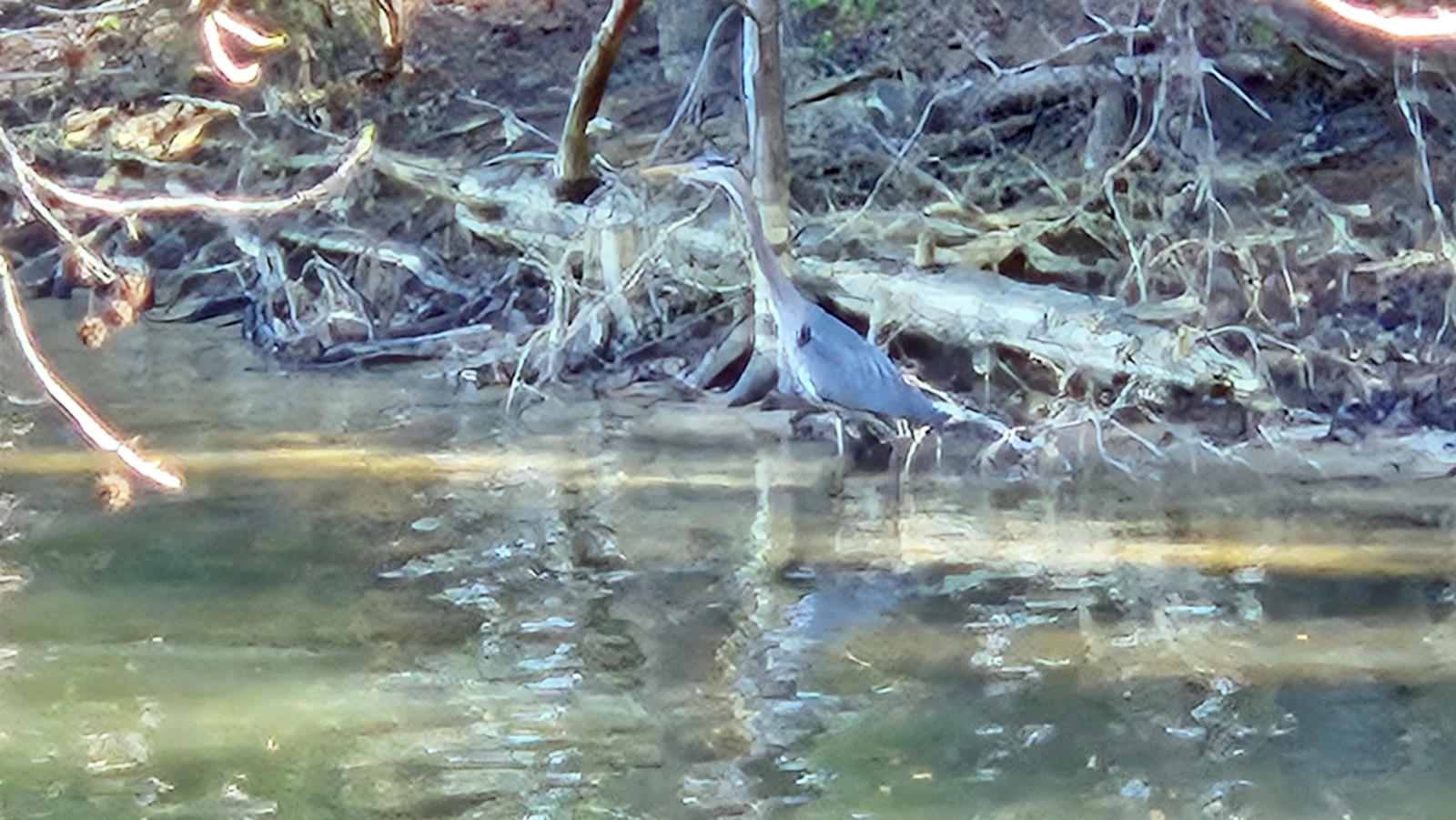
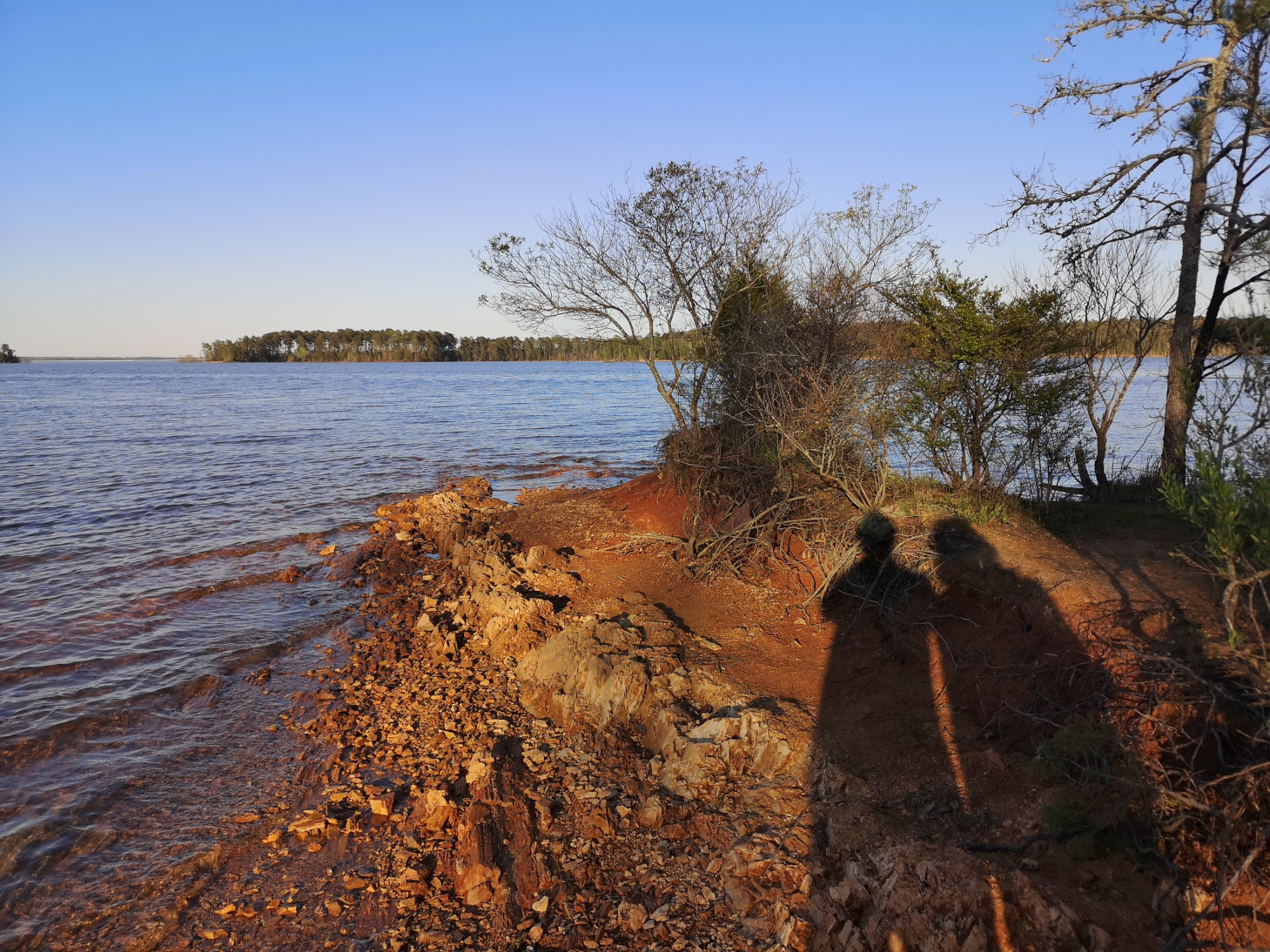
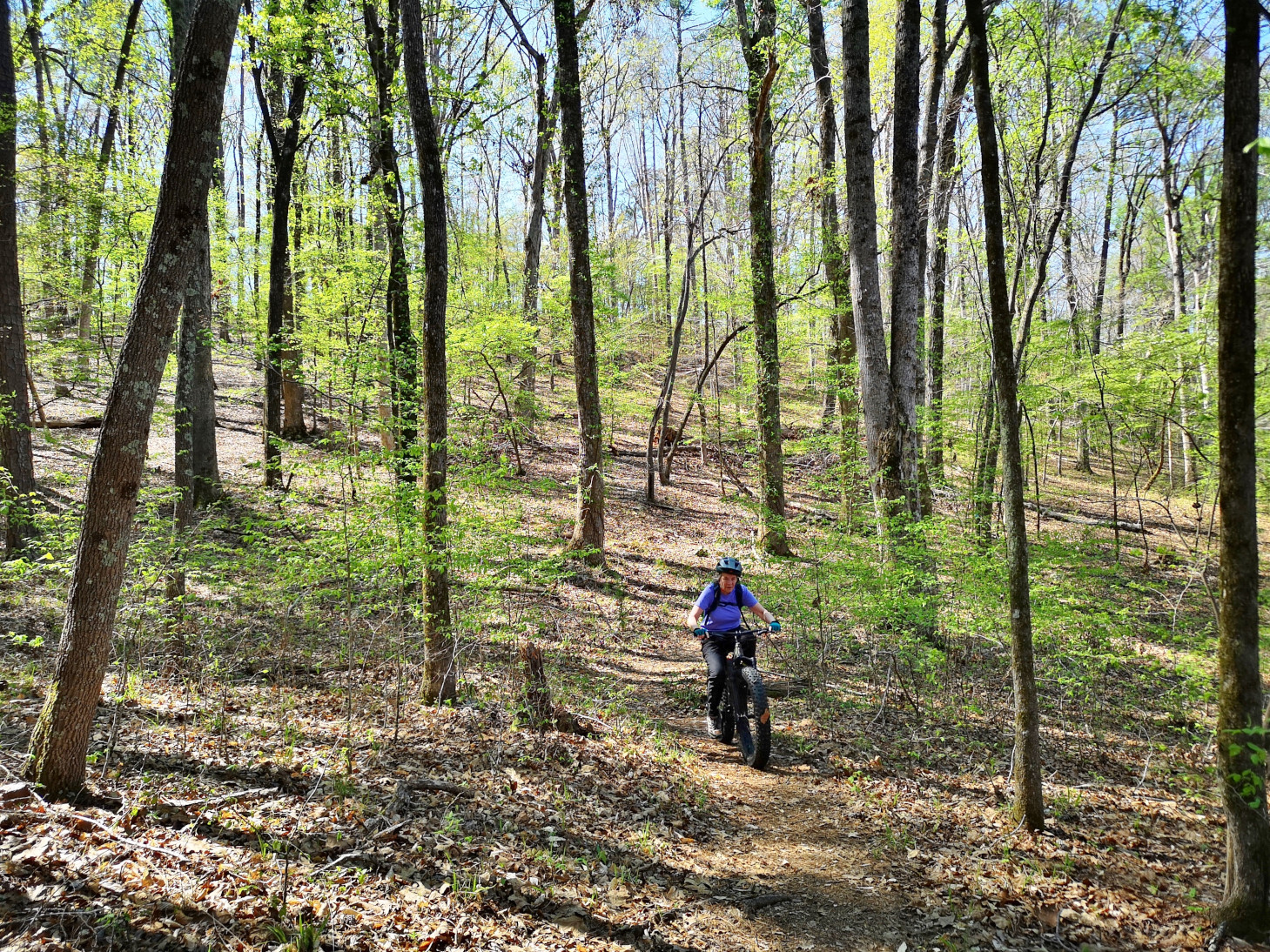
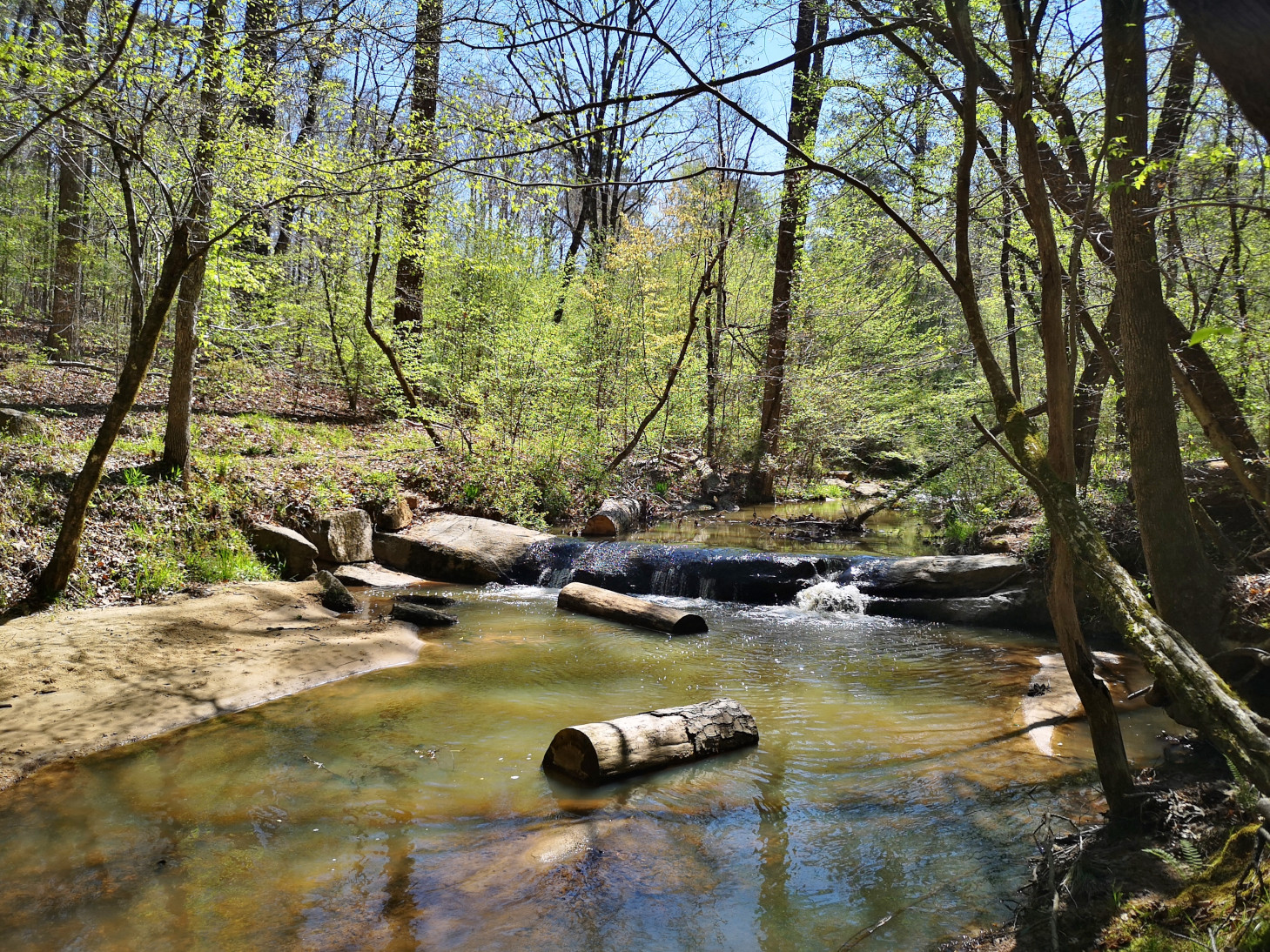
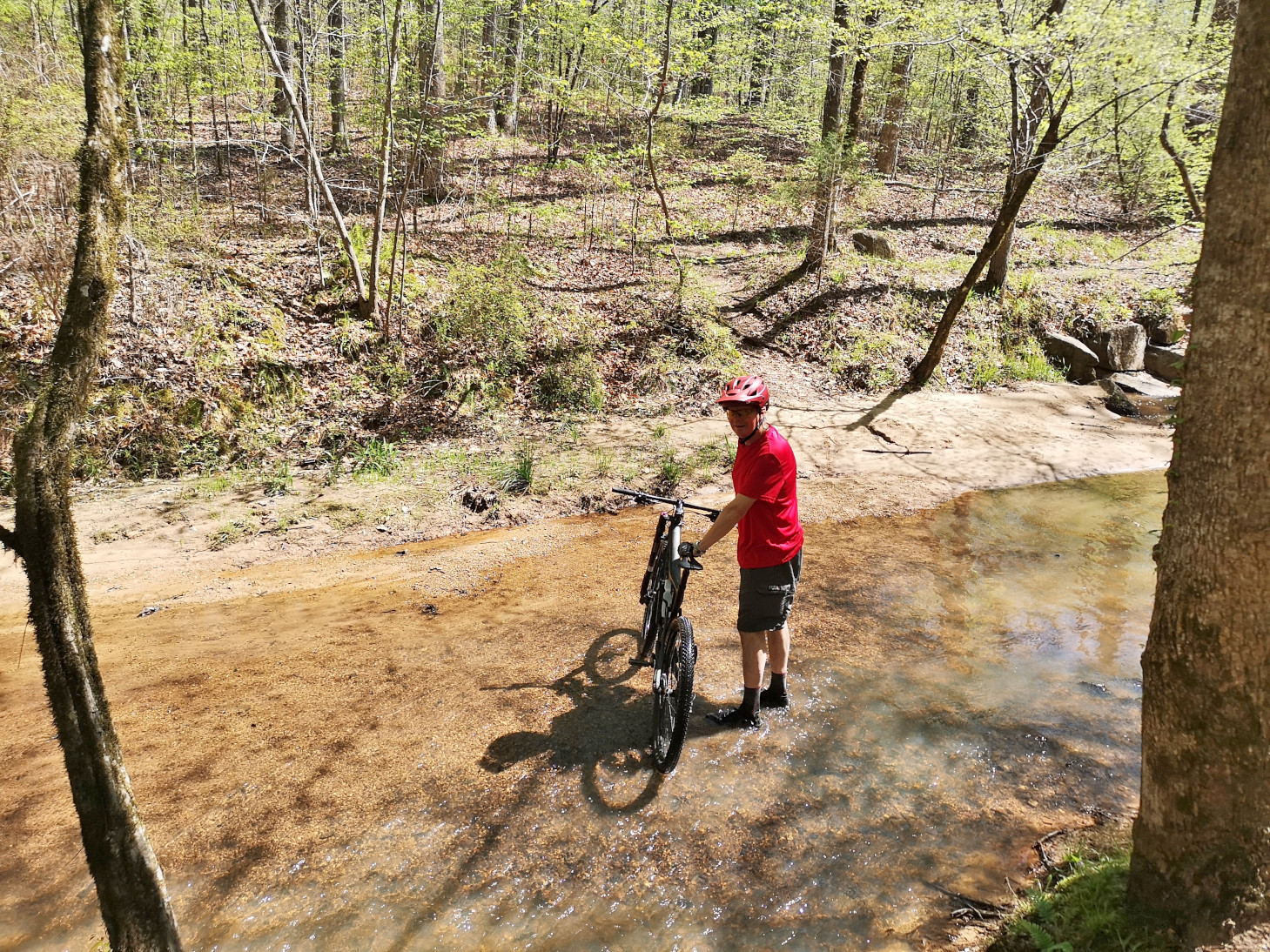
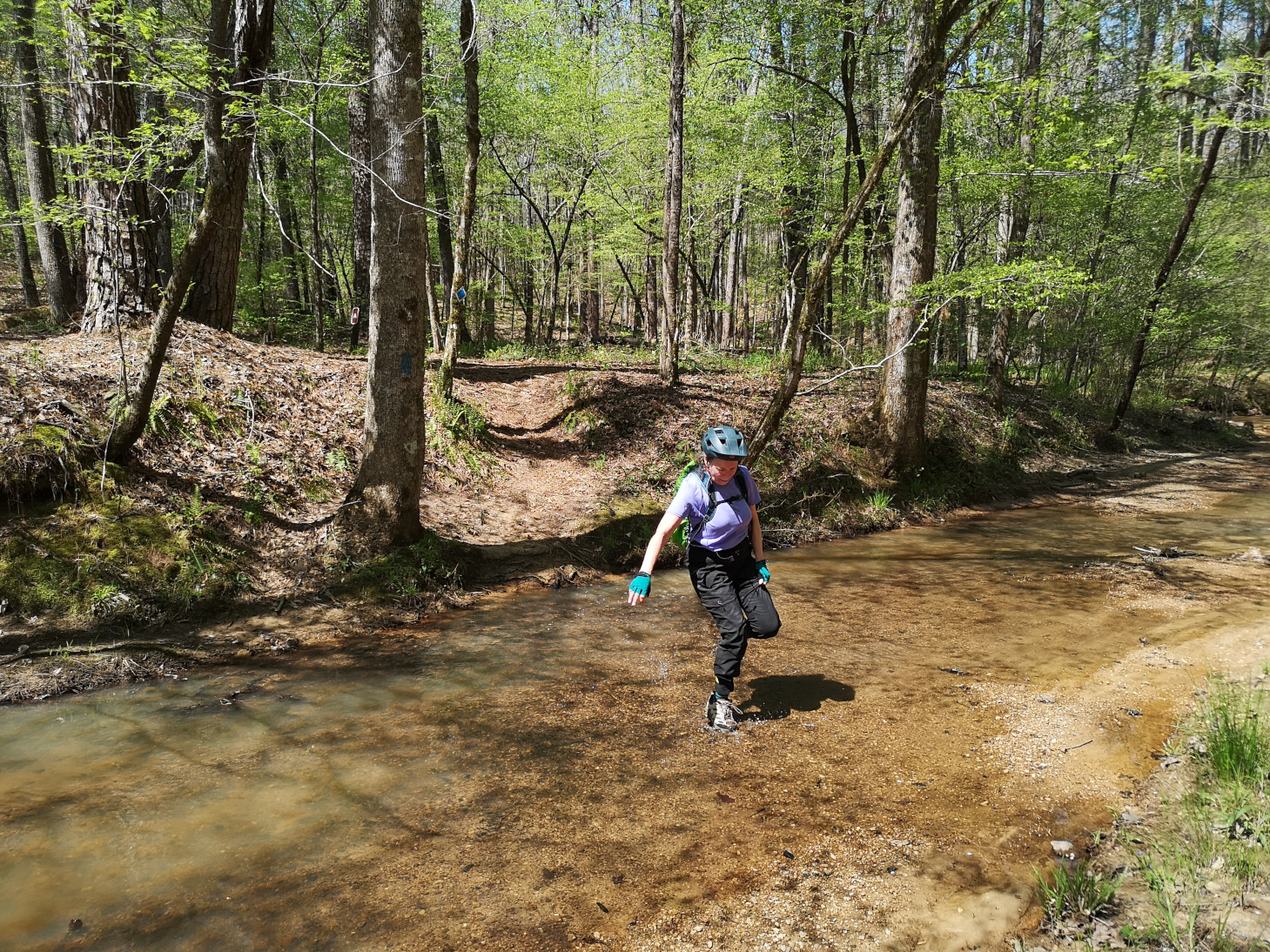
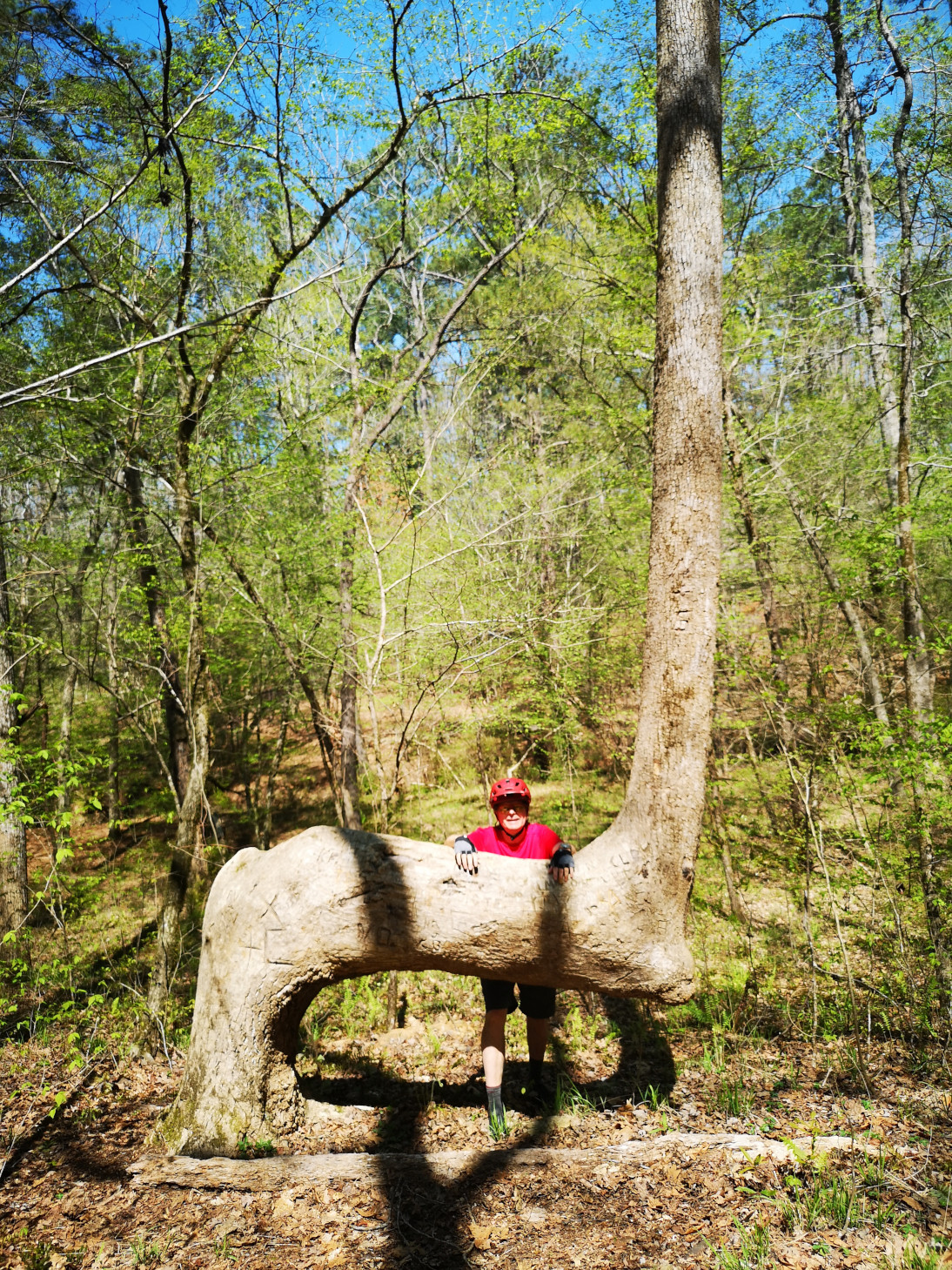
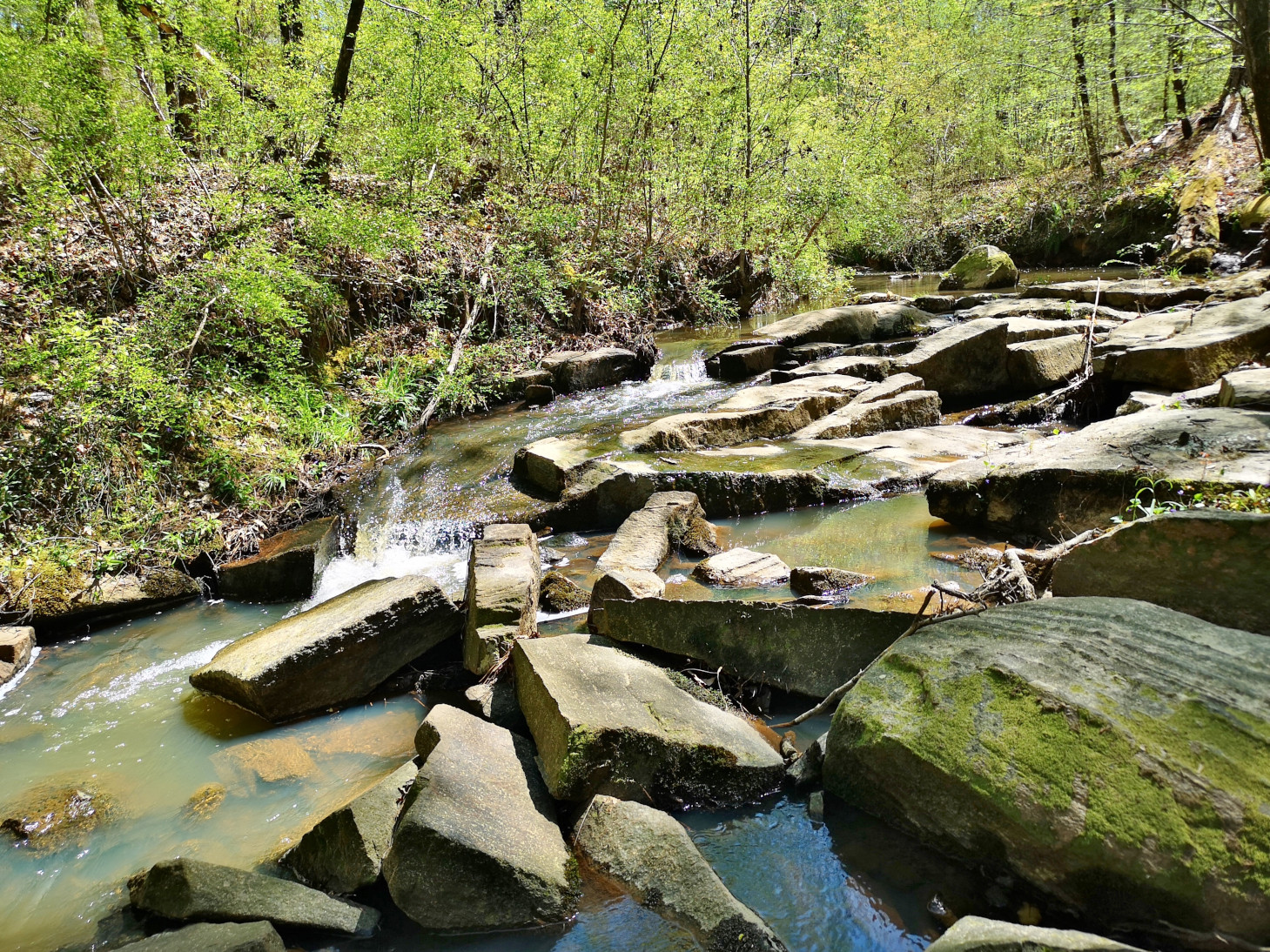
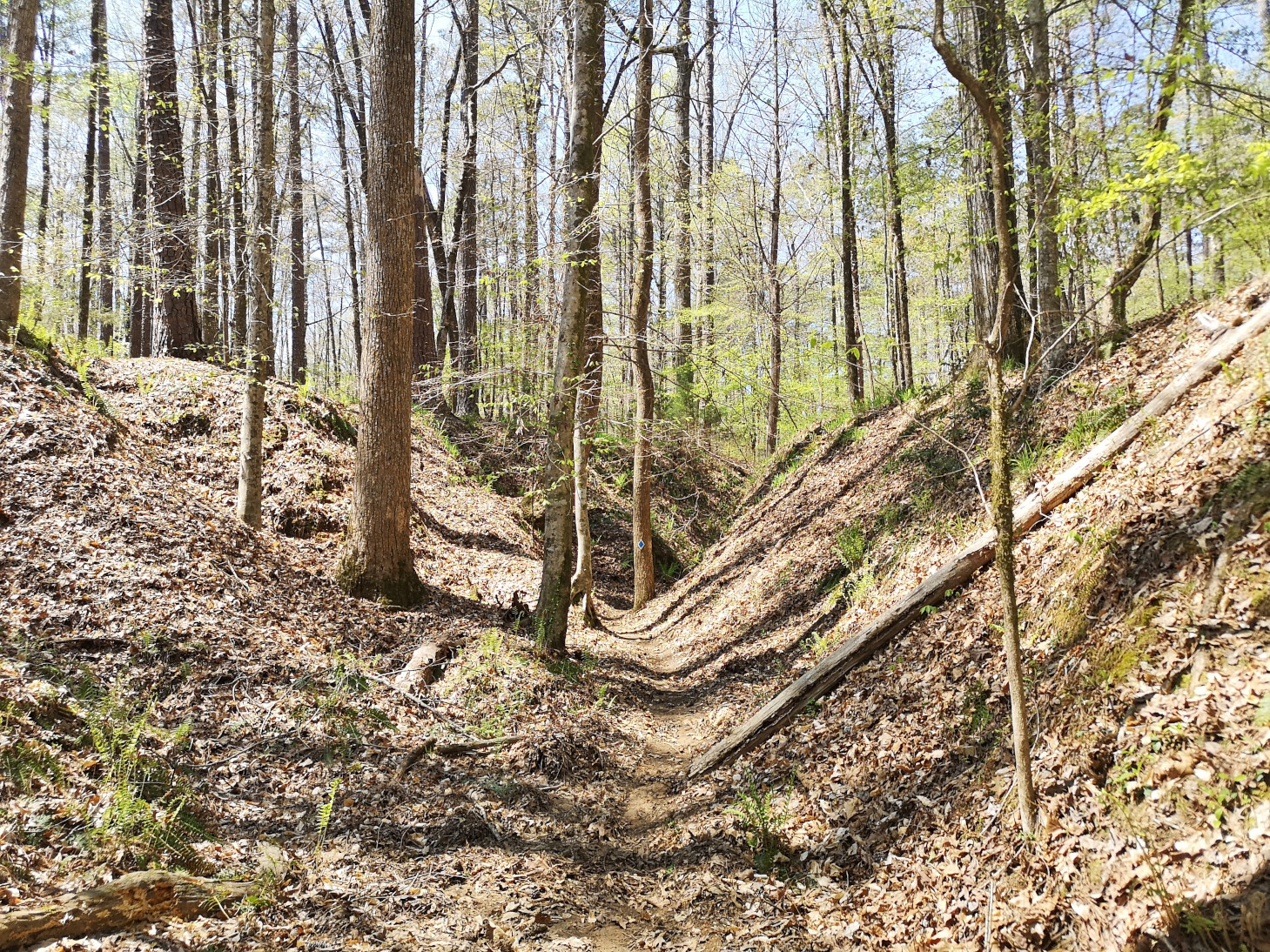
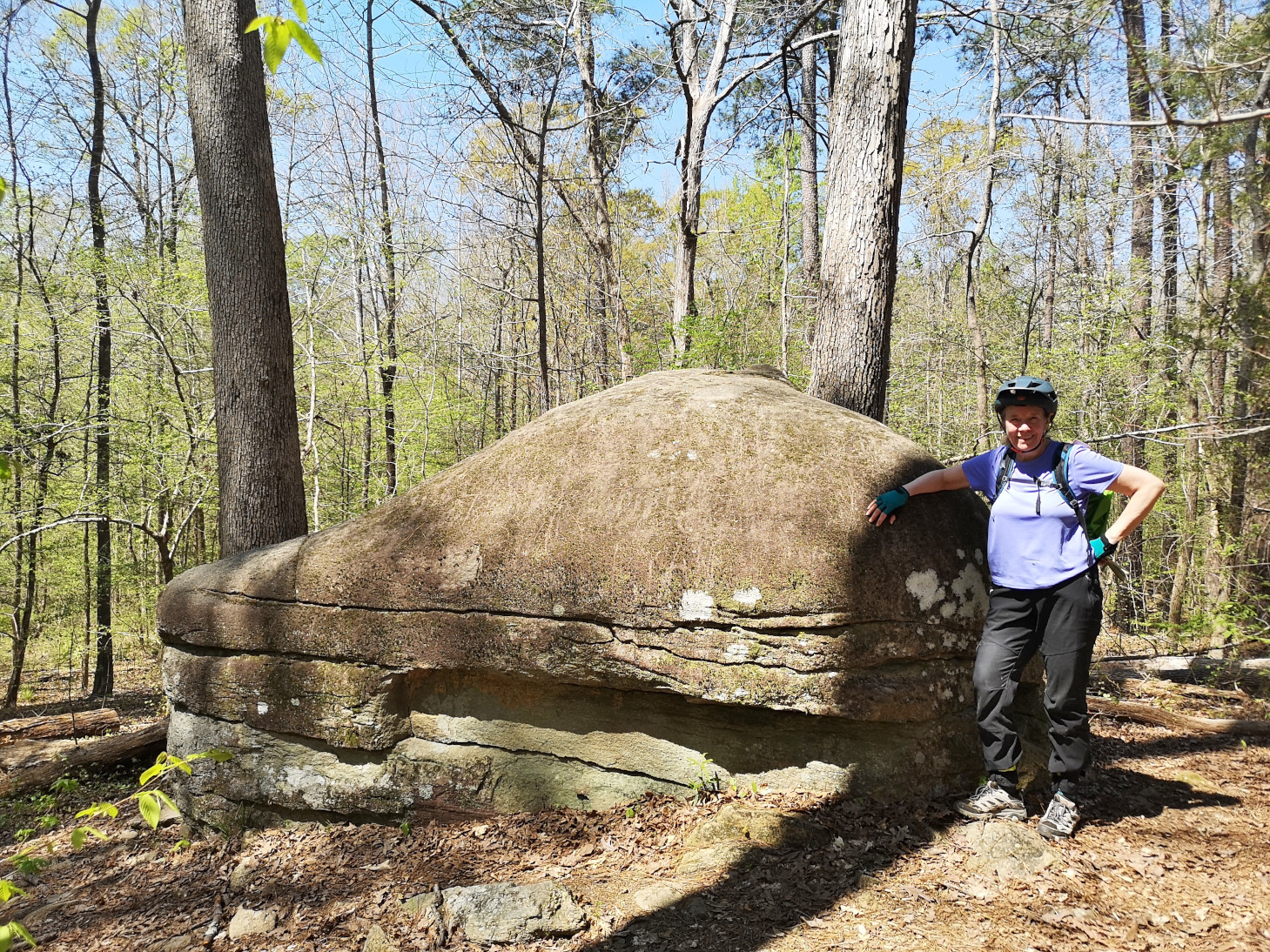
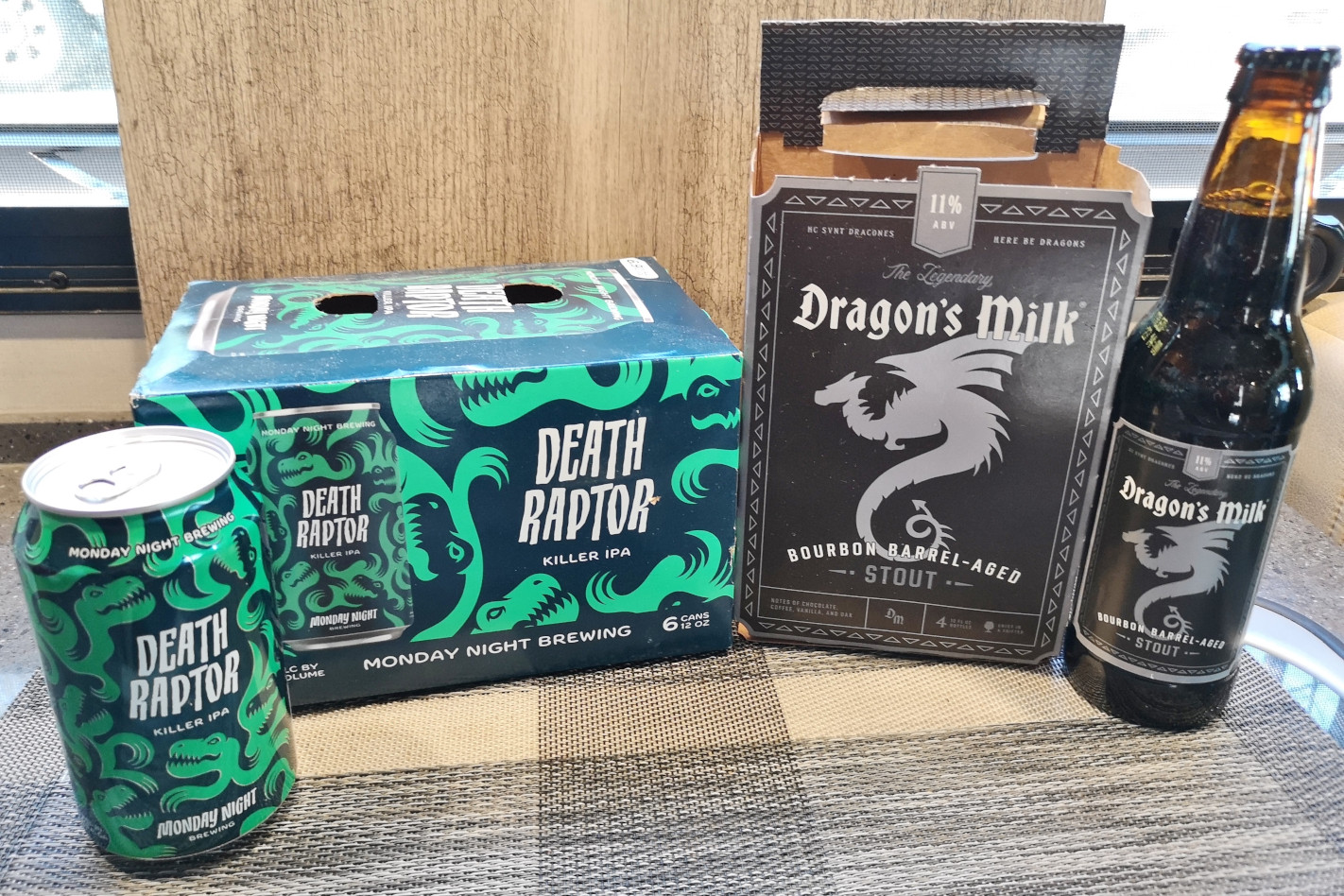
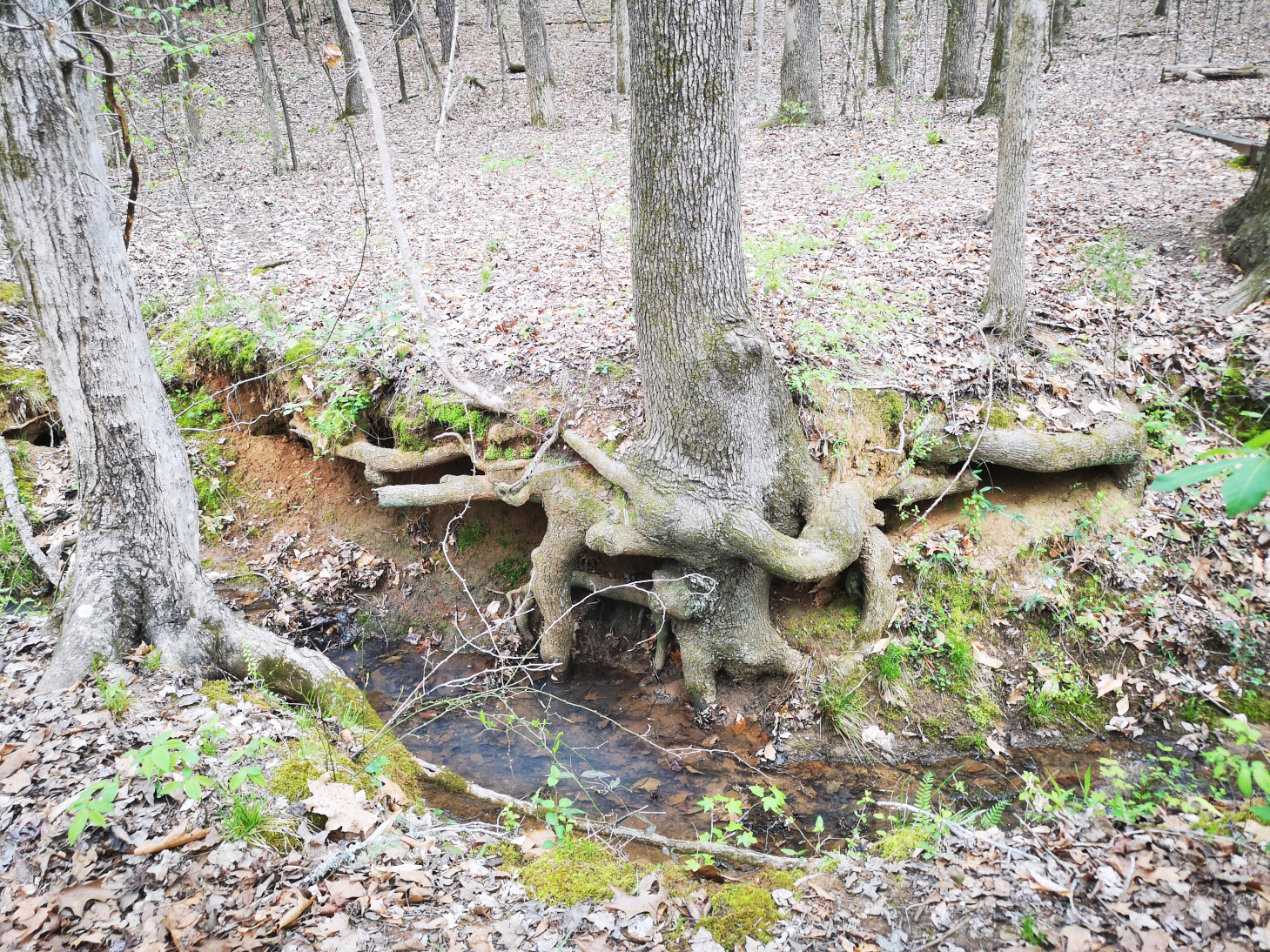
The next day we decided to ride the Rock Dam Trail which required 4 stream crossings. The Ranger said we could ride the trail, but we might want to bring an extra pair of socks because the streams were high, and we’d probably get wet feet. He was correct. We had to ride 5 kms on the park road to get to the start of the trail. The beginning was quite a challenge, there were several times where we had to push the bike, it was too difficult for us to ride. Sharon did a lot of B-hiking as she calls it, hiking with her bike! However, overall it was an enjoyable ride, saw the Rock Dam, the Sitting Tree (a bit high to sit on for us), Split Rock and Devil’s Gorge. You could hardly fit in the gorge, let alone ride your bike through it. At the end Sharon was tired out so took the road back, I did a bit more MTB riding taking the Office Trail to the Beach Trail and part of the Campground Trail back to our campsite. The beer certainly tasted good after a long 18 km ride on a warm day (my favourite was the Dragon’s Milk Stout). It took about 3.5 hours to do the ride with a lunch break and photo stops.

On the way to our next park, we decided to drop into Elijah Clark SP to check it out. This park was packed due to the families on spring break! It was located north of Mistletoe on the same manmade lake system and similarly most of the campsites were along the water’s edge. The park was named after a frontiersman and war hero who led a force of pioneers in Georgia during the American Revolution. Clark and his family are buried in the park. We visited a reconstructed log cabin which displays colonial life with furniture and tools dating back to 1780, like what the Clark family would have lived in. We couldn’t go inside as they were doing some restoration work. Next, we drove around the two campground loops and took note of some nice campsite numbers along the lake for a future trip.
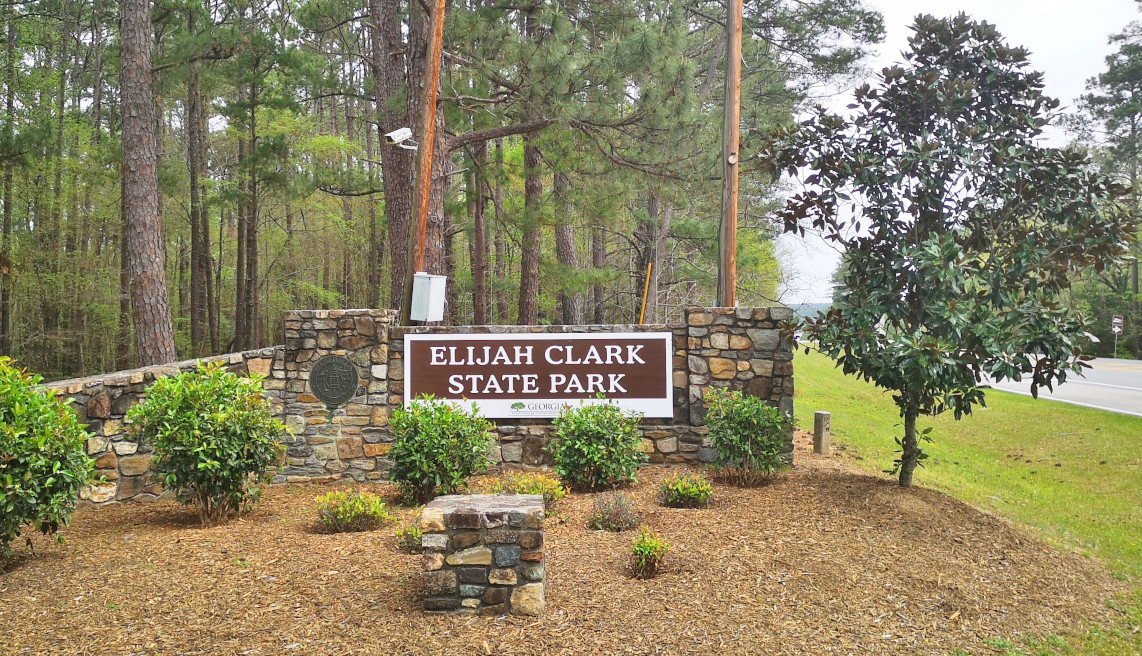
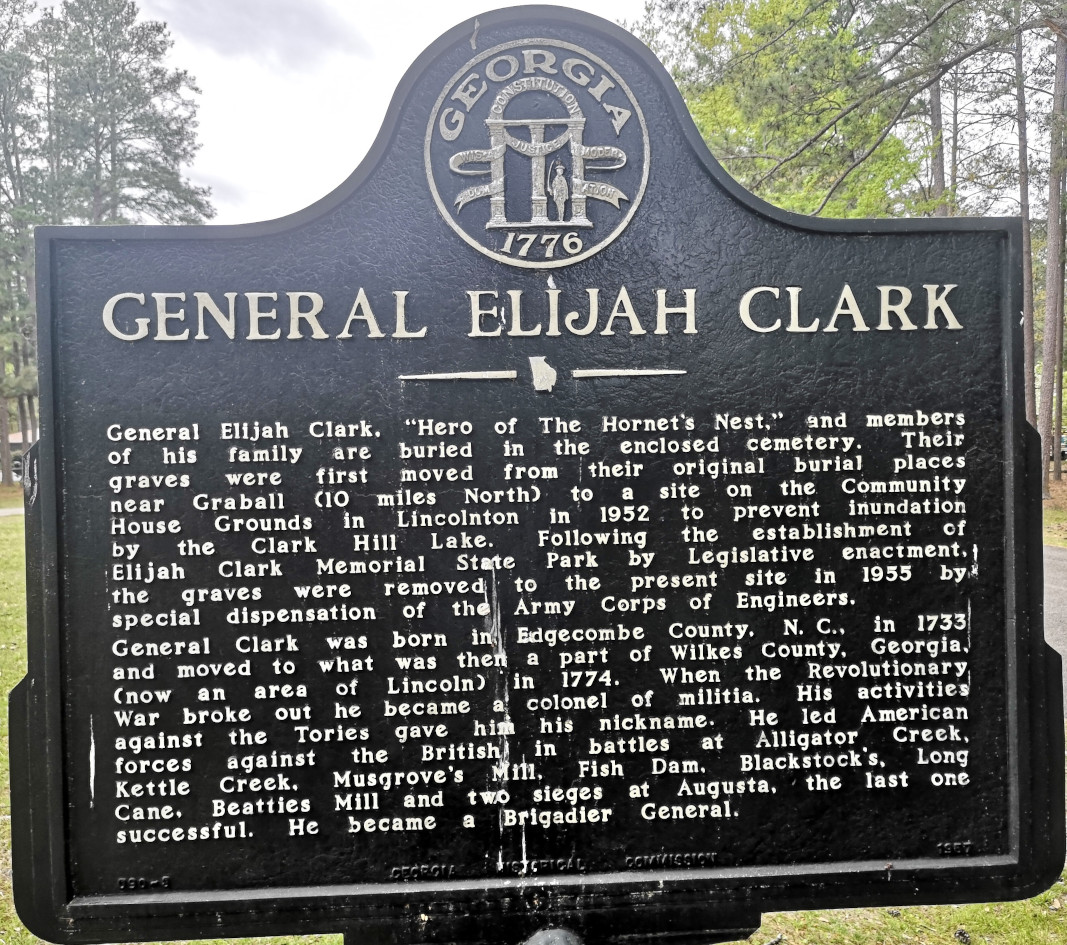
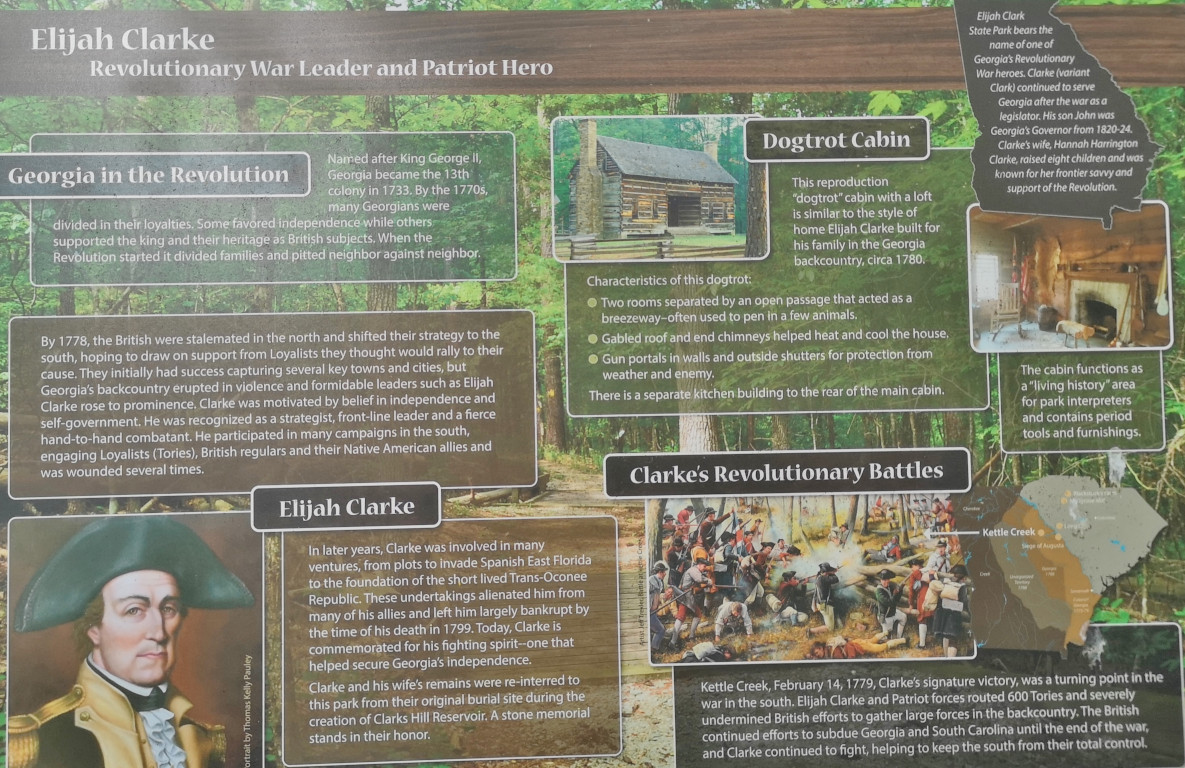

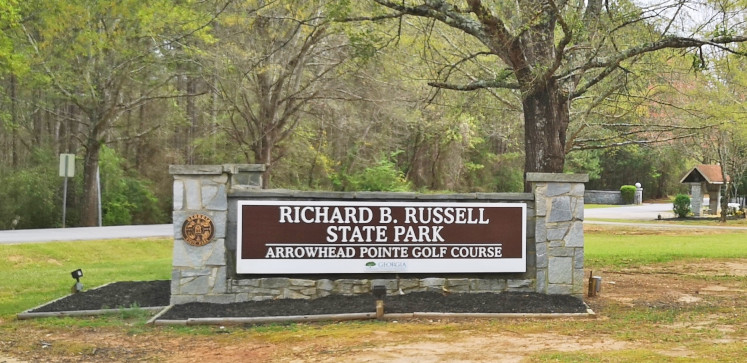
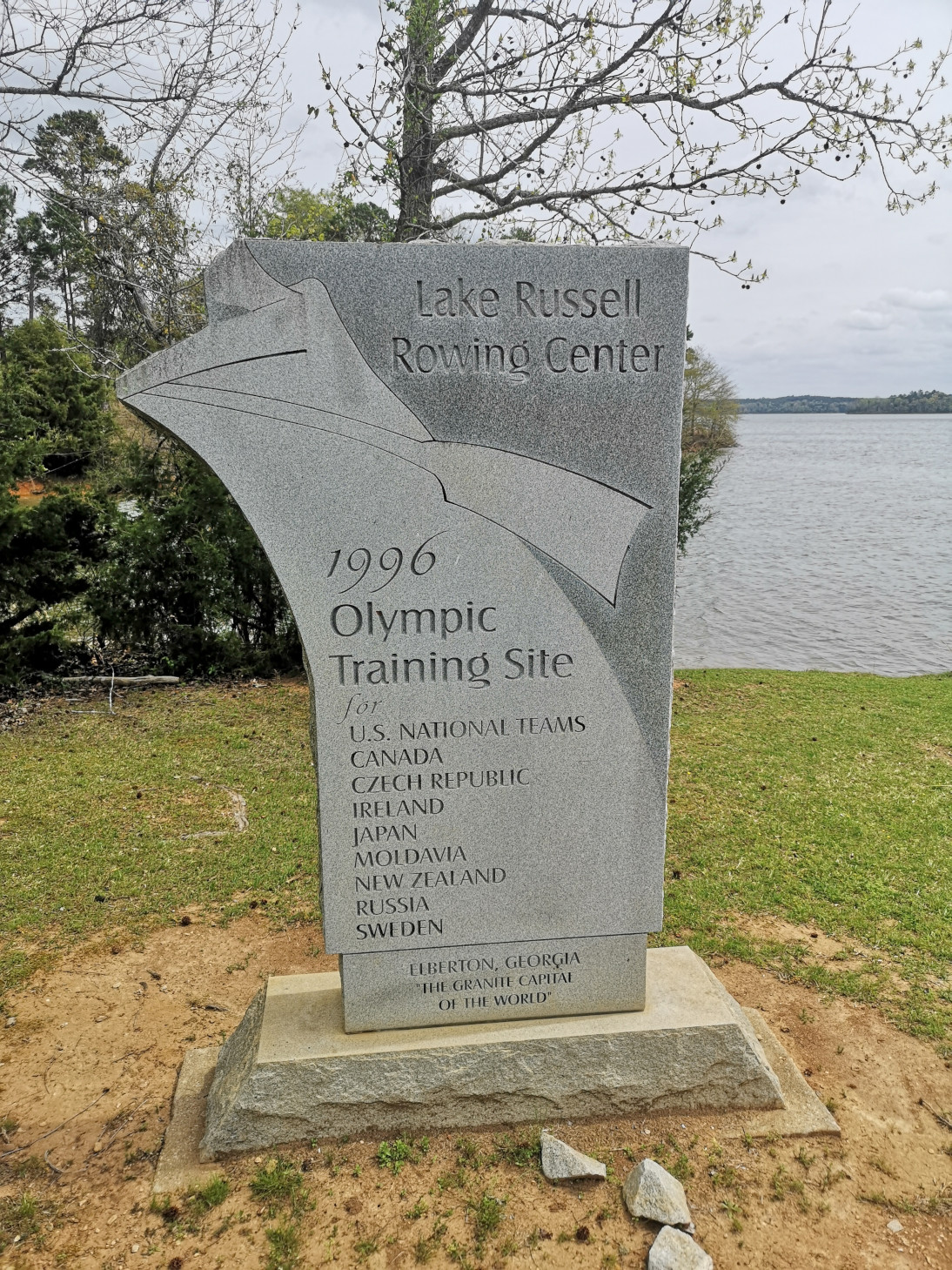
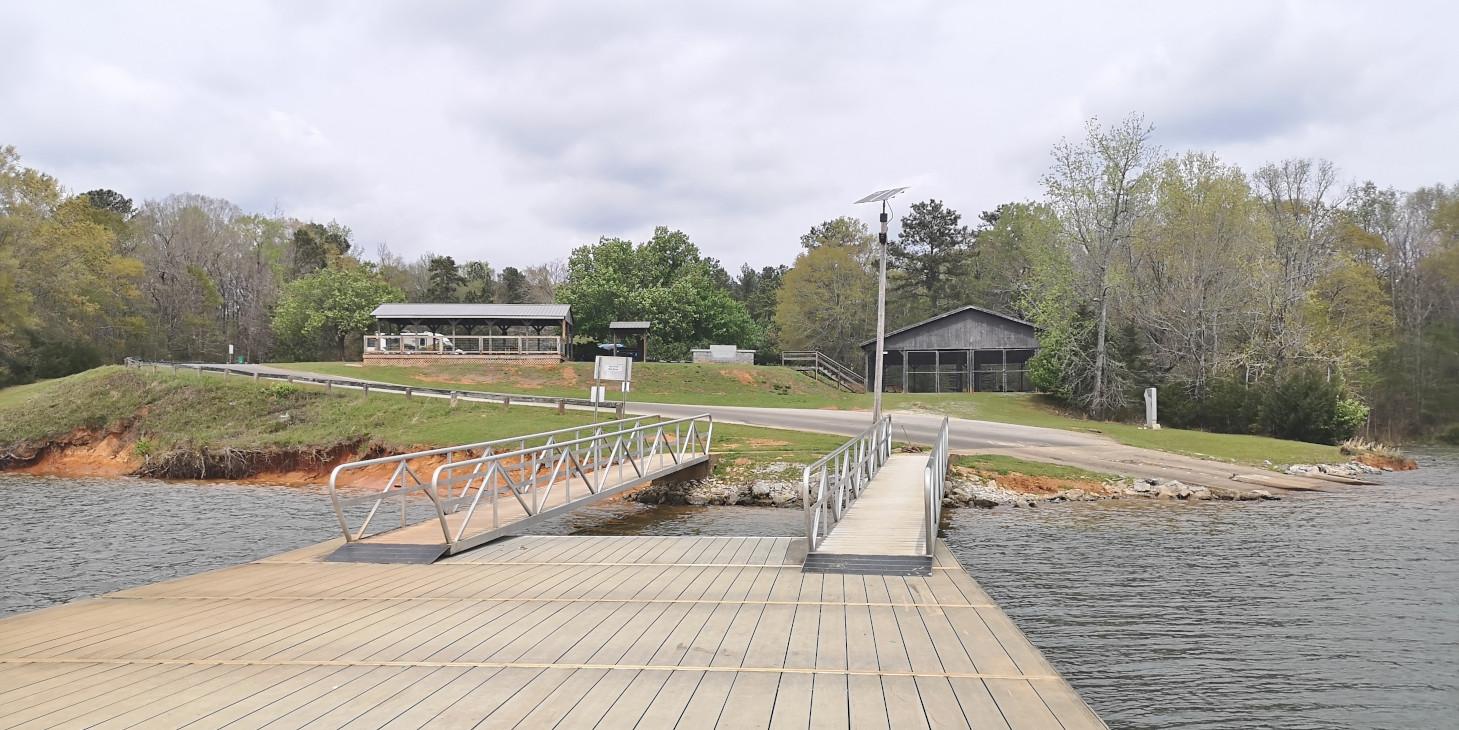
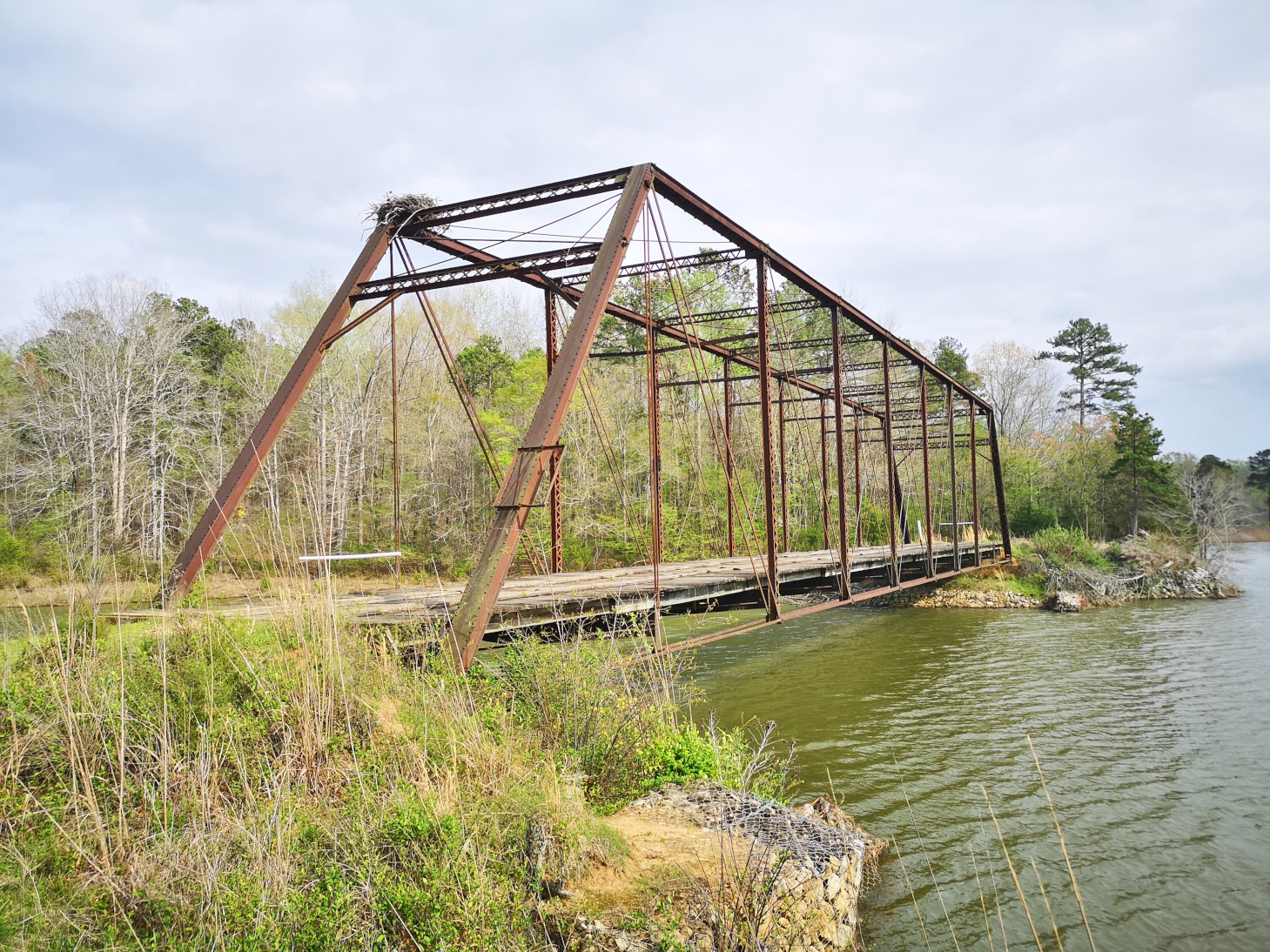
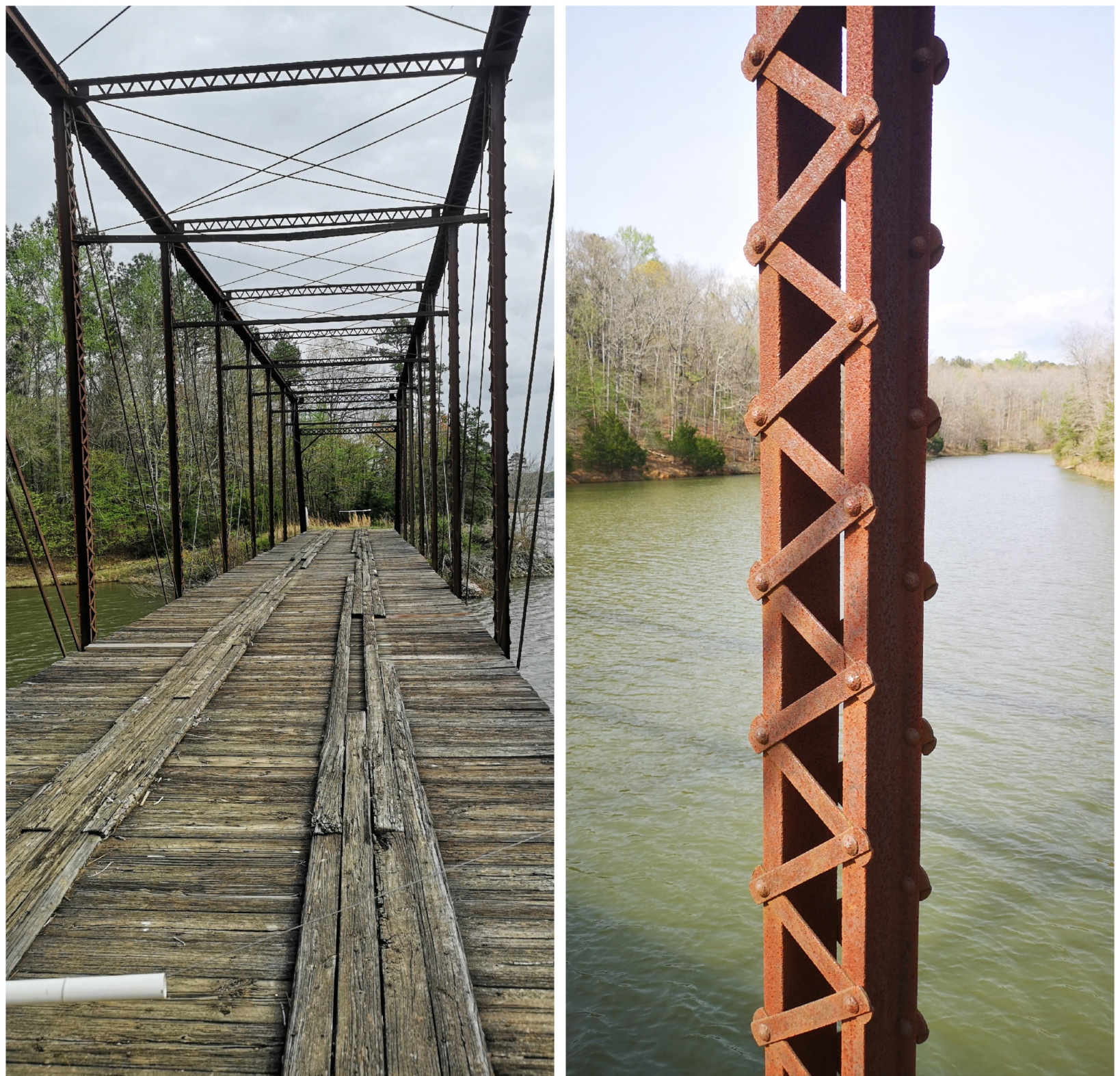
Richard B Russell SP covers a large area (2508 acres) and with only one day here we opted to drive around a bit before setting up camp. We drove past the 27-hole disc golf course and then the 18-hole golf course to the rowing boat shelter. This area was used by the Canadian Rowing team to practice for the 1996 Atlanta Summer Olympics. The only boats we saw on the lake were ones with motors, they love fishing in Georgia! Our campsite was one of the few not along the water. Once we were setup we headed out on the trails for a 6 km journey that took us over one of the oldest steel pin bridges in the area. The bridge was moved to the park when they were going to flood the land back in the 1980’s.
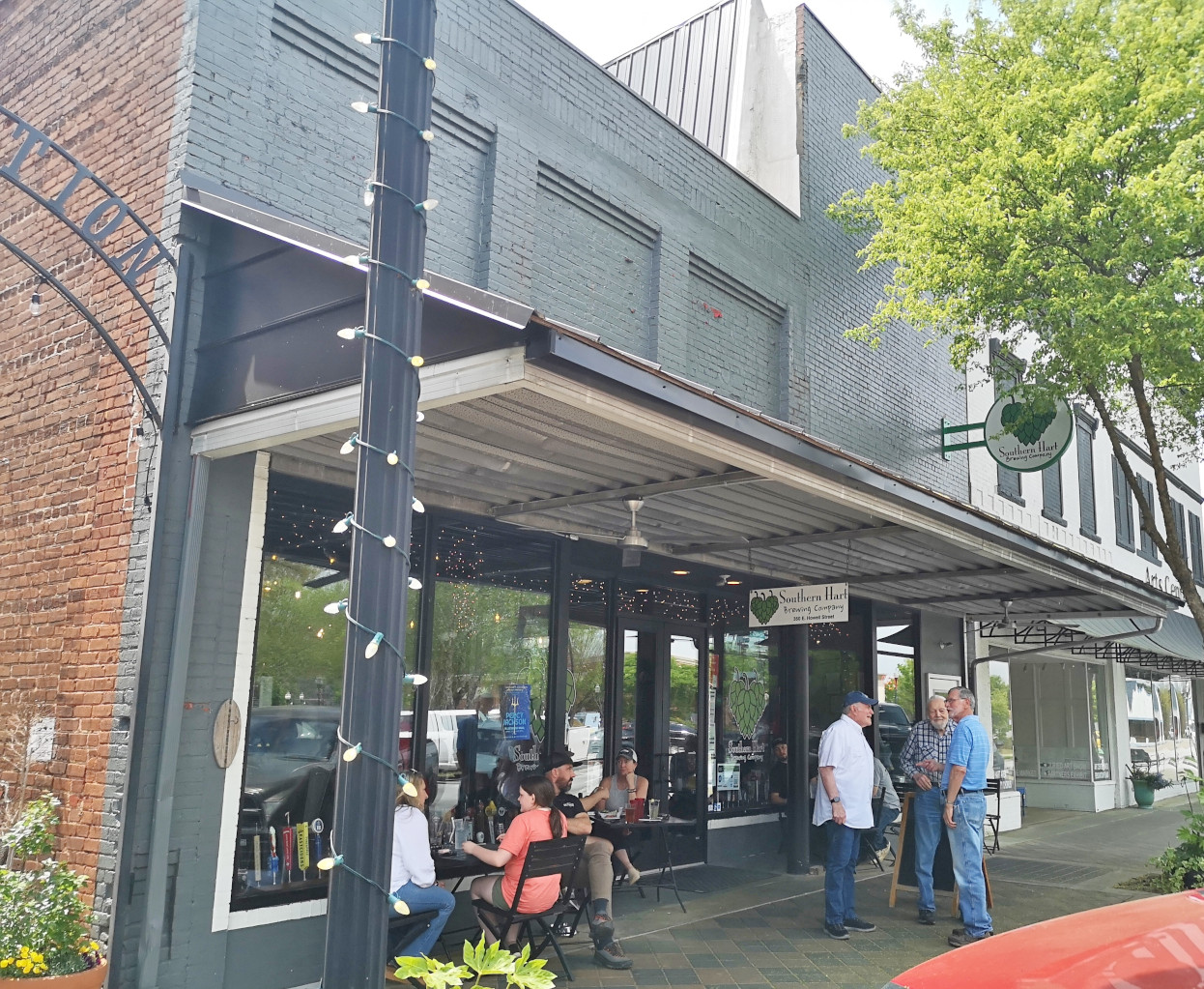
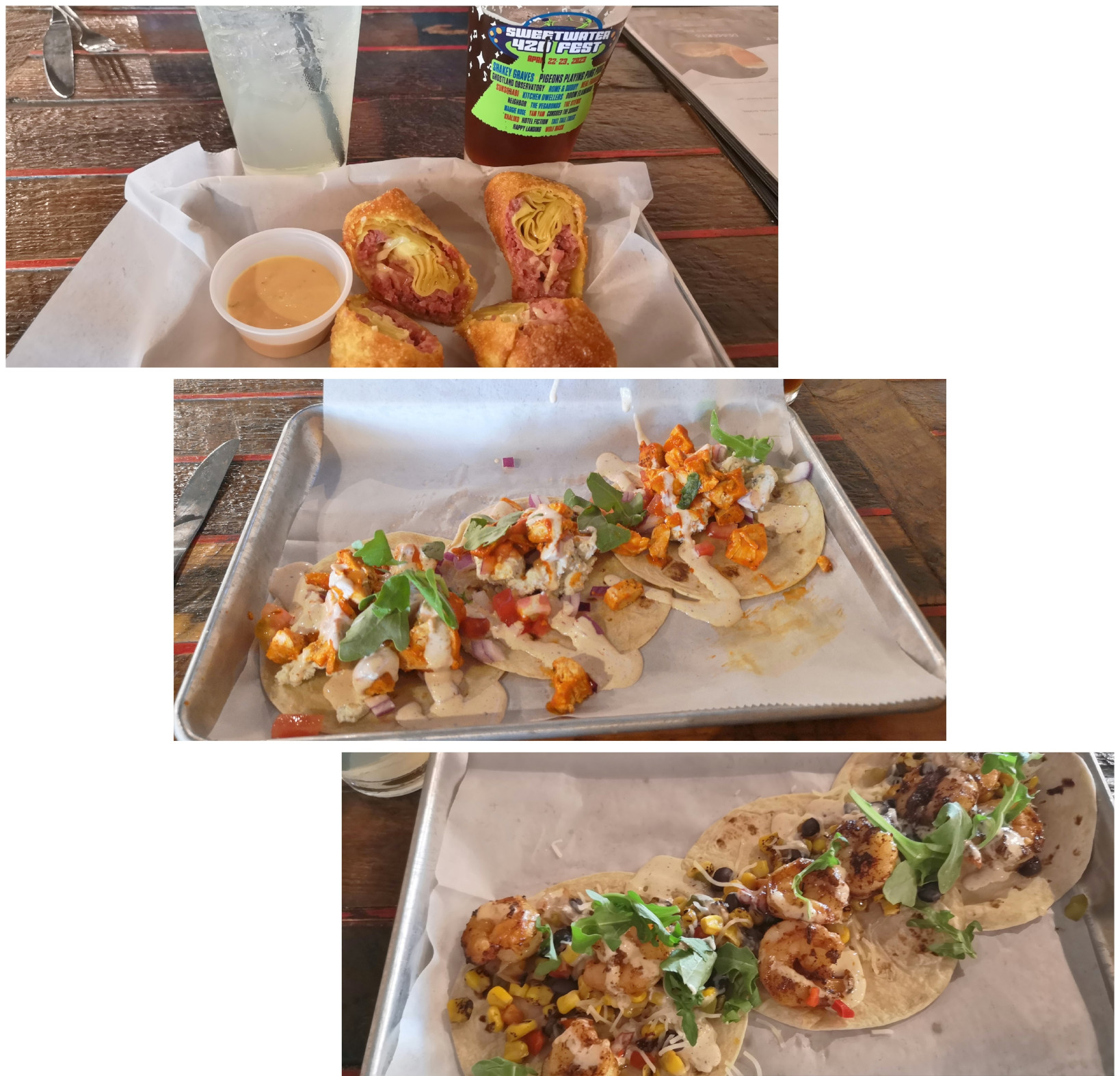
The next morning, we got a load of laundry done before leaving the park. Why not, we were close to the laundry building, and it wasn’t expensive. No more laundry to do now, we’ll be home when we run out of clothes! 😊Today’s enroute lunch stop was at Southern Hart Brewing Company in Hartwell. They had a couple of IPAs on their beer list but when the server brought the first one, I thought they had made a mistake. I could taste blood orange in the beer and one of their other beers listed that as an ingredient. I had the server bring me samples and as it turned out the IPA also had blood orange in it even though that wasn’t listed. I taught the server something about the tastes of their beers😉For lunch we had quite unique Reuben sandwich spring rolls which were excellent, and I had Spicy Buffalo Chicken tacos while Sharon had Shrimp tacos. After lunch Sharon checked out some of the shops while I headed back to the RV to get a blog posted and then we went to a Mennonite shop and bought all sorts of preserves as the prices were very good.

As we left Hartwell to travel to Tallulah Gorge SP unfortunately a dump truck drove by us the other way at high speed and threw a large rock into our windshield, chipping it! Of course, it had to be dead centre with my line of sight forward through the windshield. I put some clear Gorilla tape on it so we could continue to travel until we can get it fixed. This is the 4th time in 8 years that we’ve had damage to our windshield.
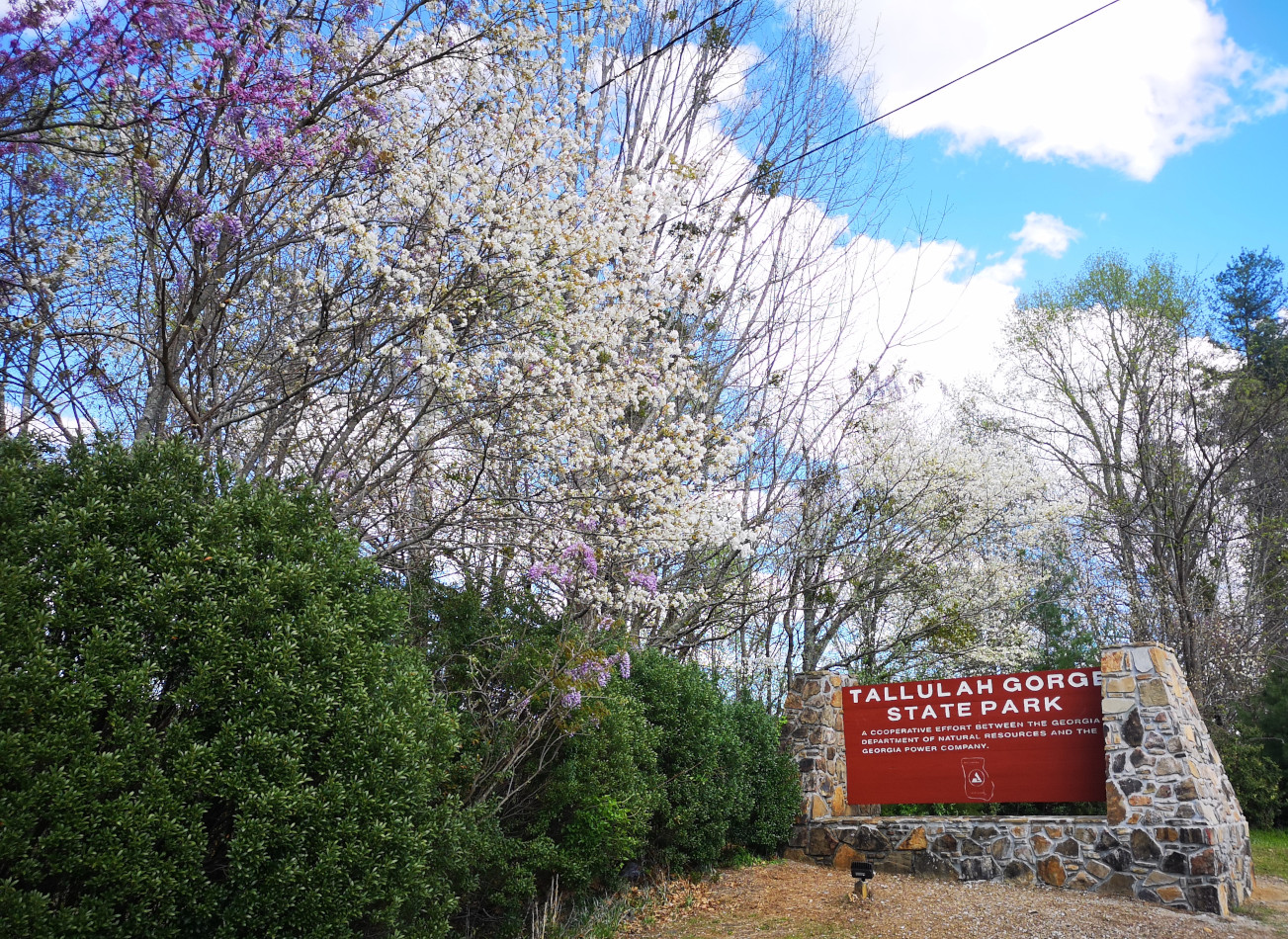
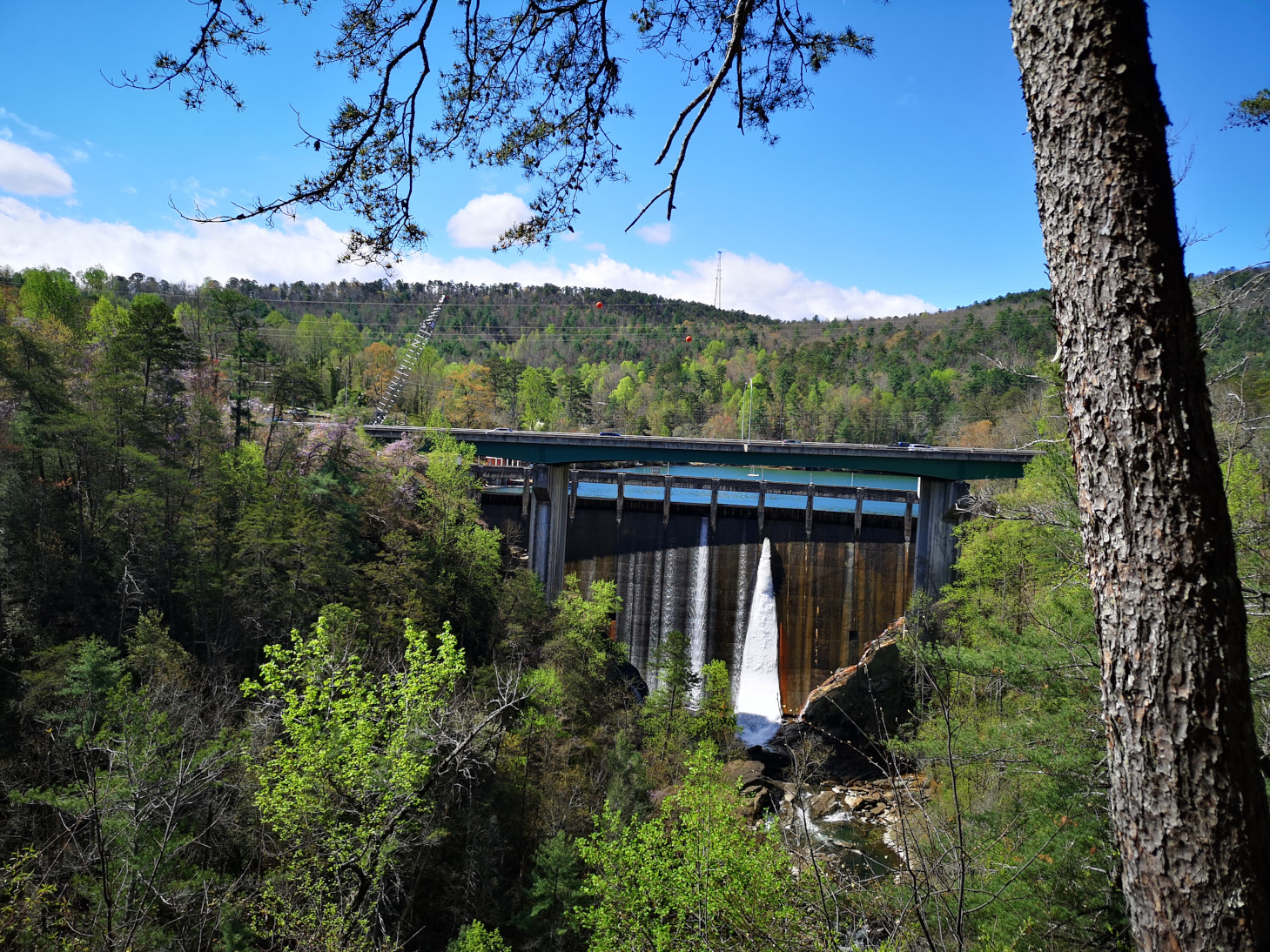
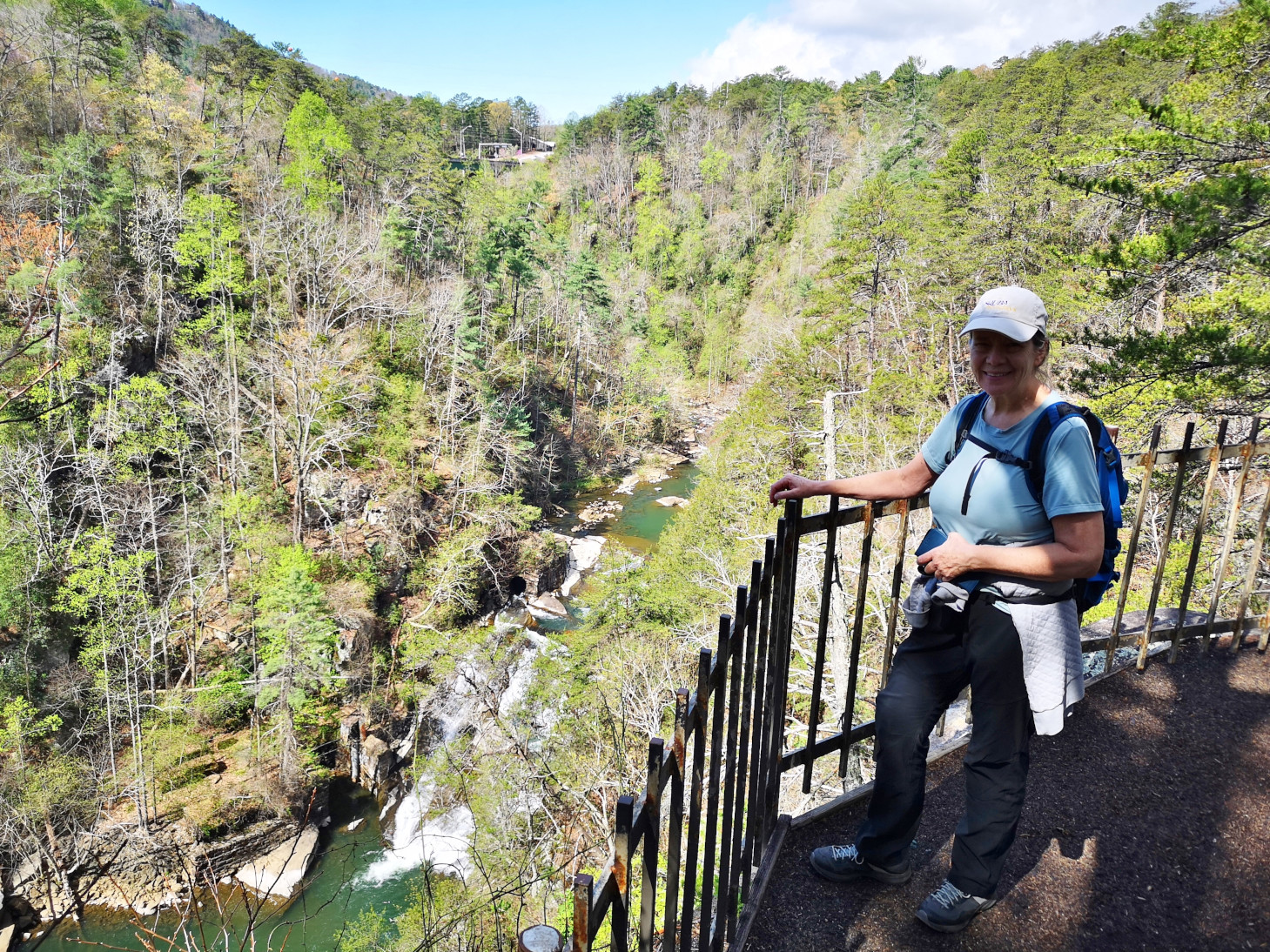
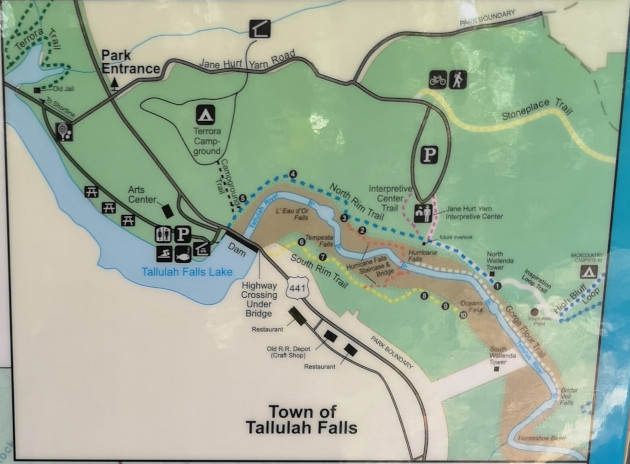
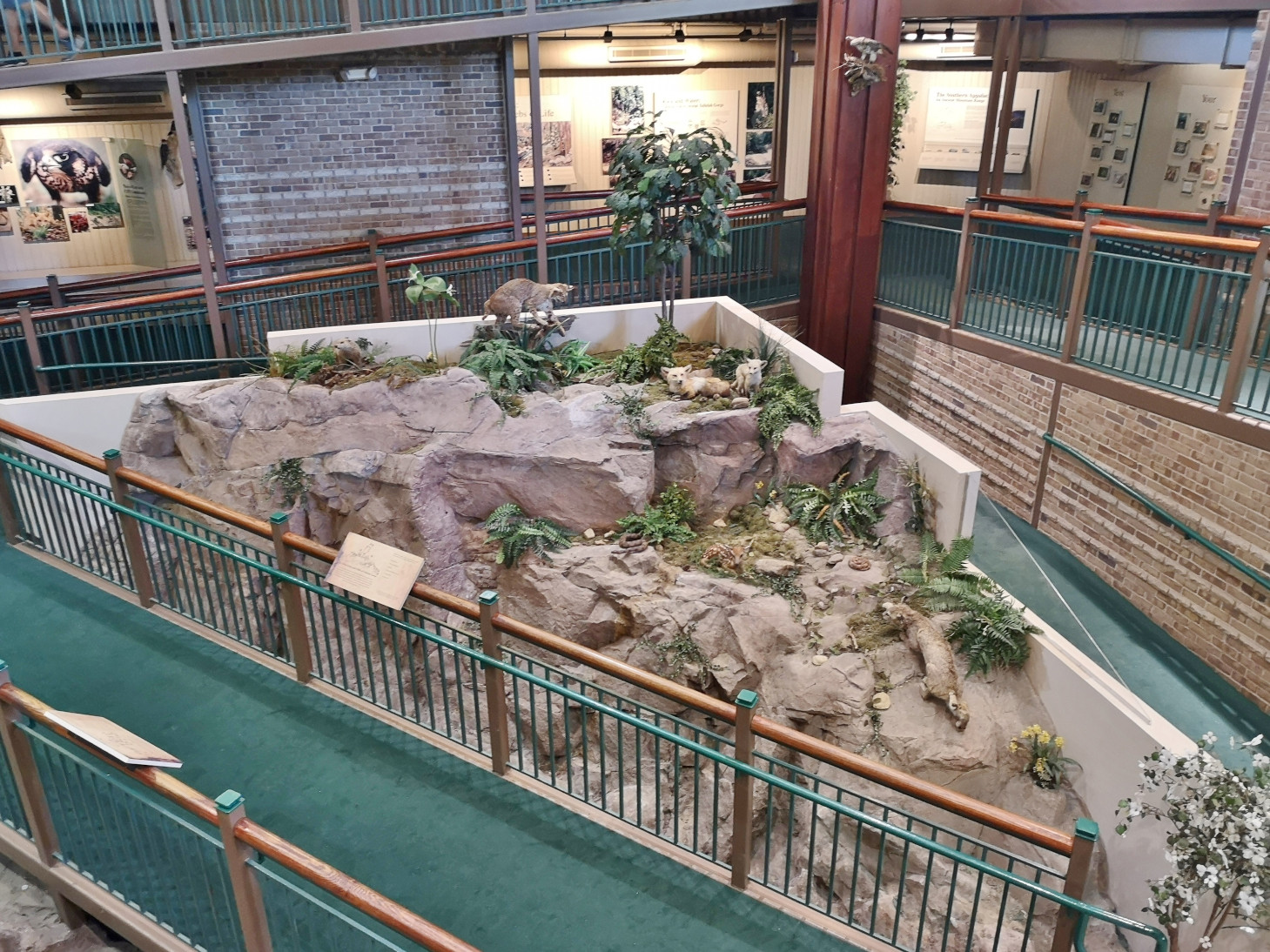
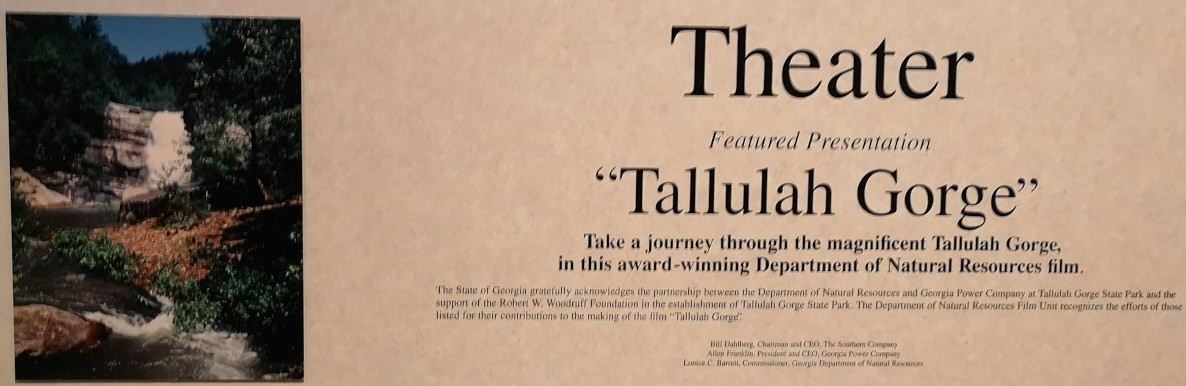
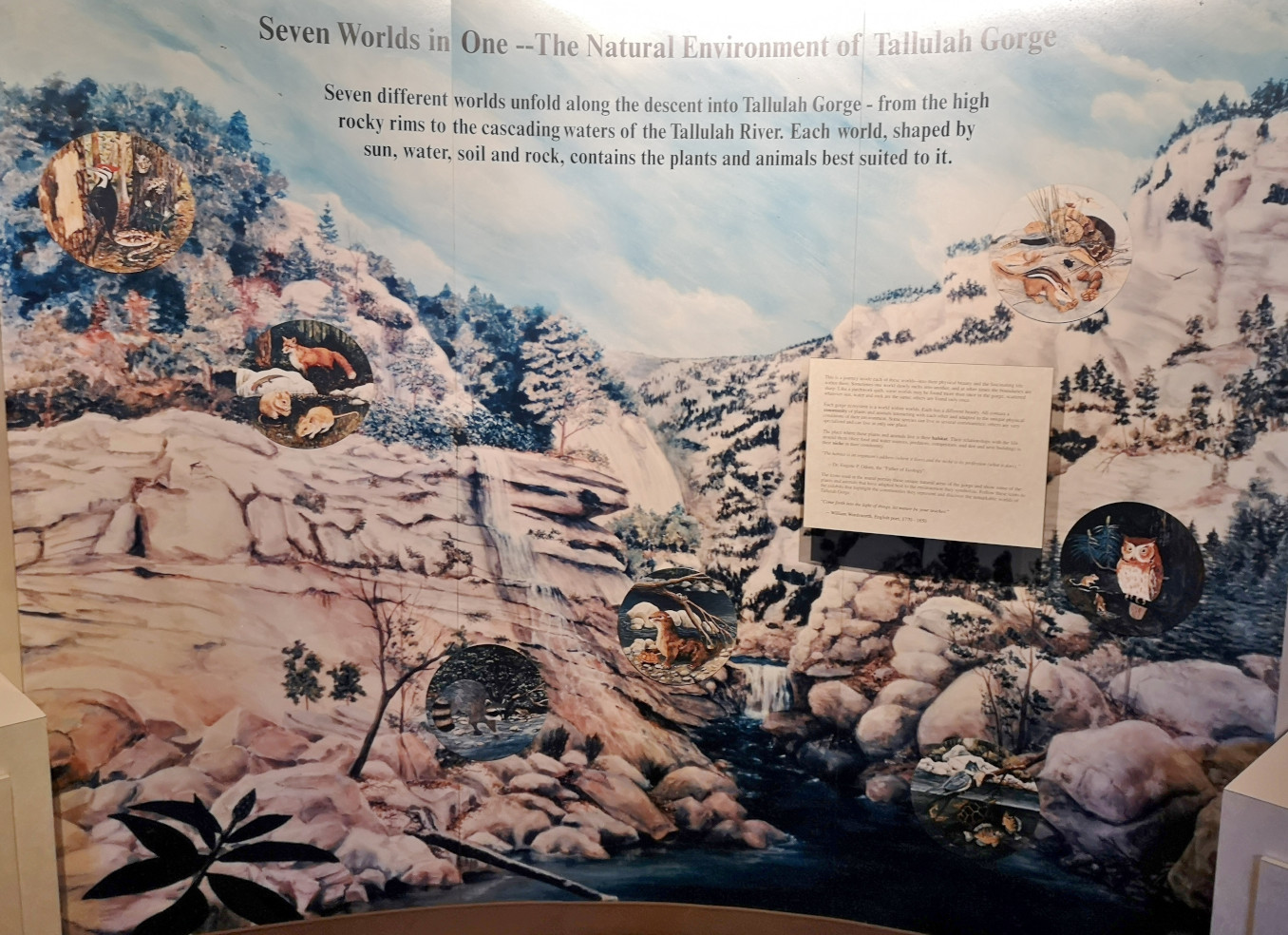
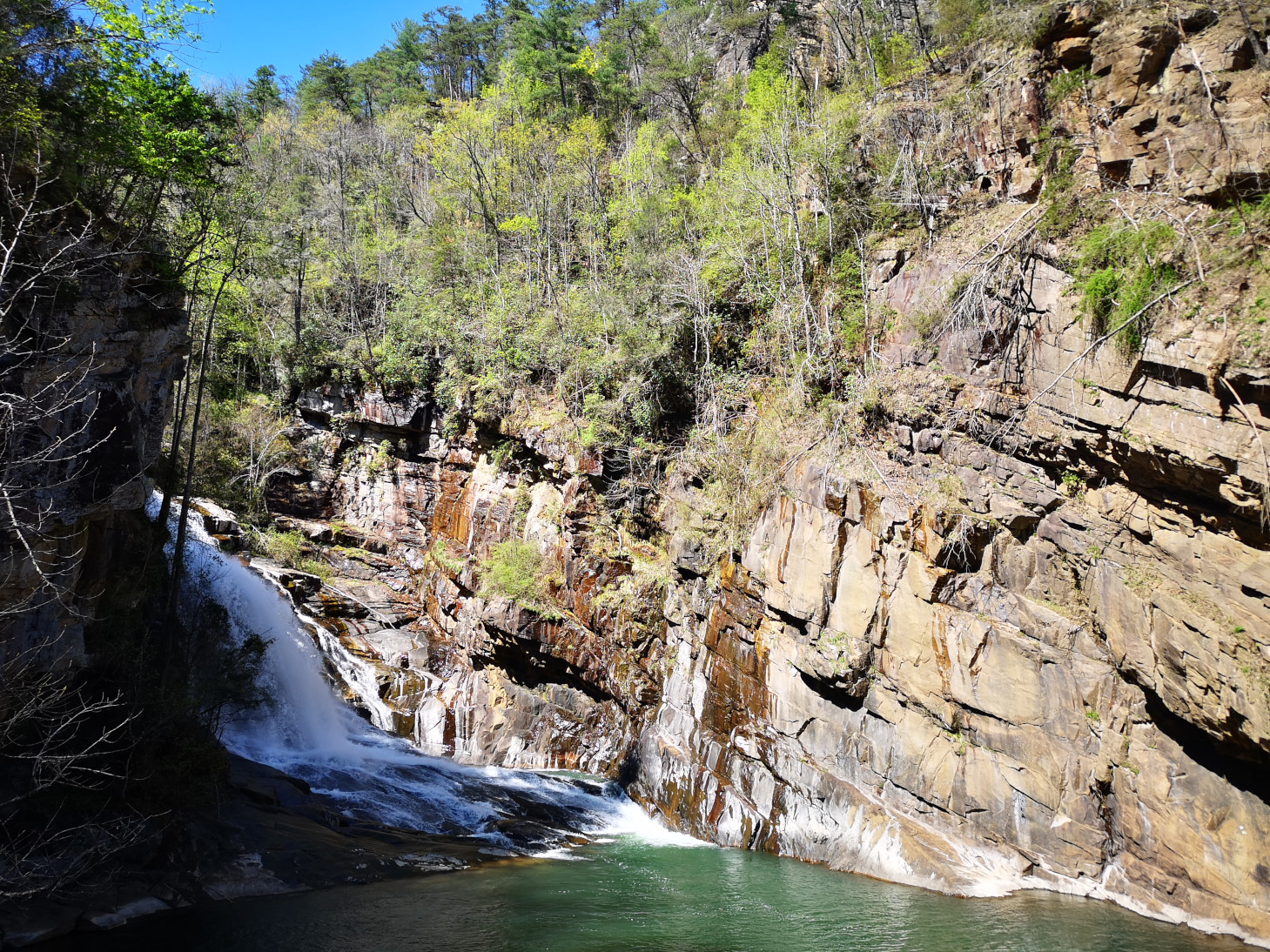
Our last Georgia state park was Tallulah Gorge. Not our favourite campground as the sites are close together and it was full due to spring break. We also had neighbours that were really loud until 12:30 am one night. However, the gorge was an experience not to be missed. From the campground you can take the North Rim trail. Our first stop was the Upper Gorge and Hawthorne Pools and the Tallulah Dam which was completed in 1913. Next was L’Eau d’Or Falls (46’) before we reached the Interpretive Centre. There was a movie and lots of information on the Gorge in the centre. Here are a few fun facts:
- Canyon Spans two miles and plunges 1000 feet.
- The dam was built to divert water to the power station for electrical generation.
- There are five waterfalls, four were visible from the rim trail but the Bridal Veil falls required a steep climb and special permit. After seeing how you had to get to the trail, we opted to give that falls a pass.
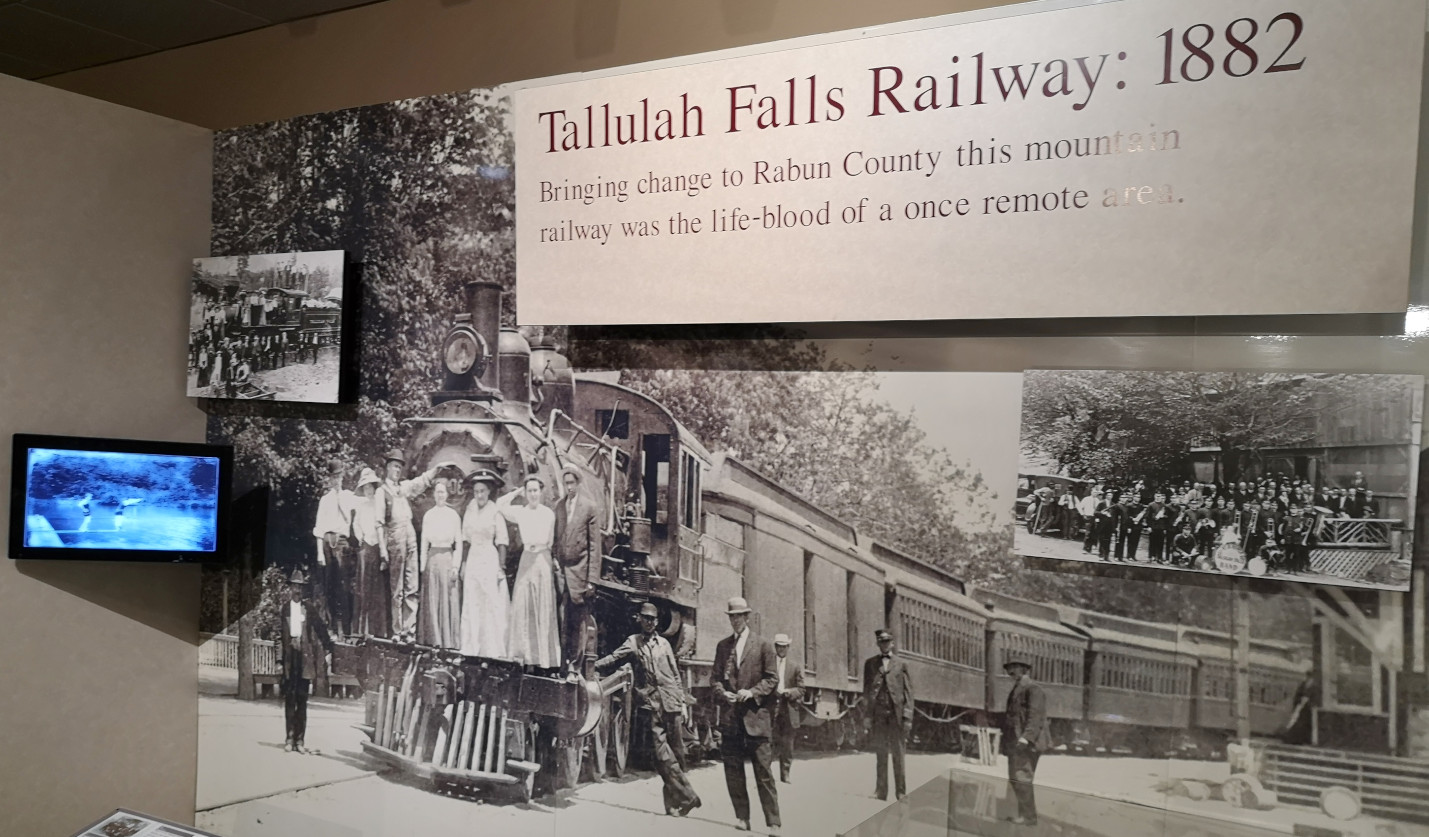
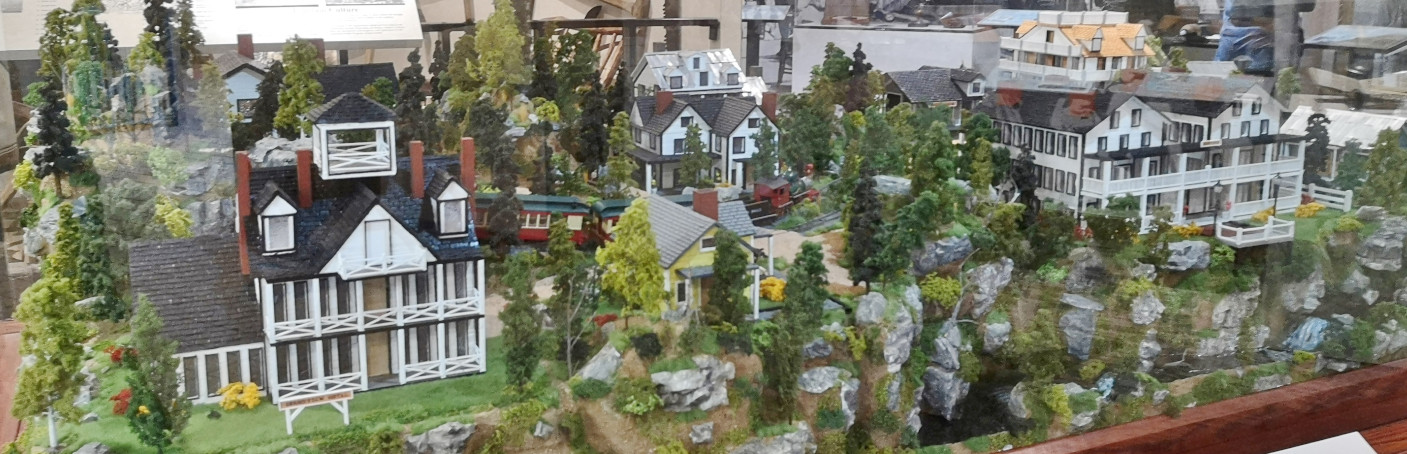
- In the 1800s the railroad brought tourists to the city of Tallulah Falls. It was also known as a honeymoon destination as it was the Niagara Falls of Georgia. They say there were lots of girls named Tallulah born after their parents visited this area😉
- Once train travel declined and the town of Tallulah Falls got devastated by a fire, the area didn’t have many tourists.
- In 1992 Georgia Power partnered with the State to create the park.
- They have scheduled Aesthetic Releases on special weekends that increase the water flow by 200 cubic feet/sec. It creates fantastic views and some wild rides for kayaks with a special permit.
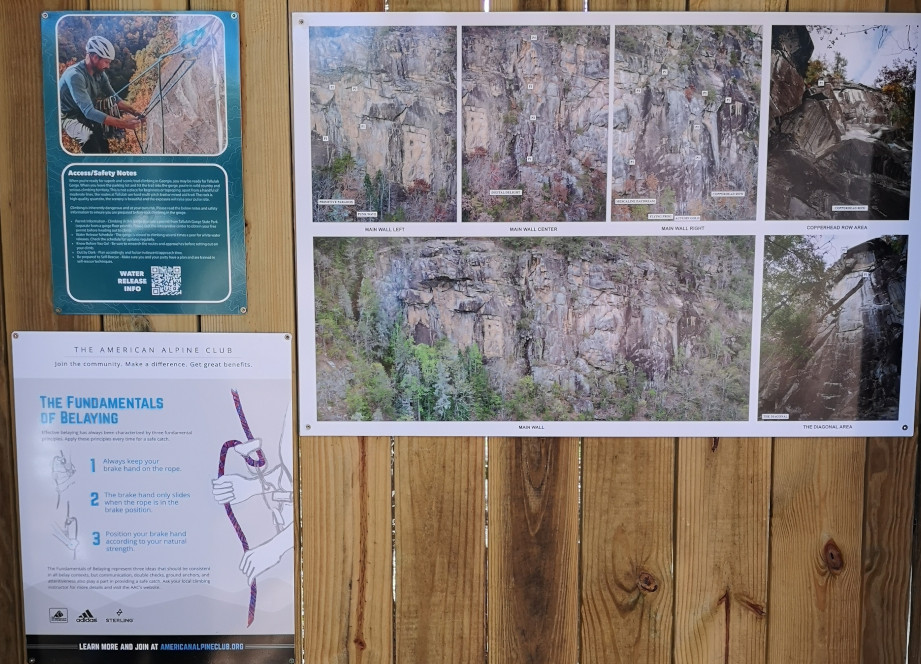
- Climbers can get permits to climb the walls of the gorge and we saw the climbing routes posted on a display board.
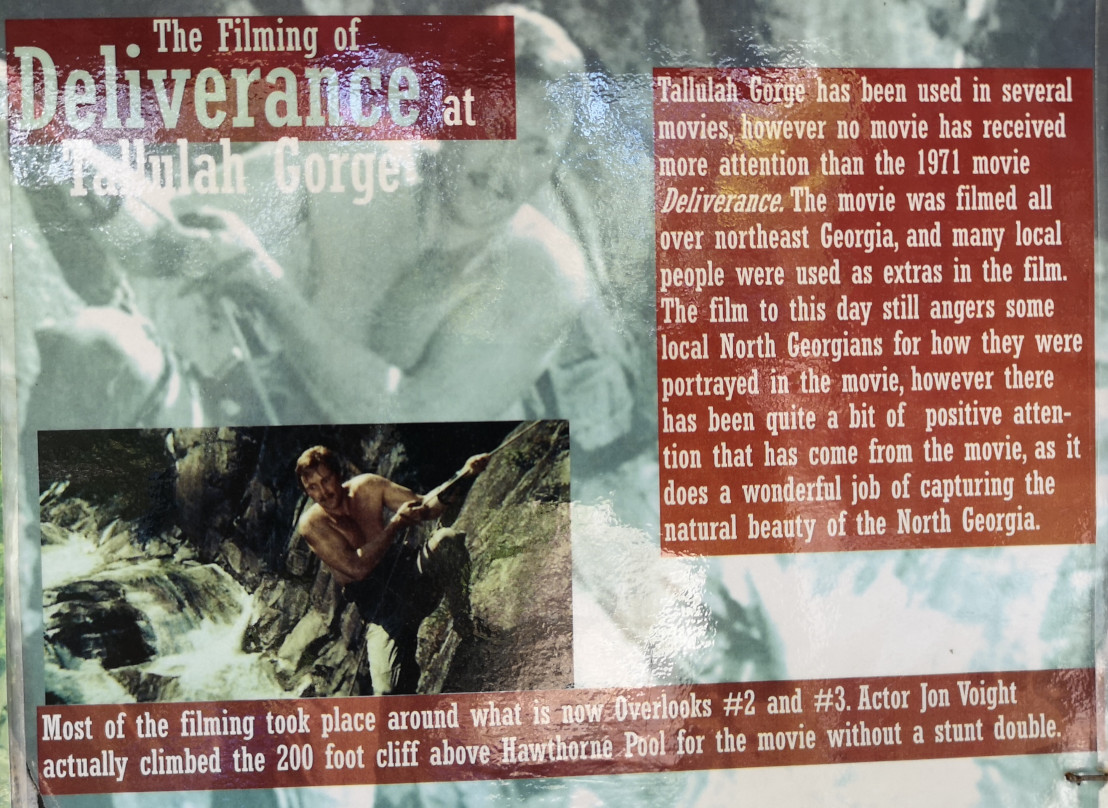
- The movie Deliverance was filmed in the Gorge. Sharon remembers the movie being scary. She said she’ll wait until she leaves the area before trying to watch it again.
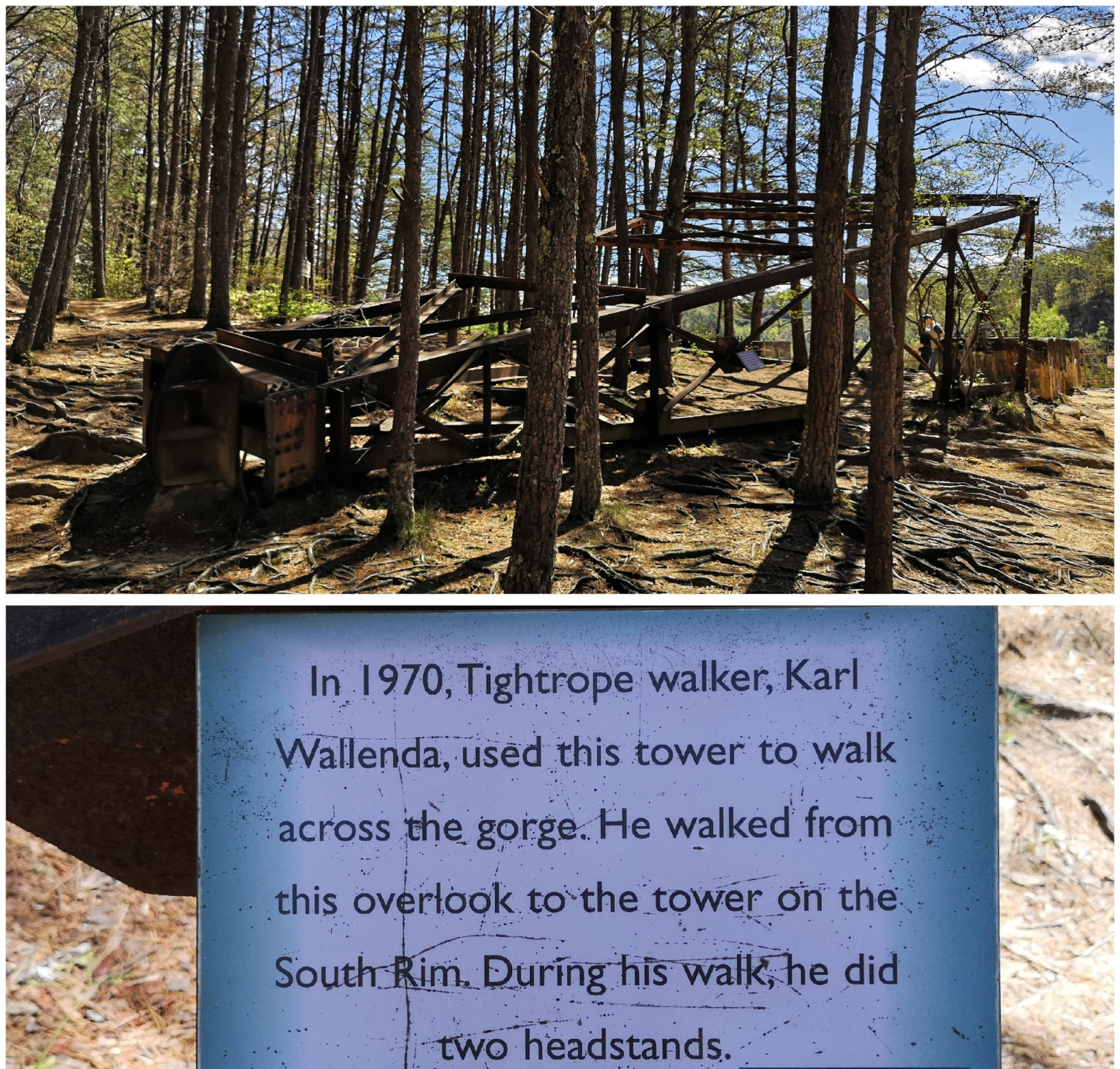
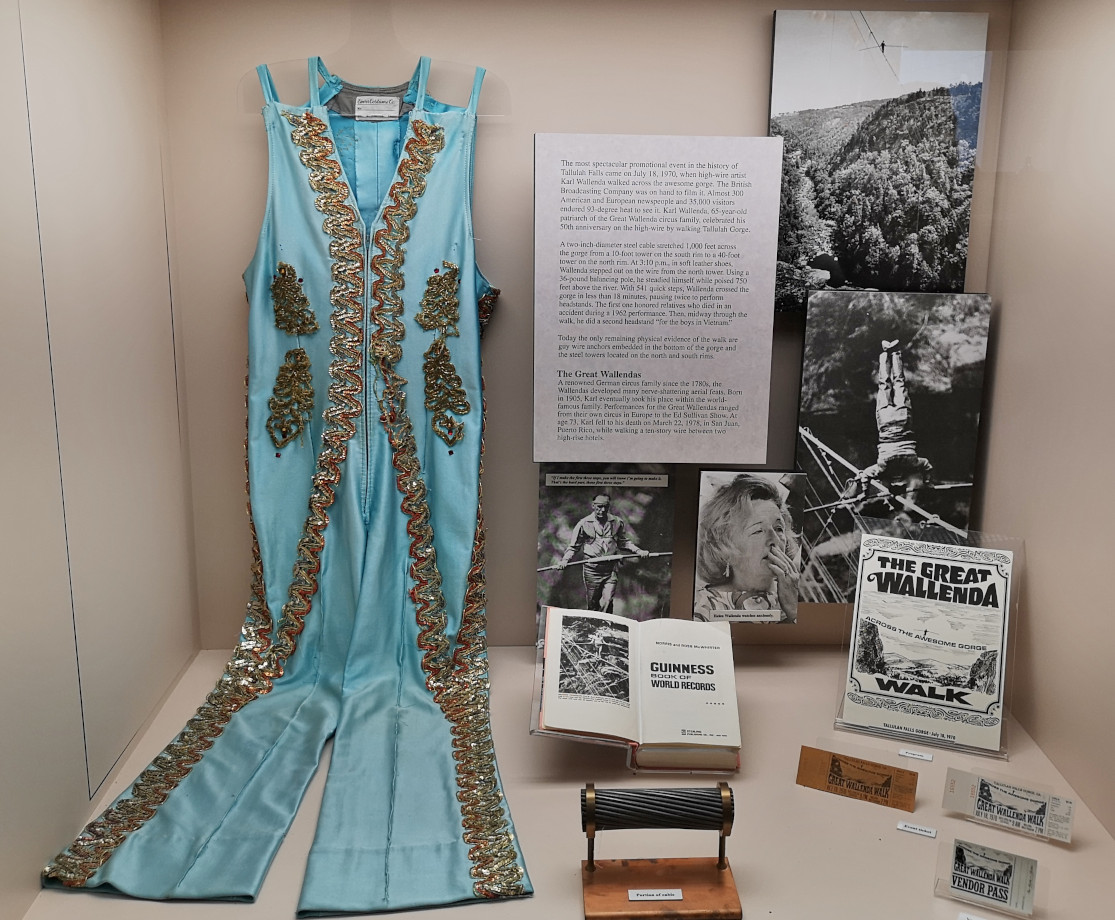
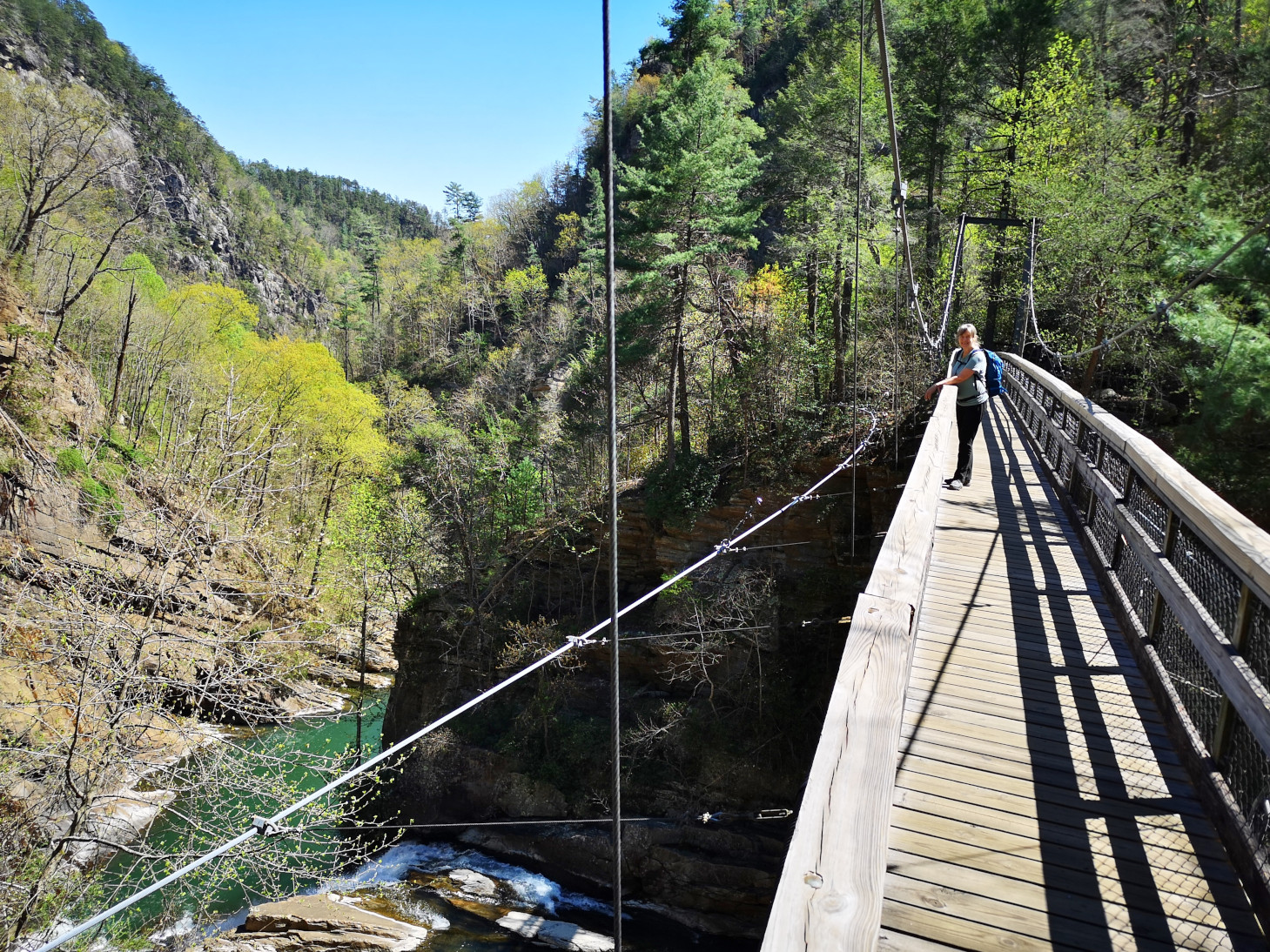
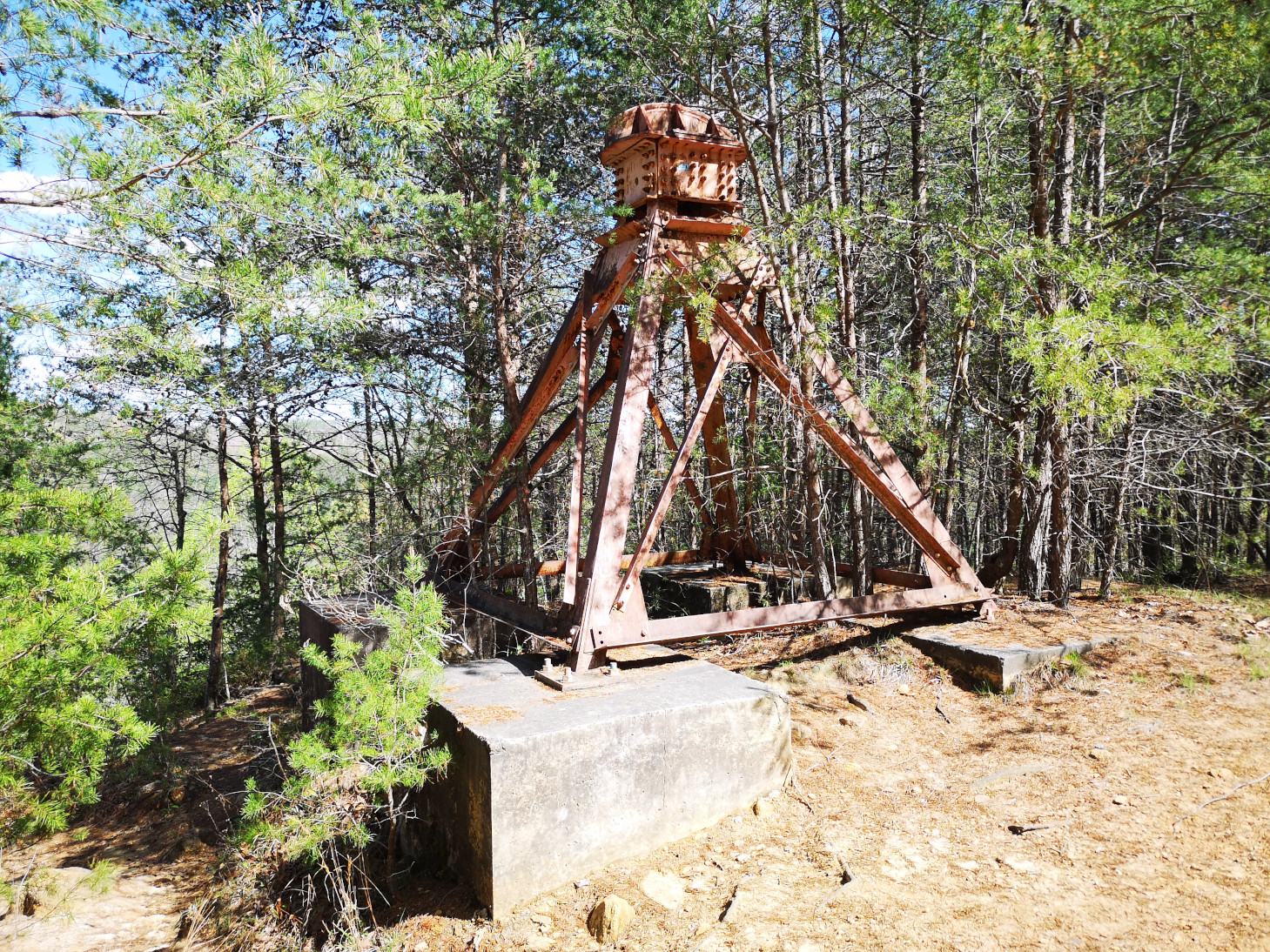
After the Interpretive Centre we continued the North Rim trail to view Hurricane Falls and then onto Grand Chasm, 1000 feet at its highest point. It was here that Karl Wallenda walked from a tower across to the South Rim tower in 1970 (his son later did a walk over Niagara Falls). Then we climbed up to Inspiration Point for some fabulous views and a great spot for lunch before returning to tackle the stairs and the suspension bridge. There are lots of warnings about going down into the gorge area. It’s easy going down the stairs, not so easy coming up. We saw lots of people huffing and puffing and several people carrying young kids up! In total we climbed 310 steps down to the suspension bridge and we opted to do another 221 steps down to see Hurricane Falls and the gorge floor. Now the climb back up the 221 steps and then 347 steps up to get to the South Rim. On the South Rim we saw Hurricane Falls from above, Oceana Falls and the south tower where Wallenda’s climb ended. The piece of land the south tower is on is owned by the Wallenda family. As we headed back towards the campground, we continued to have views including Tempesta Falls, and we could see one of the old hotels that the tourists used to stay in. A long fun day hiking (8 kms) and stair climbing in the park. If you would like to watch a 27 minute PBS video on Tallulah Gorge here is a link: Tallulah Gorge
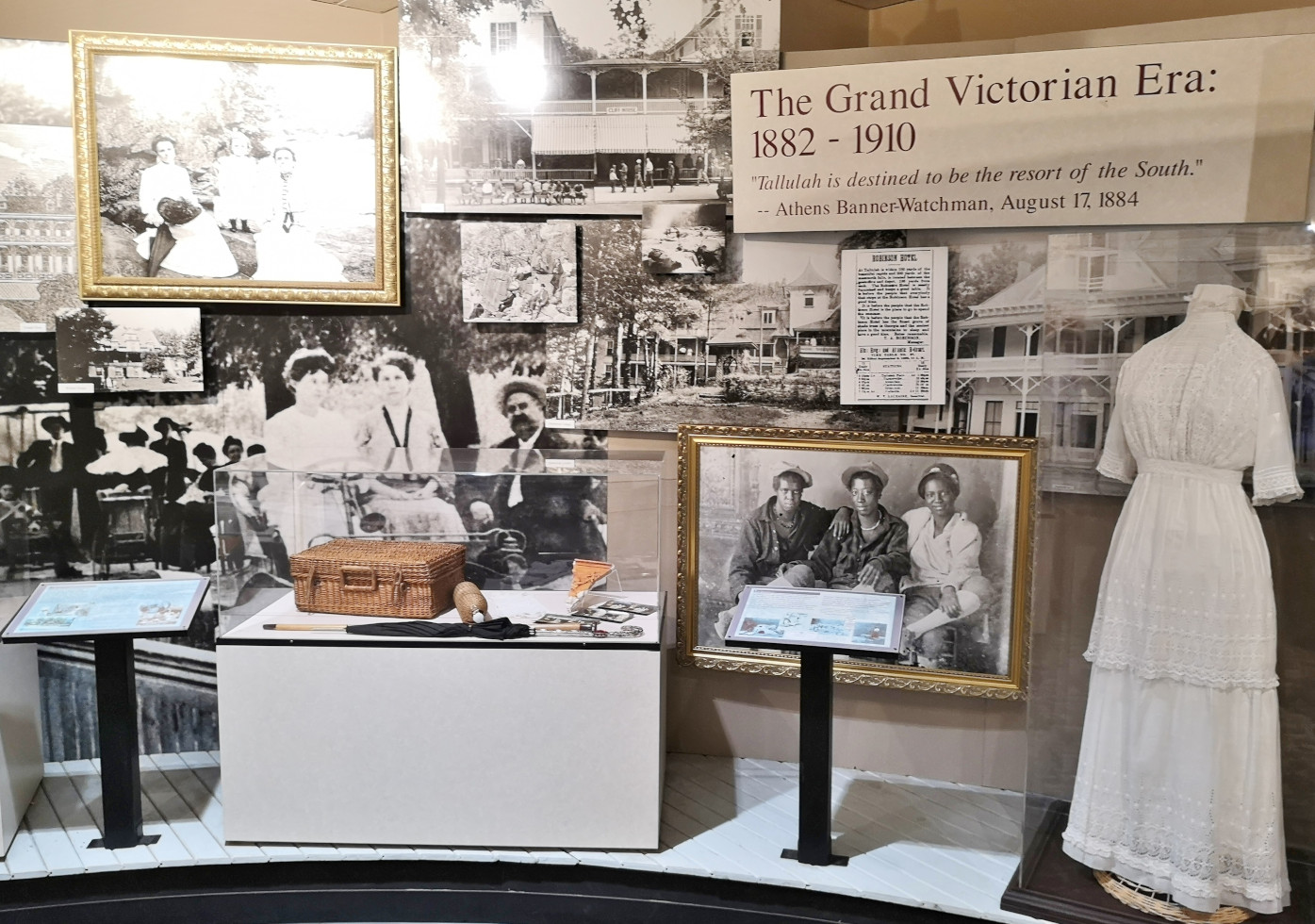
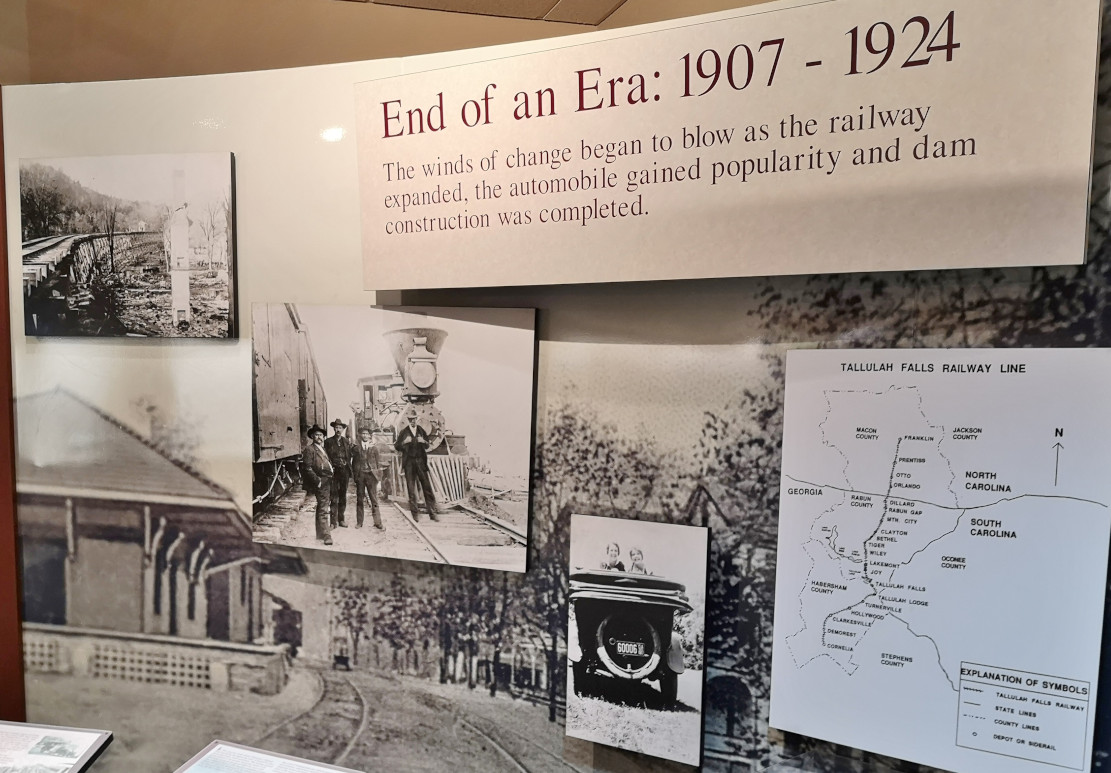
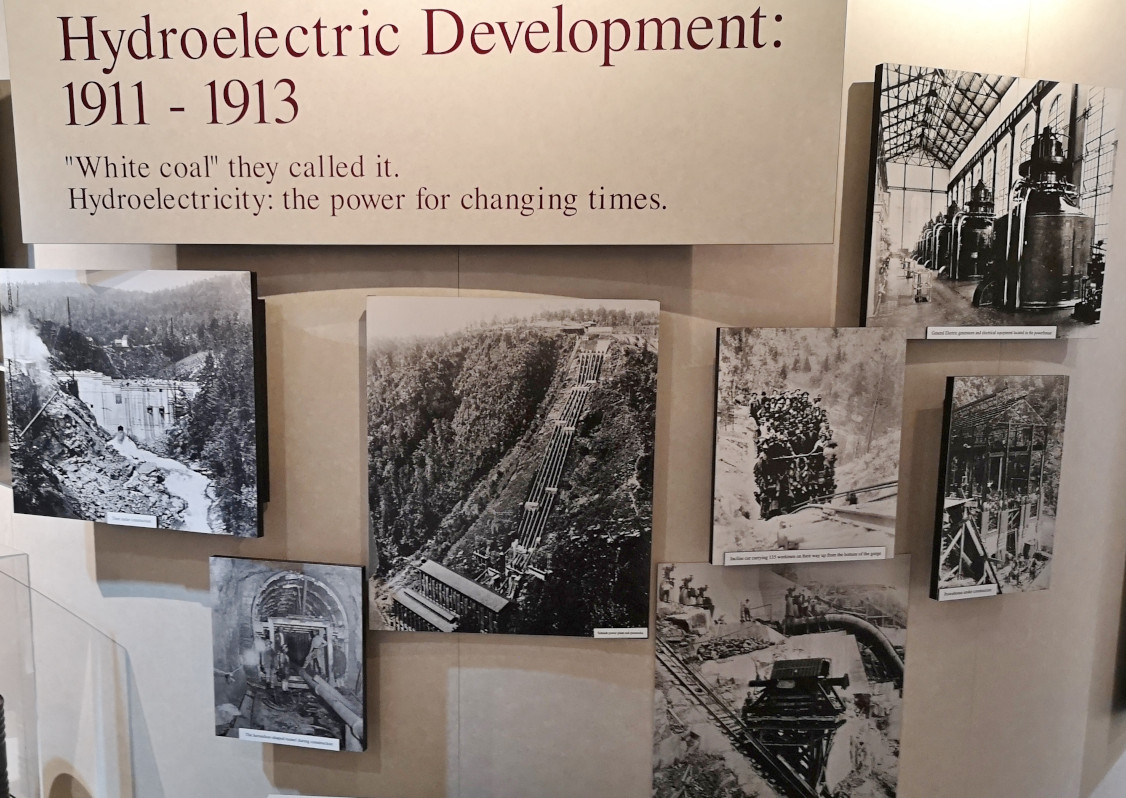
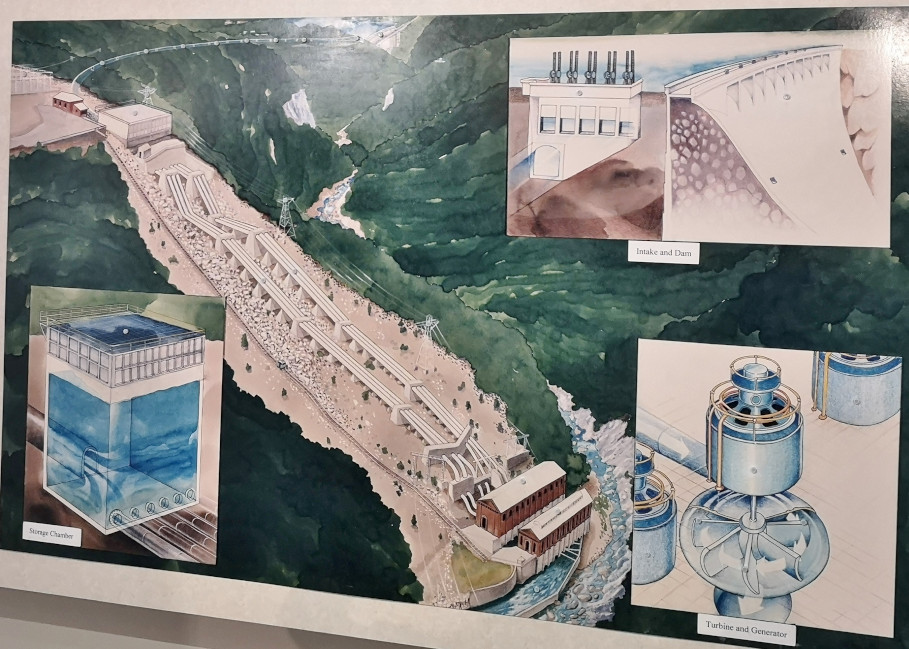


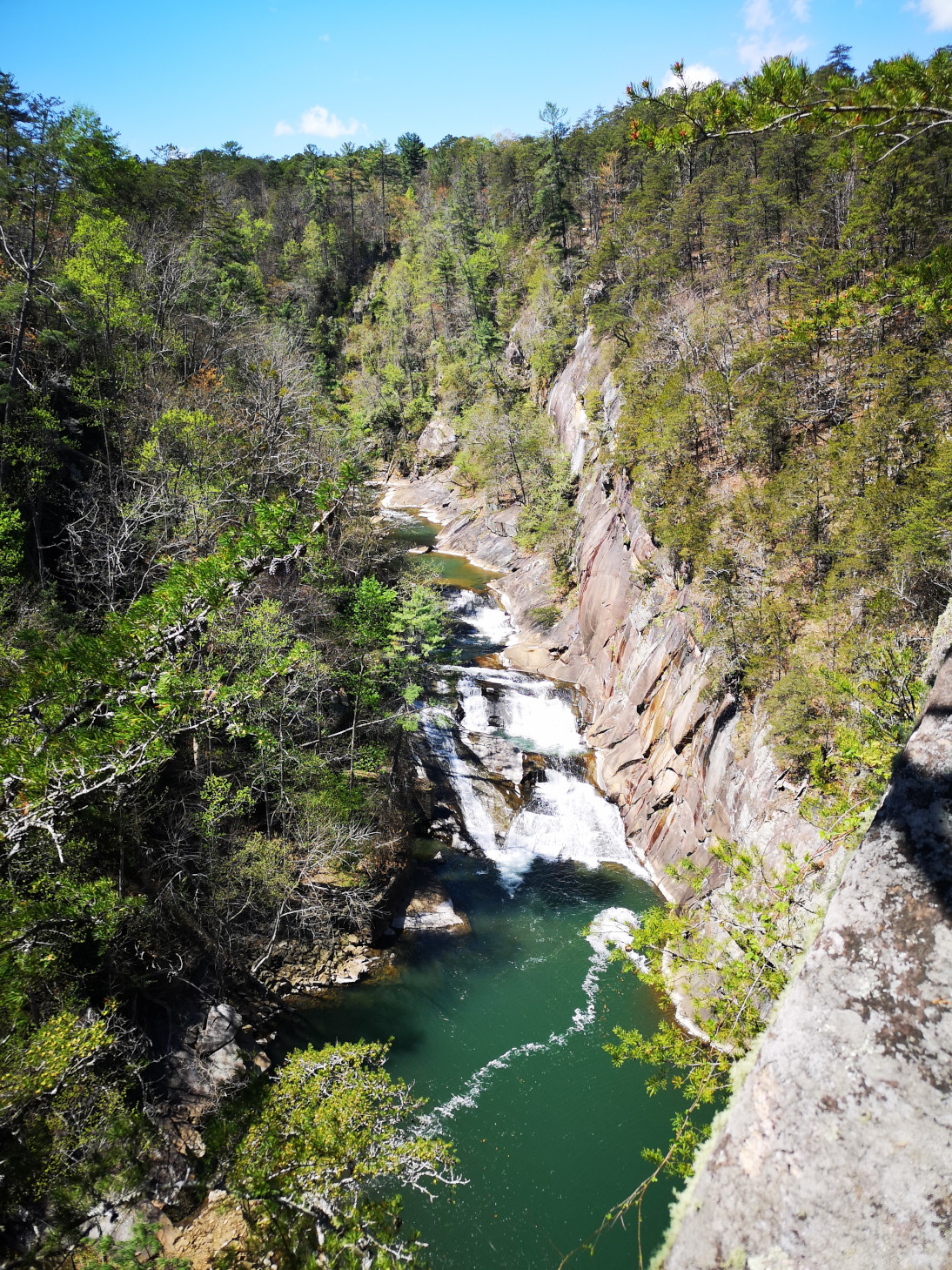
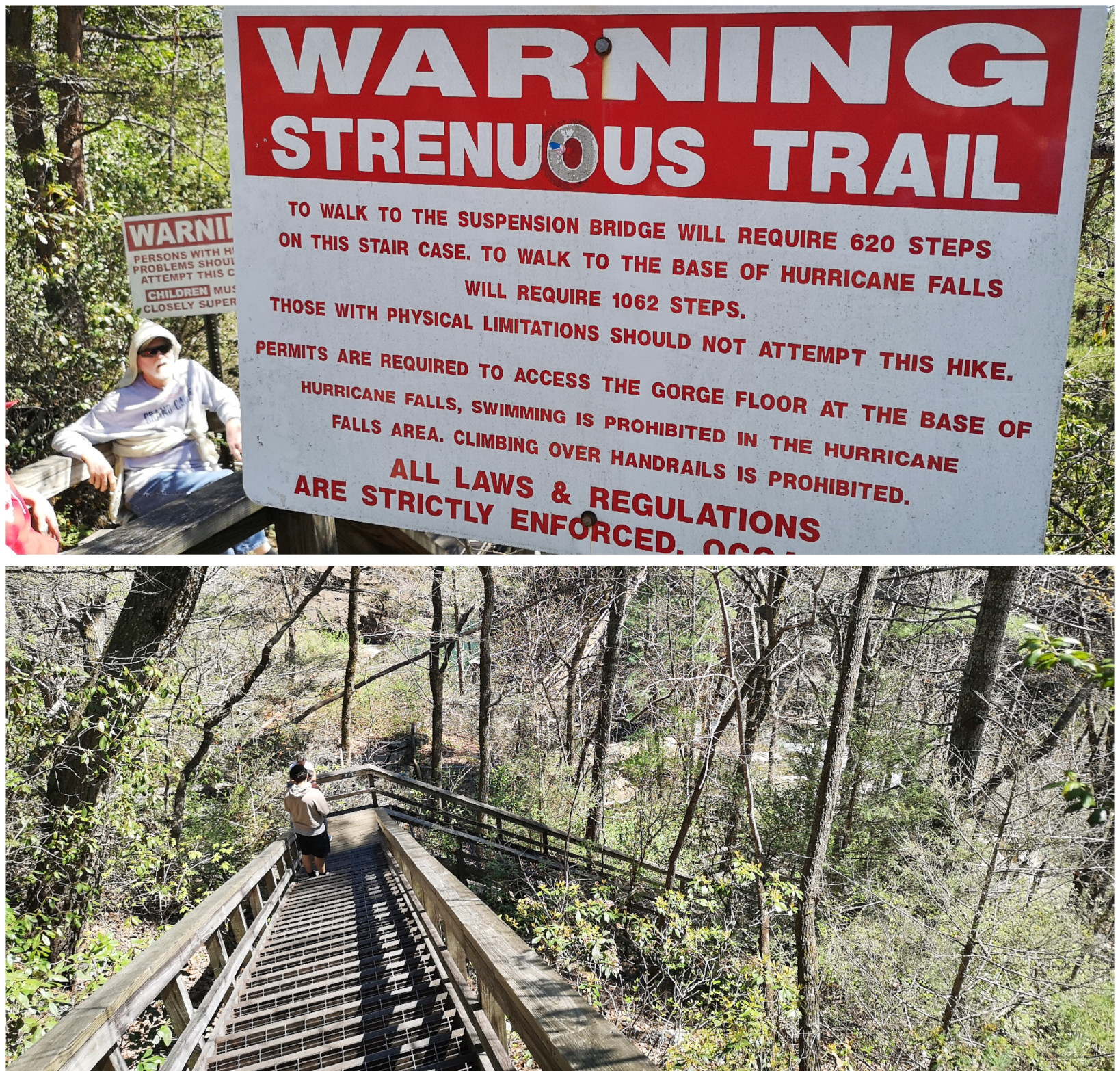
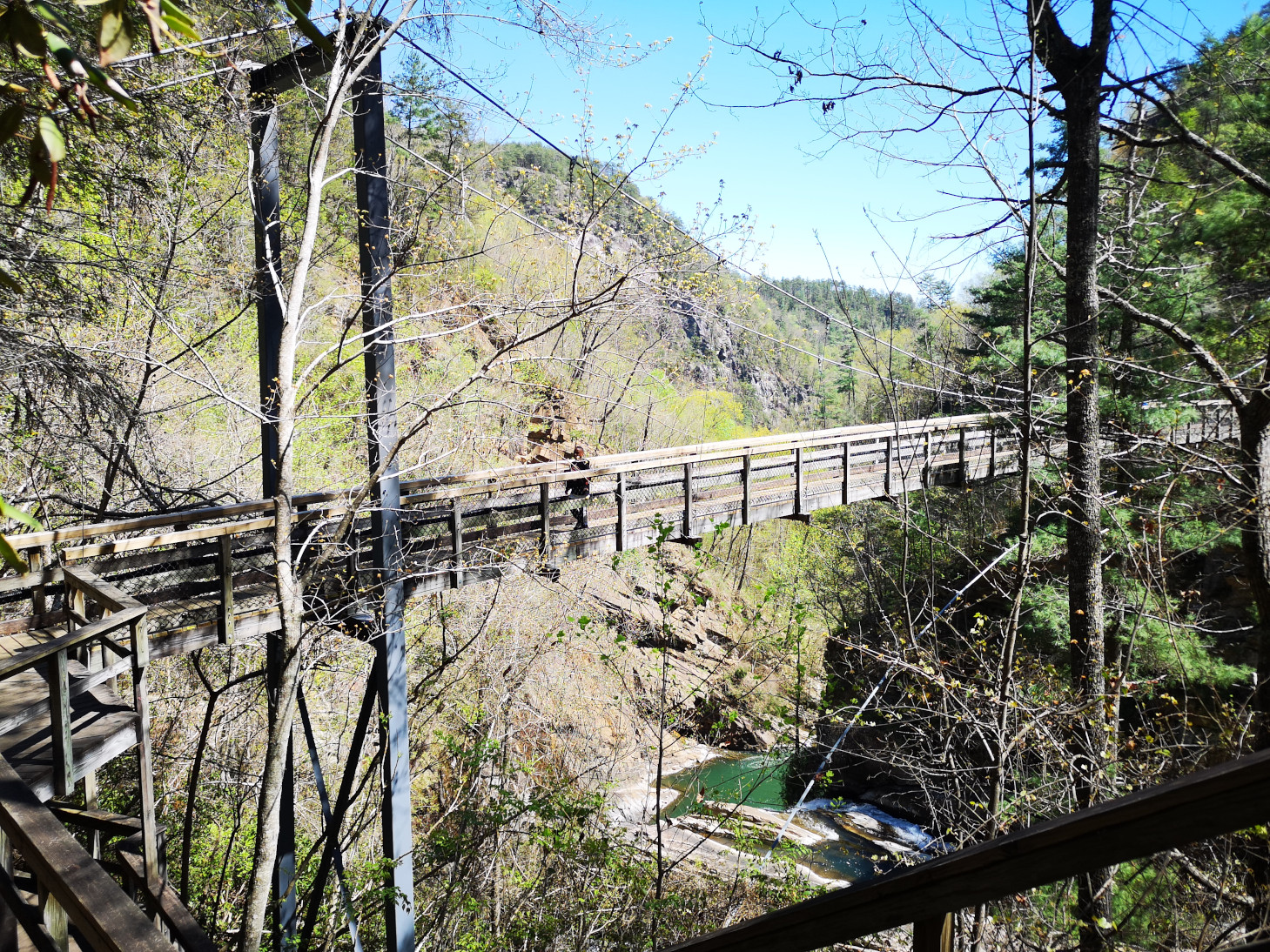
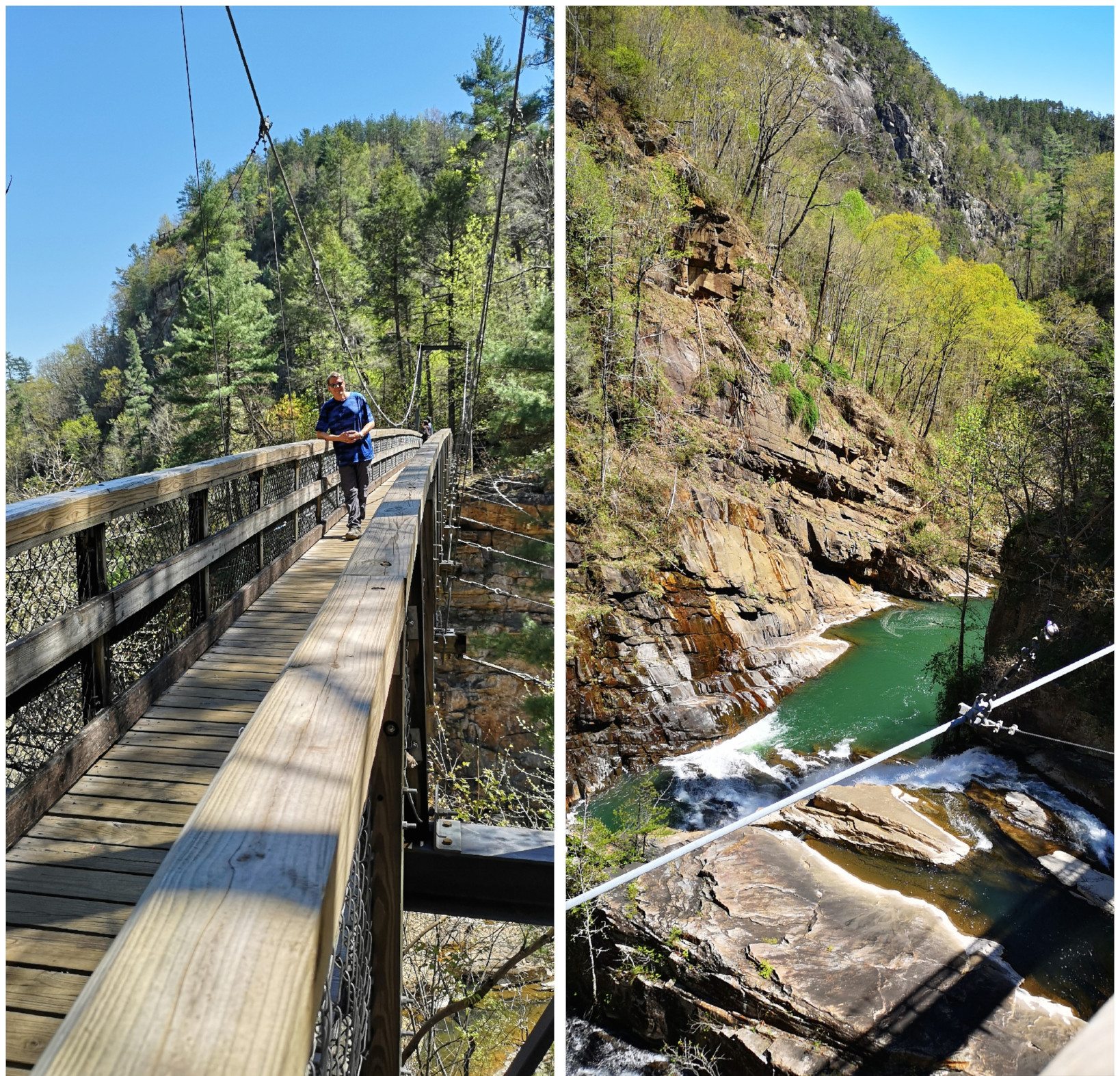


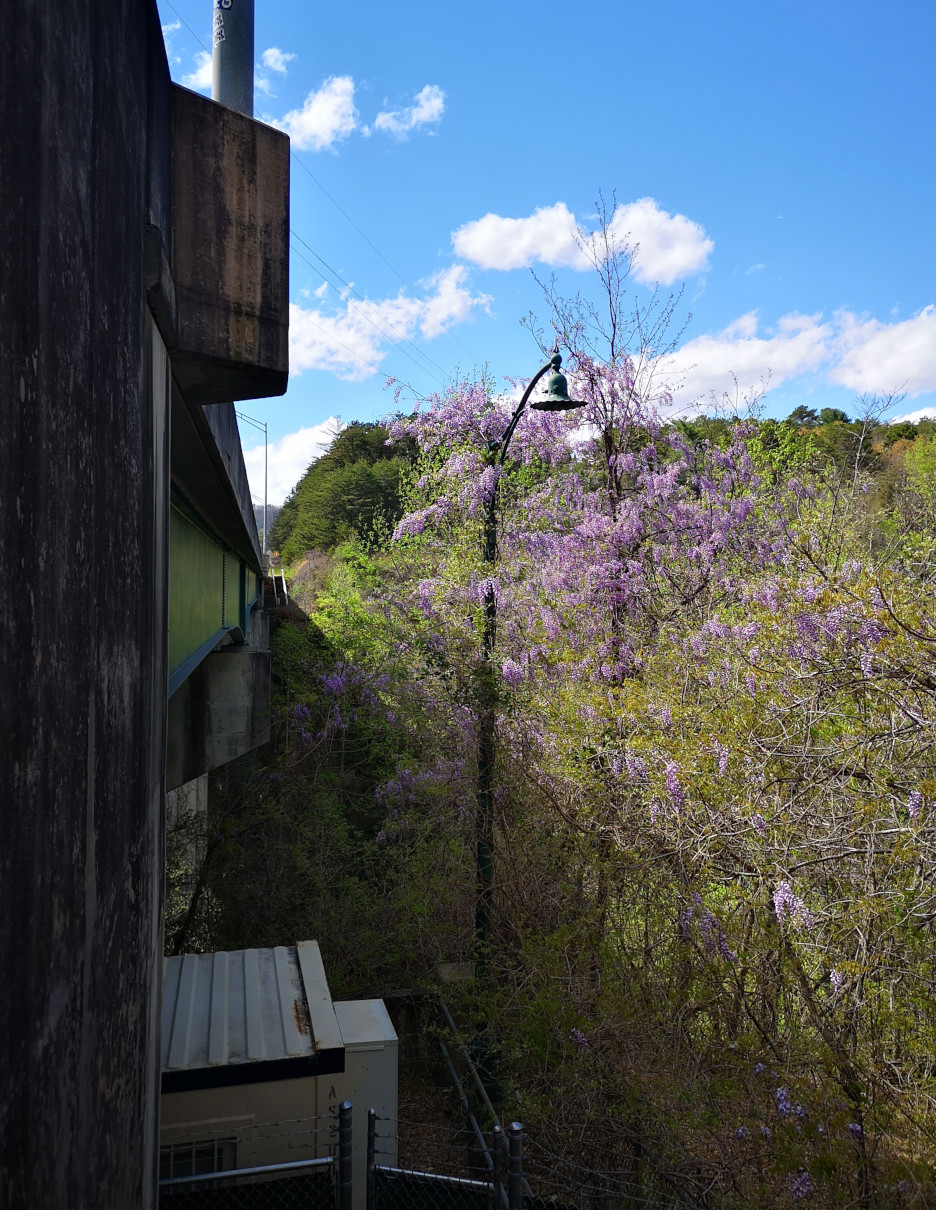
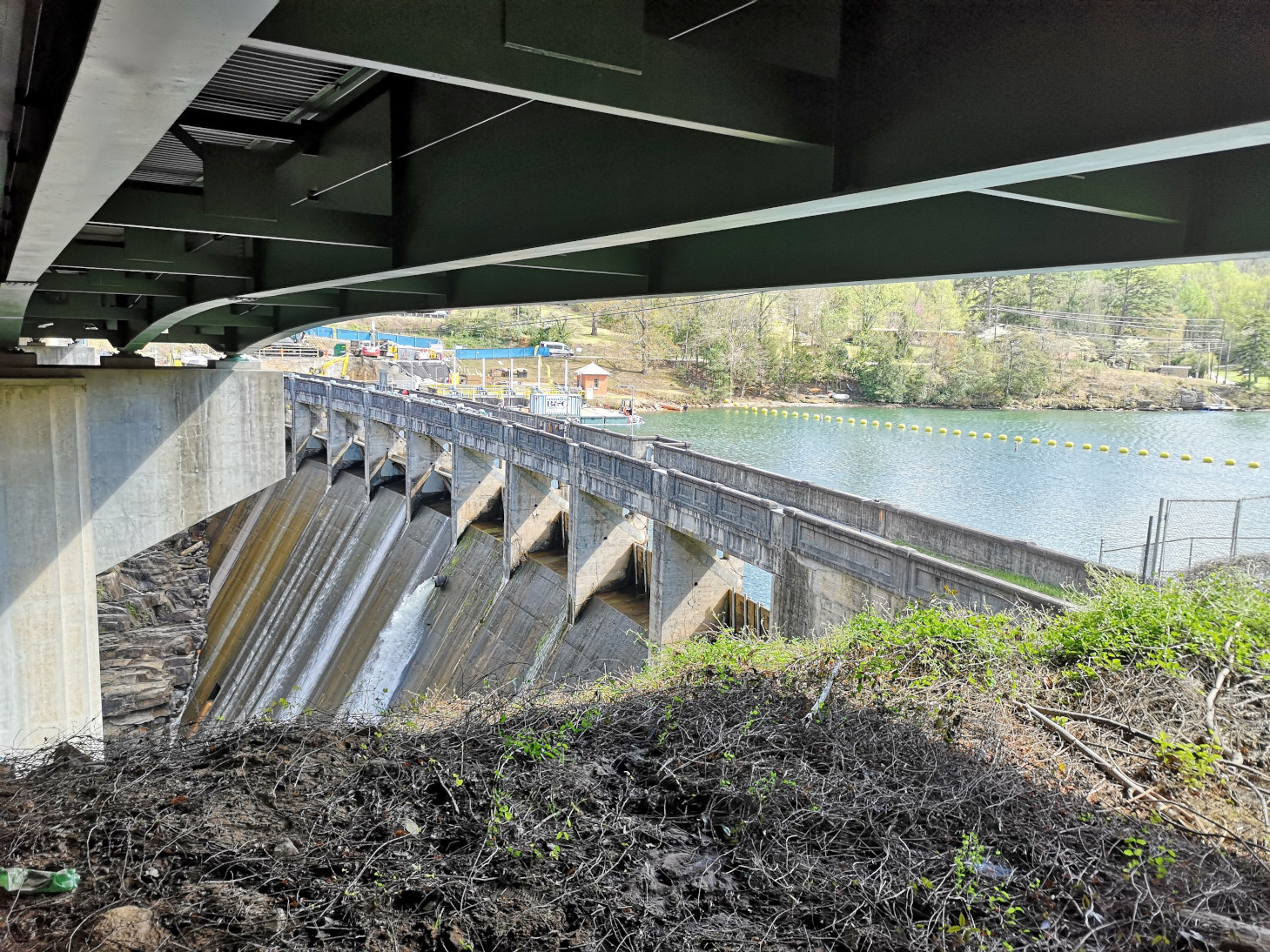
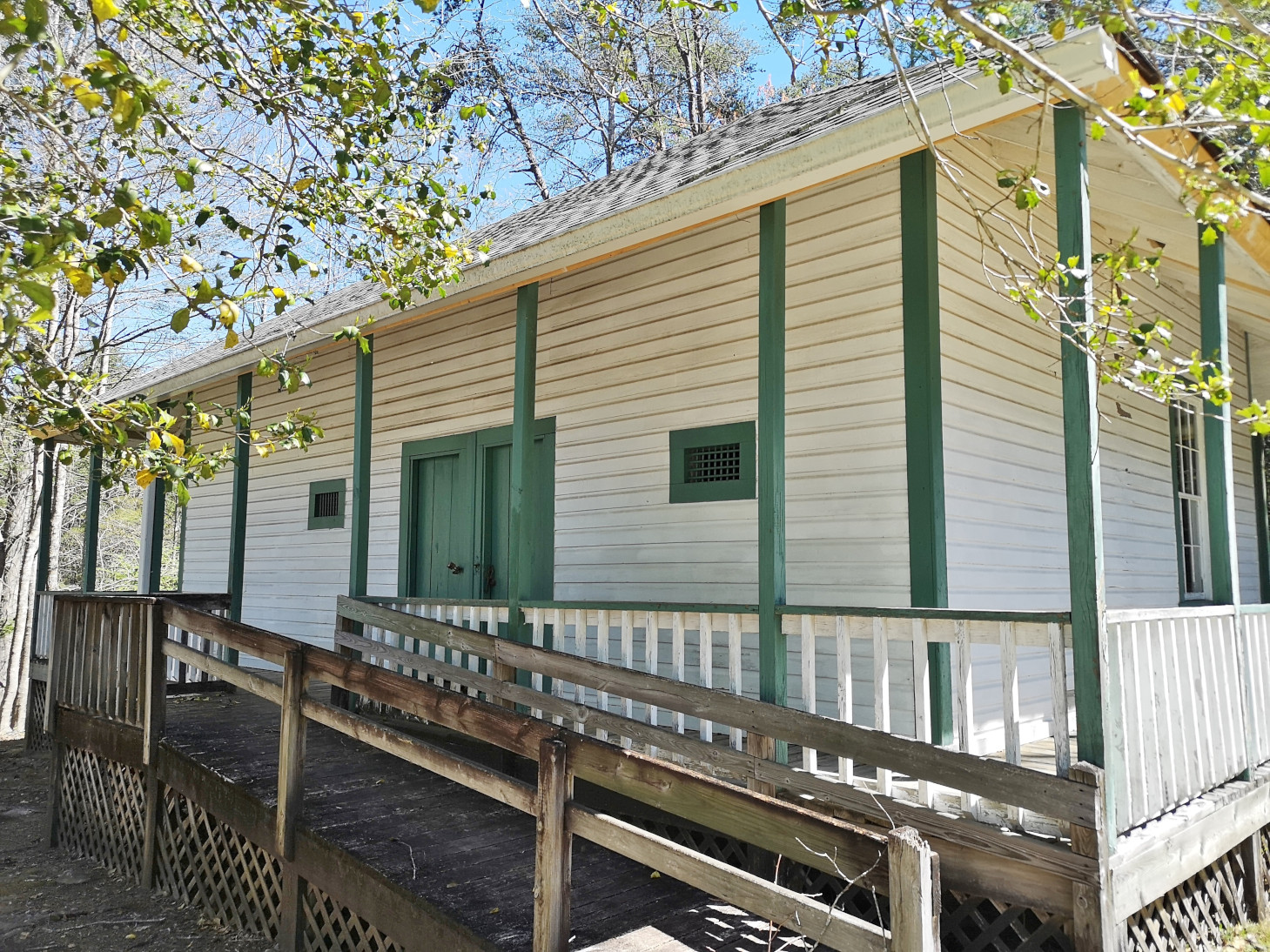
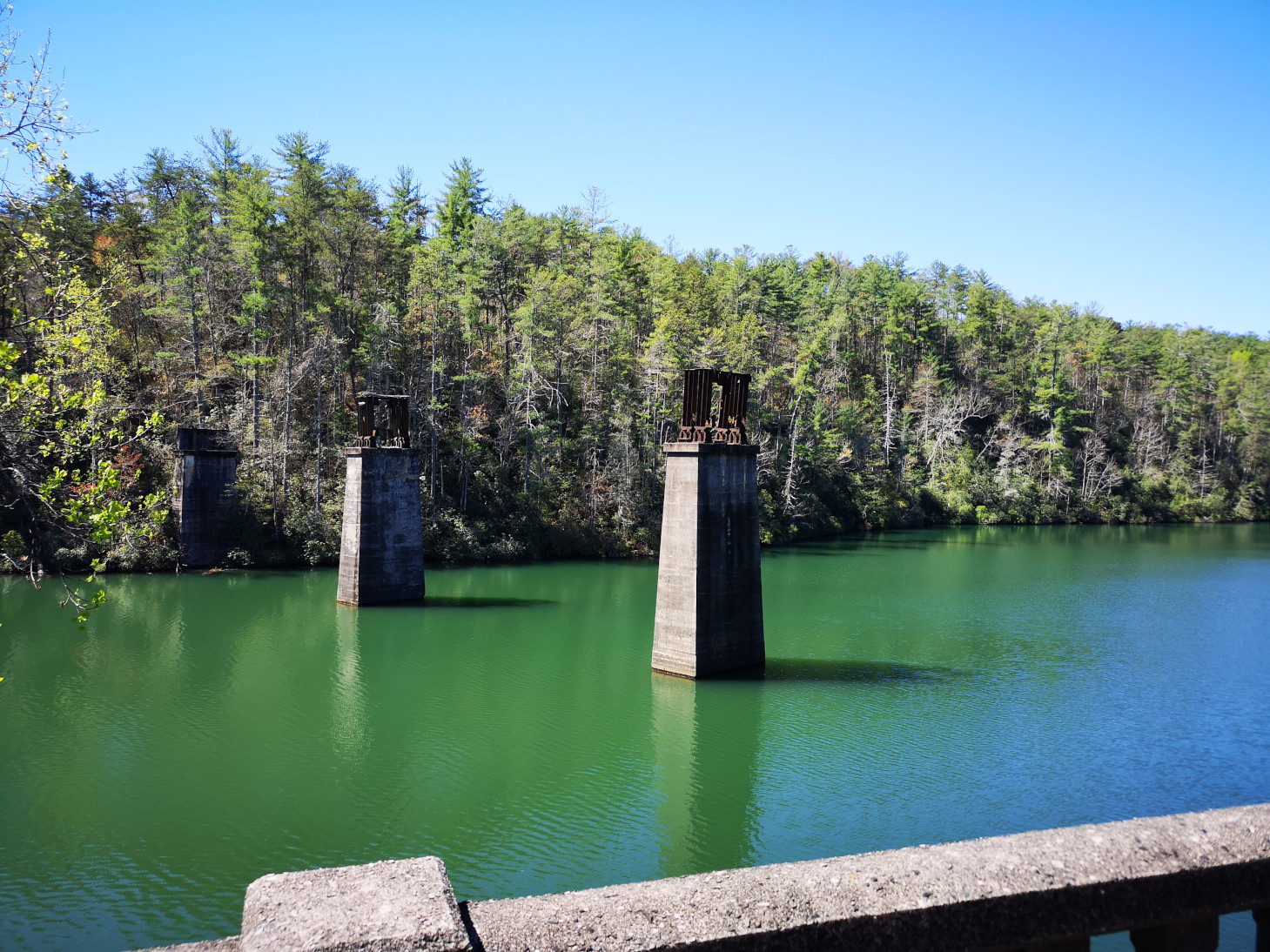
The next day was cool and cloudy and with all that climbing of stairs, our legs were feeling it. We opted to do a blog catchup day. It’s amazing how quickly the time goes by when you’re a few weeks behind. The next day we left the park, but before exiting we went across the highway to see the Tallulah Falls Jail built in 1913 and the bridge piles from an old railroad line in the middle of Tallulah Lake.
This concludes our State Park visits in Georgia on this trip. In total we visited 21 State Parks and Historic Sites out of the 60 found in Georgia. Our next blog will continue our route home through South and North Carolina, Virginia and the Blueridge Parkway and Skyline Drive.
 Joel & Sharon
OK, the locals having spring break, that’s the time you start heading home.
Speaking of windshield chips, for the last two years when I drove the Outback west for ski trip, I came back each time with a chip. I got them patched each time at a glass shop 5 minutes away. This year I drive the Forester, drove to Vermont with Janice and got couple small chip that Janice thinks need repairing. The glass shop looks at them and said they are small and no need for repair. I told the guy I plan to drive west and likely will come back with a chip, just like last two years. Well, I came home with broken leg but no windshield chip. It doesn’t end there. Geoff drove us in the PriusV to the airport for our Spain flight. It was pouring rain. He drove on to Mississauga to visit Ariel. We got to Spain after 18 hours. Geoff messaged us to say whole bunch of warning lights came on in the PriusV. I told him to take the car to my shop and drive the Forester in the meanwhile. He drove it until PriusV was repaired a week later. We came home and Janice starts driving the Forester (I can’t drive because of my cast). She comes home and shows me a 1/2″ bulls eye chip on Forester windshield! Of course Geoff denies knowing anything about it. As soon I I got my cast off, I returned to the glass shop, 20 minute patch job. That makes it 3 years in a row. sigh..just have to laugh it off.
LikeLiked by 1 person
The clear Gorilla tape got us home fine and now I’ll try the injection repair option. The chip hasn’t spread yet thanks to the tape.
LikeLike
I just saw the news this morning that some nasty storms swept through Georgia/N. Carolina this morning. Thank goodness you’re home!
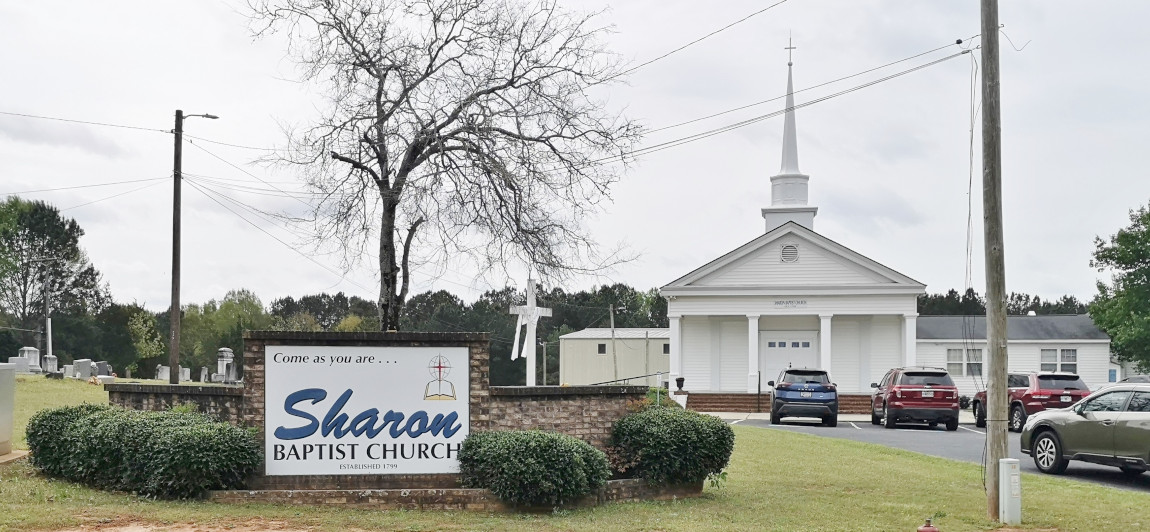
I loved the origins of the name alligator – and that their teeth are replaced numerous times….because they eat too many turtles I’m sure!! I enjoyed seeing the “coolerator” train car with the old truck and people standing by blocks of ice. And did Sharon go to her church??
Thank goodness for Gorilla tape! Hope that gets easily repaired.
Photos, as always, are wonderful but the most dramatic were the ones from the Gorge. Holy Wallendas Batman!
LikeLiked by 1 person
Yes we’re glad we didn’t stay longer in the US with all the Tornados they are having. Sharon didn’t check out her church;-) Thanks for your comments.
LikeLike