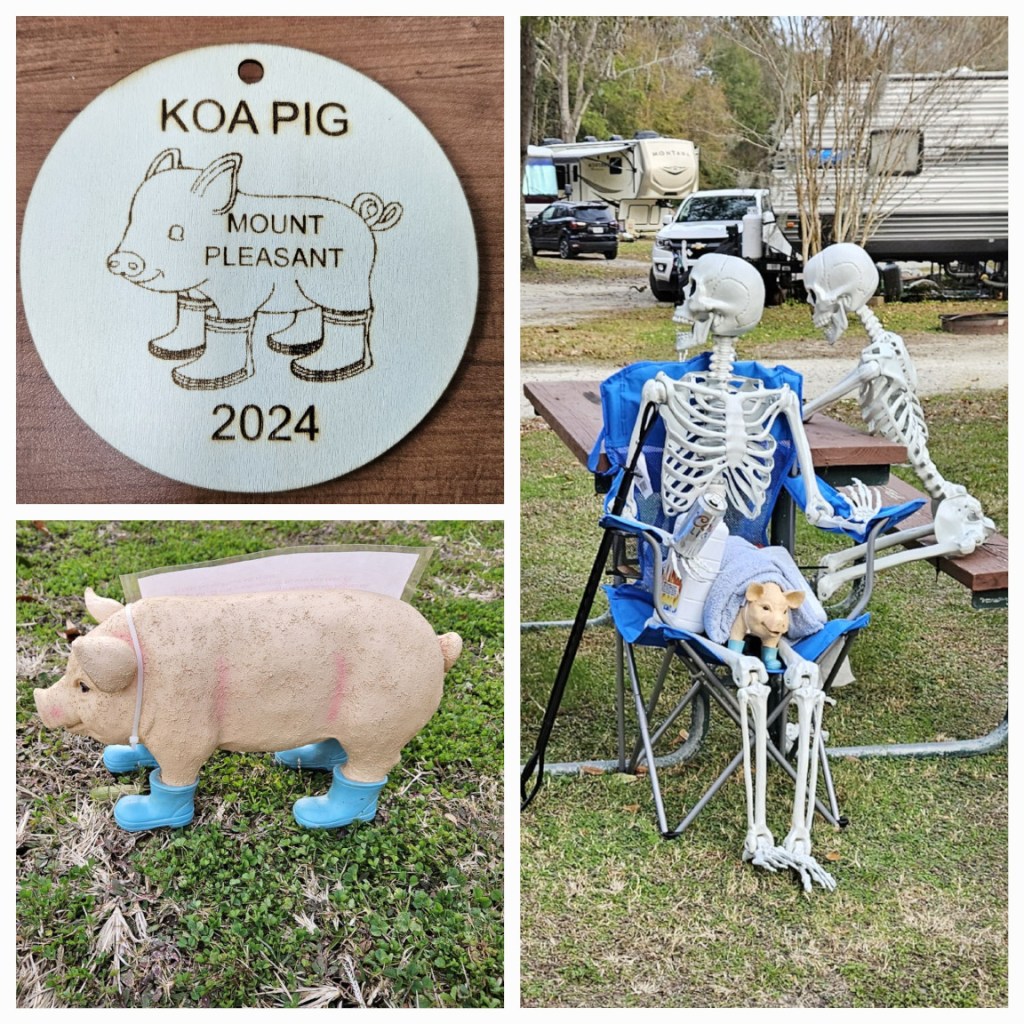
In the Charleston area the historic sites we wanted to see this time (we were here 4 years ago) were on the north side of the bridge in the suburb called Mount Pleasant so we decided to try out the KOA campground. The lowest price for a site was $82 USD so we decided to join the KOA Rewards club so we could get 10% off per night, we figured we just needed to stay at one more KOA on this trip to make the fee worthwhile. When we checked in, they told Sharon about a game they have going on where you are supposed to find the pig and turn it in to get a free prize. As the host led us to our campsite, I spotted the pig sitting on the lap of a skeleton (we’re not sure what that was all about, a really old camper??) so after we got setup Sharon went to get the pig and turn him in. The prize was just a KOA pig wooden token, so we got a laugh out of that. Once Sharon claimed the prize, they called the golf cart guys to come and retrieve the pig and go hide him again in the campground😉 You can only win the prize once during your stay.
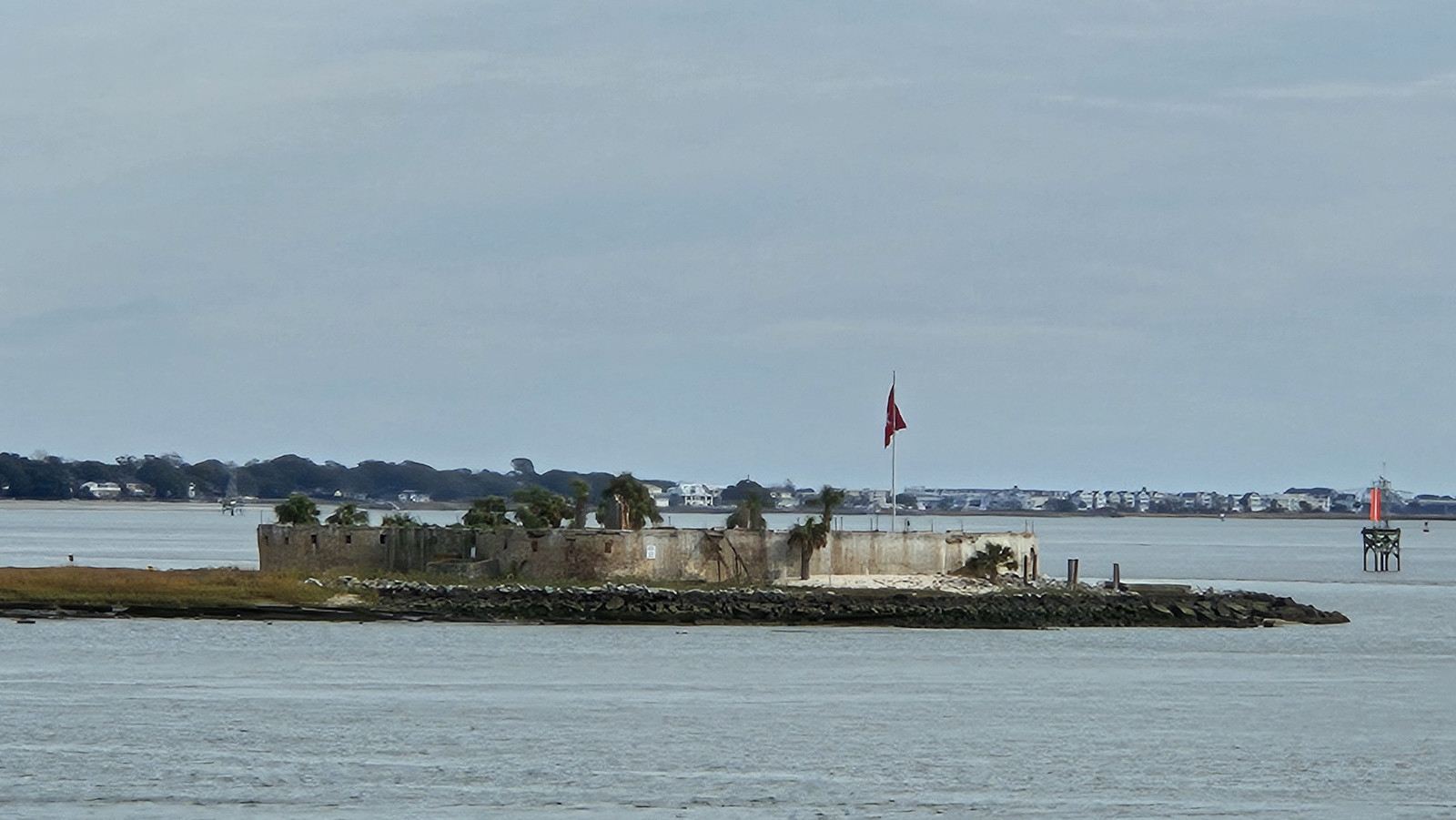
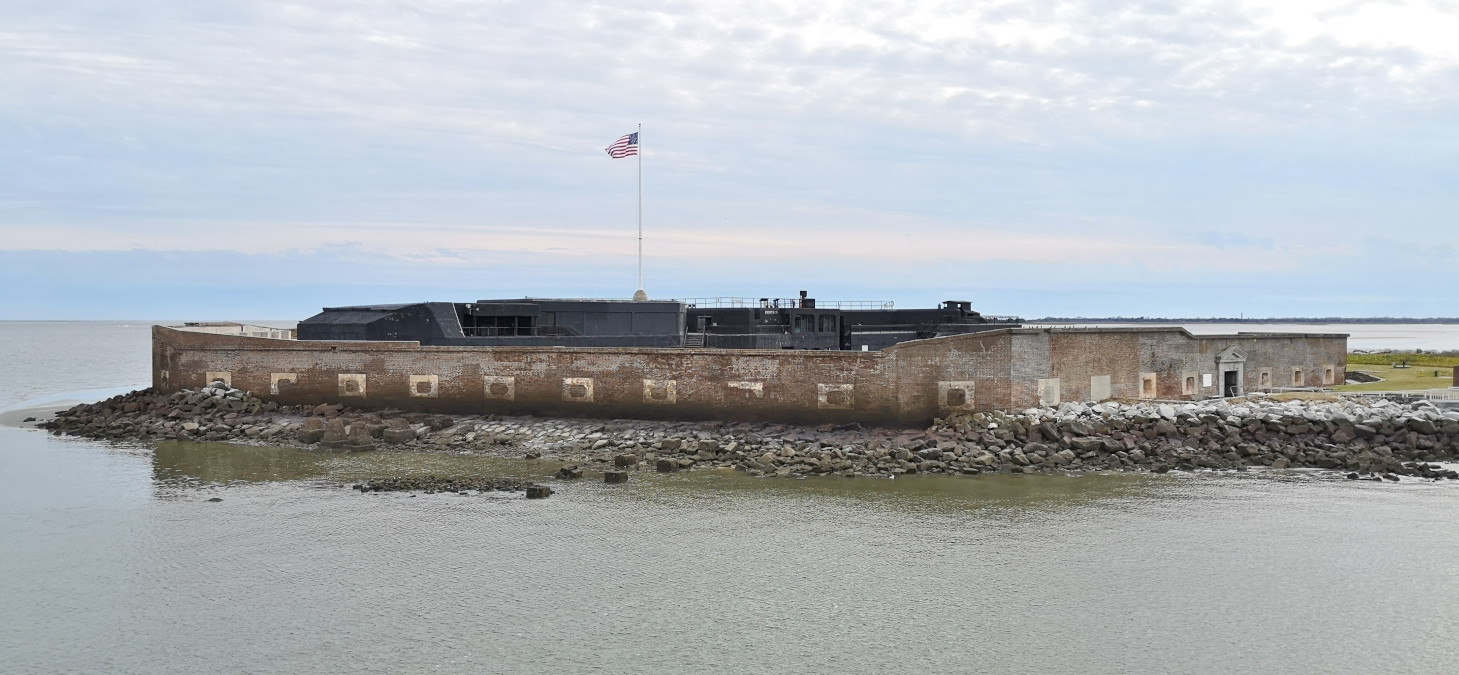
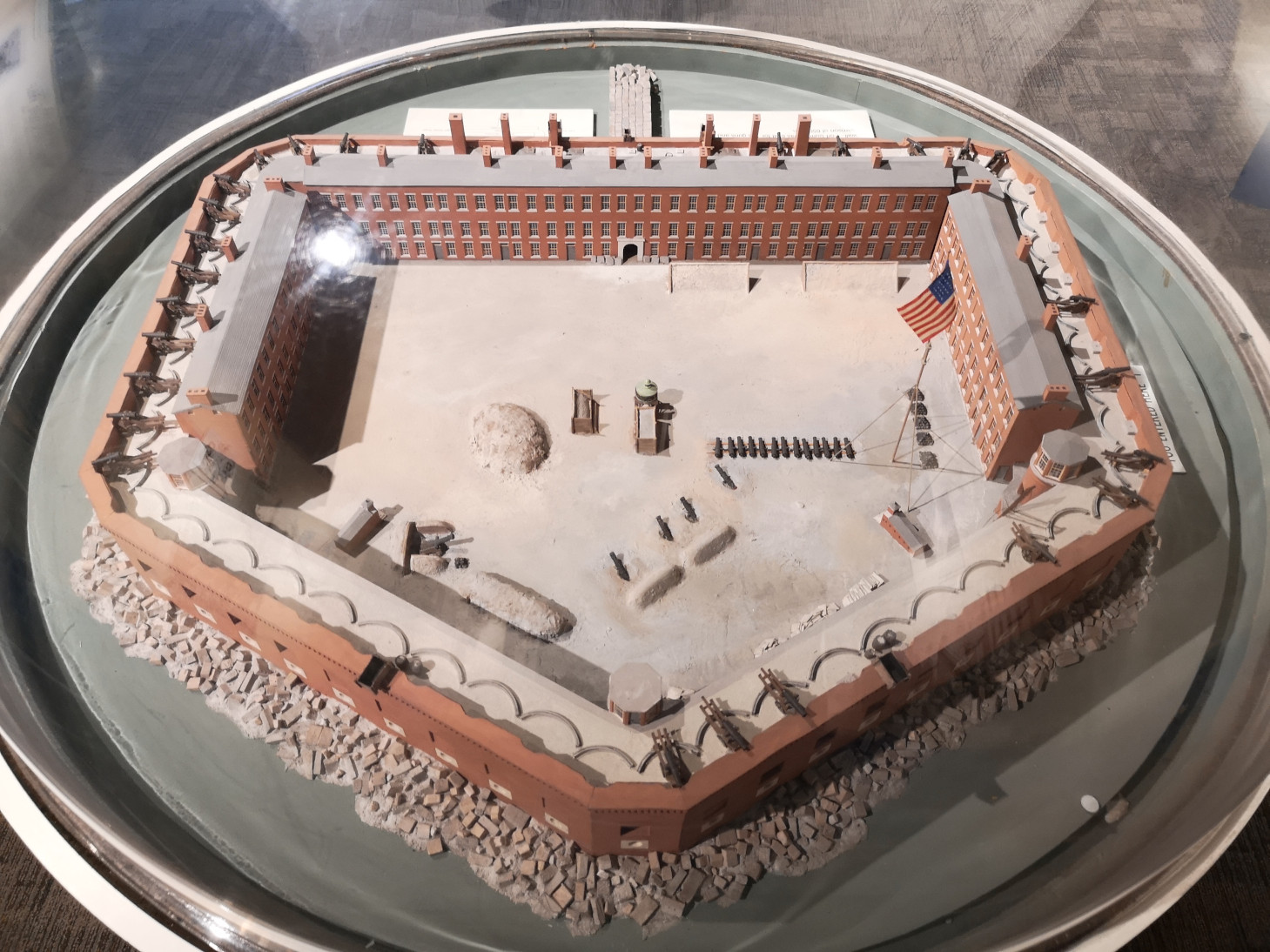
We were staying 3 nights at the KOA, and we had planned out our historic site visits for each day. For the first day we would take the ferry out to Fort Sumter National Monument which was in Charleston Harbour. This site is infamous because it was the first location where shots were fired for the Civil War. On the way out you circle around the USS Yorktown aircraft carrier which we would visit the next day. On the way out a volunteer gave us information on downtown Charleston, Castle Pinckney, and the shipping industry in Charleston. When we arrived at Fort Sumter the rangers gave us a safety briefing and then we had about 1 hour and 20 minutes to visit the site (not enough time for us to read everything in the museum portion of the fort) before returning on the ferry that stayed waiting for us. Here are some fun facts on Fort Sumter:
- In November 1860 Abraham Lincoln was elected President on a platform of eliminating slavery. His votes mainly came from the northern states as many in the south still wanted slavery to continue.
- South Carolina delegates voted on Dec 20, 1860, to secede from the Federal Union. Within 6 weeks of SC secession 5 other states (Mississippi, Florida, Alabama, Georgia, and Louisiana) had also seceded.
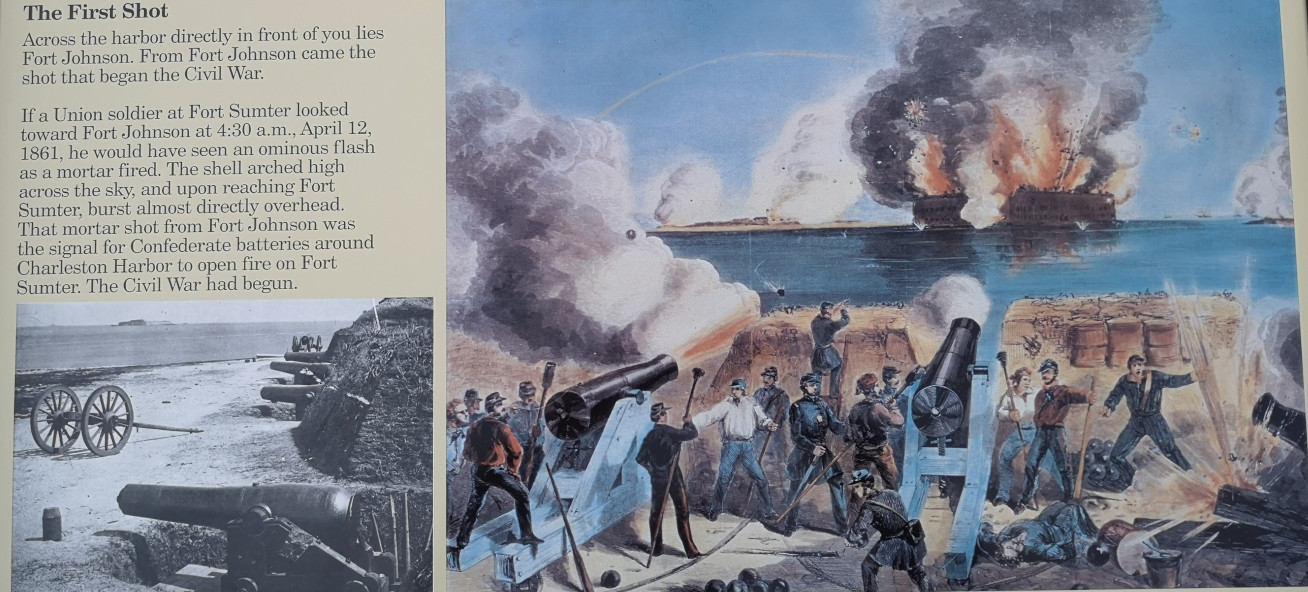
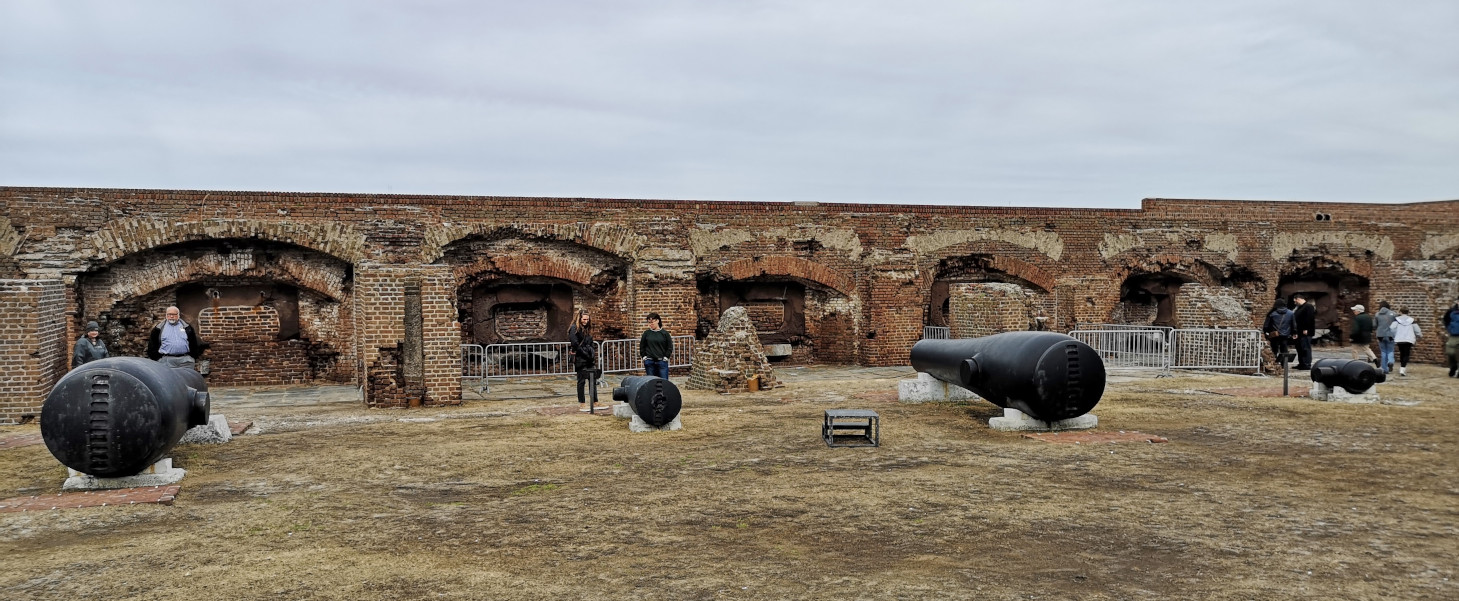
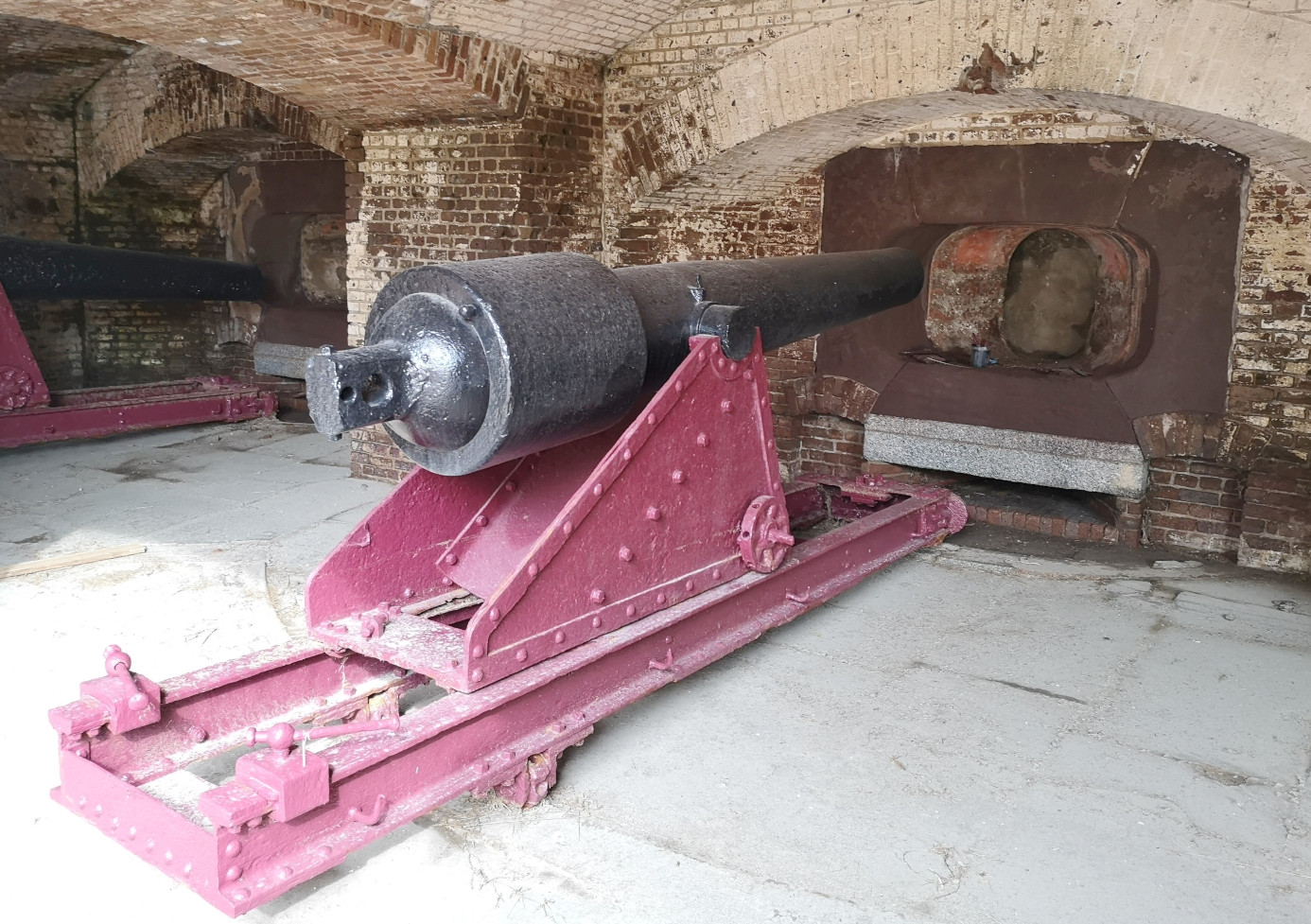
- Construction on Fort Sumter began in 1829 as part of the US Coastal fortifications after the war of 1812. The fort was still unfinished when a garrison of 85 Union forces moved in on Christmas day 1860. Shortly after SC volunteers occupied Forts Moultrie, Johnson, and Castle Pinckney and began building batteries.
- On April 12th, 1861, the Confederate batteries started shelling Fort Sumter and 34 hours later the Union forces agreed to surrender the fort to the Confederates. The Civil War had begun.
- Fort Sumter was critical for the Confederates as it allowed them to control the harbour of Charleston so it could be used to stock up blockade runners to bring supplies to other confederate areas.
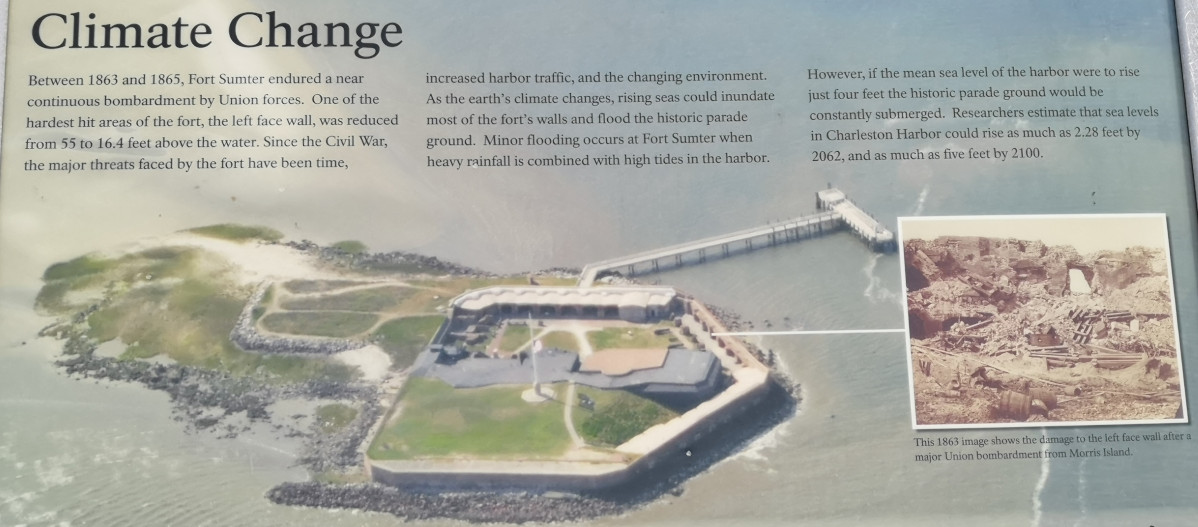
- Between 1863 and 1865, determined Confederate soldiers kept federal land and naval forces at bay for 587 days, one of the longest sieges in modern warfare.
- By February 17th, 1865, the fort was virtually demolished, so the Confederates abandoned the fort allowing the Union forces to reclaim it.
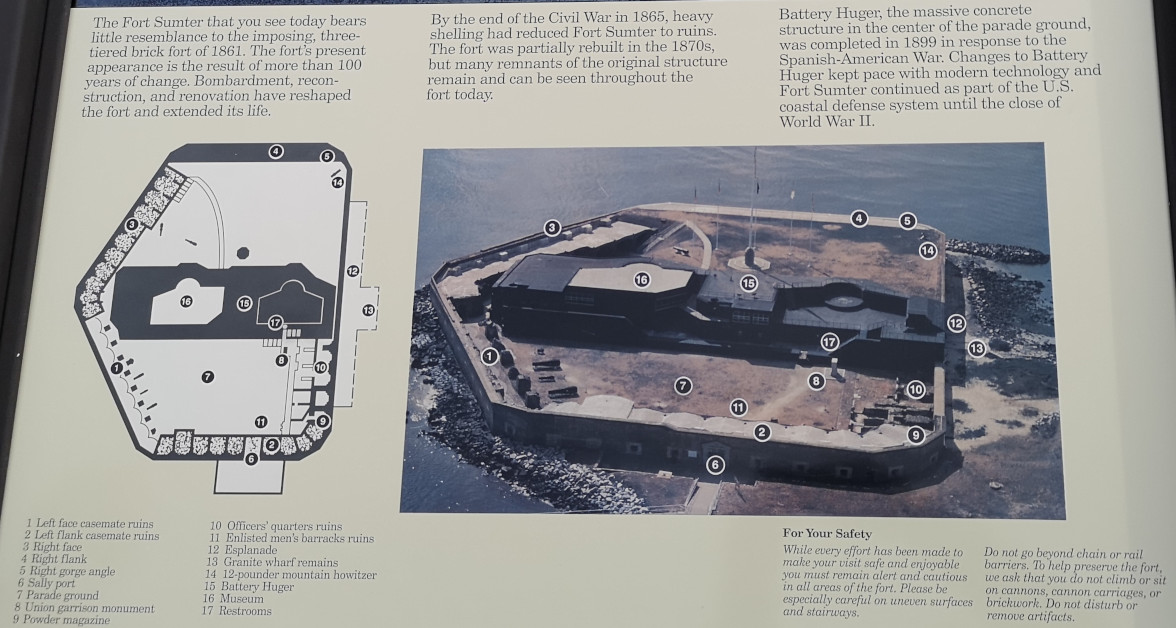
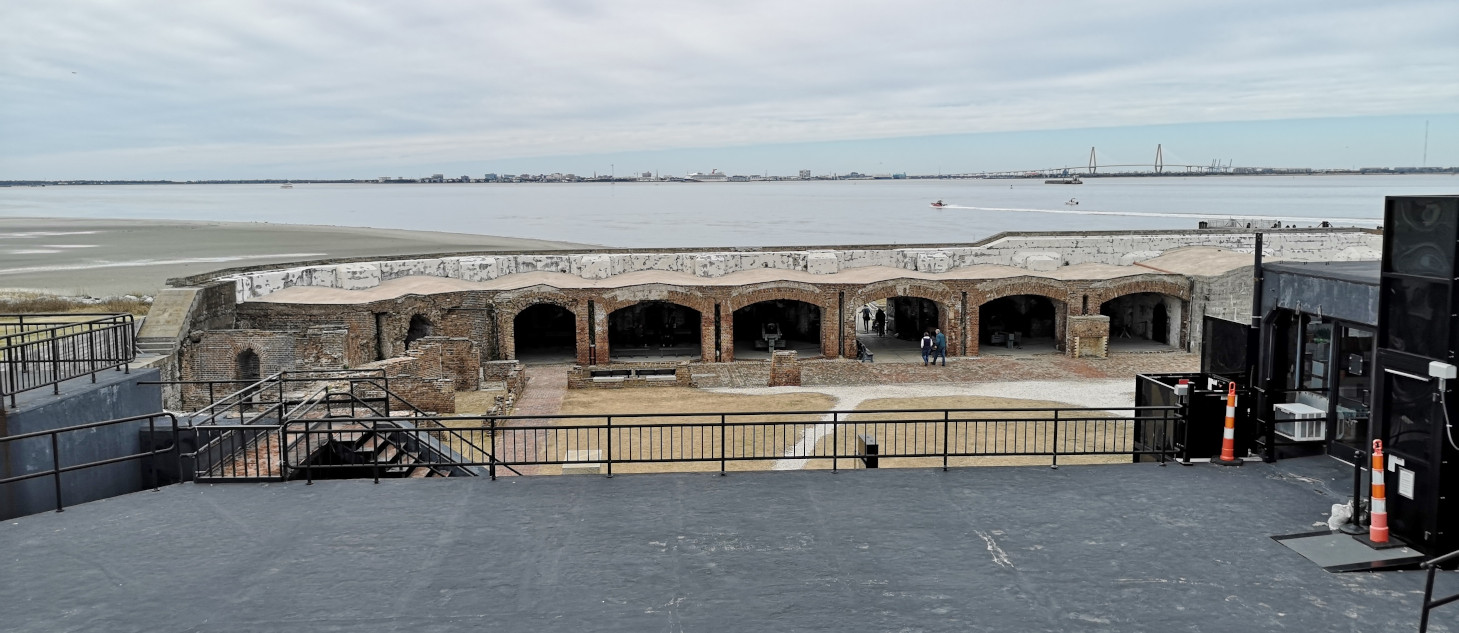
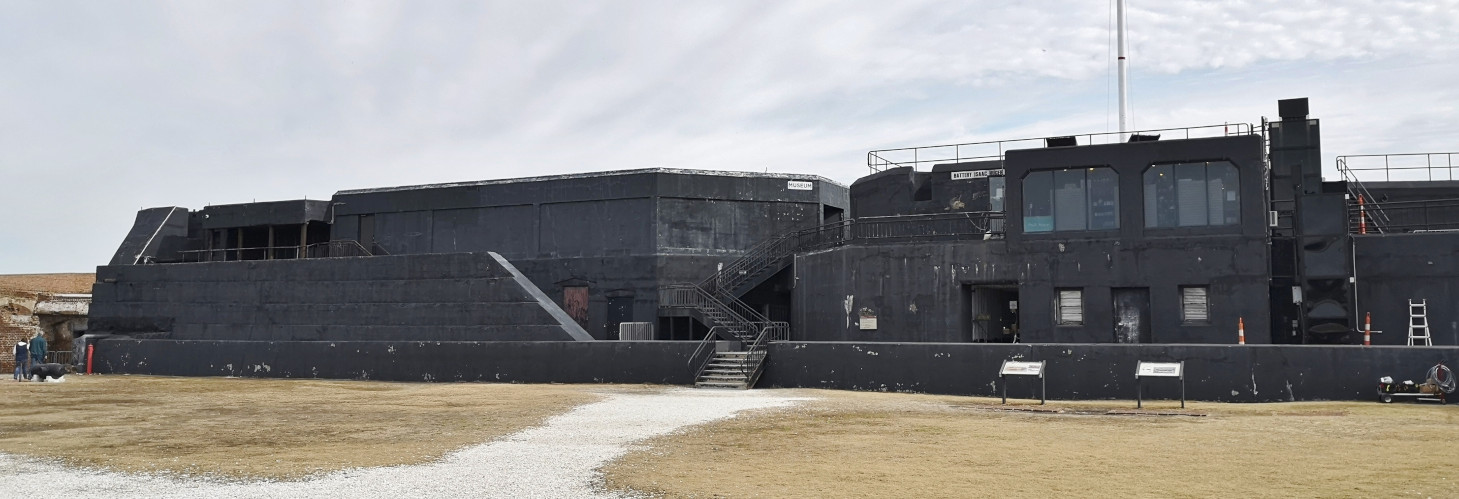
- Battery Huger, in the centre of the partially rebuilt Fort Sumter was completed in 1899 for the Spanish American war. It was made of concrete with a black tar over it for waterproofing.
- Battery Huger continued as part of the US coastal defences through the end of WWII.
- Fort Sumter became a National Monument in 1948.
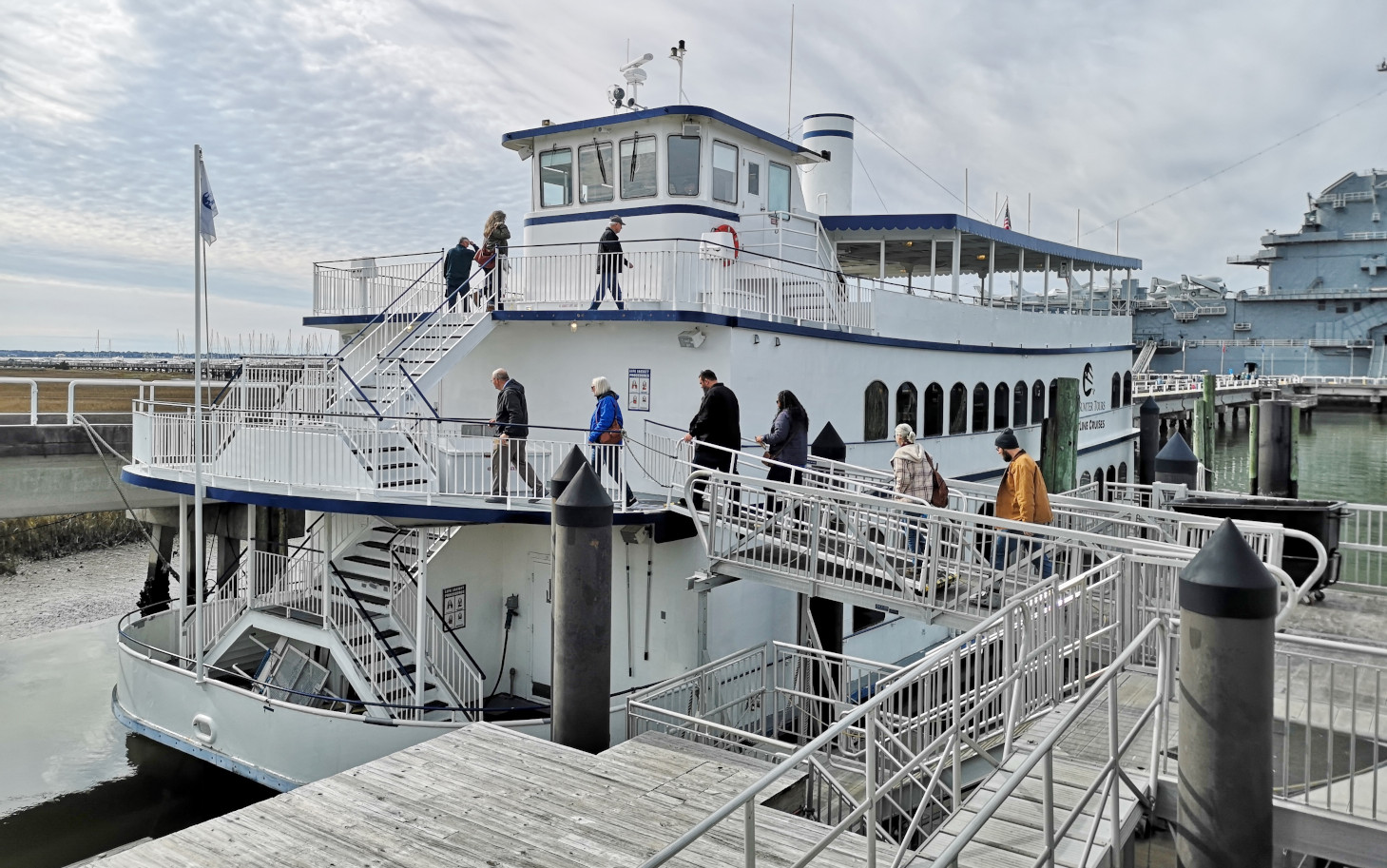
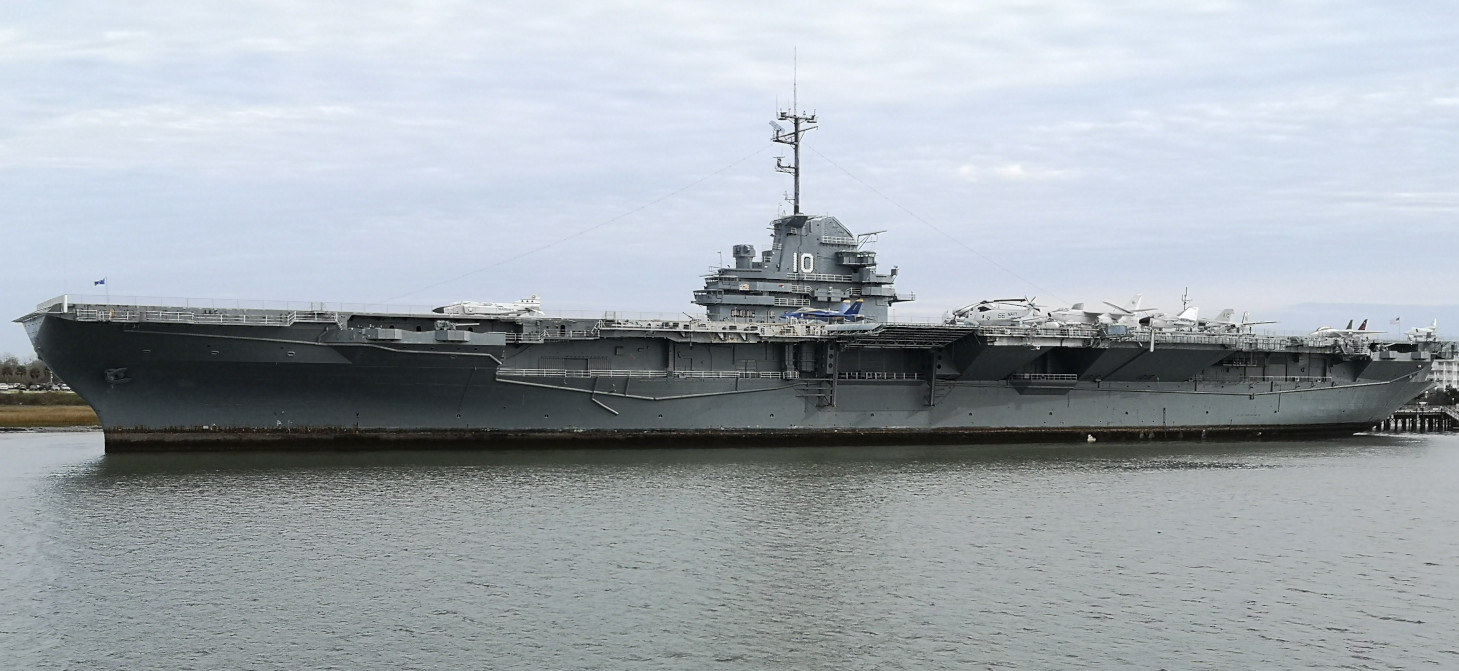
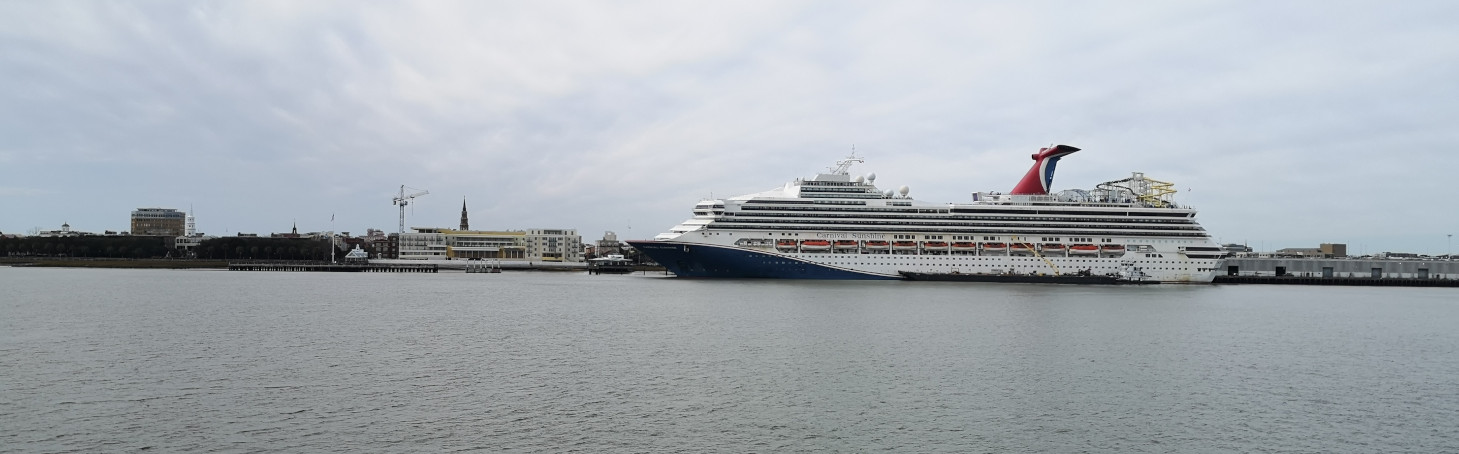
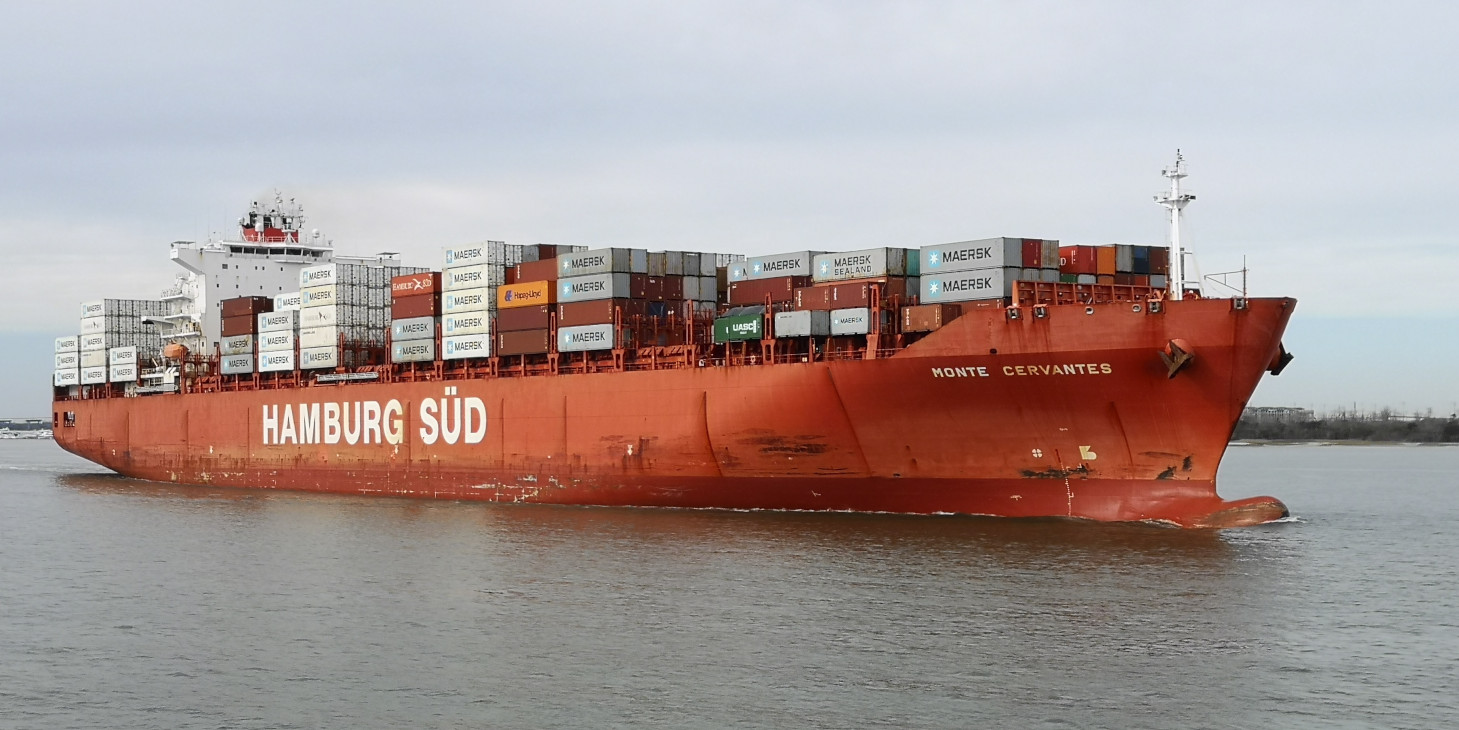
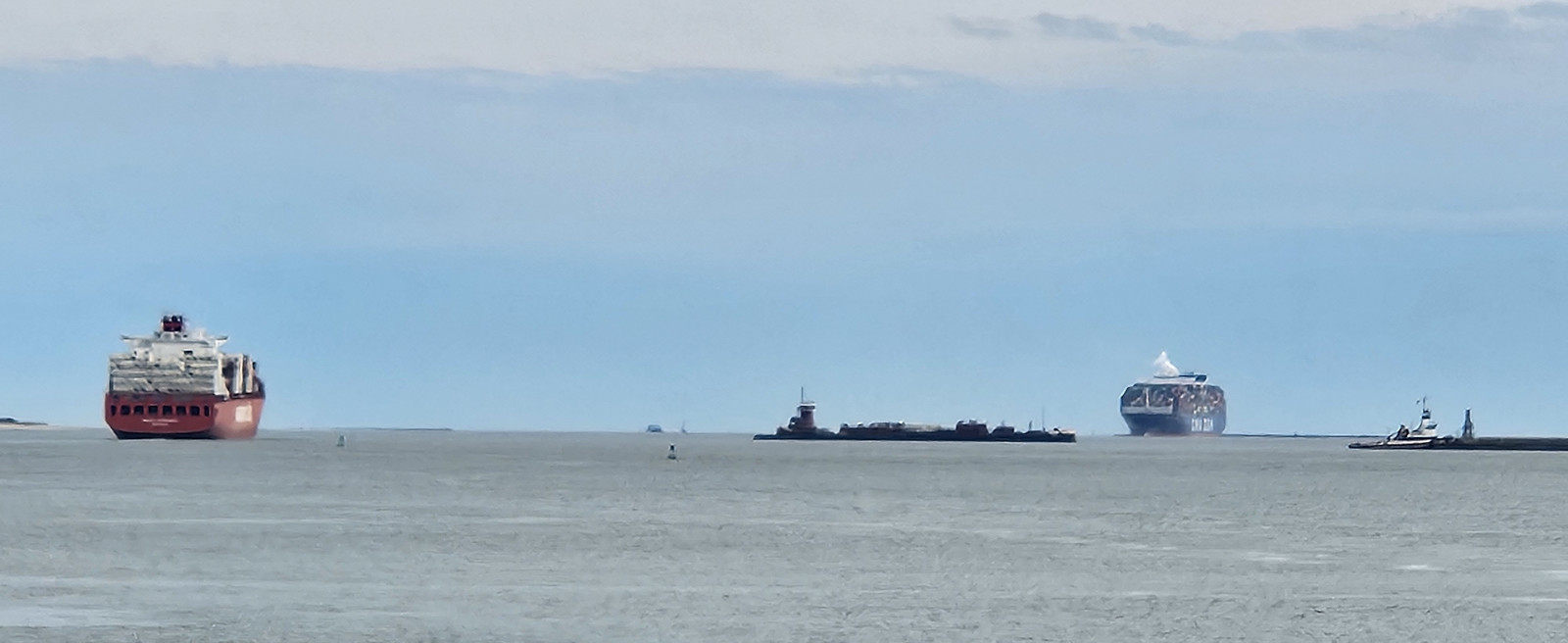
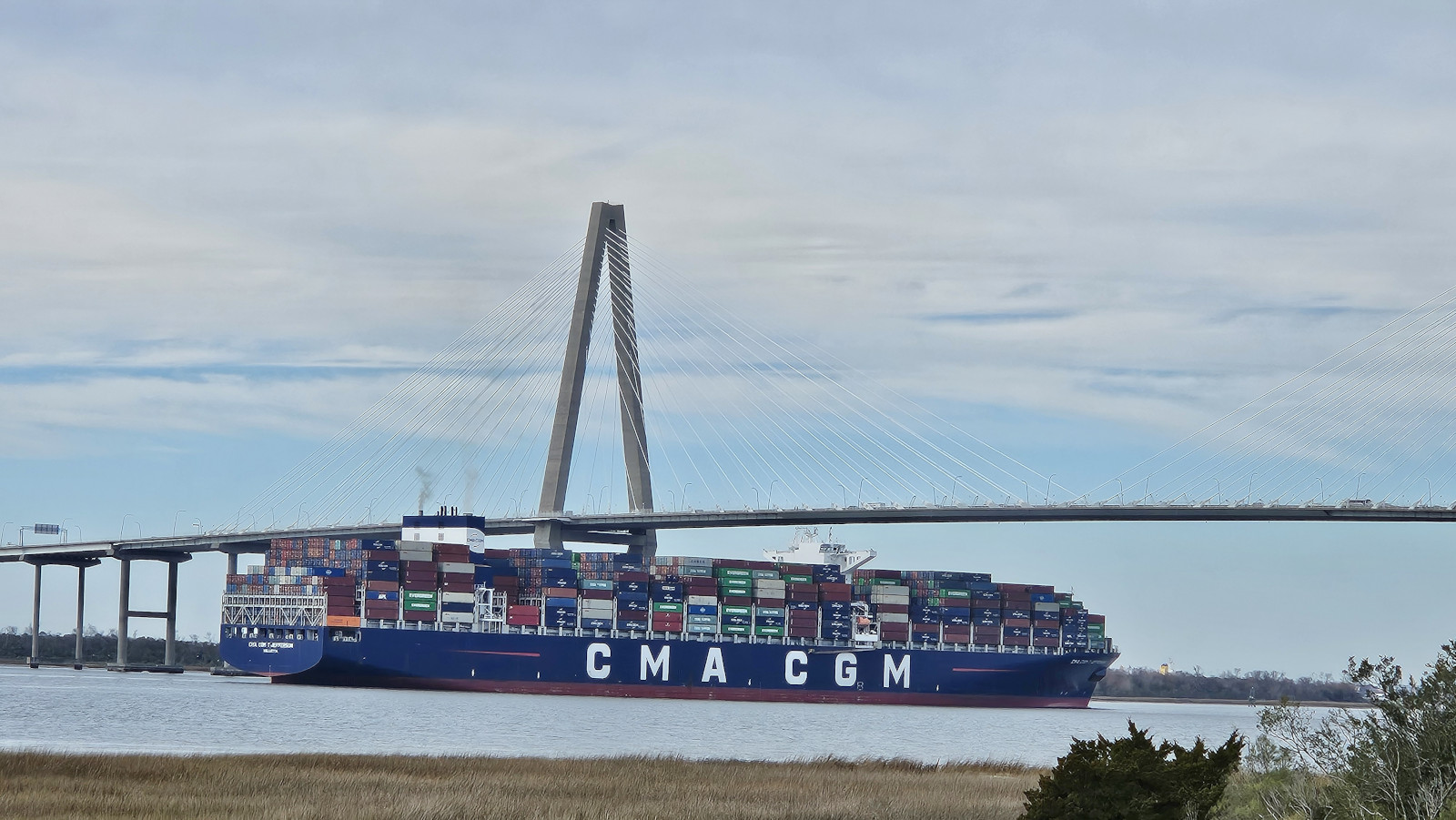
On the way back with the ferry we saw firsthand how active the shipping port of Charleston is to this day. It was an optical illusion when the one freighter went to go under the bridge as we thought from shore that it was too tall to make it. It was fun watching the dolphins ride the bow waves of the freighter although hard to get a good picture from the distance.
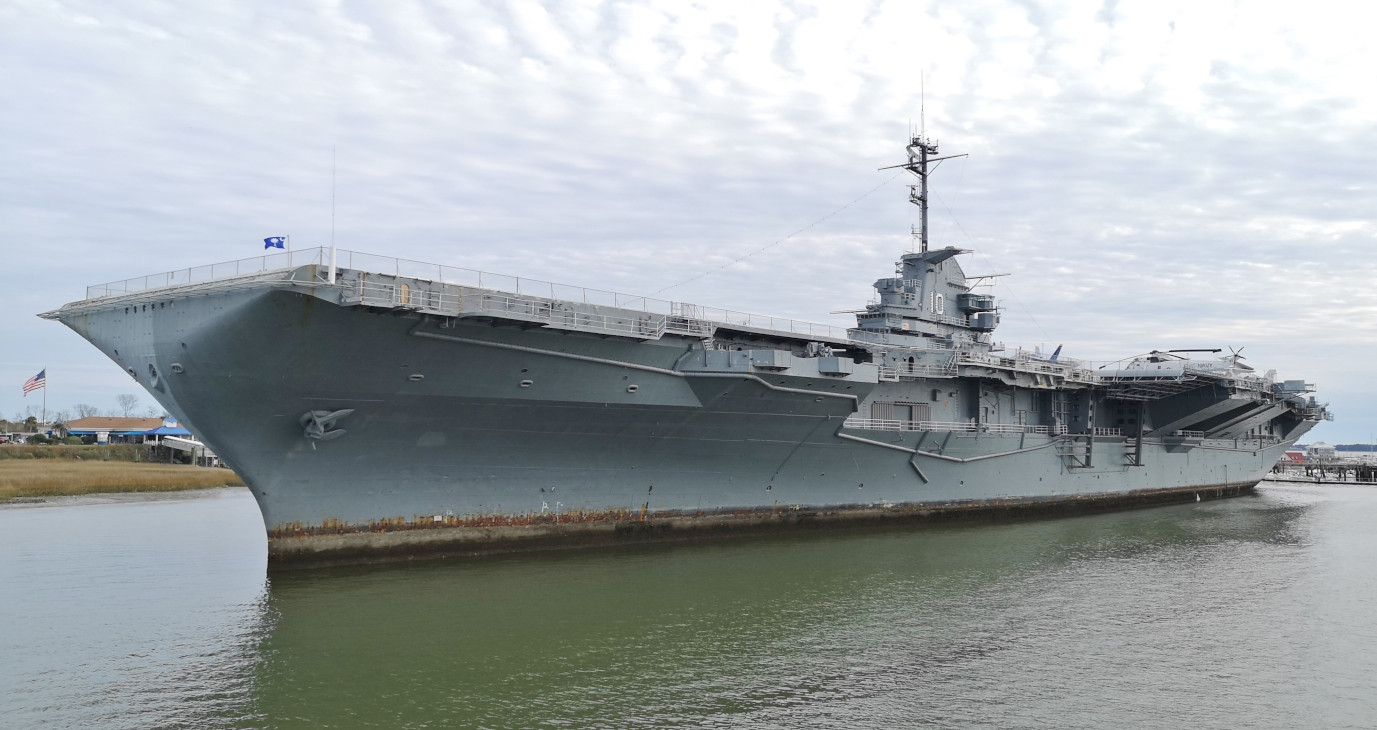
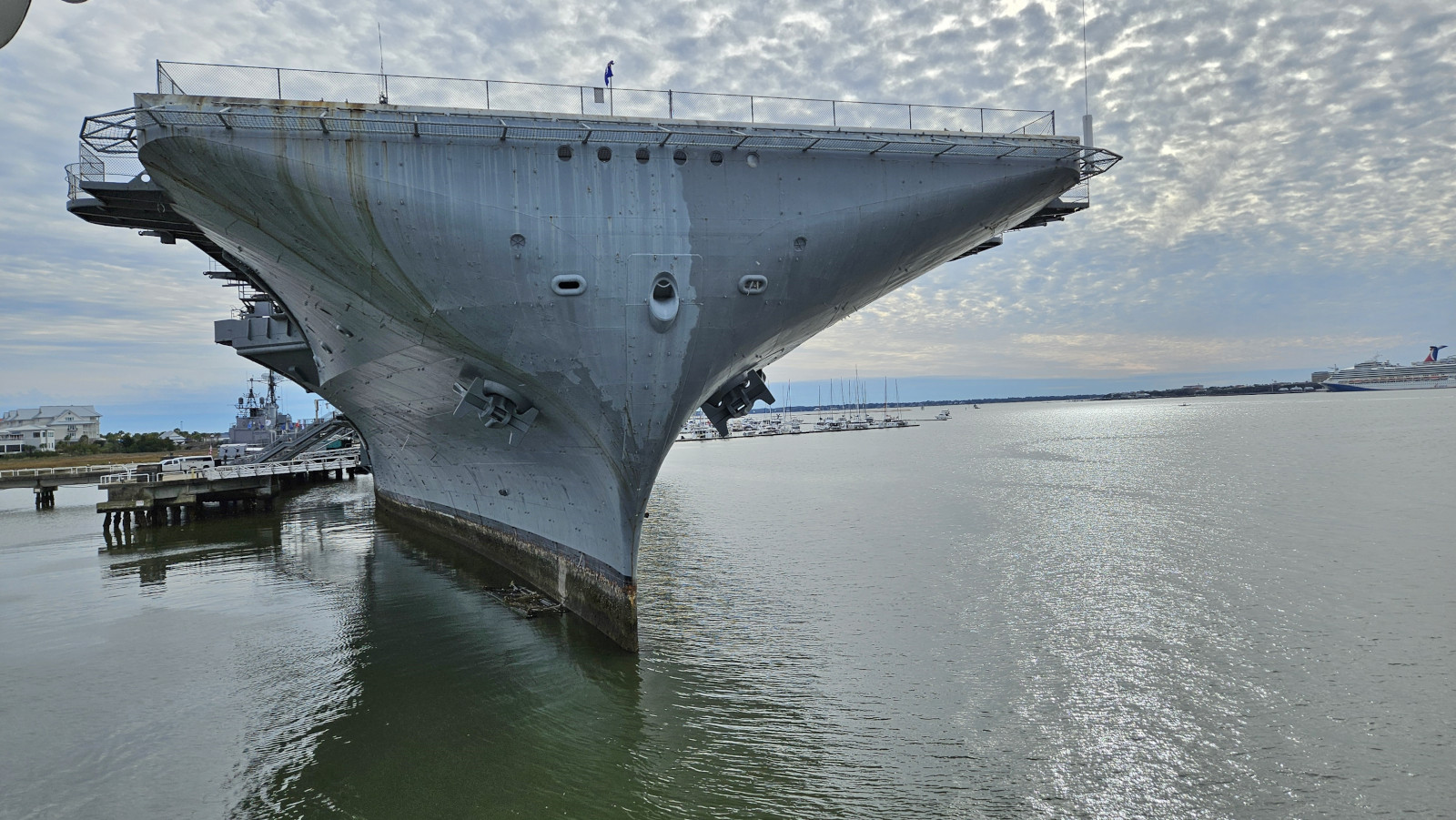

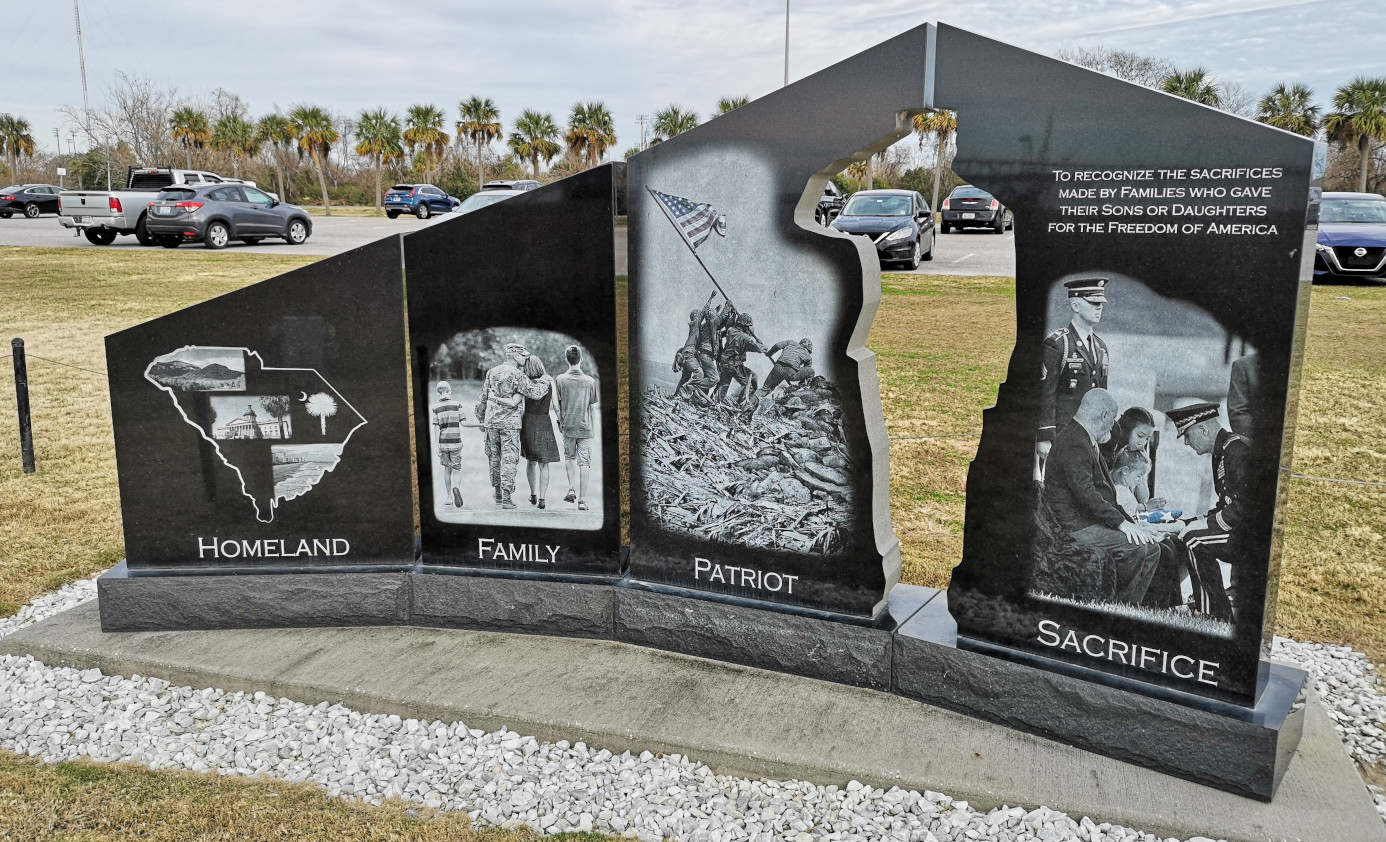
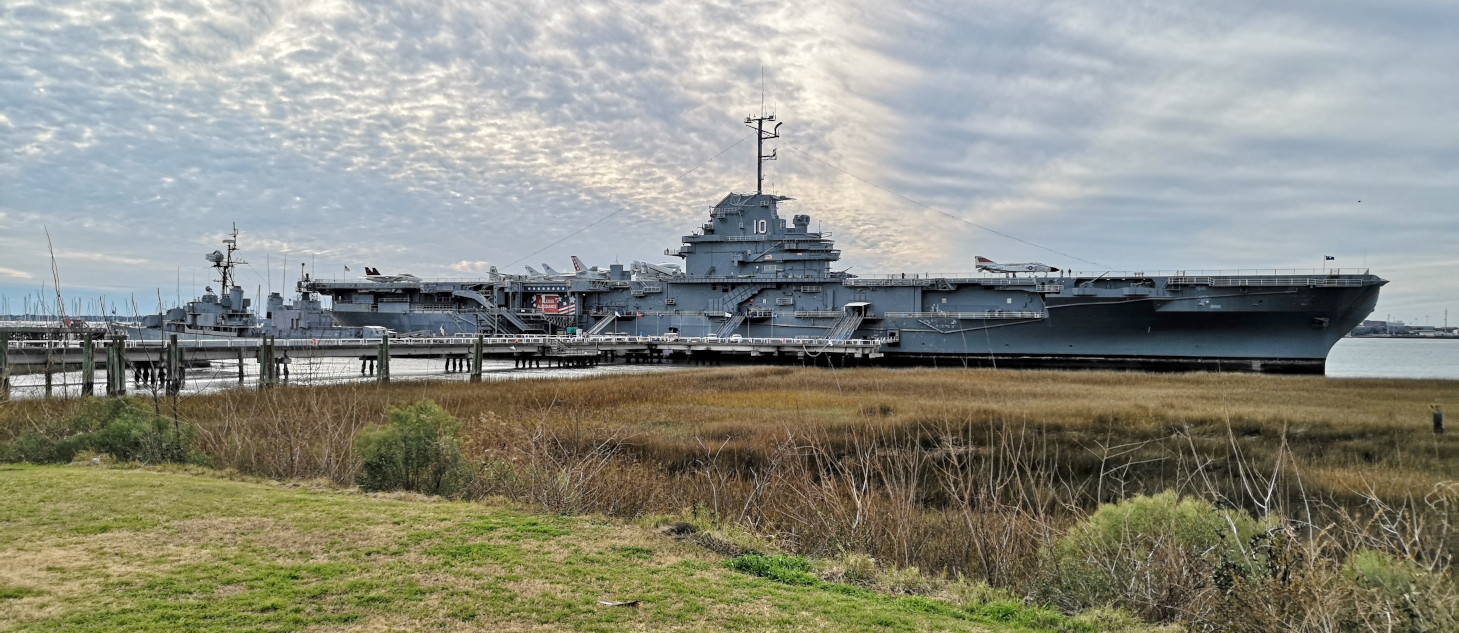
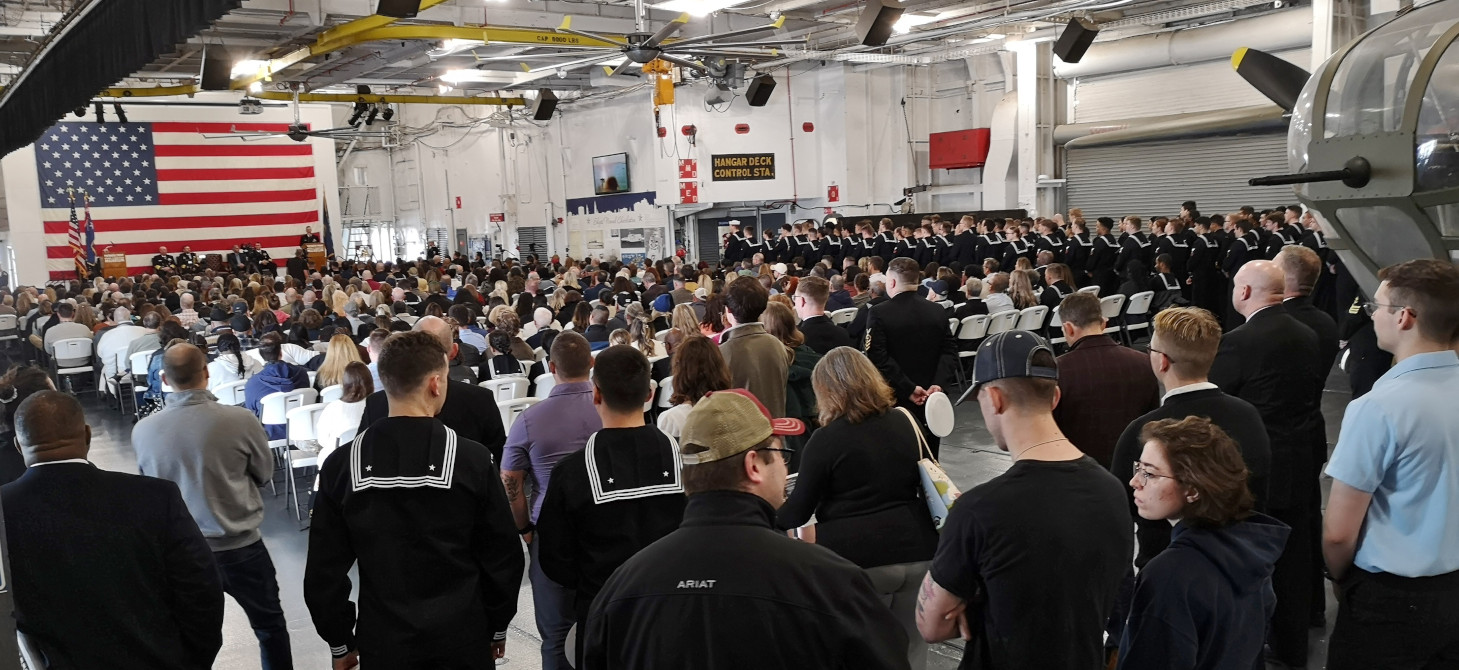
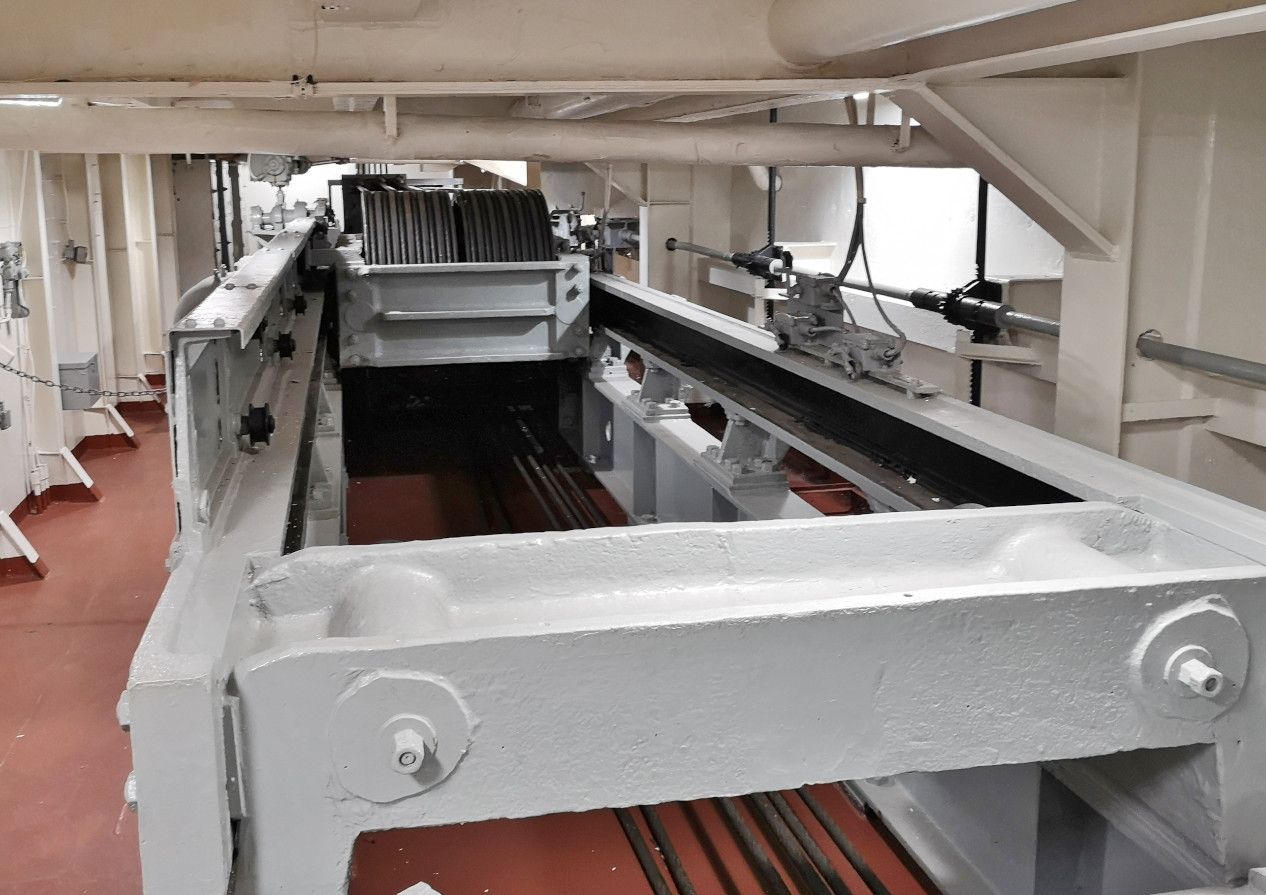
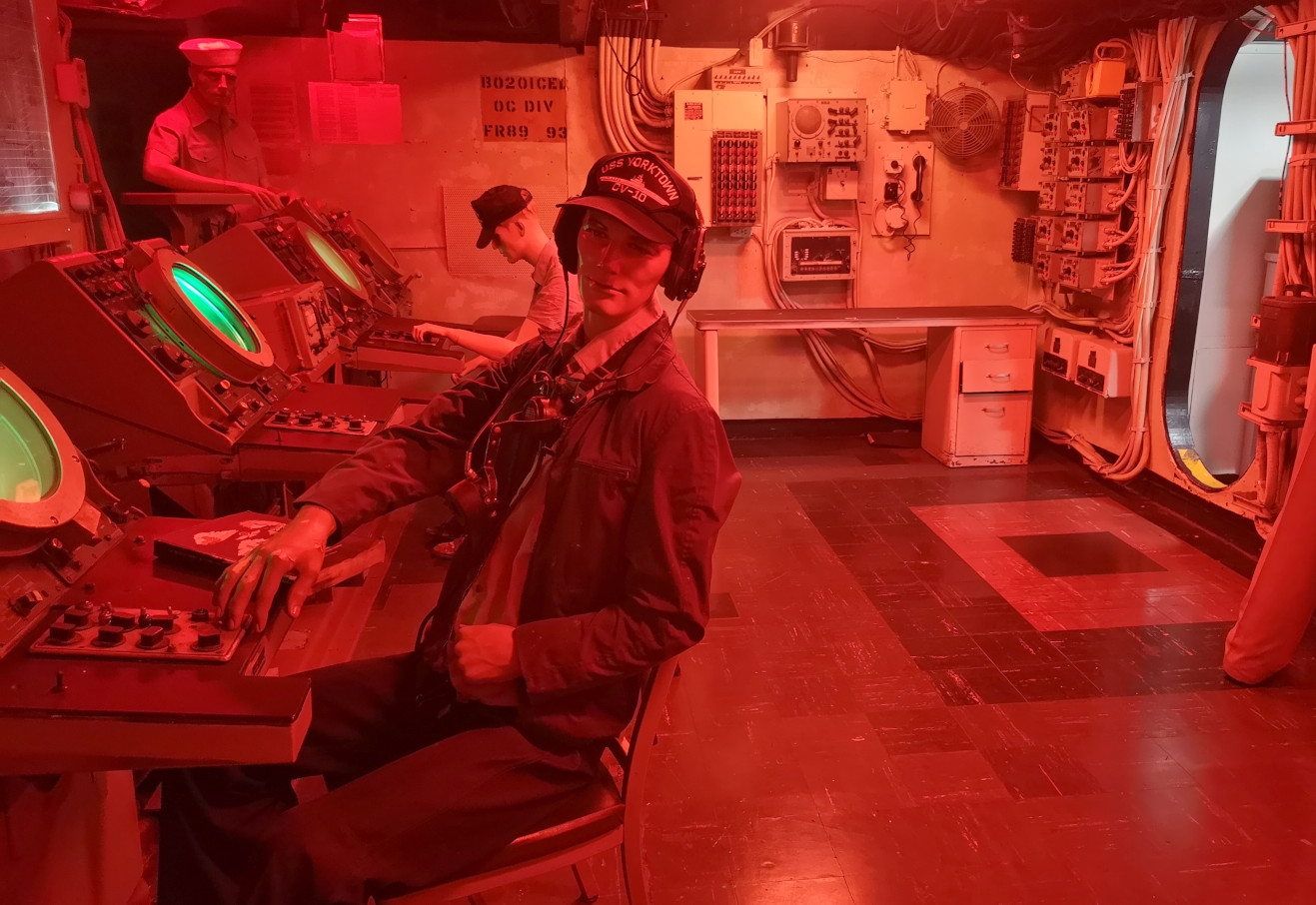
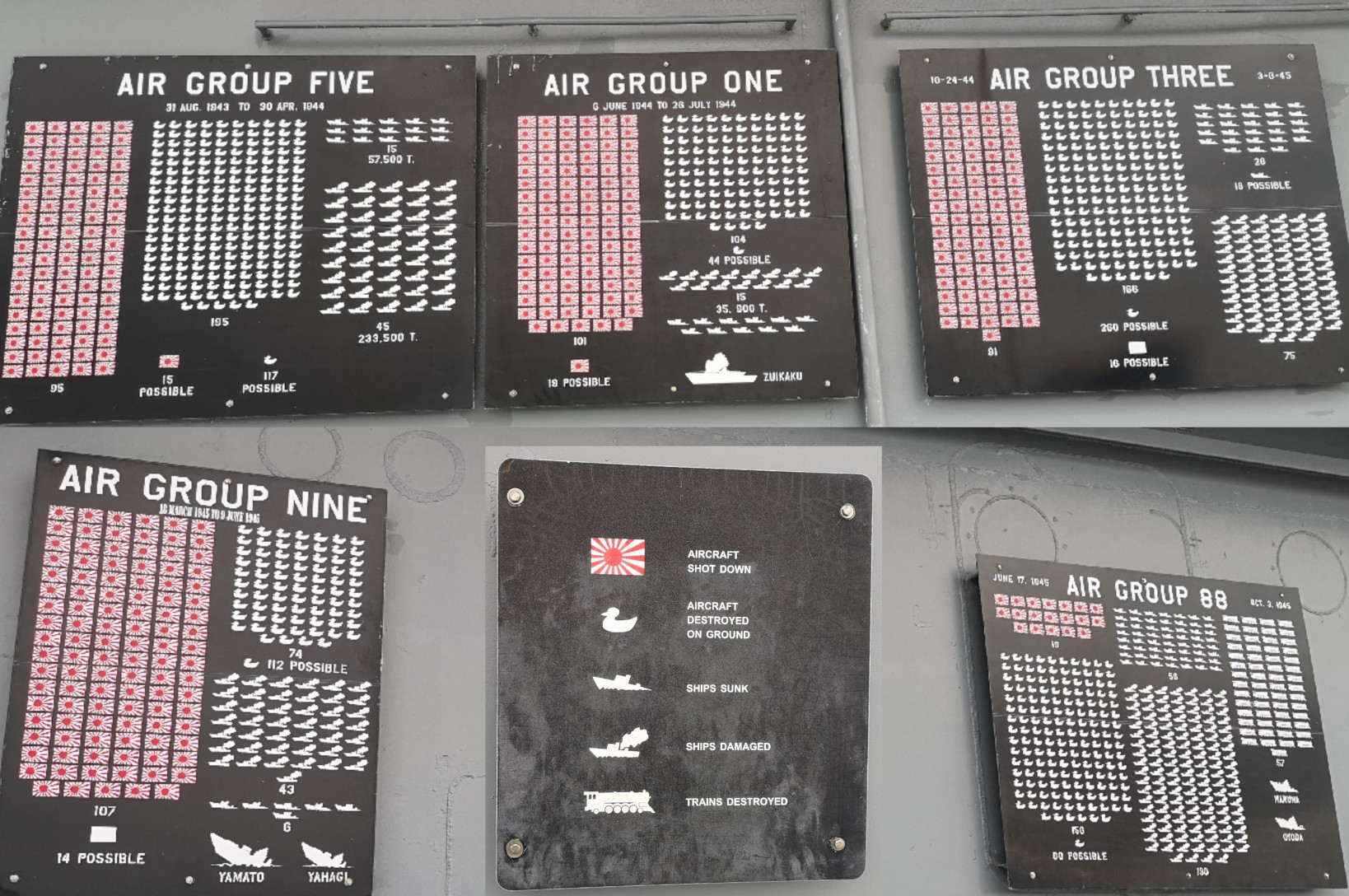
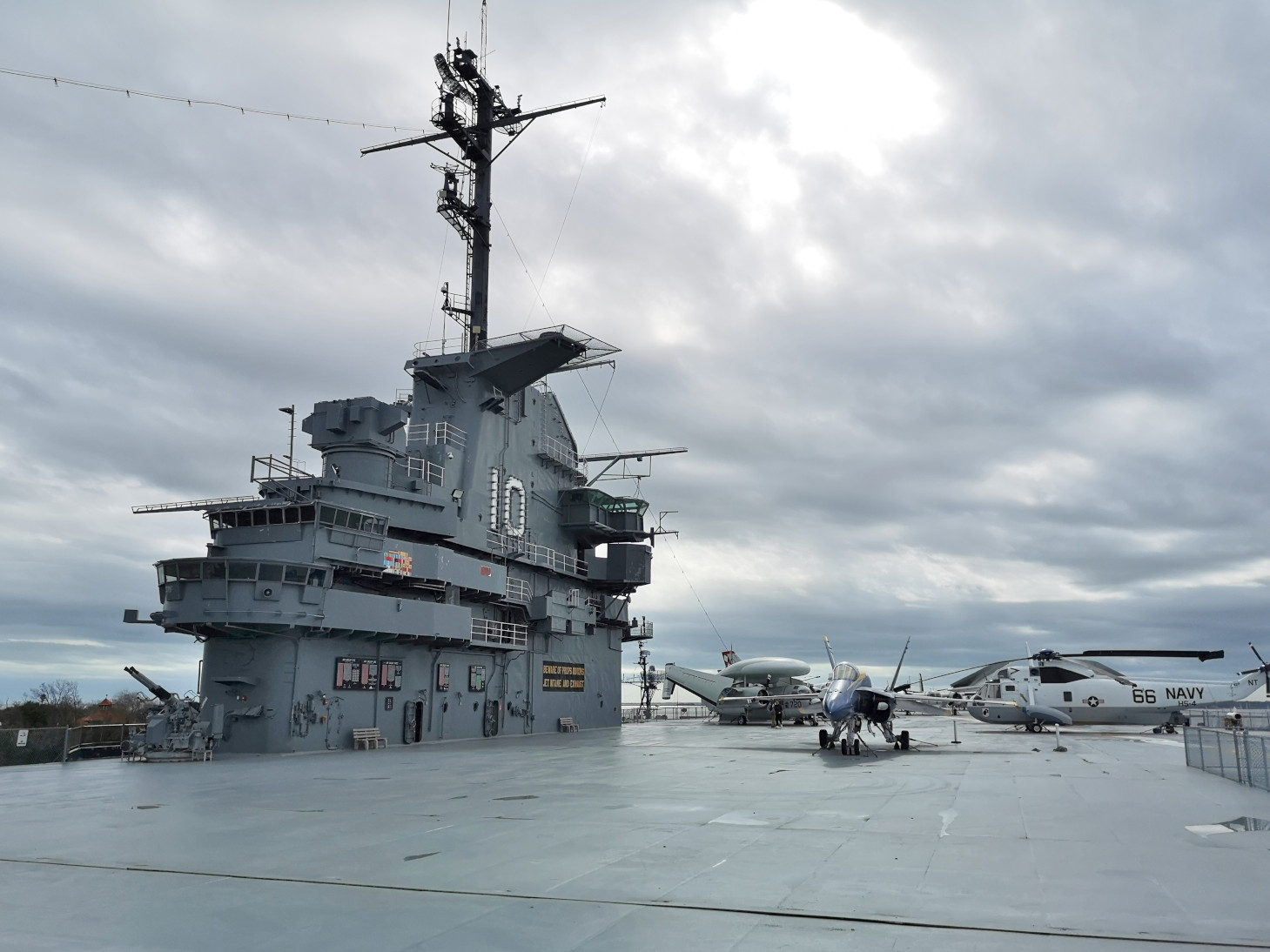
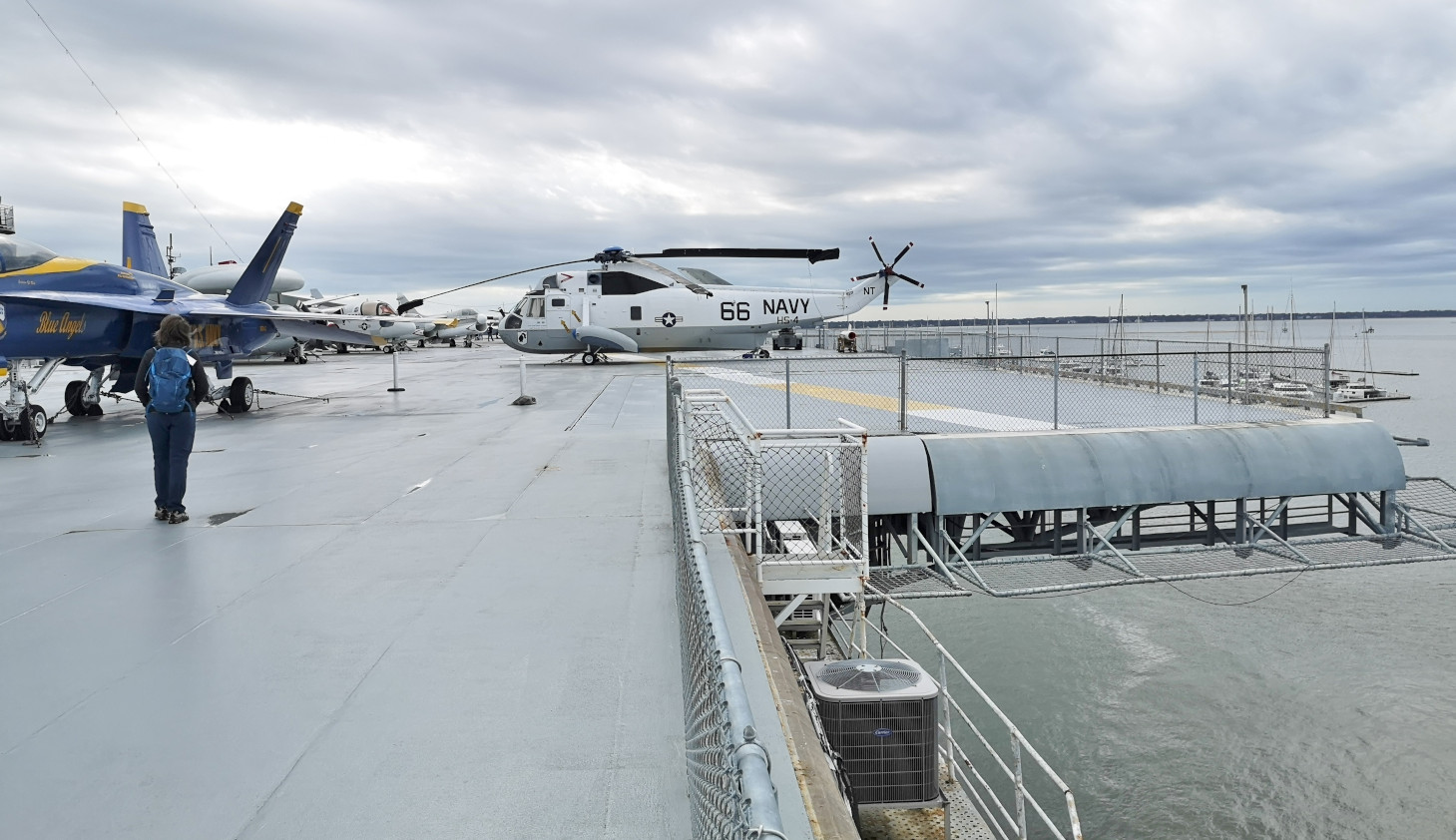
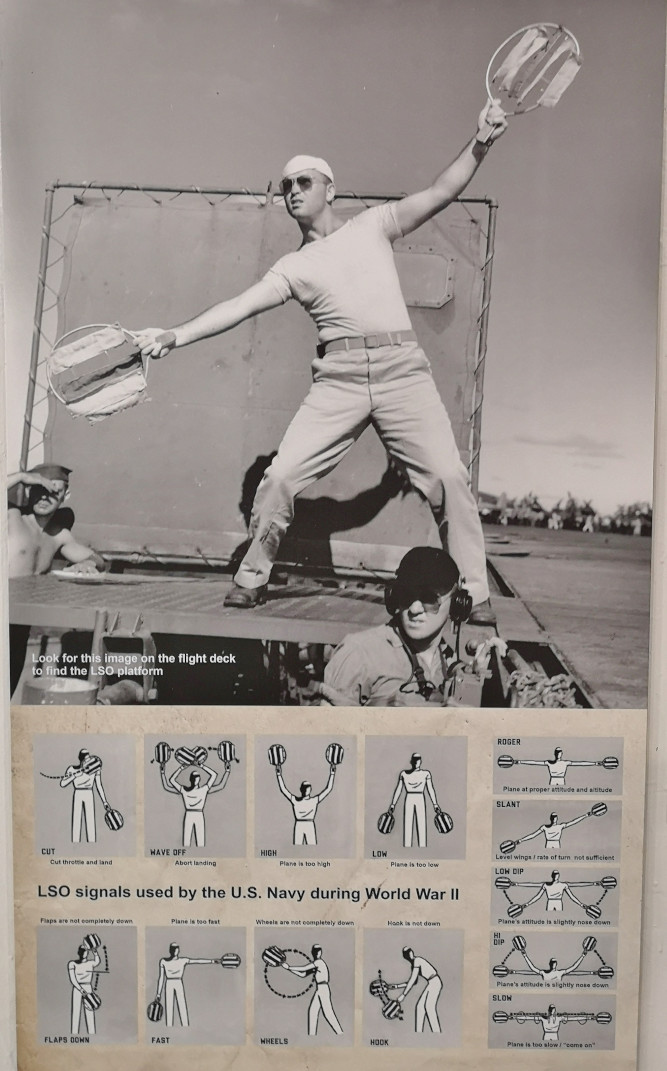
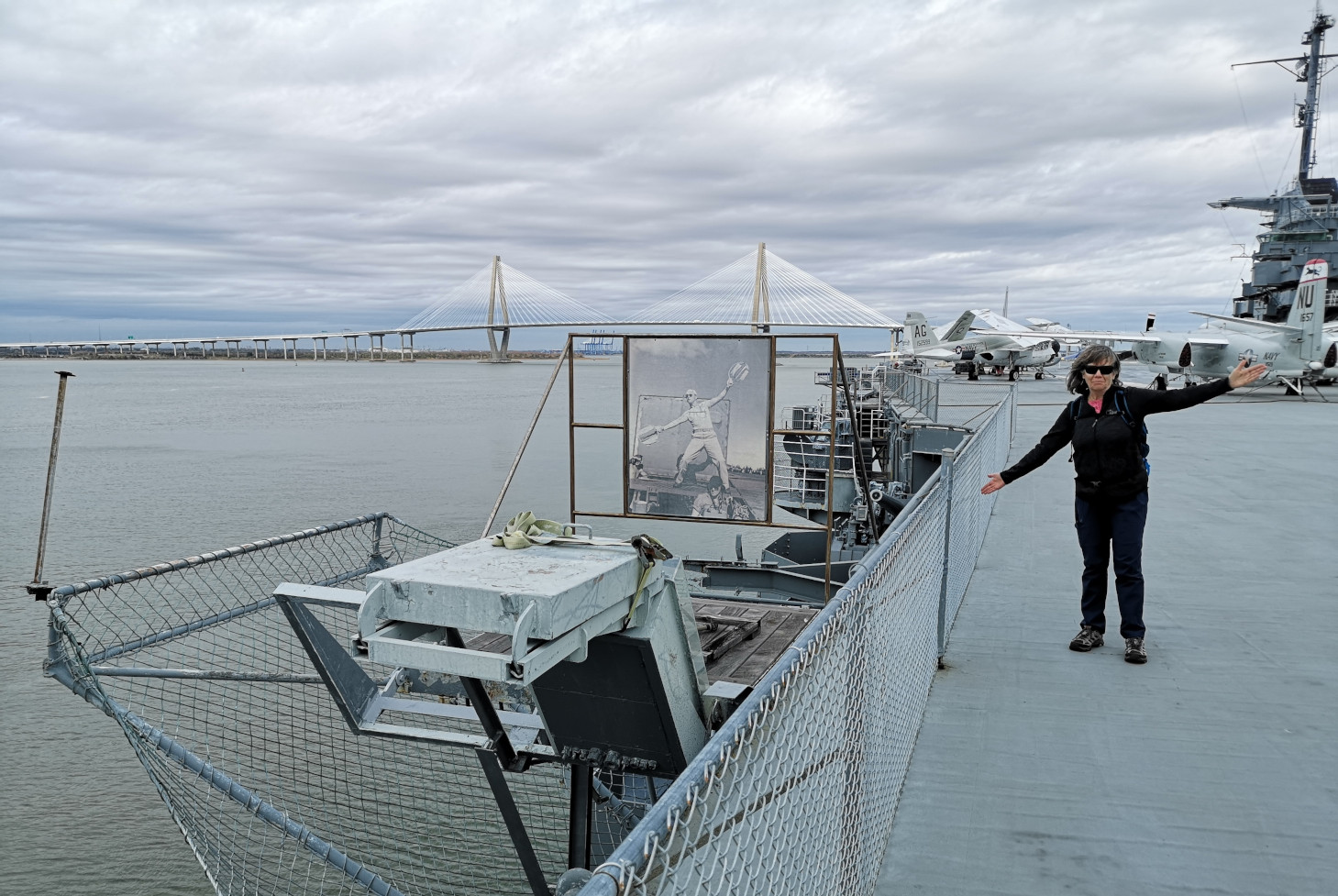
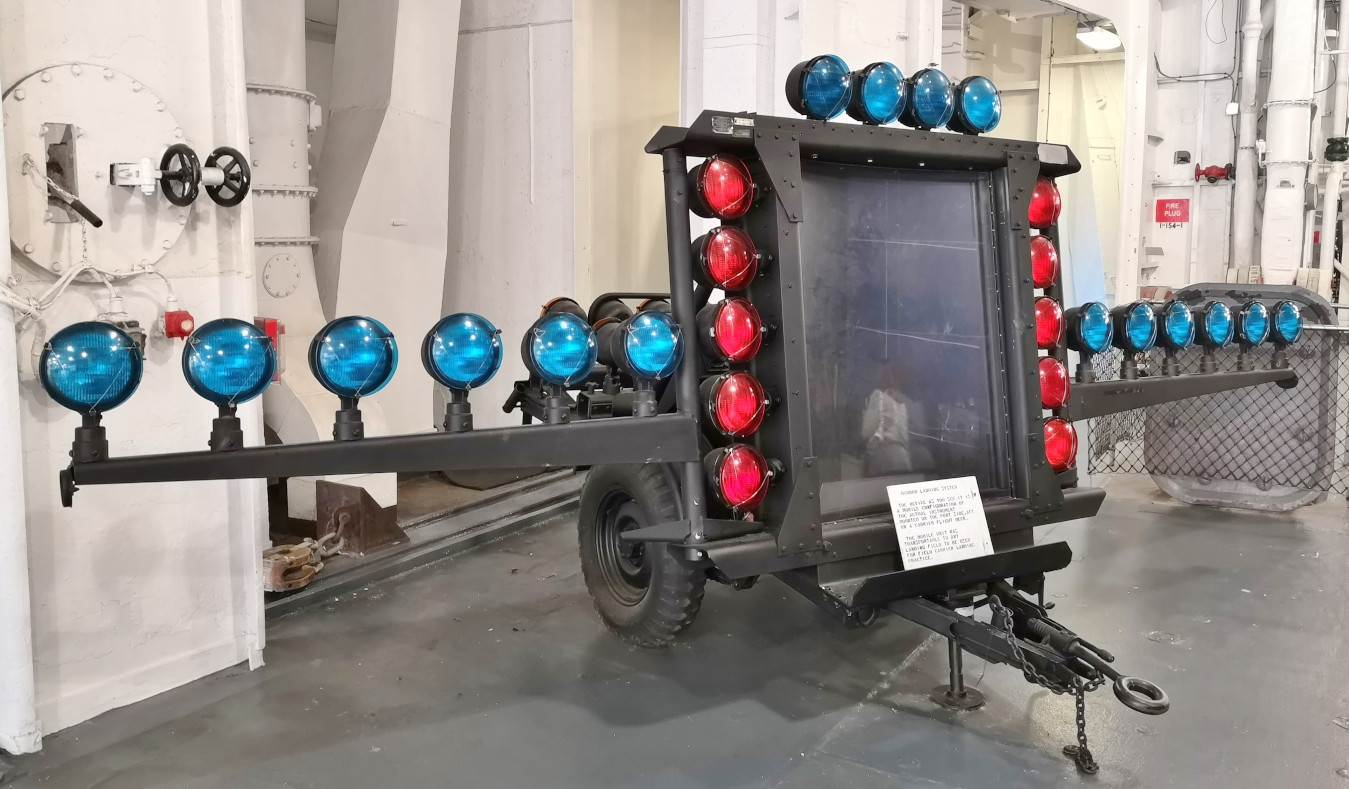
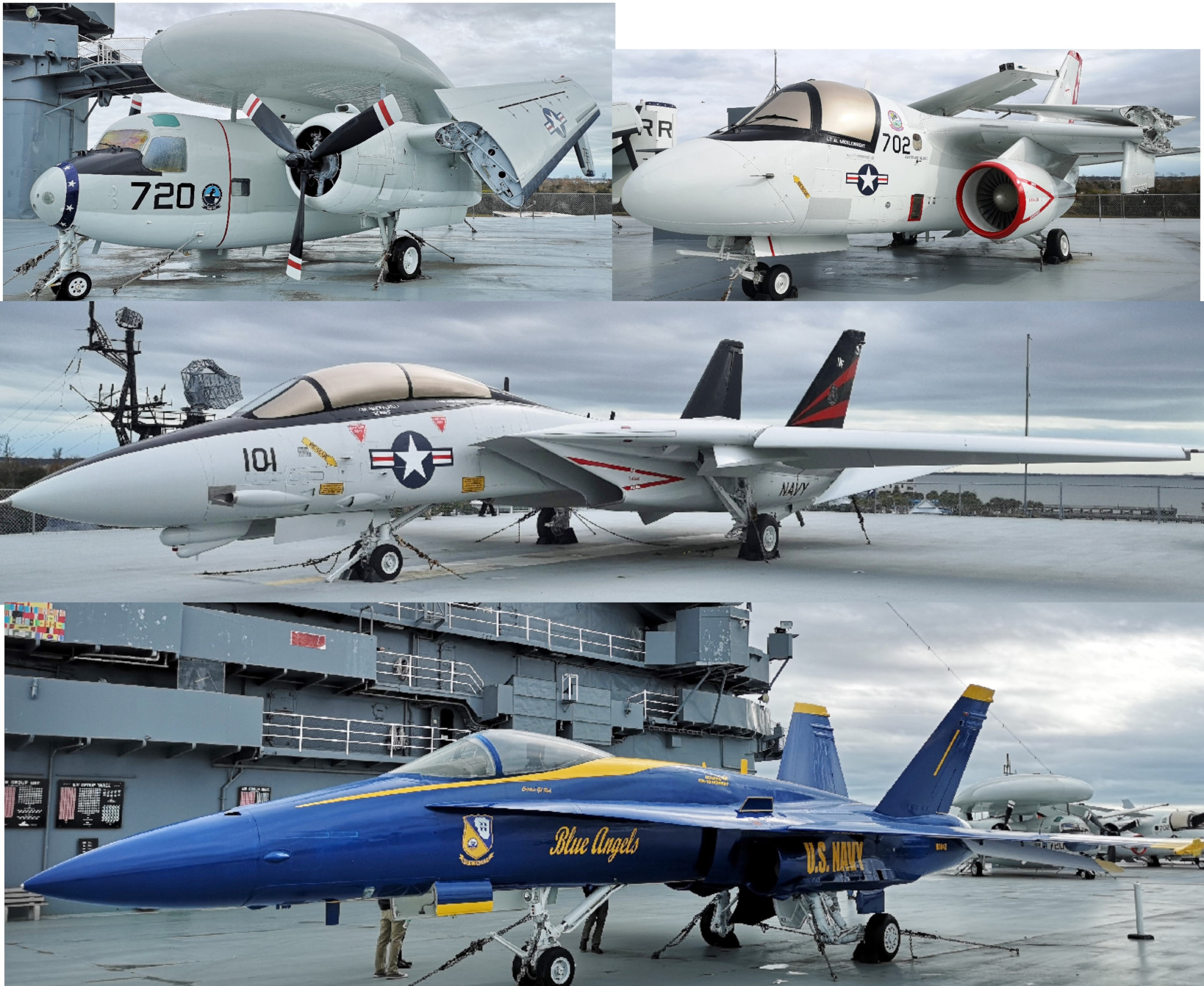
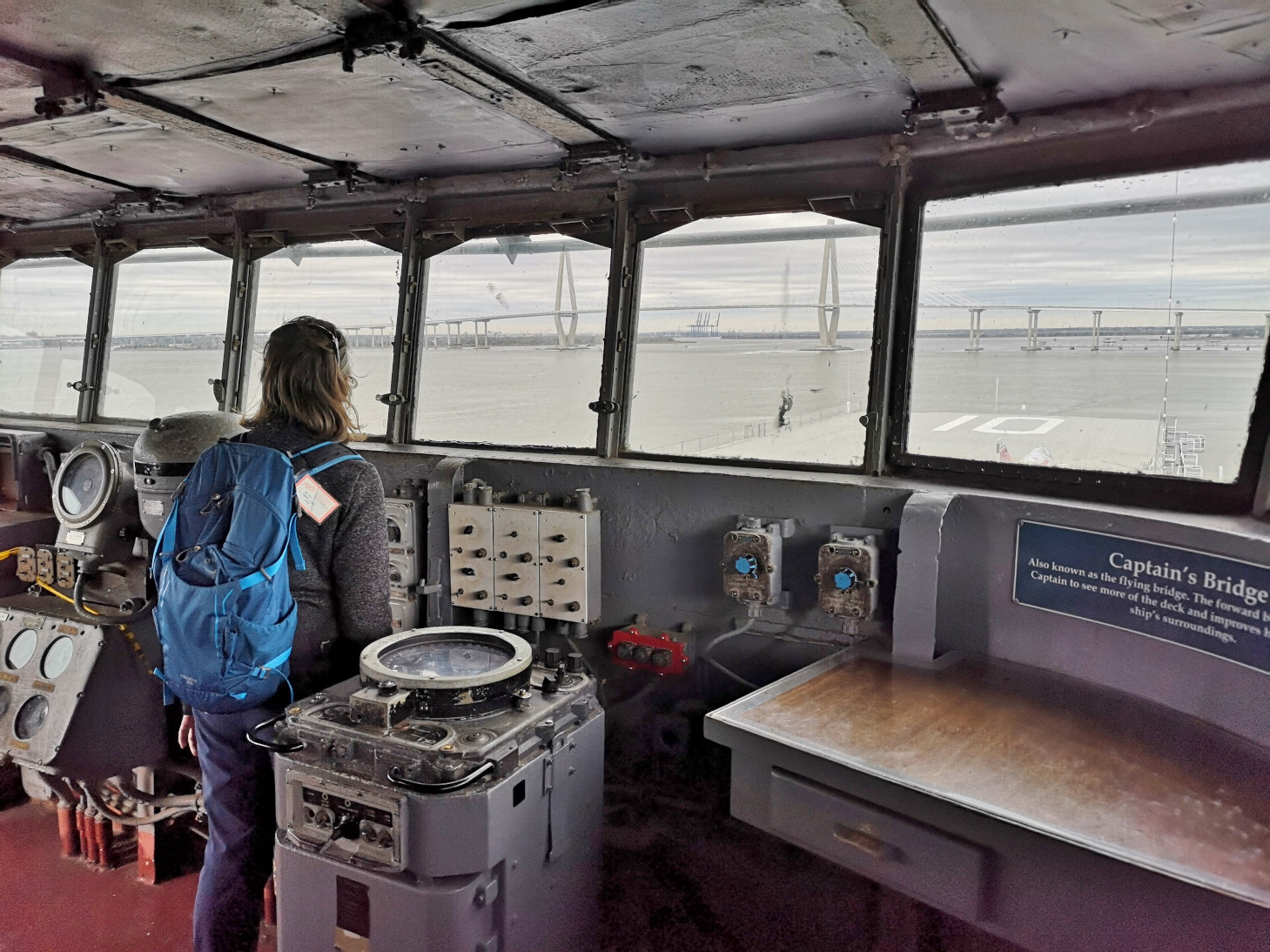
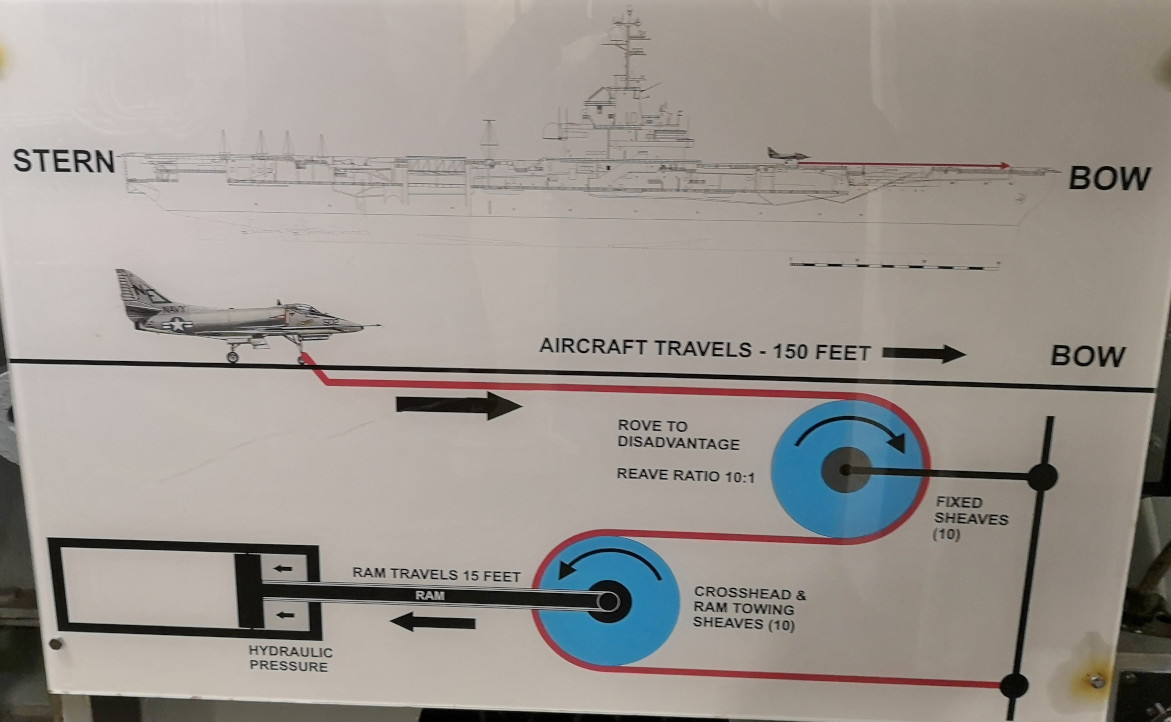
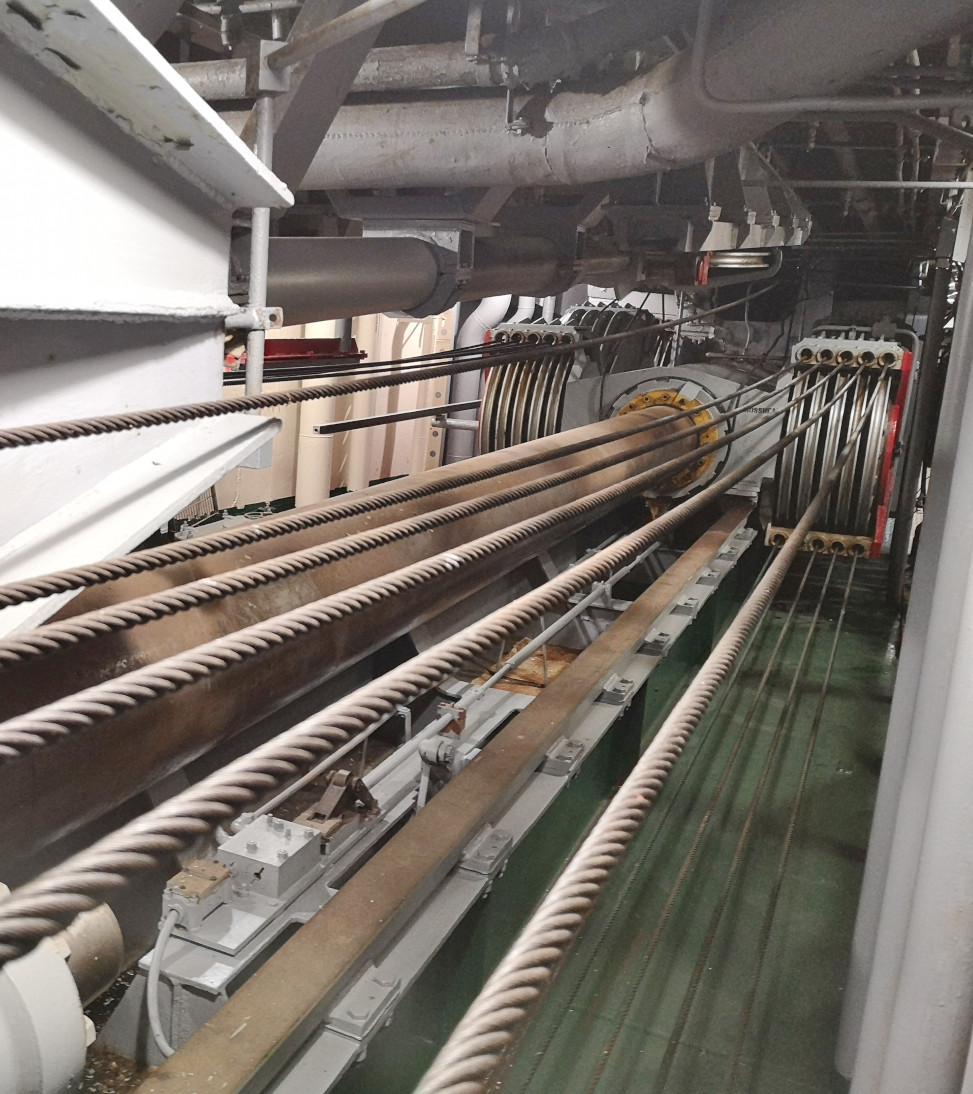
The next day we returned to the same pay parking lot at Patriot’s Point, but we were shocked that the lot was almost full. It turned out that it was Navy graduation day at the USS Yorktown. Three separate classes were having their graduation ceremony on the aircraft carrier, this made it tricky for the parking attendants to find a place to park us. The advantage for us touring that day was we got to see all the navy graduates in their dress uniforms walking around with their families and the 3rd of the ceremonies on board the ship. We had never been on an aircraft carrier before, so we were excited to see a new class of ship. They had a guided tour but we opted for the self guided tour so we could spend more time looking around. The self guided tour covered the living and working spaces, the engine room, the flight deck and bridge, the wardroom, catapult room and brig, the WWII carrier models room, and Hangar bays 1, 2, and 3. It took us 4.5 hours to see the USS Yorktown and then 1 hour on the destroyer USS Laffey, and lastly 1 hour in the Vietnam Experience area, so a long touring day but very enjoyable. In total we took 350 pictures this day, but we’ll just show you a subset. Here are the key facts about the USS Yorktown:
- The USS Yorktown build started in 1941 and was the 10th aircraft carrier from Newport News Shipyard so named CV-10. It was originally named Bon Homme Richard but then when Yorktown CV-5 was sunk in the battle of Midway in 1942 so they renamed it to USS Yorktown CV-10, also called “the fighting lady”. It took 16.5 months to build the Yorktown and it was commissioned in April of 1943.
- The F6F-Hellcat was the main plane used on the USS Yorktown. It could fly 380 mph, and could hold 2,000 lbs of bombs or 6 rockets.
- Yorktown’s mission in the Pacific began in August of 1943. The US carrier vs Japanese carrier battle was called the Battle of the Philippine Sea in June of 1944. In September 1944 the Yorktown returned to Puget Sound Naval Shipyard in Washington for an overhaul and then rejoined the fight in November 1944.
- In April of 1945 the Yorktown’s aircraft assisted in the sinking of the Japanese super battleship Yamato, signalling the end of the once mighty Imperial Japanese Navy.
- The Yorktown was retrofitted in 1955 so it could handle jets and the bow tie was added on the front to protect it in heavy seas.
- The Yorktown was involved in the Vietnam war as an anti-submarine carrier from 1964-1967.
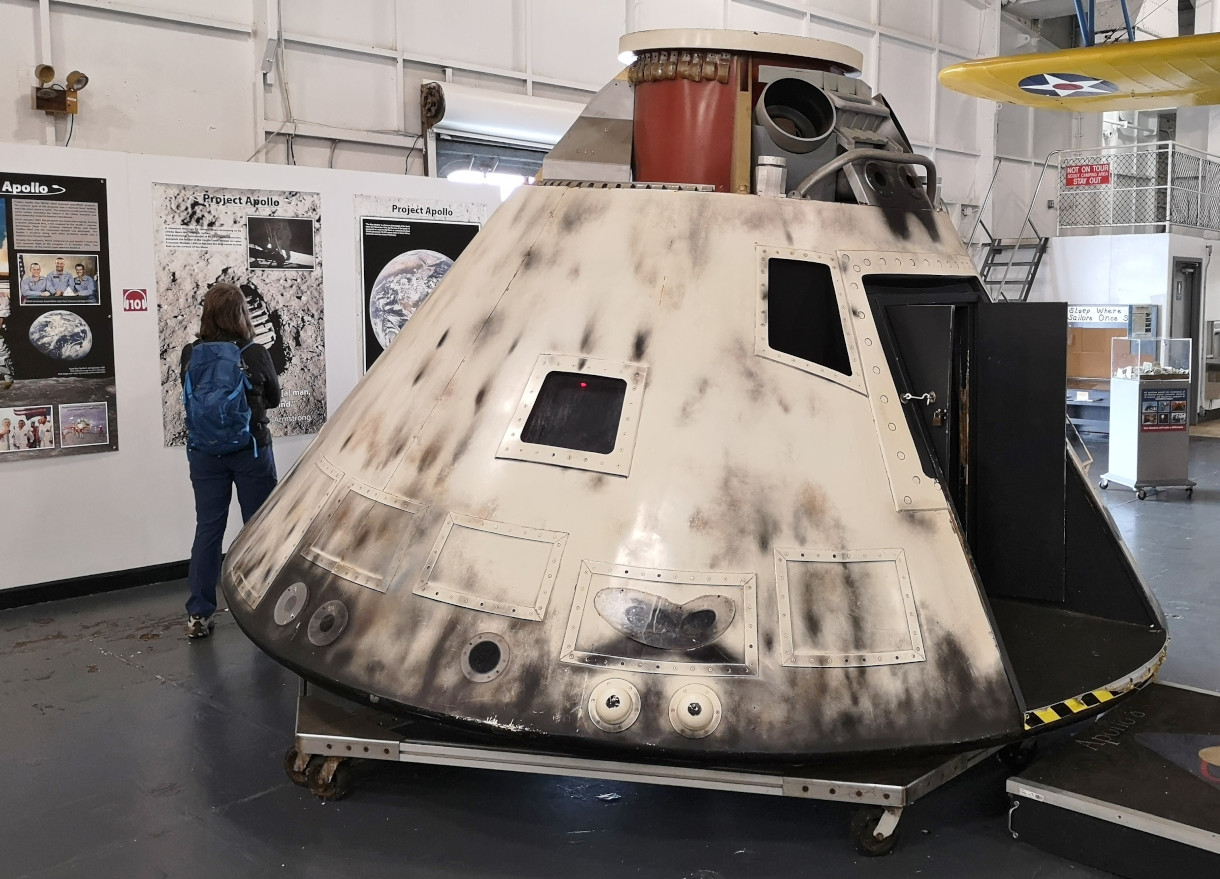
- Its last mission was as the primary recovery ship in early 1969 for the Apollo 8 command module.
- The Yorktown’s movie credits include The Fighting Lady, Jet Carrier, Tora, Tora, Tora, and an episode of the TV series Get Smart😉
- It was towed to Charleston harbour in 1975 so it could be the centrepiece of the Patriots Point Naval & Maritime Museum.
- We also learned about the USS Enterprise which had 8 nuclear reactors for propulsion instead of the 8 oil fired boilers like the Yorktown. It would carry a crew of 6,000 sailors.
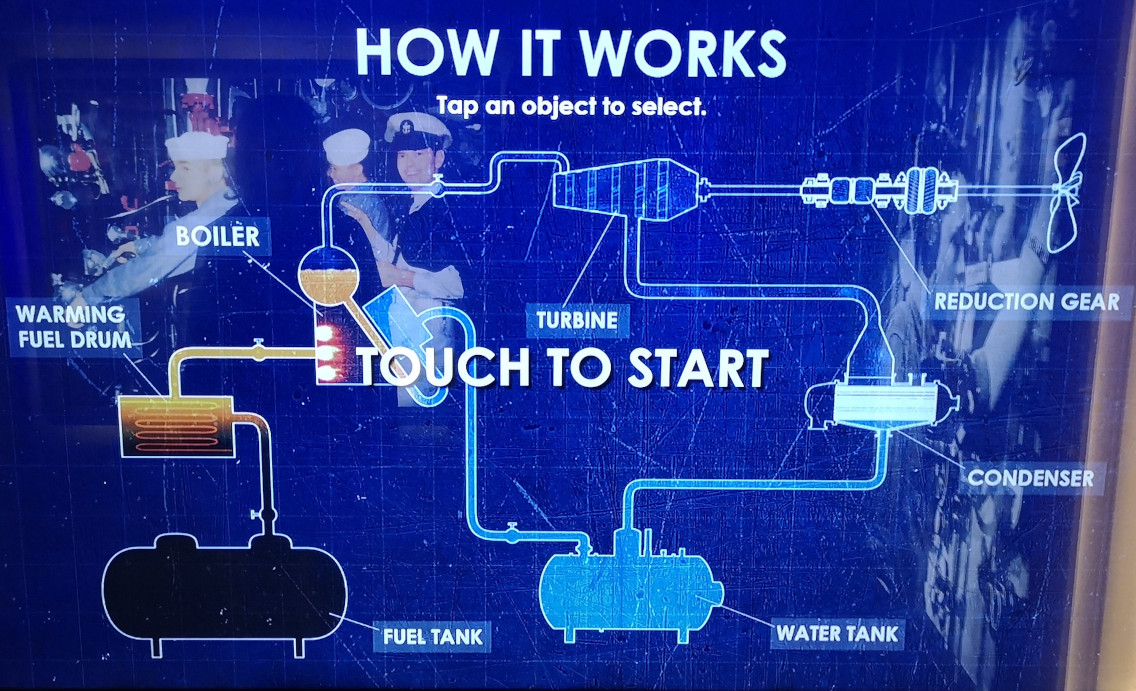
- The USS Yorktown could do 30 knots using the 4 propellors and produced 150,000 horsepower. It had a crew of 3,500 sailors.
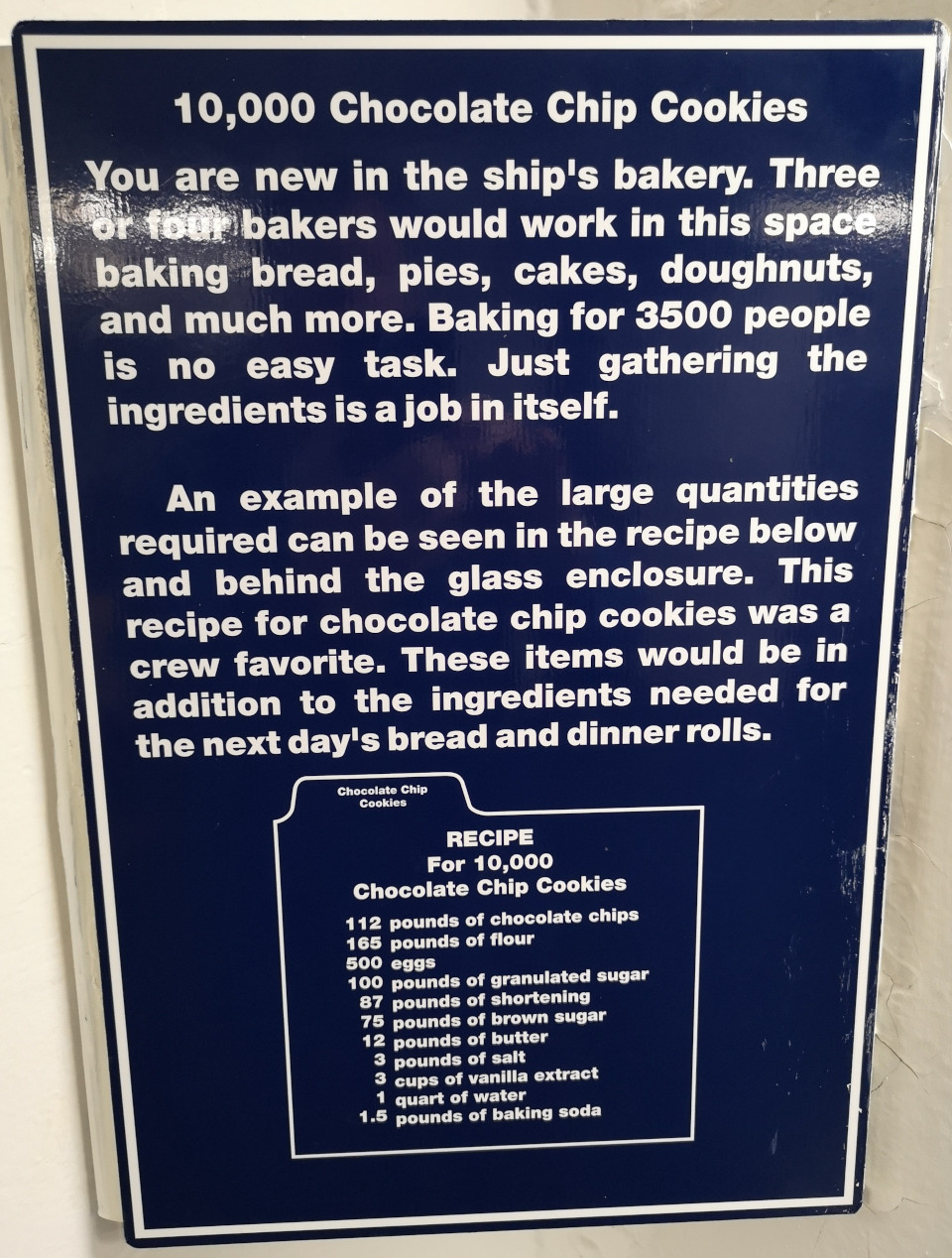
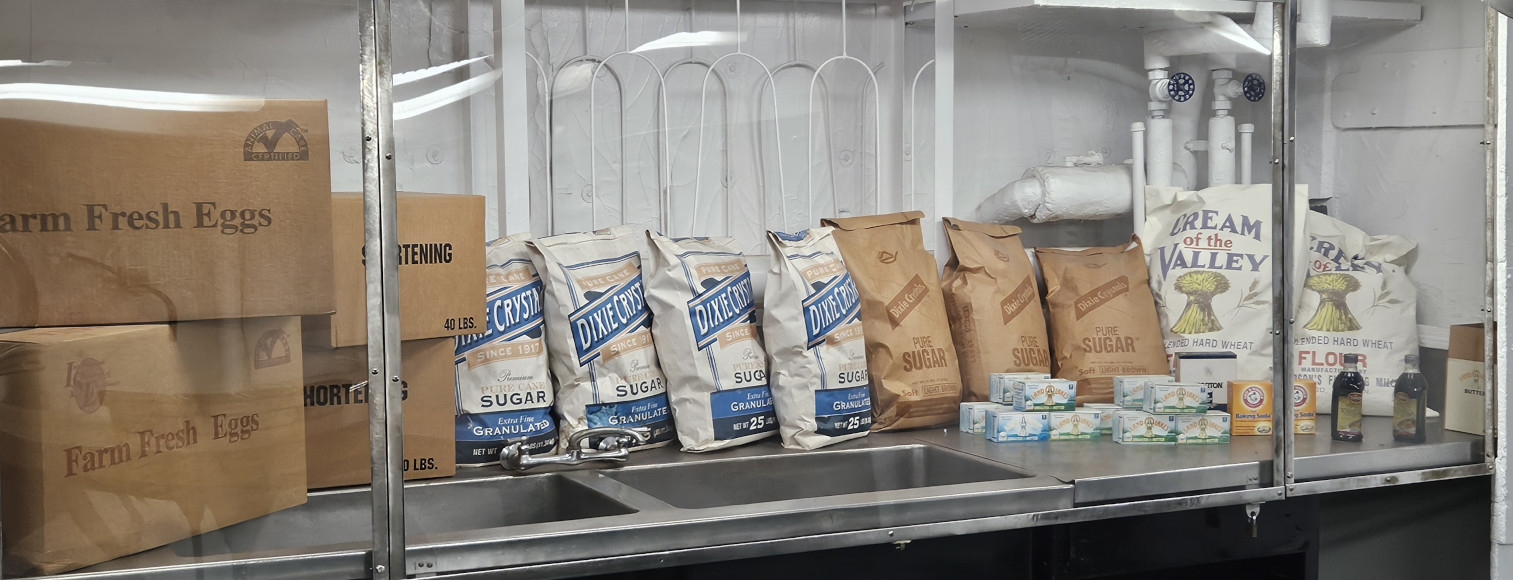
- In the bakery area they had the recipe to make 10,000 cookies!
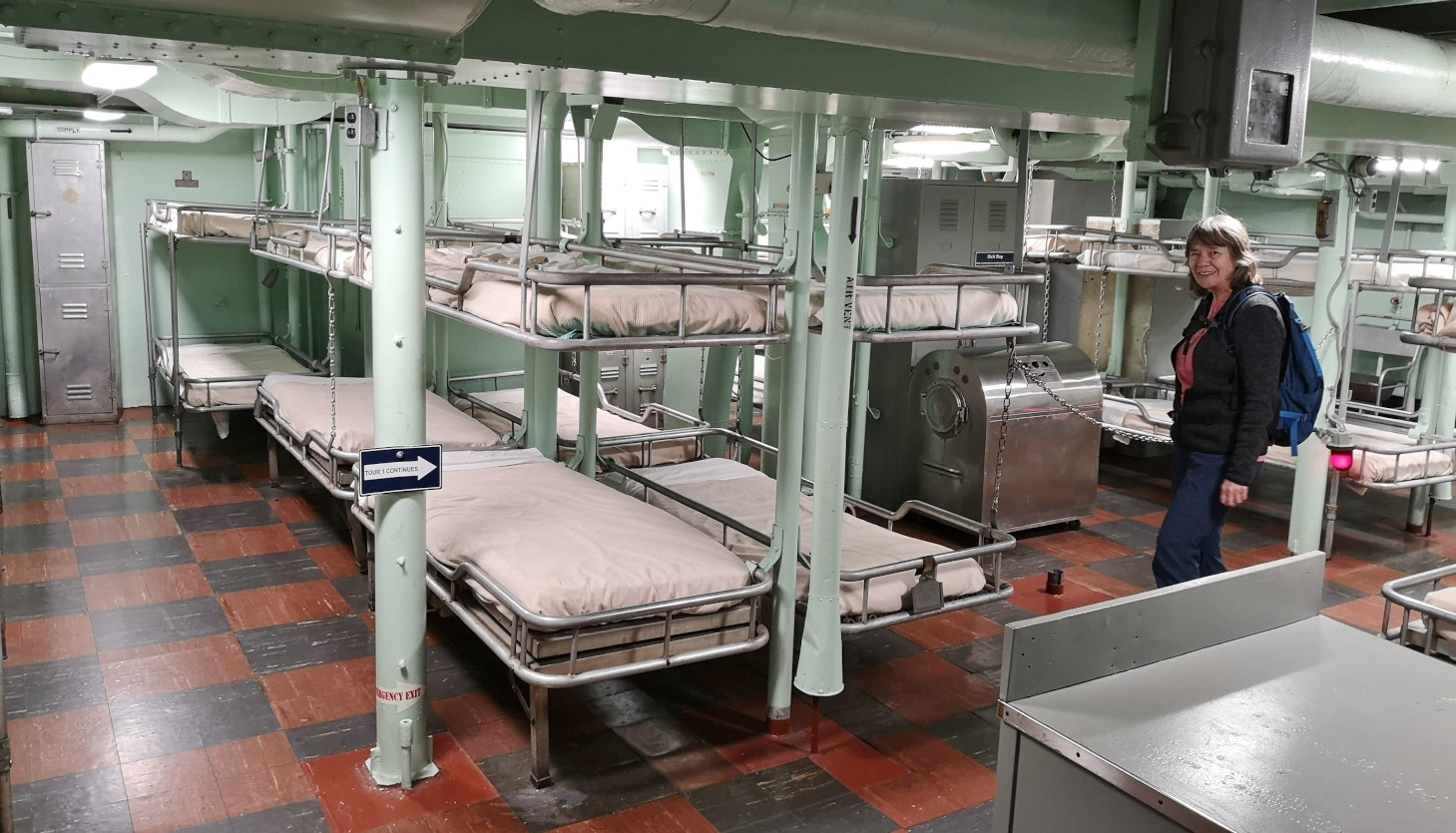
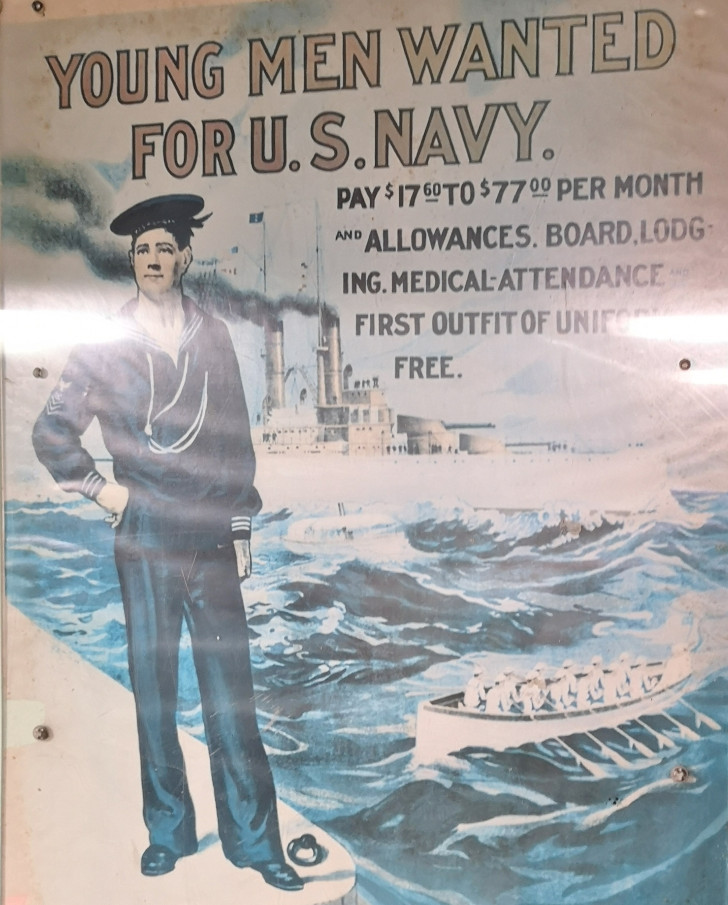
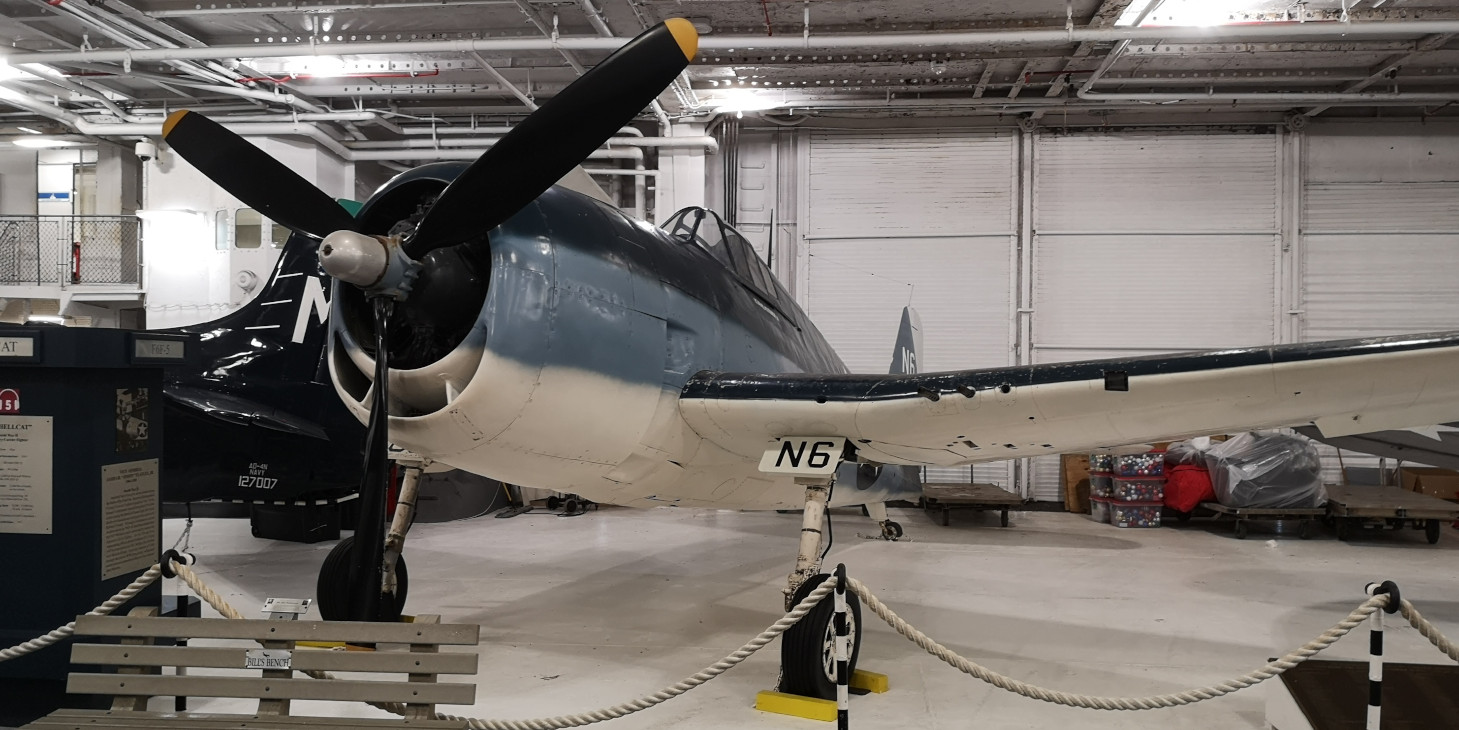
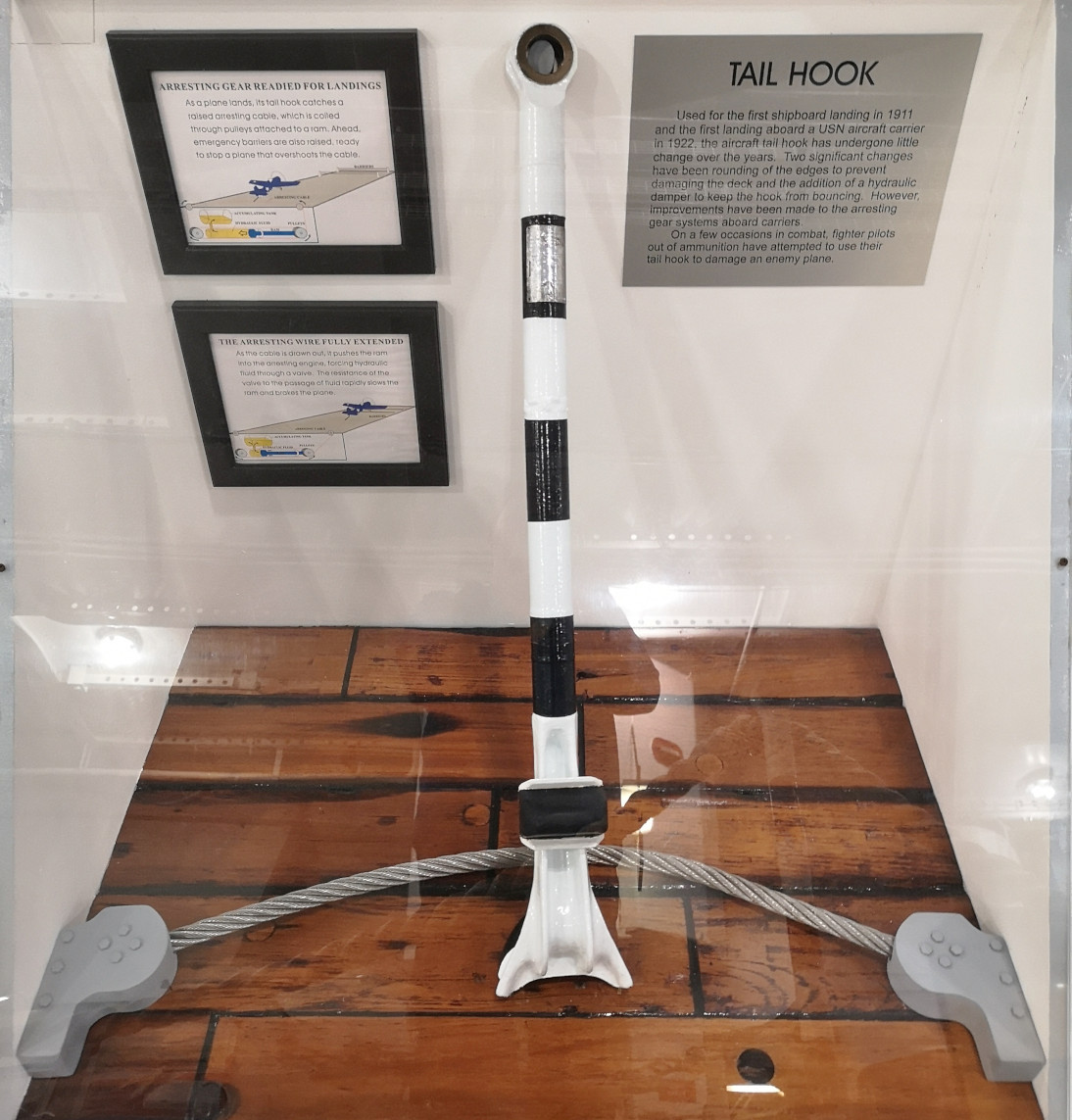
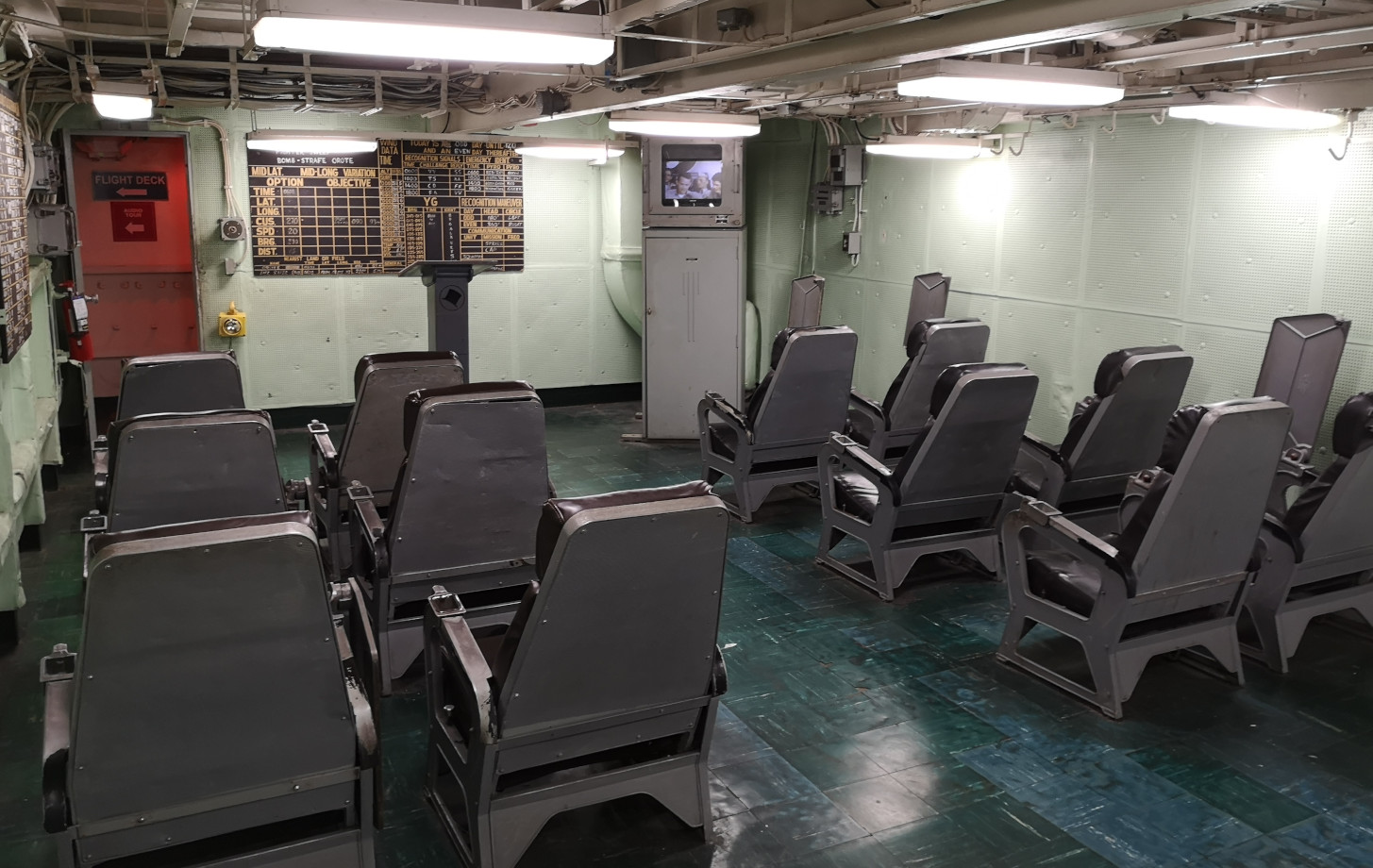
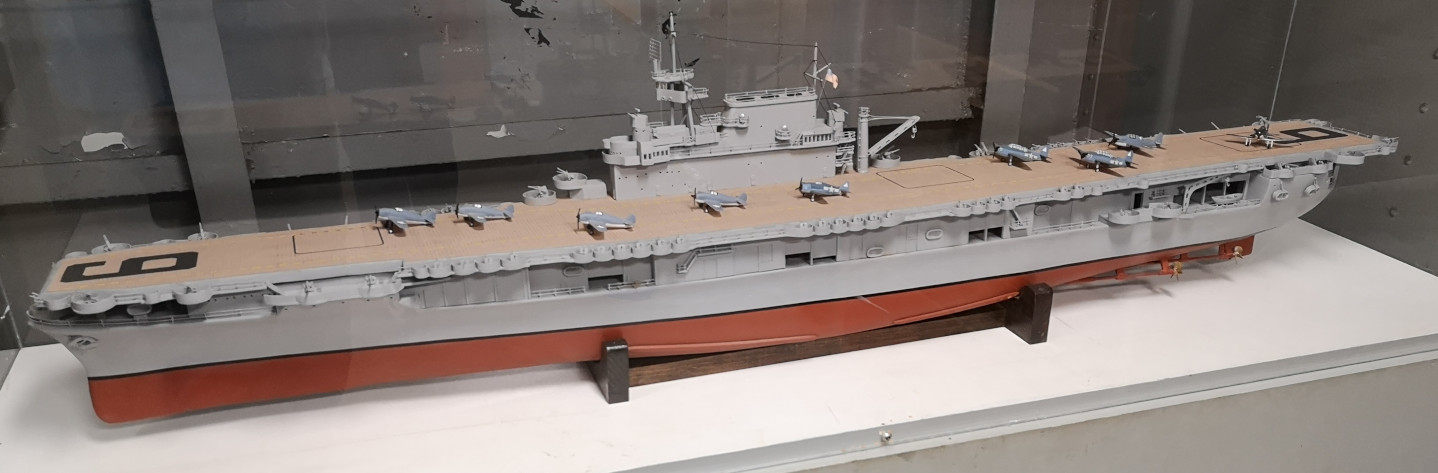
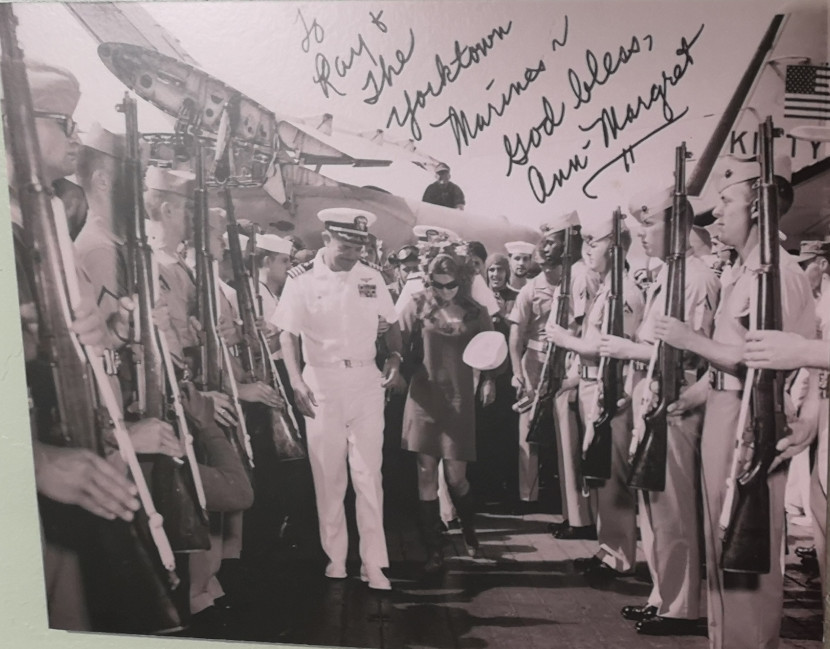
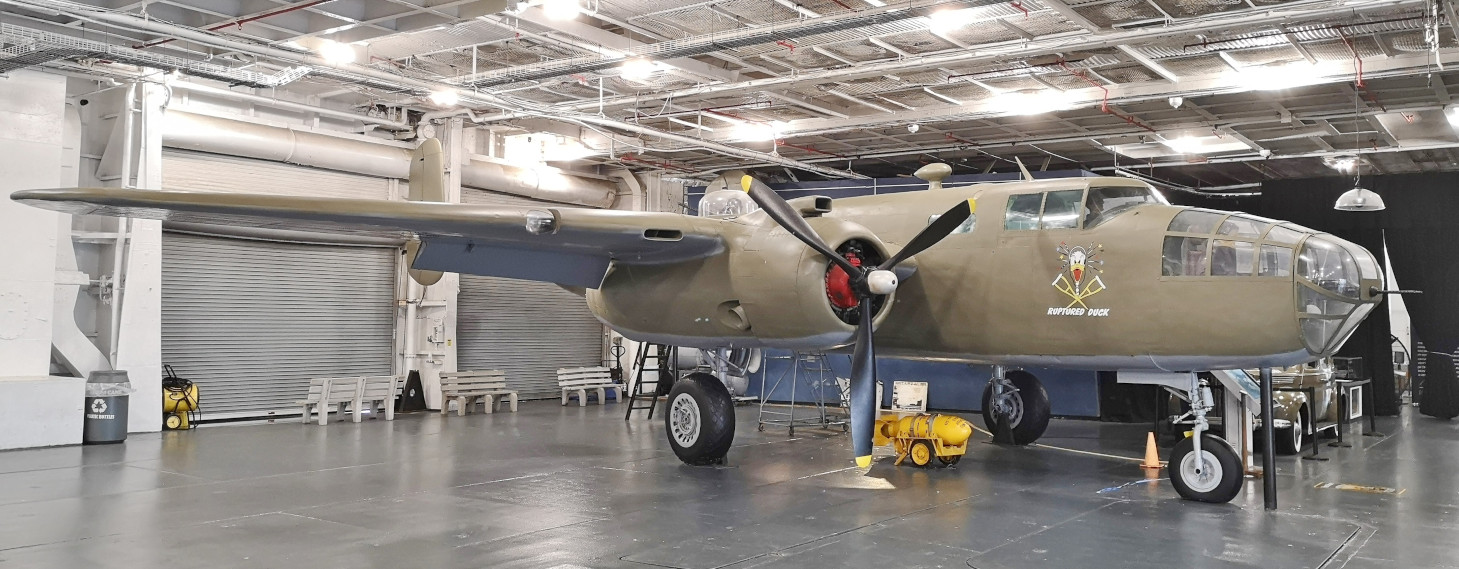
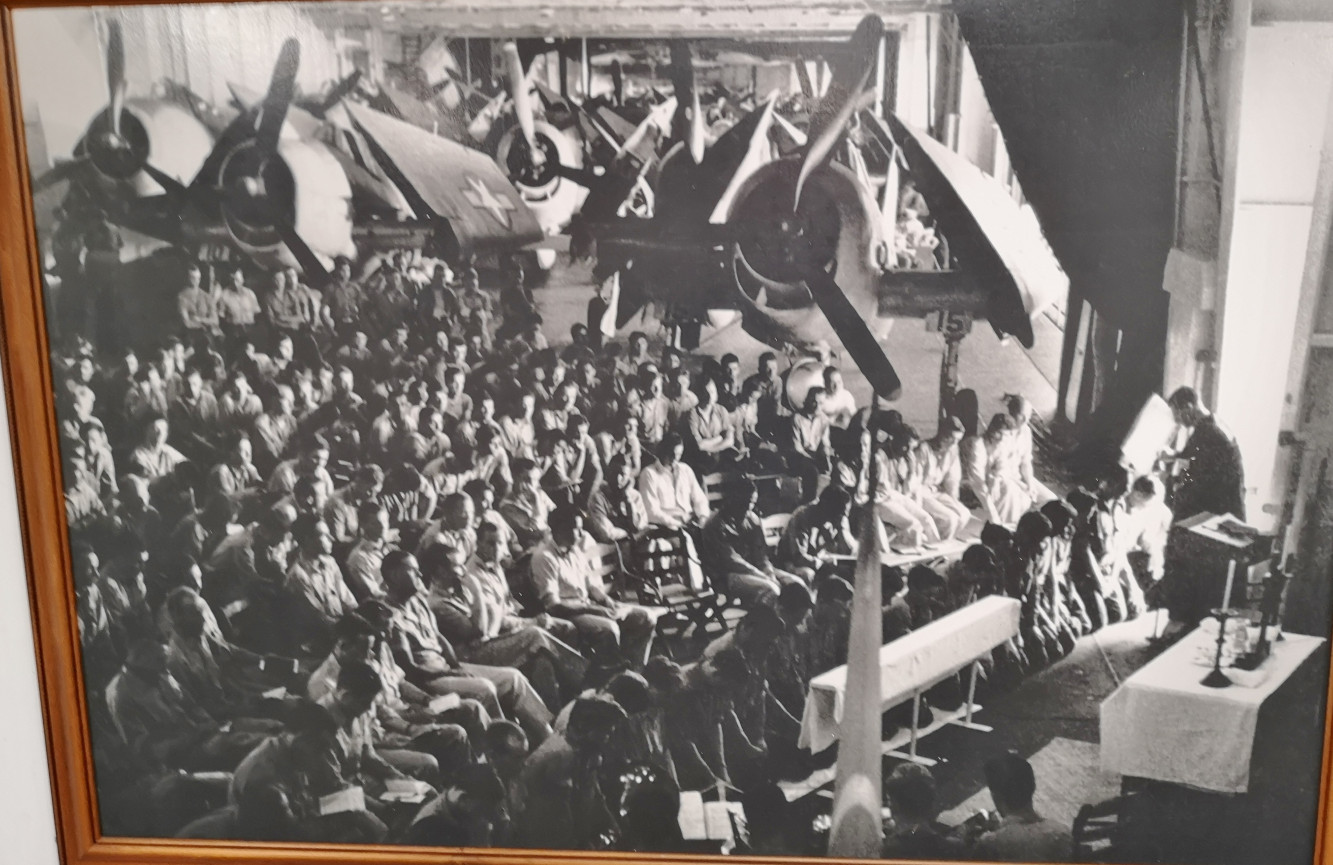
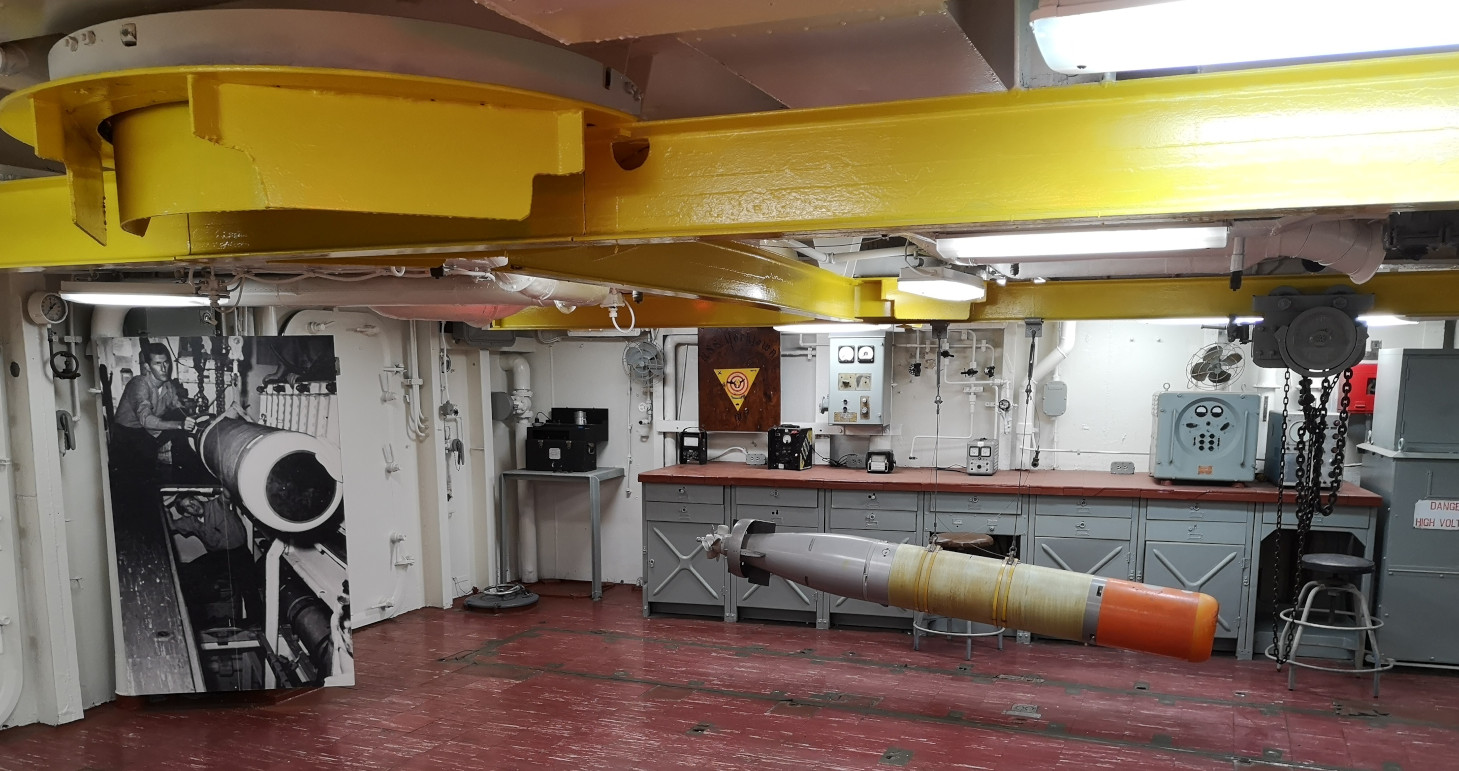
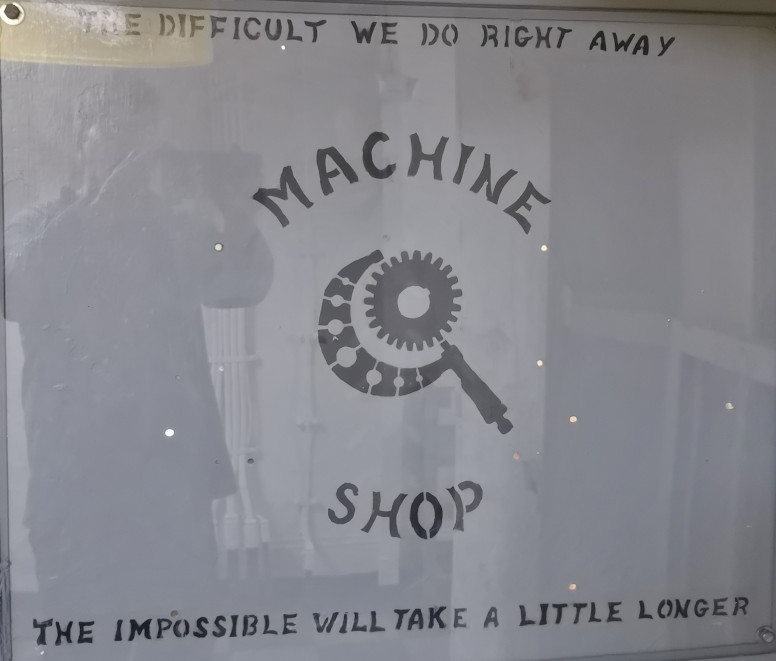
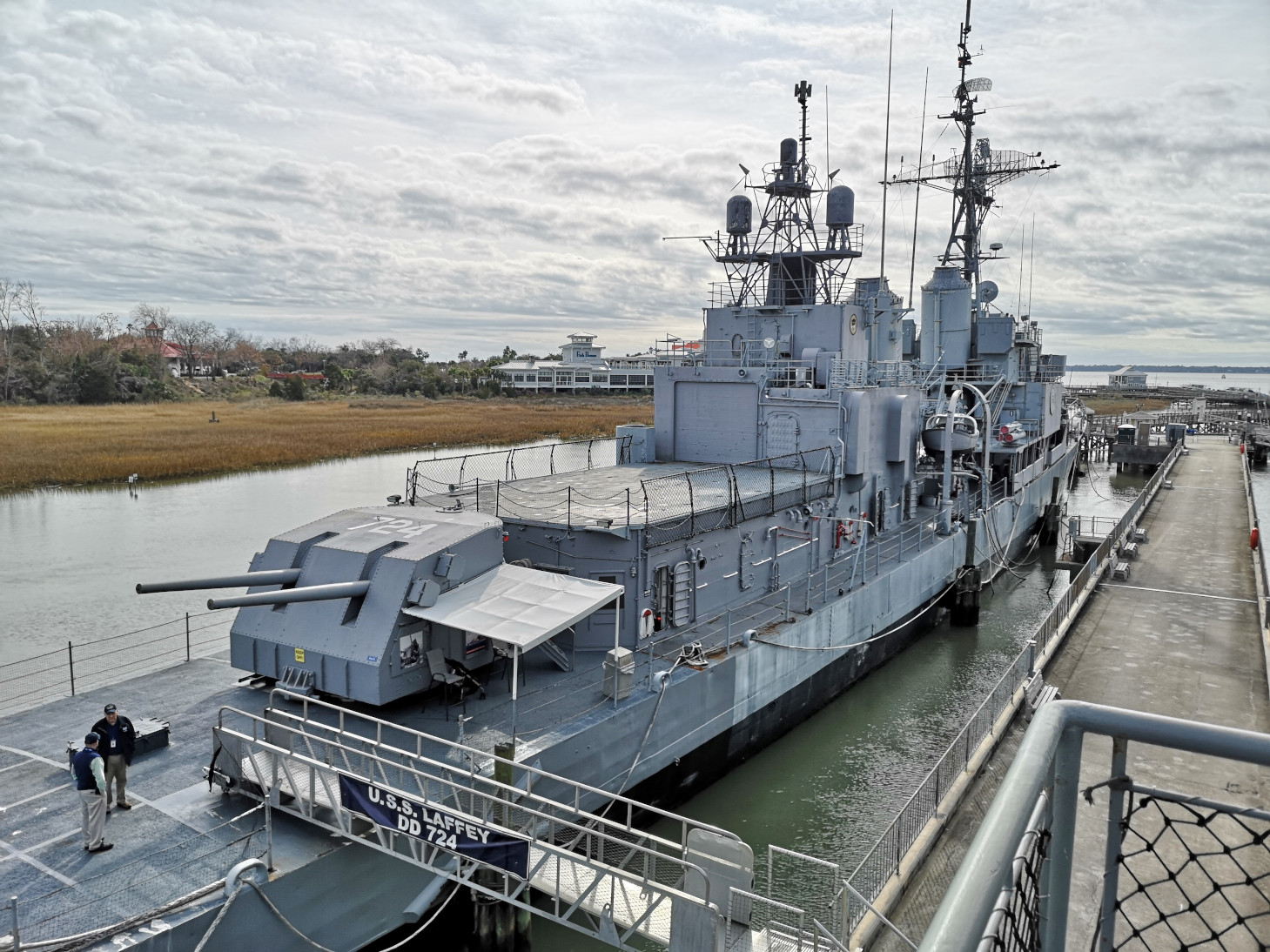
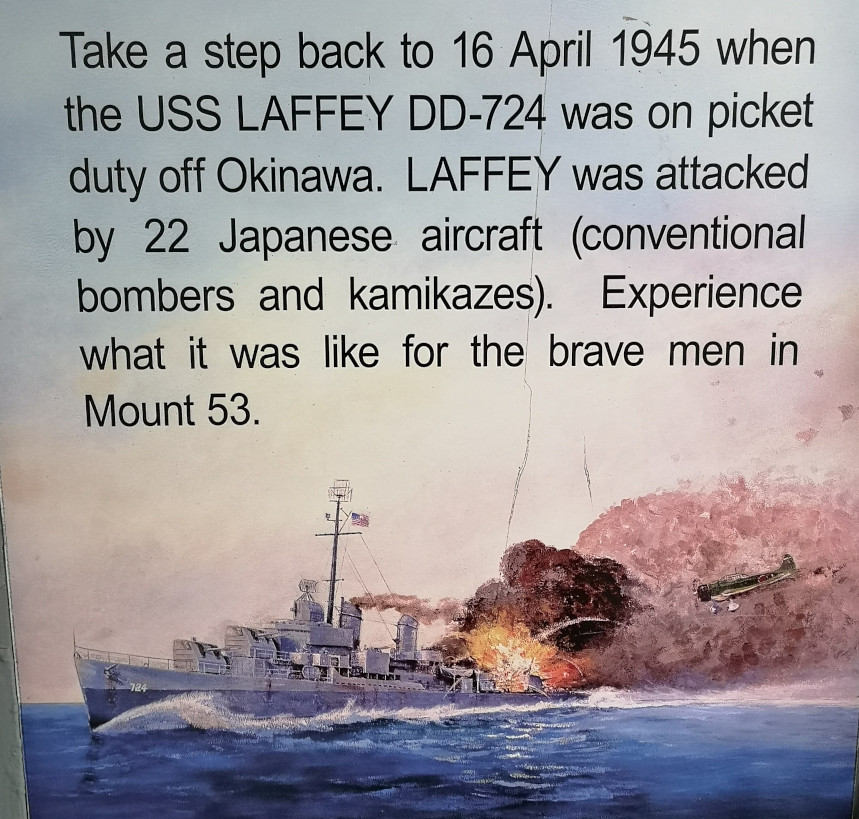
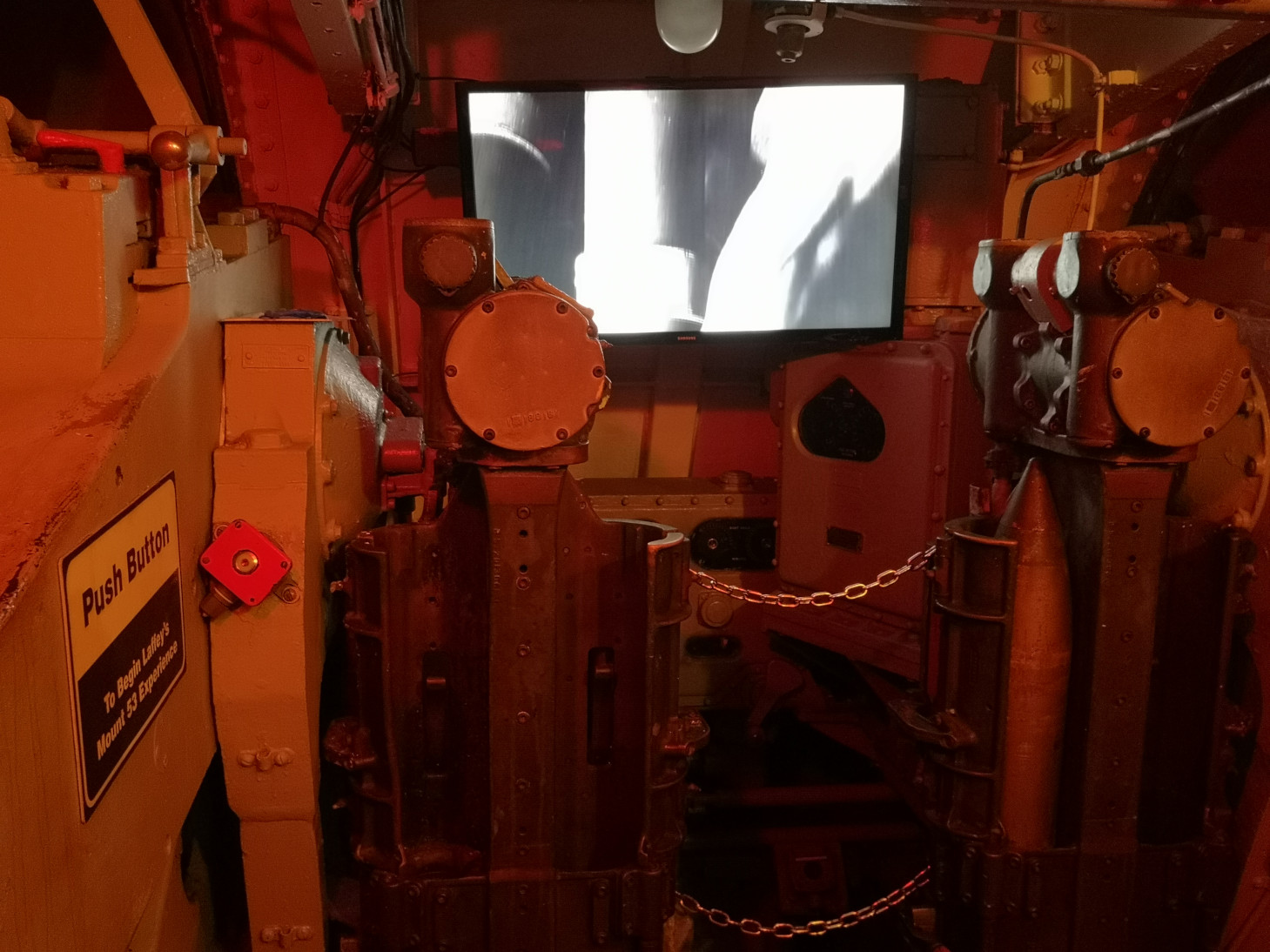
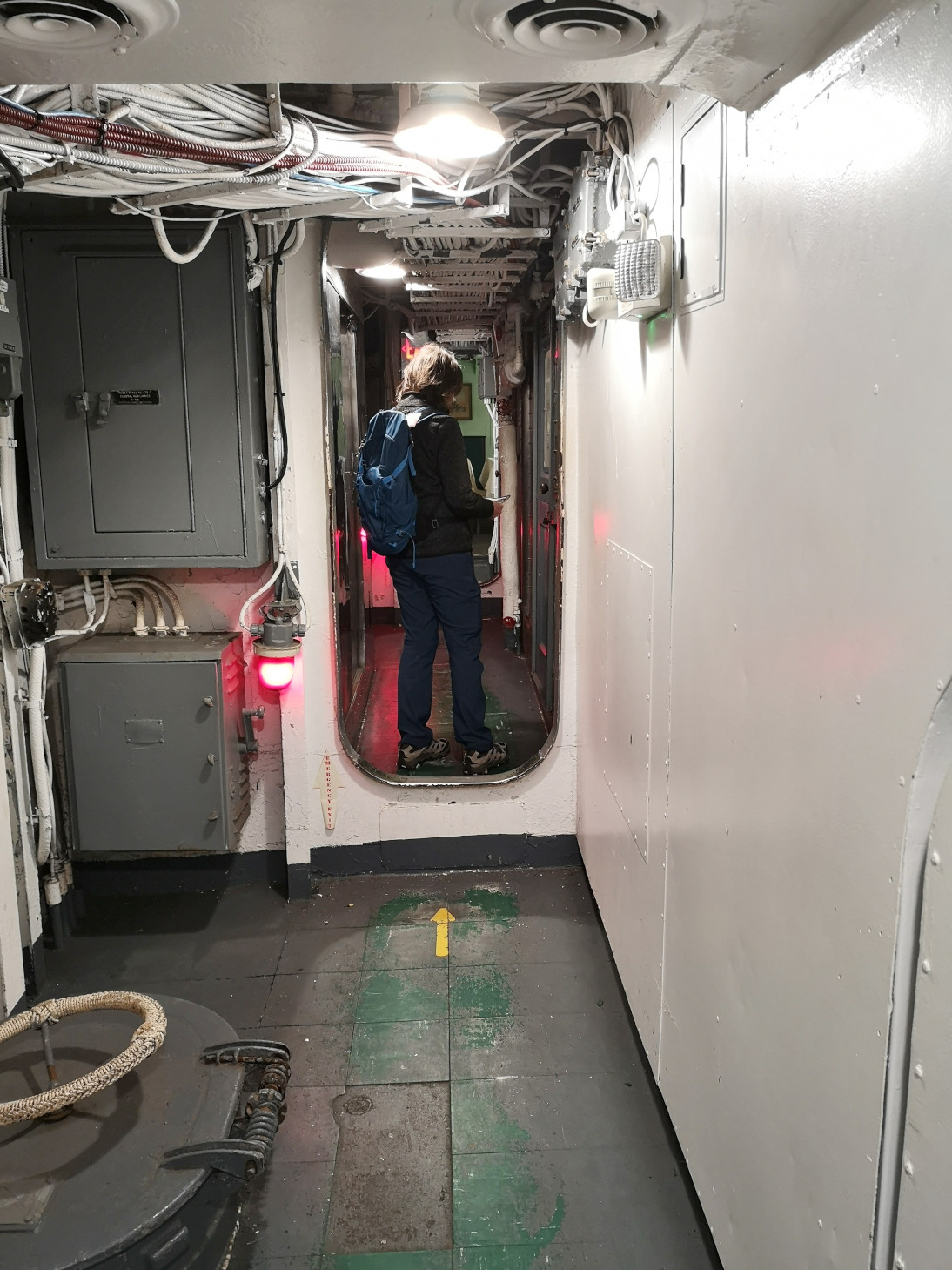
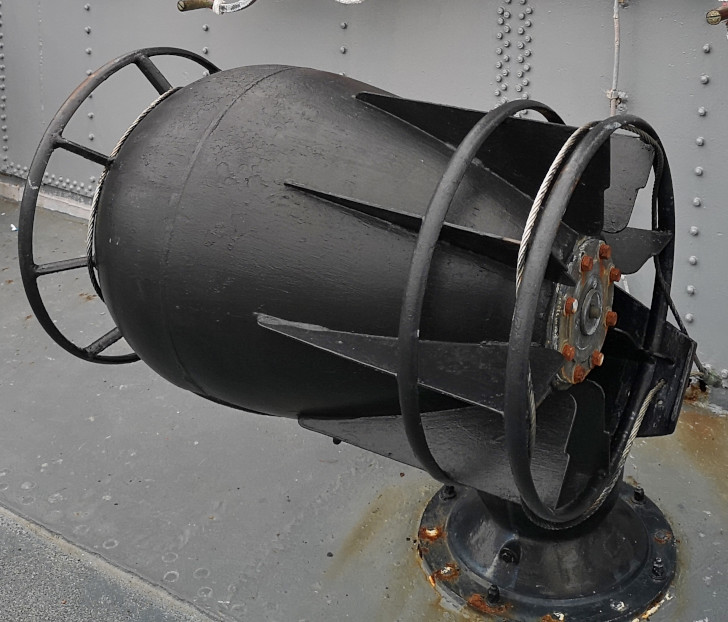
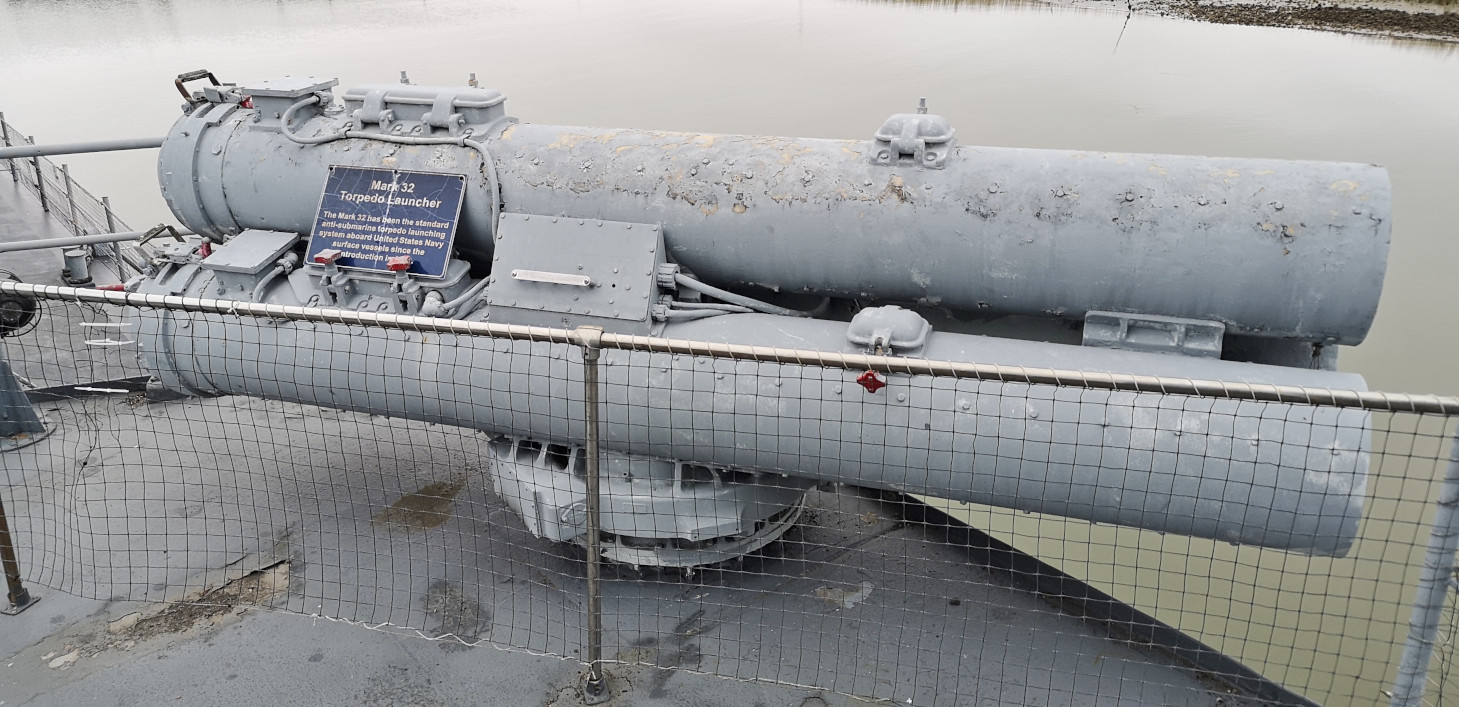
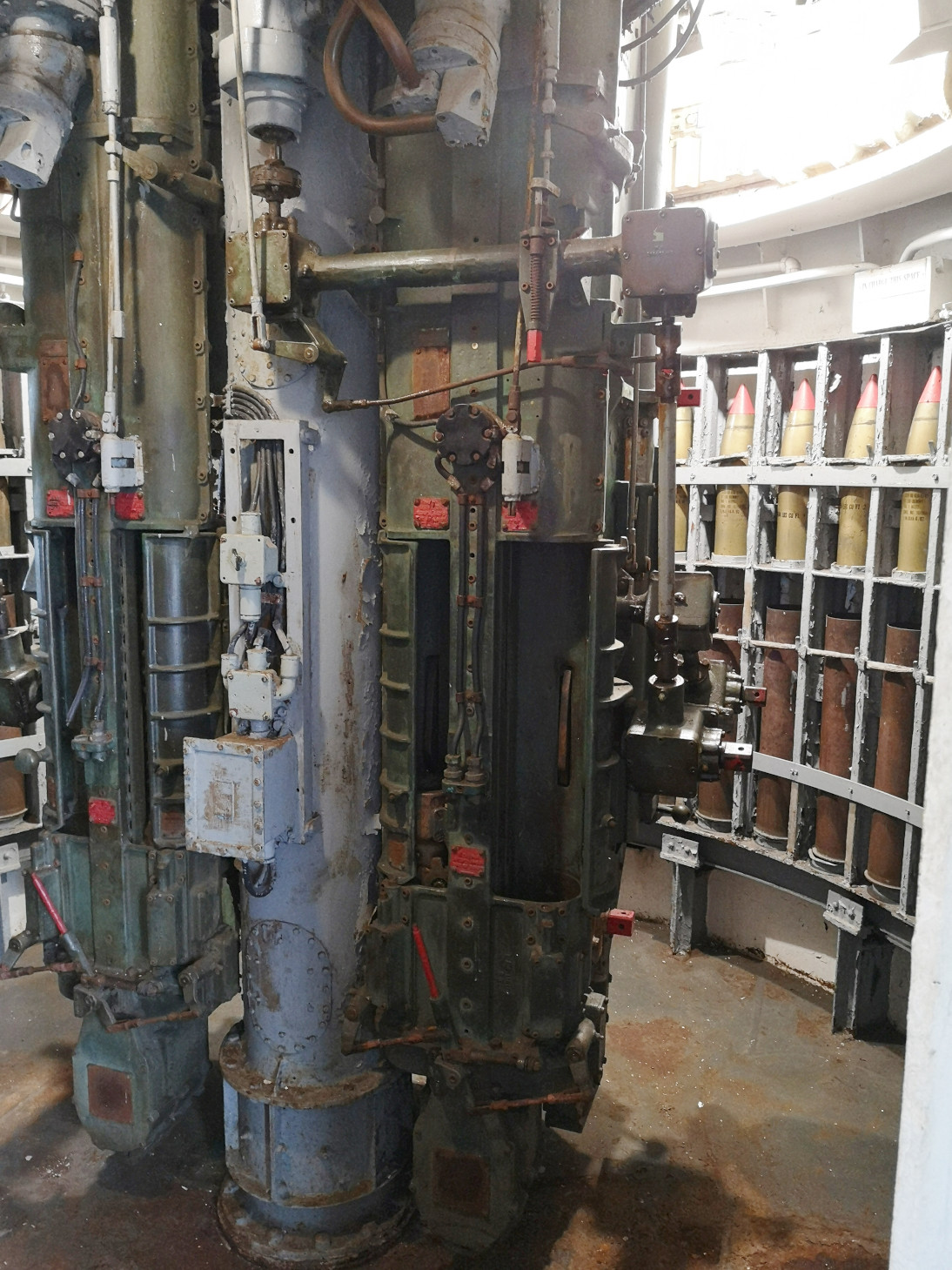
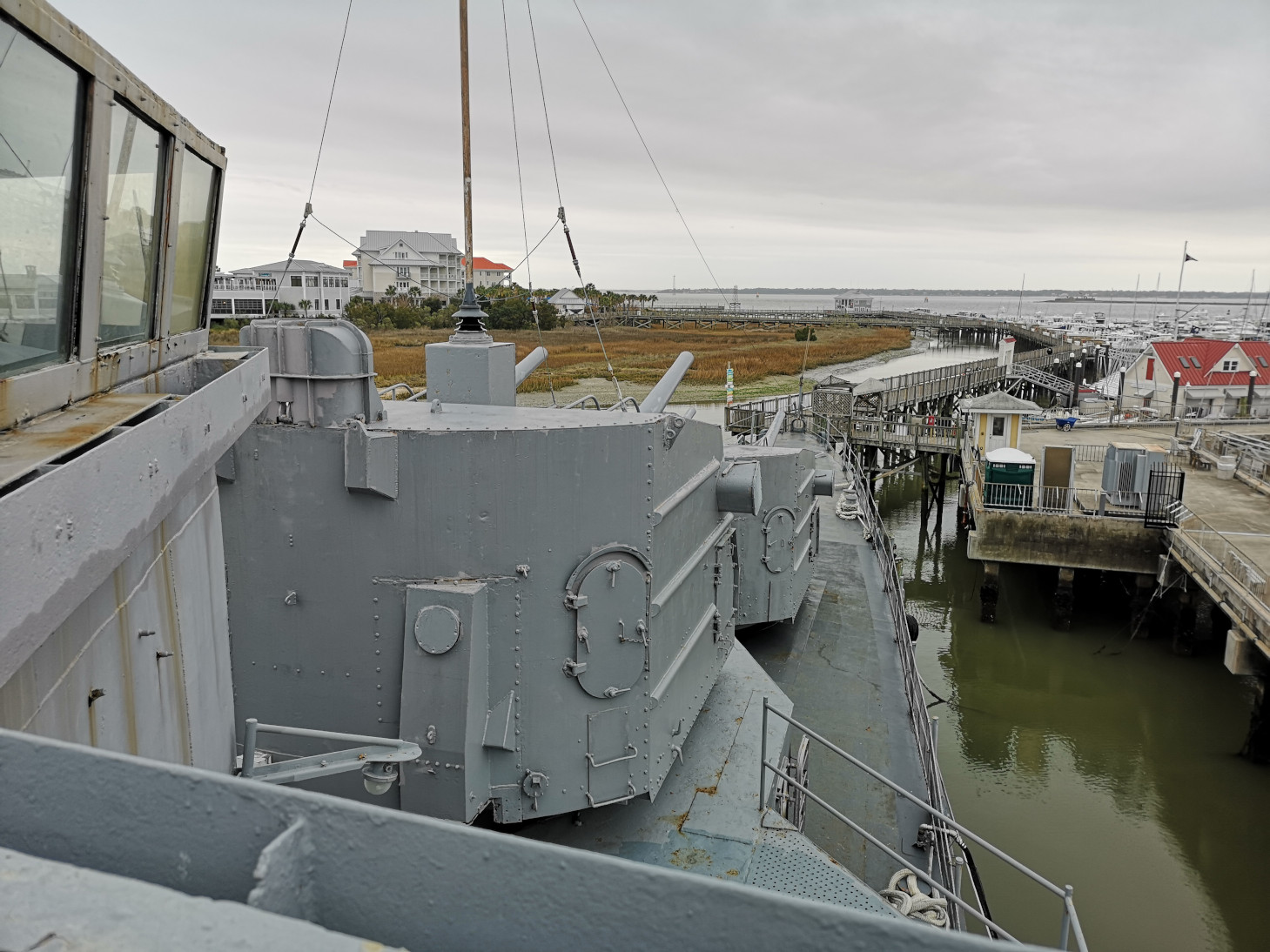
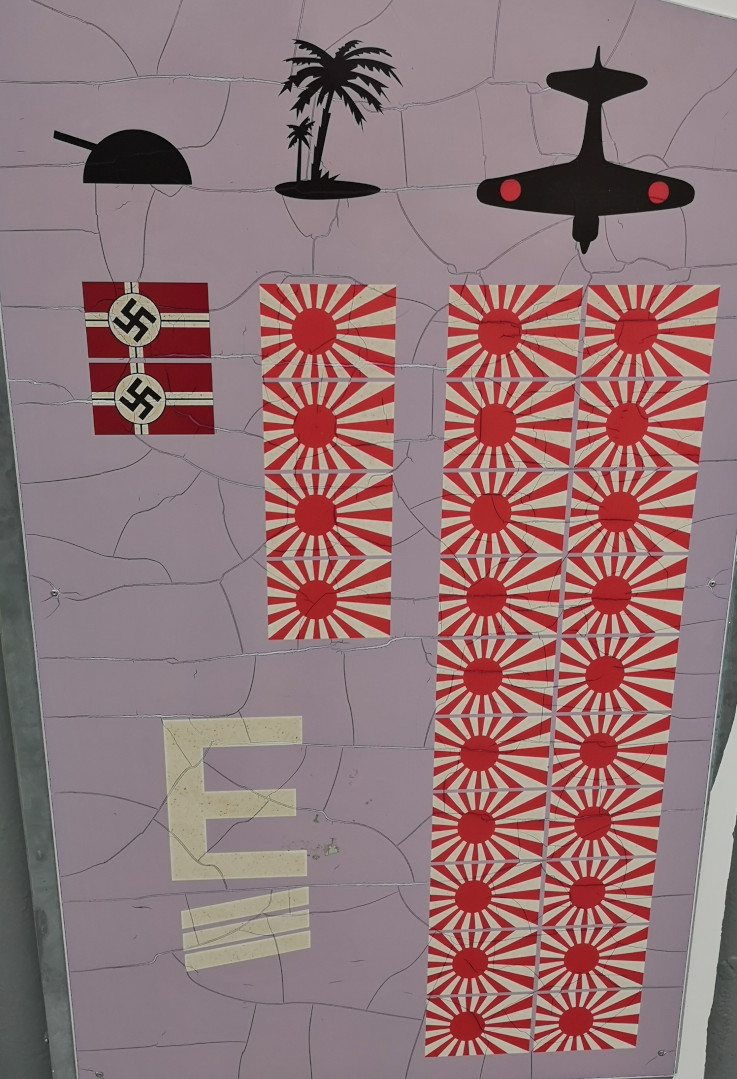
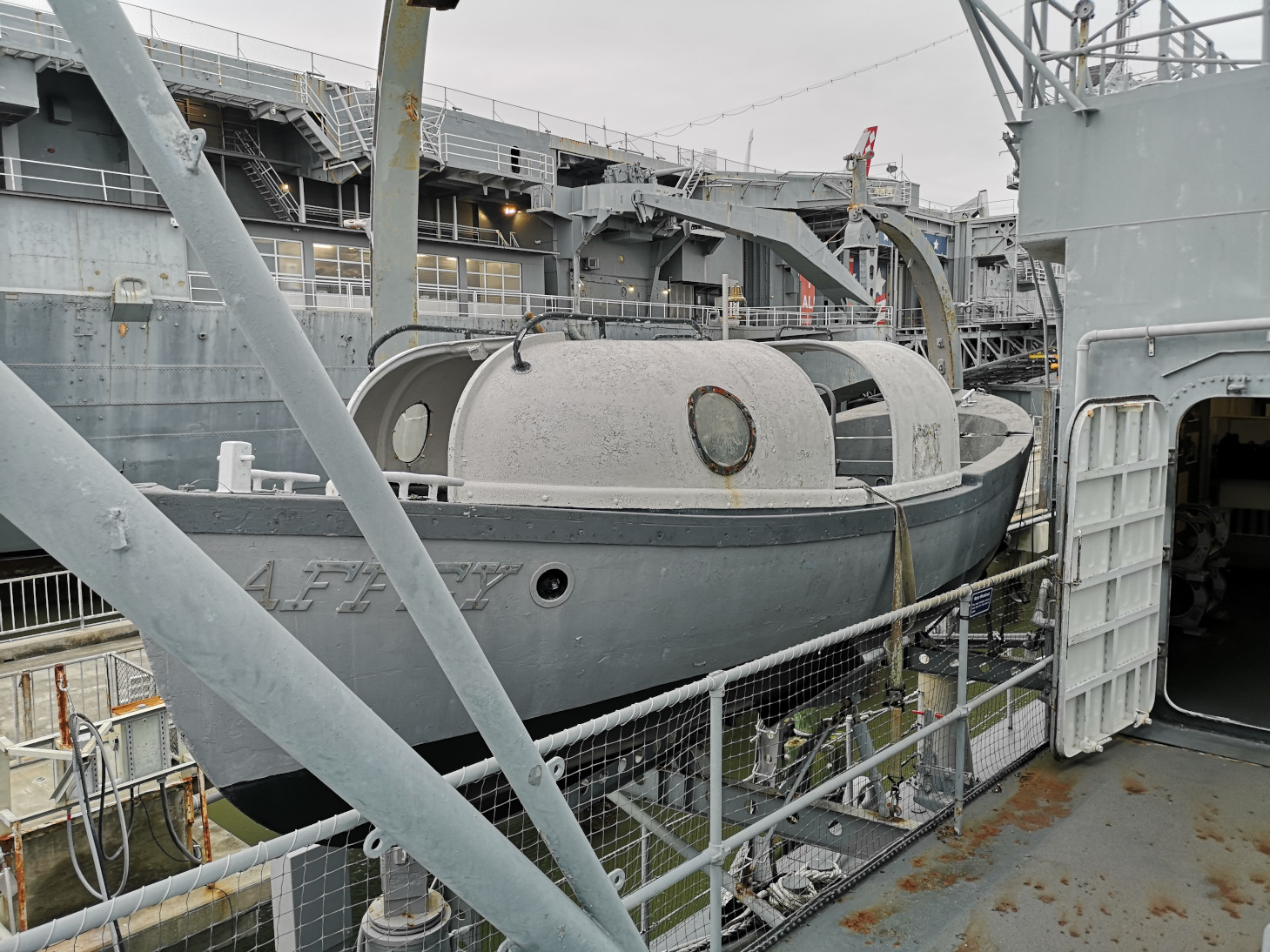
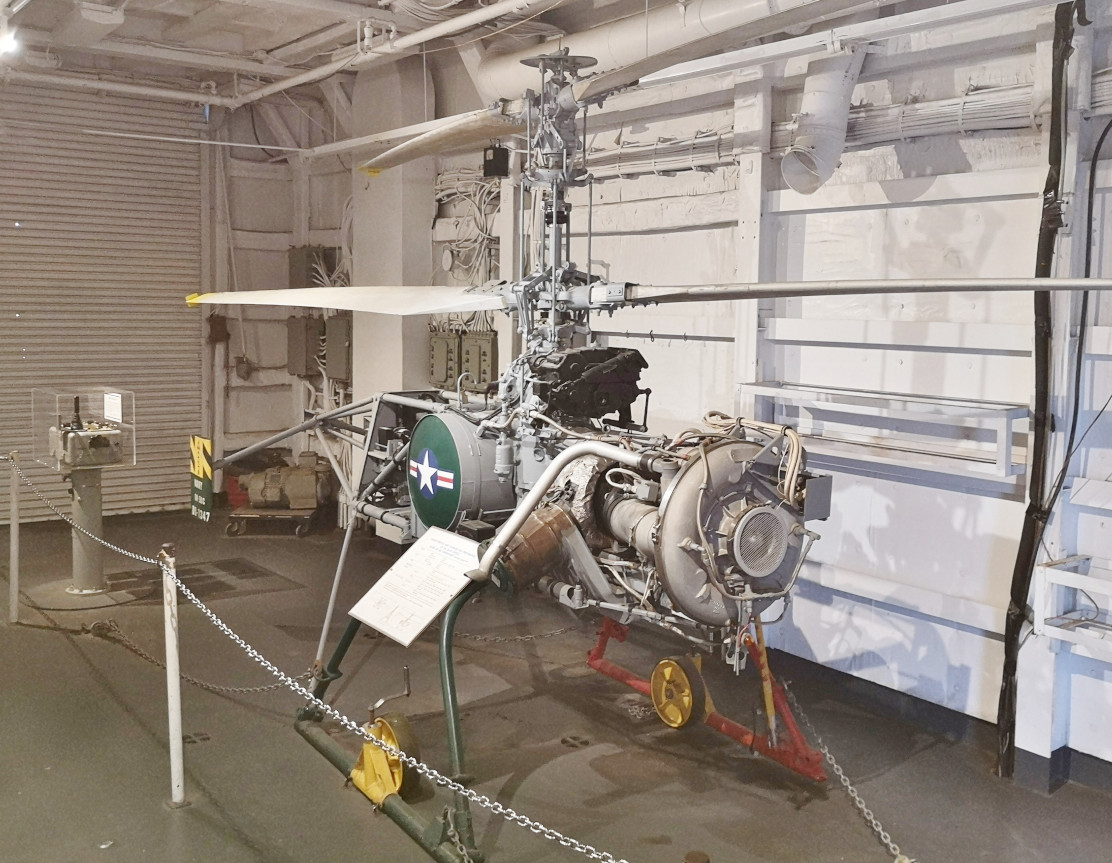
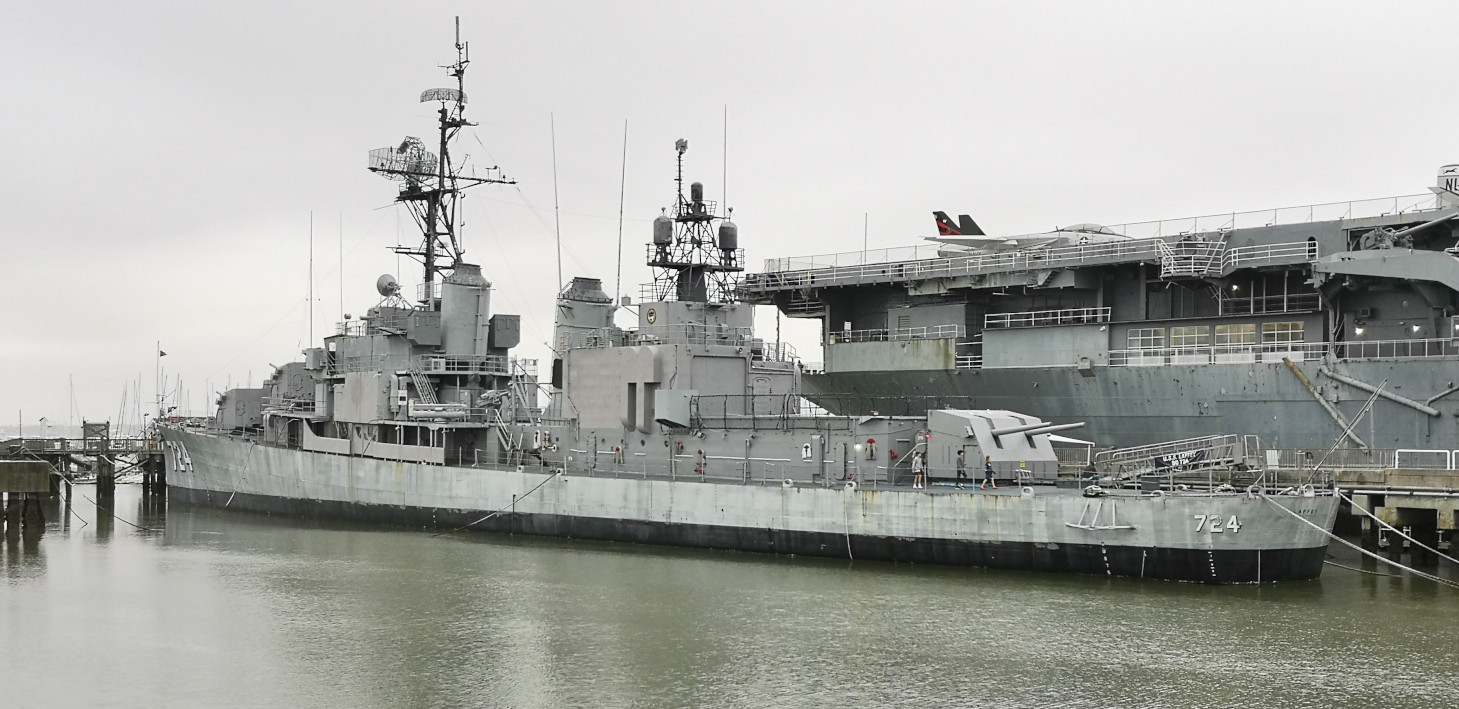
Our next stop in this museum was the destroyer called the USS Laffey DD-724, nicknamed “The Ship that Would Not Die” for her exploits during the D-Day invasion and the Battle of Okinawa when she withstood a determined assault by conventional bombers and the most unrelenting kamikaze air attack in history! The ship was launched in November 1943 and finally decommissioned in 1975 to become part of the Patriot’s Point Museum. It was 377’ long and only 40’ wide, could do a speed of 34 knots and had a complement of 336 sailors. It had 6 x 5” guns, 12 x 40 mm guns, 11 x 20mm cannons, 10 x 21” torpedo tubes, 6 depth charge projectors. When you first went on board you went into the stern gun mount. They had a video and sound effect show that allowed you to see what it was like to be inside mount 53 when they were under attack and firing the guns, certainly would have been petrifying. We have a 5-minute video of the gun mount experience but it’s too large to load so if you’re interested let me know and we can figure out another way to share it. After that we did a self guided walking tour around the ship to see the various features. The Laffey was one of the first destroyers to have an interior passageway to protect the sailors from the weather or from being swept overboard. They also had one of the few Dash drone helicopters that the navy was experimenting with. This unmanned helicopter could be flown with a gyroscope controller, and they could use radar to drop weapons on enemy targets. This drone looked so prehistoric in comparison to today’s drone technology but of course it was being tested in the early 1970’s.
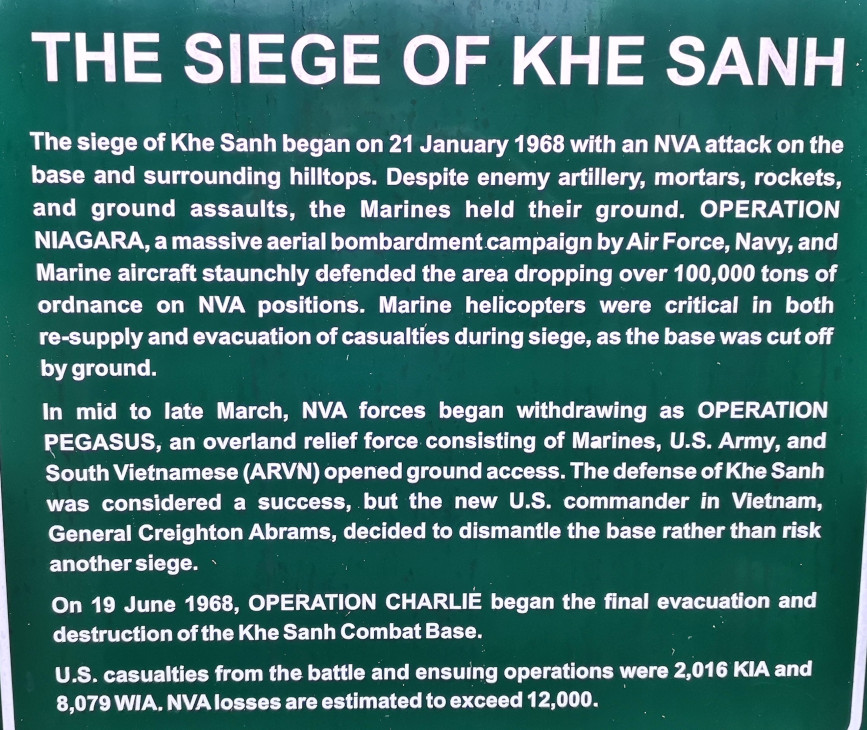
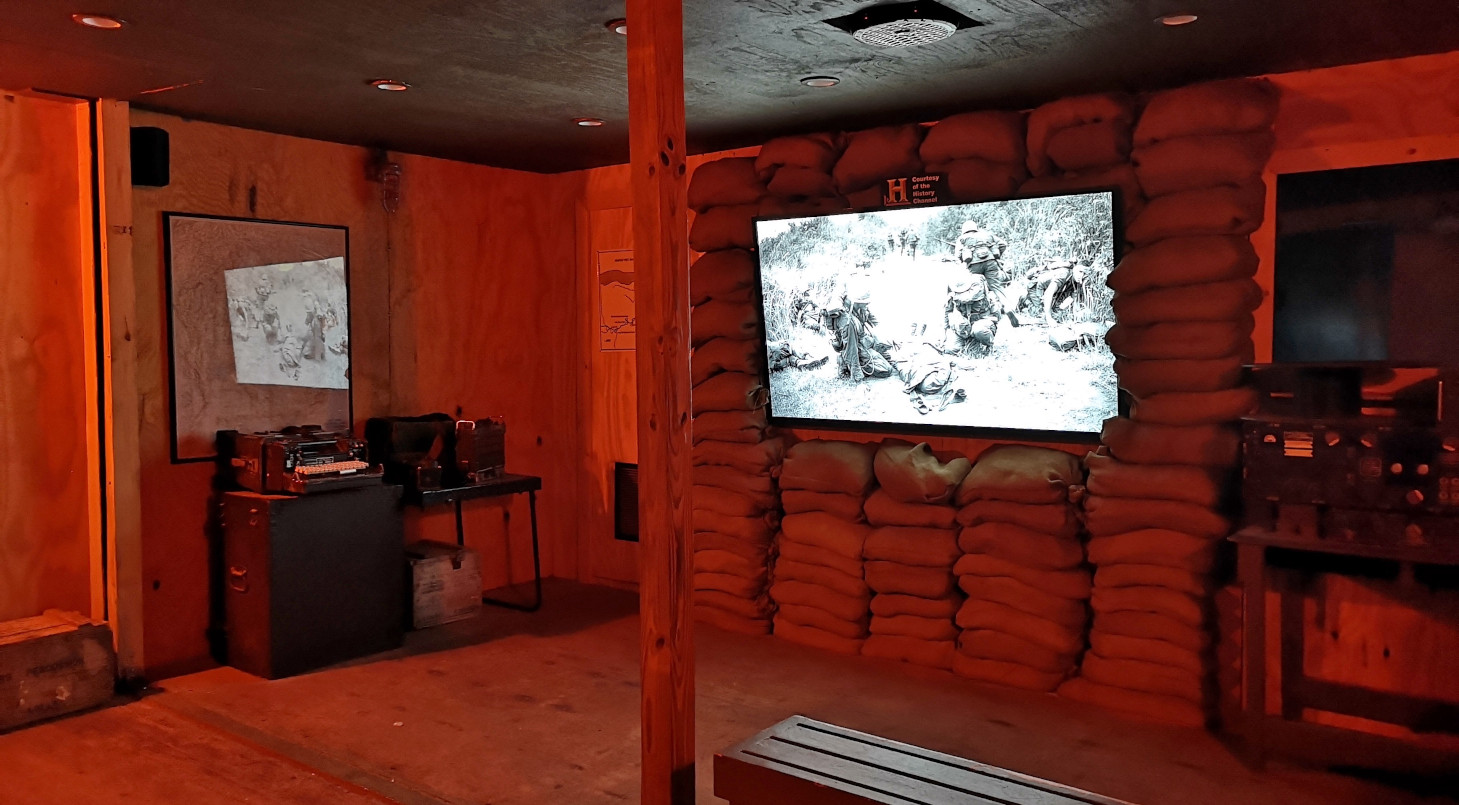
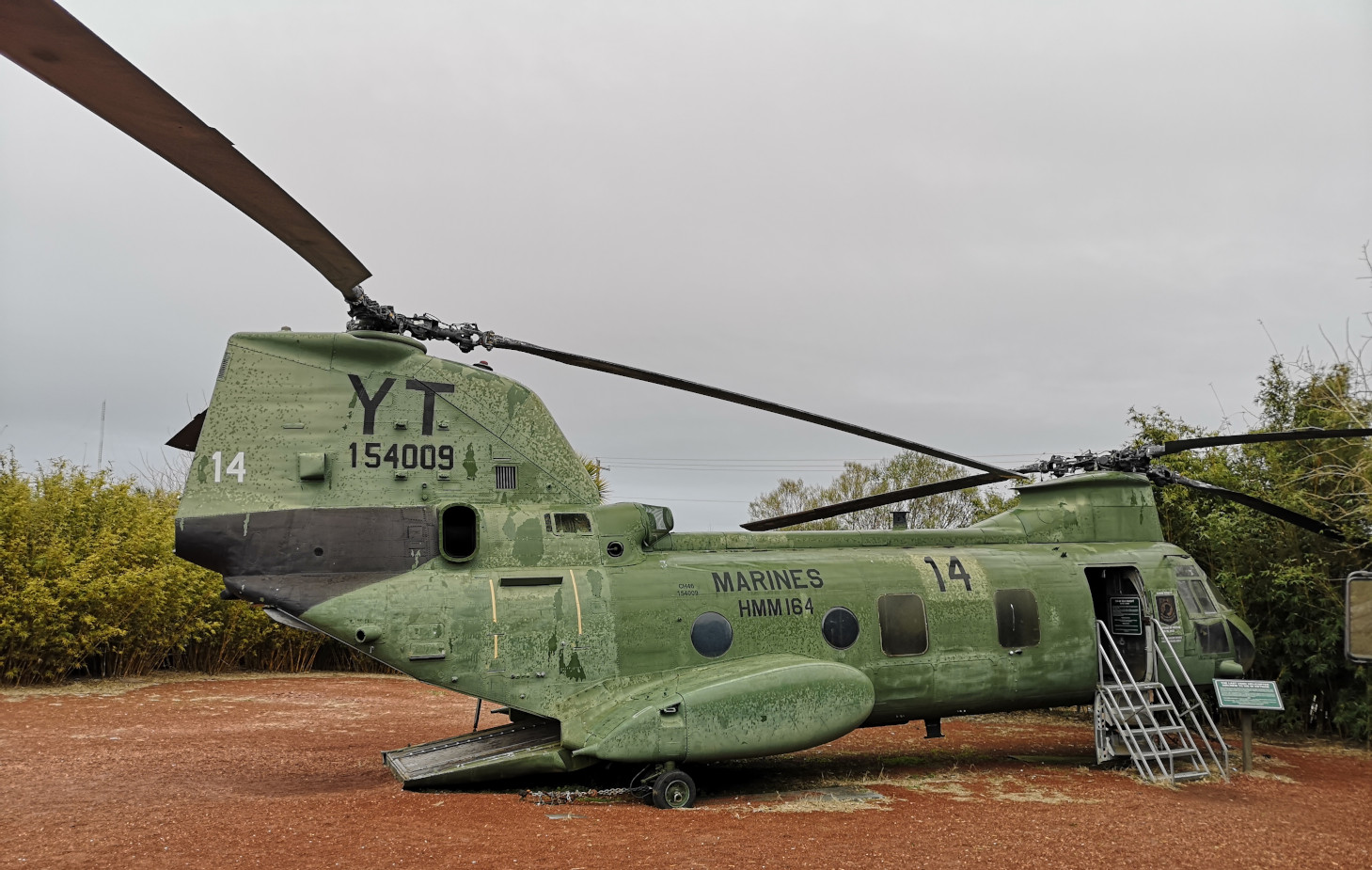
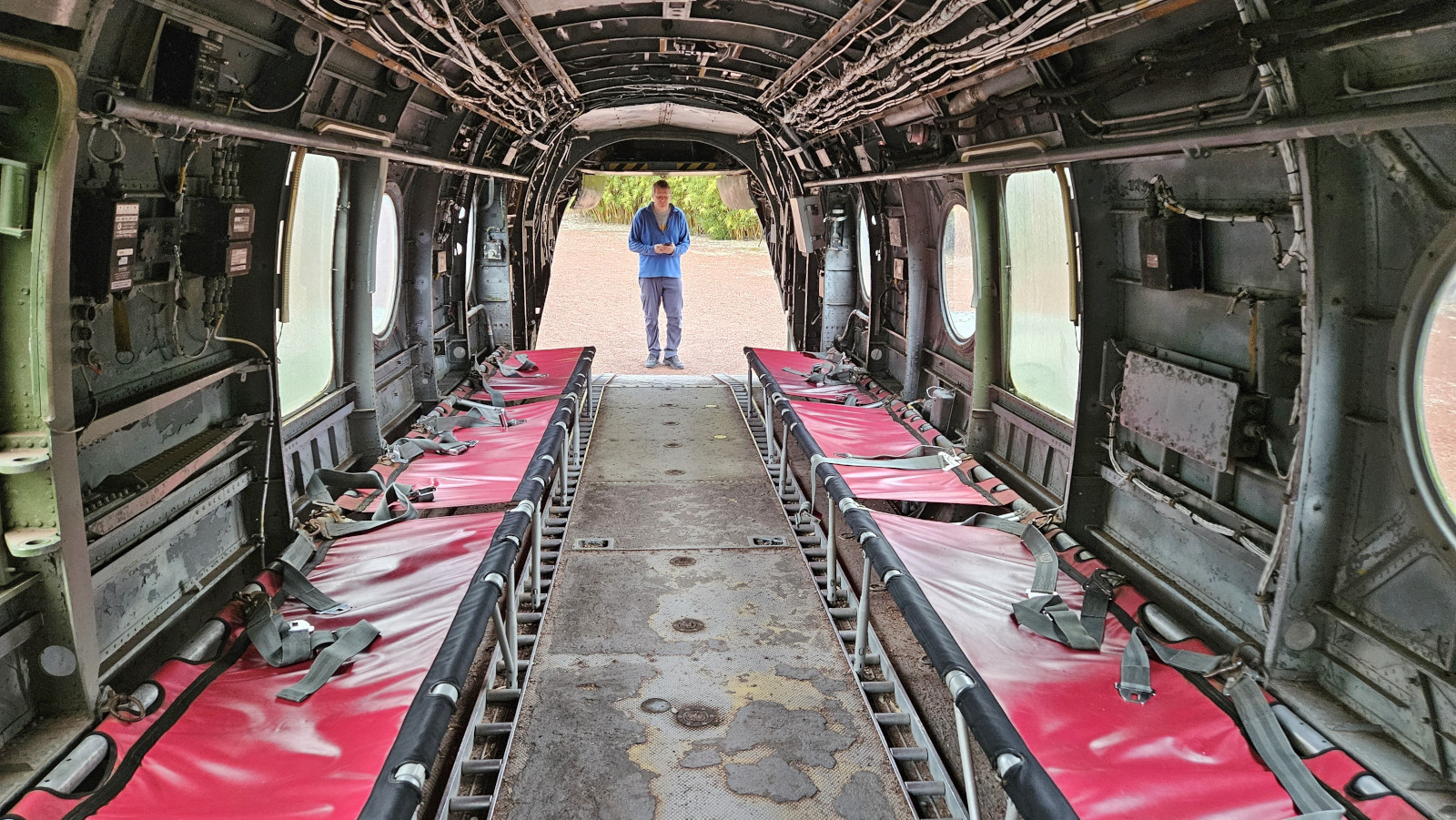
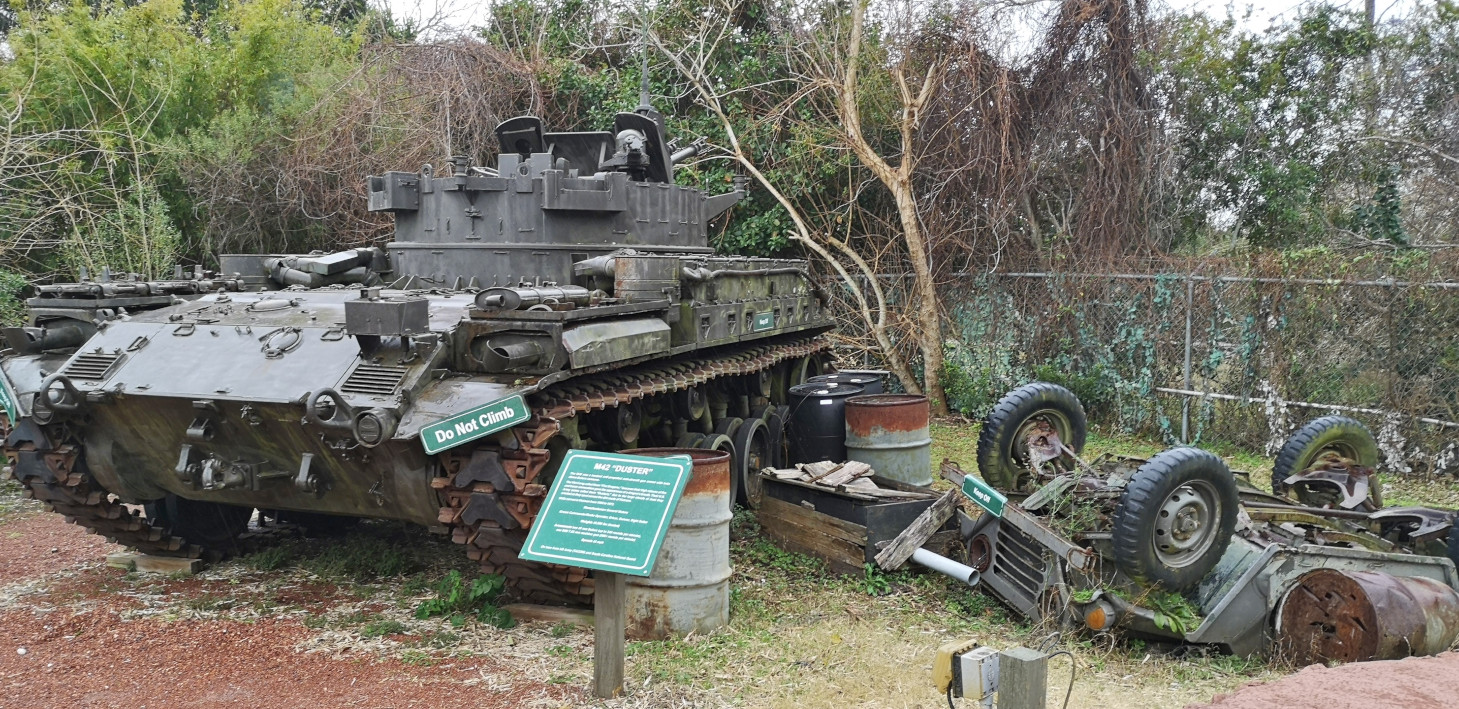
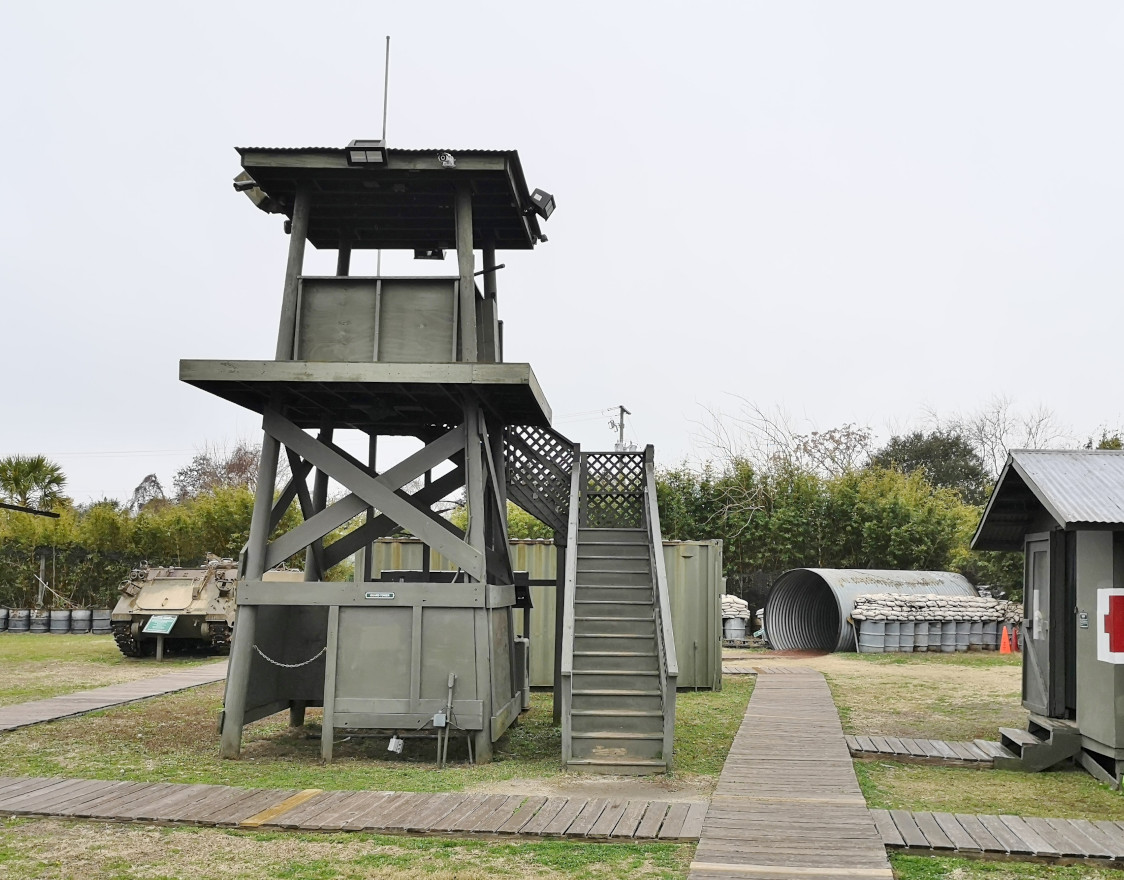
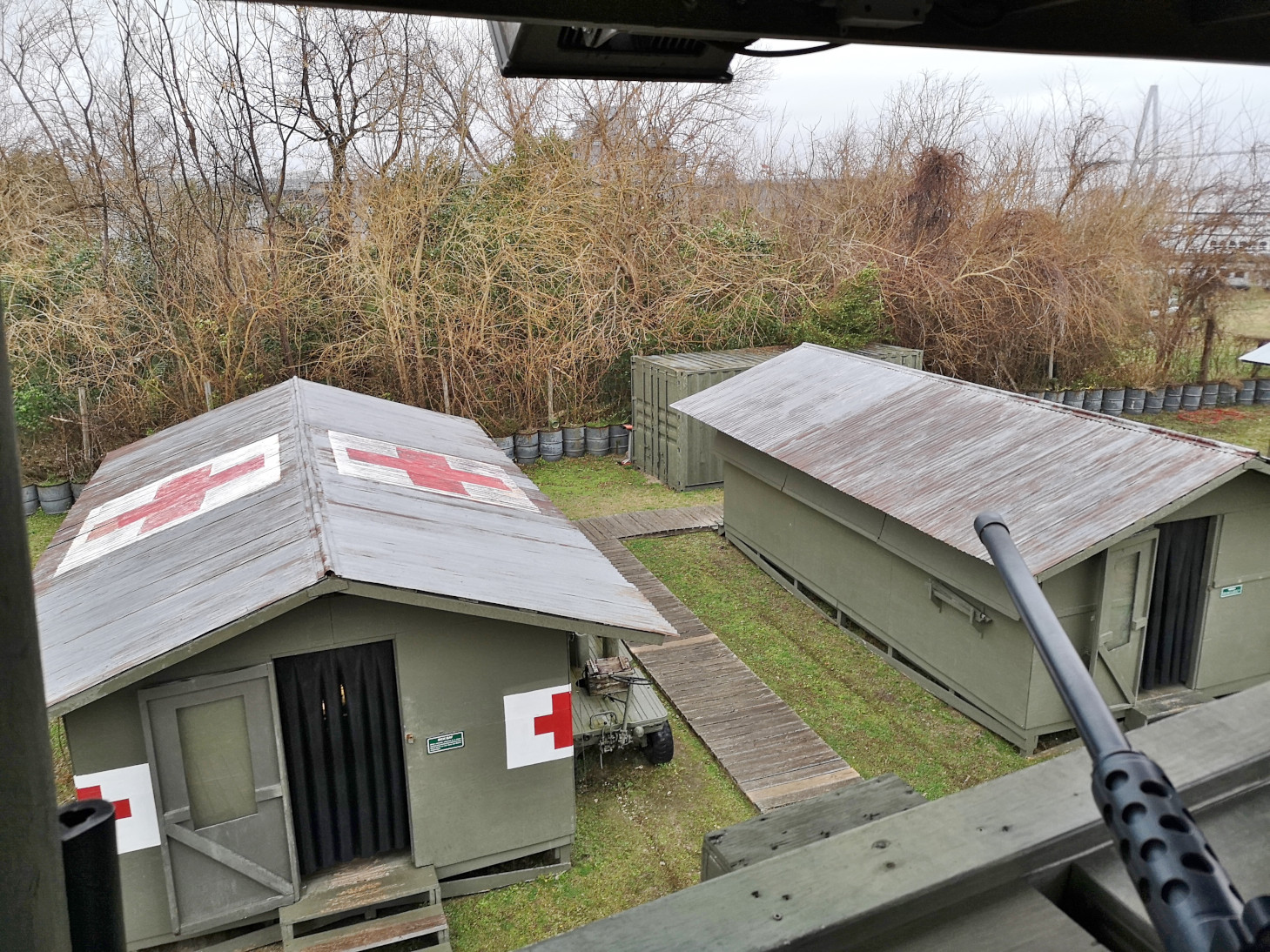
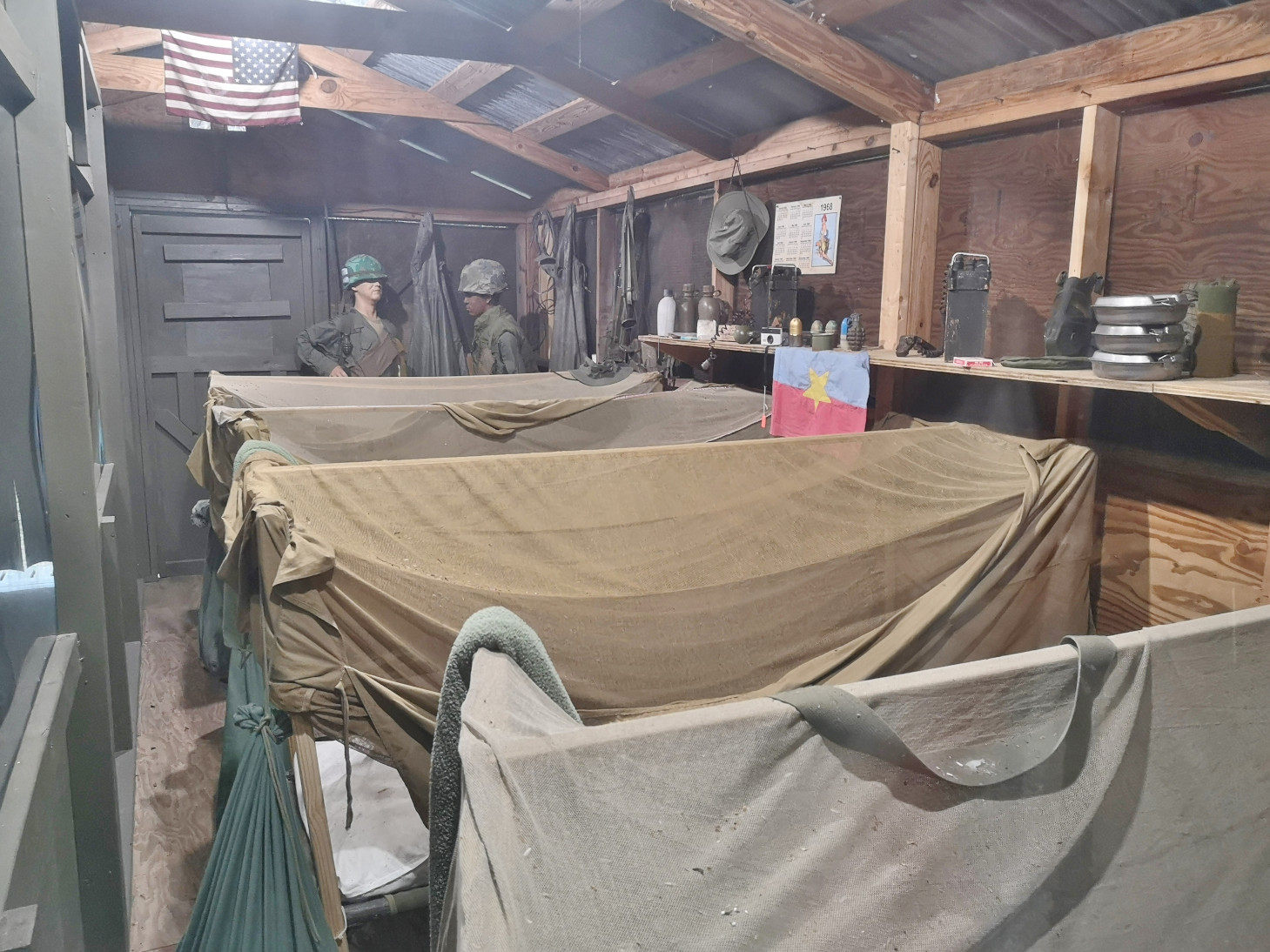
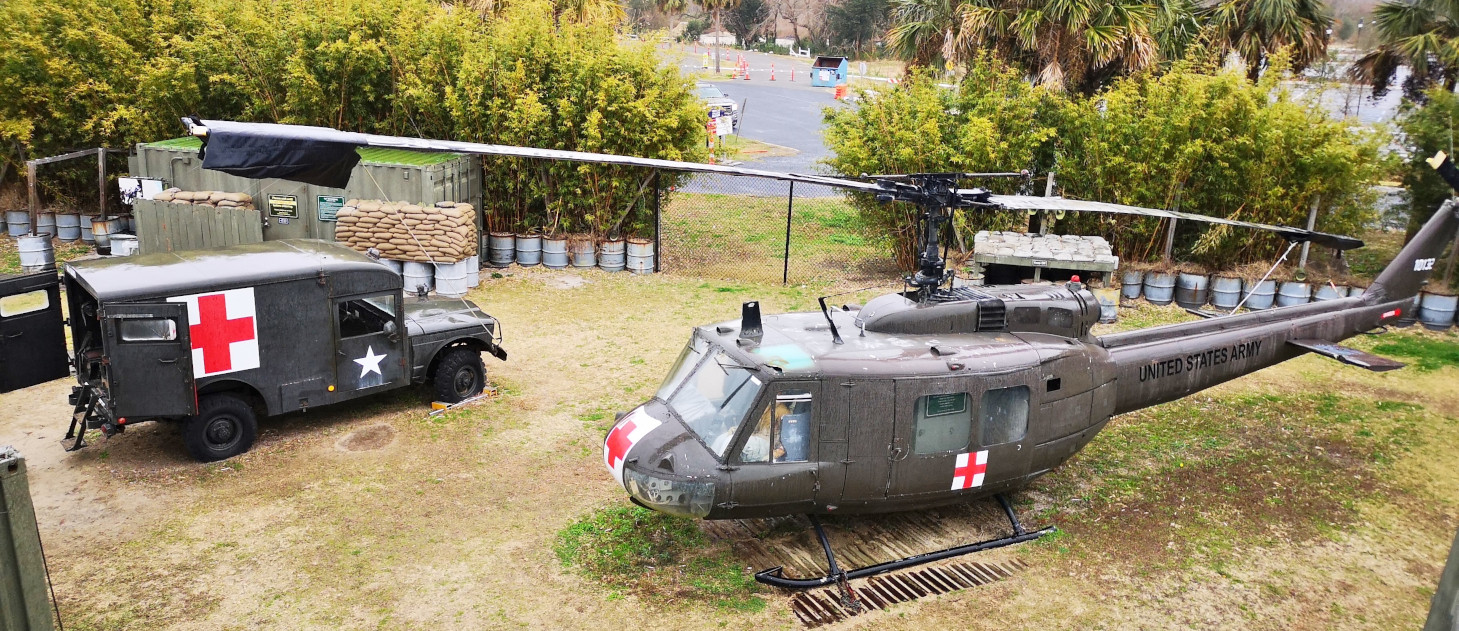
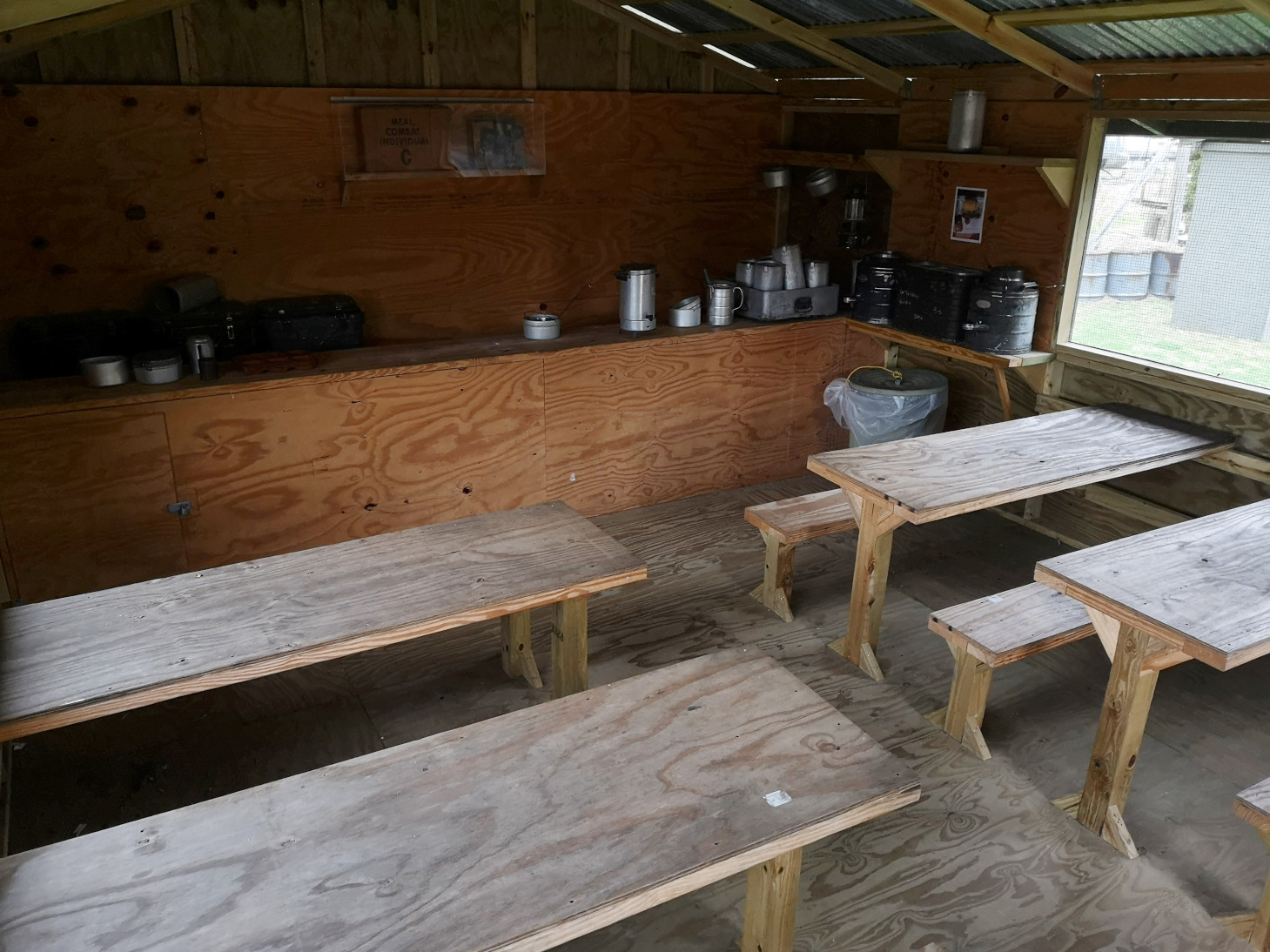
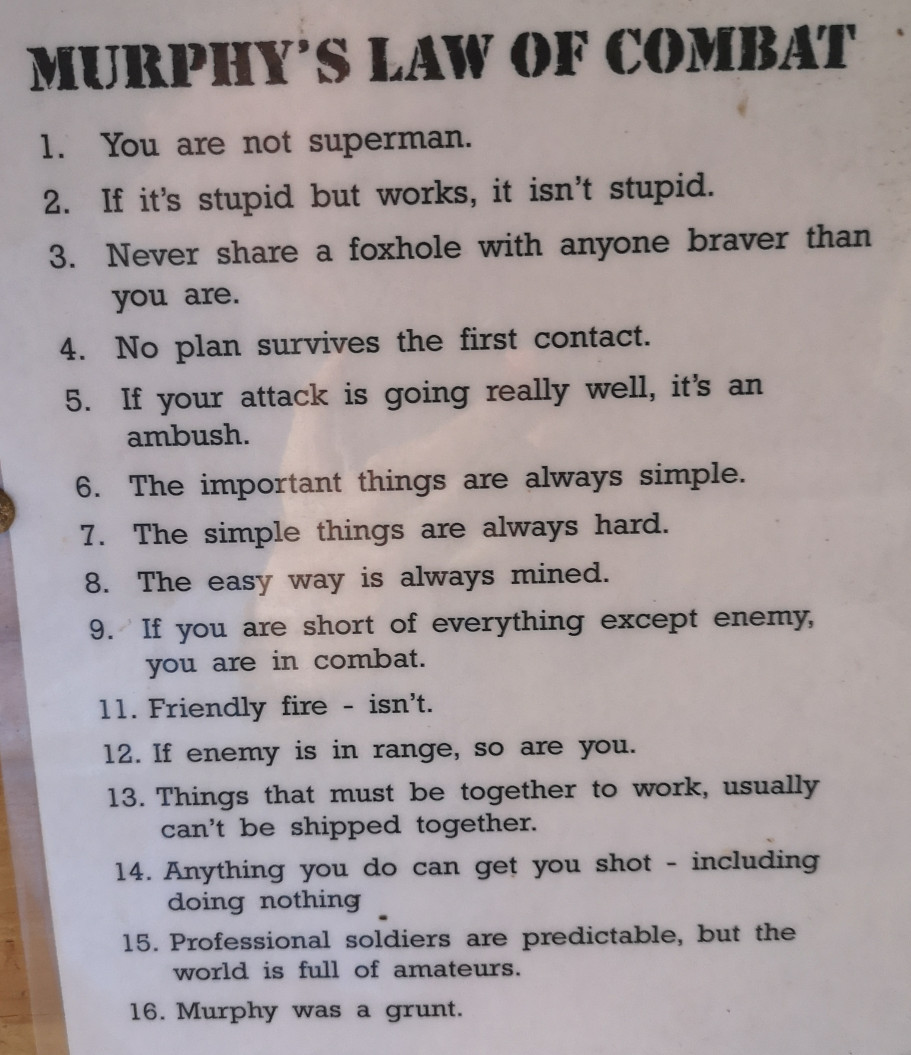
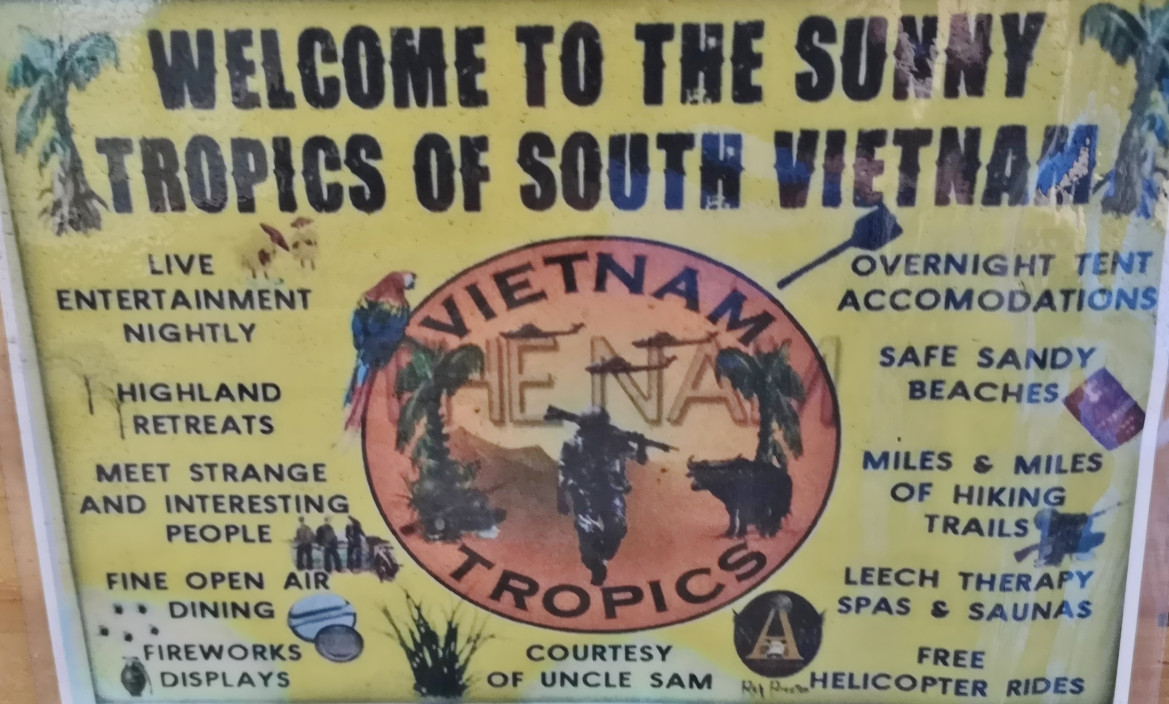
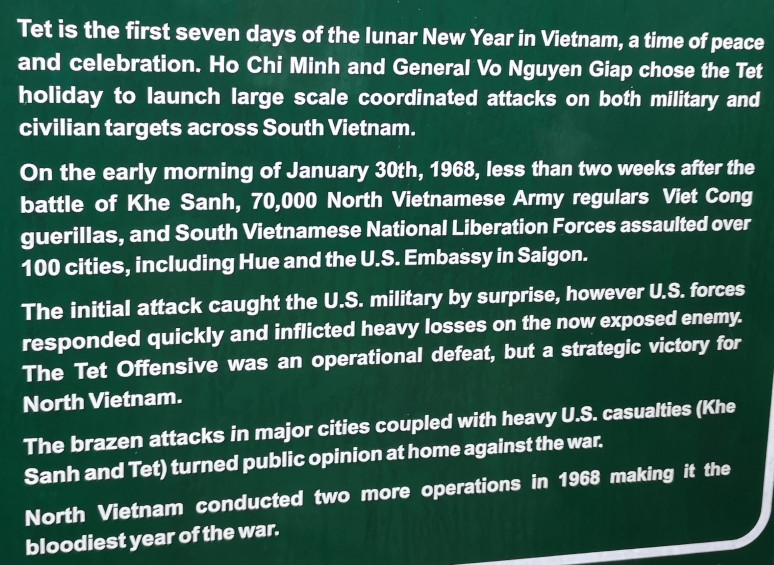
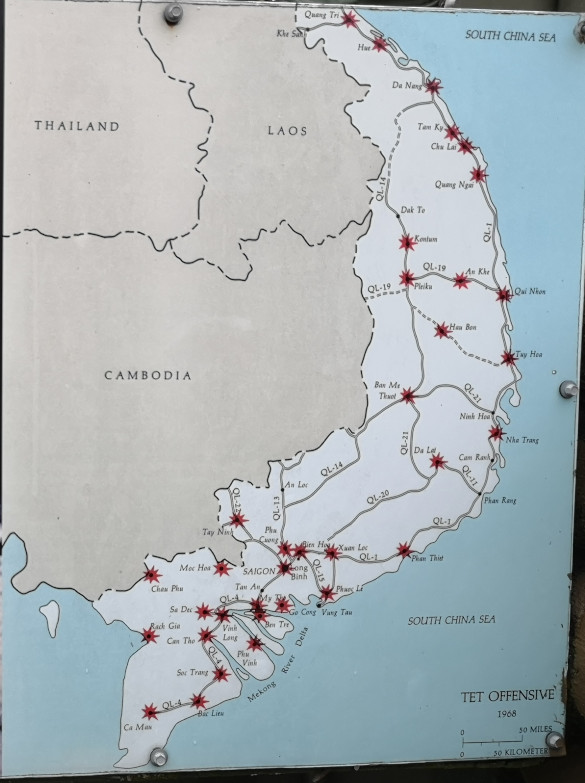
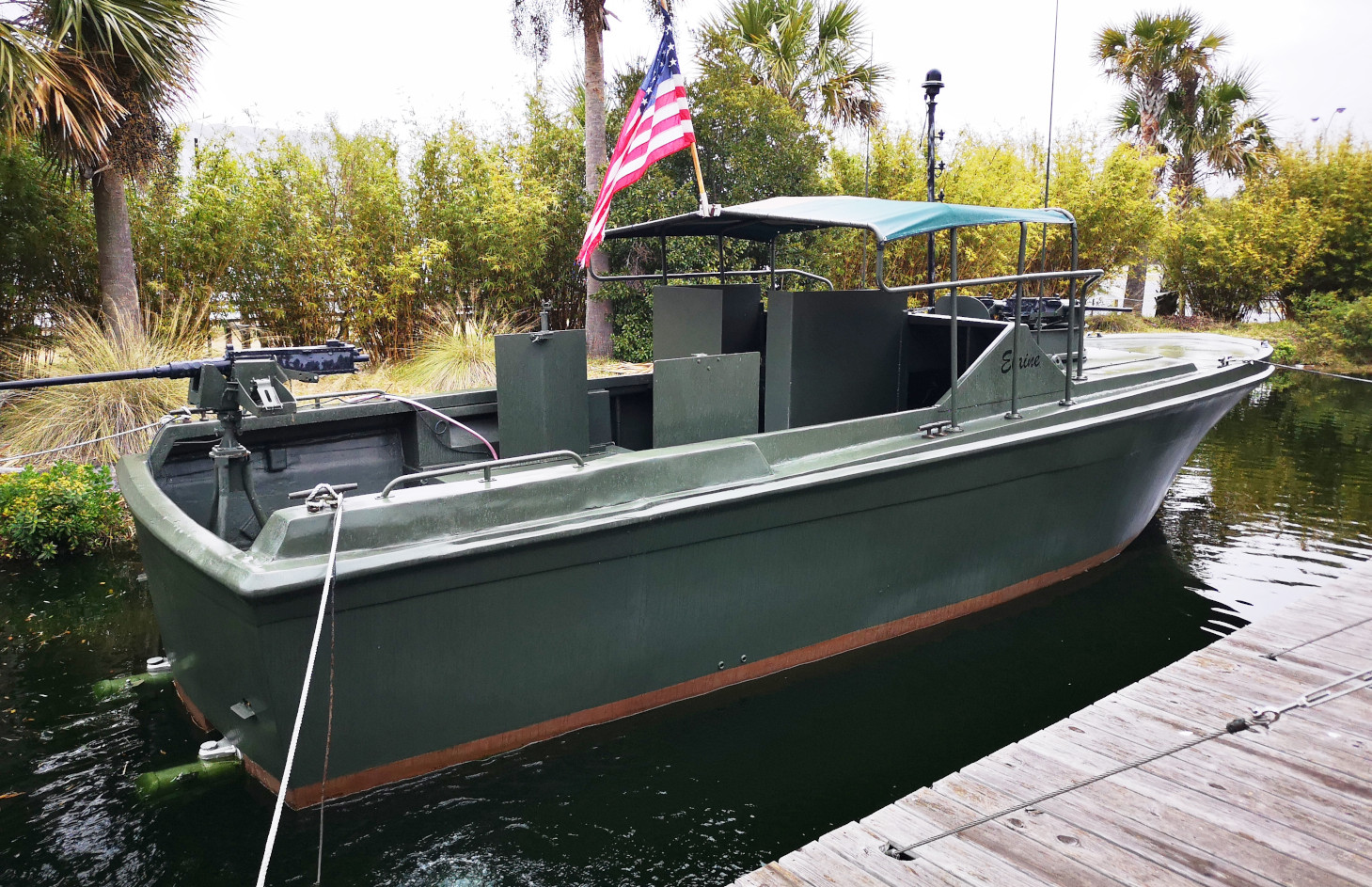
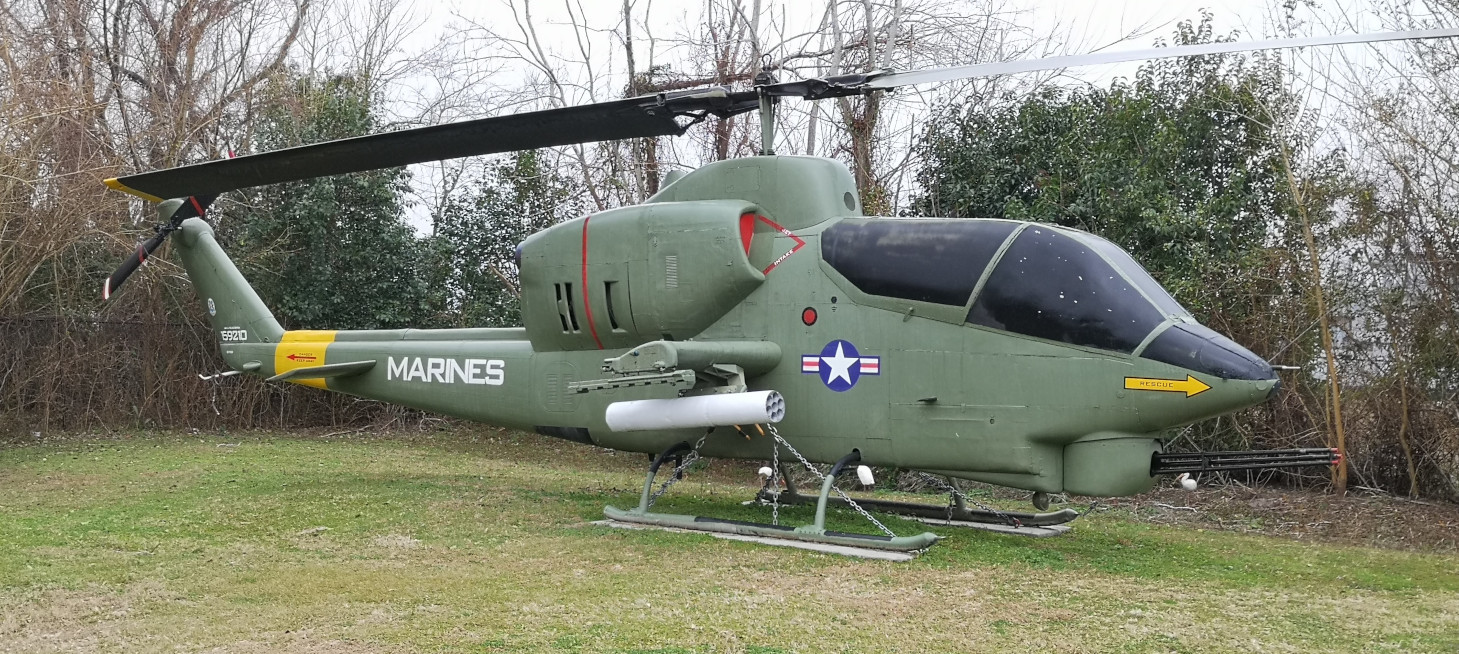
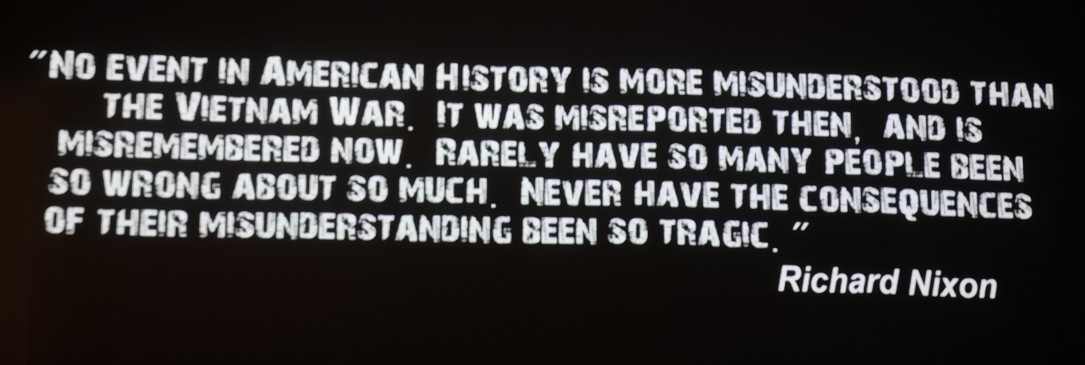
Our last area of the museum was the Vietnam Experience and we had to hurry in this area as the museum closed at 5 pm and it was just starting to rain a bit. Luckily the volunteer on the USS Laffey had told us the best thing to do was to go all the way through the area to the back corner and then work your way back to the Quonset hut where all the display boards were. We started off with the Battle of Khe Sahn video/sound effect display and saw the CH-46 Sea Knight helicopter and the M42 Duster tank. We came back to the guard tower, sick bay, crew berthing “hooch”, and the mess hall, as well as some UH class helicopters. There was another video presentation of the TET Offensive, and then the MK1-PBR jet boat that was used on the river patrols, remember the movie Apocalypse Now? Lastly, we went through the display board exhibit and watched a film about the impacts on the soldiers returning from Vietnam with all the protests that were going on. What an incredible 6-hour day, learning about an aircraft carrier, a destroyer, and the Vietnam war. We would highly recommend this museum if you’re in the Charleston South Carolina area. Being there on graduation day was a bonus. We had no problem finding the RV when we left as there were hardly any cars in the earlier packed lots.
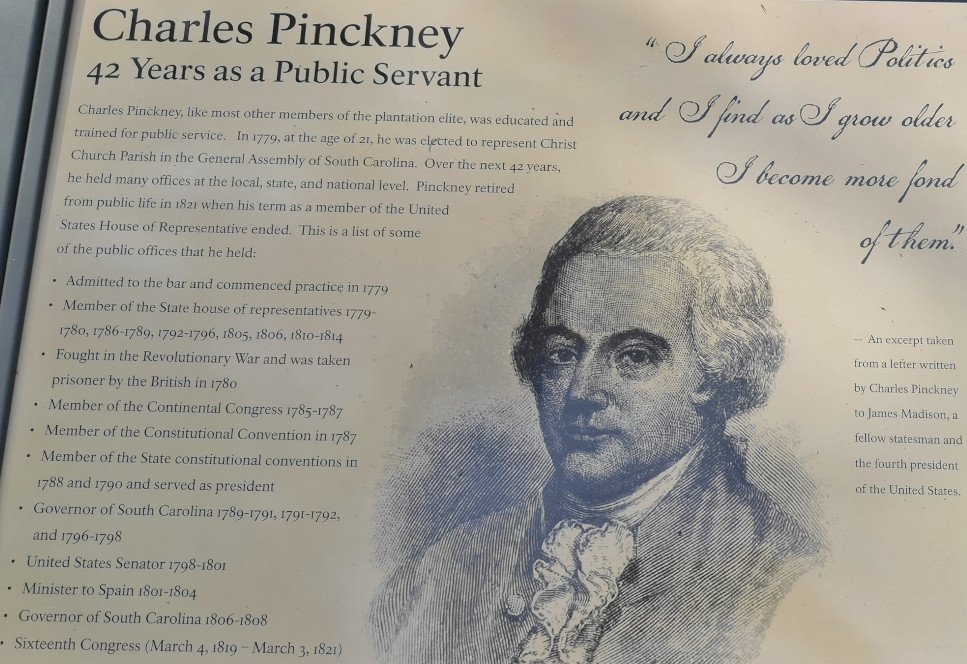
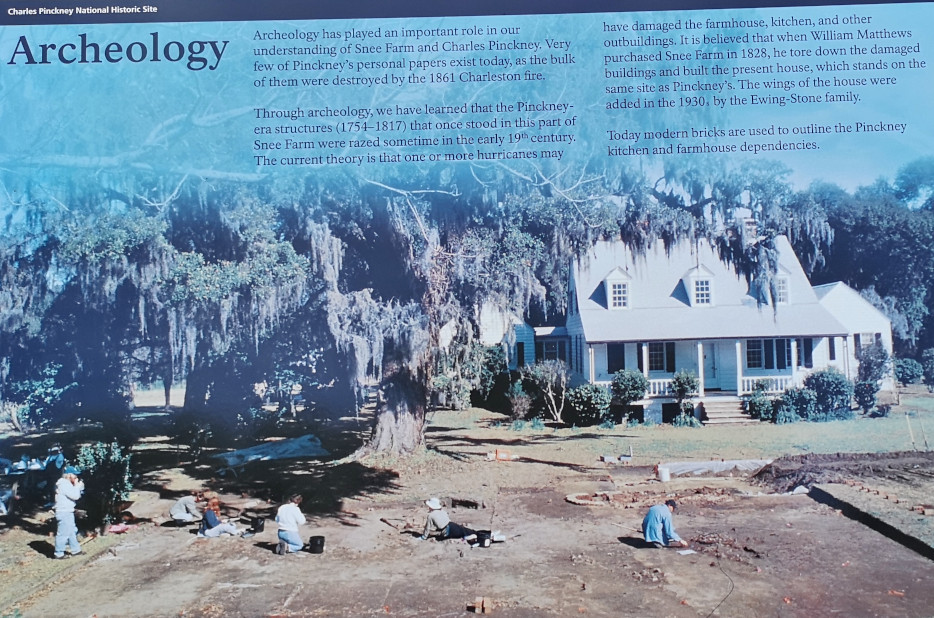
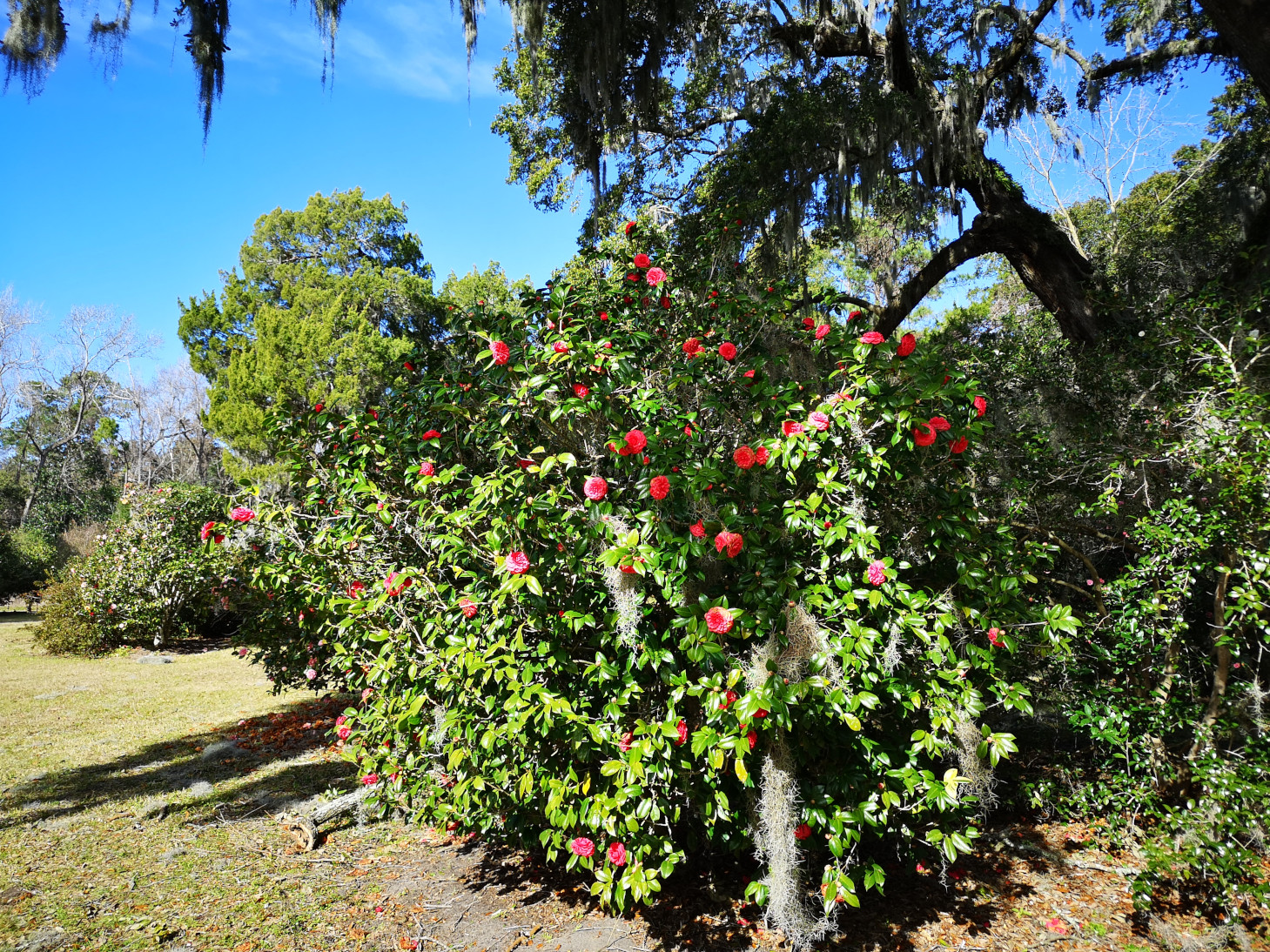
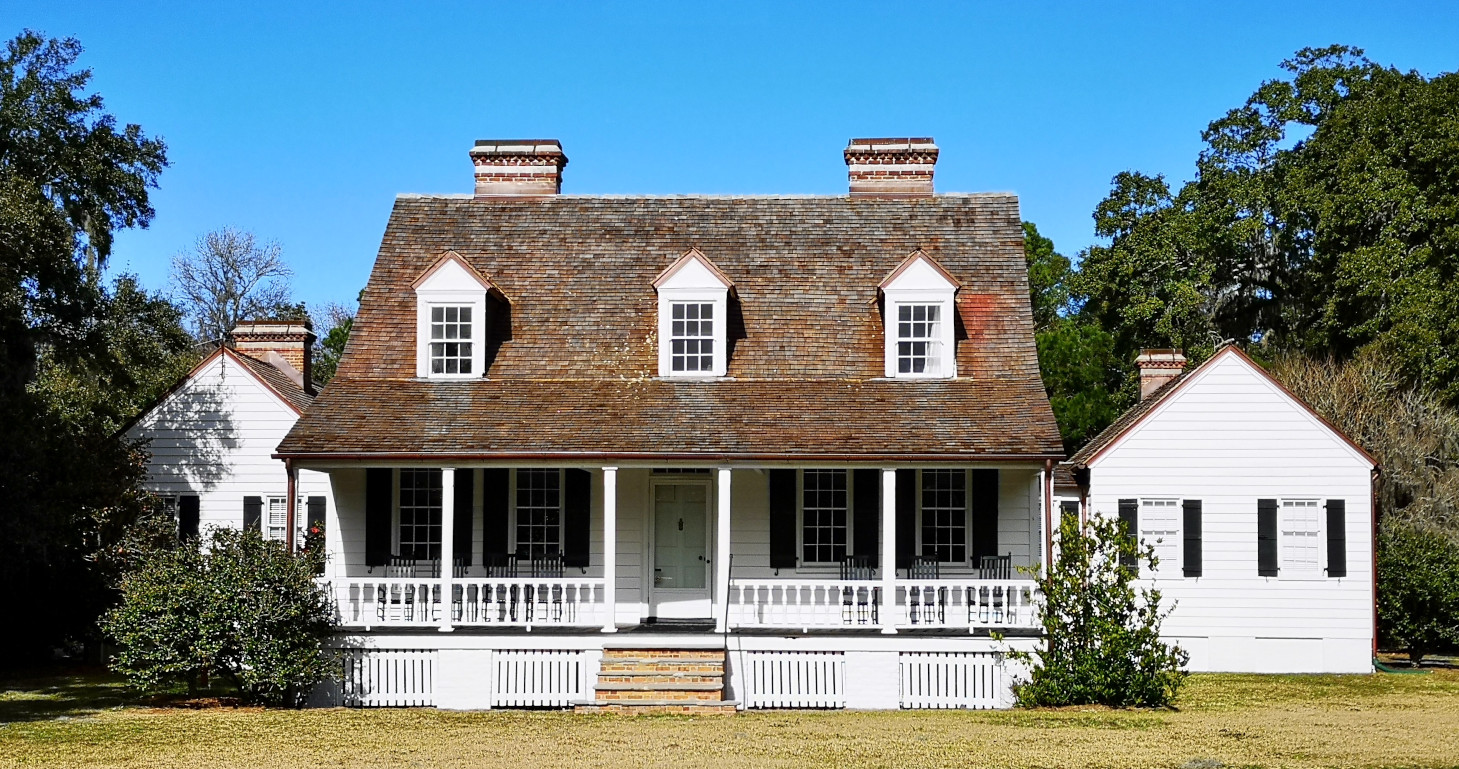
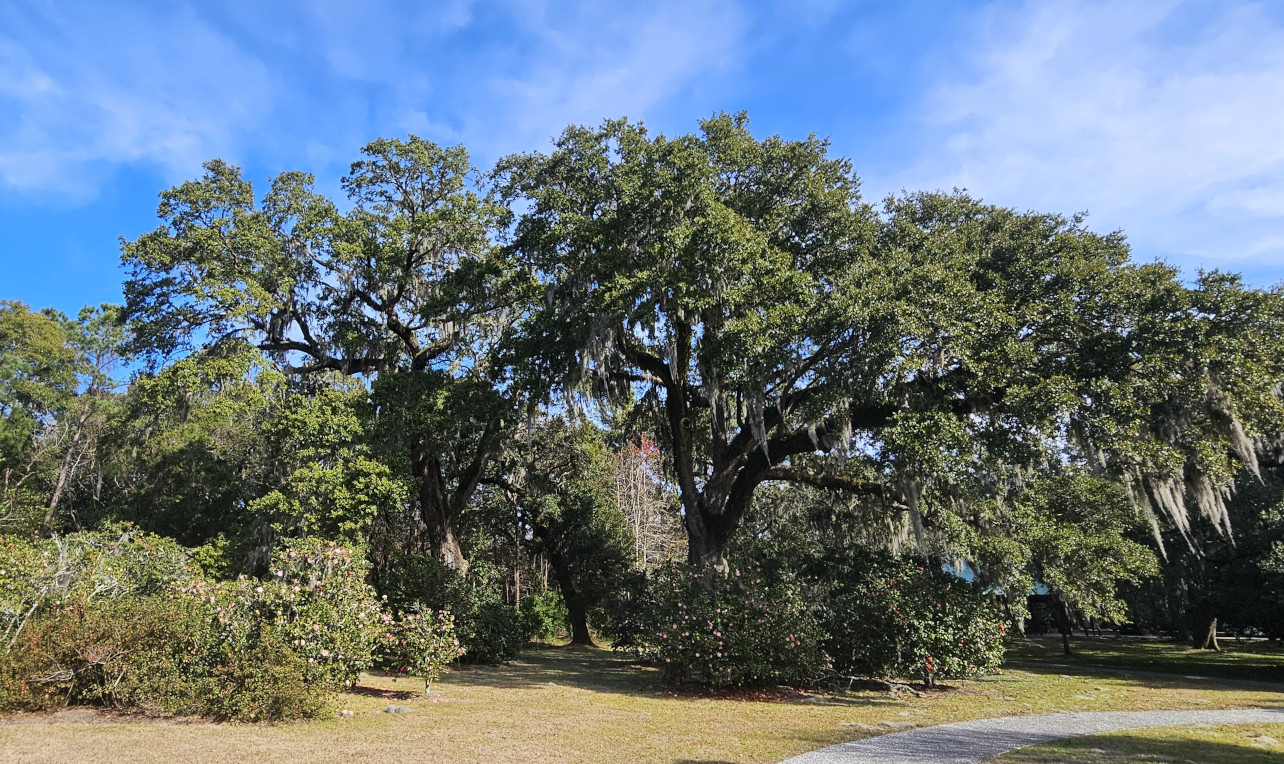
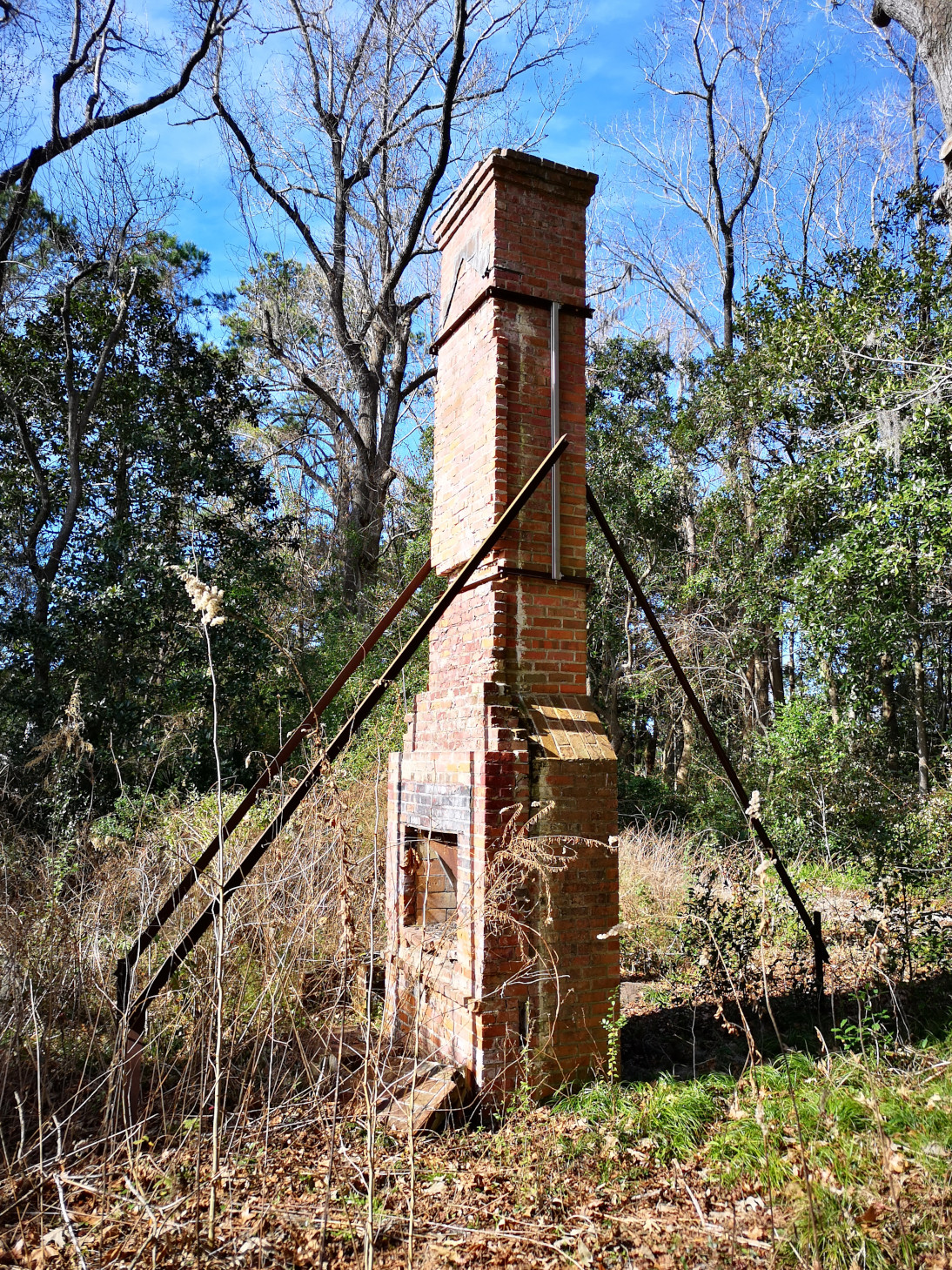
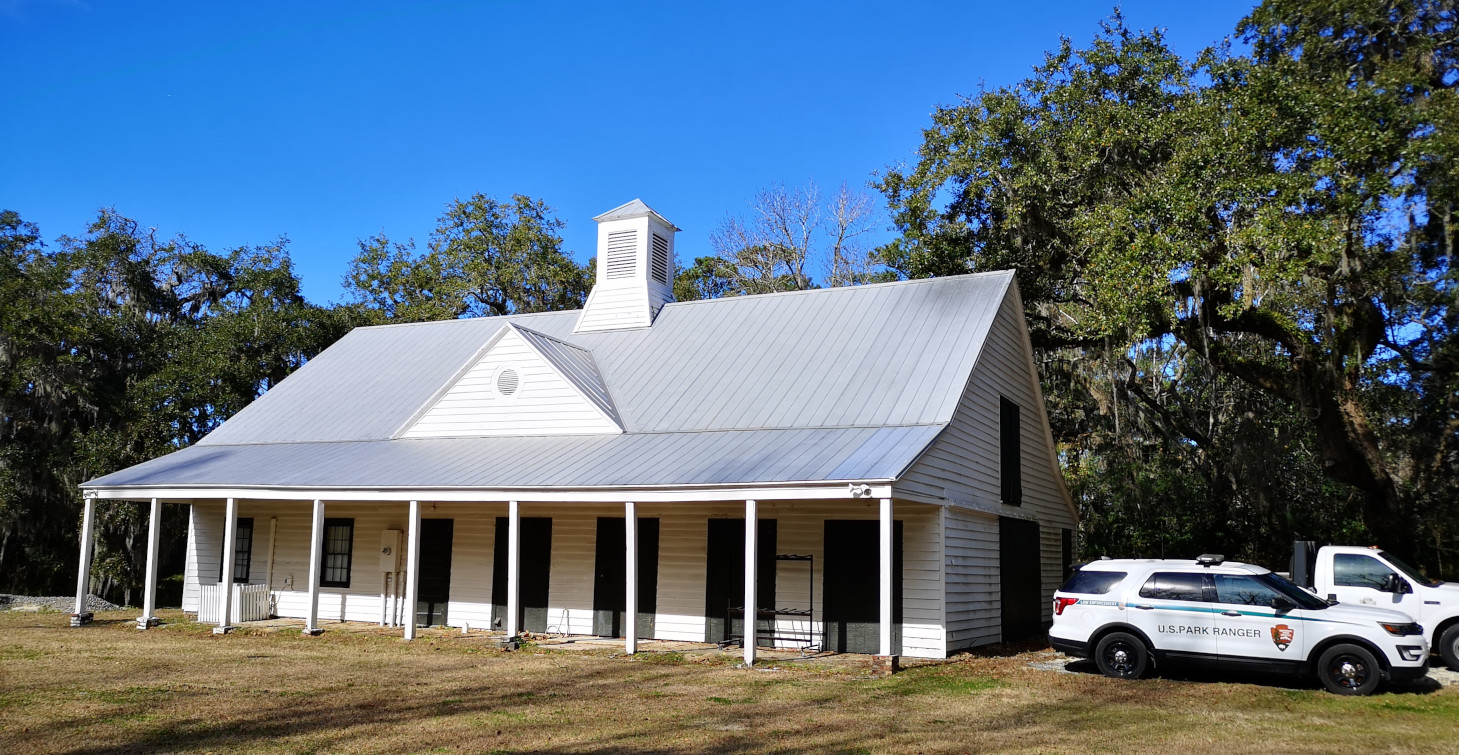
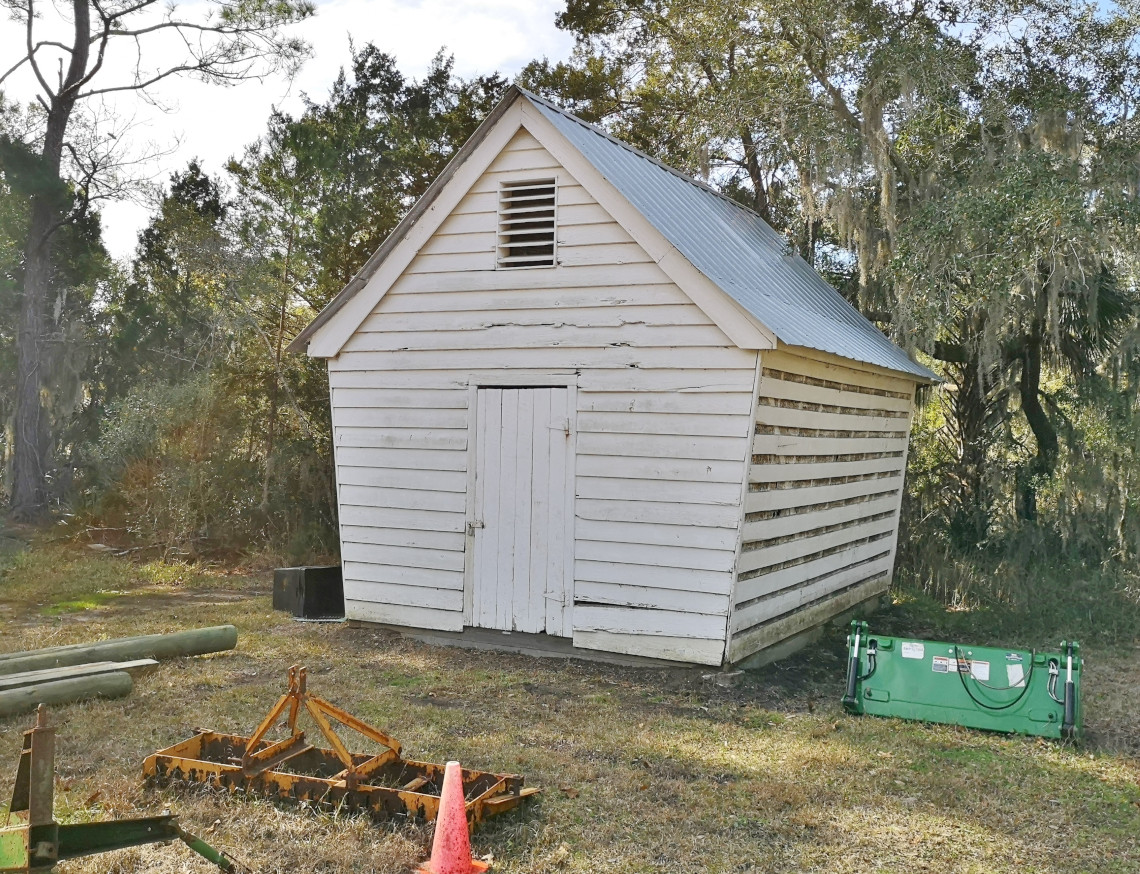
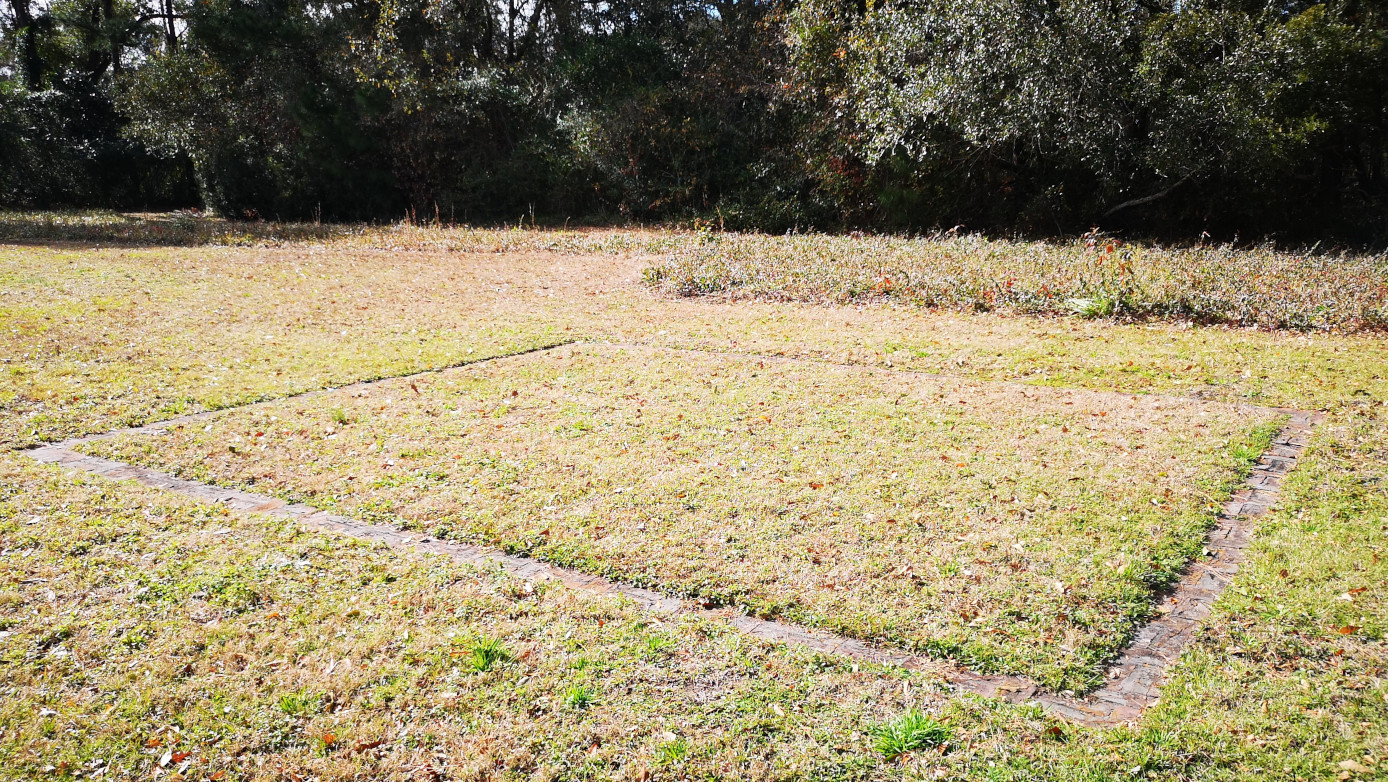
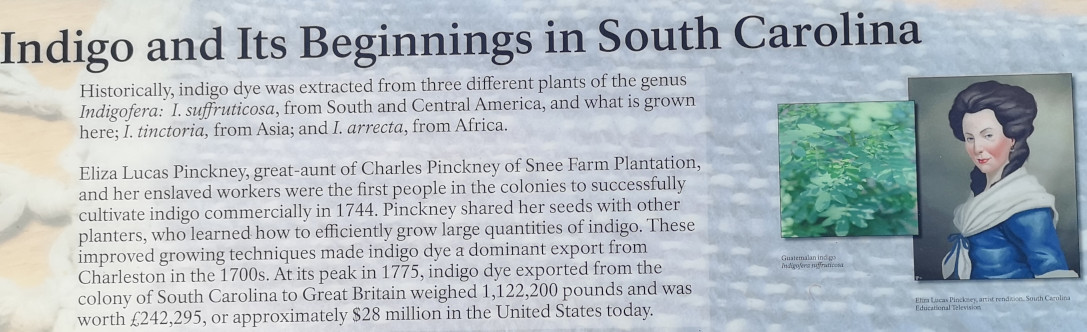
The next day when we left the KOA, we stopped at Charles Pinckney National Historic Site to take a look around. Charles Pinckney was a patriot, a statesman, and a framer of the constitution. He spent 42 years of his life in public service. He owned Snee Farm (originally 687 acres but only 28 left) which they are now preserving as a National Historic Site (since 1995), thanks to a local preservation group that gathered donations to save it from being developed. There is a cottage house onsite but for some reason it was closed so we couldn’t see the museum inside. Instead, we took a walk around the grounds and saw the barn, corn crib, walked out to the marsh and saw the foundations of where the slave cabins had been. There were some beautiful large live oaks on the grounds and some flowering trees.

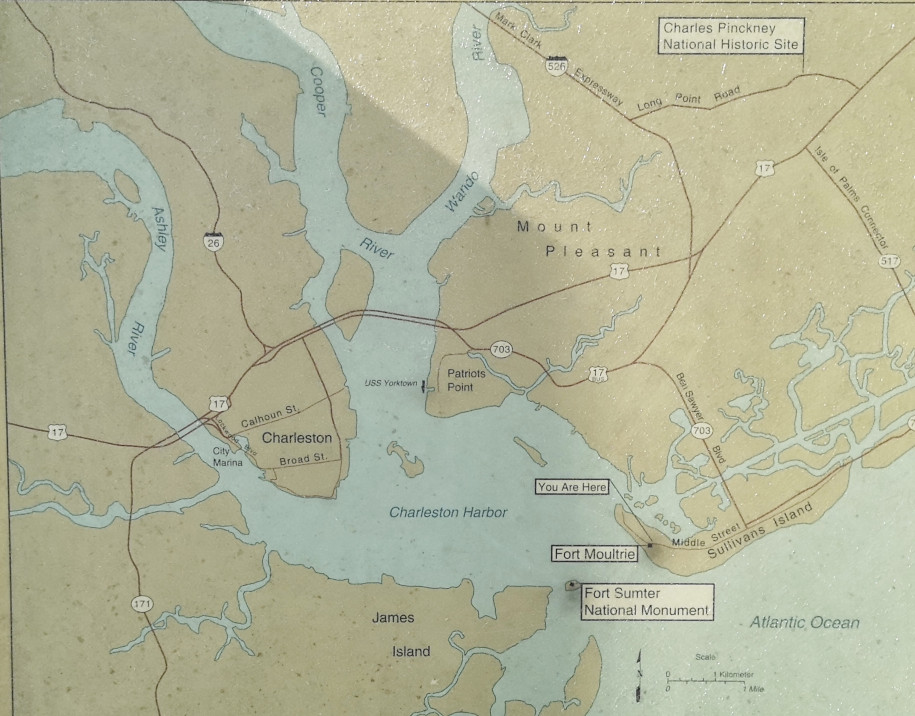
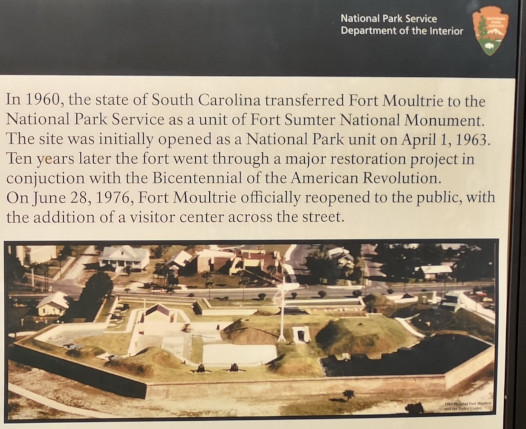
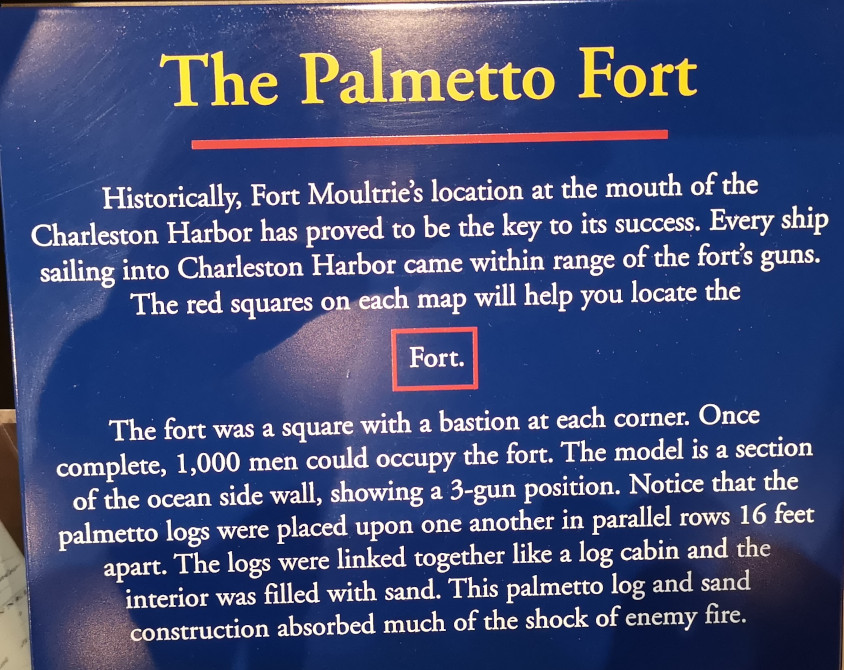
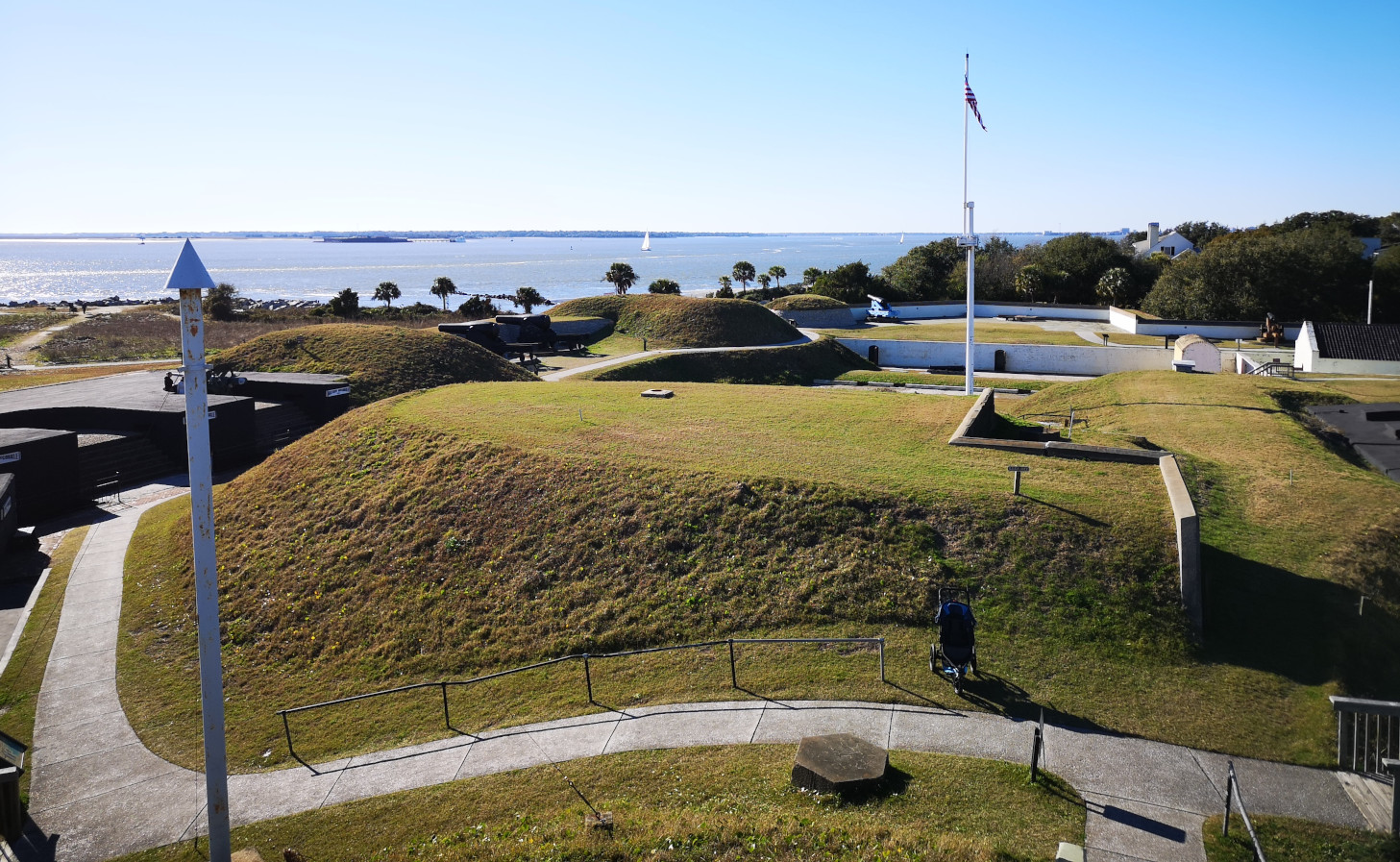
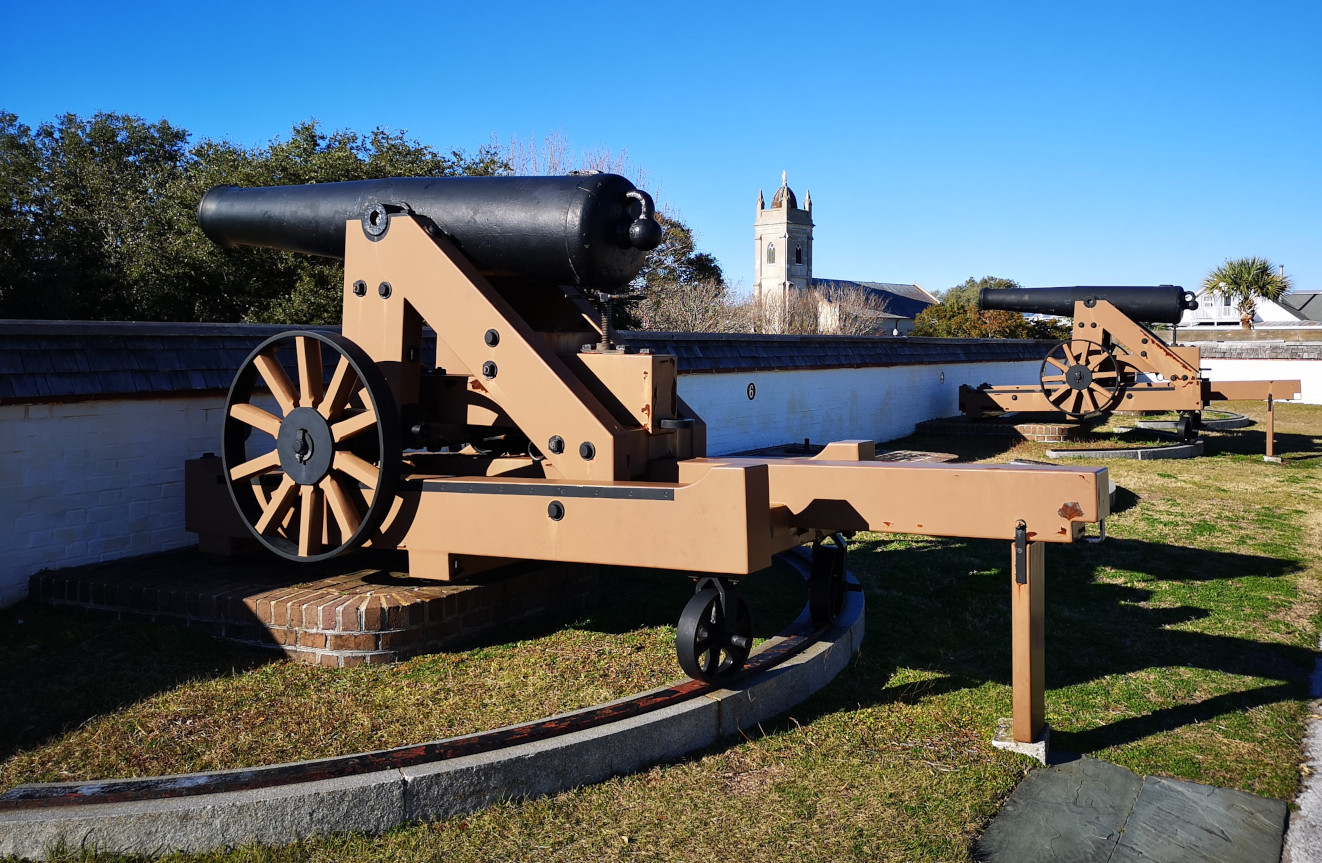
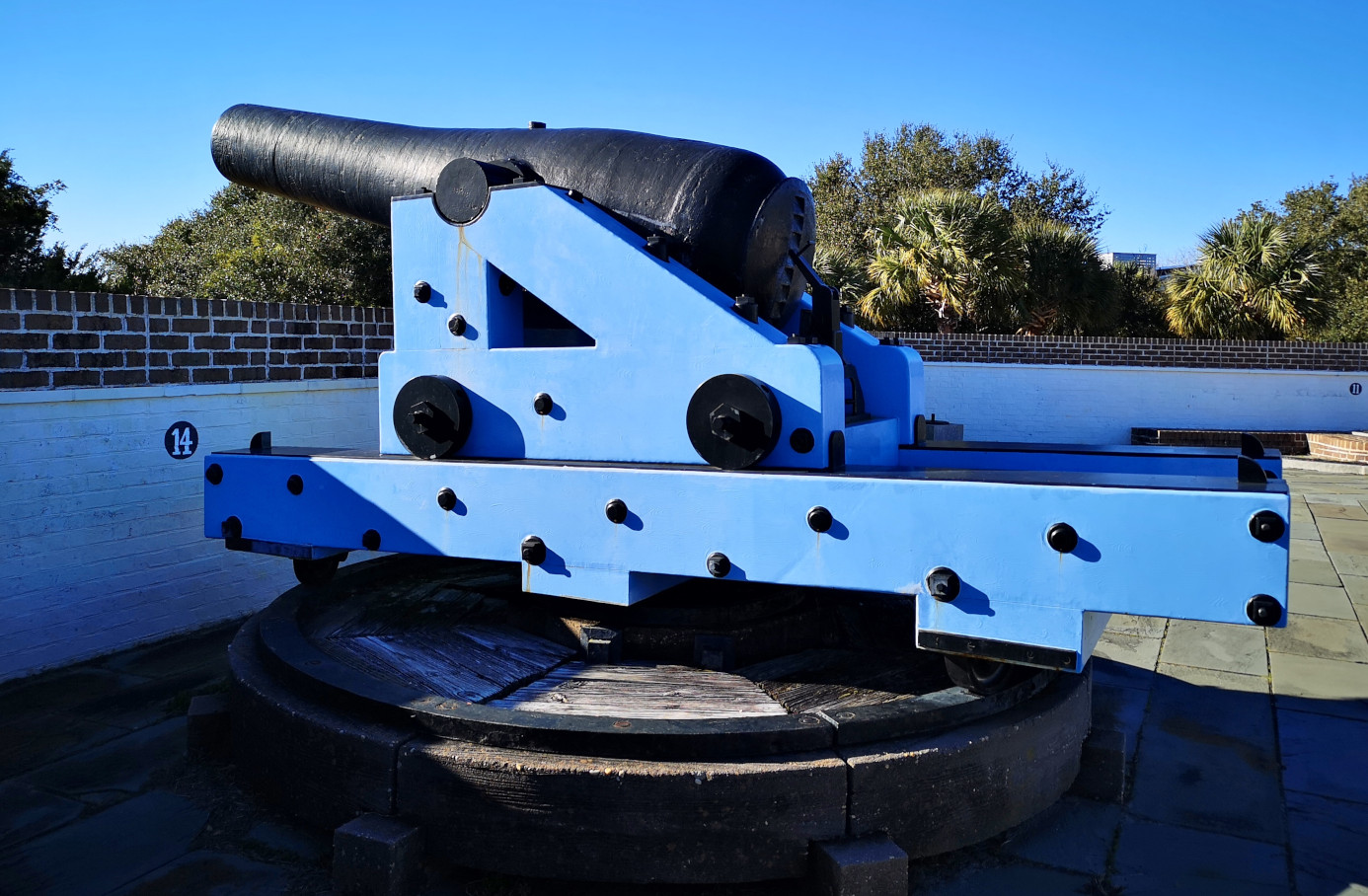
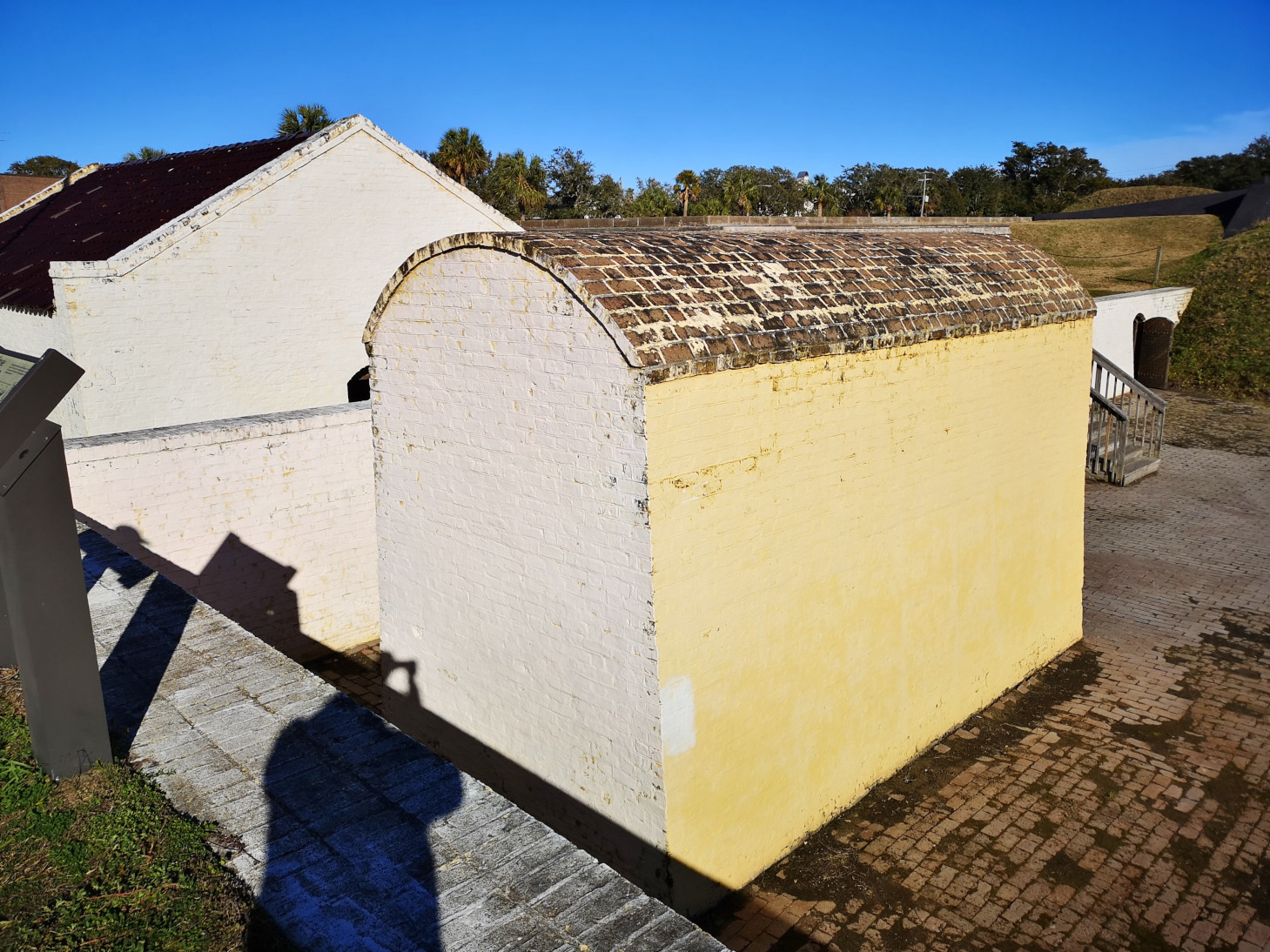
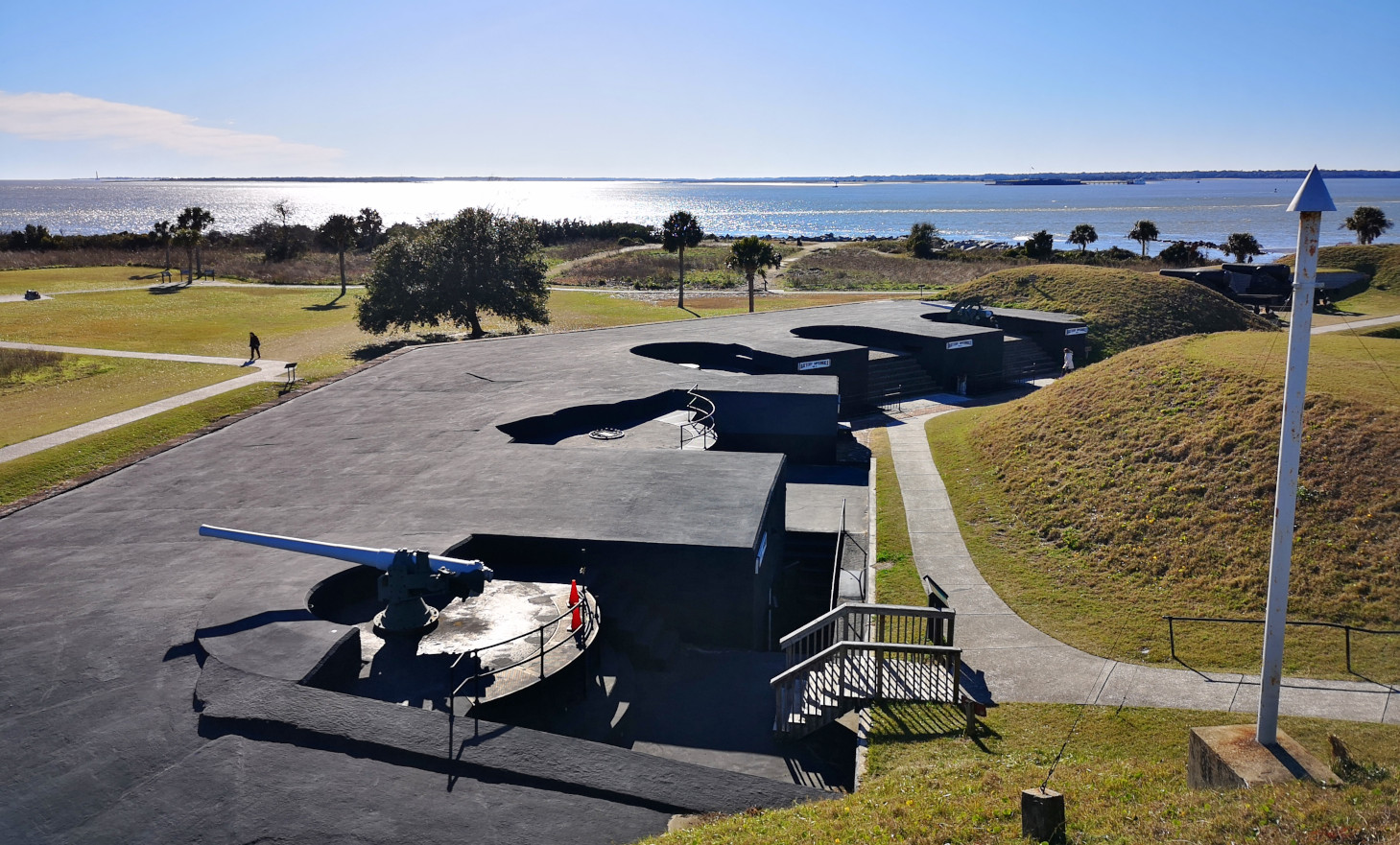
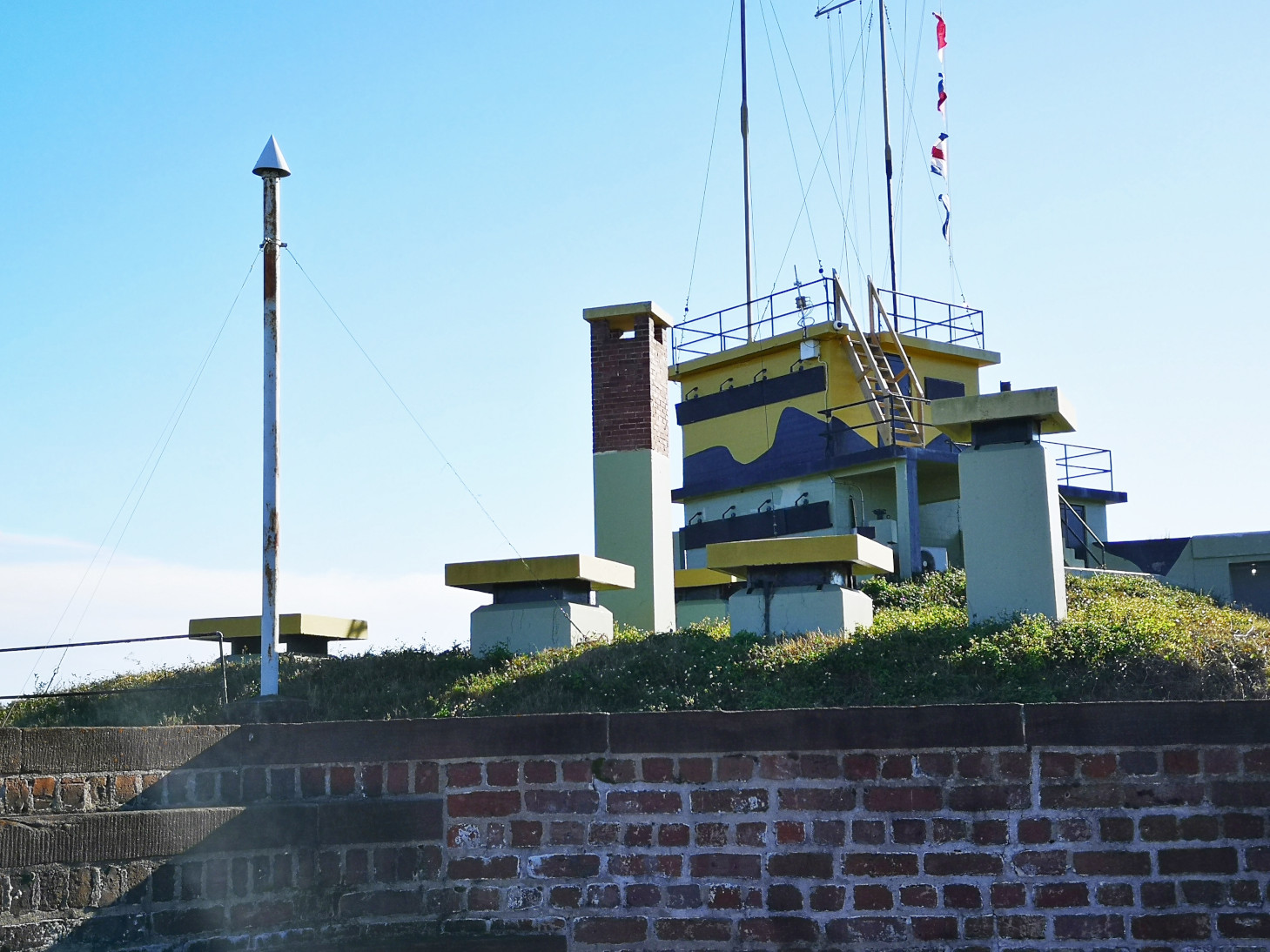
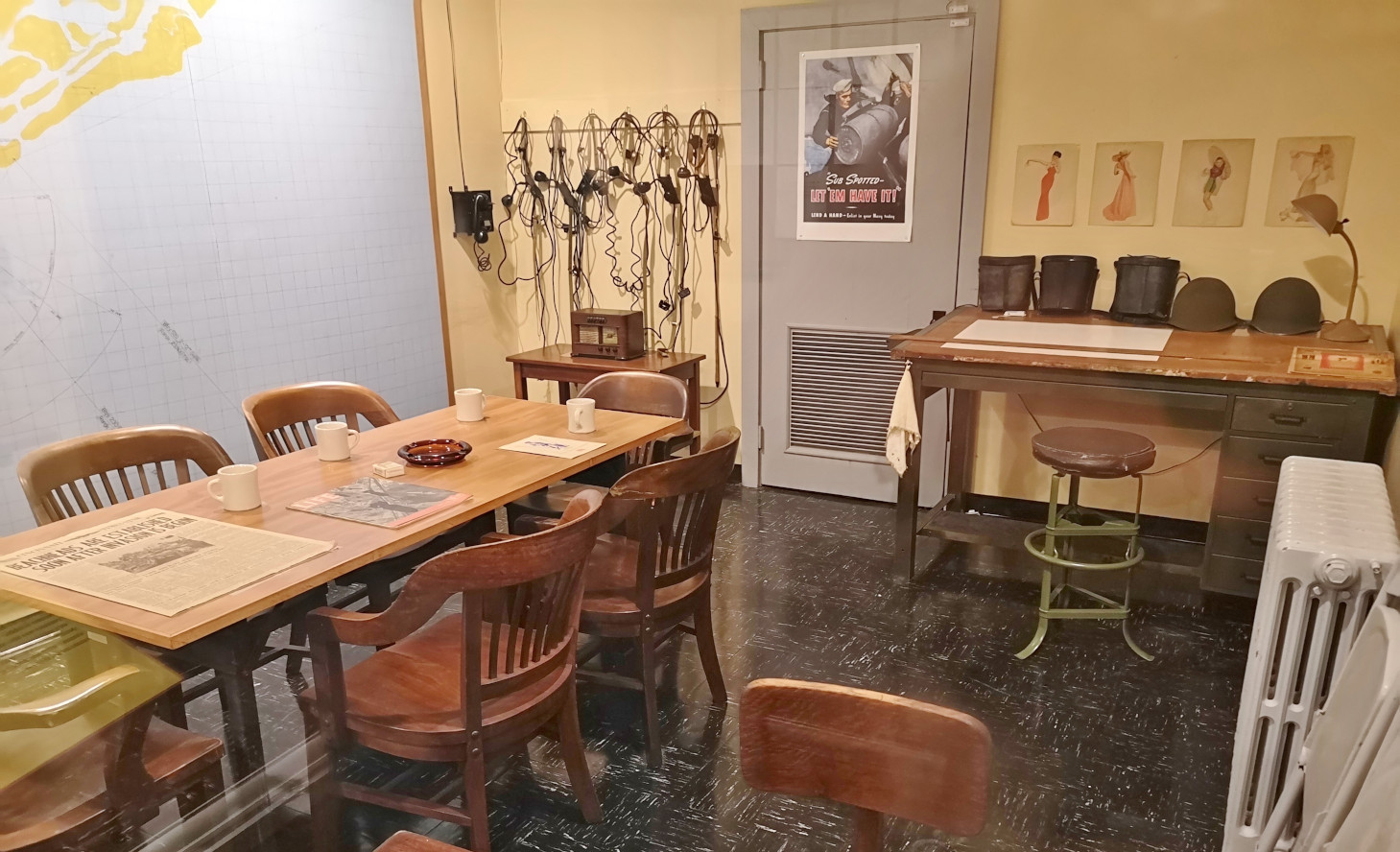
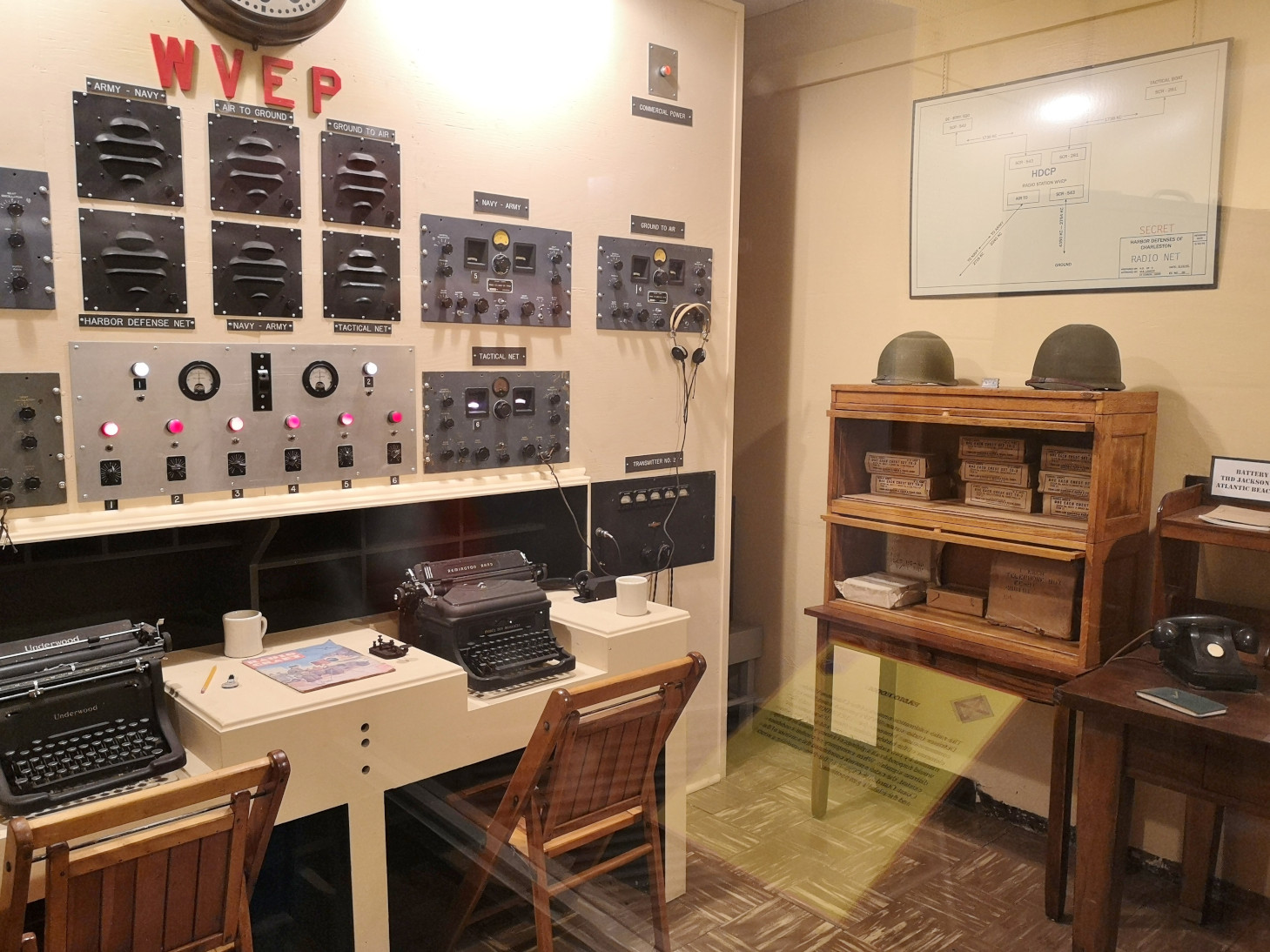
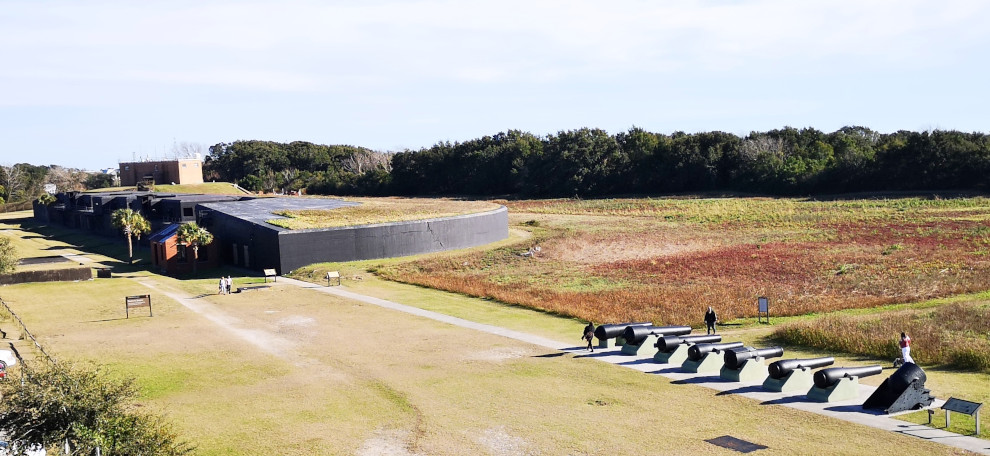
Our last stop before leaving the Charleston area was to see Fort Moultrie. This was just across the harbour from Fort Sumter that we saw at the beginning of this blog. We were just in time to catch the ranger talk and walk around the fort, he was an excellent speaker. The fort was called the Palmetto Fort originally as it was built with Palmetto logs and sand and therefore could withstand cannon shots. The fort was used for Harbour defense from 1809 through until 1860, including the War of 1812. The Confederacy held the fort from Dec 26, 1860, through until Feb 25, 1865. It was used as harbour defense for various periods after the Civil War and then in 1944 they completed a bunker type of command post that you could climb to the top of and in turn see the underground chambers below, quite interesting. Lastly, we went to see cannon row and Battery Jasper used from 1898 to 1939 but it was closed for renovations.

As you can tell from this blog there is a lot of historical significance to the Charleston area and well worth the time to visit. The next blog will be back to the coastal beach state park areas starting with Edisto Beach SP.
 Joel & Sharon
Hi
LikeLiked by 1 person
Hi Joel and Sharon 💕💕
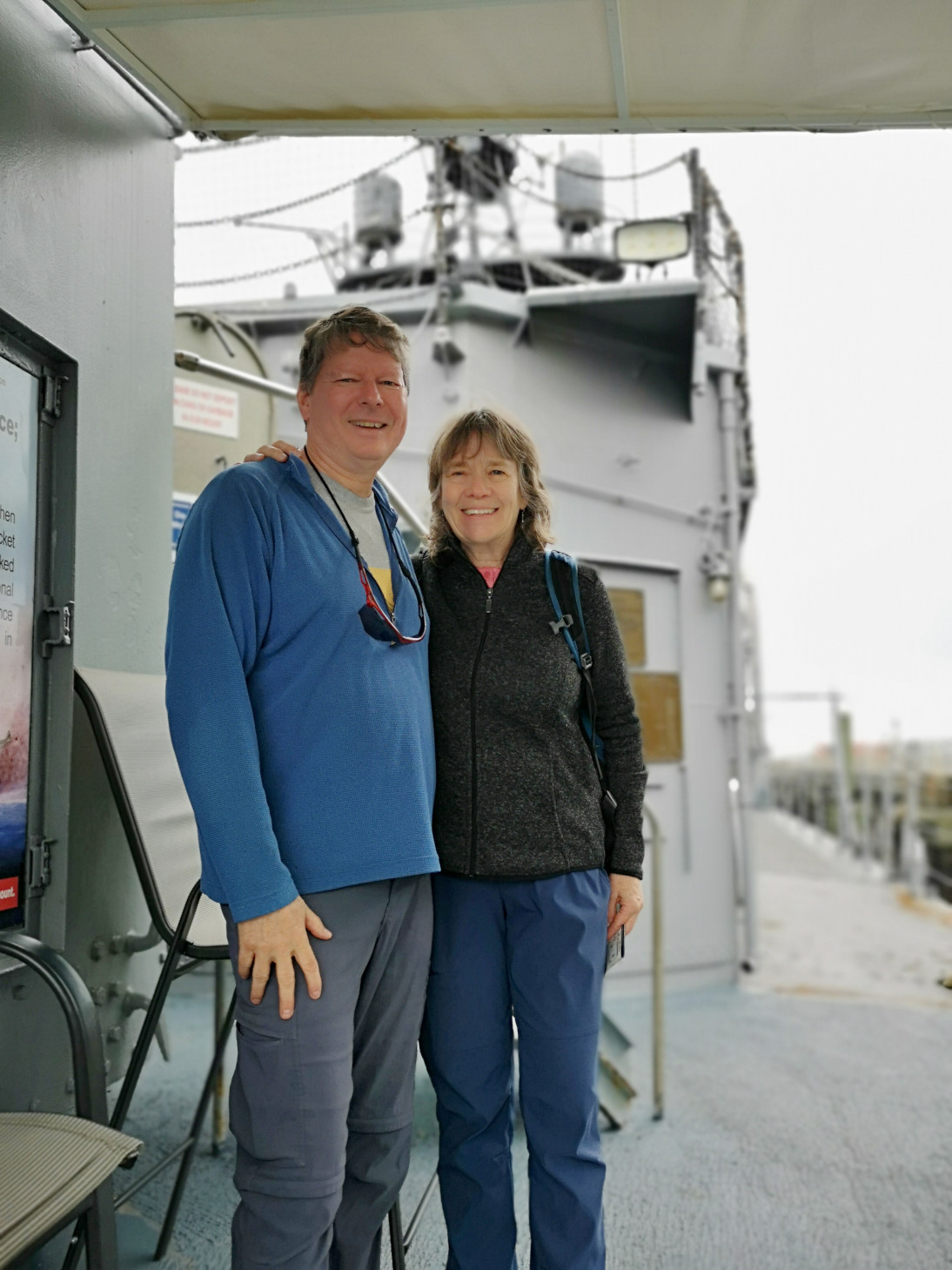
Another interesting blog. Thank you for all this history and info. Great to see a photo of you two included in the shots taken on the USS Laffey. (Really great photo)
Continued safe travels and wonderful adventures. Warmest hugs xxx
LikeLiked by 1 person
Thanks Sandra it is rare for us to get a photo of the 2 of us. Usually Sharon’s the subject as I’m taking the photos 😉
LikeLike
Just started reading this blog, a technical issue to report. The first set of pictures (the KOA pig hunt). The hyperlink to open those pictures aren’t setup (mouse pointer doesn’t turn into finger), so I can’t open the picture to make comment about KOA’s skeleton staffing was too literal.
LikeLike
Actually Danny that is a single picture that is a collage Sharon made. Therefore I don’t think clicking on it would take you anywhere. Normally I have tiled gallery groups of photos which would allow you to click to get to the individual pictures. Not sure how you can do a comment when it’s a single photo.
LikeLike
Just my simple minded thinking: You just have to make it a group of 1 picture to tile, to enable those same functions. 😉
LikeLike
Loved the KOA pig – with boots on no less!! So funny – I burst out laughing! The ship tours and photos were really interesting but what really caught my attention was that internal passageway on the one ship so that you could move inside without getting washed off deck. Could have used one of those on Quixotic in Beaverstone Bay that awful stormy night…..(-:
It must have been a sight to see all the grads and their families! Good timing even though you had a challenge getting a parking spot.
LikeLiked by 1 person
We knew you’d love the KOA pig 🤣
LikeLike