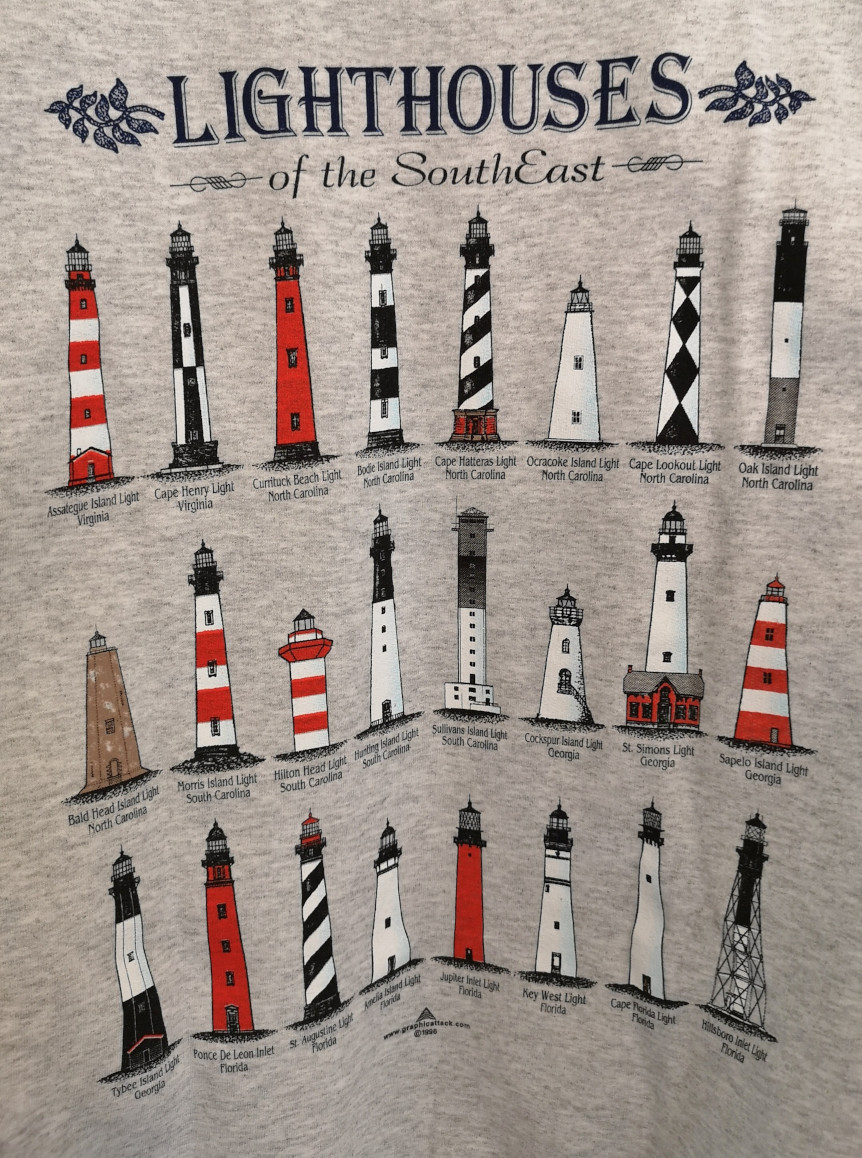
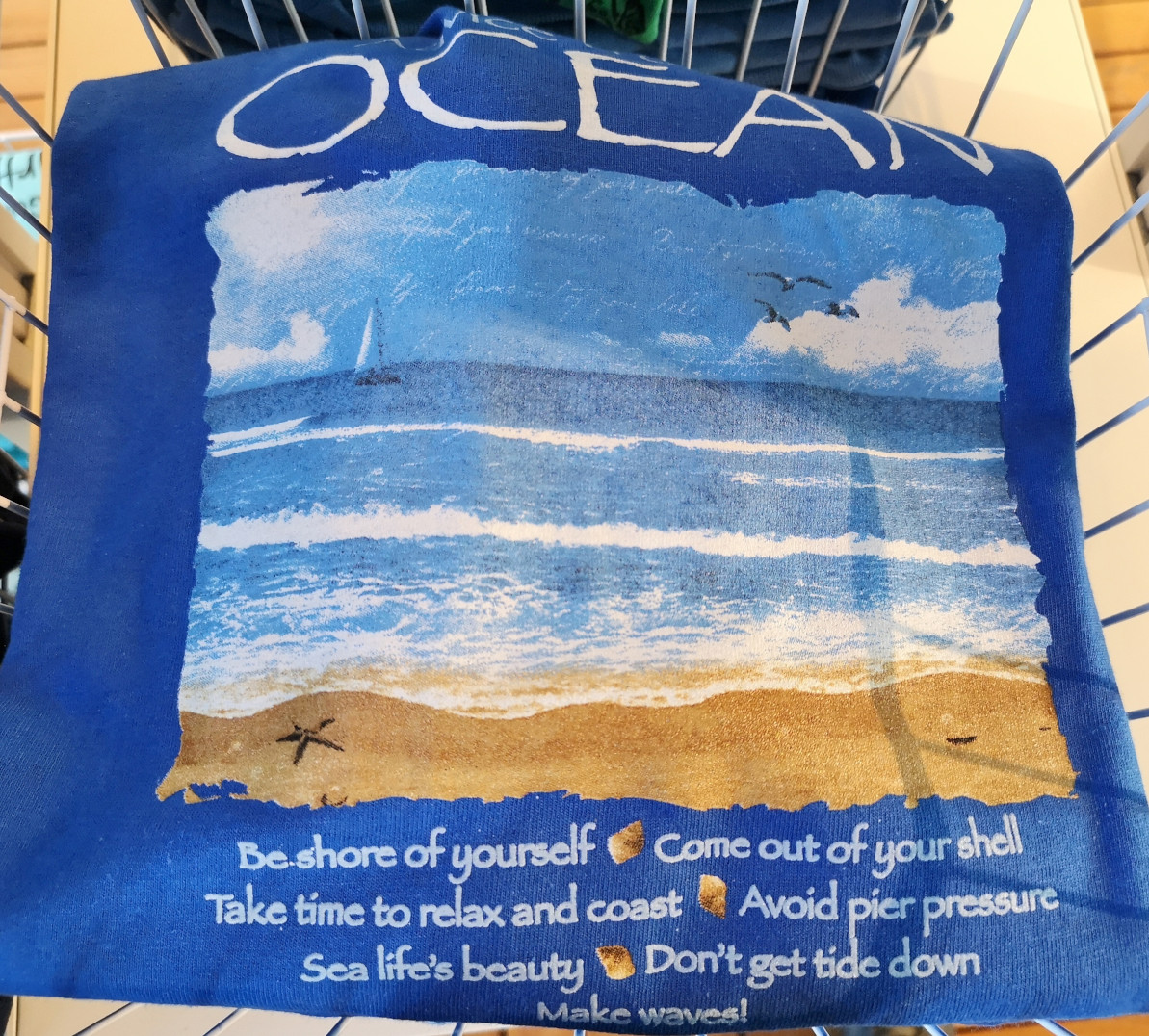
“Advice from an Ocean – Be shore of yourself – Come out of your shell – Take time to relax and coast – Avoid pier pressure – Sea life’s beauty – Don’t get tied down – Make waves!” this is from a T-Shirt I bought.
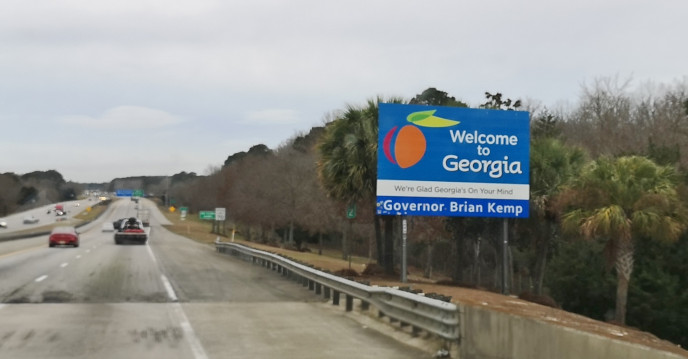
As we mentioned in the last blog our 30-amp shore power cord had failed so our first stop in Savannah Georgia was the Camping World store where we hoped to get a new power cord. Here is what happened:
$$ – Unfortunately, the generic cords they had didn’t have the correct twist lock mechanism for our Furrion power outlet on the RV. We had them order us the Furrion 30-amp power cord we needed since they could have it shipped for the next day.
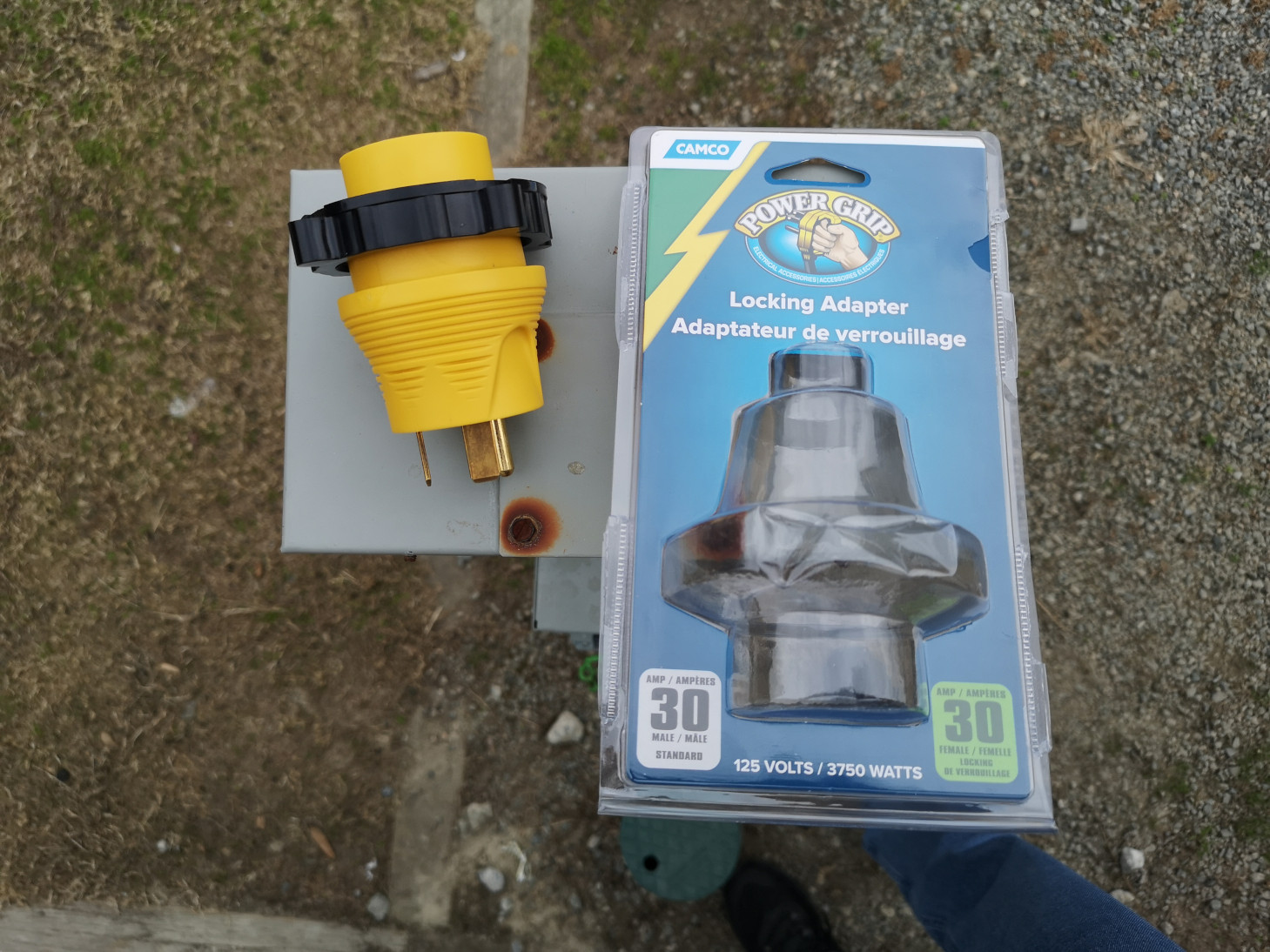
$ – They did have a 30-amp twist lock adapter which we thought would work with our 30-amp extension power cord, so we bought that (good for a backup and it wasn’t expensive).
$$$ – We tested our connection at Camping World with our extension and new twist lock, but we still didn’t have power, so the power cord wasn’t our only issue. The earliest a technician could look at the RV was 3 weeks away, but they had the number for a Mobile RV Technician so we called him and he could come to the RV park, CreekFire, that we were heading to. Later that afternoon he came and tested the RV and found that one of the electrical wires leading to our external outlet was lose and this had caused the 30-amp power cord to partially melt, and it had also caused partial melting in the external outlet itself. He tightened the wire and reset the internal surge protector, and we tested the adapter we bought with the extension cord, and we now had shore power again😉
$$ – However, he recommended that we also replace the external outlet since it had partial damage. We couldn’t get the exact same Furrion model but there was another Furrion model available, so he ordered that for us. The day after the mobile tech returned with the new external outlet and replaced that for us.
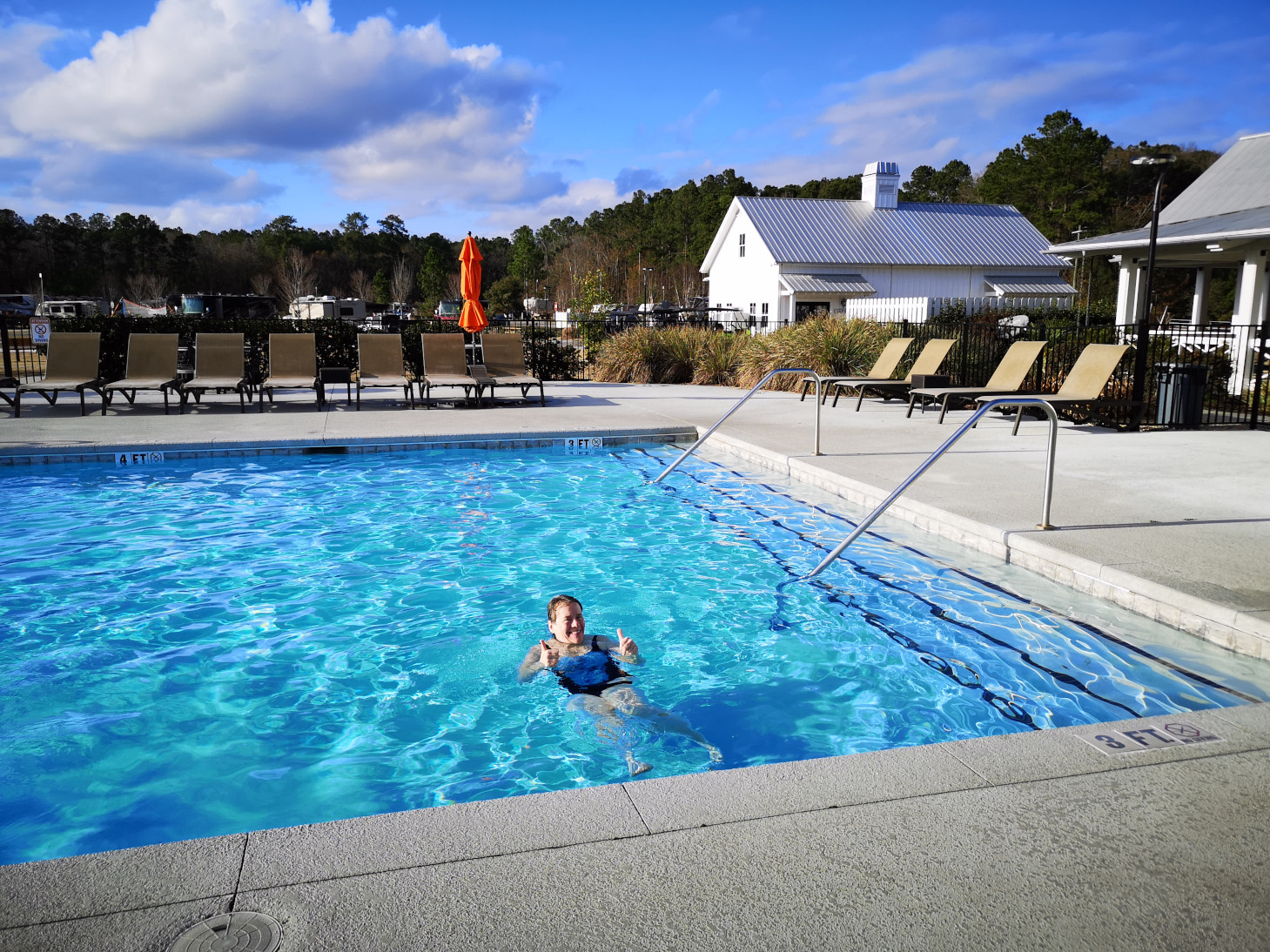
So needless to say, our 3-night stop in Savannah was an expensive one but at least we were able to get everything resolved relatively quickly. However, we did take advantage of the RV resort by going out for dinner to their restaurant by the lake and going for a swim in the pool. At our dinner we had a very good appetizer of Alligator bites!



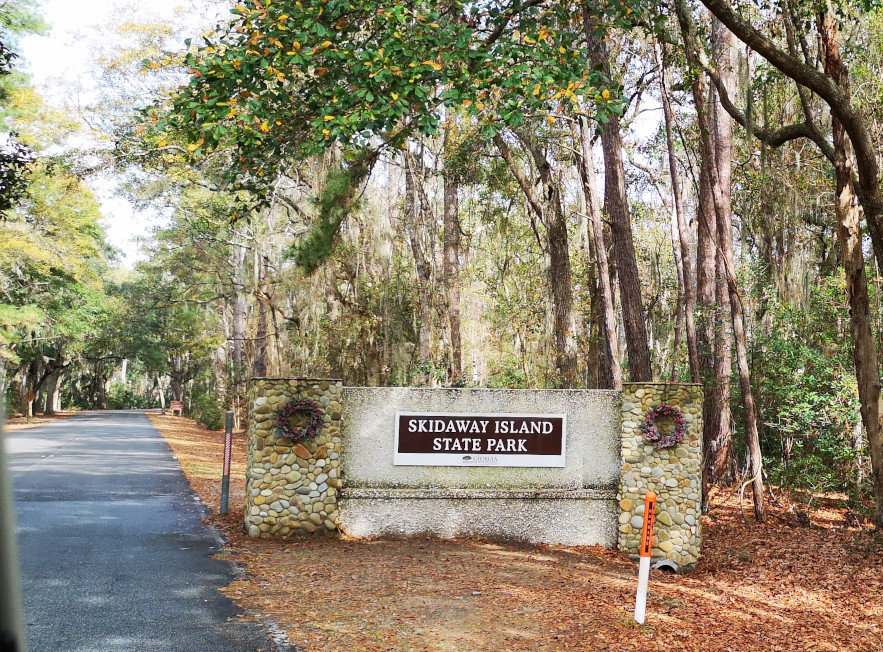
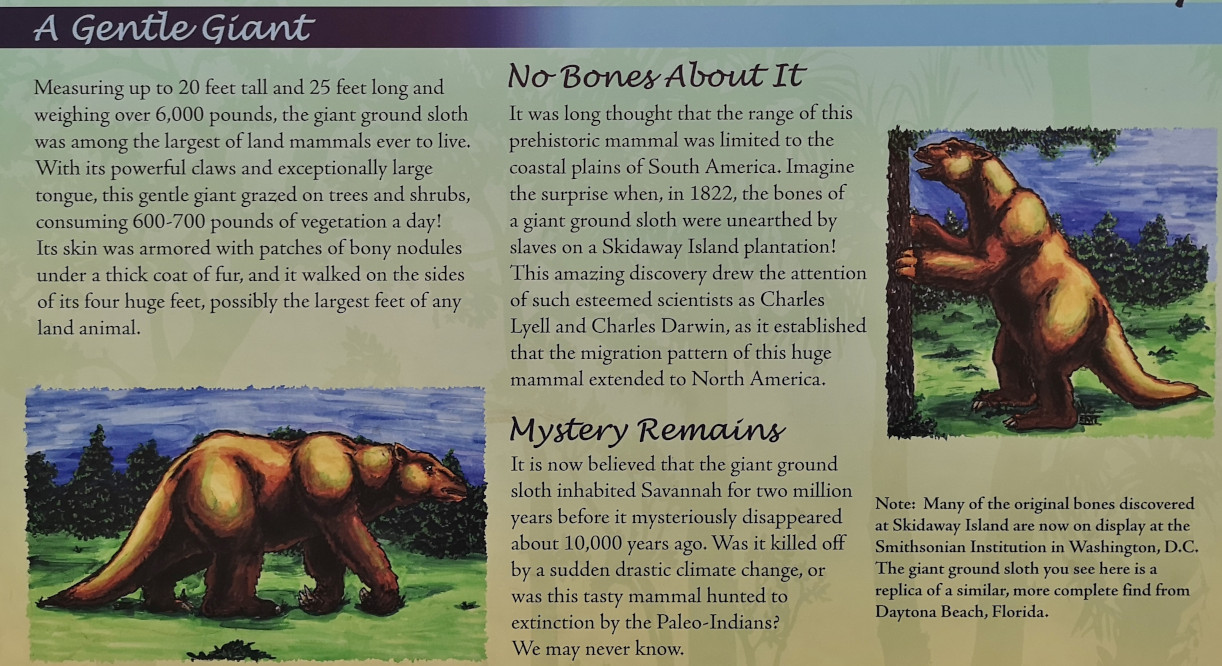
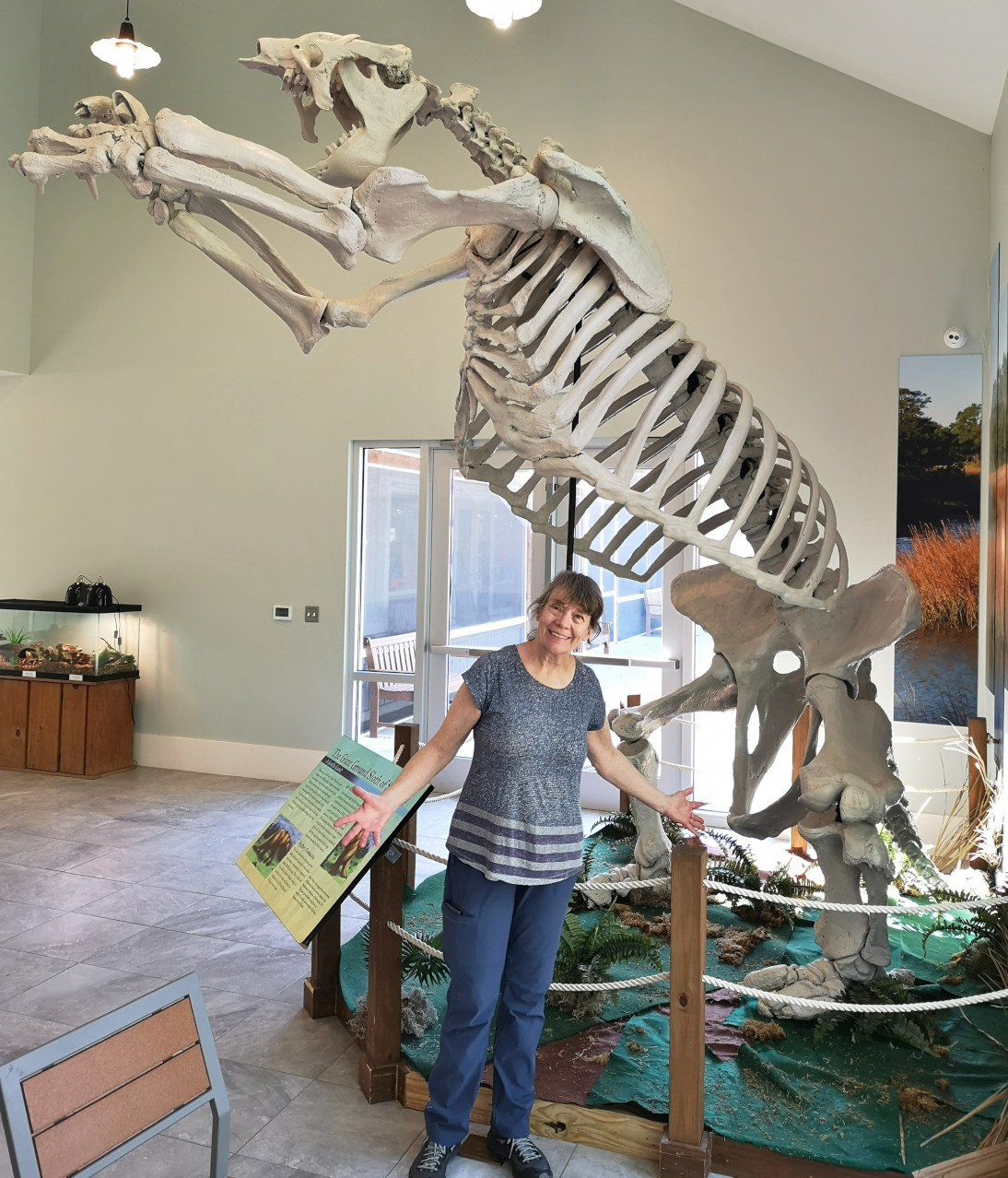
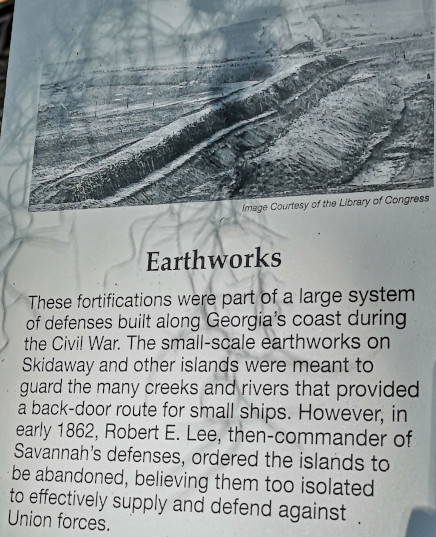
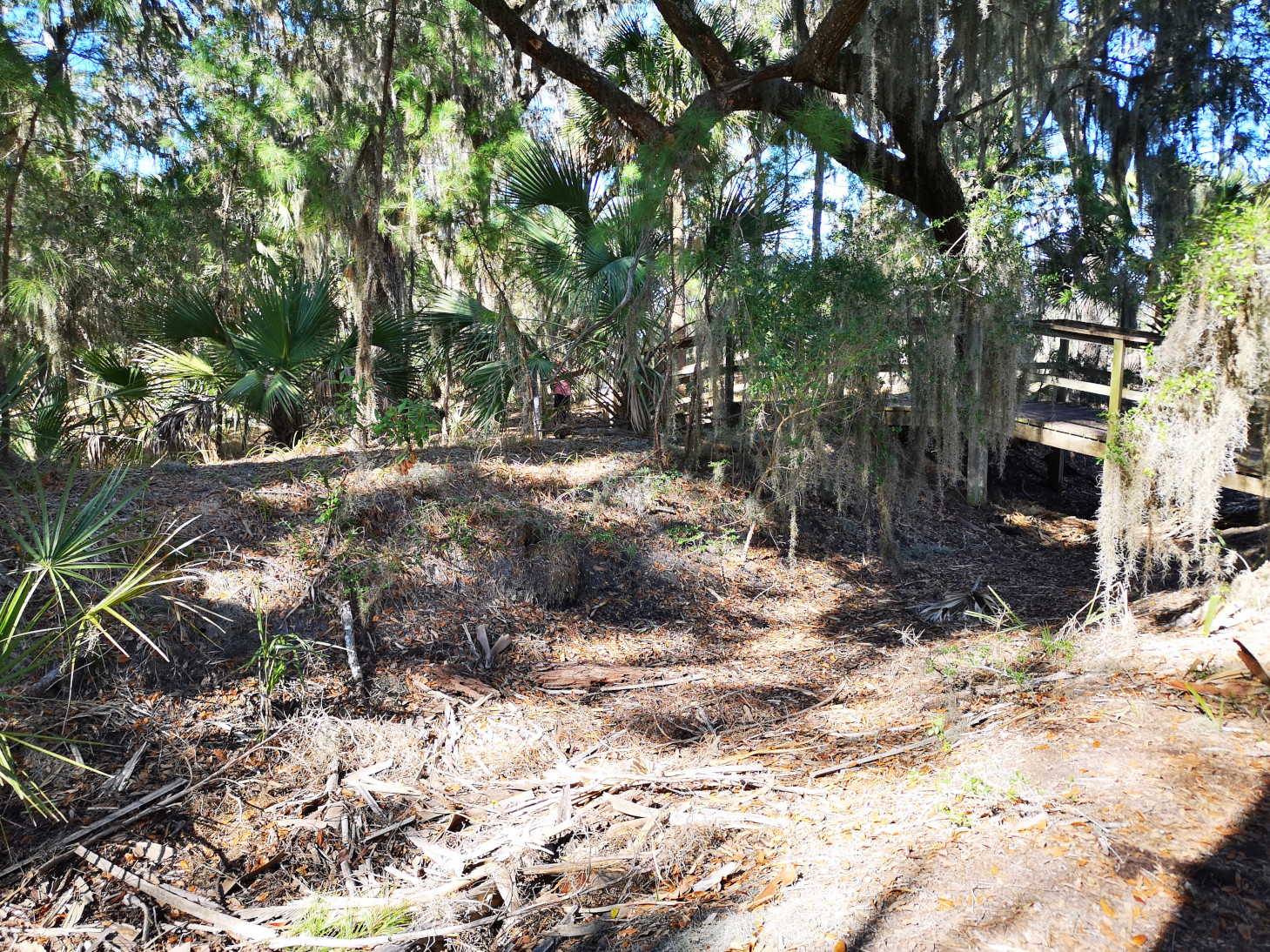
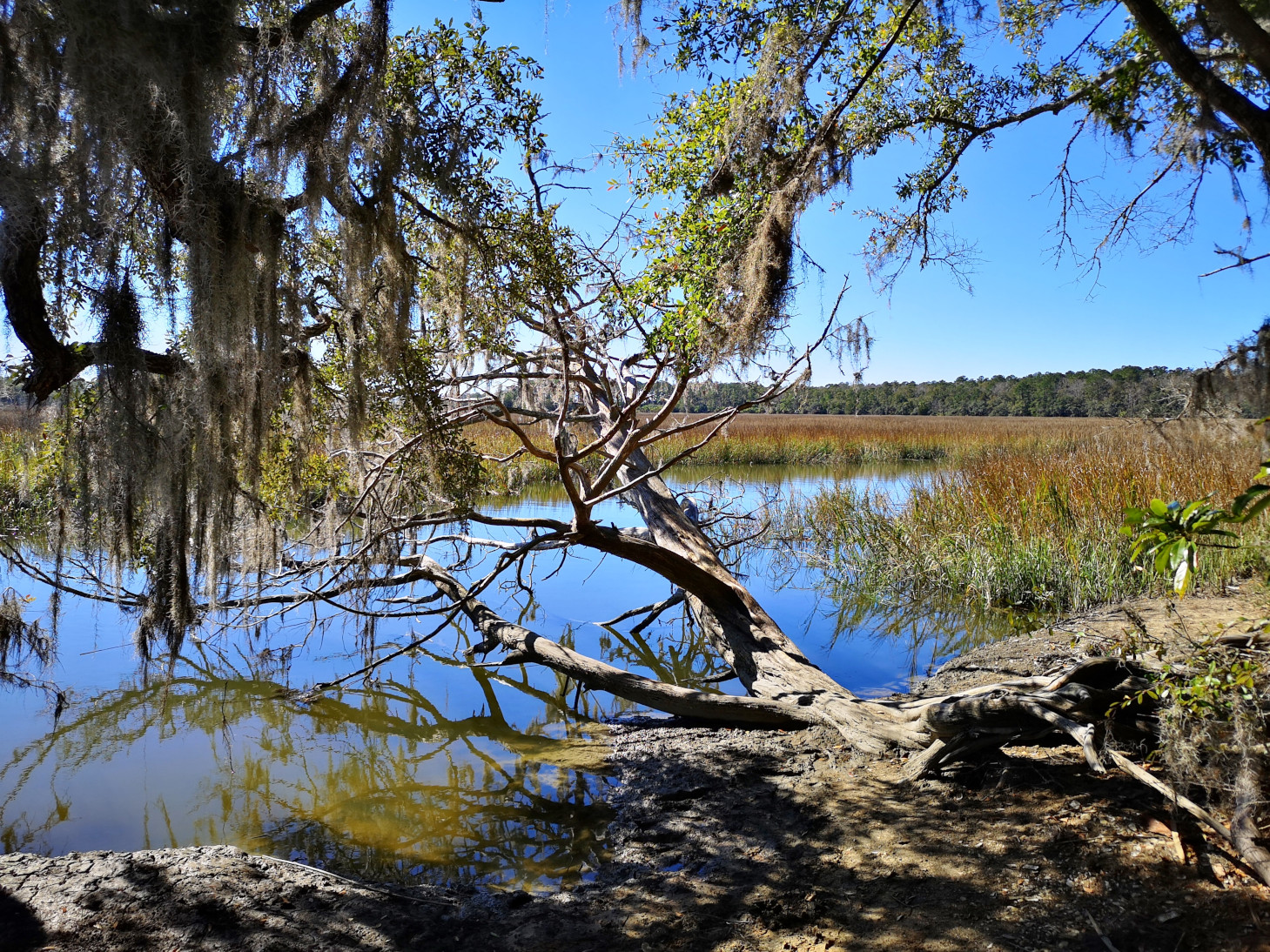
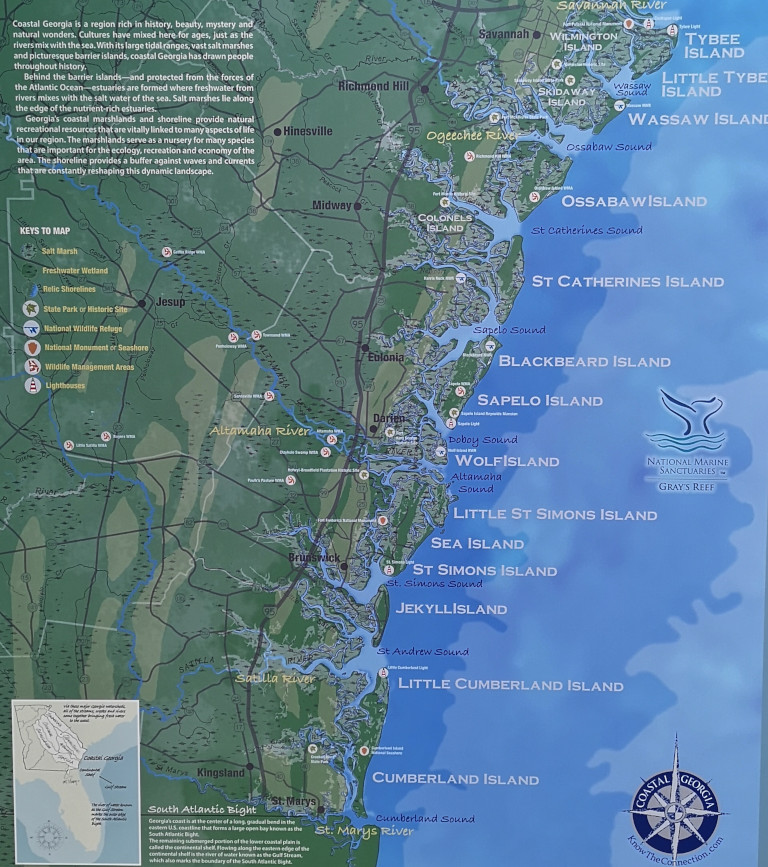
Our next stop was Skidaway Island SP (for 3 nights), which we had been at 4 years ago, however the prior time it rained almost the whole time, so we had a much better visit this time. We joined the Friends of Georgia State Park which got us 3 free nights of camping. Since this was an expensive park to stay in, we got a refund of the difference between the Friends pass and the camping charge for 3 nights. The Ranger joked they were paying us to camp 😊 On the first full day we did the Sandpiper Trail and the Avian Loop and then went through the exhibits in the visitor centre. On the Sandpiper trail we saw lots of Mud Fiddler Crabs in the salt marsh. There were also the earthwork areas that had been used by the Confederate forces to protect Savannah from the Union forces. The coolest thing in the visitor centre was the model of the Giant Ground Sloth of Skidaway that lived over 10,000 years ago and would have been 20’ tall!
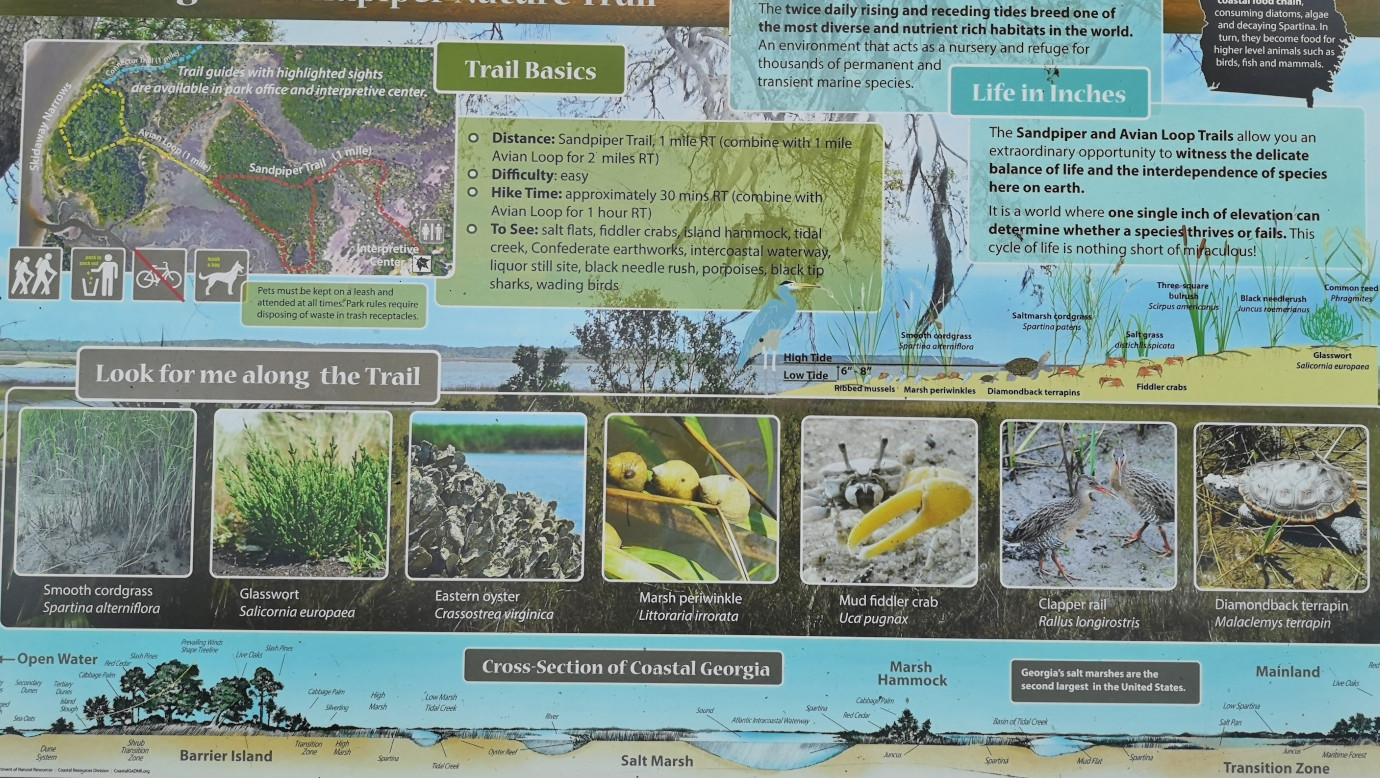
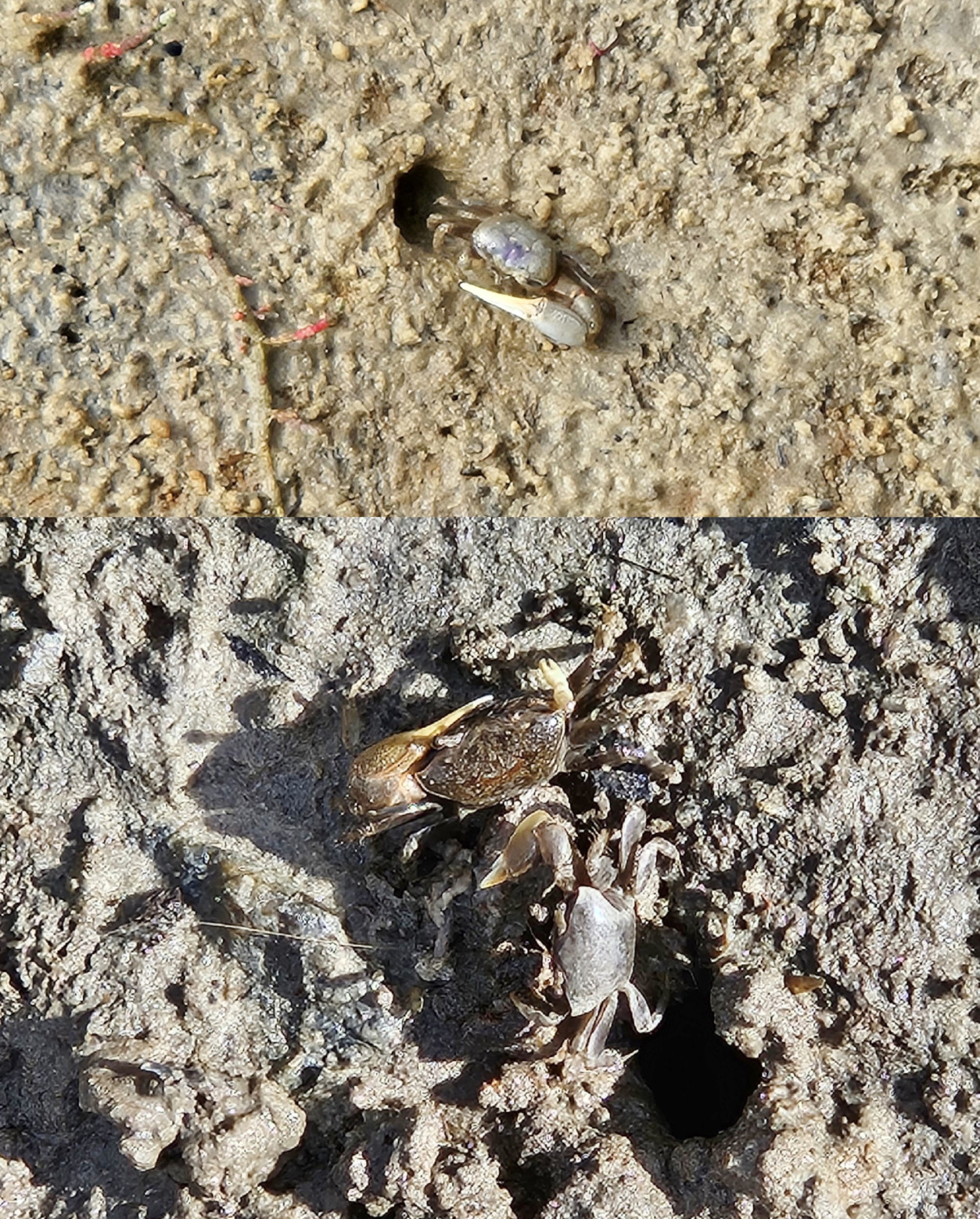
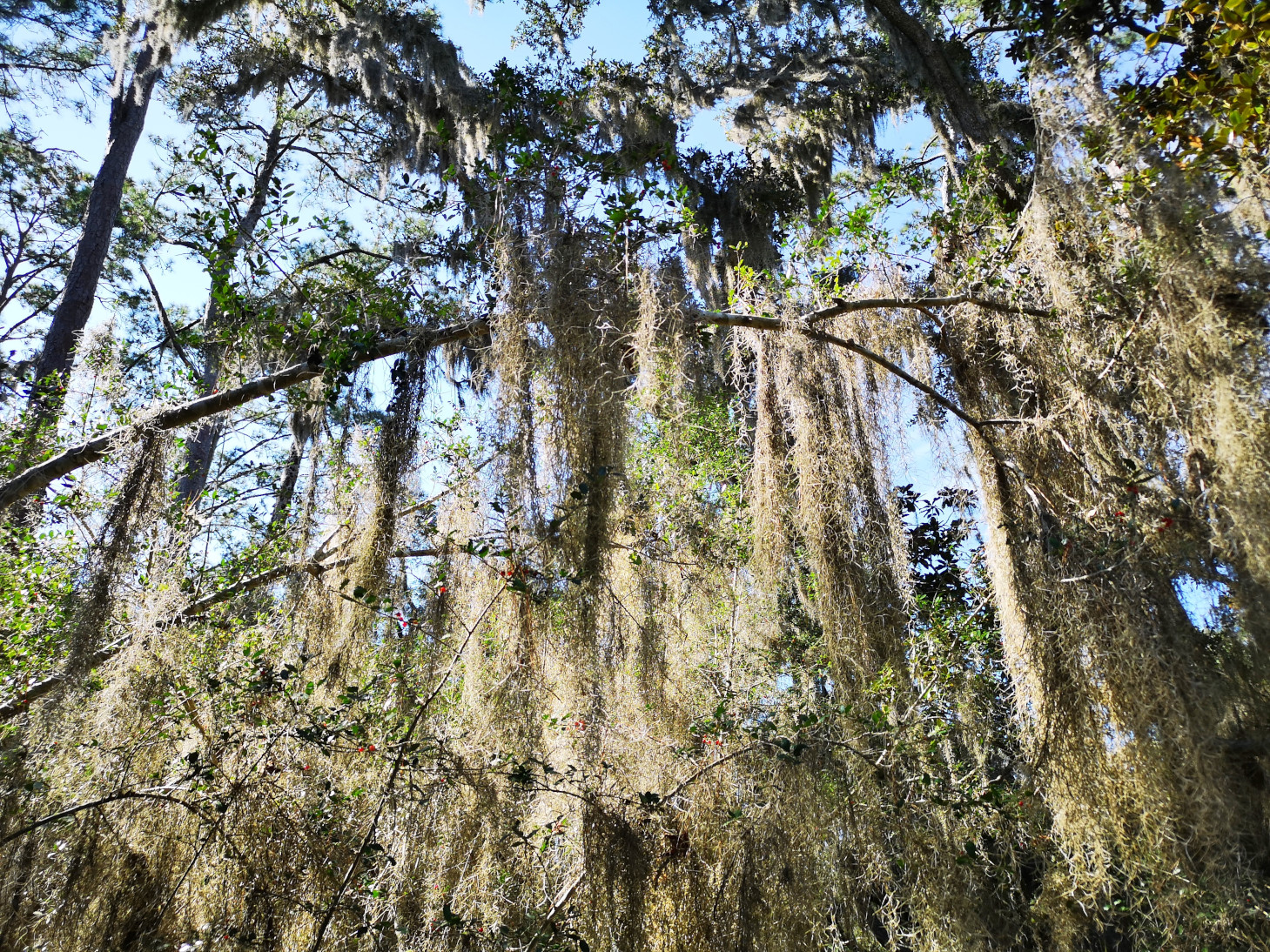


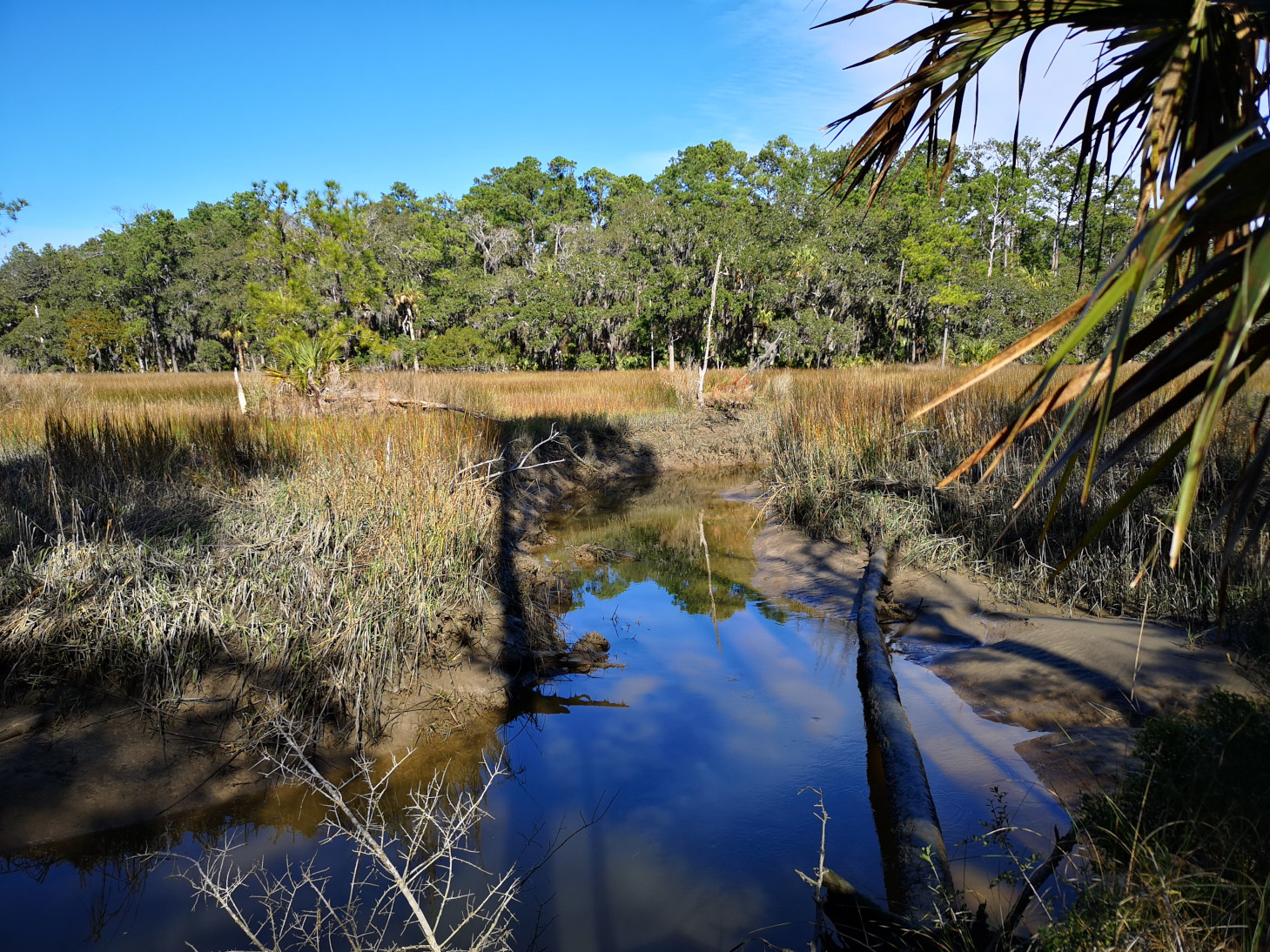
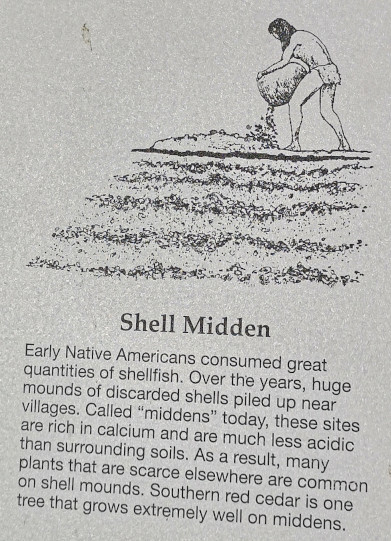
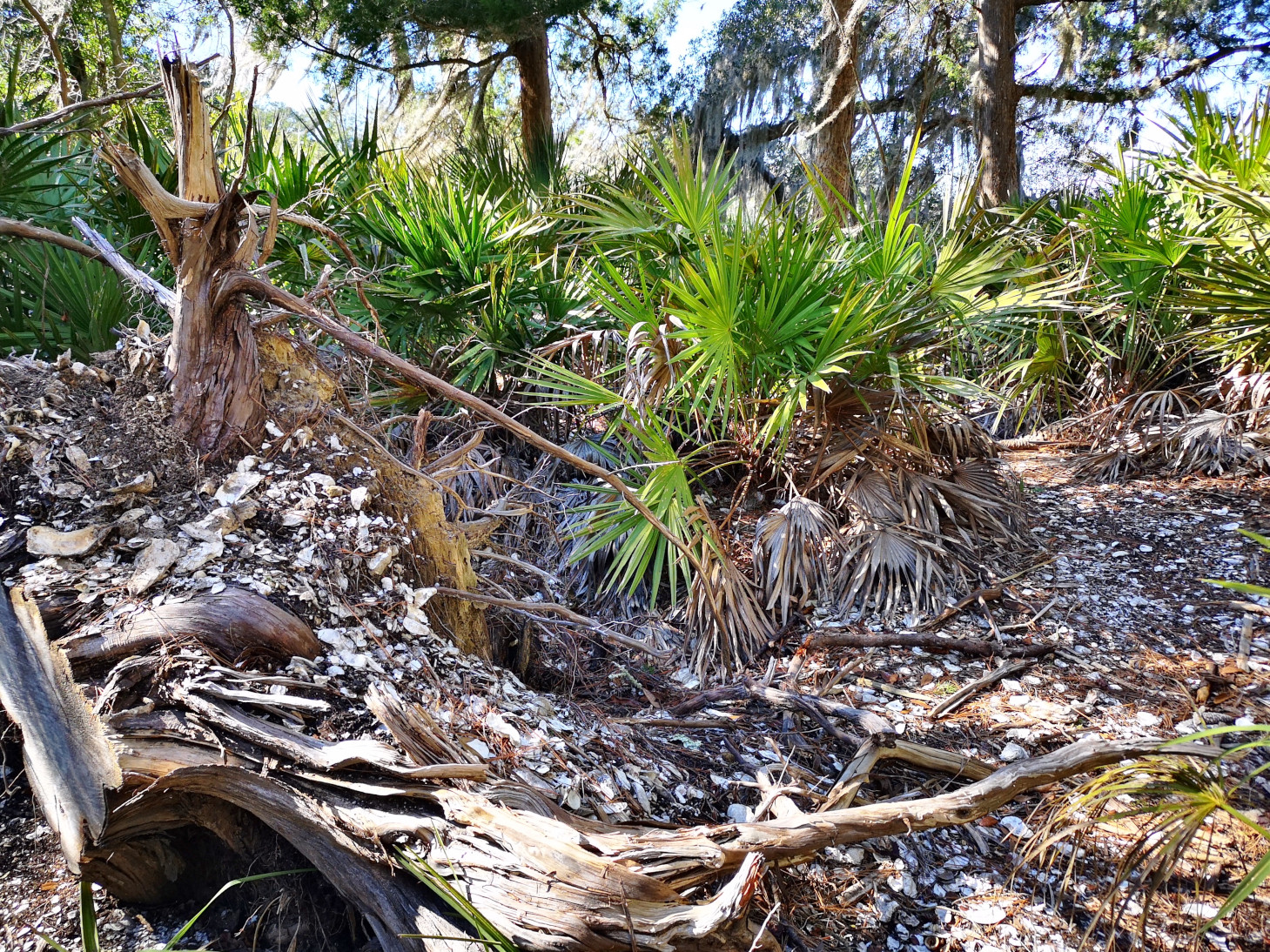
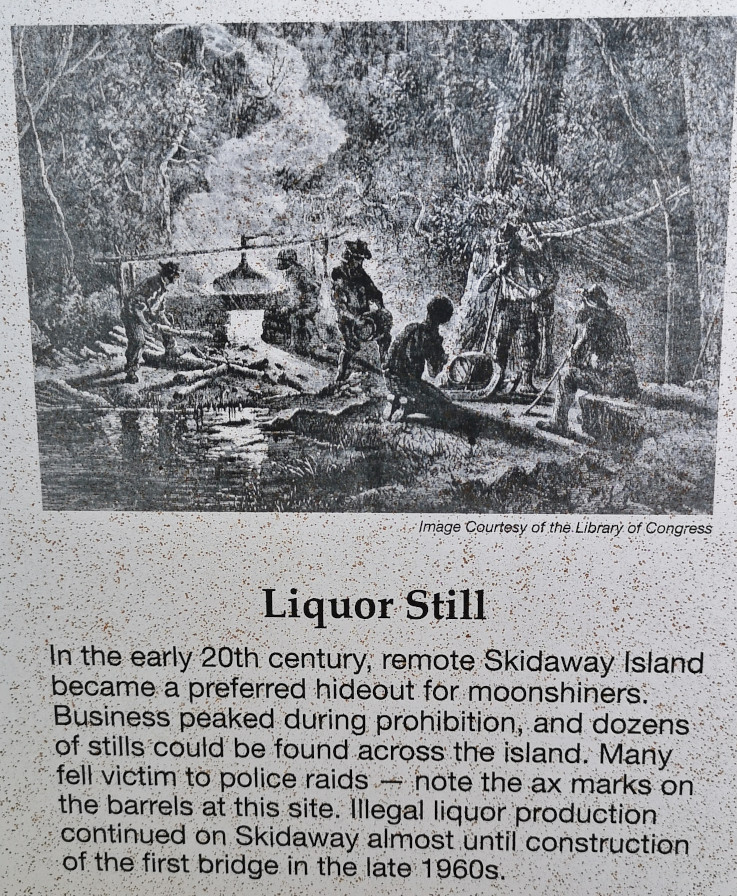
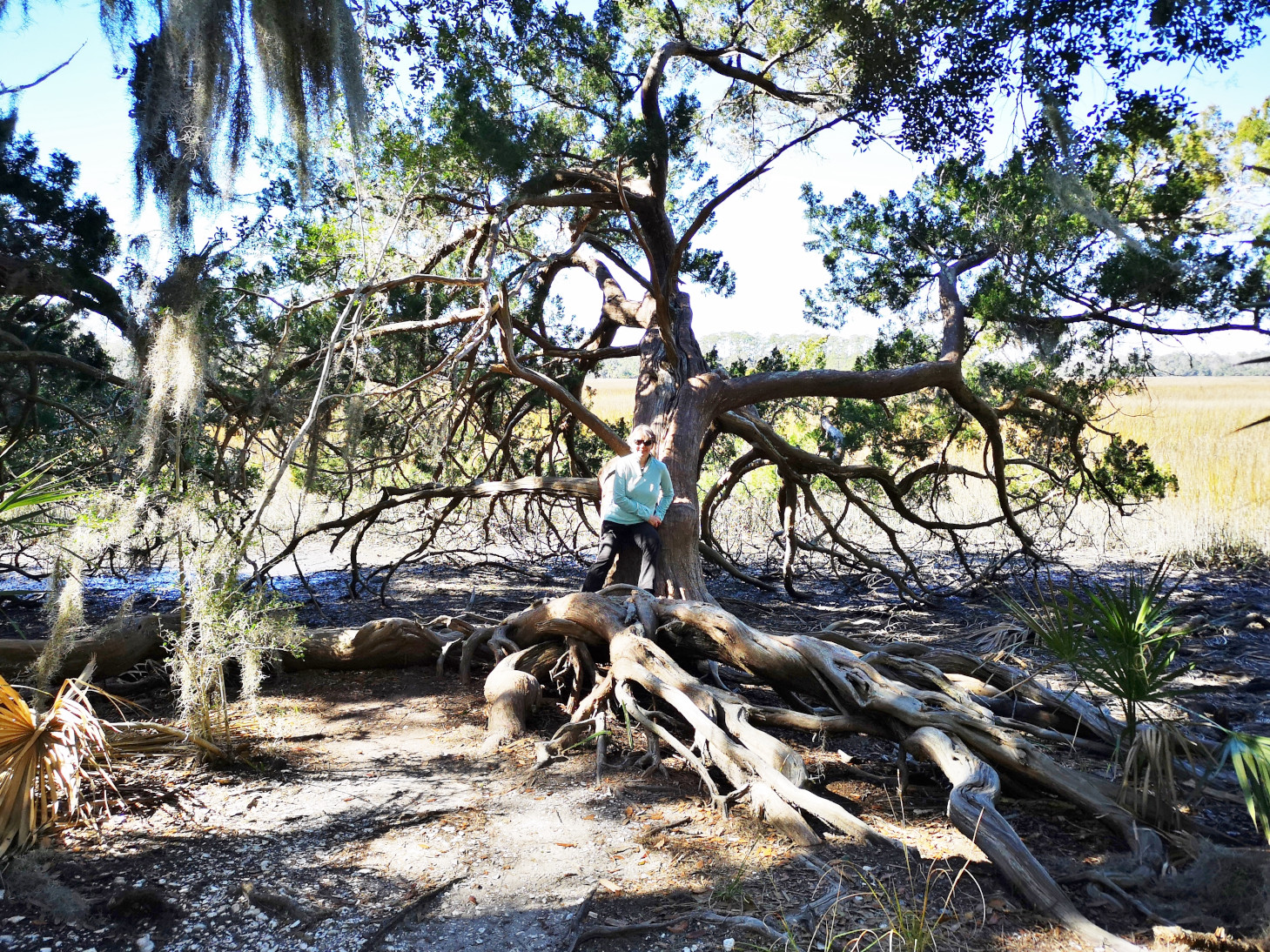
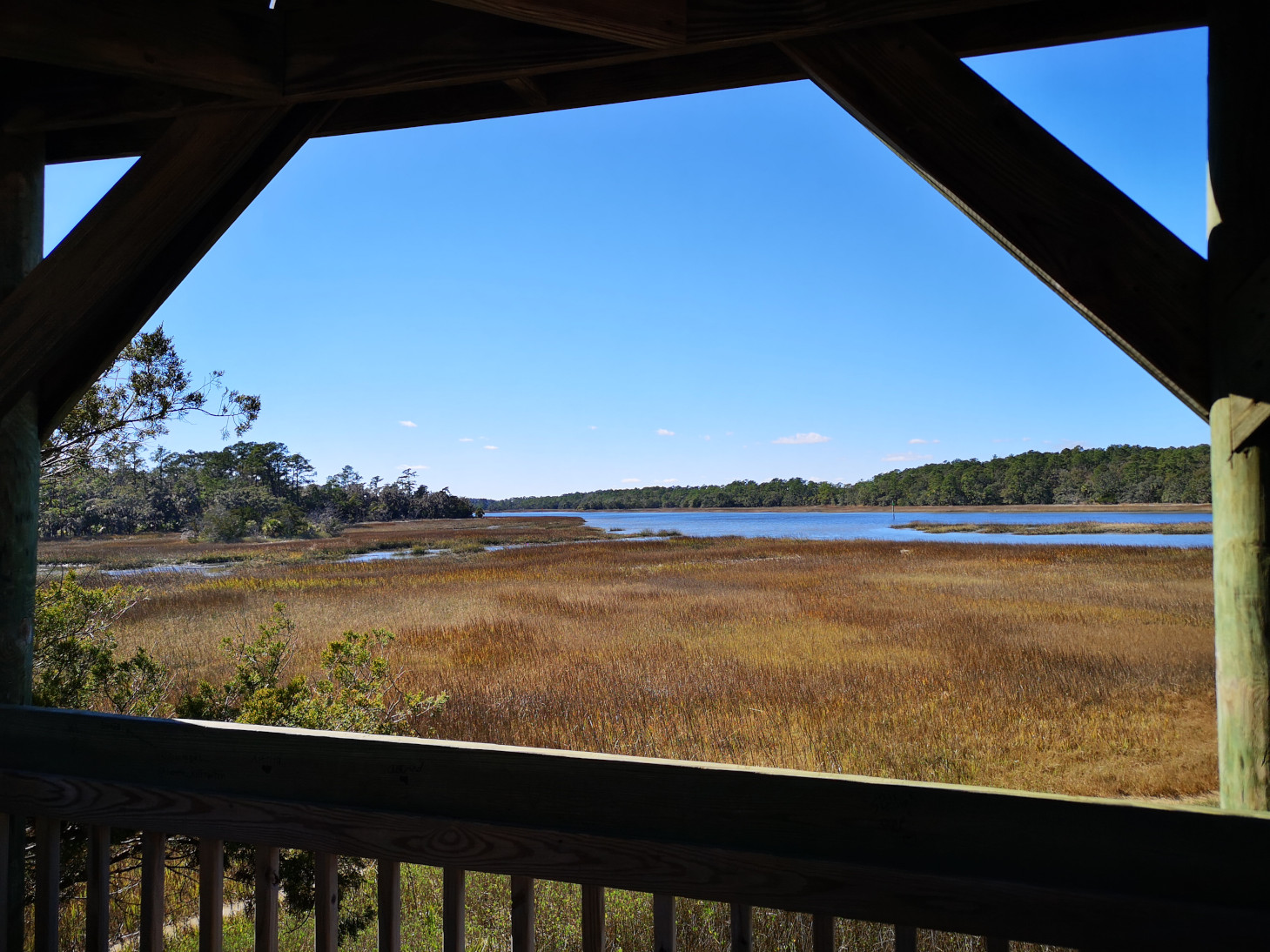
The following day we did a 6 km hike on the Big Ferry trail where we saw an ancient shell midden, the remains of a moonshining still which had the axe marks in it from the prohibition days, and some more Confederate earthwork defences. It was called the Big Ferry trail because the route to the observation tower was originally the road that the Skidaway Island residents would take to get to the dock to take the ferry to Savannah. The weather was nice, and it was the weekend, so we saw lots of young couples hiking so we said they were doing speed dating hikes😉


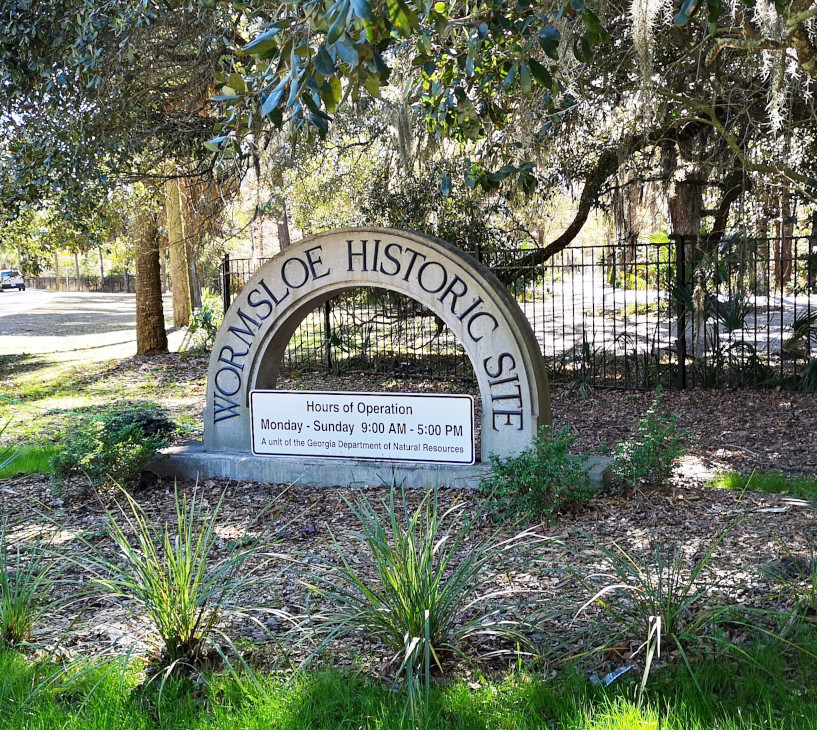
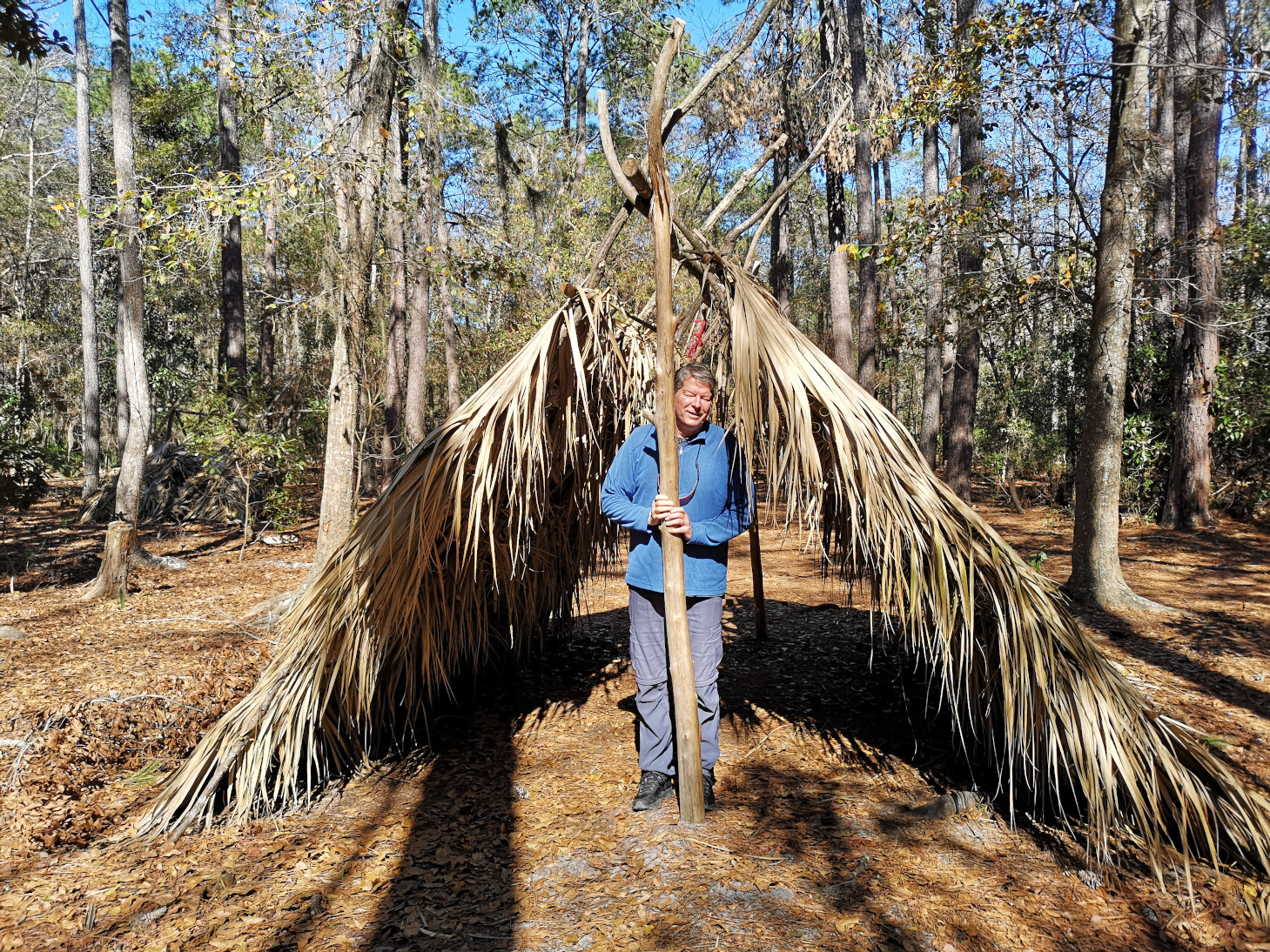
On the day we left Skidaway Island SP heading for Tybee Island we decided to make a couple of historic location stops, the first being Wormsloe State Historic Site. Here are the fun facts about this site:
- The grand masonry entrance gate was erected by Wymberley Jones DeRenne to celebrate his son’s coming of age and it has 2 dates on it, 1773 which was the year Noble Jones first arrived in Savannah and 1913 which is when the arch was erected.
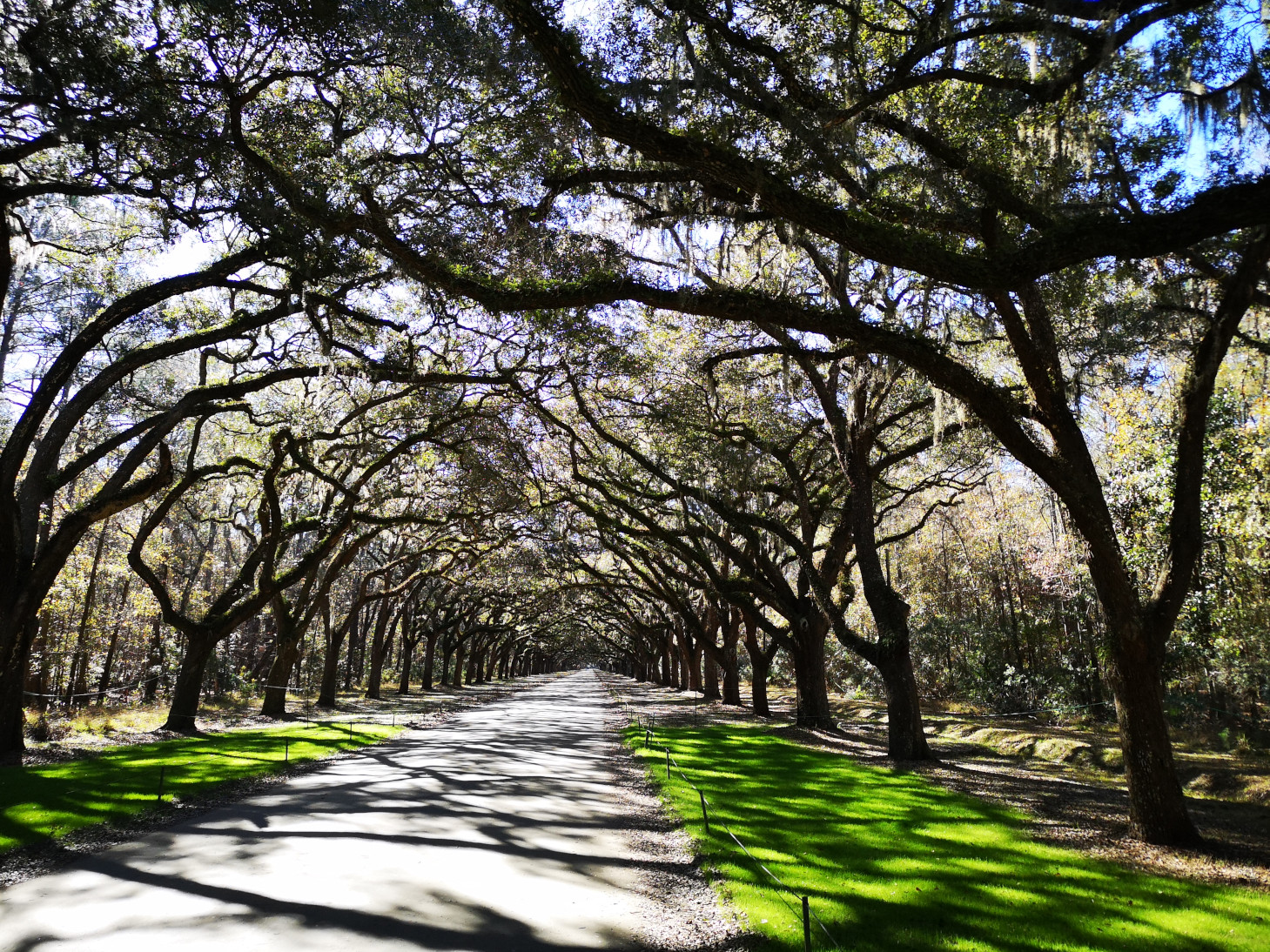
- The Avenue leading from the gate is lined with 400 Live Oak trees (200 on each side) and is spectacular to see and drive down. Live Oaks can grow to 50’ tall and their branches can spread out up to 100’ away. They are called Live Oaks because they keep their green leaves through the winter period. We were lucky to still be able to drive under the live oaks because 1 week later they were closing that section of the grounds, and you would have to take a shuttle to go into the grounds. Live Oaks are a very strong tree due to their massive root system so they can withstand anything mother nature can throw at them.
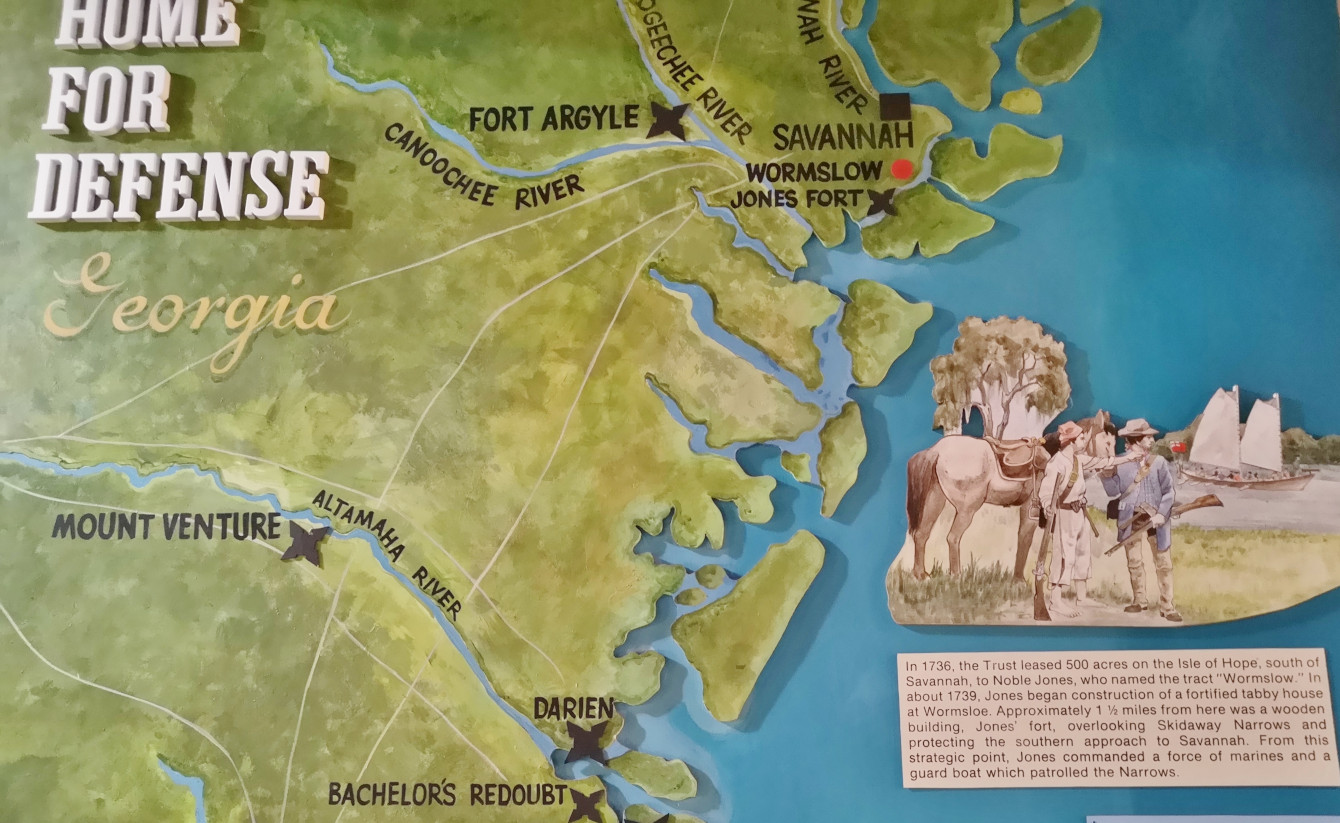
- The English created what they called a Trust in Georgia and sent 114 colonists on the ship called Anne to start communities and coastal defences. Noble Jones was in this first group. He was a middle-classed Englishman who came to Georgia with his wife Sarah, their 2 children, and 2 servants. He was a jack of all trades and built some of the first houses in Savannah. He was one of a handful to survive in this hostile environment.
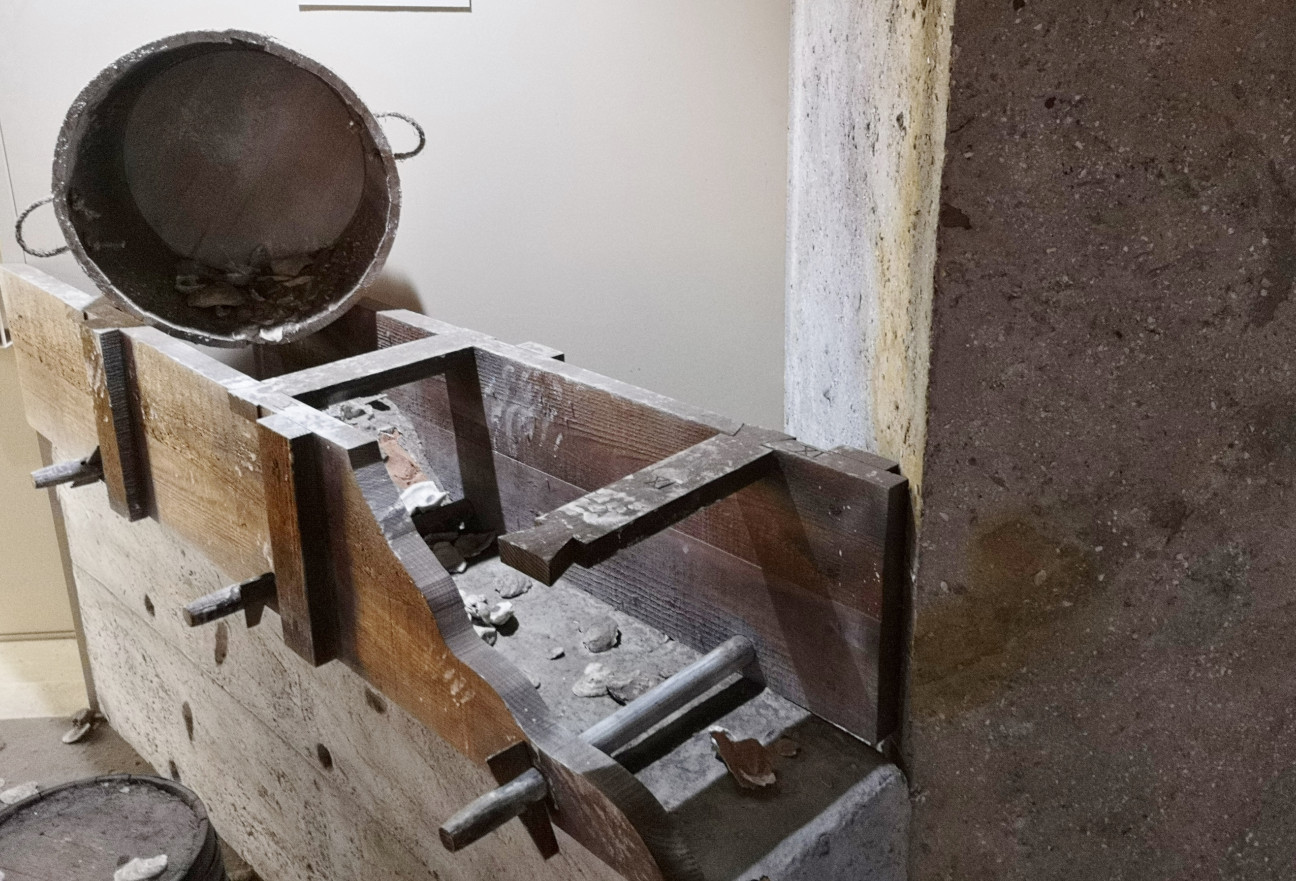
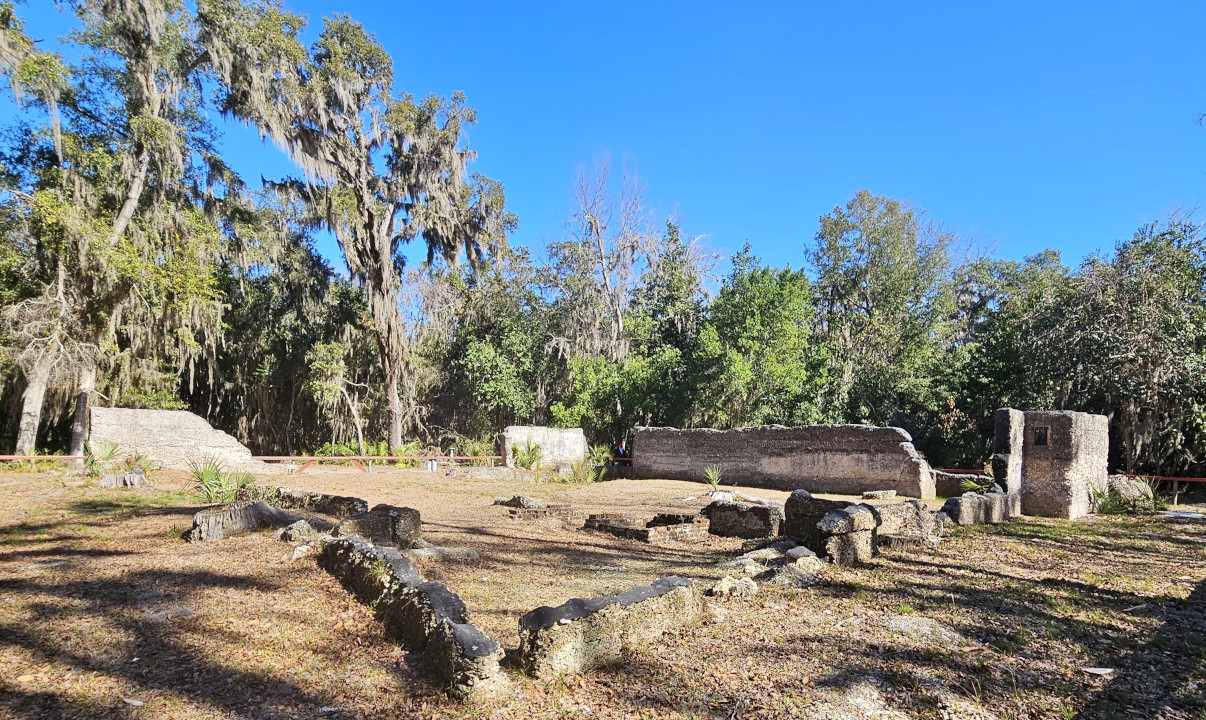
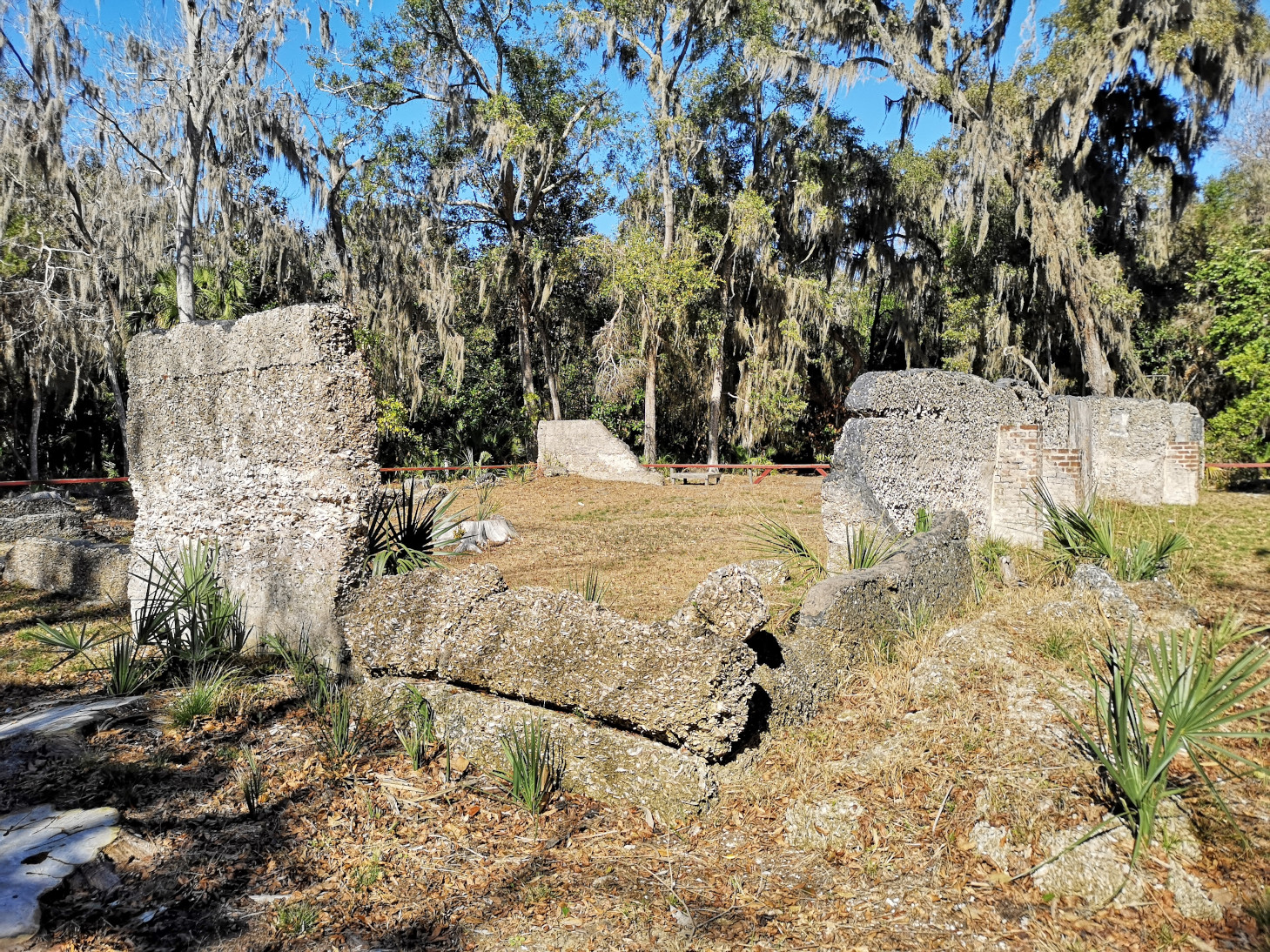
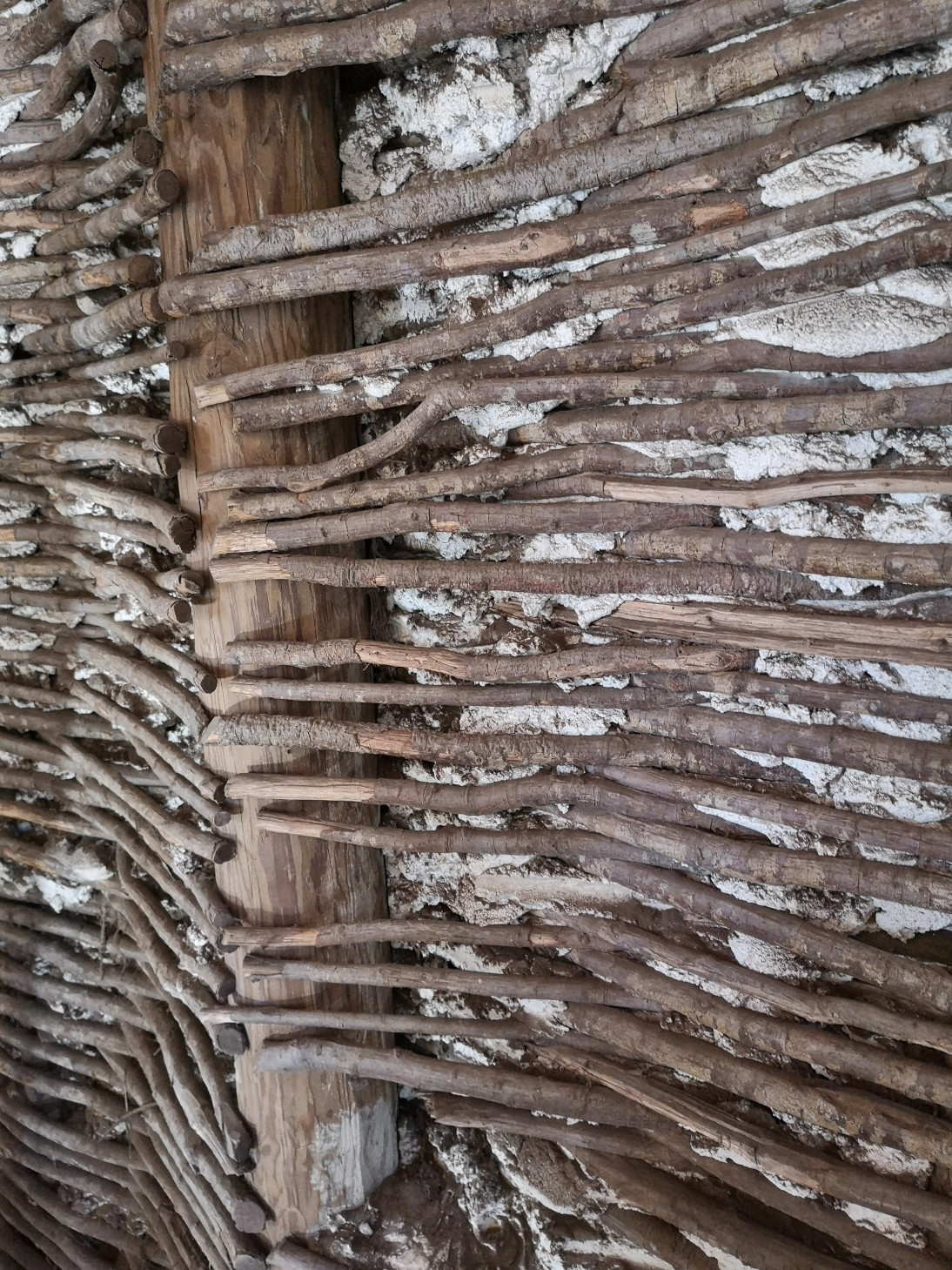
- He leased 500 acres on the Isle of Hope and named the tract Wormslow, later respelled to Wormsloe. In 1739 he began construction of a fortified tabby house. Tabby is a building material composed of oyster shells, lime and sand mixed with water. They used tabby construction since the ingredients were readily available on the coast, it was easy to make, and it was much more durable than wood. The testament to this is that the ruins are still partially around 300 years later!
- Georgia colony grew from 2,300 in 1751 to 33,000 by 1773. Rice, timber, and naval stores were the chief exports from the colony.
- Noble Jones instructed his heirs to keep Wormsloe in the family “for ever” and to maintain it in “good and sufficient repair”. Currently Craig Barrow III and Diana Deas Barrow manage the Wormsloe Foundation and continue to enhance the public access to visit and learn the history of the property.
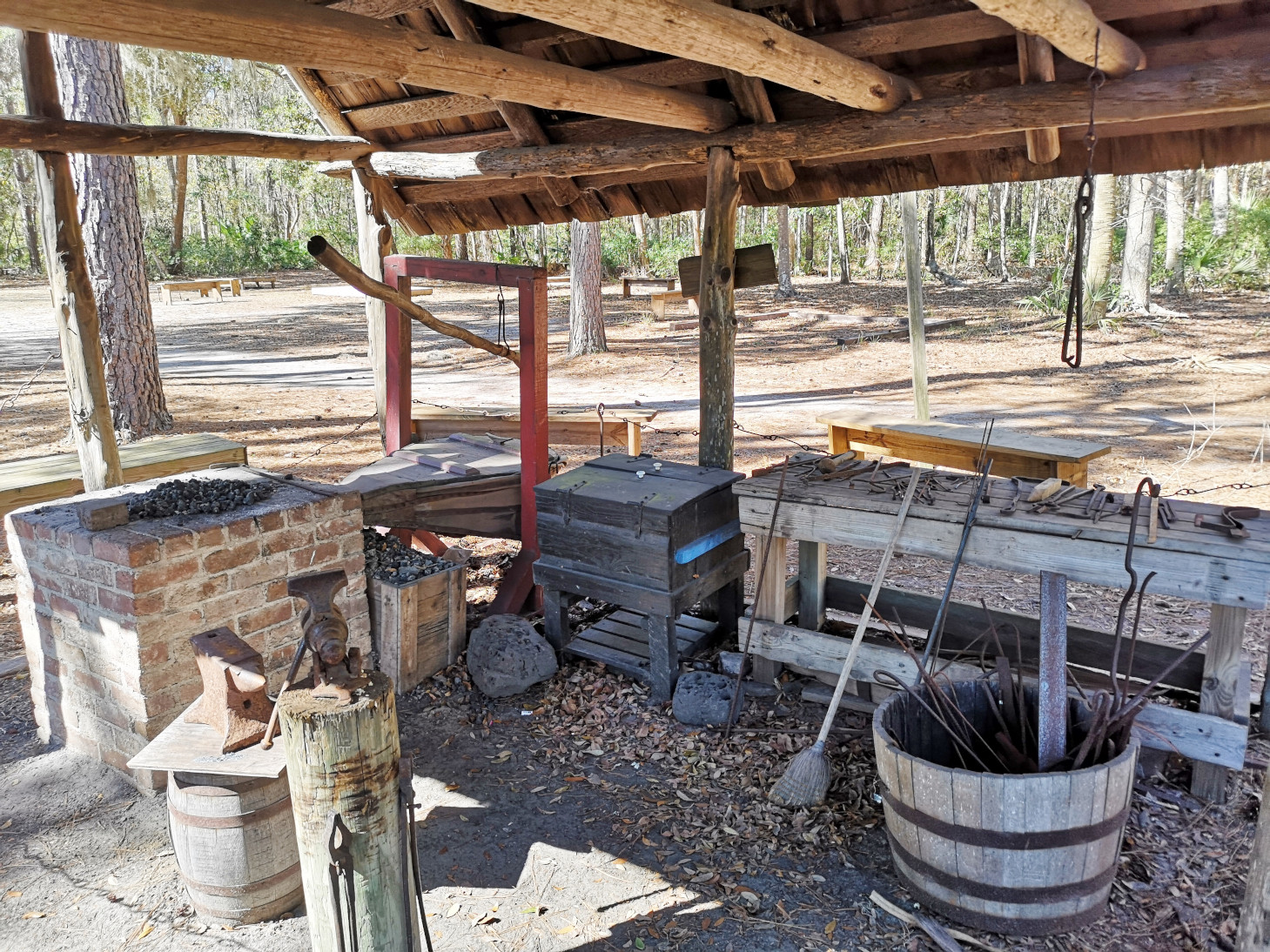
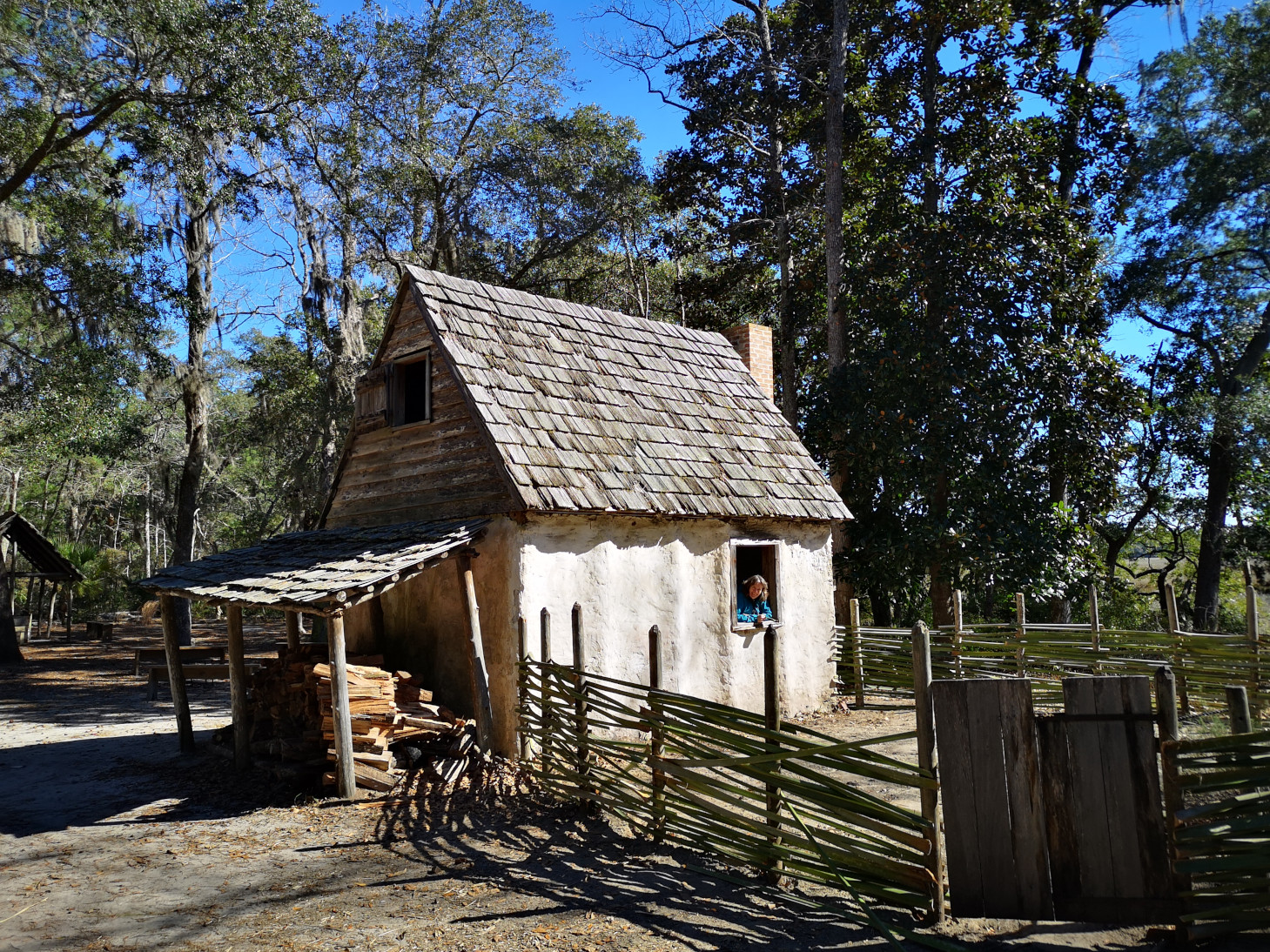
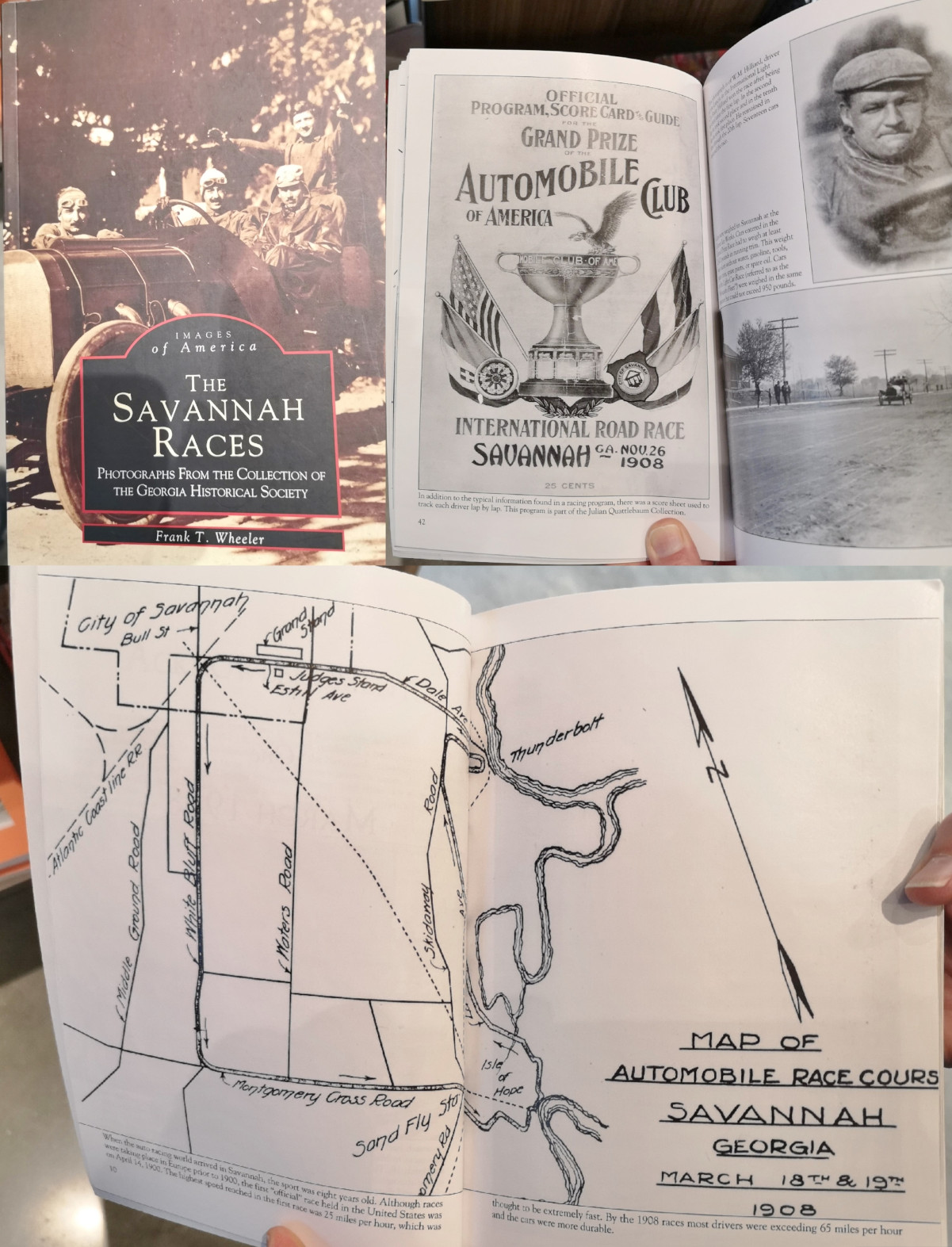
After driving down the live oak avenue we visited the museum and then walked around the Wormsloe tabby ruins. They also have a life in colonial Savannah area and a garden that you can visit. When we left, we drove down a block and that is where the new visitor centre was getting ready to open (once the shuttles had arrived). They had a nice gift shop and we learned that one of the original banked turns in the 1908 Savannah car race was beside the visitor centre. This race was designed to outdo the Vanderbilt Cup race and was called the International Race for the Grand Prize.





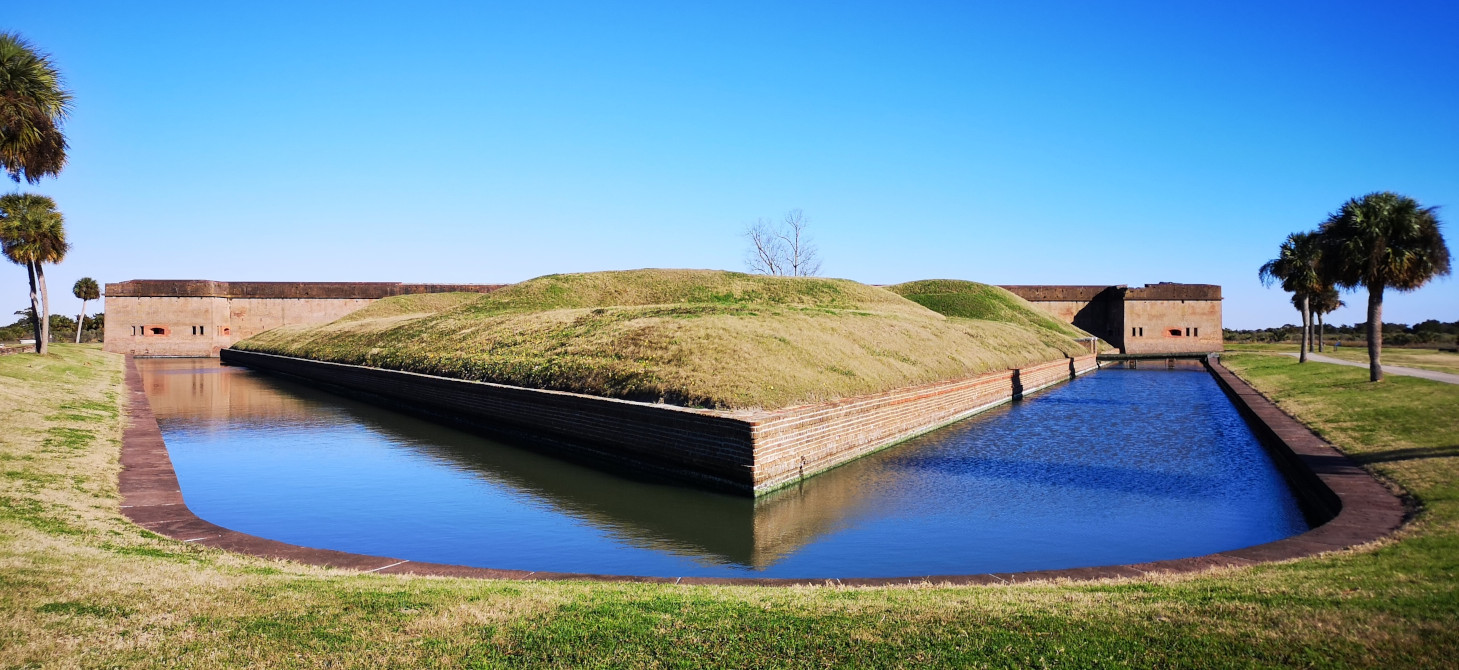
Our next stop was Fort Pulaski National Monument which was on Cockspur Island in the middle of the channel that leads to Savannah. Here are some fun facts about this fort:
- It was named after Casimir Pulaski who was a national hero in Poland when he fought for Polish freedom against Russian and Prussian forces in 1771. A year later Poland lost the fight, and he was forced to flee his homeland. He decided to join the fight for freedom in America and Congress selected him to command the newly formed cavalry unit in 1778. He became known as the “Father of the American Cavalry”. He was mortally wounded in the Battle of Savannah in 1779.
- The first fort on Cockspur was built in 1761 of earth and logs and called Fort George. It was dismantled by the colonists during the Revolutionary War because it could not withstand the British Navy.
- The second fort was called Fort Greene and built in 1794 of earth and timber as part of President George Washington’s national defense program. It was destroyed by hurricane in 1804.
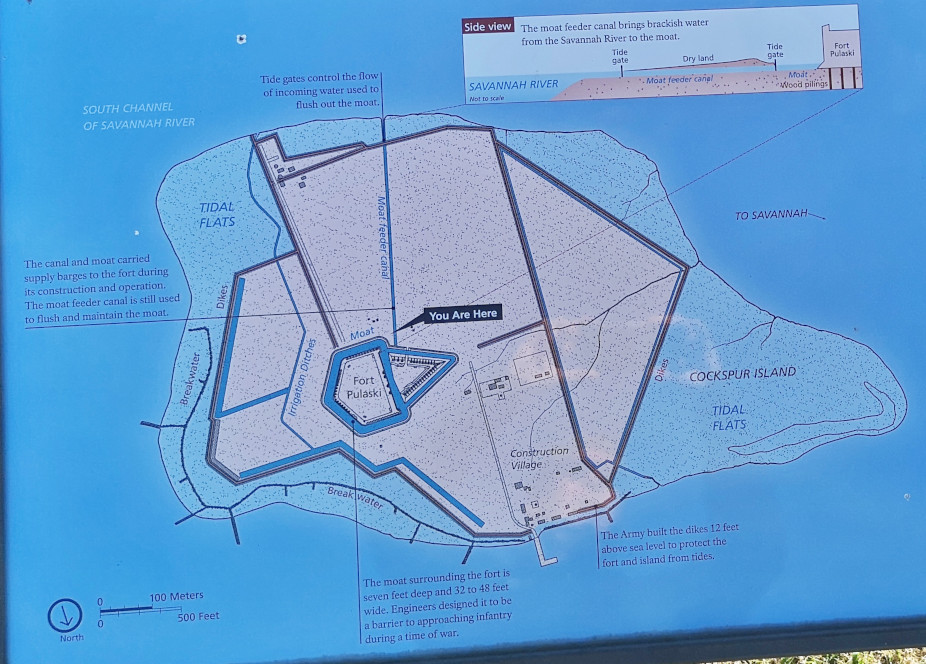
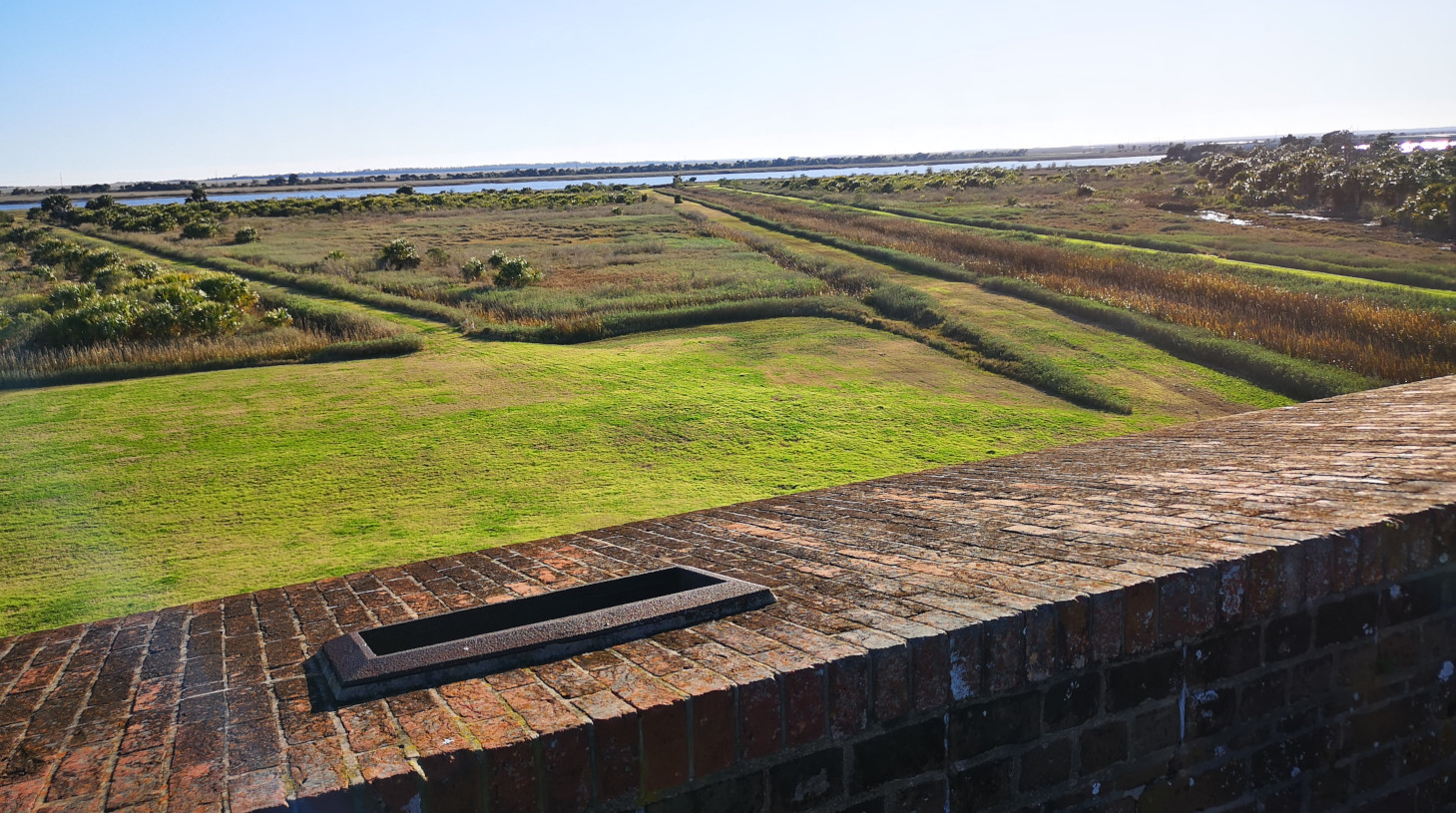
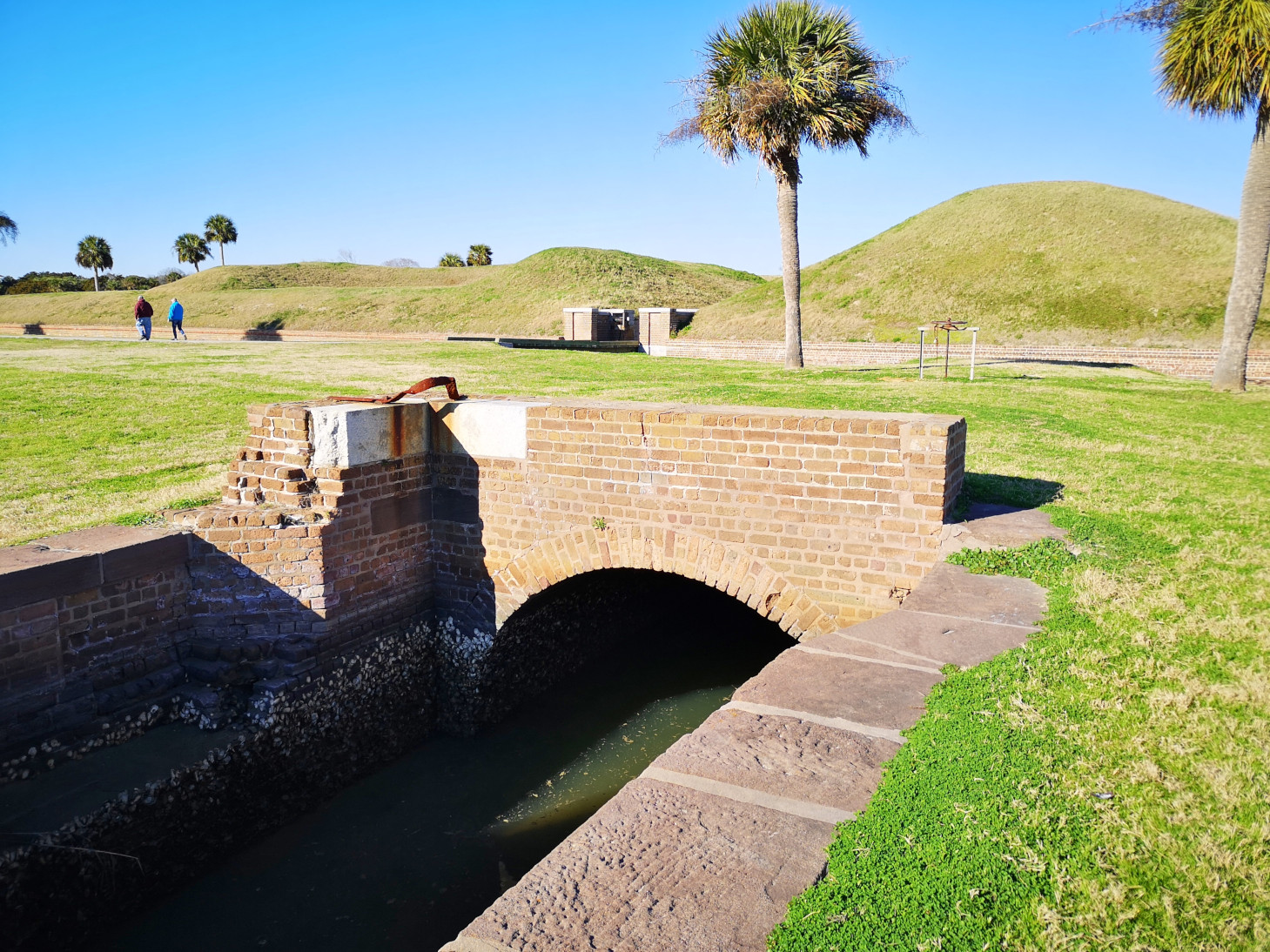
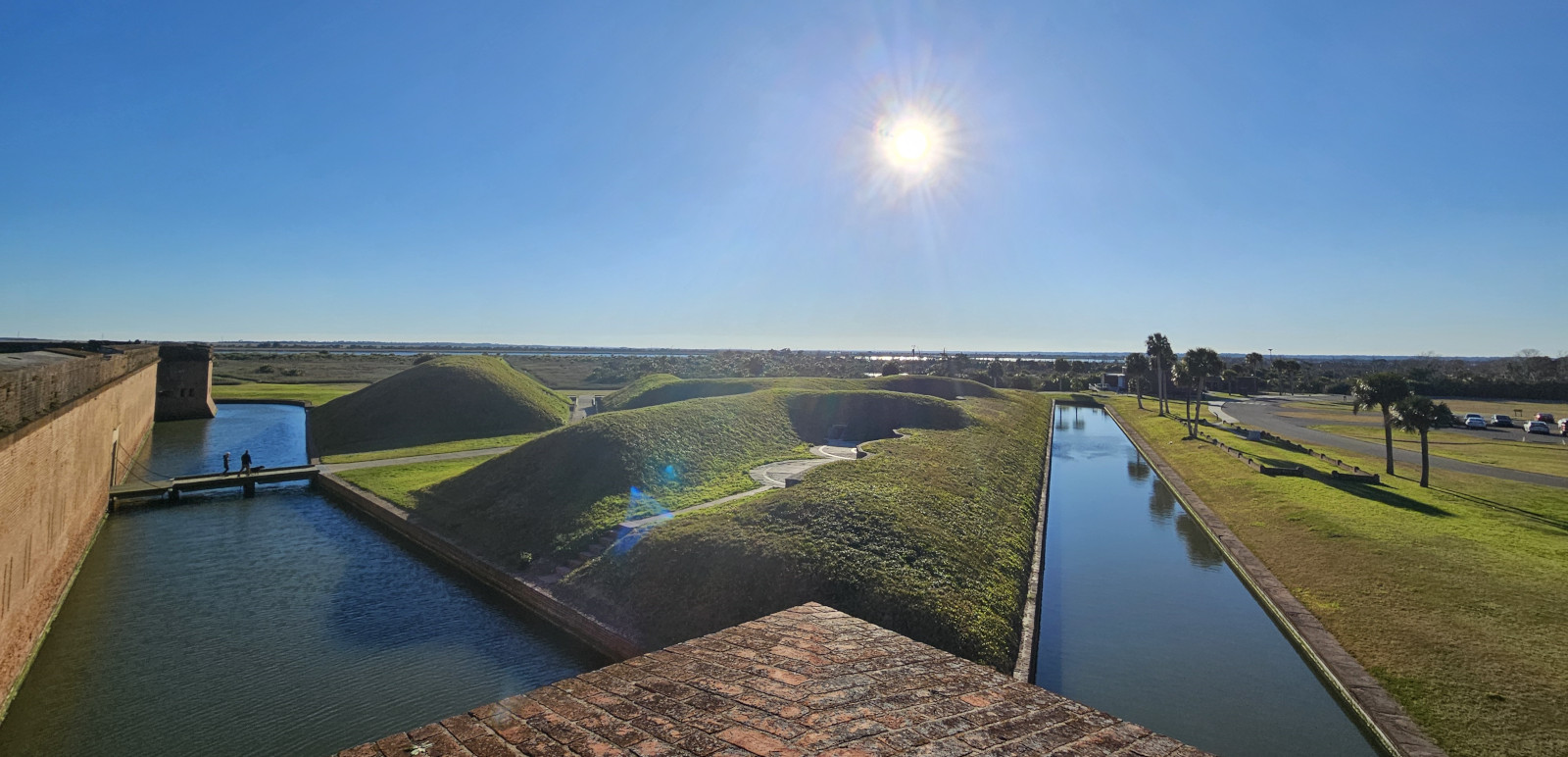
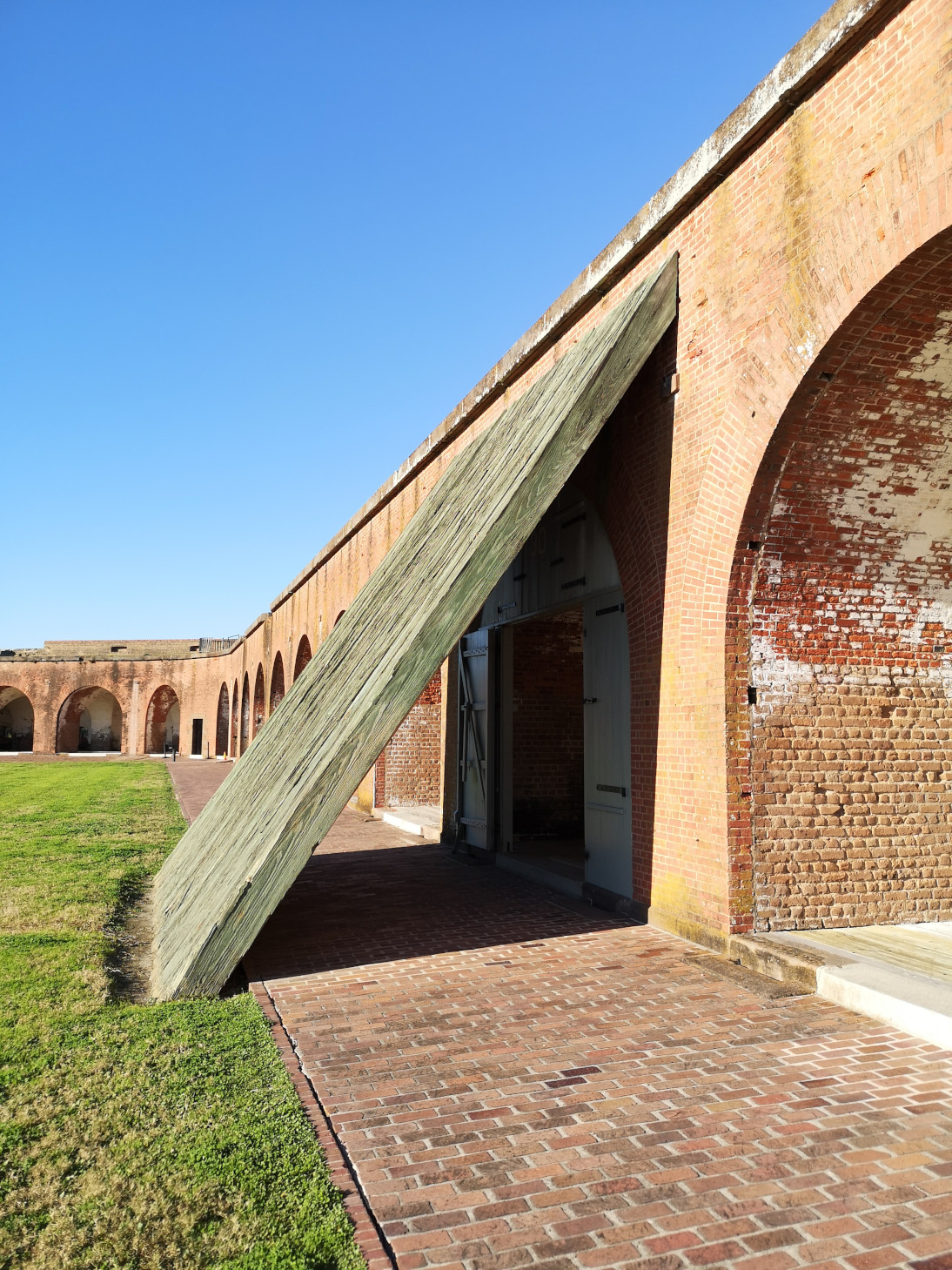
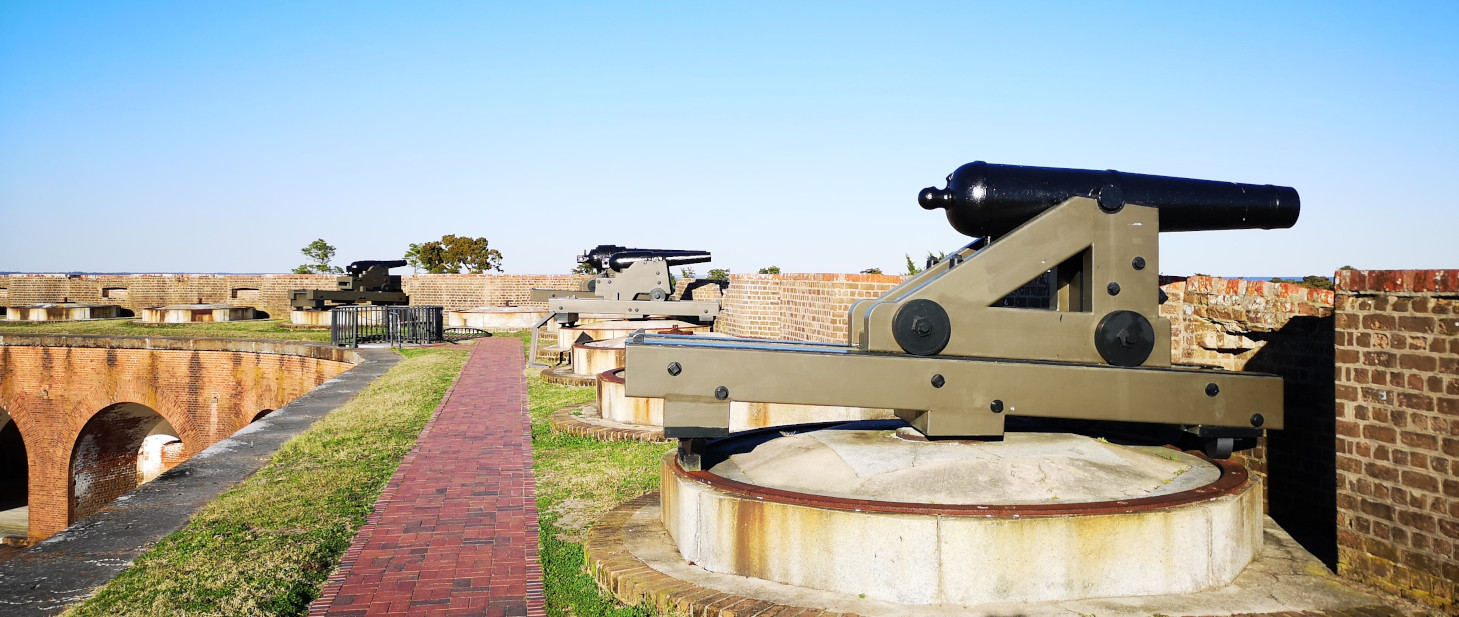
- The third fort was Fort Pulaski. It began in 1829 with the clearing of the marsh land on Cockspur Island and the building of drainage and dike systems. The fort itself was constructed by the Army Corps who contracted with local slave owners for the workforce from 1831-1847. It was considered invincible as it was made from 25 million bricks! The dike system and flood gates could control the flow of water for the moat and were like those used to flood the rice plantations.
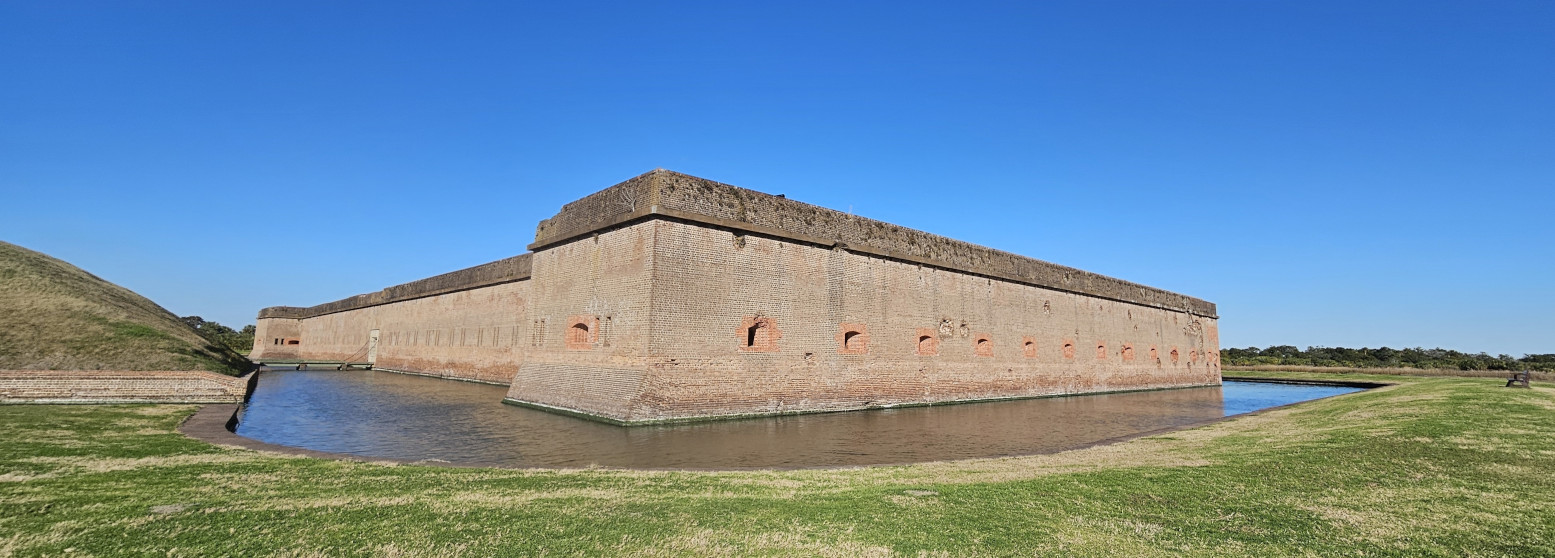
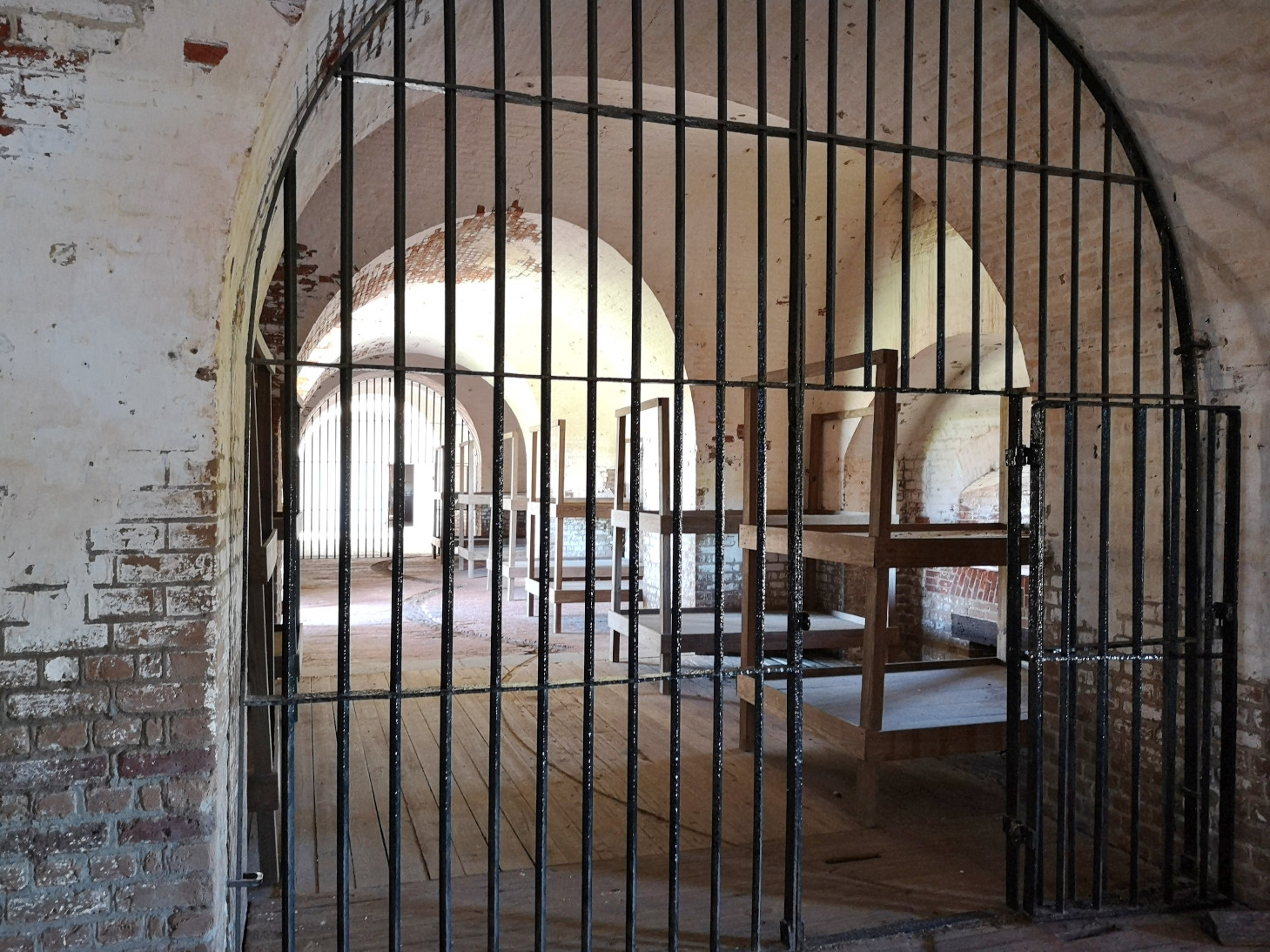
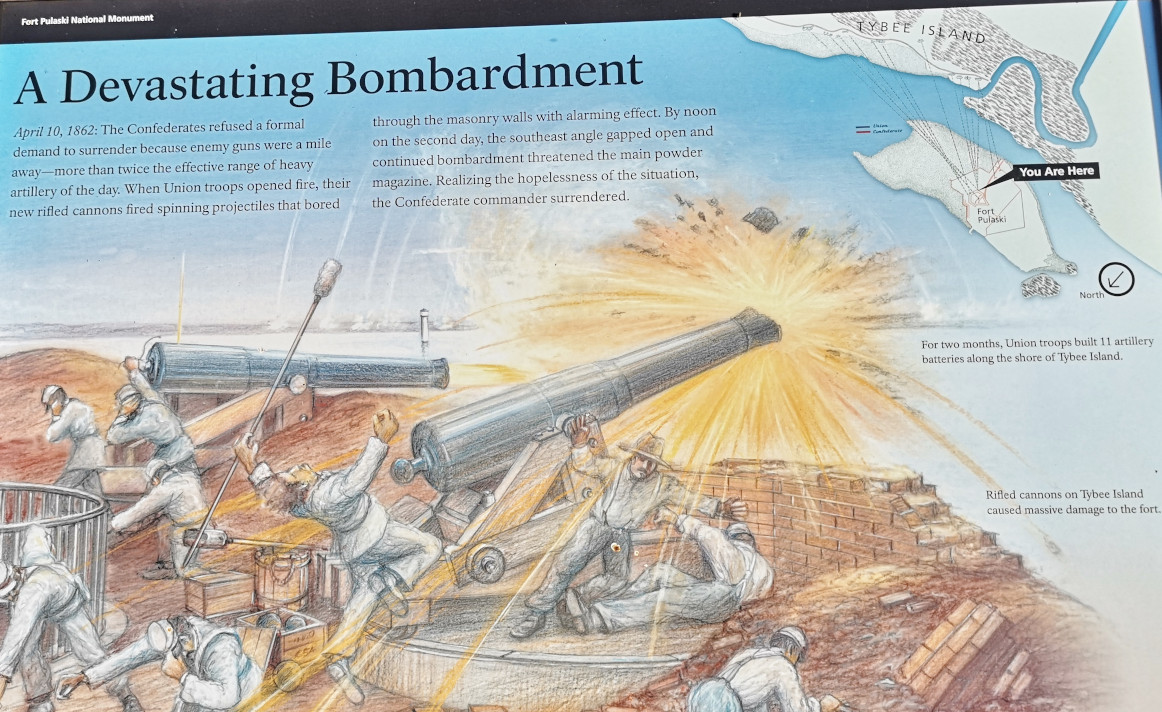
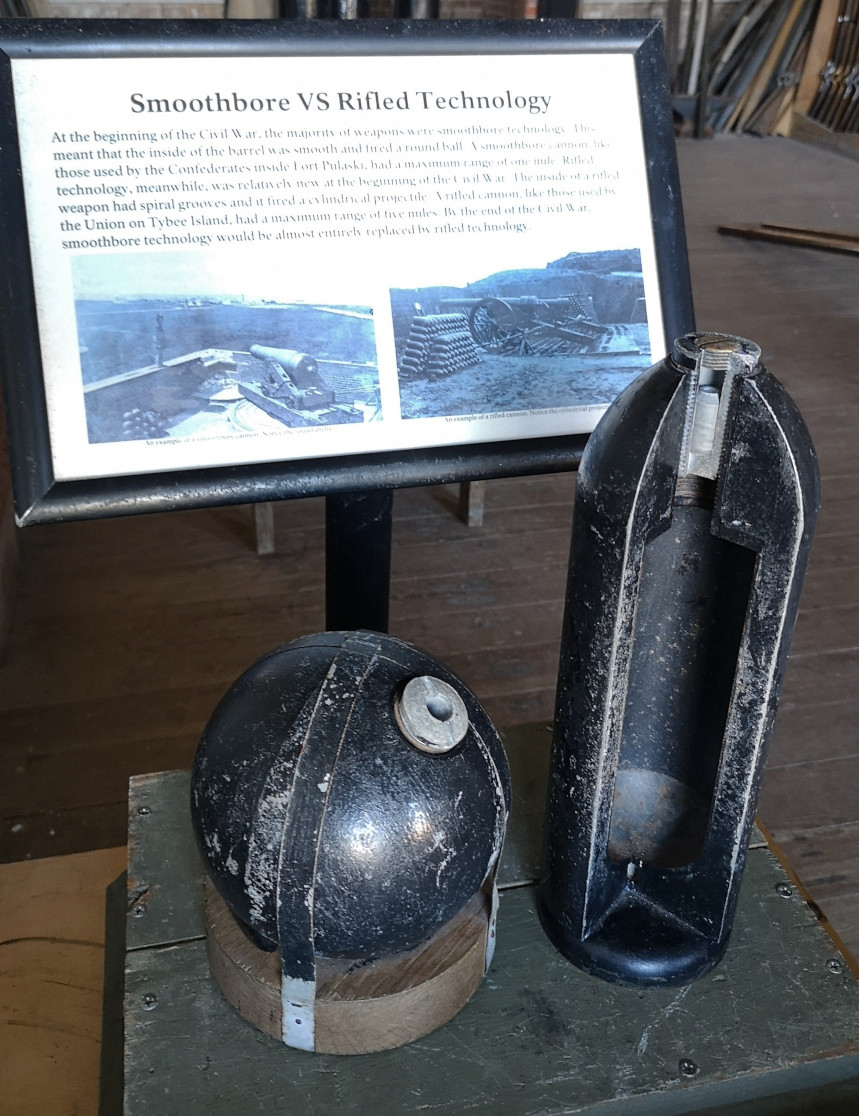
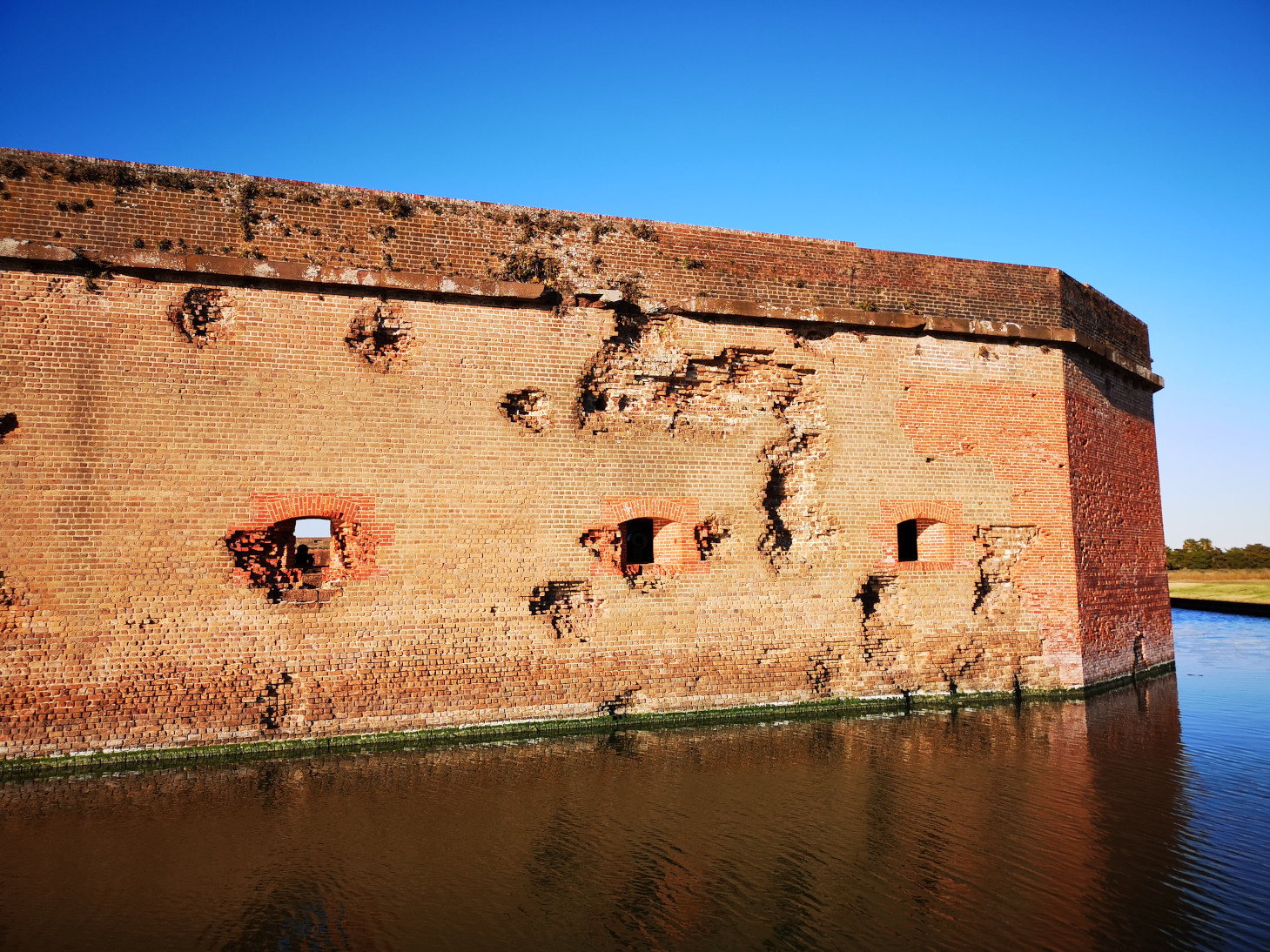
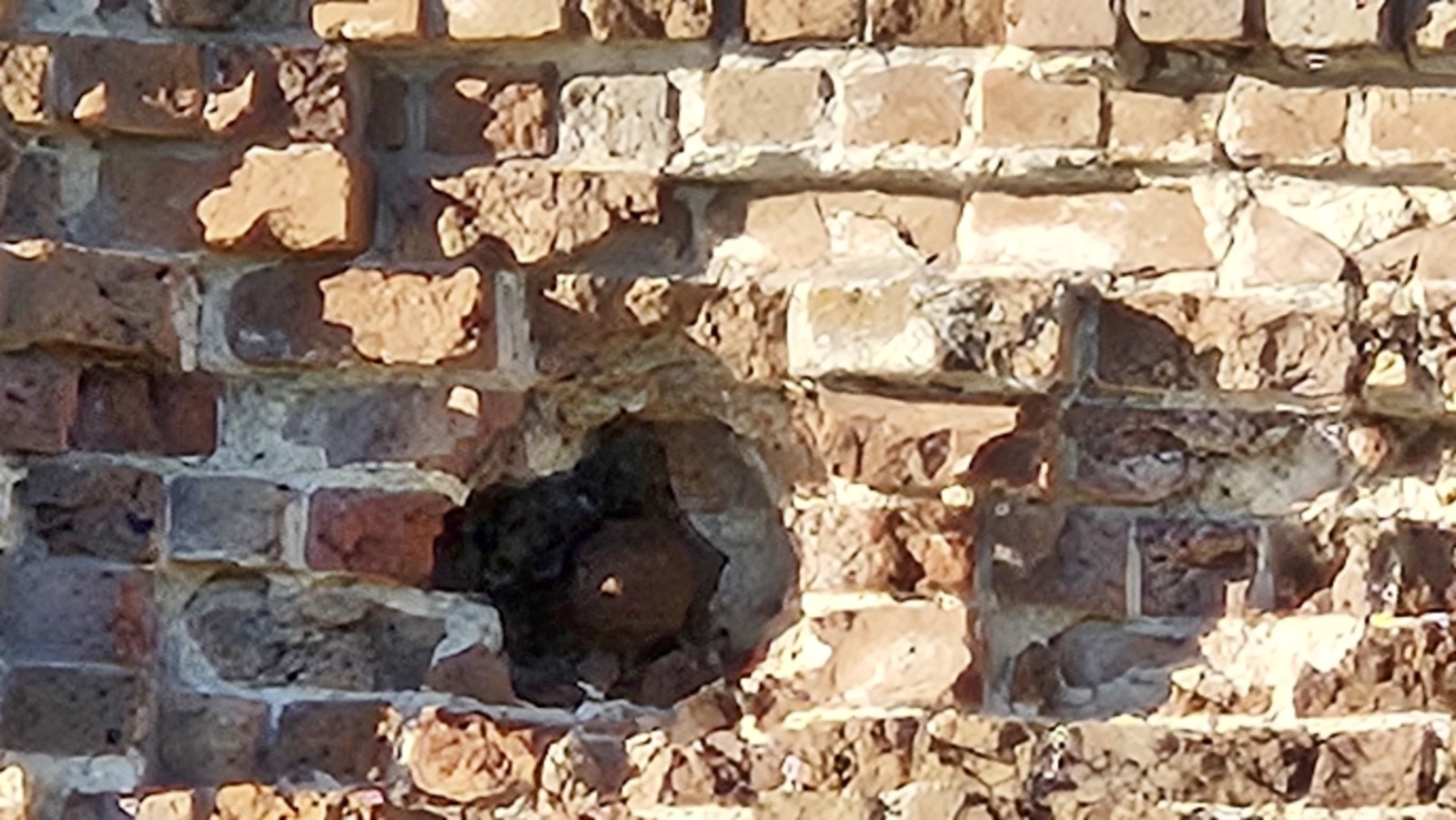
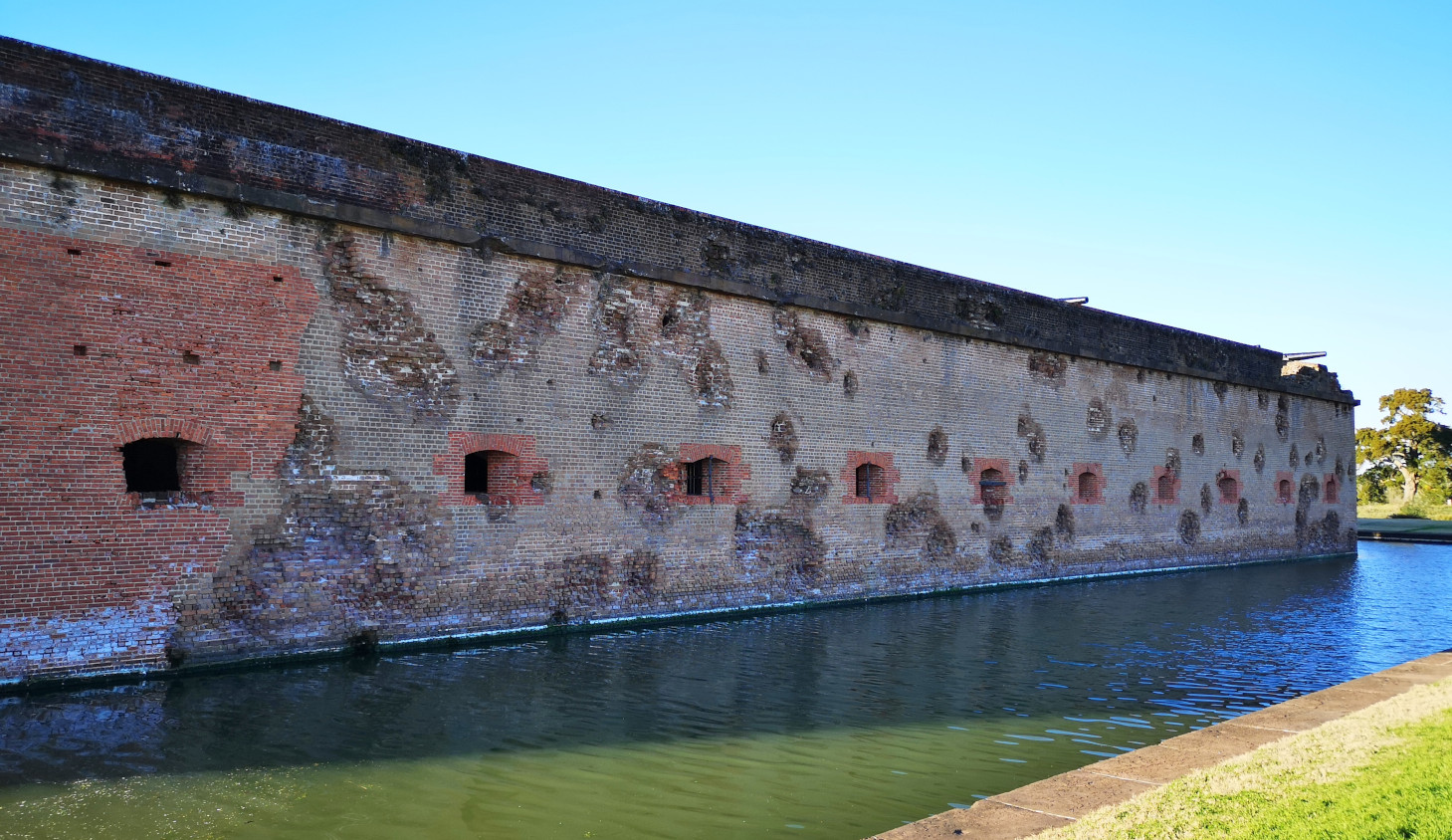
- The state of Georgia seized the Fort before the outbreak of the Civil War but the Union forces regained control in April of 1862. The Union forces successfully used Rifled Cannons and after 5,275 shots and shells from Tybee Island to Fort Pulaski the Confederates surrendered. You’ll see in the photos some of the remaining damaged areas from these shells.
- Fort Pulaski was significant for 3 reasons. First it placed control of the Savannah River in the hands of the Union thereby disabling the port of Savannah from being used by Confederate blockade runners. Second it showed how effective rifled artillery could be in battle. Lastly it showed the supposedly invincible masonry fortifications were not as strong as they believed.
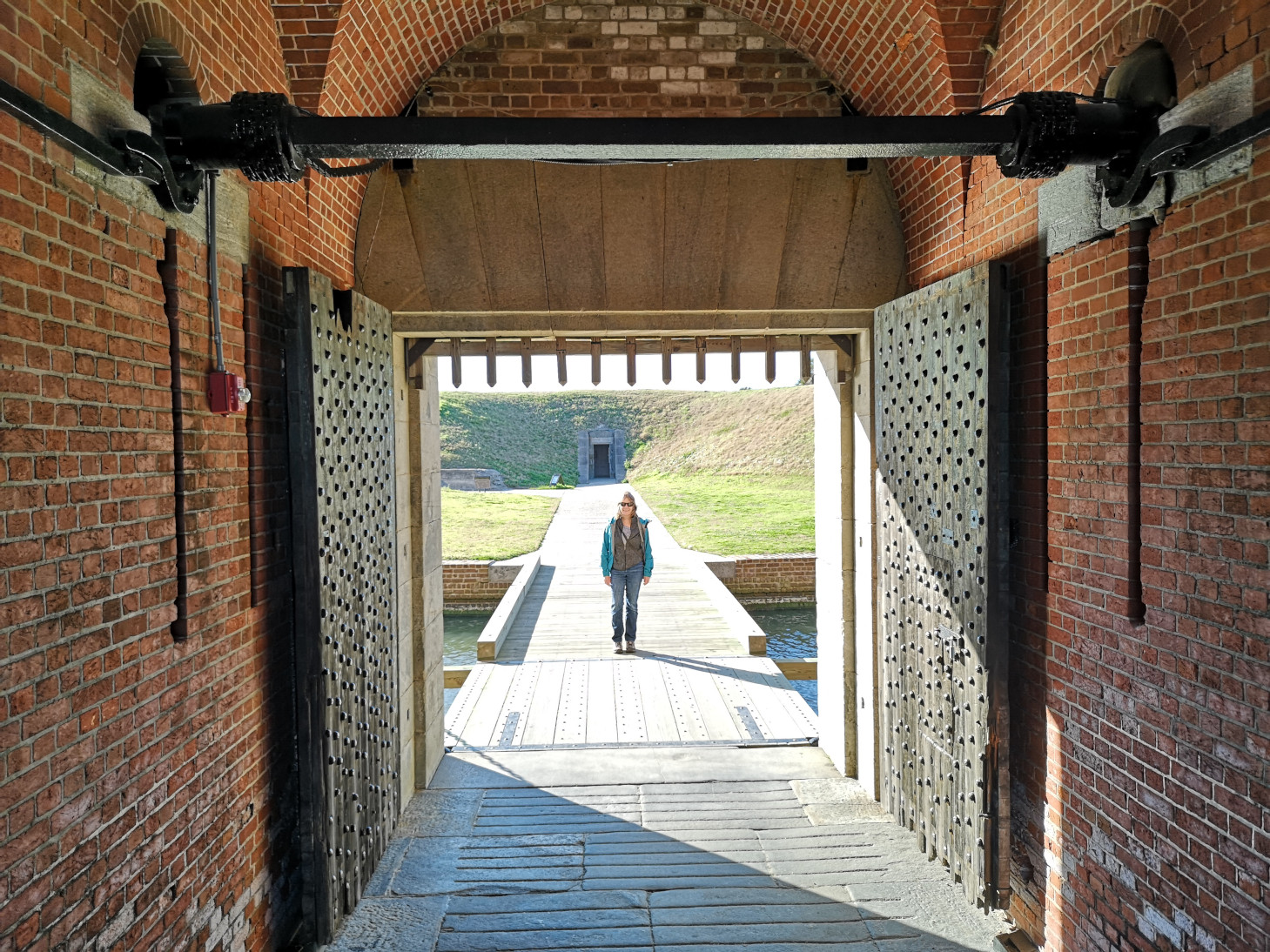
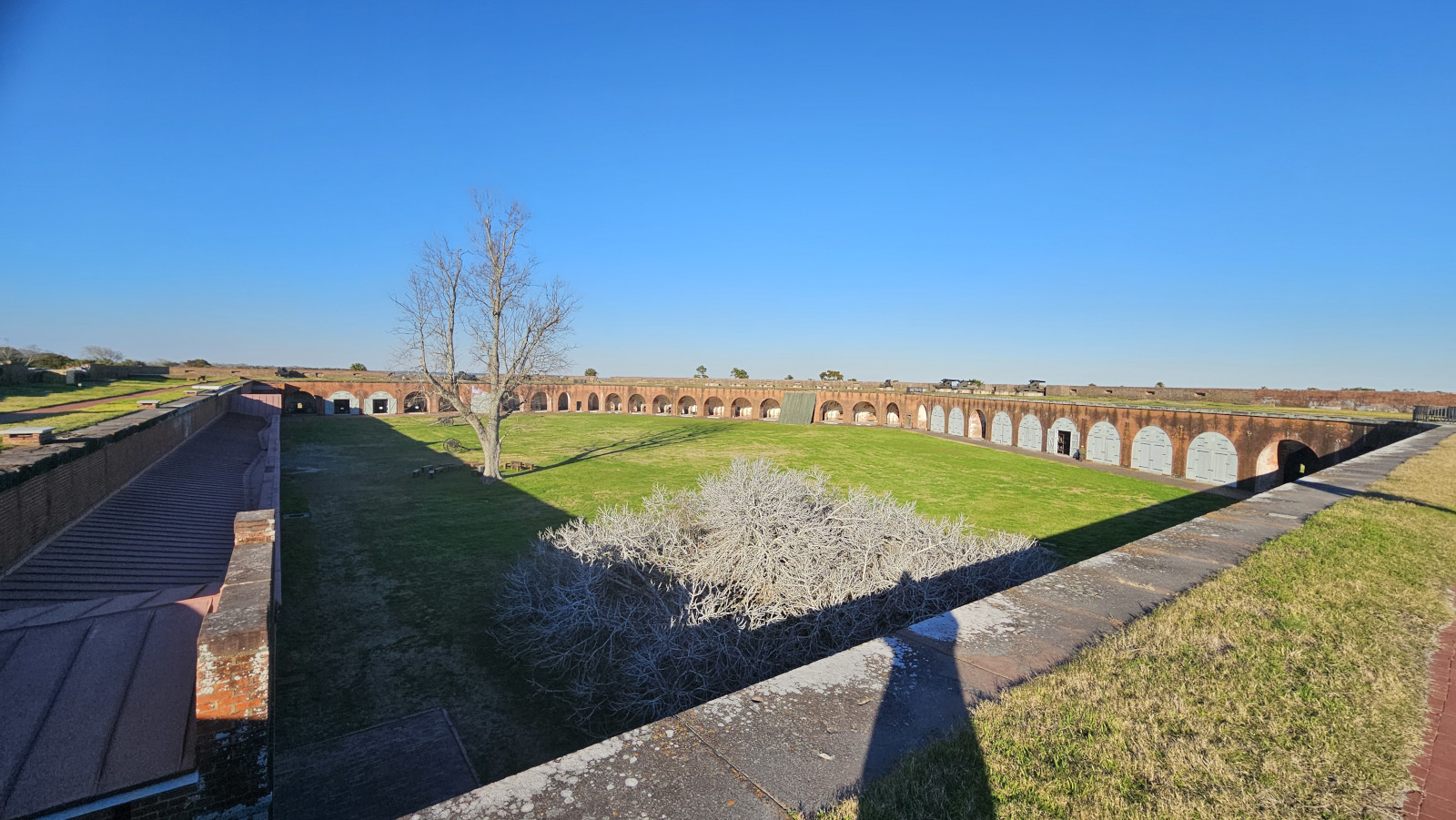
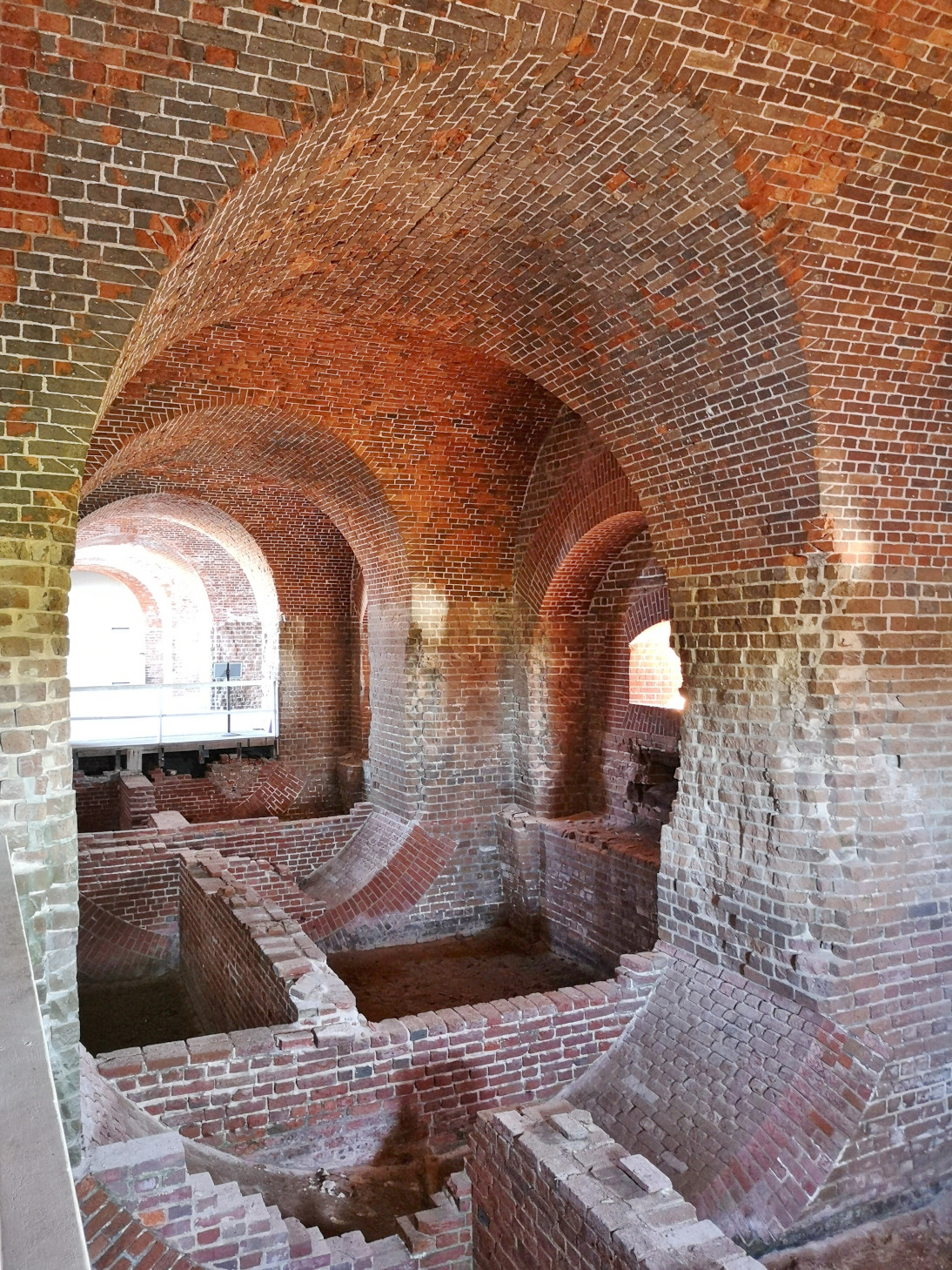
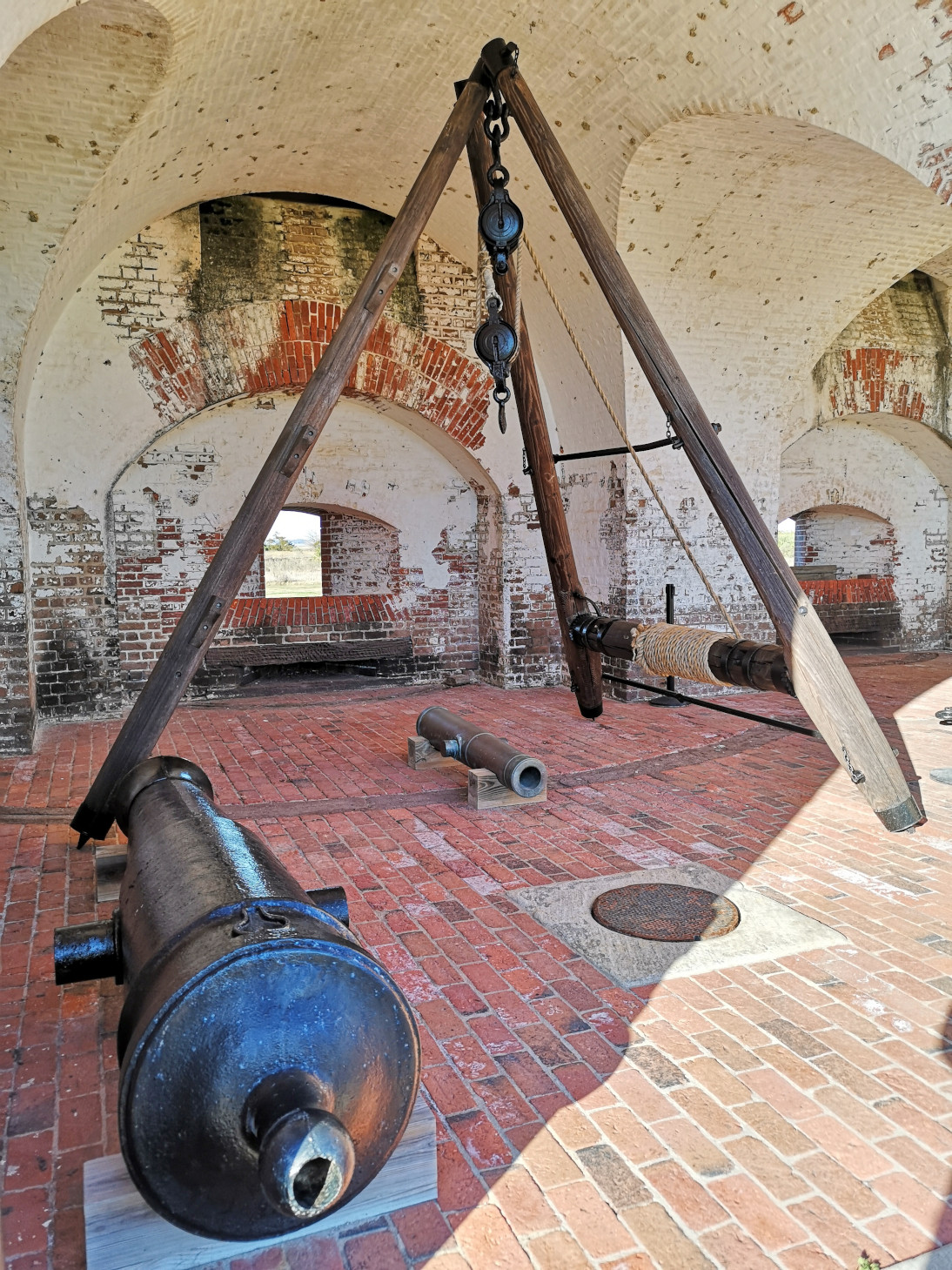
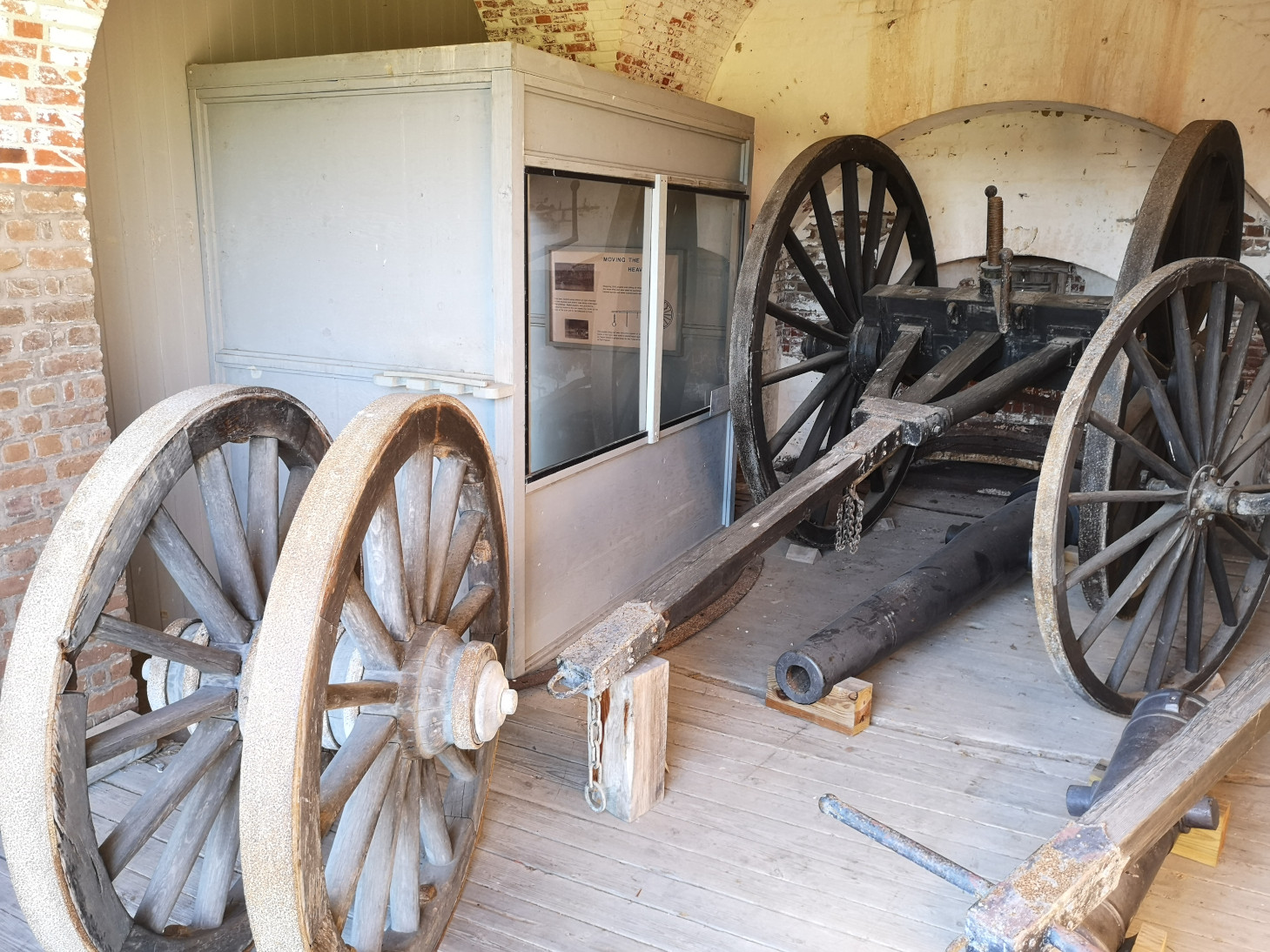
In the self guided tour we saw the dike and water control gates for the moat, visited the powder magazines in the earthen demilune (created after the Civil War), crossed the draw bridge into the fort and saw the fig bushes and pecan tree, how the arced cisterns helped support the weight of the fort, saw the Confederate prisoner of war area, casemate gins and sling carts used to move the cannons around, toured the cannon area on top of the fort, and lastly went to the southeast corner where much of the heavy damage was done by the rifled cannons. It was really impactful to see this devastation to the fort walls.


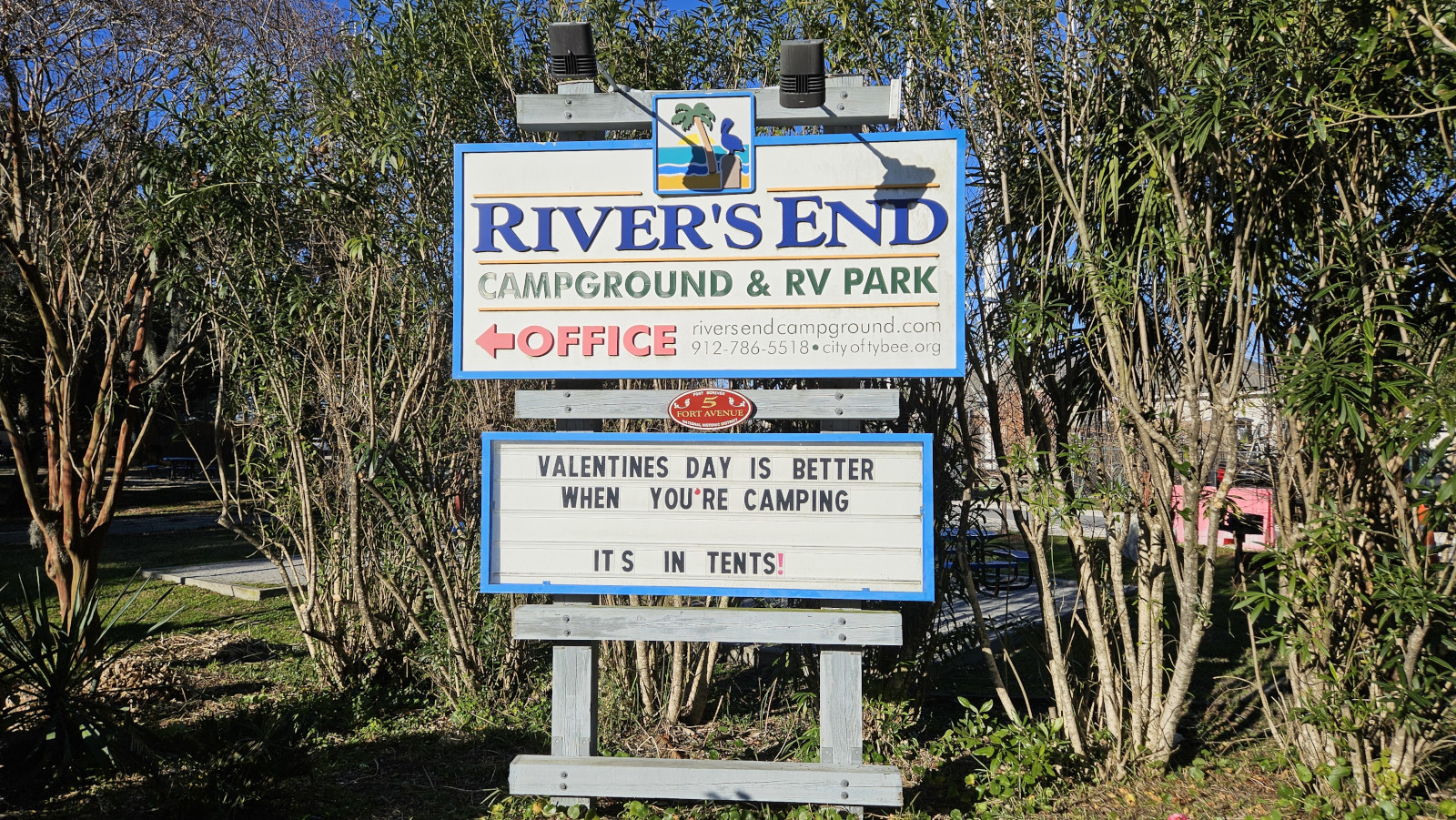
It was a short drive from Fort Pulaski to Tybee Island where we were staying at River’s End RV Park for 5 nights. We normally prefer to stay at National or State Parks, but River’s End was the only place to camp on Tybee Island. Their website said they were full, but we decided to call anyway, and they said no problem they could fit us in. The campground staff were very friendly and helpful and there were lots of empty sites available. We got a CAA discount of 10% so it was around $50 USD per night.
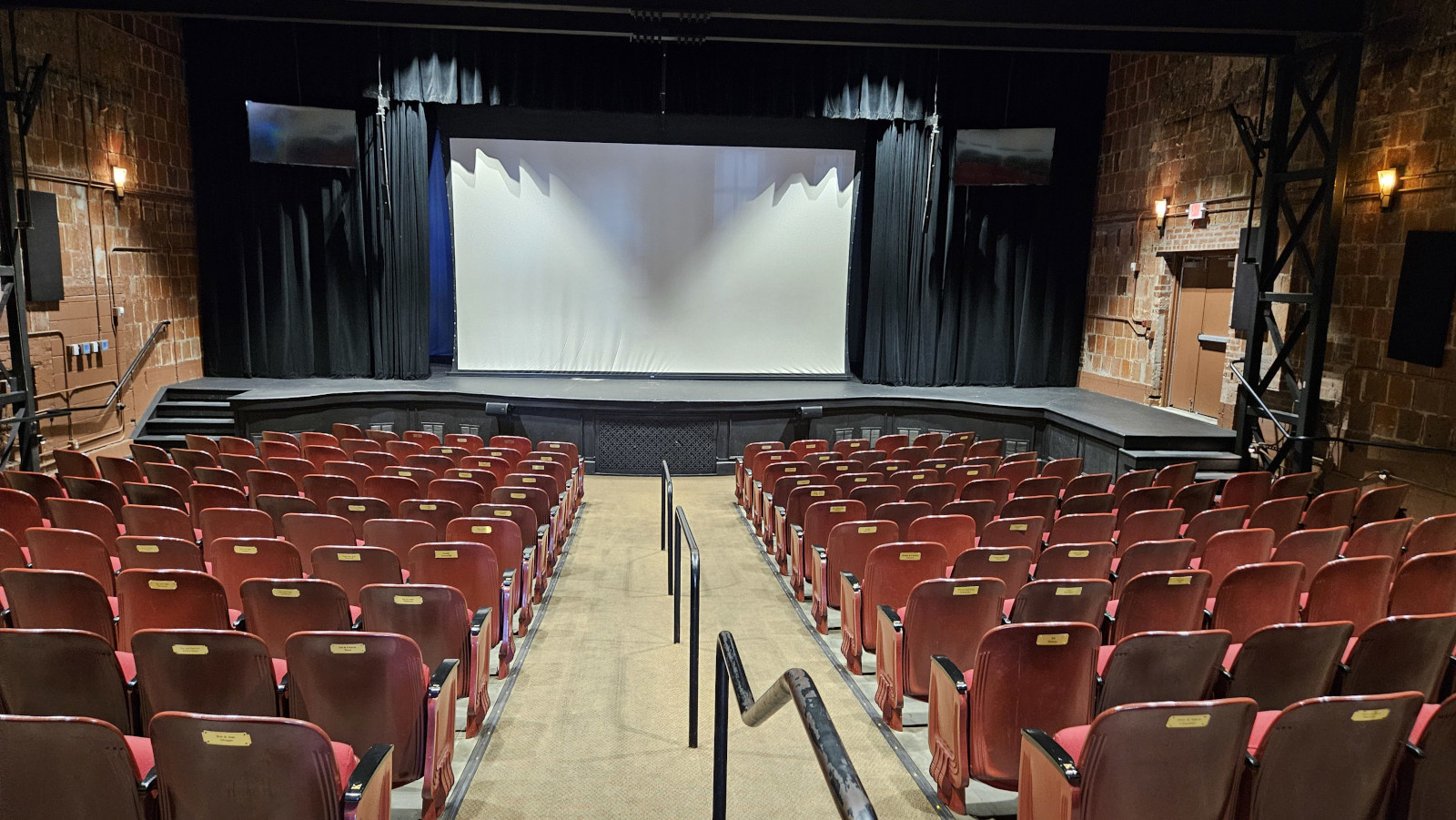
When we left Hunting Island, I had started to get bad chest congestion which was keeping me awake coughing all night and I had been trying over the counter medicine and cough syrup, but it really wasn’t working. I took COVID tests, and they came up negative. On the Monday I decided to rest in the RV while Sharon went for a walk to the Tybee Post Theatre and checked out the beach which was just a few blocks away from the RV park. The theatre was built in the 1930’s for the soldiers stationed at Fort Screven, restored in 2015. It is believed this was one of the first theatres equipped to show “talkies”. They had some interesting shows coming up, too bad there weren’t any when we were on Tybee Island.


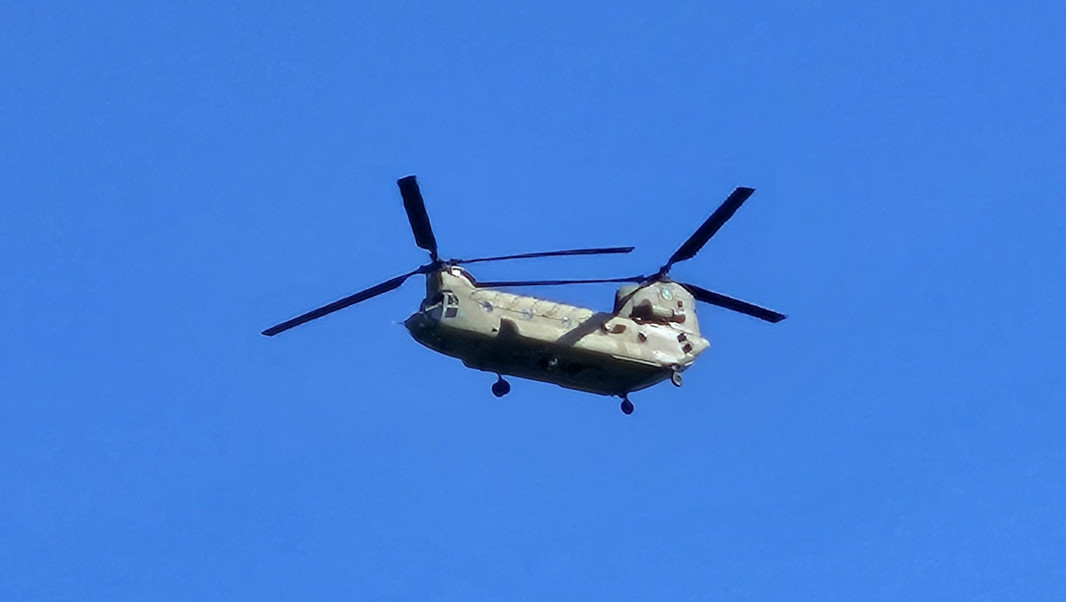
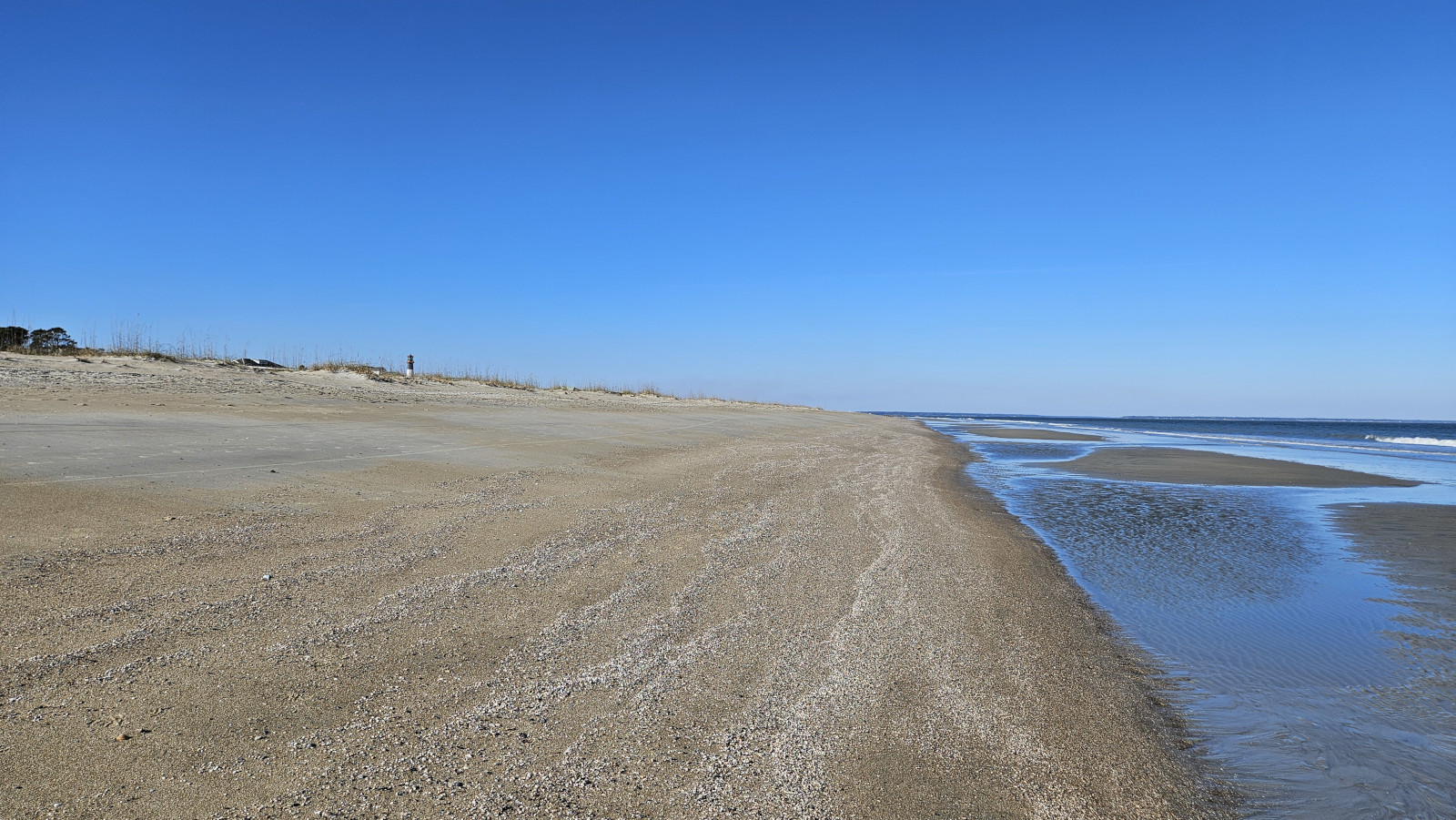
On the Tuesday I decided that 10 days with the chest congestion was long enough so we went through the insurance company process to open a claim and find a walk-in clinic so I could see a Doctor. The clinic was just a 15-minute drive away from the RV park and it only took 20 minutes to get in to see the Doctor. We had tried to book a video call through the Telus My Health app, but the earliest appointment was 2.5 weeks out! The Doctor determined that I had Bronchitis (the same thing Sharon got in January last year) and prescribed a steroid to reduce the inflammation, an antibiotic in case the bronchitis was bacterial, and a very strong cough syrup to take at night to help suppress the cough so I could sleep. We picked up the meds at a pharmacy nearby and I began the 4-day medicine routine. The medicine did work although it took another week after the meds were done before I felt close to normal again.
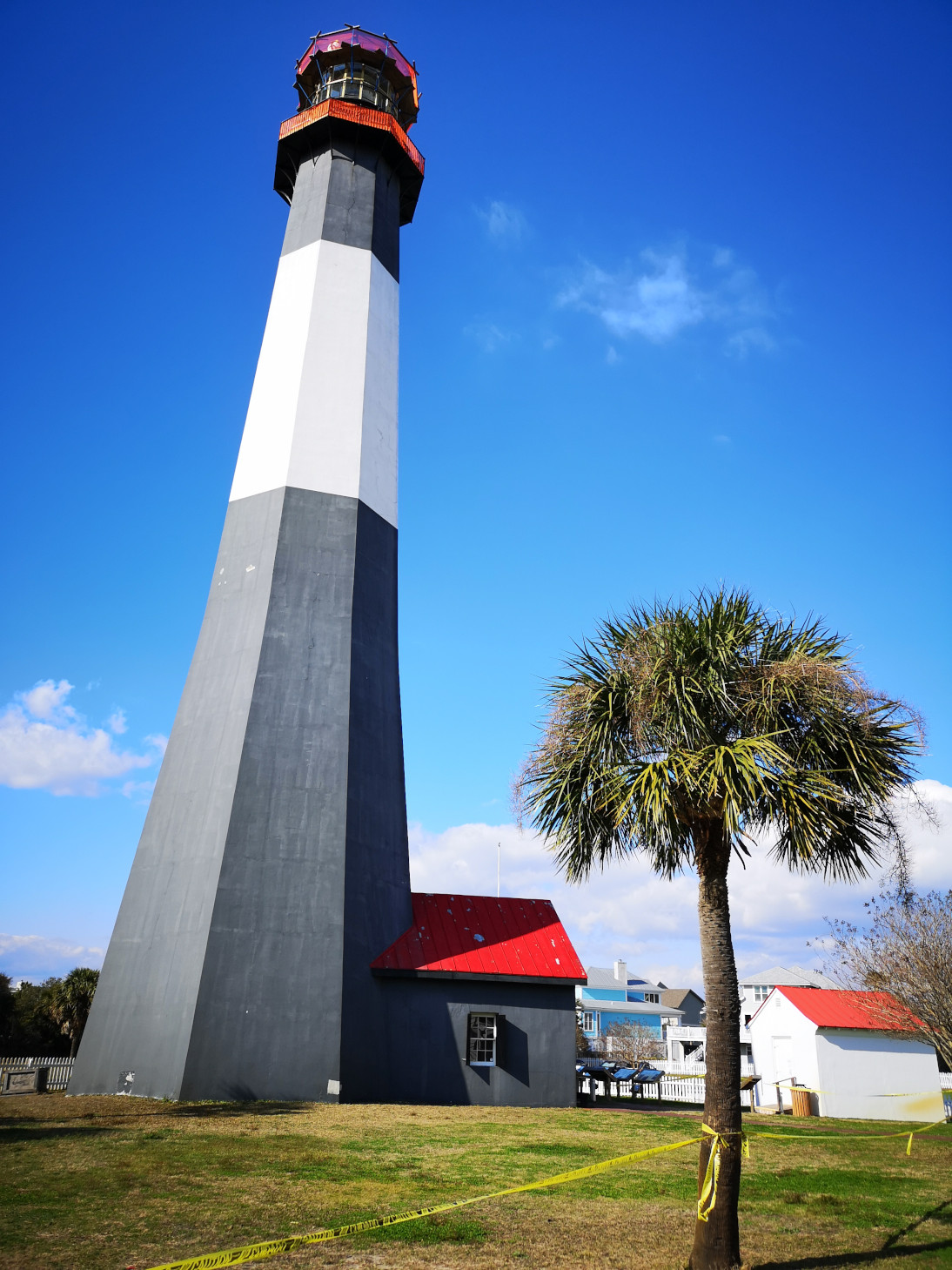
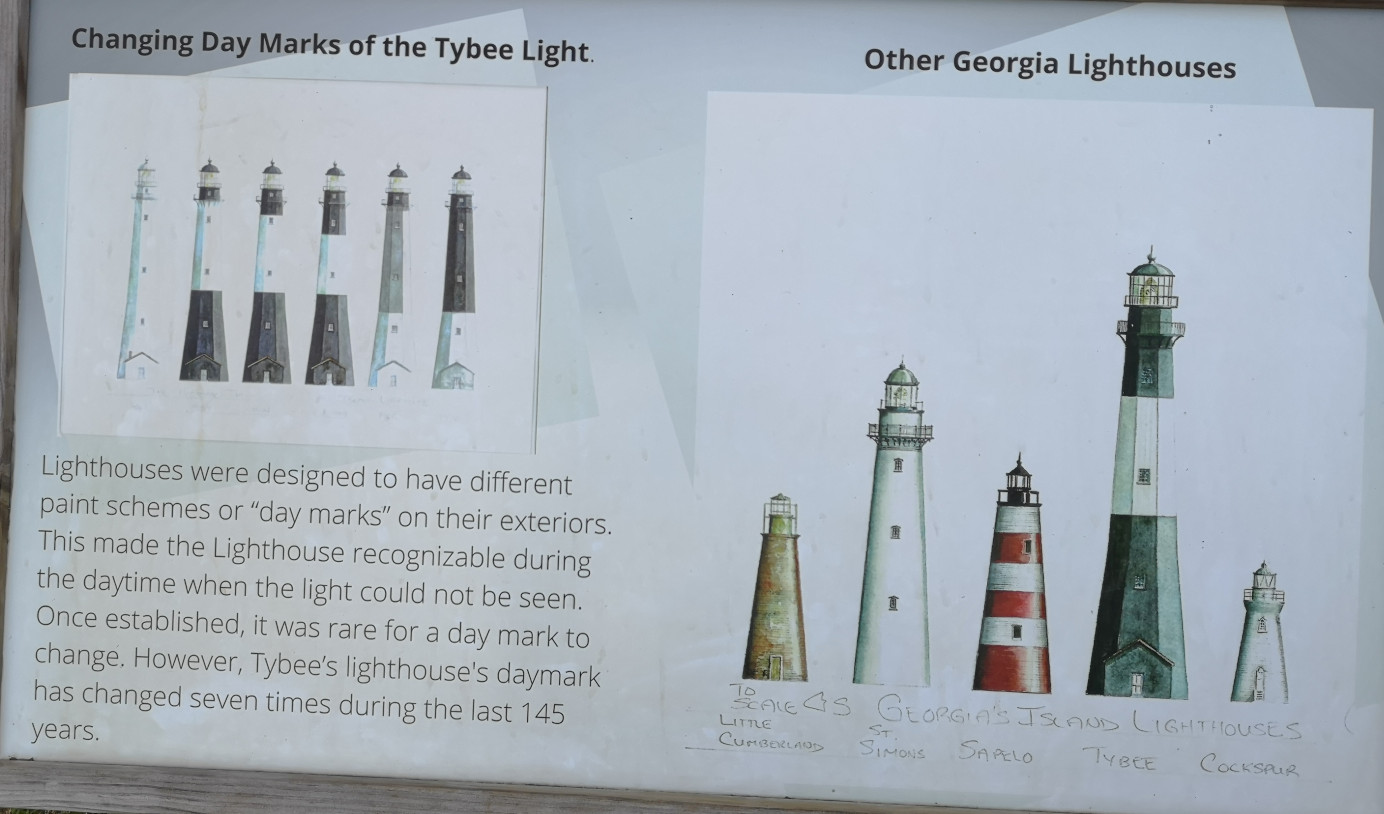
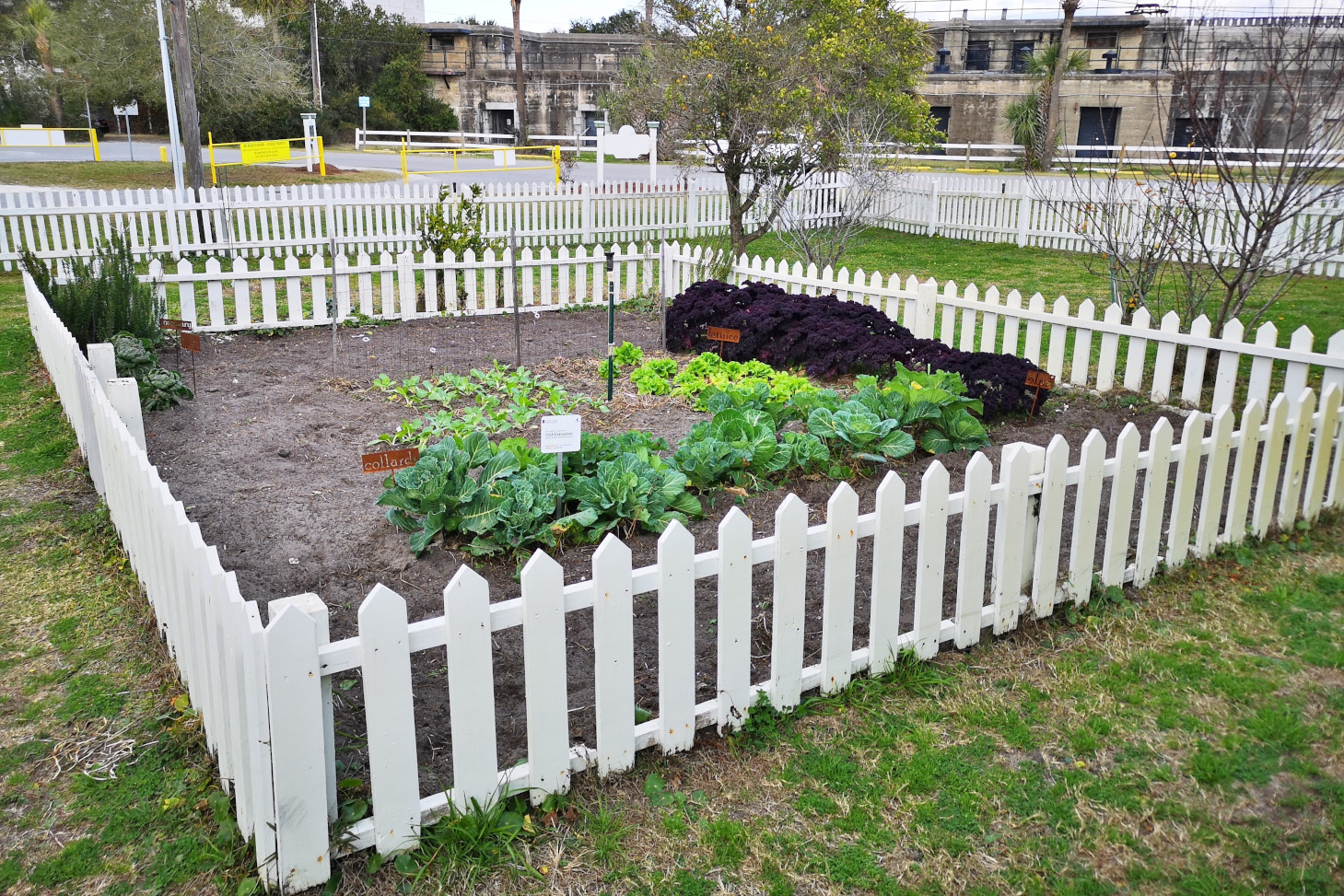
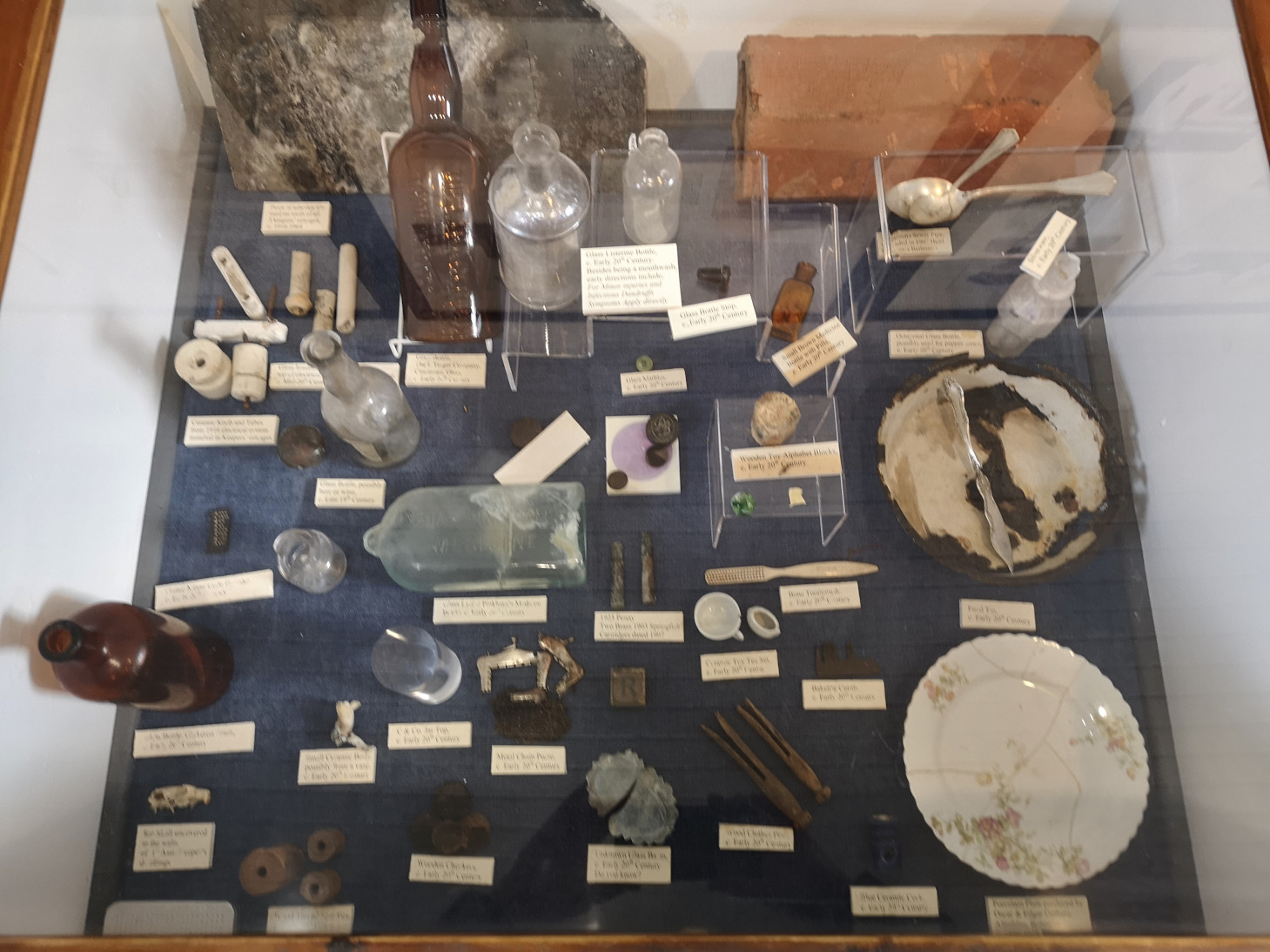
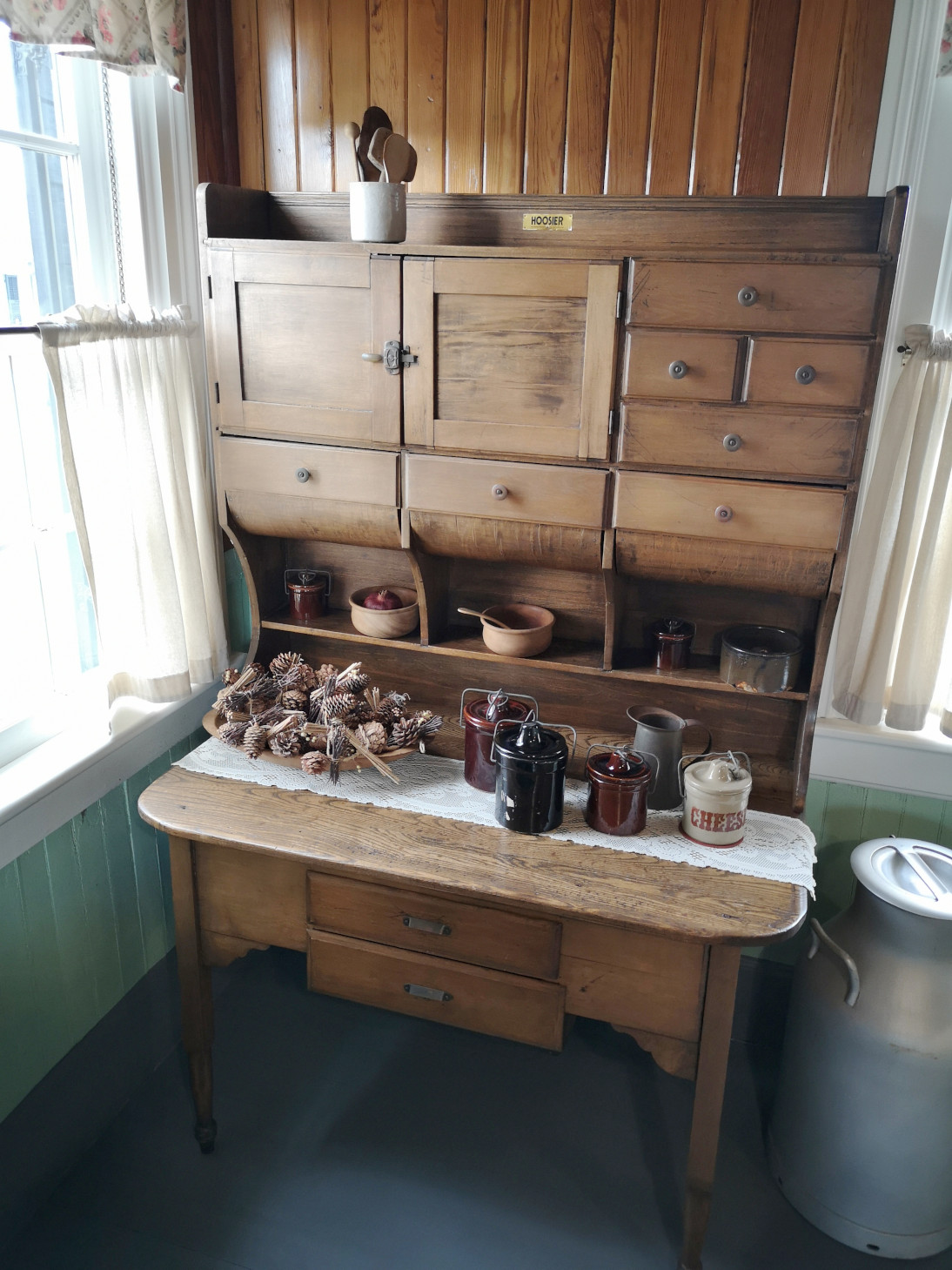
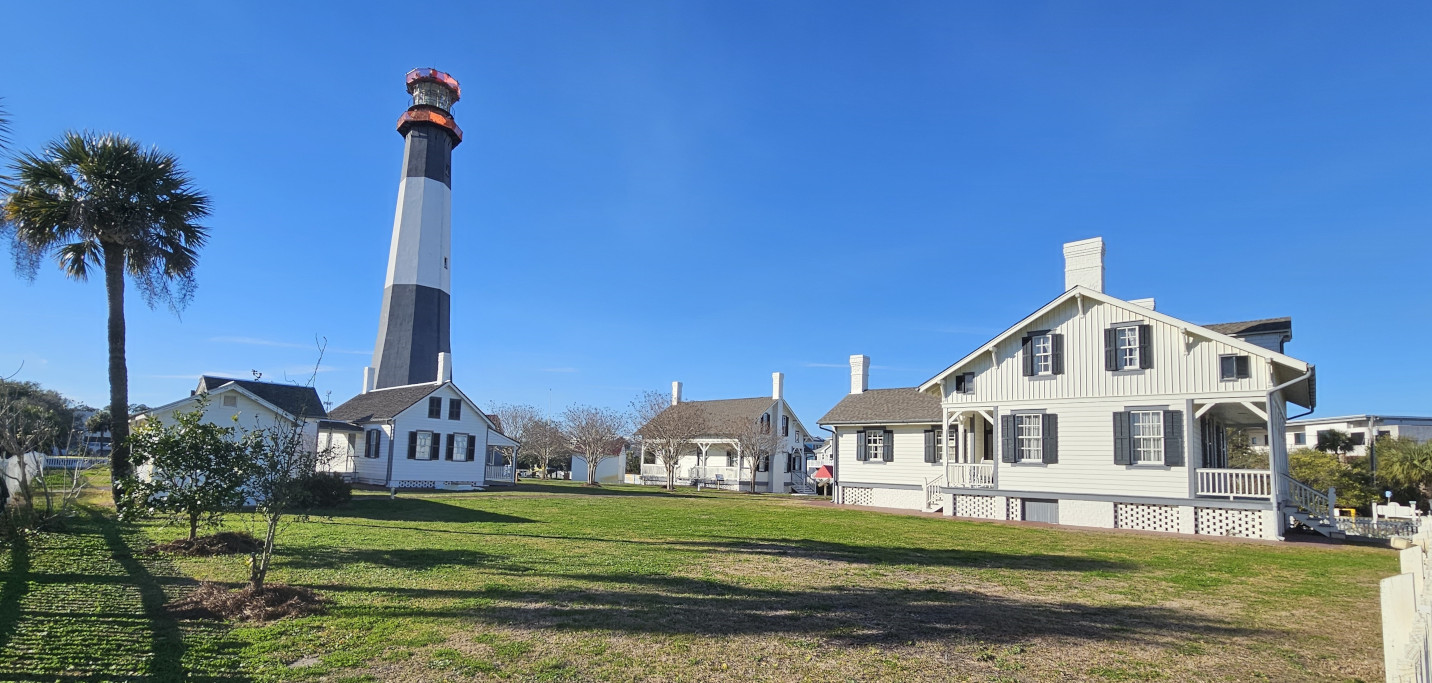
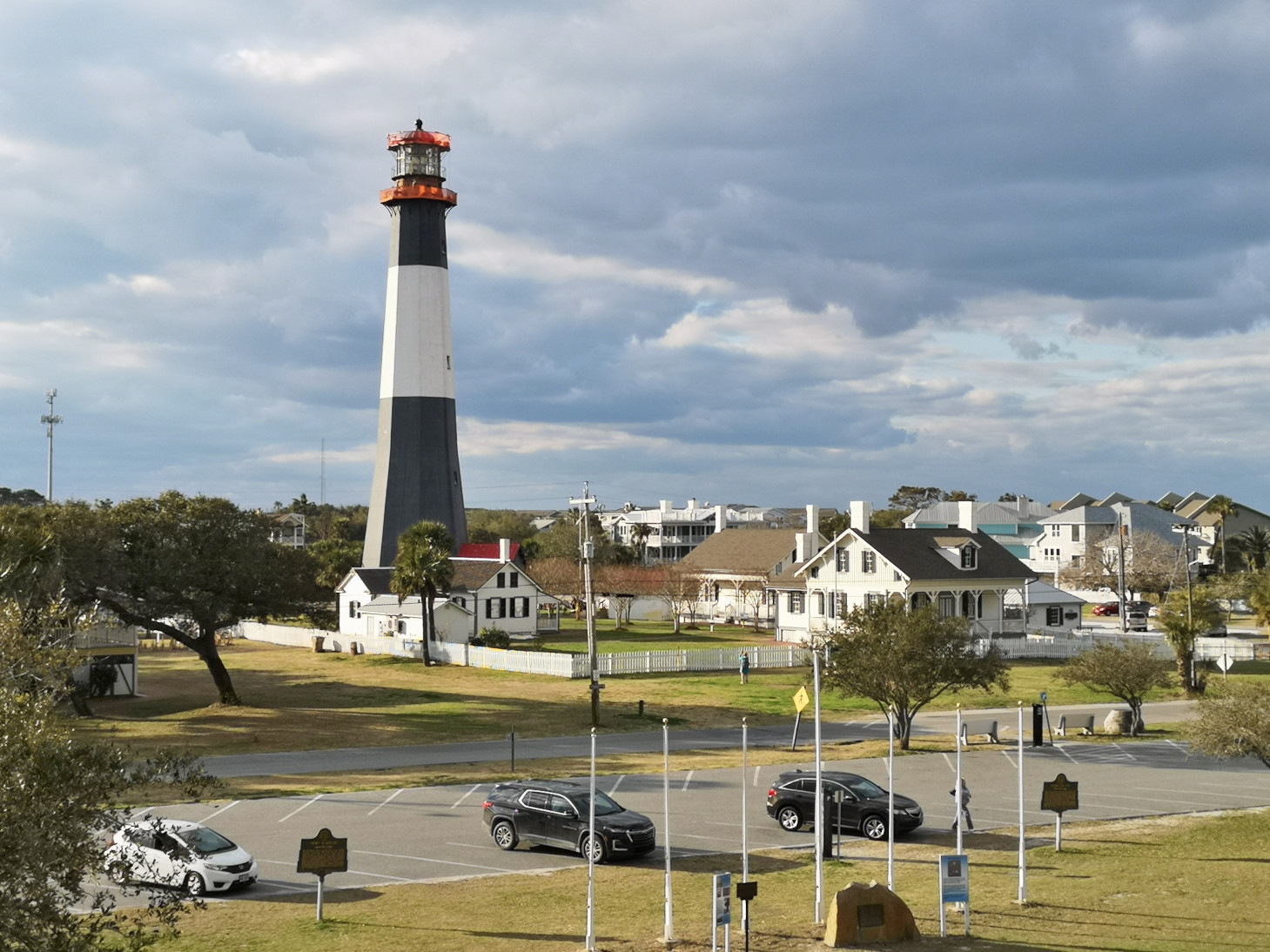
On the Wednesday we did a tour of the Tybee Lighthouse Station and Fort Screven. The RV Park was really well located as we could walk to all the key sites on Tybee Island. Unfortunately, the Tybee Light Station was closed for renovation to go up the tower, but we could look around the grounds which had the primary and assistant lighthouse keeper houses with lots of display boards and a search for the item game in the assistant keeper house. Here are a few key facts about the lighthouse:
- Tybee Lighthouse was rebuilt in 1866 on top of the original 1773 base since it was classified as a “First Order” light due to increased shipping activity in the south. It had 3 light keepers and was a great location to raise a family as it was close to the beach and had access to Savannah for supplies. They also had a garden to grow fresh vegetables.
- Lighthouses had day mark paint patterns so mariners could recognize them in the daytime and Tybee Lighthouse is unique in that it has had 7 different paint schemes over the years.
- Tybee Lighthouse is 155’ tall and that gives it the ability to be seen over 20 miles out to sea.
In one of the light keepers houses we watched a video interview with one of the light keeper’s daughters describing what a wonderful life it was growing up on Tybee Island.
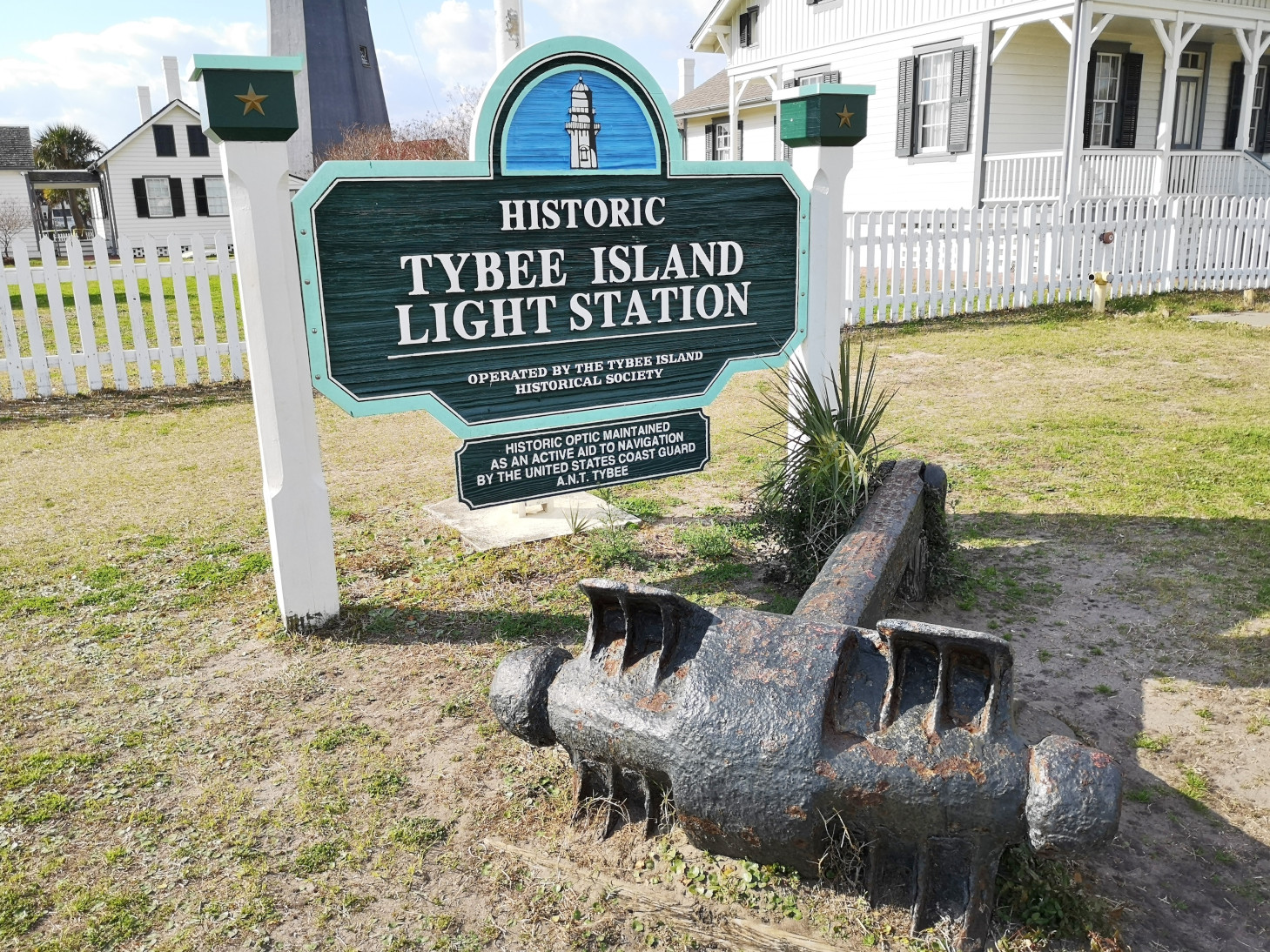


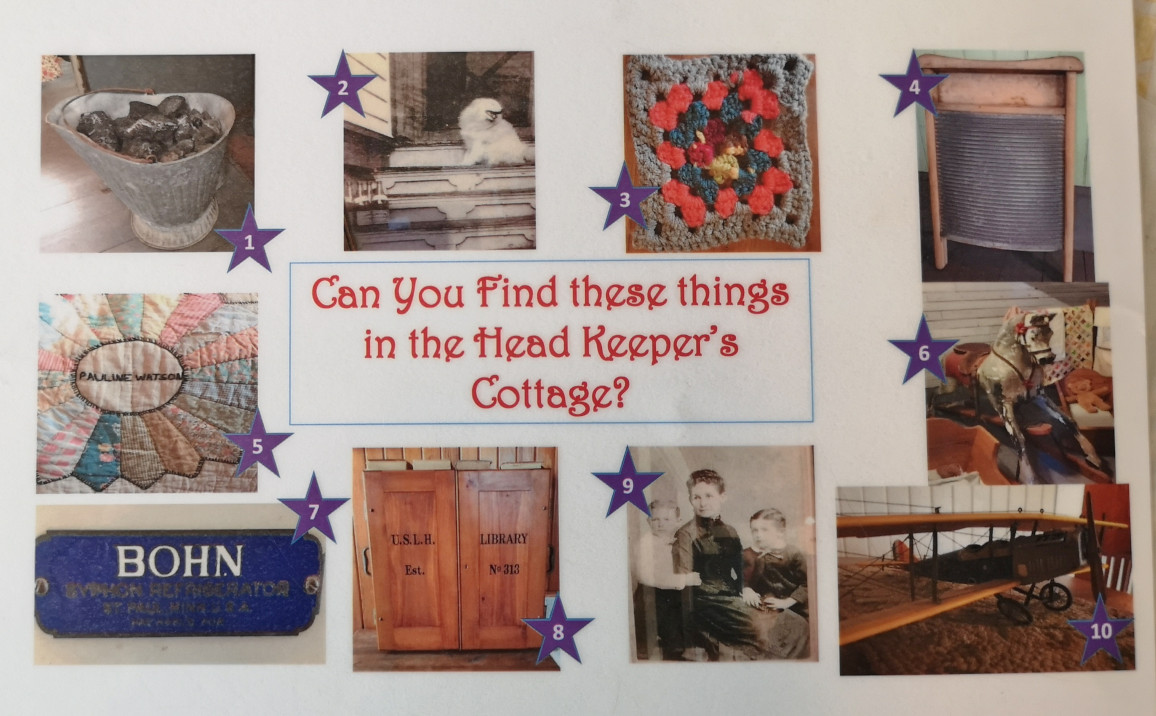
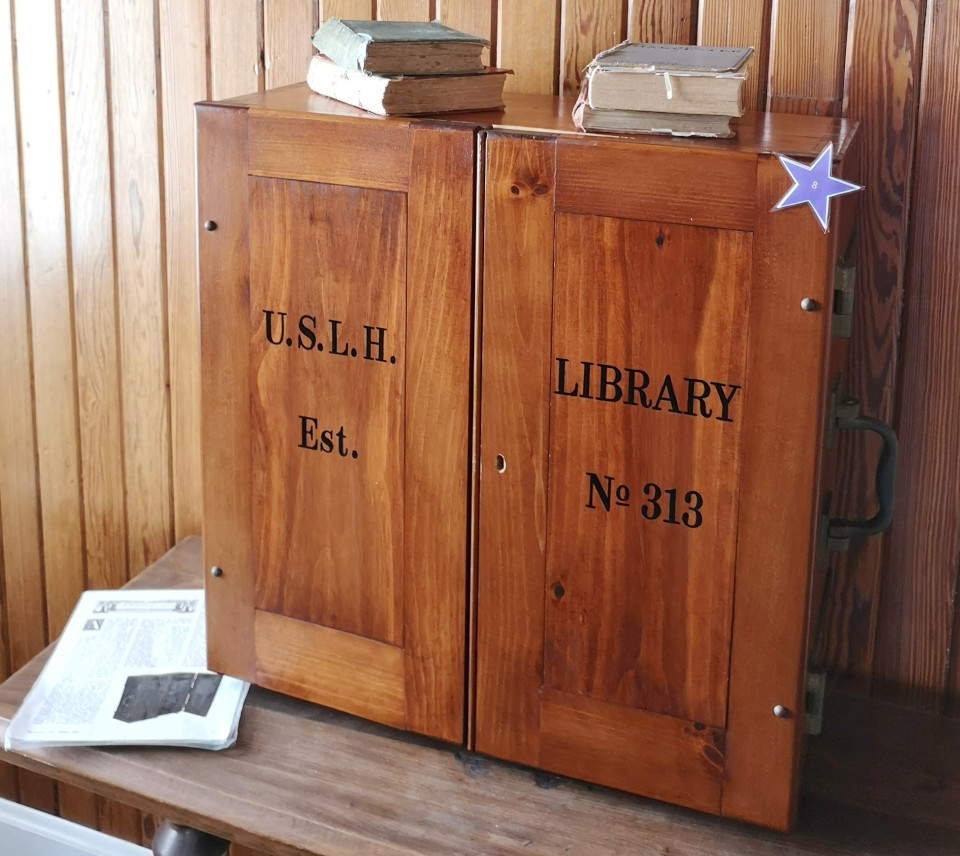
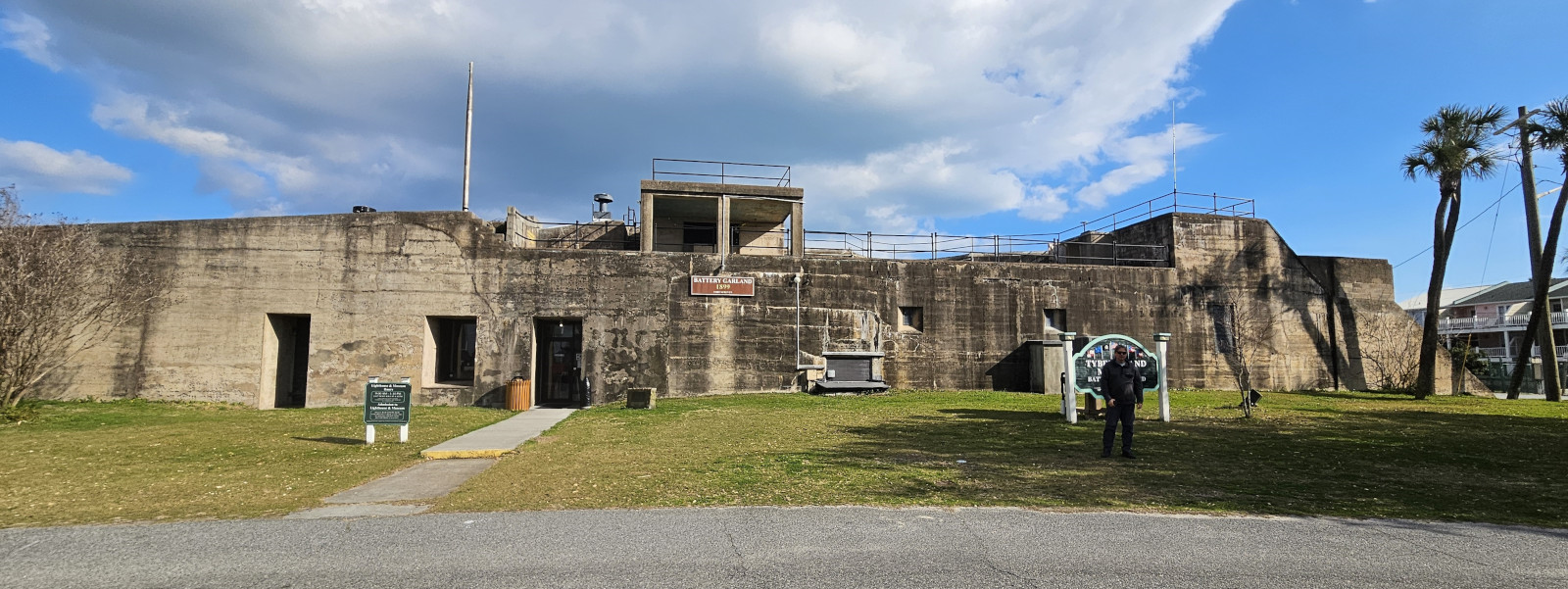
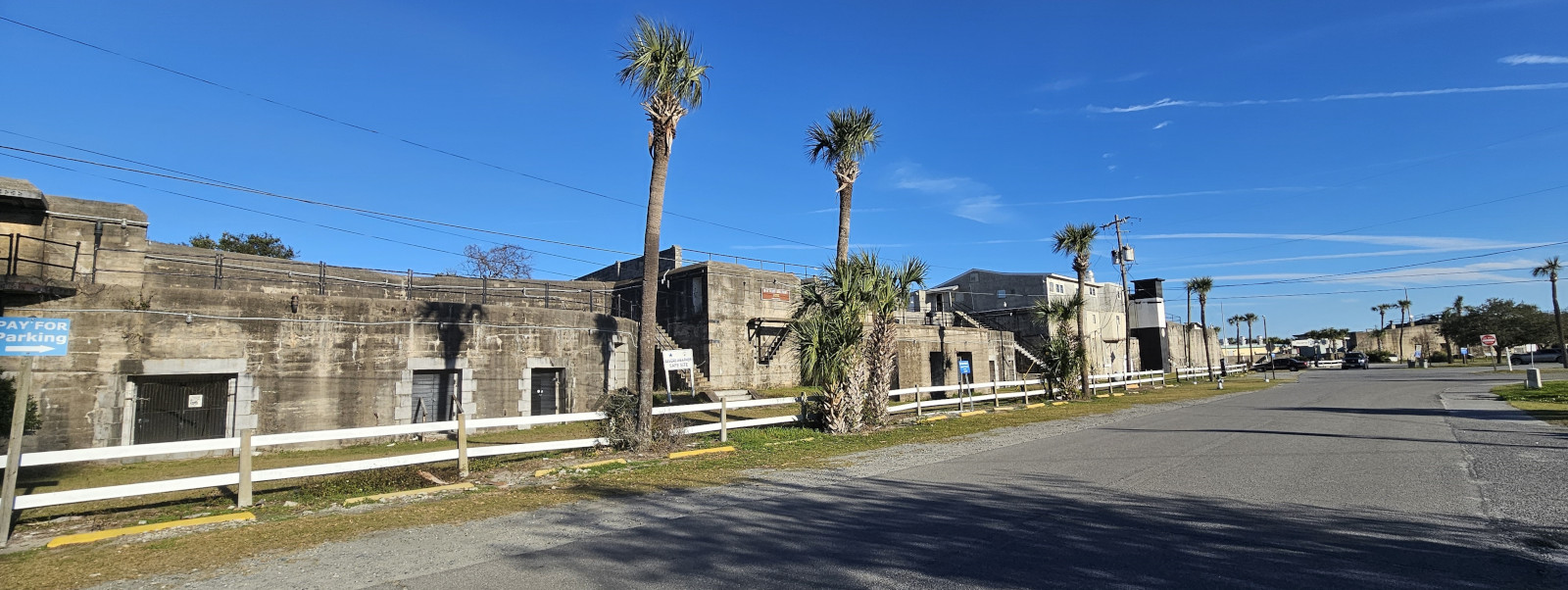
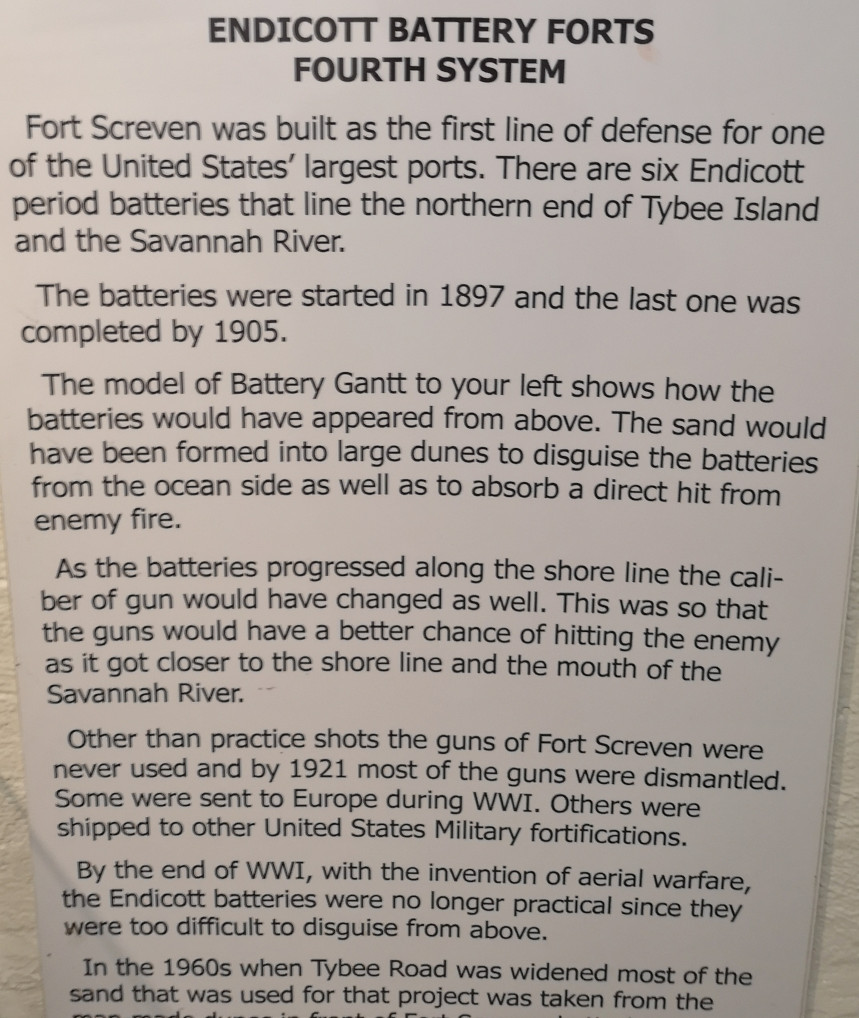
Entrance into the Tybee Light Station also got you entrance into Battery Garland which was part of Fort Screven across the street from the Light Station. The Fort was made up of multiple Batteries and some of the Batteries had been converted into residential housing. Battery Garland had a museum inside that described the history of the fort and also the history of Tybee Island which was originally called Savannah Beach.
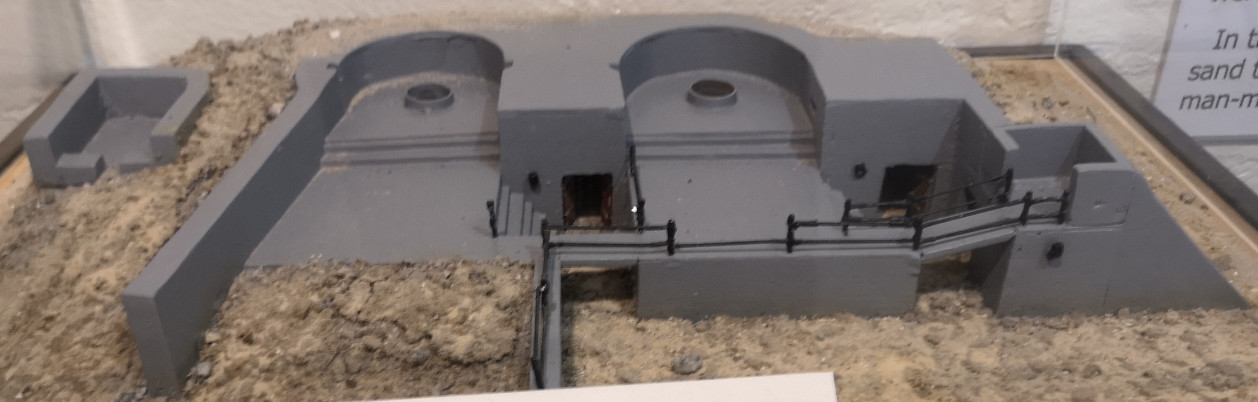
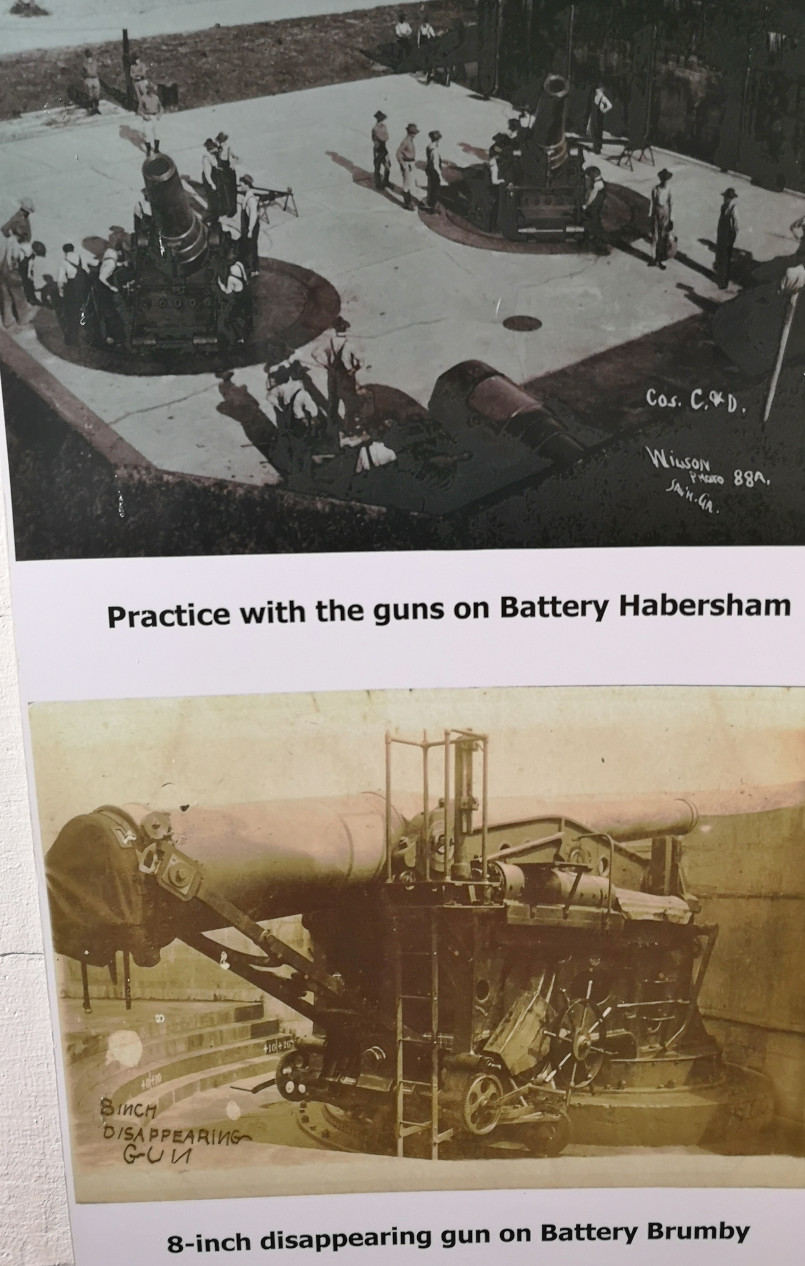
- In 1872 the US Government announced they would build a new fortification on Tybee Island. They bought 205 acres on the north end of the island in 1875. Construction began in 1897 and by 1904 there were 6 Endicott Period Fourth System batteries in place with a full village to support it.
- The first exhibit in the museum was a Flintlock Punt Gun that was 13’ long and used to hunt waterfowl!
- They had 2 x 800 lb artillery shells that had been fired from Fort Screven and were found in the Savannah River when it was being dredged.
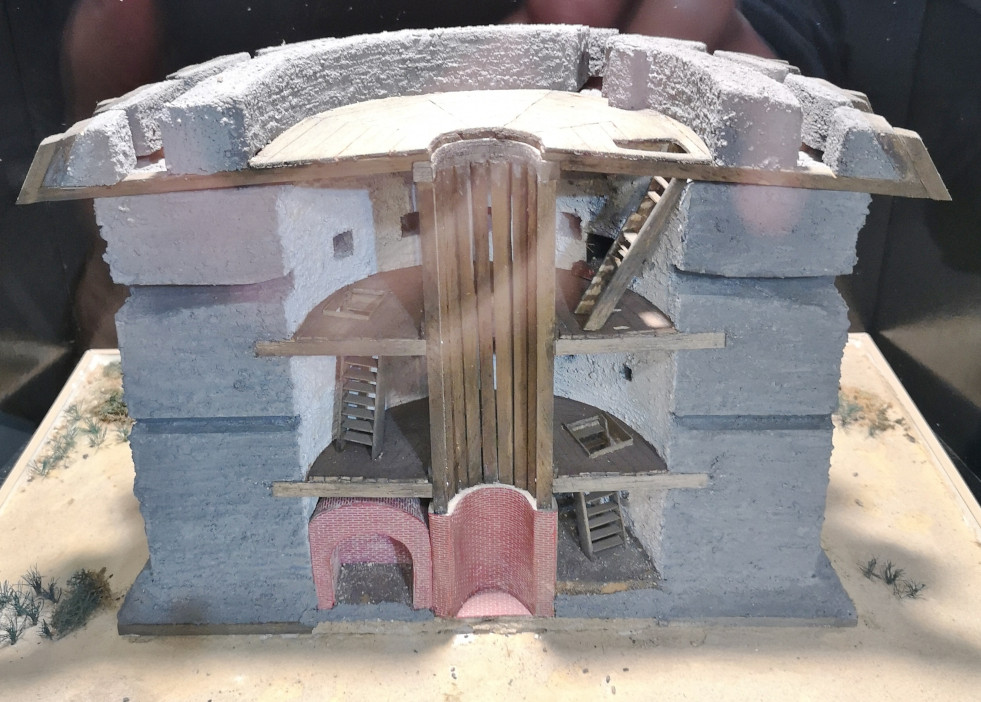
- After the war of 1812 there was concern that the British would attack Savannah, so a Martello Tower was built on the seaward side of the Tybee Light Station as a warning tower. It was destroyed in 1914 by the large guns at Battery Brumby to clear the range of fire.
- Fort Screven was upgraded to an infantry post in the 1930’s and this is when the theatre was built and was one of the first in Savannah to have sound.
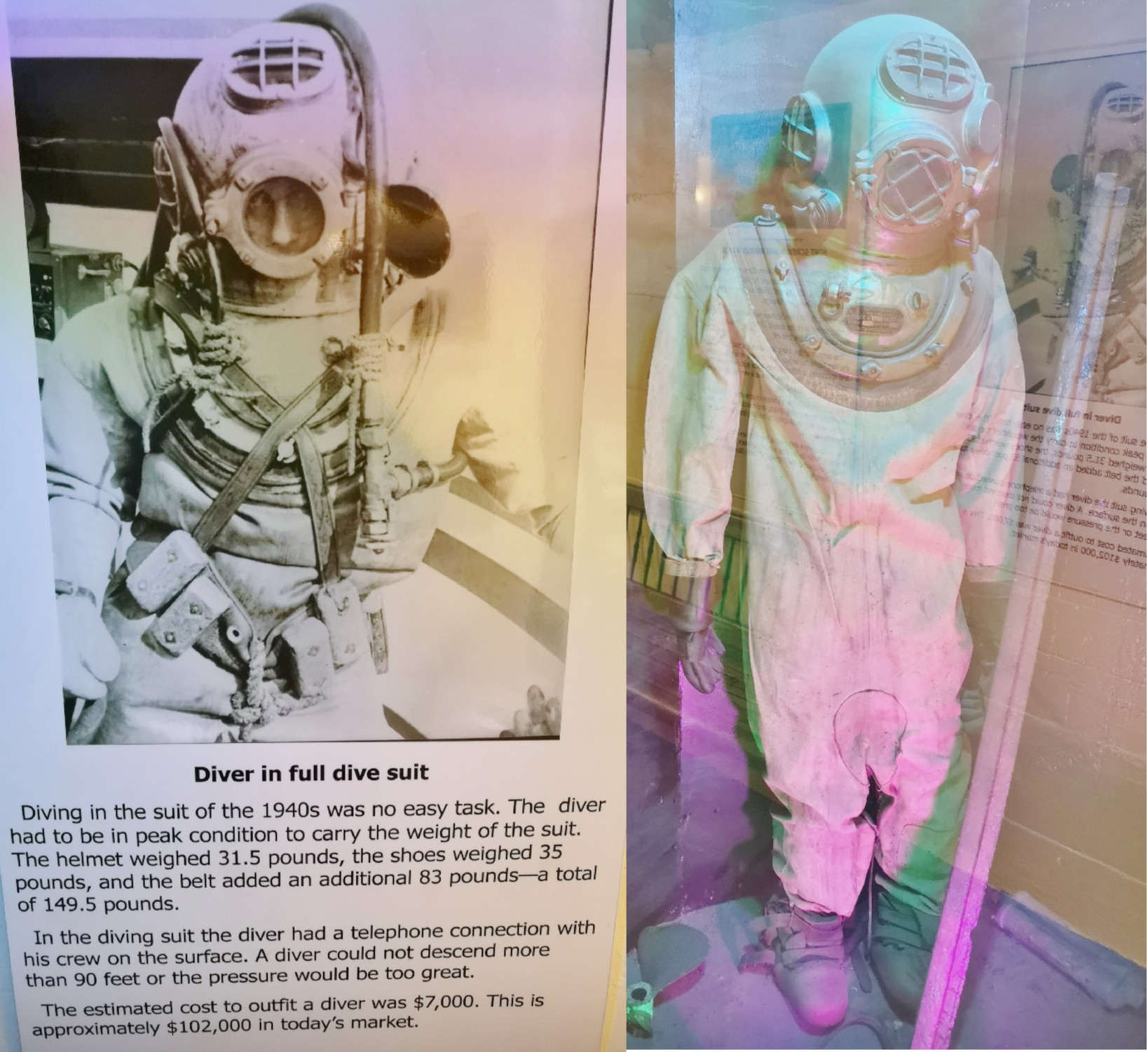
- In the early 1940’s they built a diving tank so they could train deep sea divers for the military.
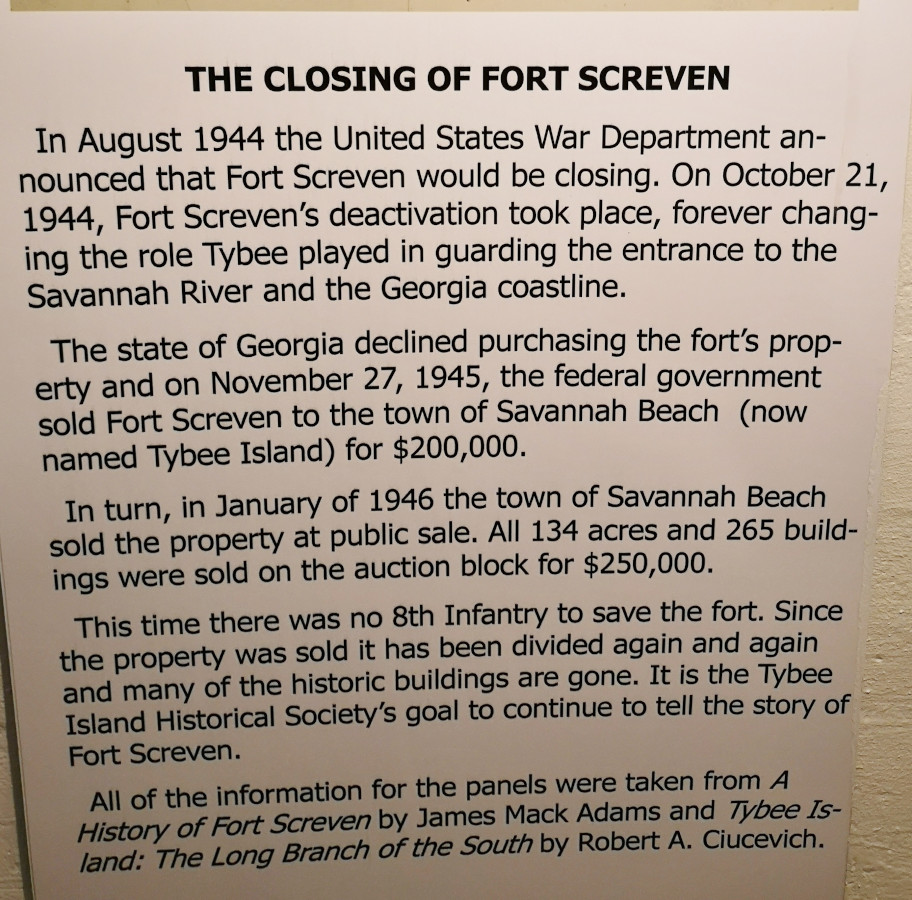
- The Fort was closed in 1944 and the town of Tybee Island bought it from the US Government in 1945 and they in turn sold off portions to the public. This is why there are residential buildings in or built around the batteries.
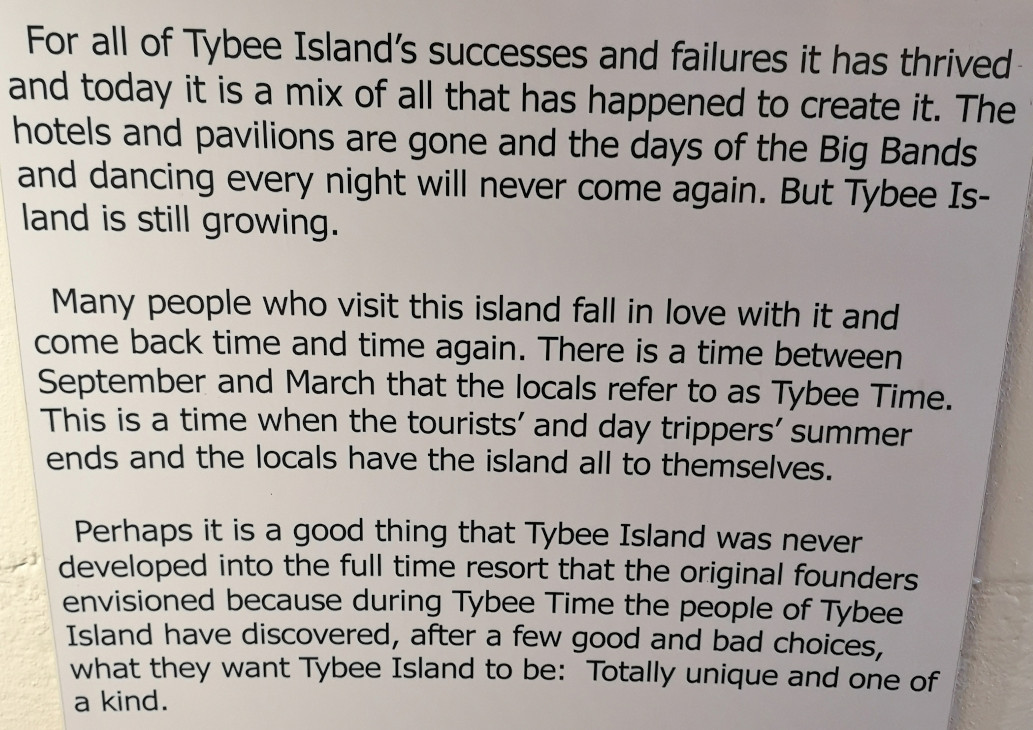
- The south end of Tybee Island was developed as a resort location with hotels being built around 1888 and then the railroad arrived, nicknamed the Marsh Hen, giving better access for people to visit.
- The big boom for Tybee Island was in the 1920’s-1930’s when road access reached the island. However, it also meant that the railroad stopped coming in 1933.
- By the 1950’s traffic congestion was so bad that people didn’t want to come and stay in the hotels on the island and instead just drove out for the day and had picnic lunches. By the 1970’s most of the hotels had closed and Tybee Island was no longer a family destination.
- Today the town is revitalized to more of a residential type setting and rental properties.
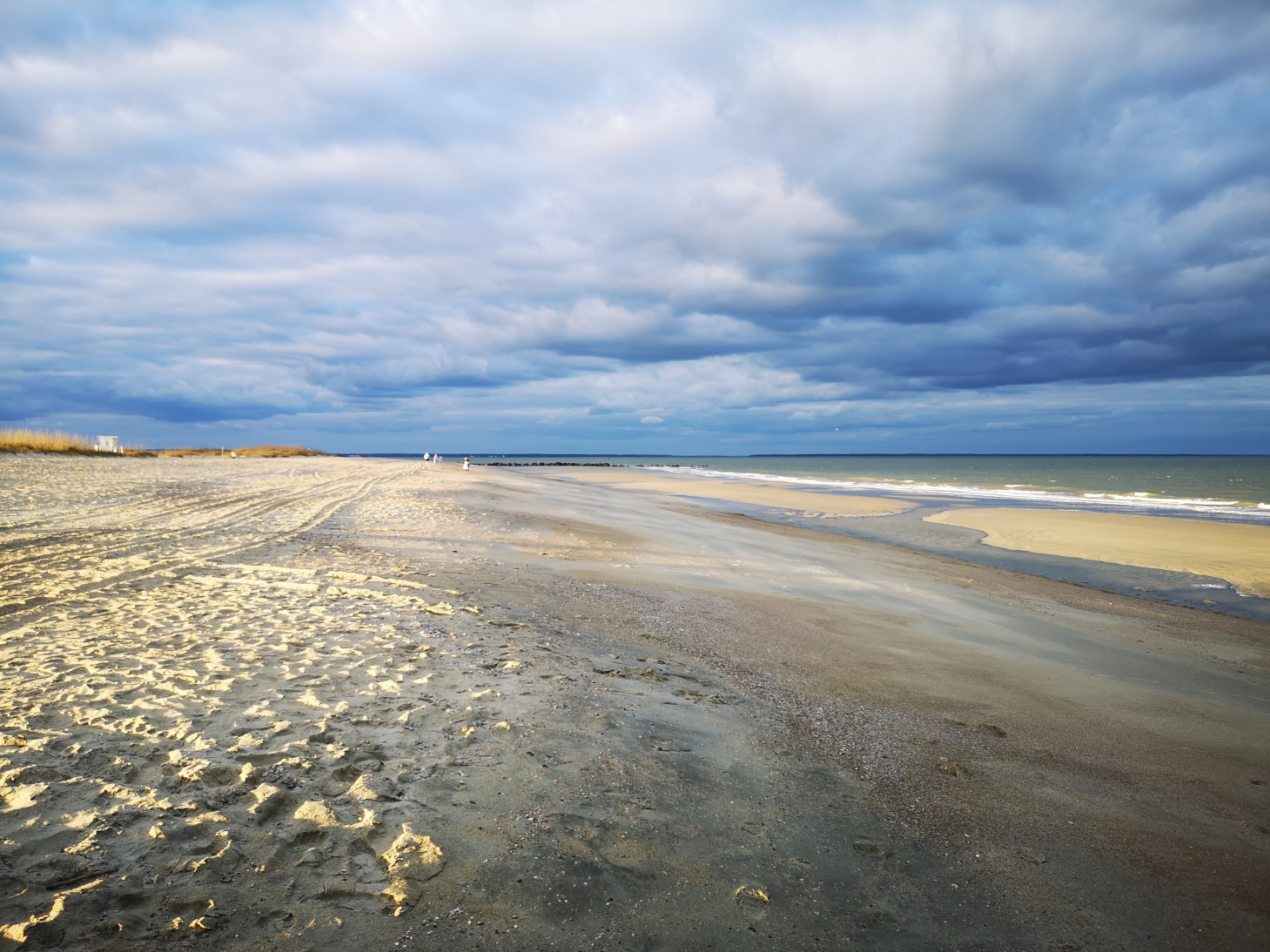
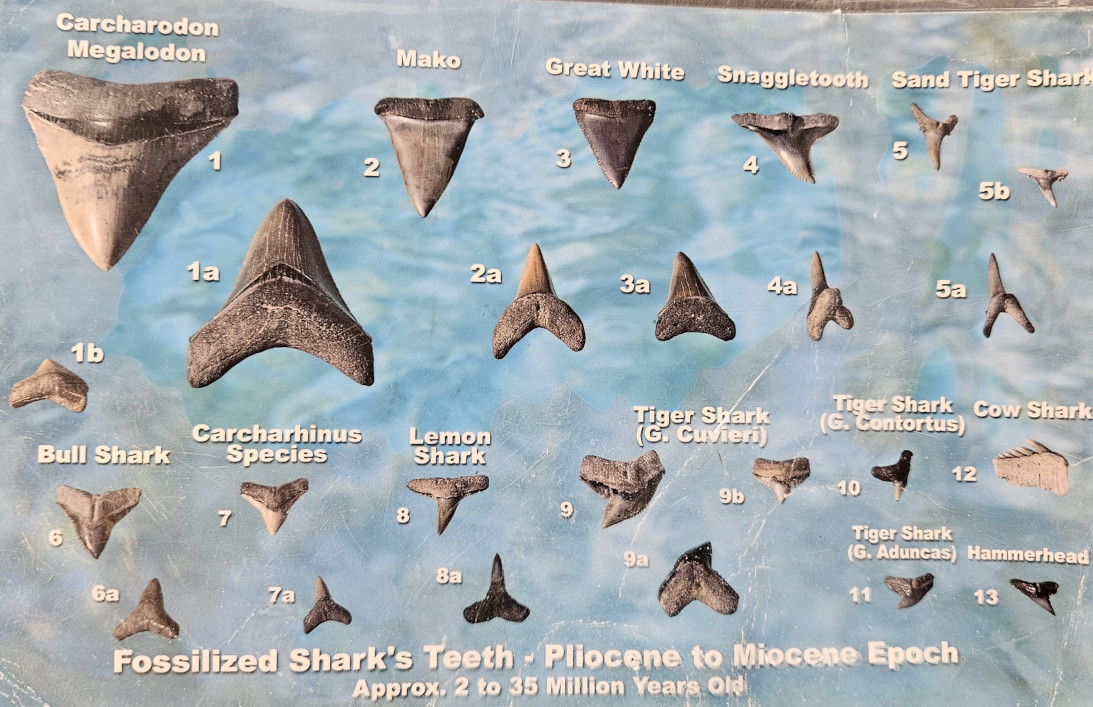
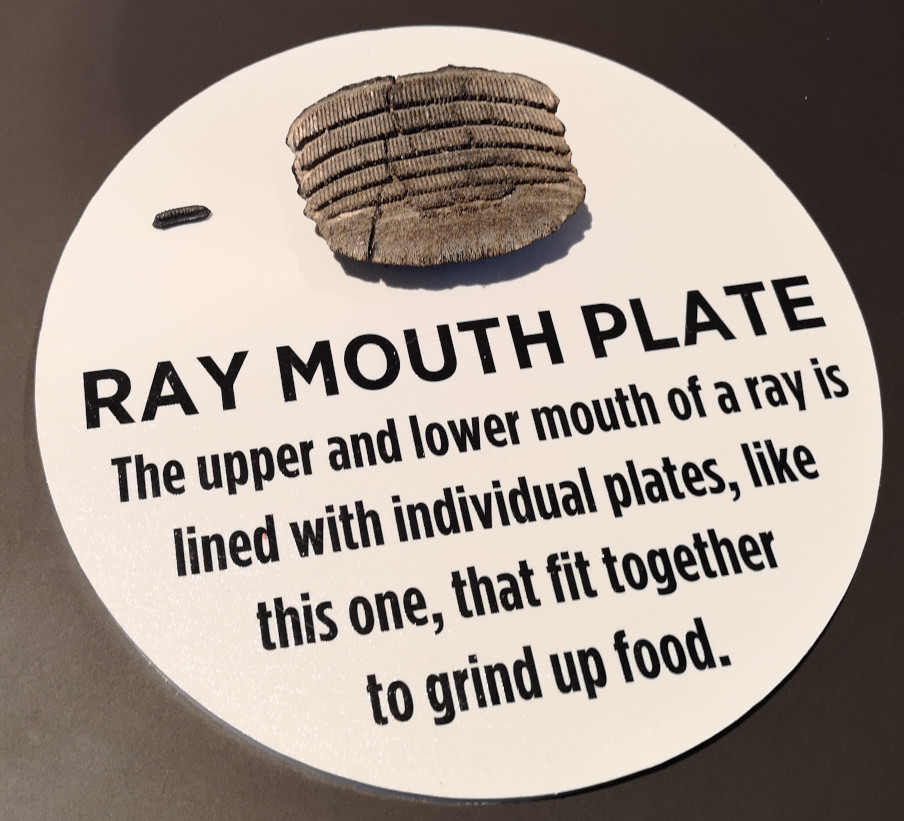
After the museum you could go up to a viewing deck to see the surrounding area. To finish the day, we went out to the beach and hunted for and found some more shark’s teeth and we also found a stingray mouth plate (we got it confirmed at the Marine Science Centre the next day) which was really cool😉


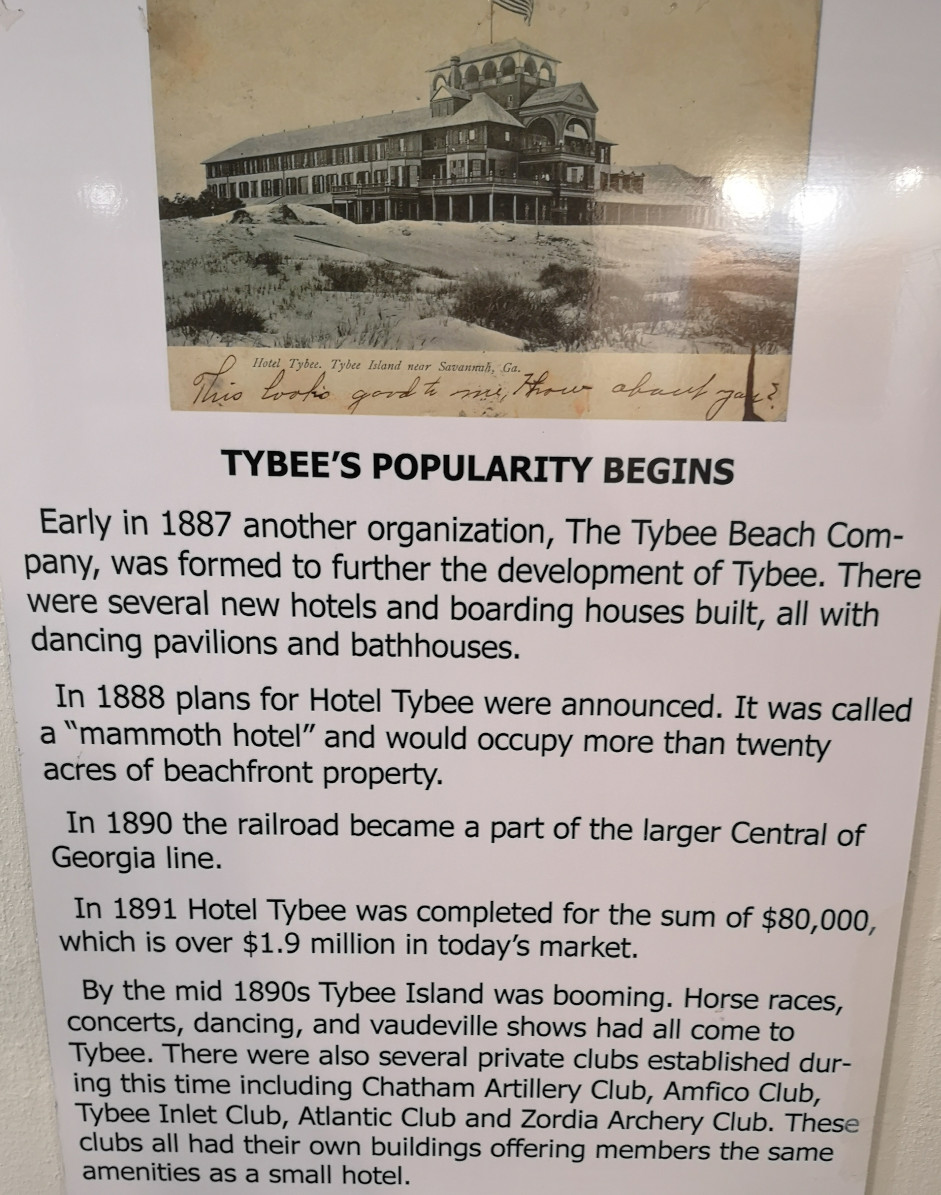
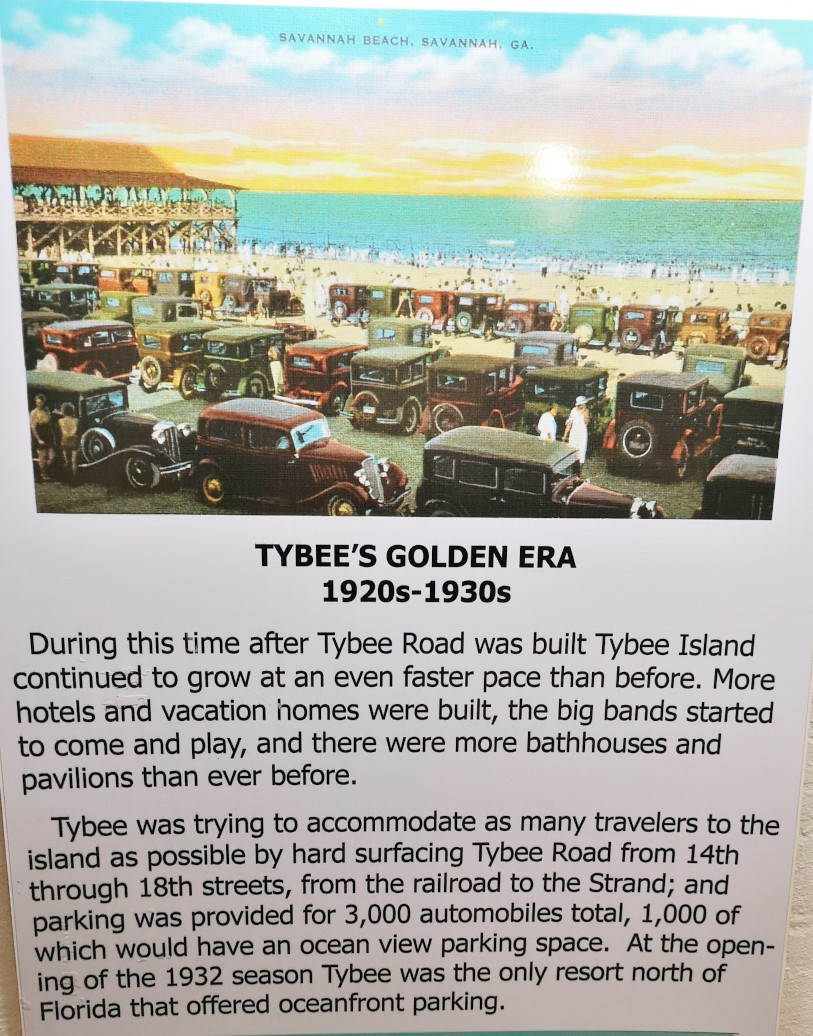
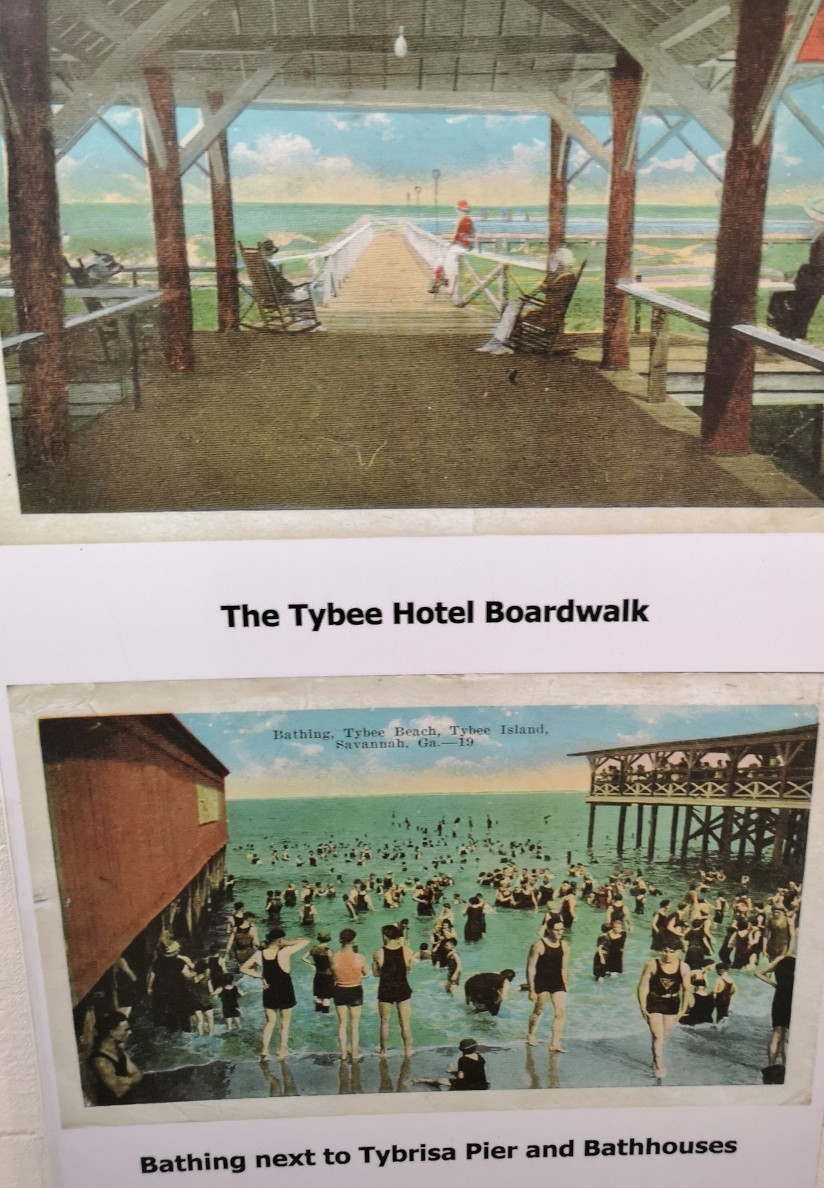
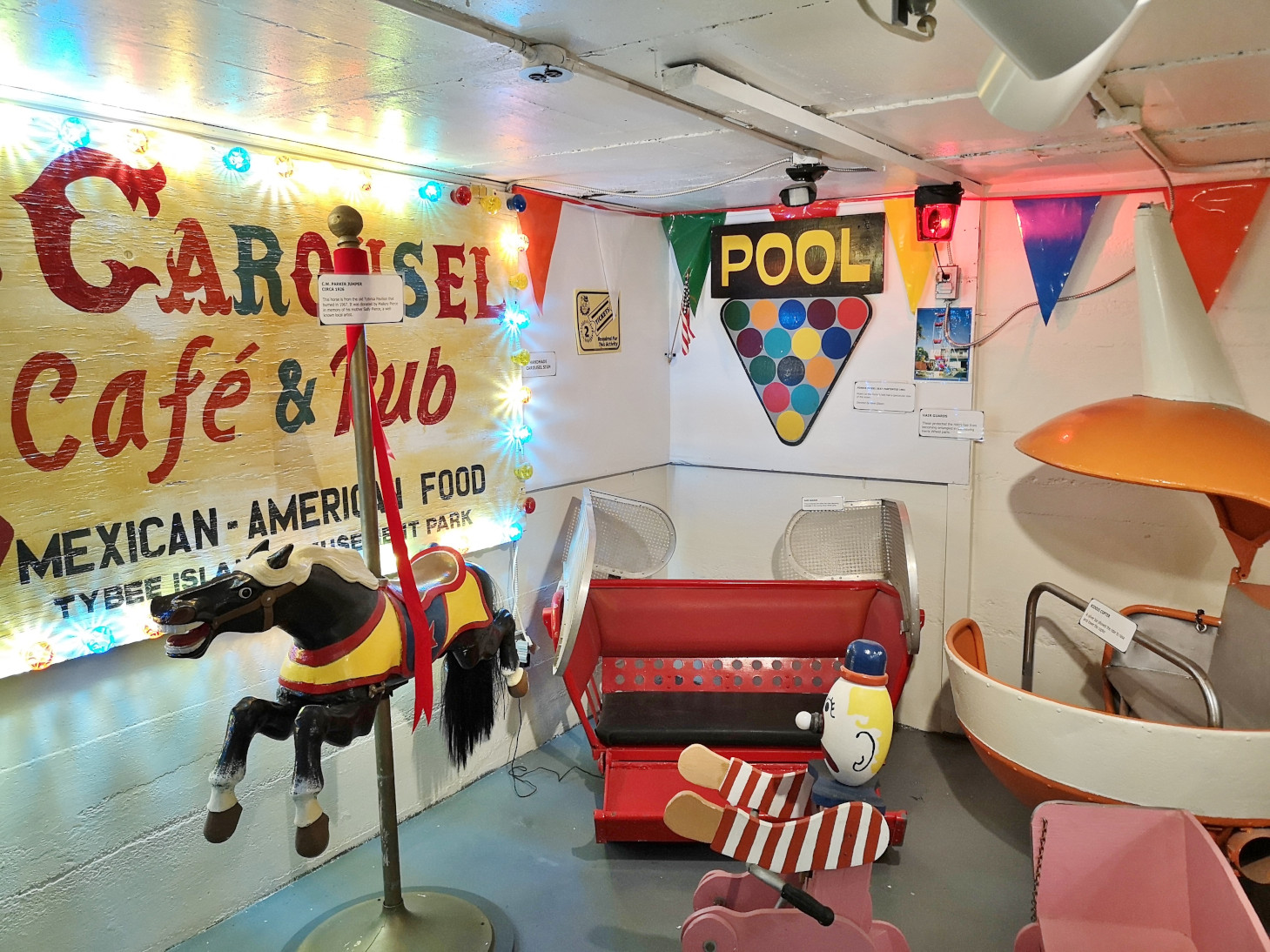
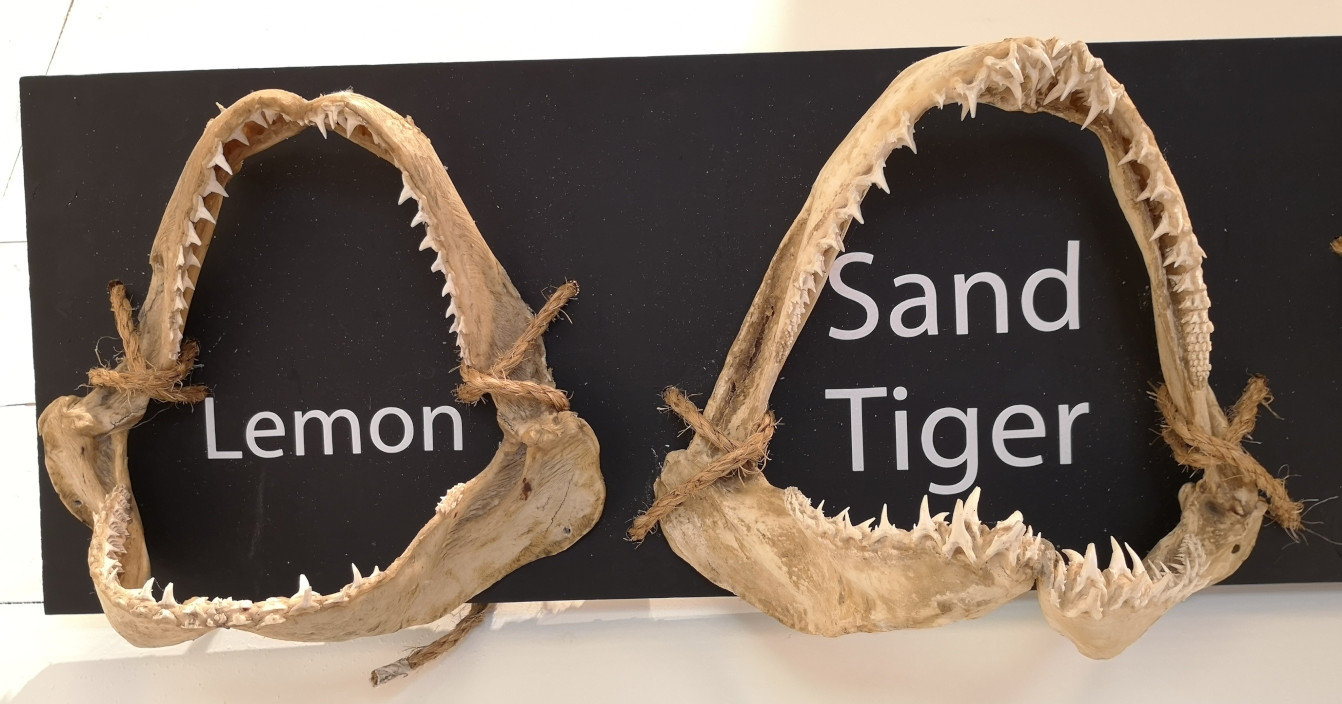
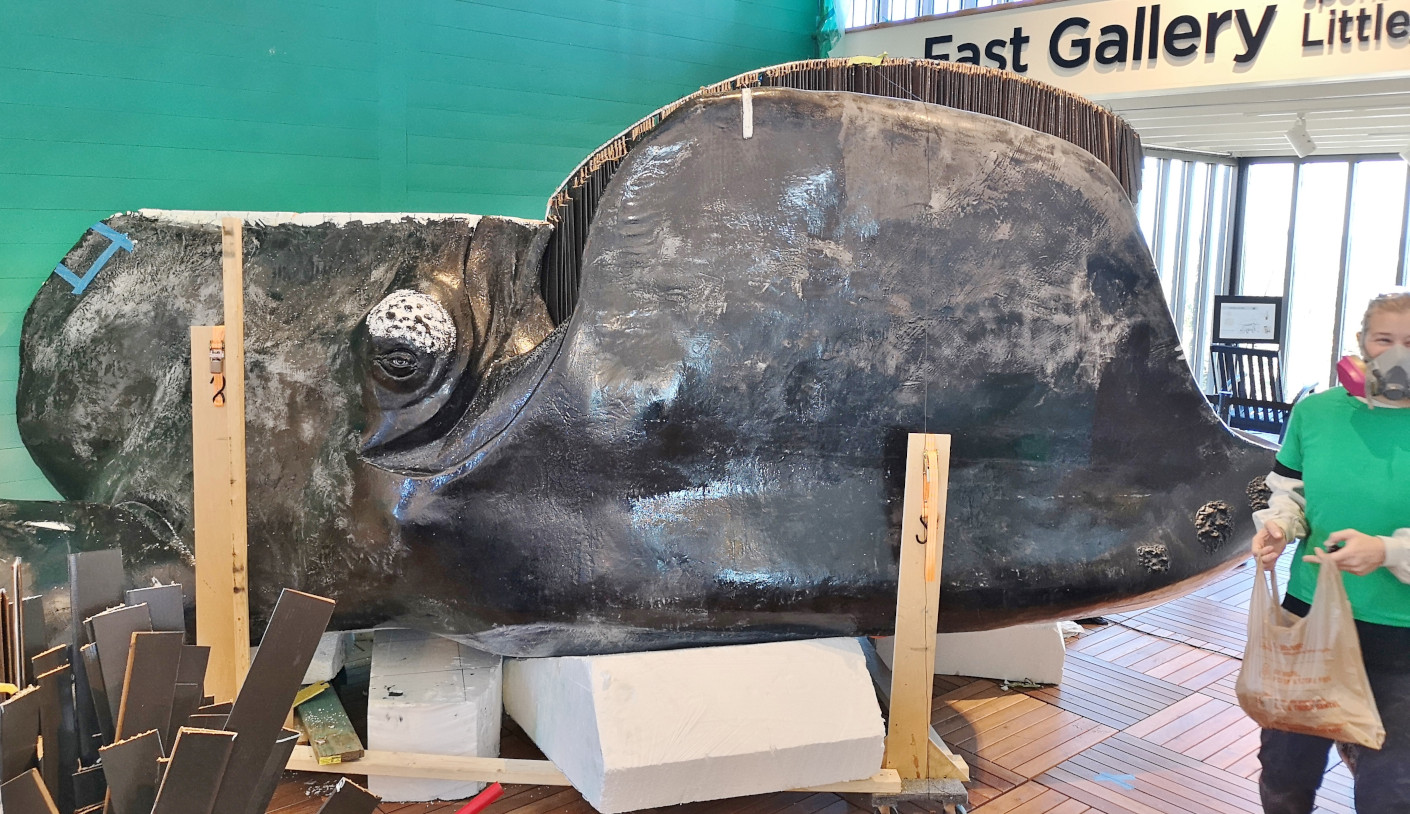
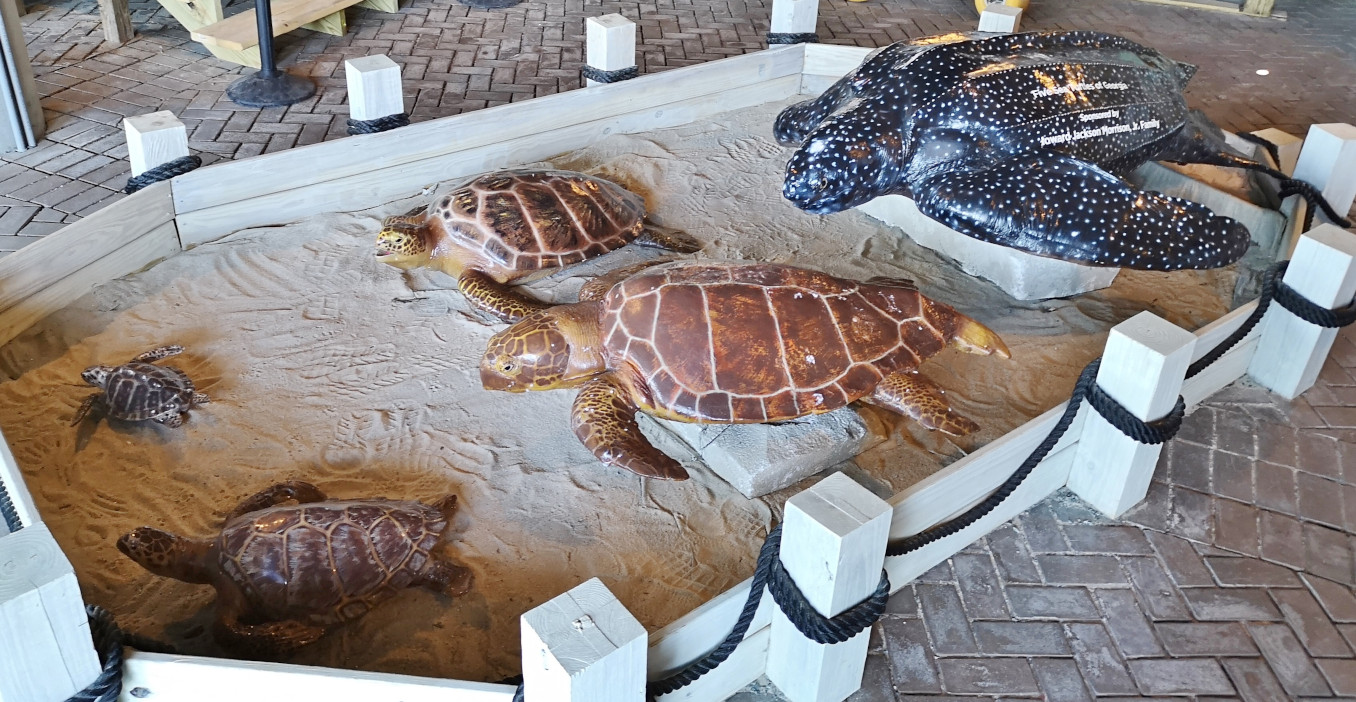
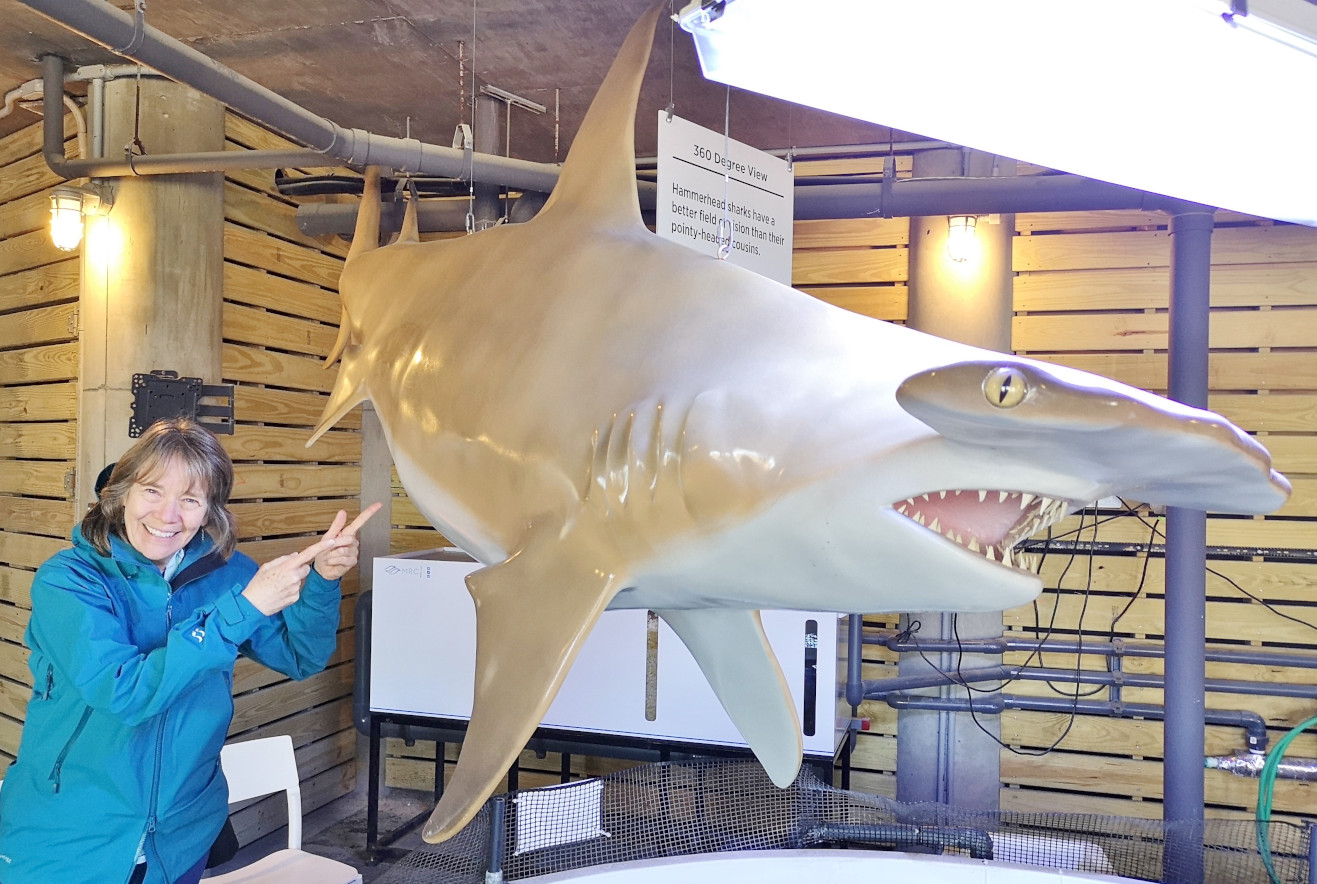
For our last full day on Tybee Island, we went to the Tybee Island Marine Science Centre in the morning. We spent several hours there as it was fascinating talking to all the staff about the local sea life. This would have been a place I would have loved to work if I had become a marine biologist (if only I didn’t let my dad talk me out of that career😉). This science centre has a lot of school groups come to it, but as we got there a large bus group was just leaving and no new groups came while we were there. We started off in the live creature area, then saw the Right Whale display they were building, and finished off with the classroom turtle and shark exhibits downstairs. Here are some fun facts we learned:
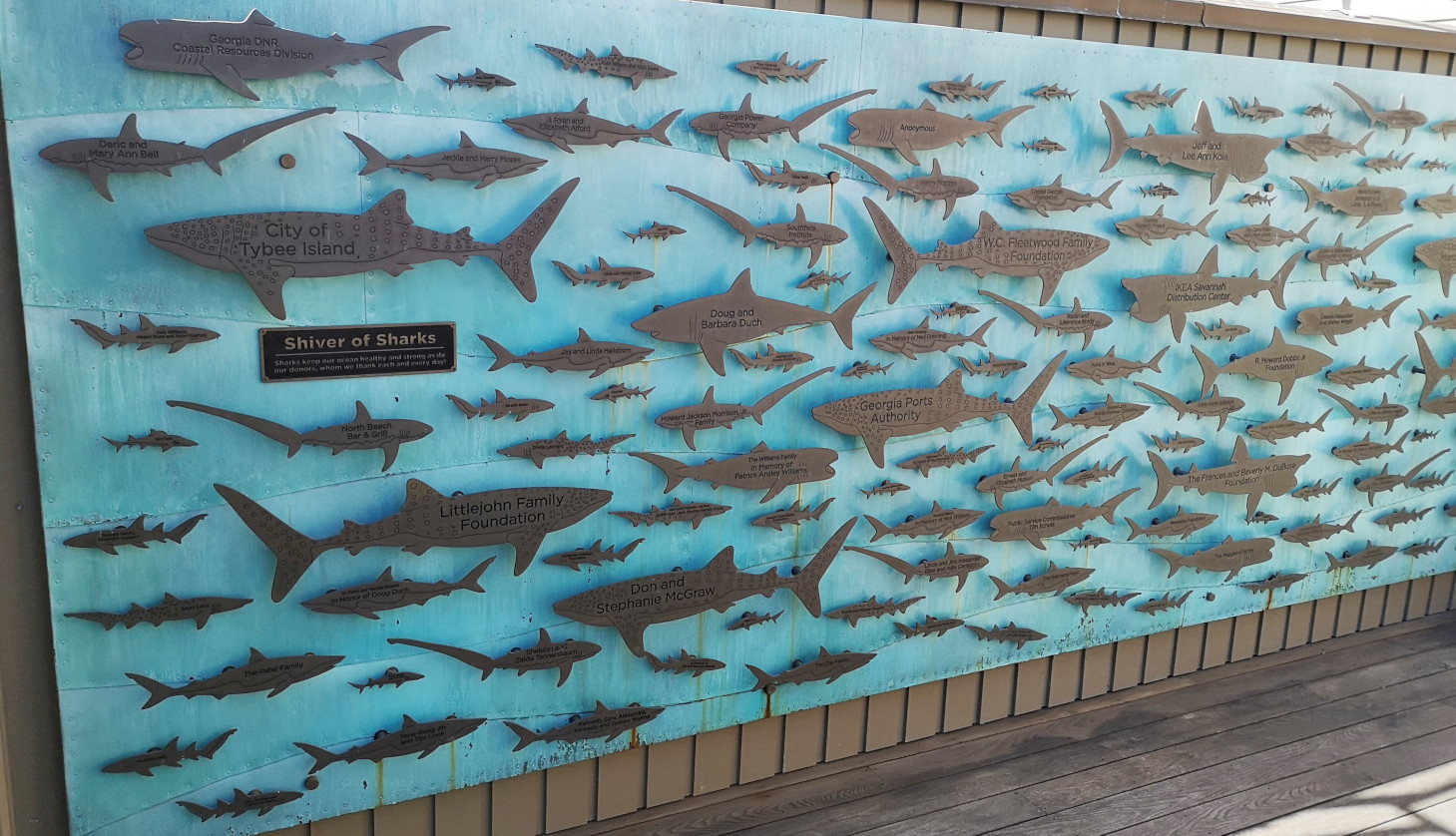
- They had a cool way to display people who had donated to the science centre with the wall of sharks with names on it. We assume your donation size determined your shark type and size.
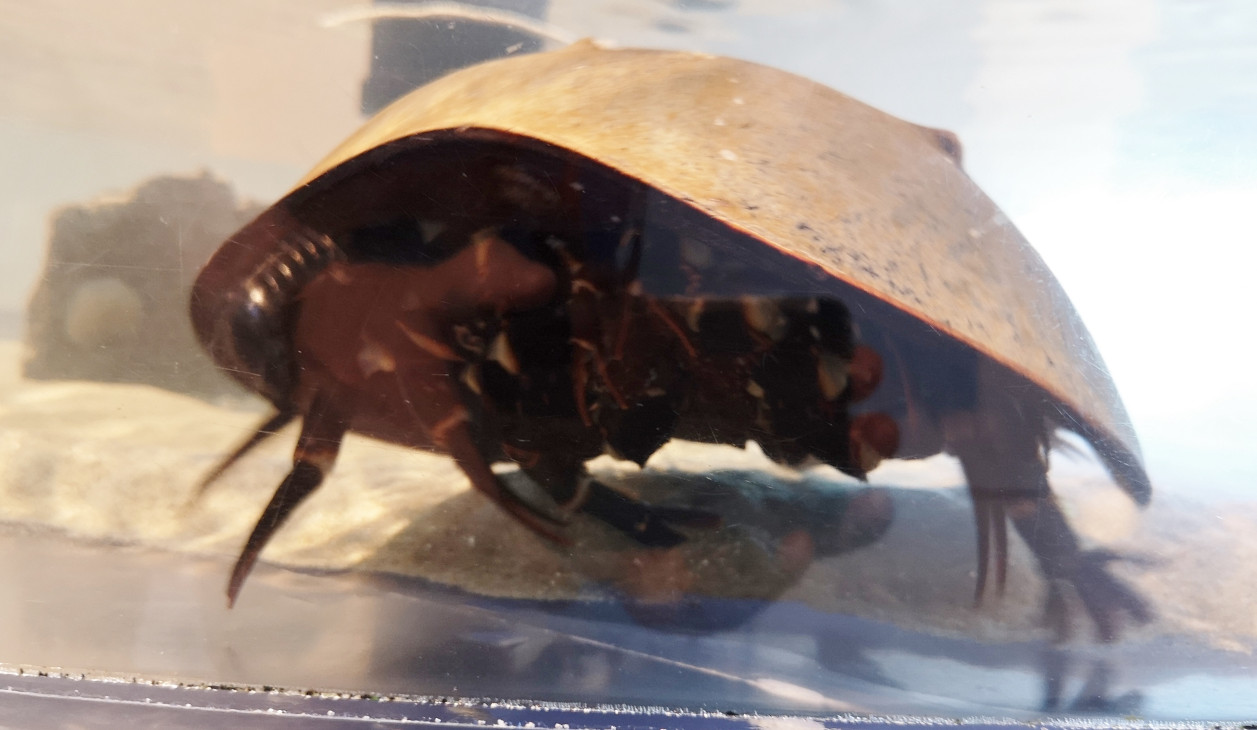
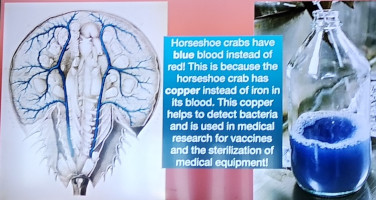
- Horseshoe Crabs look like stingrays, but they are more closely related to spiders and scorpions. Horseshoe Crabs have blue blood as they have copper in place of iron. They are like living fossils as they have not evolved for 450 million years.
- We spent time at the Q&A table where the young women helped to identify our shark’s teeth and explained about the stingray mouth plate we had found.
- A lot of the live creatures they have are rescues and they will keep them until they are 2 or 3 years old and then release them back into nature.
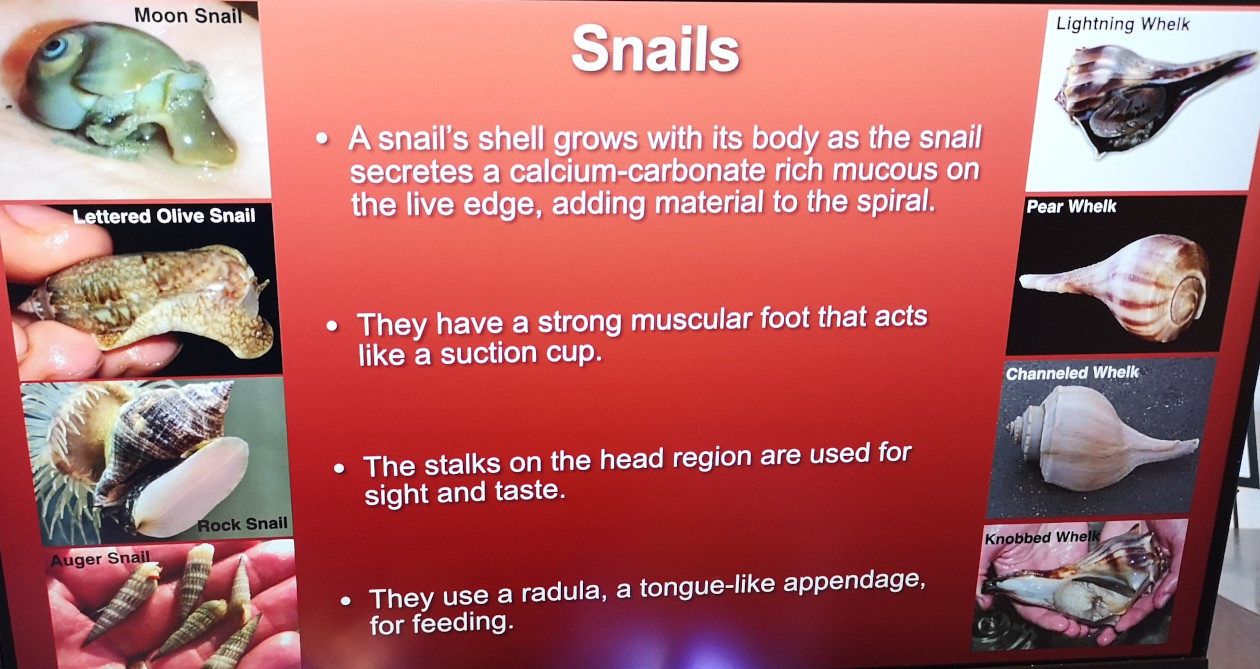
- They had a chart on snails, and we had found lots of the different types in our shell hunting. We even found some alive that we had thrown back into the ocean.
- Loggerhead Sea Turtles lay their eggs along the Georgia coast, and they had a rescue baby turtle that we got to watch them feed his lunch. They measure everything by grams to make sure he gets the exact right amount of nutrition each day, so his growth is the same as if he is in the wild. In 2023 they had 32 Loggerhead turtle nests on Tybee Island
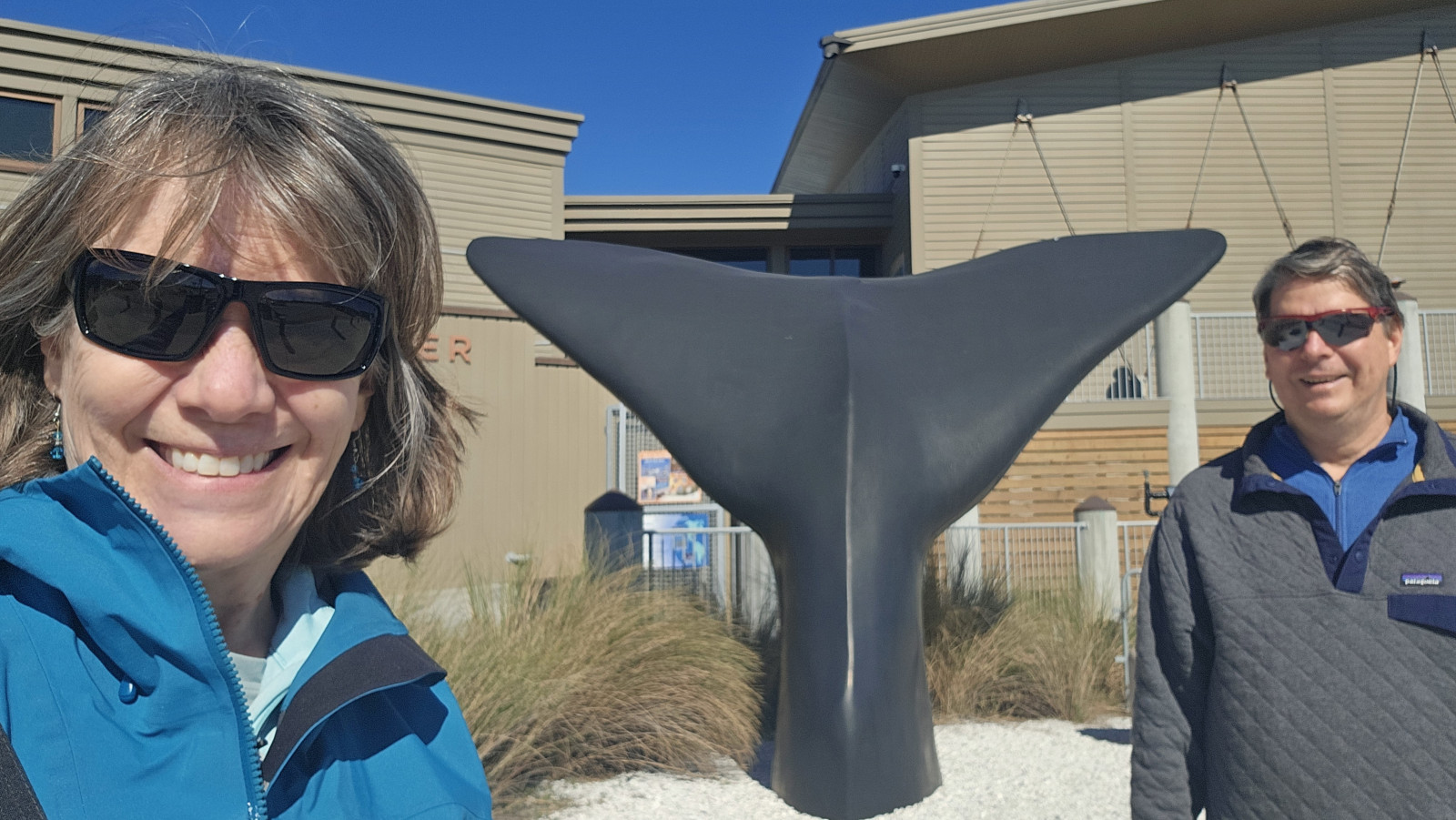
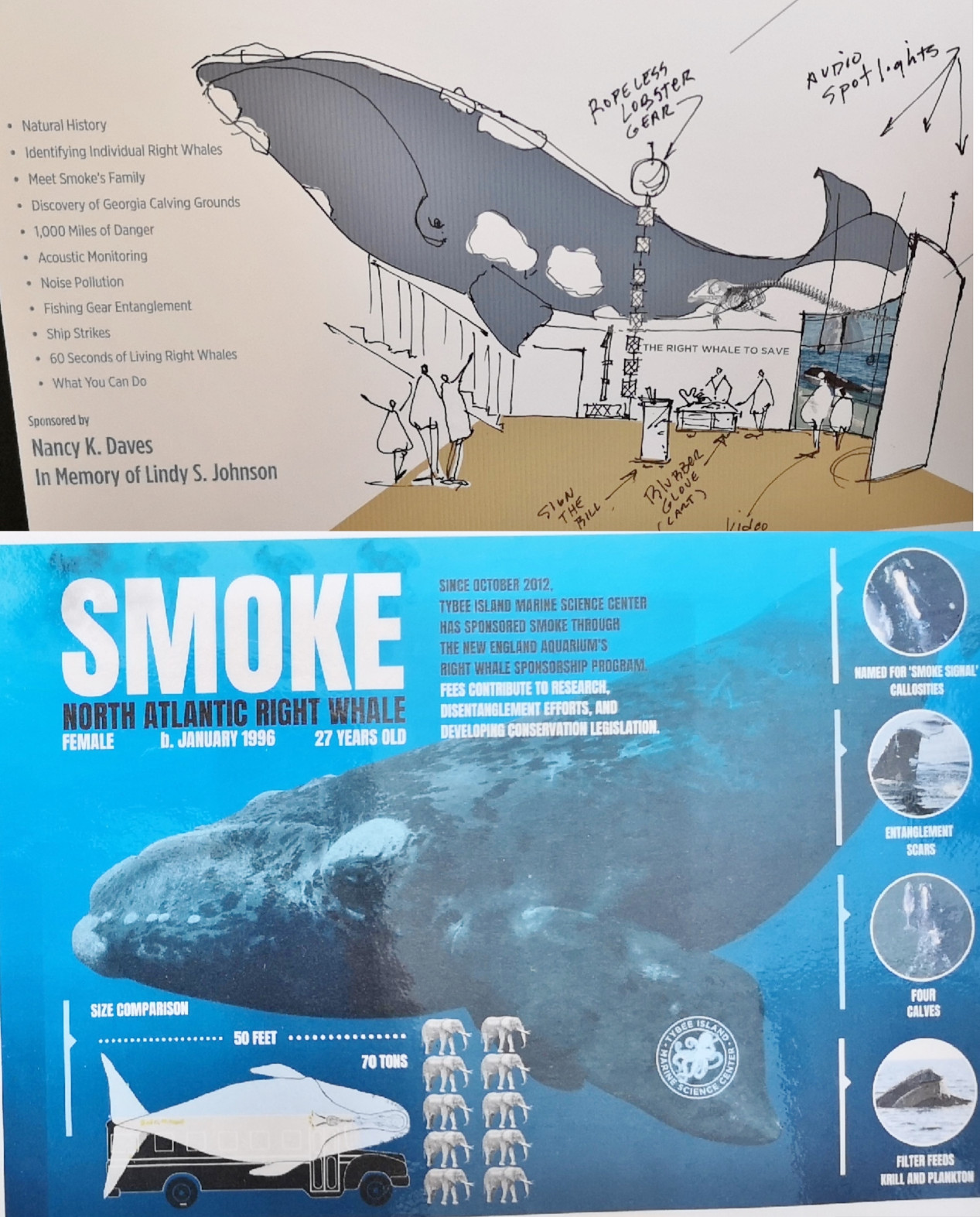
- North Atlantic Right Whales swim along the Georgia coast and they are an endangered species with only 350 individuals left with 70 females. They can be identified by the callosities on their heads. They are filter feeders who eat krill and plankton, hopefully not our RV😉They are creating a new exhibit to show an individual named Smoke.
- Sharon got to see her Hammerhead shark downstairs and we also learned that all Manatees do is eat, rest, and fart😉
This was a great science centre to visit for people who like the Ocean.
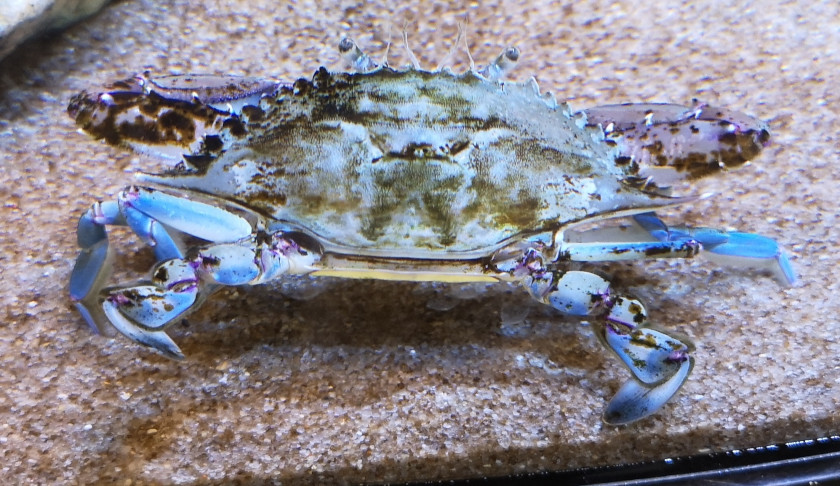
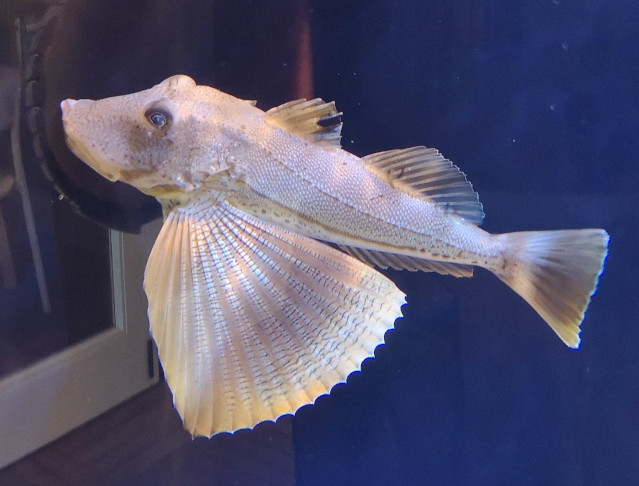
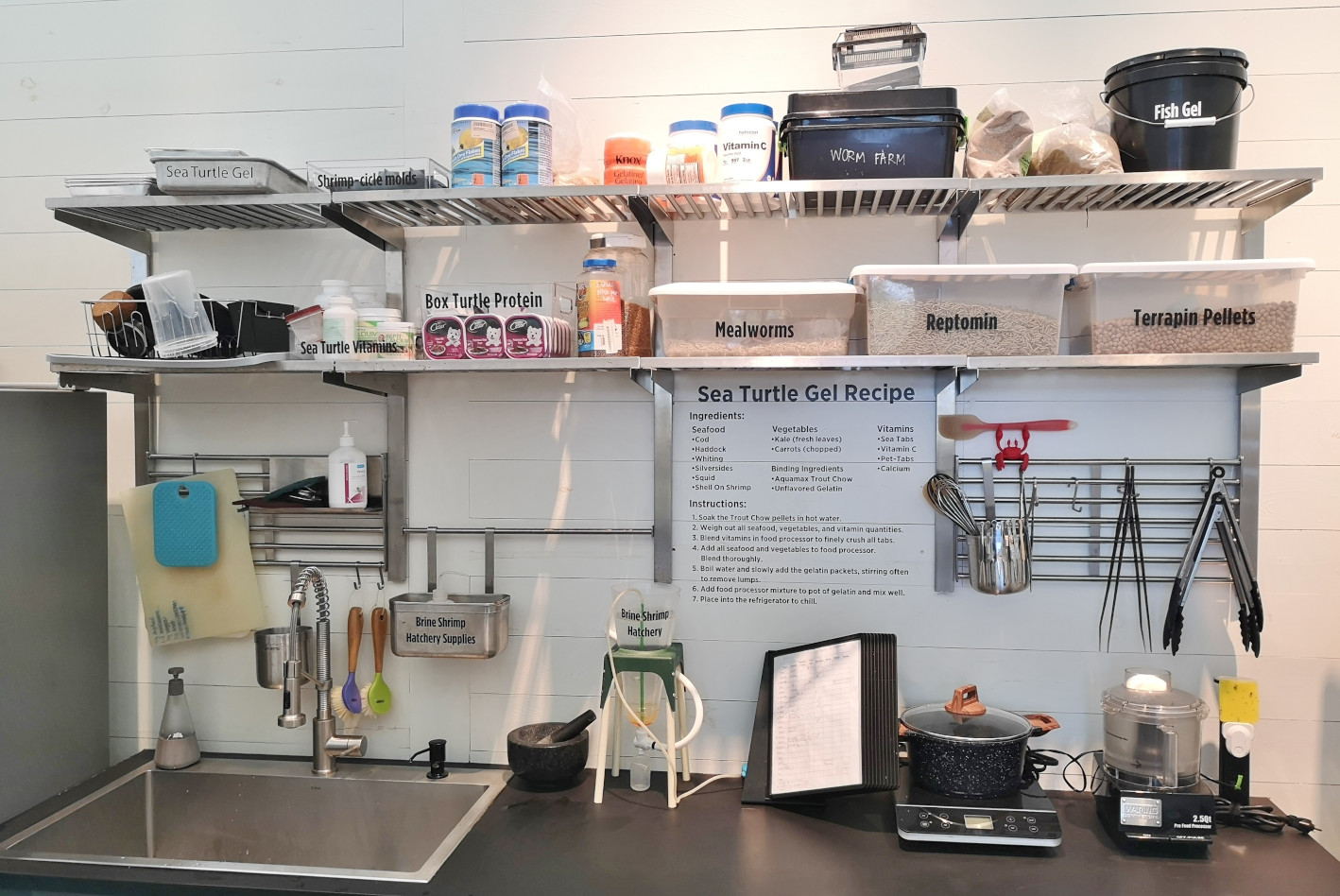
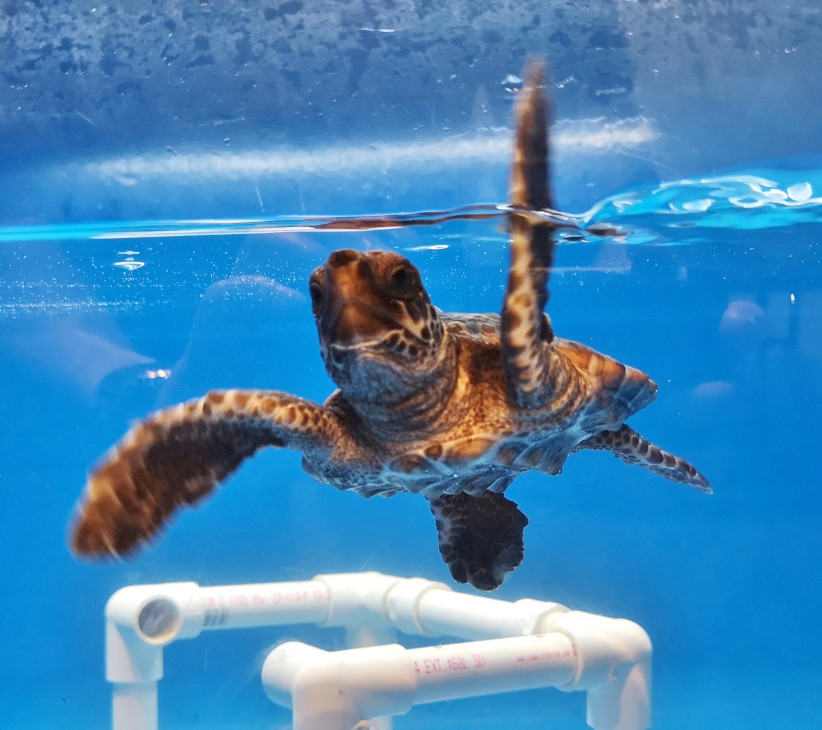


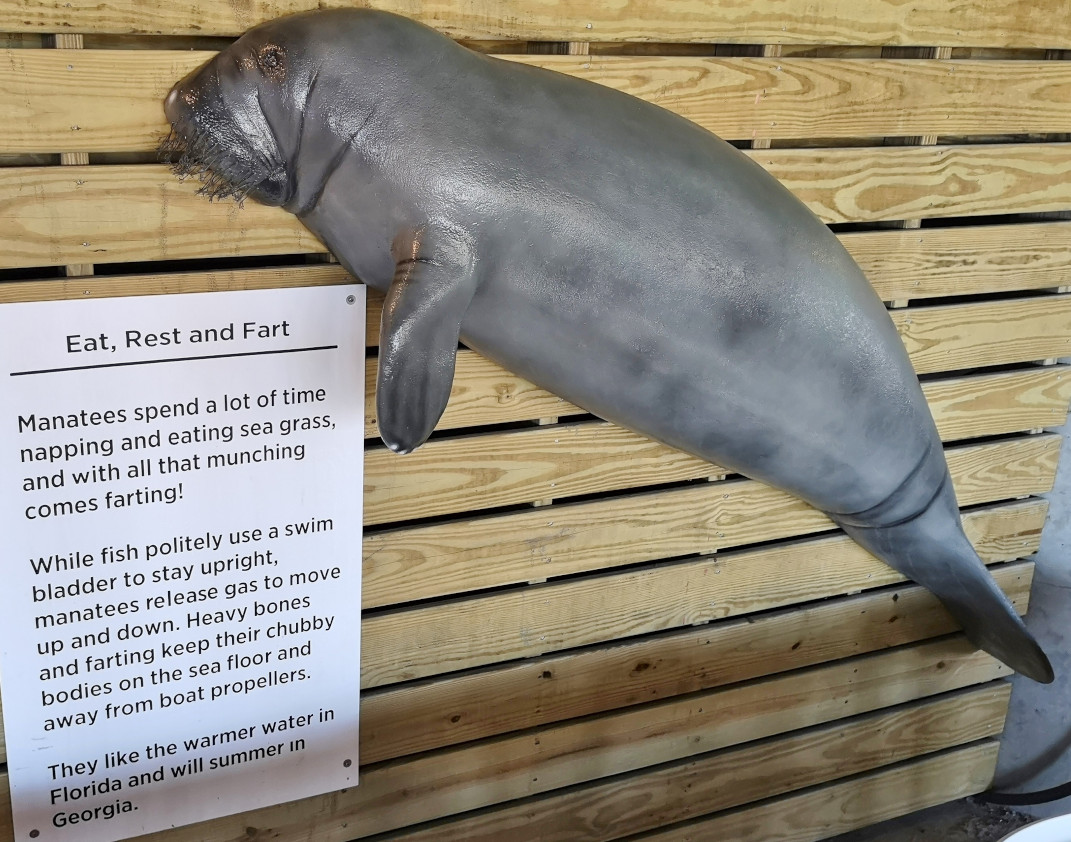
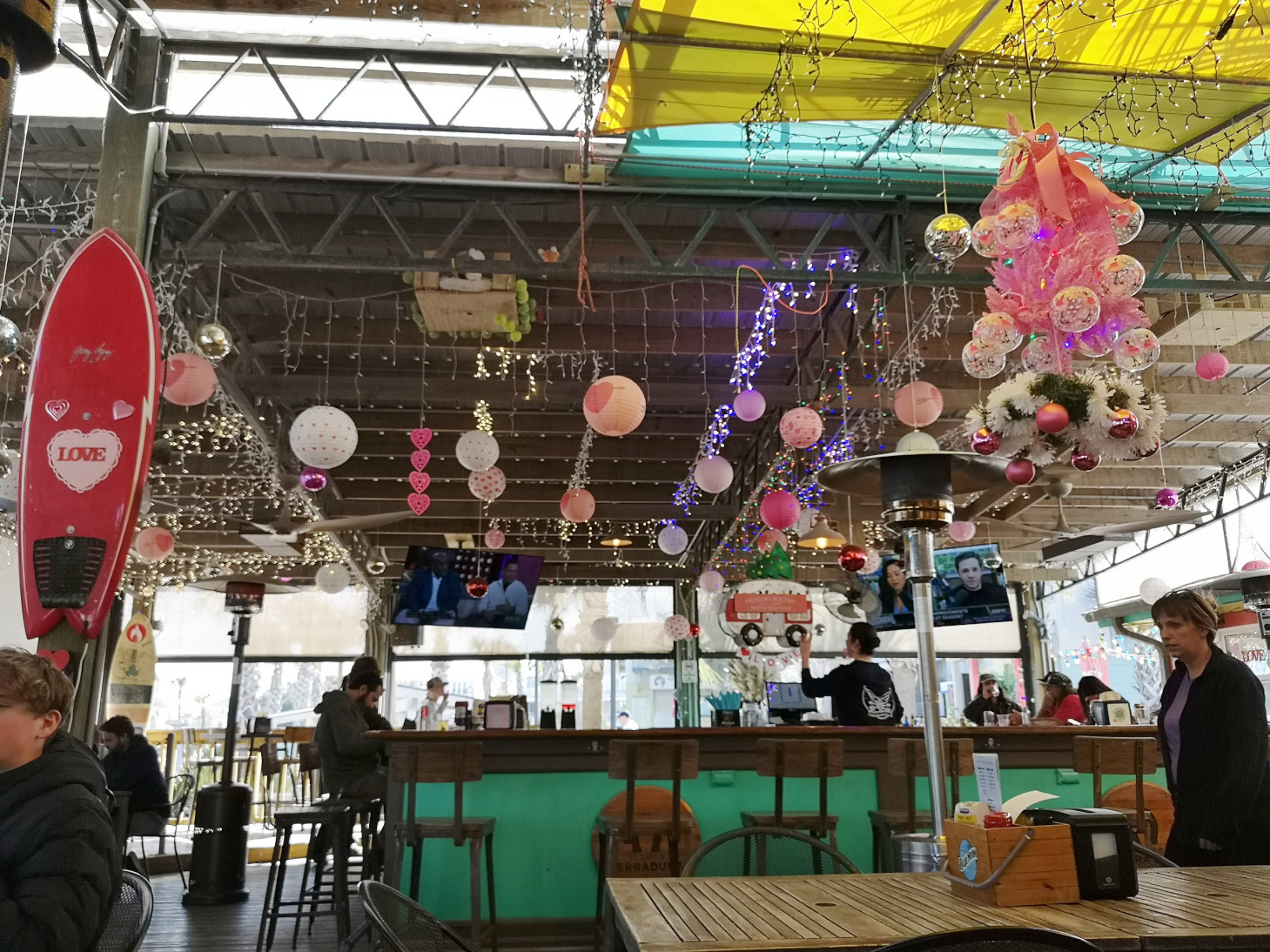
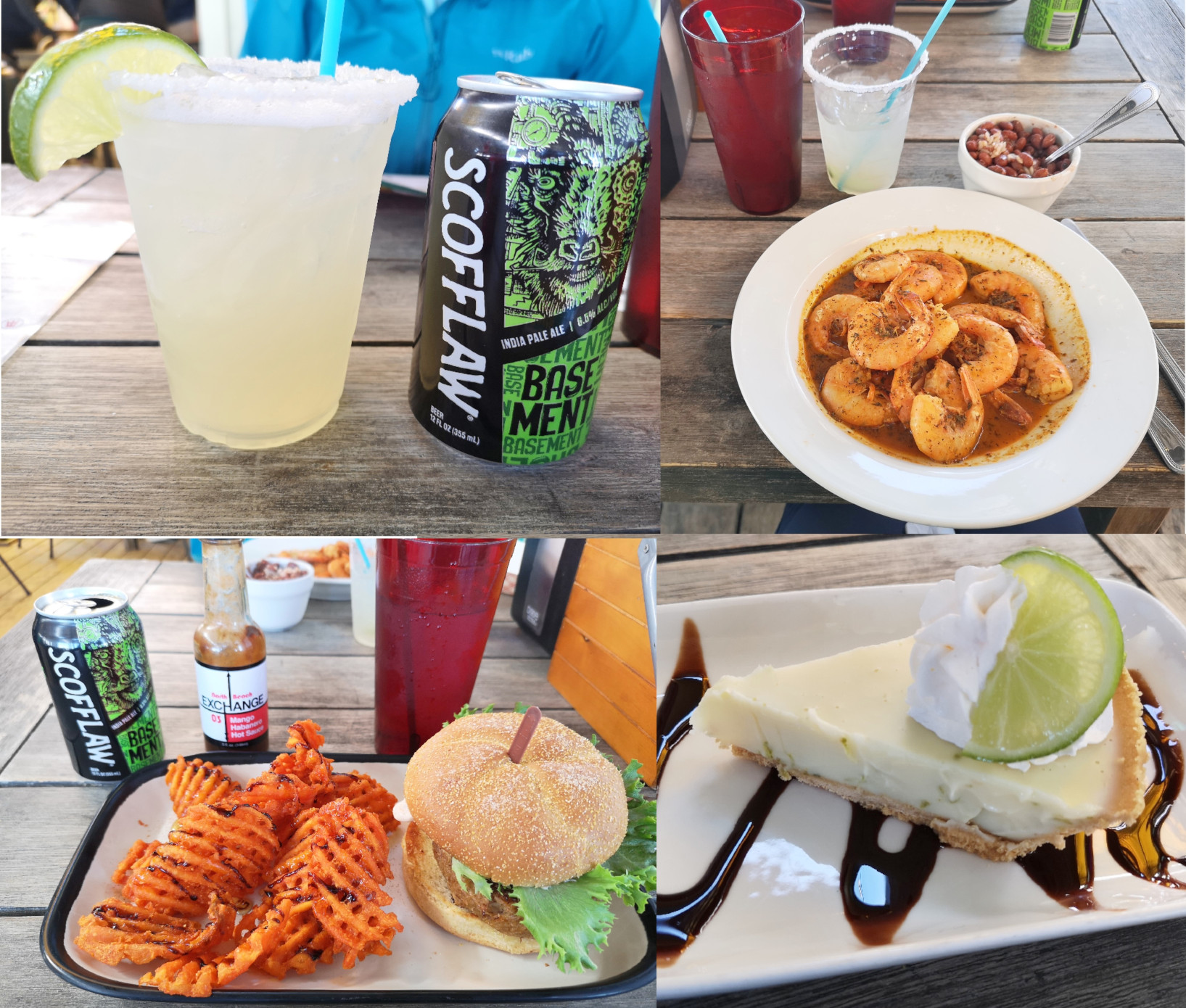
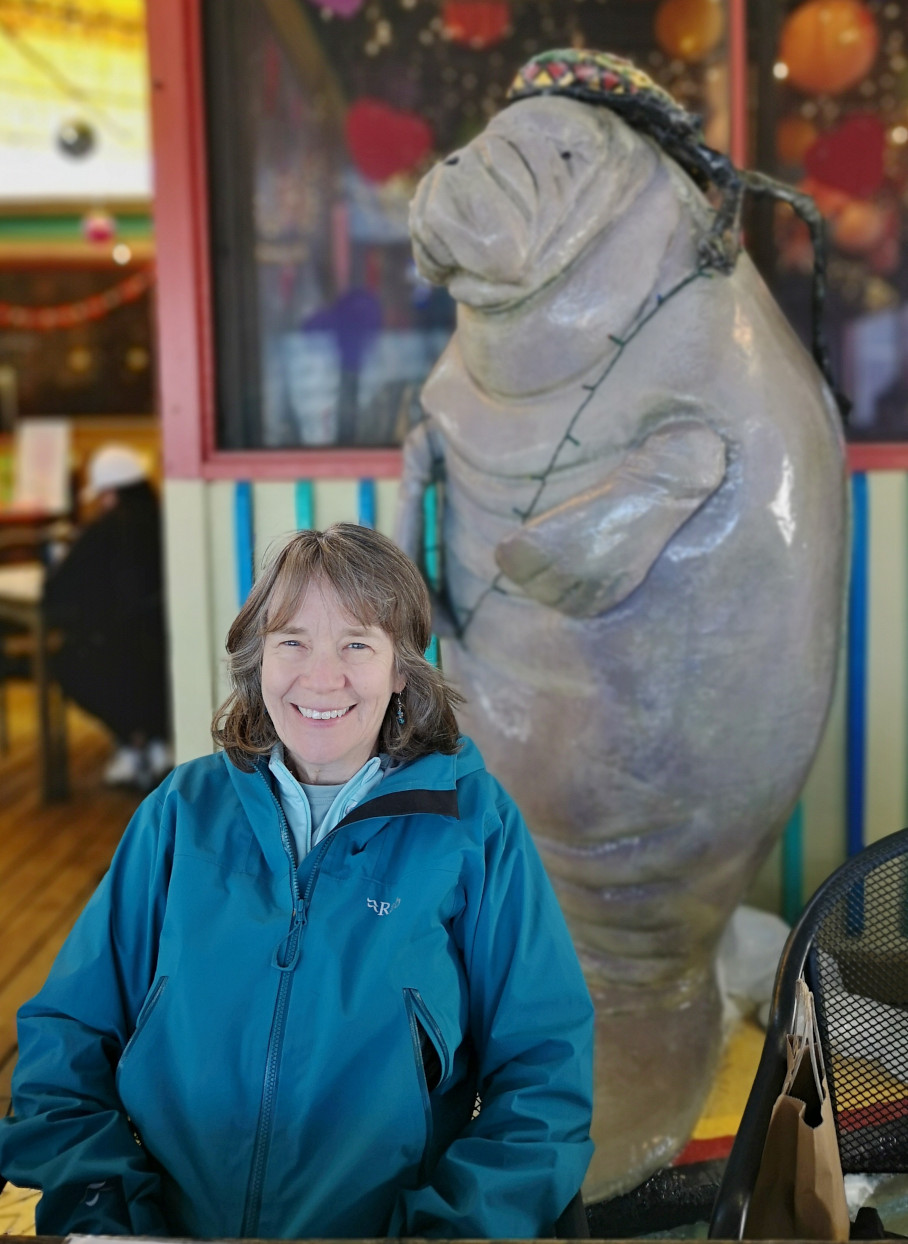
After the science centre we went out for lunch to the North Beach Bar & Grill. Sharon had met 3 ladies and when she asked about places to eat, they all said North Beach Grill. Lucky for us, it was very close. For drinks Sharon had a Margarita and I had a local IPA, Sharon had Blackened Shrimp with rice and beans, I had the Crab Cake sandwich with Sweet Potato fries with honey glaze, and for dessert we had White Chocolate Key Lime Pie, everything was excellent! It was appropriate that Sharon had the Manatee behind her after having been at the science centre, no she wasn’t farting😉
After lunch we did another walk north along the beach and eventually found a private path through the dunes to get back to the RV park. We definitely enjoyed Tybee Island and would return again to visit. Our next blog will take us inland in Georgia to several new (to us) State Parks.
 Joel & Sharon
Warm hello, Joel and Sharon 💕💕
This blog post was fascinating! Loved it all. Pleased to read you were able to get parts and service for the RV and truly hoping your bronchitis (and more) has cleared your system, Joel. Thinking of you as we experience almost Spring-like weather. Keep expecting it will snow but enjoying it while it lasts! Sending you warm hugs with all the best wishes for good health and continued safe travels with captivating adventures.
LikeLiked by 1 person
Thanks Sandra for your comments and so glad you enjoyed this blog, quite a mix 😉 Yes Bronchitis is cleared now so all is good. We’ve been watching the temperatures back home and often they’re not too far off what we’re having, although now we’re starting to get 70’s during the day as we get further south, night times are cool usually a couple of days each week. All the best to you and Ray 👍🥂
LikeLike
No, Sharon wasn’t farting – the manatee behind her did that work!!! I burst out laughing at the manatee description “eat, sleep, fart”. So so funny! I loved the long shot beach photo…..made me want to walk there. Re: Tybee Island – I recently read an article about how expensive it is to book/stay there. Much of the property is Airbnb/VRBO rentals and with high prices because of the high demand. It seems that Tybee has become a tourist hub par excellence (say that with a French accent). As the municipality (or whatever it’s called in the U.S!) didn’t put any rules in place, the short term rentals took over. Yikes! Good thing you could camp!
I really enjoyed the marine biology part of this blog – thanks Joel!!! And love your new t-shirt – puns are not the lowest form of humour – they’re my favourite!!
LikeLike
Wow you got caught up quickly Ella. We really appreciate all your comments 👍😎 The camping at Tybee was less expensive than lots of the State Parks in South Carolina but they may raise their prices if the Airbnb’s have taken over. It was really a nice beach. We could imagine it’s packed in the summer months, we were there in more of a low season type timing. The staff in the Marine Science Centre were fantastic, I think we spent at least 10 to 15 minutes talking to each one of them. 😎🏖️
LikeLike
Did you think for a moment that mobile RV technician may have been the same guy sitting in the shop at Camping World, waiting for the $$$ mobile call? LOL.
LikeLike
Should I care Danny, better to get the immediate fix instead of waiting 3 weeks 🤔
LikeLike